
Tayco Office Furnishings Inc.
400 Norris Glen Rd.
Toronto, ON M9C 1H5
T: (416) 252-8000
T: (800) 675-4092
F: (416) 252-4467
[email protected]
Tayco Office Furnishings Inc.
400 Norris Glen Rd.
Toronto, ON M9C 1H5
T: (416) 252-8000
T: (800) 675-4092
F: (416) 252-4467
[email protected]
China Best Gym Trampoline Manufacturer Supplier? The answer requires more than comparing prices or viewing polished factory photographs. A dependable supplier should demonstrate practical manufacturing experience, stable material sourcing, and documented quality controls. Buyers should inspect frame welding, spring tension, mat stitching, padding thickness, and enclosure strength. Small details matter. A loose strap can become a serious operational concern.
George Nissen, widely recognized as the trampoline’s inventor, said, “The trampoline is a device that allows you to defy gravity.” His words reflect both the excitement and responsibility behind modern Gym Trampoline equipment. A professional manufacturer should understand athletic movement, repeated impact, user safety, and installation conditions. It should also explain testing methods clearly, rather than hiding behind broad marketing promises. Relevant certifications may support confidence, but buyers should verify their scope, validity, and issuing organizations.
China has many capable Gym Trampoline manufacturers, yet quality can vary between factories. Some suppliers offer excellent steelwork but weaker customer support. Others provide attractive designs but limited testing evidence. No supplier is perfect. That caveat matters. A responsible sourcing process may include factory audits, sample testing, production inspections, and clear warranty terms. Buyers should also request maintenance guidance and replacement-part availability before signing a contract. The best supplier is not always the cheapest. It is the partner that communicates honestly, documents performance, and improves when problems appear. This introduction examines the practical standards, supplier capabilities, and evaluation steps that help buyers make a safer, more informed decision.
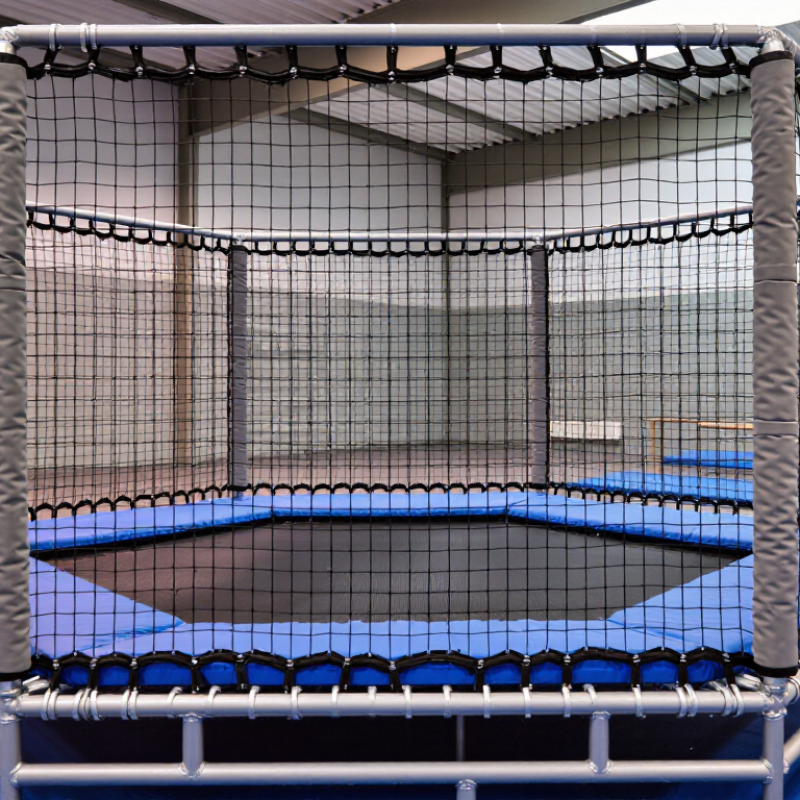
A high-quality gym trampoline manufacturer is defined by more than a low quotation. It begins with controlled materials, accurate welding, and a clear understanding of athletic use. The frame should resist repeated impact without sharp edges or unstable joints. Springs need consistent tension, while the jumping mat must remain flexible after frequent training sessions. Experienced manufacturers test these parts together, not only as separate components.
Reliable production leaves evidence. A professional supplier can provide material records, load-test results, inspection reports, and traceable batch numbers. Its quality team should check frame dimensions, spring counts, mat stitching, padding thickness, and packaging before shipment. Factory experience matters here. Small errors can change the rebound and affect an athlete’s landing. Ask how defects are handled, not just how products are advertised.
Safety documentation must match the actual trampoline. Independent testing can strengthen confidence, but vague certificates deserve careful questions. A trustworthy supplier explains maintenance intervals, replacement parts, installation steps, and expected service conditions. Communication also reveals expertise. Can the technical team answer practical questions quickly? Perhaps not every factory performs perfectly. That is worth admitting. Honest suppliers record failures, study returns, and improve designs instead of hiding inconvenient details. A dependable China-based manufacturer should offer consistent production, realistic lead times, and support after delivery. Fancy photographs are not enough. Tests and records matter more.
Designing and manufacturing gym trampolines requires more than stretching fabric over a steel frame. Engineers first define the intended use, jumper weight range, available space, and expected training intensity. These details guide the frame diameter, spring length, mat tension, and padding thickness.
A reliable manufacturing process begins with measured steel tubing and controlled welding. The frame should resist twisting during repeated landings. Springs need consistent length and corrosion resistance. The jumping mat usually combines strong woven fibers with reinforced stitching around every attachment point. Padding must cover hard edges without shifting during use. Each finished trampoline should receive dimensional checks, rebound testing, stitching inspection, and repeated-load testing. Clear records improve traceability and help identify weak production batches. No factory process is flawless. Small variations can still appear.
Tips: Check frame welds, spring alignment, mat stitching, and pad movement before delivery. Ask for test records, material details, and maintenance guidance. A thoughtful supplier should explain these points clearly, not hide behind attractive photographs. Installation also matters. An uneven floor can change rebound behavior and increase wear. Regular inspections may reveal loose fasteners or damaged padding before they become serious concerns. Some designs look excellent on paper but feel unstable in a busy training room. Real use should influence future improvements.
This chart shows standard metric reference dimensions for a full-size competition trampoline: the jumping bed is approximately 4.28 m long and 2.14 m wide, while the supporting frame is approximately 5.05 m long and 2.91 m wide. During manufacturing, these dimensions guide frame welding, spring positioning, mat cutting, padding design, and final dimensional inspection.
A reliable gym trampoline manufacturer should treat safety as a tested process, not a marketing claim. The frame needs stable steel tubing, clean welds, and corrosion-resistant finishing. Its jumping mat should maintain even tension without loose stitching. Springs must be covered by thick, securely attached padding. Check the padding after repeated use, because small gaps can appear before obvious damage.
Quality control should include load testing, rebound consistency, frame stability, and repeated-use inspections. Ask suppliers for test reports, material specifications, production records, and clear maintenance instructions. Confirm that the equipment meets applicable national or regional standards, such as recognized requirements for gymnastics equipment. Independent testing adds confidence, but documents alone cannot prove daily safety. An experienced inspector should examine the assembled trampoline, anchors, surface clearance, and nearby flooring. I have found that installation mistakes often create more risk than the equipment itself.
Tips: Measure the training area before ordering. Keep safe clearance around every side. Inspect springs, stitching, welds, and padding before each session. Record defects with photographs and dates. Remove damaged equipment immediately. A perfect checklist is impossible. Still, honest inspection catches problems early. Supplier communication also matters; unclear answers about testing or replacement parts deserve careful attention.
Choosing a gym trampoline supplier requires more than comparing online prices. In my supplier evaluations, I check factory capacity, material records, and quality procedures. Ask whether the frame uses consistent steel thickness and whether springs receive corrosion protection. Request production photos, sample measurements, and recent inspection records. A dependable supplier should explain each process clearly.
Tips: Visit the factory if possible. Watch a frame being welded. Inspect the mat, stitching, padding, and spring alignment by hand. Ask for a sample before placing a large order. Small details matter.
I once focused too heavily on a polished catalog and missed weak packaging protection. That mistake taught me to inspect cartons, corner guards, and moisture barriers. Suppliers should provide traceable batch numbers and written testing methods. Check whether the trampoline remains stable after repeated jumping cycles. Also review how the supplier handles defects, replacement parts, and delivery delays. Fast replies are useful, but documented answers are more reliable. Request clear drawings and agreed tolerances before production starts. Do not accept vague promises. A lower price may hide thinner padding or inconsistent assembly. The best supplier is not always the cheapest. It is the one that can repeatedly deliver safe, stable, and accurately finished equipment. Allow time for independent checks, because factory claims still need verification.
Choosing a gym trampoline supplier requires more than comparing prices. Check the factory’s production experience, material records, and quality control process. Ask whether the frame uses tested steel, whether the jumping bed has consistent tension, and how springs resist repeated impact. Request recent product photos, inspection reports, and sample units. A sample may reveal loose stitching, uneven padding, or unstable legs that specifications hide.
Tips: Confirm size, weight capacity, packaging, spare parts, and customization details in writing. Ask for a clear production schedule and a pre-shipment inspection plan. Verify how the supplier handles damaged cartons or missing components. Small details matter. They often become expensive problems in bulk orders.
During communication, assess technical knowledge rather than friendly promises. A reliable supplier should explain assembly, maintenance, surface protection, and safe storage clearly. It should also identify limits instead of claiming that every model fits every gym. I once underestimated packaging strength on a large equipment order; several boxes arrived with crushed corners, although the trampolines remained usable. That mistake taught me to test loading conditions, not just the product itself. Leave time for corrections, because factory samples and mass production are not always identical.