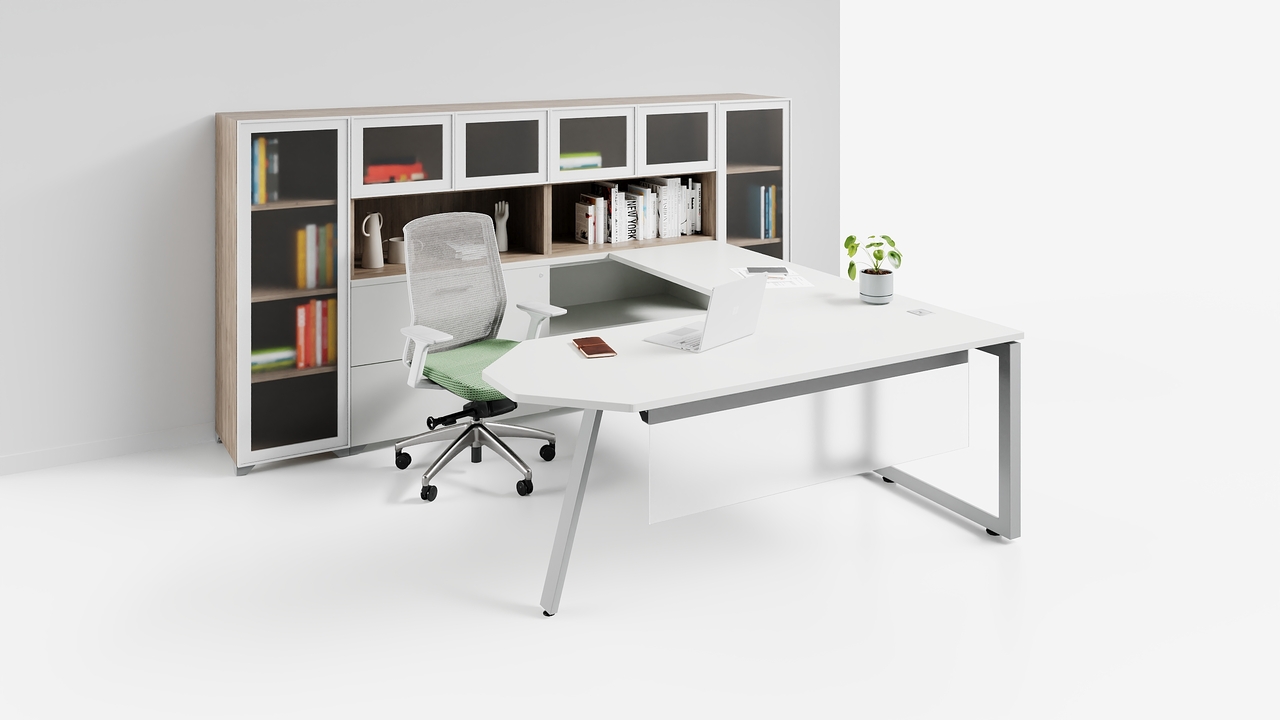
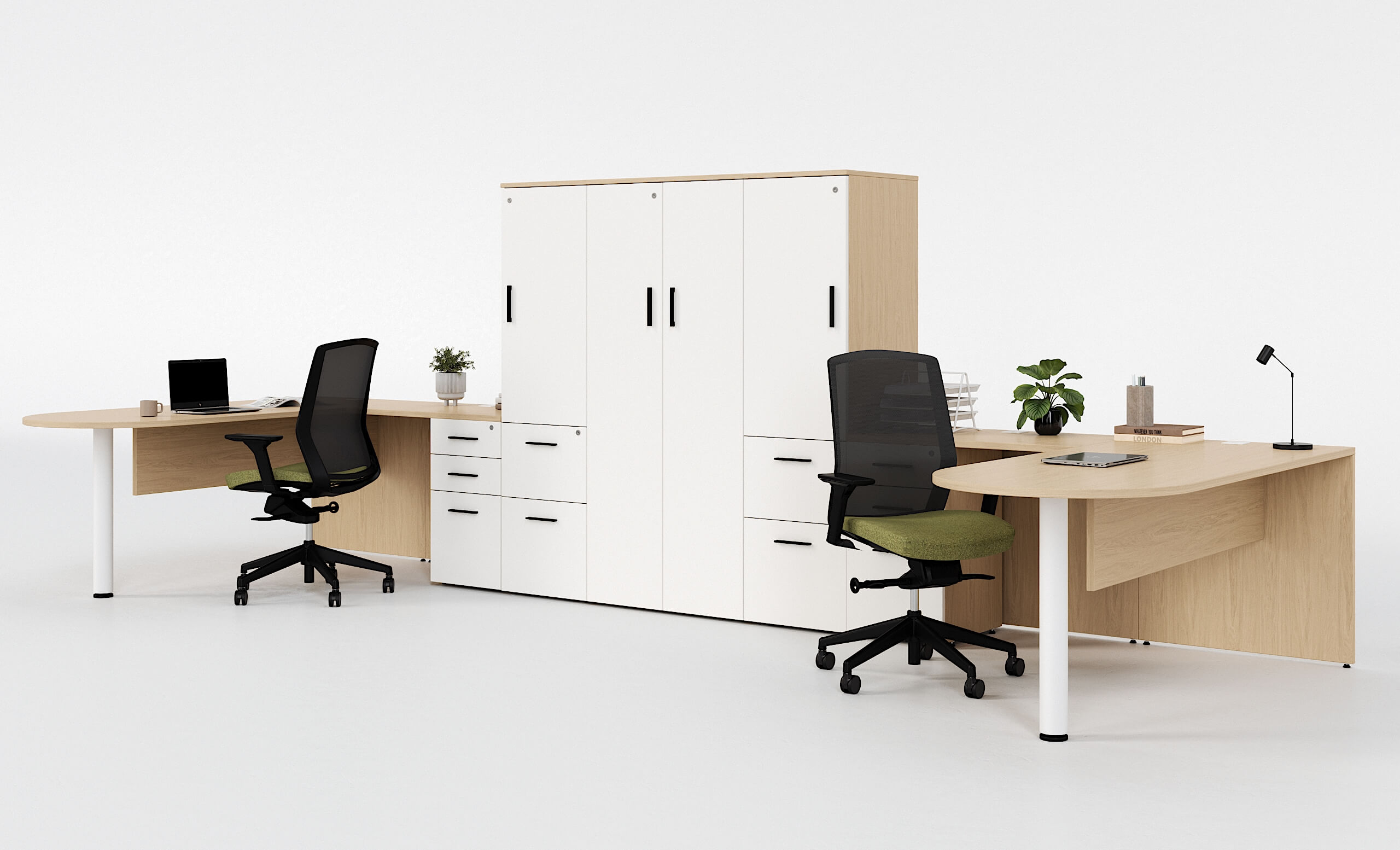
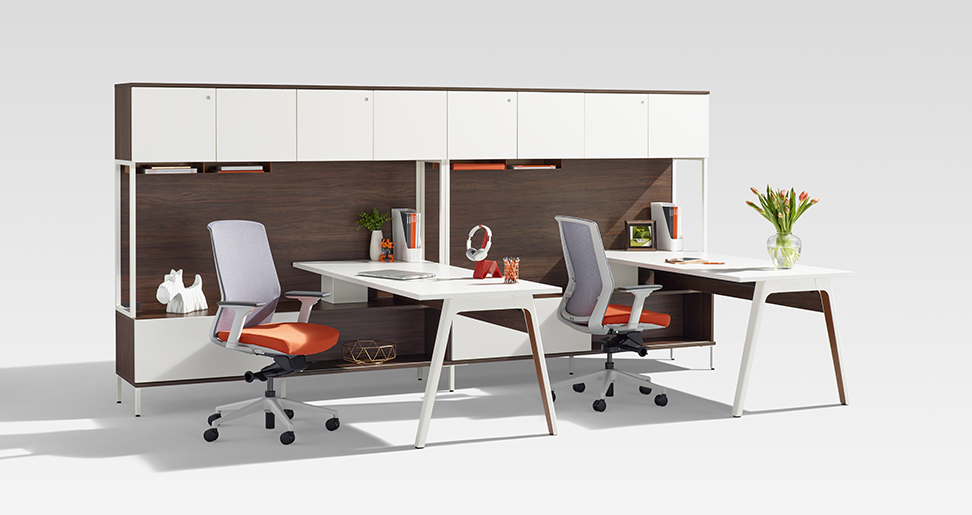
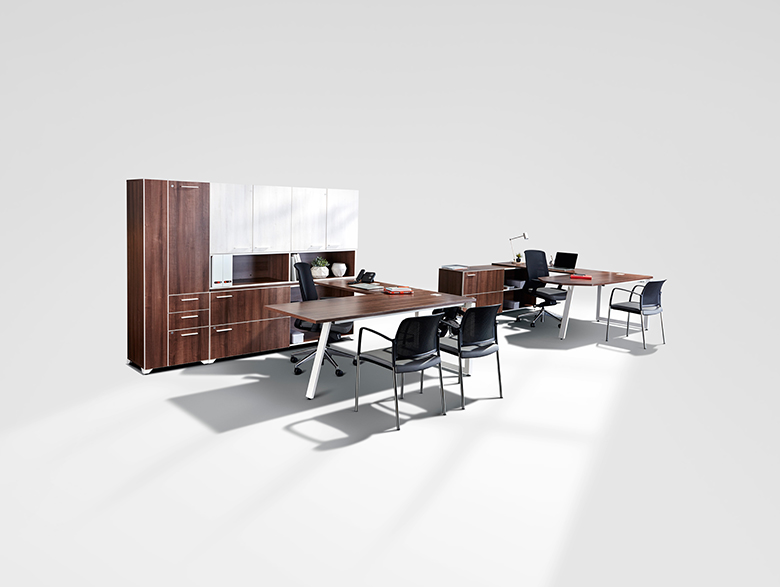
How to Choose the Best Office Cabinet for Your Business?
Choosing the right office cabinet is not a minor furnishing decision. It shapes how people find files, protect equipment, and keep walkways clear. A shallow drawer that cannot fit a binder can waste time each day. A tall unit beside a window can block natural light. Small mismatches become costly when repeated across a busy team.
Workplace research makes the choice worth examining. Gensler’s 2024 Global Workplace Survey drew on more than 16,000 office workers across 15 countries to study their workplace experiences. It does not prescribe a cabinet size or test specific products. Still, it reminds us that furniture should support the way people work. George Nelson, the influential furniture designer and longtime Herman Miller design director, is often quoted: “Design is a response to social change.” Applied to an office cabinet, that means considering changing teams, hybrid schedules, and real document flows—not just the finish.
This guide compares materials, dimensions, locking options, mobility, and long-term costs. It also separates useful specifications from showroom language. Begin with what staff actually store: legal files, laptops, sample books, or supplies. Measure doorways and allow room for drawers to open fully. Decide what needs a lock and who needs access. There is no perfect model. Even a careful plan can miss a team’s habits, so review the choice after installation. The best cabinet makes daily work safer, clearer, and easier to maintain.

Assess Your Business’s Storage Needs
Before comparing cabinet styles, spend a week tracking what your team needs to store. List paper files, stationery, product samples, and shared equipment separately. Note how often each item is used and who needs access. Start with a real inventory. A cabinet filled with daily-use supplies should sit near the people who reach for them, not in a distant records area. Measure folders, binders, and bulky items; a shelf that is too shallow wastes space, even when the cabinet looks large.
Then assess volume, security, and available floor space. Estimate how much storage you need now, and allow room for moderate growth. Avoid buying for a dramatic expansion that may never happen. Check the cabinet’s dimensions against doorways and walkways, and confirm that drawers can open without blocking desks or exits. For confidential files, consider who should have access and whether a lock is practical. One detail is easy to miss: heavy paper records can strain shelves, so check load limits before filling them. Revisit your estimates with the people who use the storage each day; their habits may not match the original plan.
Assess Your Business’s Storage Needs
Example office inventory: estimated shelf frontage required by storage category
This sample inventory requires about 77 linear feet of storage frontage. Allowing roughly 20% for growth brings the target to about 93 linear feet. Estimate your own needs by counting items and measuring their widths before choosing cabinets.
Compare Office Cabinet Types and Materials
An office cabinet should fit the work it will actually do, not just the room’s style.
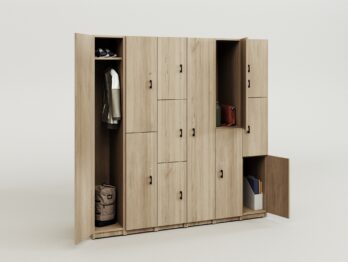
Steel cabinets handle heavy files, shared use, and frequent opening well. Their hard surfaces are easy to wipe, though dents may show in busy corridors. Laminate cabinets offer more colors and a warmer look. Check the edge banding and hinges; weak joints can loosen with daily use. Solid wood feels substantial, but it usually costs more and can be sensitive to humidity. A cabinet that looks perfect online may feel awkward beside a desk. Measure the doorways, drawer clearance, and available floor space before ordering.
Tips: Match the cabinet to what you store. For paper files, inspect drawer depth and load ratings. For supplies, adjustable shelves make changing layouts easier. Check whether doors swing freely near chairs or walkways. Small detail. Also consider cleaning needs: textured finishes can collect dust, while smooth surfaces wipe down faster. I would not pick solely by material; a sturdy cabinet with poor access can still slow a team down.
Before buying, open the drawers and test the handles if you can. Look for stable construction, smooth movement, and a finish suited to your office’s daily wear. If the cabinet will hold valuable records, check that its locking system meets your actual storage needs.
Measure Available Space and Plan Cabinet Placement
Before choosing an office cabinet, measure the space where it will stand, not just the empty wall. Record the width, depth, and height, then check for baseboards, window trim, and nearby handles.
Measure twice.
A cabinet that fits on paper may still block a doorway or make a desk drawer awkward to open.
Leave breathing room.
Mark the cabinet’s outline on the floor with painter’s tape and walk around it. This simple test can reveal tight turns and crowded paths before delivery.
Plan placement around daily work. Store frequently used files near the people who need them, while keeping shared cabinets accessible without interrupting a busy walkway. Check that doors and drawers can open fully, and avoid covering vents, switches, or outlets. Measure the route into the room, including hallways and elevator doors, if the cabinet arrives assembled.
Small details matter. I once underestimated how much space an open drawer needed; the cabinet fit, but the workflow did not. That mistake is worth learning from.
Leave room for people to pass, and consider whether future equipment or staffing changes may alter the layout. A quick floor plan helps, though it cannot capture every real-world annoyance.
Evaluate Security, Durability, and Accessibility
An office cabinet should protect documents without turning routine work into a daily obstacle. Start by identifying what needs to be secured: personnel records, contracts, or shared supplies. A lock may deter casual access, but it does not replace clear access procedures. Check whether keys can be managed easily and whether the doors close firmly. Test the lock several times. Small details matter.
Durability depends on more than a thick-looking frame. Inspect hinges, drawer slides, edges, and the cabinet’s stated load capacity. Heavy paper files can strain shallow drawers over time. In a busy office, doors may also take frequent knocks from chairs or carts. Choose materials that suit the room’s humidity and cleaning routine. A sturdy cabinet can still disappoint if drawers sag when full, so consider how staff will actually load it. That part is easy to overlook.
Accessibility affects how often the cabinet gets used correctly. Measure the space, including door swing and walking clearance, before ordering. Keep frequently used files between knee and shoulder height when practical; reserve higher shelves for lighter, occasional items. Labels help, but only if people can read them from the aisle. Test it in place. A cabinet beside a desk may save steps, yet block a shared route. There is no perfect layout, and office needs may change. Recheck the arrangement after a few weeks.
Compare Costs, Maintenance, and Supplier Options
An office cabinet’s purchase price is only part of its cost. Compare quotes for the same size, material, lock type, and delivery requirements. A steel cabinet may cost more upfront but handle frequent use better than a lightweight unit. Check whether shelves, assembly, and delivery are included. Small details matter.
Maintenance affects the budget over time. Smooth drawer runners, replaceable handles, and easy-to-clean surfaces can reduce repair work. Ask suppliers about spare parts, warranty coverage, and expected service response times. In a busy office, a jammed drawer is more than an annoyance. Still, durable materials do not make every cabinet maintenance-free; hinges can loosen, and finishes can scratch.
Supplier options deserve a careful comparison, not just a quick price check. Request written quotes with lead times, shipping charges, assembly terms, and return conditions clearly stated. If possible, inspect a sample or visit a showroom to test doors and drawers yourself. References from similar-sized workplaces can reveal how reliably orders arrive. I have seen buyers focus on the lowest quote and overlook delivery delays. That choice may work, but it deserves a second look.