

skip to content
Morepages
Toggle more

Head Office


Tayco Office Furnishings Inc.
400 Norris Glen Rd.
Toronto, ON M9C 1H5
T: (416) 252-8000
T: (800) 675-4092
F: (416) 252-4467
[email protected]

How to Choose the Best Reclining Bed for Your Needs?

Choosing a Reclining Bed is not just about finding a softer place to rest. It is about matching the bed’s movement, support, and controls to your body and daily routine. Grand View Research’s Adjustable Bed Market report examines demand across residential and healthcare settings, reflecting how these beds serve different needs. The market figures describe a growing product category, not proof that every user will sleep better. Fit matters.

Sleep health deserves equal attention. The U.S. Centers for Disease Control and Prevention reports that adults generally need at least seven hours of sleep each night. Sleep researcher Matthew Walker has said, “Sleep is the single most effective thing we can do to reset our brain and body health each day.” That is useful context, but it does not mean a reclining bed treats sleep problems. Comfort is personal. A raised head may ease reading or relaxing, while a partner may need a flatter position and quieter motor.

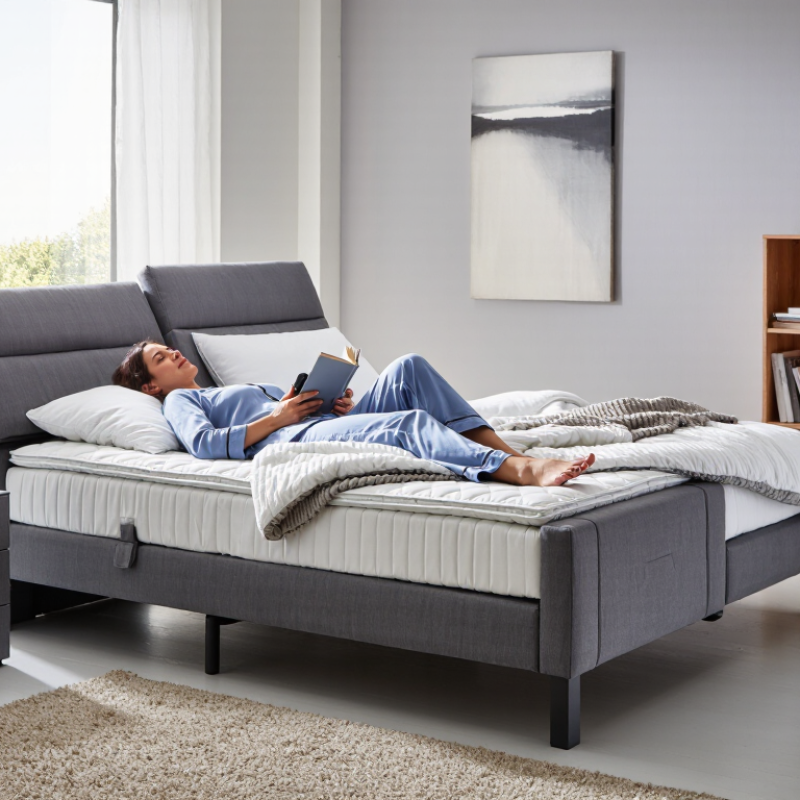
Before comparing models, picture an ordinary evening: your knees bent slightly, a book on your lap, and the remote within reach. Check mattress compatibility, weight capacity, return terms, and whether the frame’s movements suit your height. Test the controls if possible. Small details matter. Some buyers focus too heavily on features and overlook noise, setup, or how the bed feels after an hour. This guide will help you weigh those trade-offs, ask practical questions, and choose a Reclining Bed that fits your needs—not just its sales description.
How to Choose the Best Reclining Bed for Your Needs?

Understanding Reclining Bed Types and Their Key Features

How to Choose the Best Reclining Bed for Your Needs?

Reclining beds usually fall into three practical types: adjustable electric beds, split adjustable beds, and lift-style beds. Electric models raise the head or legs with a remote control. Split models let two sleepers choose different positions. Lift-style designs help users move from lying to sitting more safely. Each type solves a different problem.

Look closely at the frame, mattress compatibility, weight capacity, and motor noise. A strong motor should move smoothly without sudden jolts. Check whether the remote has clear buttons, especially for nighttime use. A backup power option can be useful during outages. Measure your room, doorway, and walking space before ordering. Many buyers forget the doorway. That mistake is expensive.

Tips: Try several positions before choosing. Your favorite setting may feel comfortable for ten minutes but awkward overnight. Test the mattress with the frame, not separately. Confirm the warranty, return policy, cleaning instructions, and replacement-part availability. If you have circulation, mobility, or back concerns, ask a qualified healthcare professional for guidance. Comfort is personal, and my first assumption about “more adjustment” would not suit everyone. Simpler can sometimes be better.


Assessing Your Health Needs, Comfort Preferences, and Available Space

How to Choose the Best Reclining Bed for Your Needs?

Assessing Your Health Needs, Comfort Preferences, and Available Space

Start with the reason you need a reclining bed. If getting in and out of bed is difficult, check how high the frame rises and whether the controls are easy to reach. For ongoing pain, swelling, or breathing concerns, ask a qualified healthcare professional which positions may be appropriate. A bed’s features can support comfort, but they do not replace medical advice.

Comfort is personal. Try the mattress and controls if possible, and test several positions rather than judging the bed while it is flat. Notice whether your shoulders feel supported and your heels stay clear of pressure. Small details matter. A quiet motor can be helpful at night, while a simple remote may suit someone with limited hand strength. I once assumed more adjustments meant better comfort; that is not always true. Extra settings can feel confusing.
Measure the room before choosing a frame. Include the bed’s full length and width when raised, plus space for doors, drawers, and walking paths. Check nearby outlets and leave room for a caregiver to stand beside the bed if needed. A tape measure helps. It is easy to overlook the space behind a raised head section, especially near a wall. Compare the bed’s weight and assembly requirements with what your home can realistically accommodate.

How to Choose the Best Reclining Bed for Your Needs? – Assessing Your Health Needs, Comfort Preferences, and Available Space

Practical comparison of common reclining-bed configurations and selection factors
Primary Need or Situation Recommended Bed Configuration Useful Adjustment Range Comfort and Health Considerations Typical Space Requirements Important Features to Check
Difficulty getting in or out of bed Adjustable base
Head and foot elevation with a suitable bed height
Head elevation from flat to a reading or sitting position; foot elevation for leg support A raised backrest can make repositioning easier. The bed height should allow the user’s feet to touch the floor while seated, when clinically appropriate. Allow at least 75–90 cm of clear space on the preferred transfer side. Stable frame, easy-to-use wired or wireless control, emergency lowering, and a firm edge for transfers
Leg swelling or prolonged sitting Head-and-foot adjustable bed
Optional zero-gravity-style position
Independent head and leg adjustment; leg section should support the calves without pressing behind the knees Leg elevation may improve comfort for some users, but persistent or one-sided swelling requires medical assessment. Leave approximately 60–90 cm at the foot of the bed if the foot section rises or extends. Quiet motor, smooth movement, pressure-distributing mattress, and easy cleaning
Back discomfort or frequent reading Head-adjustable bed
Mattress compatible with repeated backrest movement
Multiple headrest positions between flat and upright sitting A neutral, supported posture is generally more comfortable than prolonged slouching. Pillow height should maintain a natural neck position. Check that the raised backrest does not contact a wall, window, or bedside furniture. Low-noise operation, lumbar support, mattress flexibility, and a handset with large buttons
Limited mobility or caregiver assistance Height-adjustable care bed
Head and foot adjustment with compatible safety accessories
Variable overall height plus independent back and leg adjustment Height adjustment can reduce bending for caregivers. Side rails should be selected and used only after assessing entrapment and fall risks. Provide a clear route for transfers and caregiving; a turning radius of about 120 cm is useful where space permits. Lockable casters, accessible controls, battery backup, safe working load, and appropriate rail compatibility
Pressure-risk management Adjustable base with pressure-redistributing mattress Frequent, controlled position changes rather than one fixed elevated position Position changes can help reduce prolonged pressure, but the bed is not a substitute for an individualized repositioning plan or clinical care. Allow access on both sides when regular repositioning or skin checks are needed. Mattress compatibility, breathable cover, weight capacity, moisture management, and easy cleaning
Small bedroom, apartment, or guest room Compact adjustable bed
Choose the smallest size that still allows safe movement
Prioritize essential head and foot adjustments over additional mechanisms A smaller frame saves floor area, but the user should still have enough width to turn and reposition comfortably. Common mattress widths are approximately 90–100 cm for single size and 135–160 cm for double size; confirm the complete frame footprint. Wall clearance, folded or low-profile design, cable routing, delivery access, and power-outage operation
Couples with different comfort preferences Split adjustable configuration
Two independently controlled sleeping surfaces
Each side can use a different head or foot position Independent adjustment reduces compromise between partners, but the center seam and movement noise should be evaluated. Confirm the combined width and ensure both sides have adequate access for making the bed. Synchronization option, mattress compatibility, center-gap control, dual controls, and individual weight limits
Occasional use and basic comfort Manual or limited-electric reclining base Usually fewer positions with simpler operation Suitable when adjustments are infrequent and the user can operate the mechanism safely without assistance. Generally requires less equipment space, but the reclined position still needs clearance from nearby furniture. Locking mechanism, ease of operation, mattress support, warranty terms, and maximum user weight

Before purchasing: Measure the complete frame footprint, doorways, elevators, and delivery route. Confirm the mattress dimensions, safe working load, motor noise, return policy, and electrical requirements. People with significant mobility limitations, pain, swelling, respiratory conditions, or pressure injuries should seek advice from a qualified healthcare professional before choosing a positioning system.

Comparing Materials, Adjustability, Safety, and Support Functions

How to Choose the Best Reclining Bed for Your Needs?

Comparing Materials, Adjustability, Safety, and Support Functions

Start with the frame and mattress materials. A steel frame usually feels firm and stable, while wood can suit a quieter, warmer-looking room. Check joints, welds, and weight capacity, not just the finish. For mattresses, compare pressure relief, heat retention, and cleaning needs. Memory foam may contour closely, but some people find it warm. Small detail, big difference.

Adjustability should match daily routines. Test the head and leg sections separately, and listen for motor strain. Can you reach the controls from a seated position?

The World Health Organization’s 2021 falls fact sheet reports about 684,000 fatal falls each year worldwide. That figure is not specific to beds, but it underlines why safe transfers matter.
Look for stable side supports, accessible controls, and a frame that does not shift when rising. The U.S. Food and Drug Administration also provides guidance on reducing entrapment risks with medical beds; check clearances and follow the manufacturer’s setup instructions.

Support functions can include lumbar adjustment, massage, or battery backup. Treat extras as secondary to reliable movement and easy cleaning. Ask a clinician or occupational therapist about positioning needs, especially for chronic pain or limited mobility. Then test the bed in person, if possible. A specification sheet cannot tell you whether the controls feel awkward at midnight. I would not assume the most adjustable model is automatically the best fit.

Checking Size, Weight Capacity, Maintenance, and Ease of Use

How to Choose the Best Reclining Bed for Your Needs?

Size should be checked with a tape measure, not guessed from a product photo. Measure the room, doorway, hallway turns, and space beside the bed. Leave enough clearance for nursing care, cleaning, and comfortable transfers. A narrow room may need a compact frame, but excessive tightness can make repositioning awkward. I once underestimated a doorway by a few centimeters, creating an avoidable delivery problem. It was a useful reminder.
Weight capacity must include the user, mattress, bedding, and any equipment placed on the frame. Choose a capacity comfortably above the calculated total, rather than matching it exactly. Ask whether the limit applies to the whole bed or a specific section. Maintenance also matters. Look for removable, washable covers, accessible moving parts, and clear cleaning instructions. Dust can collect beneath the mechanism. Check whether replacement parts and technical support are realistically available. That detail is easy to overlook.

Ease of use often decides whether a reclining bed remains helpful. Controls should have large, readable buttons and require little hand strength. Test the handset while sitting or lying down. A quiet motor is preferable at night, although “silent” may be an optimistic description. Check emergency lowering, cable placement, and battery operation during a power interruption. If a caregiver will operate the bed, let them try every adjustment. Their feedback may reveal problems a showroom demonstration hides.

Evaluating Prices, Warranties, and Long-Term Value

Choosing the best reclining bed requires more than comparing showroom prices. According to Sleep Foundation’s 2024 adjustable-bed guide, many adjustable bases cost roughly $1,000 to $3,500. Add delivery, assembly, mattresses, and possible repair visits. A low purchase price can become expensive when the motor, remote, or control board fails. Check whether the warranty covers parts, labor, transportation, and in-home service. Some warranties sound long but reduce coverage after the first year. Read the exclusions carefully.
Long-term value also depends on construction and daily use. Grand View Research estimates that the global adjustable bed market will continue growing strongly through this decade, reflecting wider demand for sleep comfort and mobility support. Market growth does not guarantee quality. Ask about weight limits, noise levels, replacement-part availability, and expected motor cycles. The National Institute on Aging recommends evaluating safety, ease of use, and individual mobility needs when selecting supportive equipment. Try the bed in several positions. Notice pressure behind your knees and lower back. Small discomfort matters.

I would not treat a ten-year warranty as proof of durability. That assumption can fail. A shorter warranty with transparent service may offer better value. Compare the total cost over five years, not only the checkout price. Keep receipts and warranty terms in writing. Experiences vary, and even careful research cannot predict every repair.