skip to content
Morepages
Toggle more

Head Office


Tayco Office Furnishings Inc.
400 Norris Glen Rd.
Toronto, ON M9C 1H5
T: (416) 252-8000
T: (800) 675-4092
F: (416) 252-4467
[email protected]

What Are the Top Funky Office Furniture Trends for 2026?

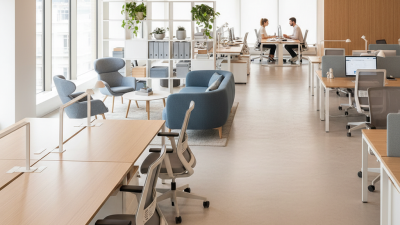
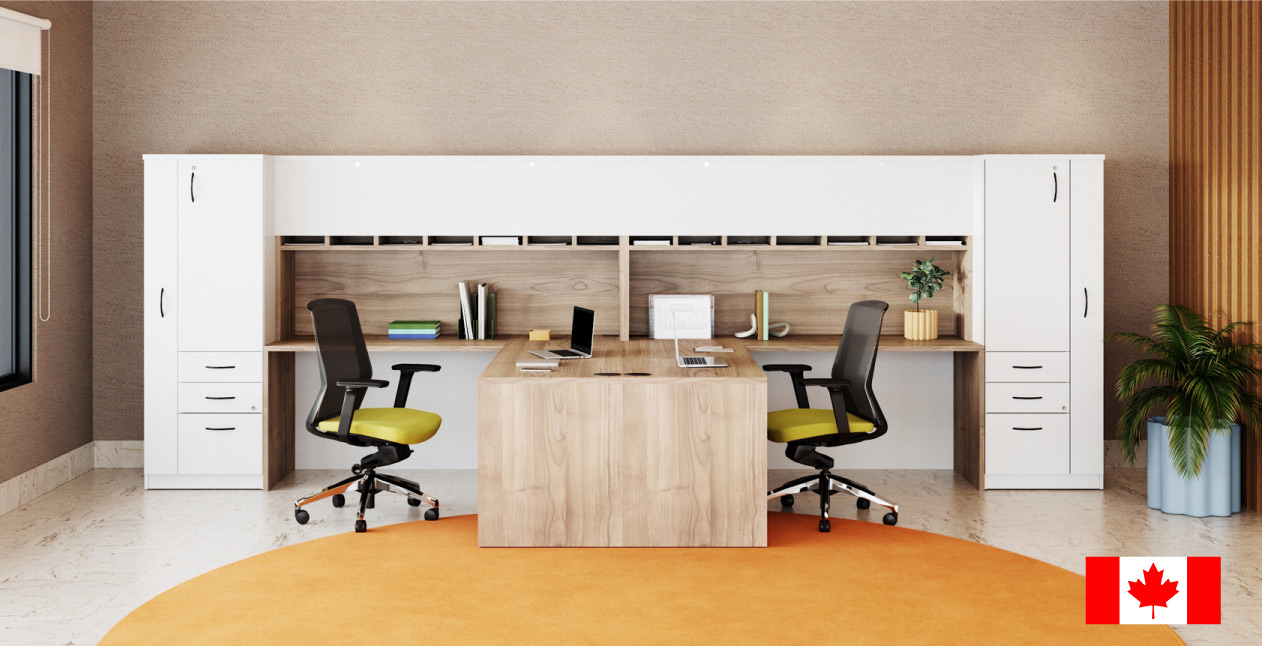
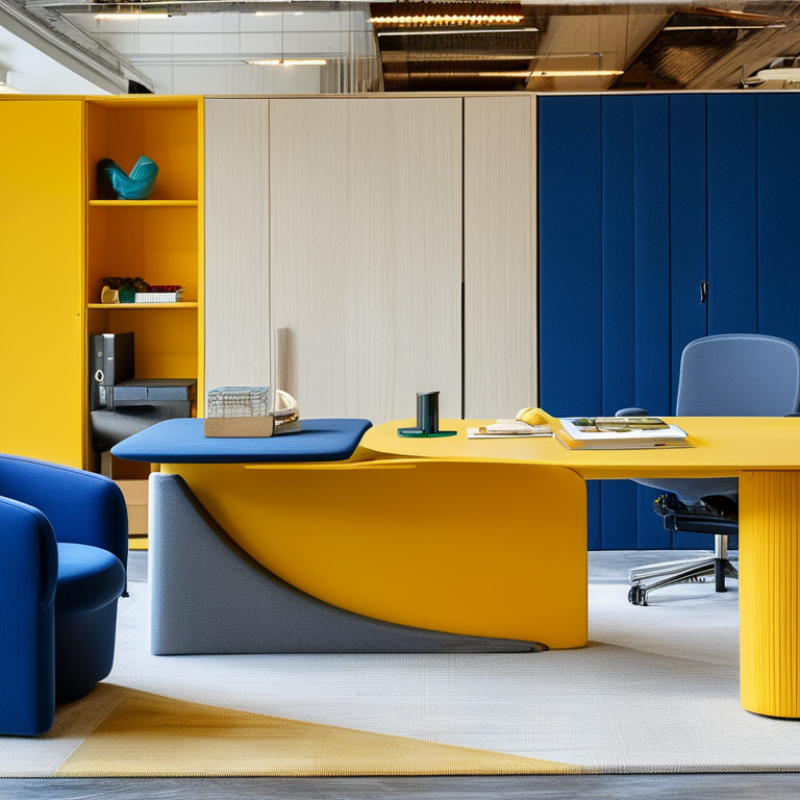
Office design is moving beyond neutral desks and predictable grey seating. In 2026, funky office furniture is becoming a practical tool for expressing identity, improving comfort, and encouraging informal collaboration. Expect sculptural lounge chairs, colorful modular desks, playful lighting, and storage pieces shaped like architectural objects. These products are not decoration alone. Their materials, proportions, and maintenance requirements affect everyday work.

Charles Eames, a leading furniture designer, once said, “The details are not the details. They make the design.” That principle remains useful when evaluating bold office pieces. A curved chair should support the lower back, not merely photograph well. A bright acoustic panel should reduce echo, not only add color. Sustainable upholstery, repairable frames, and adjustable components will also influence responsible purchasing decisions in 2026.

Small details matter.

My experience reviewing workplace interiors suggests that the strongest trends balance surprise with discipline. A cobalt-blue workstation can energize a studio, while excessive color may exhaust employees after several hours. Flexible furniture can support hybrid teams, but constant movement may create clutter. These tensions deserve honest attention. “Funky” does not automatically mean functional, inclusive, or durable.

This guide examines the top funky office furniture trends expected to shape 2026. It considers visual character, ergonomic performance, material choices, and real workplace behavior. Readers will find practical examples, including rounded meeting booths, checkerboard seating, tactile fabrics, and movable partitions. The future office may look less formal, but thoughtful design still requires evidence, testing, and restraint.
What Are the Top Funky Office Furniture Trends for 2026?

Definition and Evolution of Funky Office Furniture

What Are the Top Funky Office Furniture Trends for 2026?

Definition and Evolution of Funky Office Furniture

Funky office furniture once meant bright colors, unusual shapes, and playful decoration. Its meaning has expanded. In 2026, it describes furniture that combines visual surprise with comfort, flexibility, and practical workplace support. A curved lounge chair, a lemon-yellow acoustic screen, or a desk with rounded edges can change how a room feels. The best pieces invite movement and conversation. Some designs still look excessive.

This evolution reflects changing work patterns. A 2023 global workplace report surveyed 4,000 employees across 11 countries. It found that 87% wanted more choice in where and how they worked. Funky furniture responds with modular seating, movable tables, and informal collaboration zones. A small office may include a soft bench, a standing perch, and a quiet booth within a few steps. According to the 2024 Leesman Index dataset, workplace effectiveness depends on both functional support and user experience.

Materials are changing, too. Designers increasingly use recycled fabrics, repairable parts, and natural textures. Tactile surfaces can make a technology-heavy room feel less cold. Yet bright design alone cannot solve poor acoustics or uncomfortable posture. That is the uncomfortable part. In 2026, successful funky furniture should support real tasks, not merely photograph well.
Bold Colors, Playful Shapes, and Creative Materials

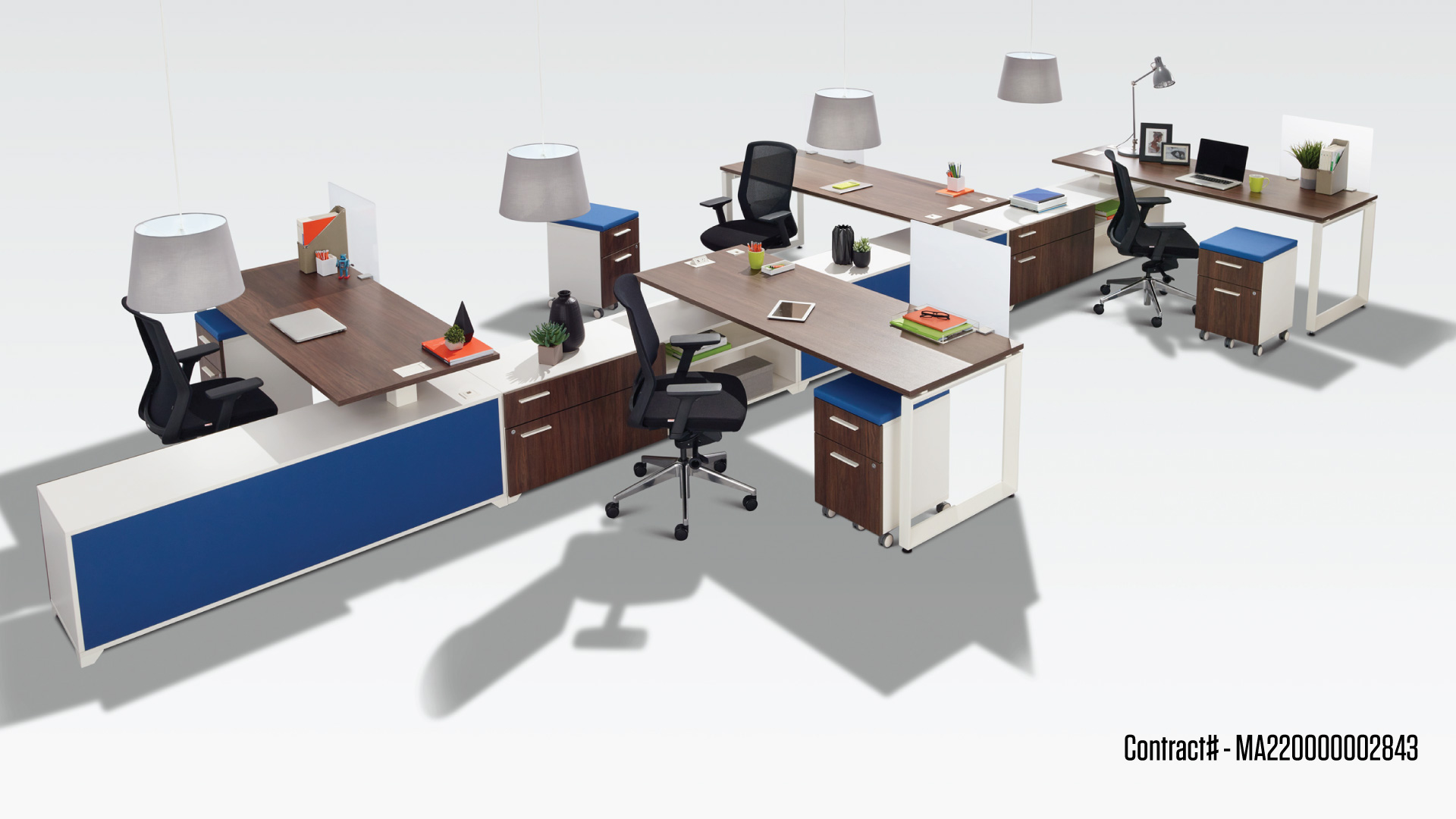
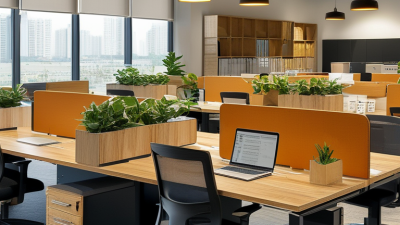
In 2026, funky office furniture is moving beyond decoration. It is shaping how people focus, meet, and recharge. Bold colors are leading the change. Cobalt blue desks, marigold task chairs, and coral storage units can make a quiet room feel energetic. However, color needs structure. Use one dominant shade, then repeat smaller accents through lamps, screens, or cushions. This approach feels intentional rather than noisy.

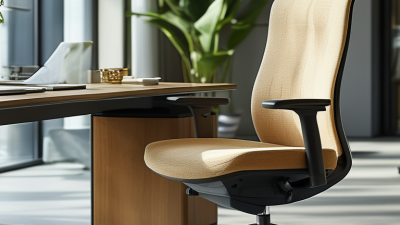
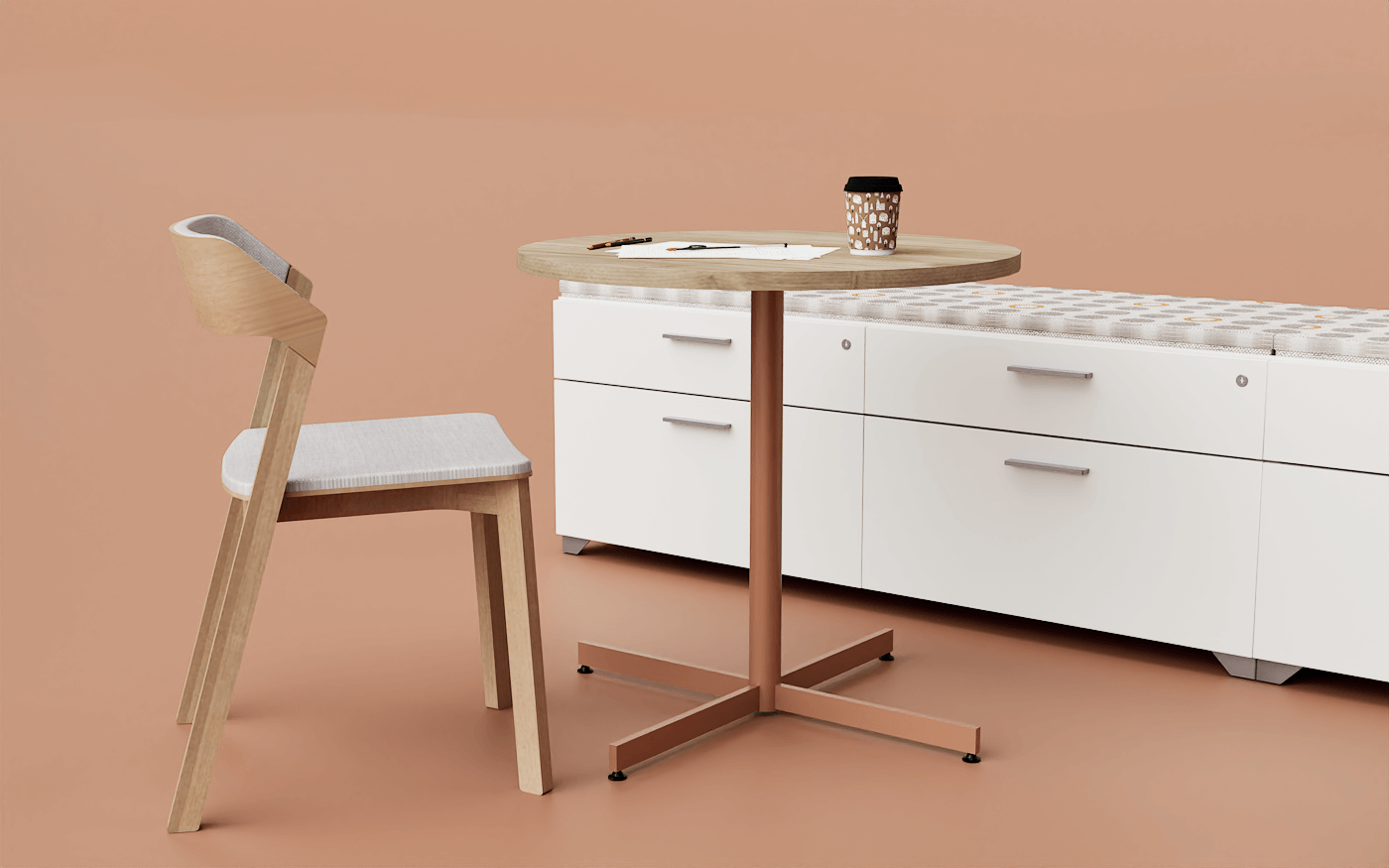
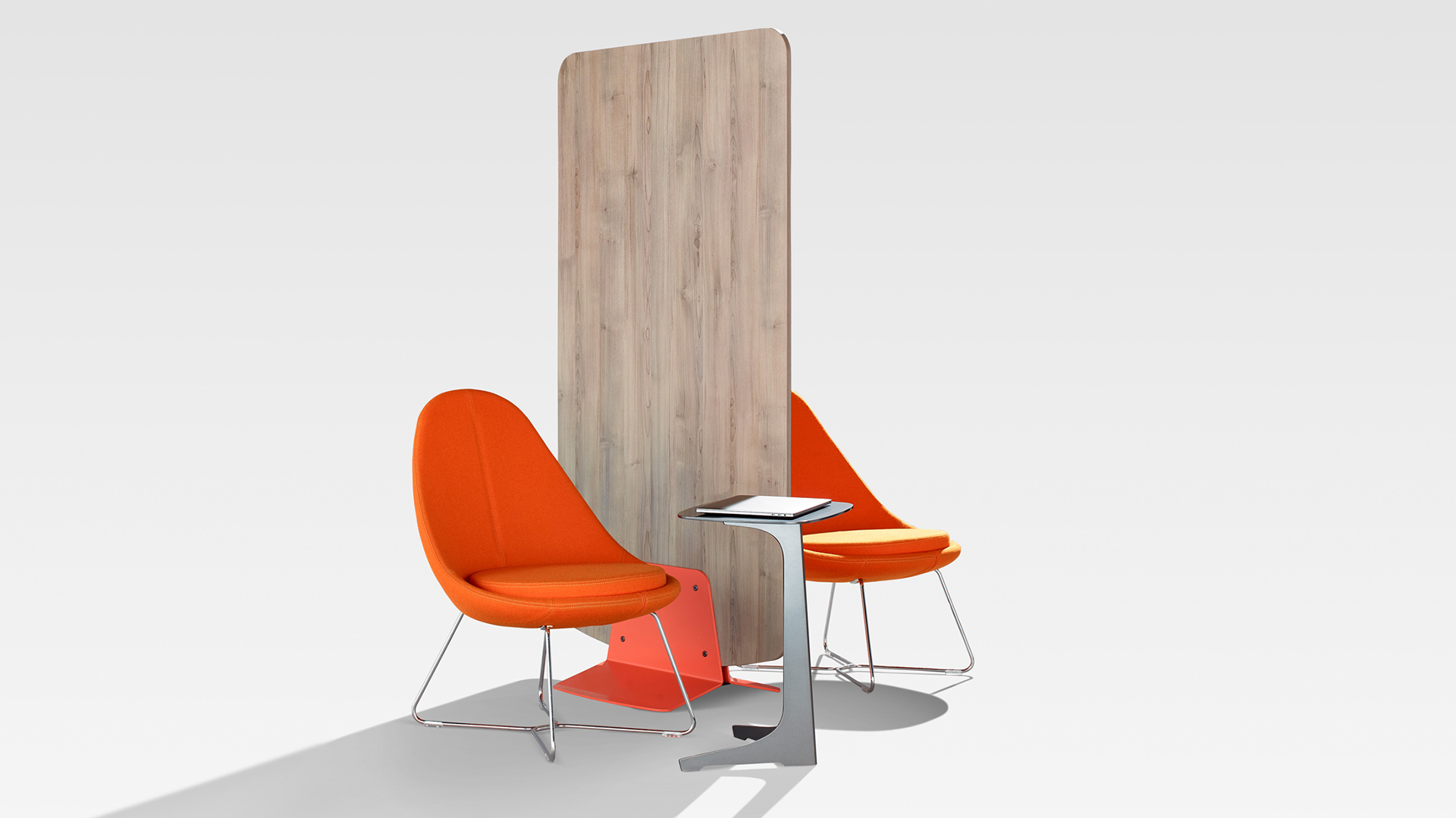
Playful shapes are also entering practical workspaces. Rounded meeting tables soften formal conversations. Curved lounge seats create relaxed corners for short discussions. Low modular benches can divide a room without blocking light. I have found that unusual silhouettes attract attention, but poor proportions quickly become uncomfortable. A chair may look sculptural, yet still need lumbar support, stable arms, and adjustable height. Beauty cannot replace daily comfort.

Creative materials add another layer of personality. Recycled plastic panels, cork surfaces, woven fibers, and powder-coated metal bring visible texture to offices. These materials should be tested for cleaning, fire performance, durability, and responsible sourcing. A glossy desk can photograph well but reveal fingerprints every hour. That is a real maintenance issue. Designers should also leave room for imperfection. Not every color pairing will work, and a trial installation may expose awkward sightlines or distracting reflections. That honest testing produces furniture that feels playful, useful, and reliable.

Flexible Furniture for Collaborative and Hybrid Workspaces

Flexible furniture is shaping the funkier office of 2026.

Gallup’s 2024 workplace report found that 53% of remote-capable U.S. employees worked in hybrid arrangements. Fixed desks no longer fit that rhythm.

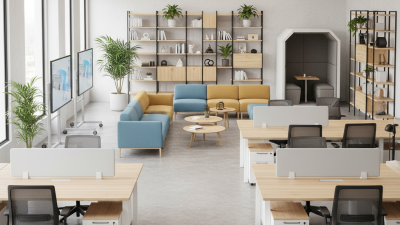
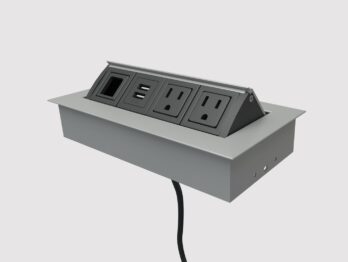
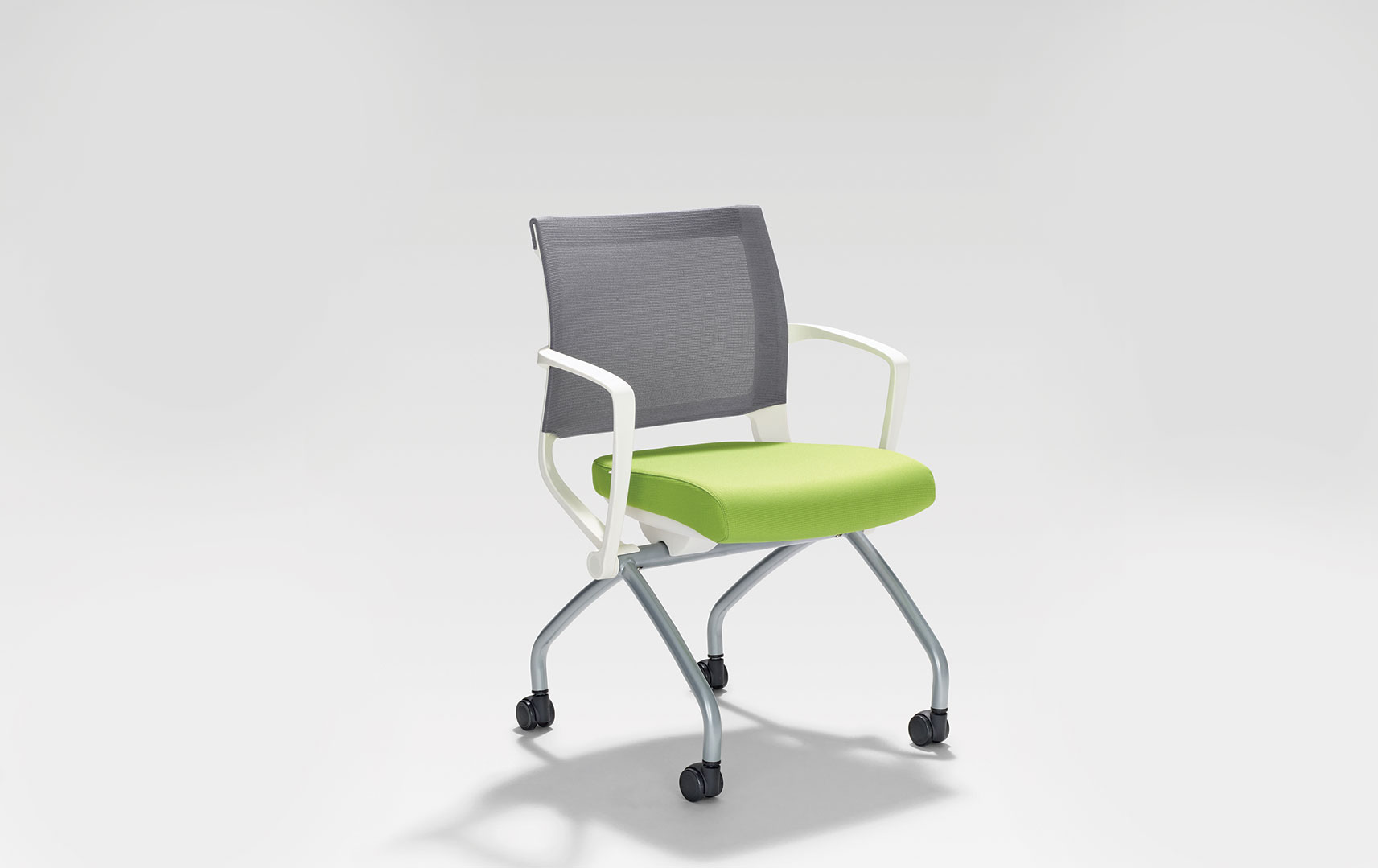
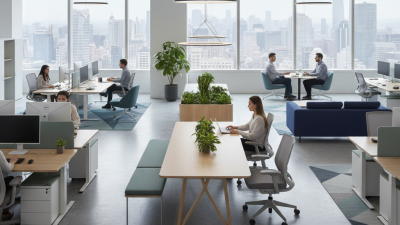
Think movable tables, nesting chairs, and curved sofas with hidden power access. A team can create a project zone in minutes.

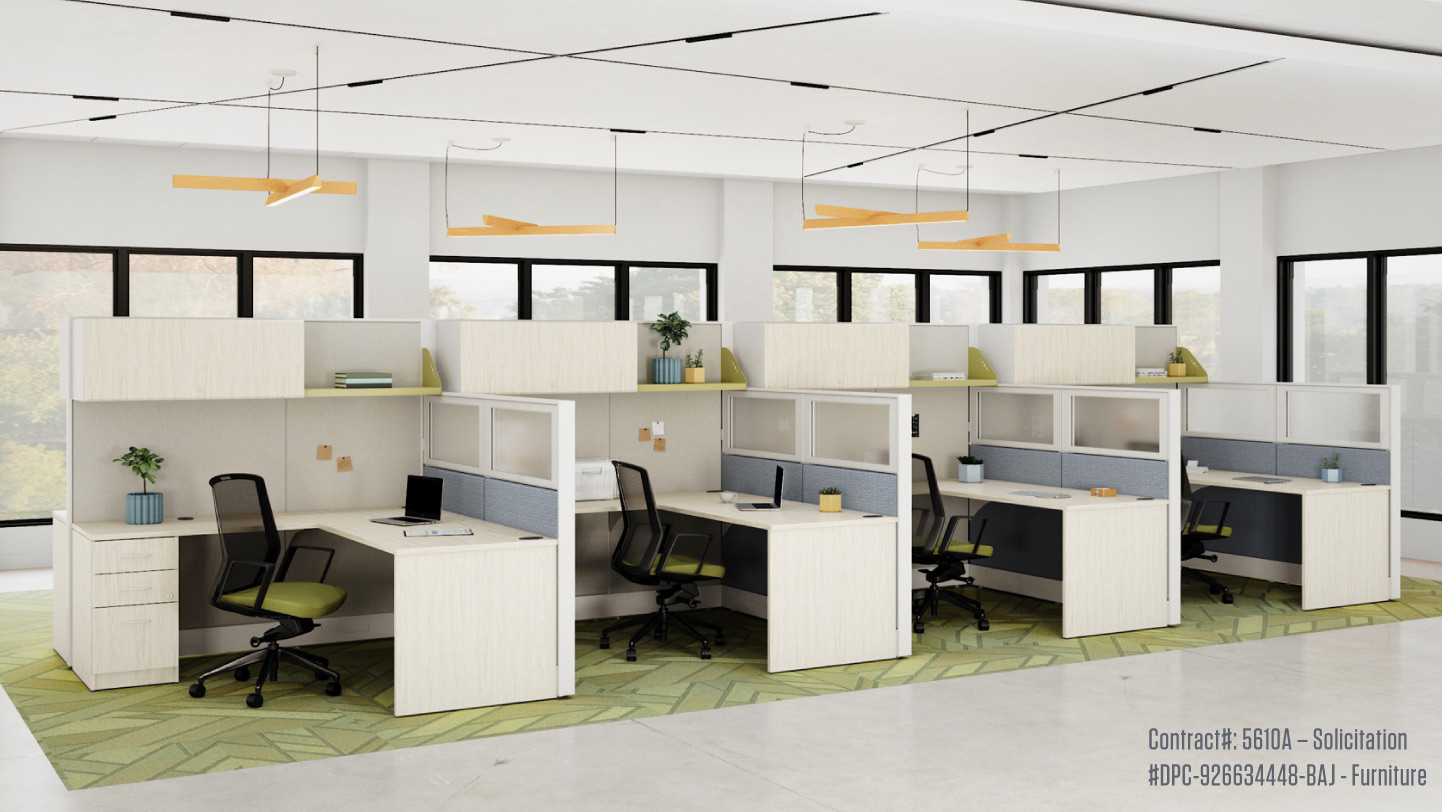
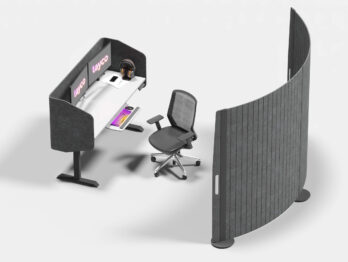
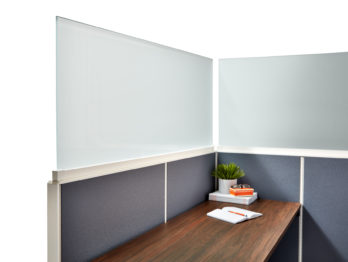
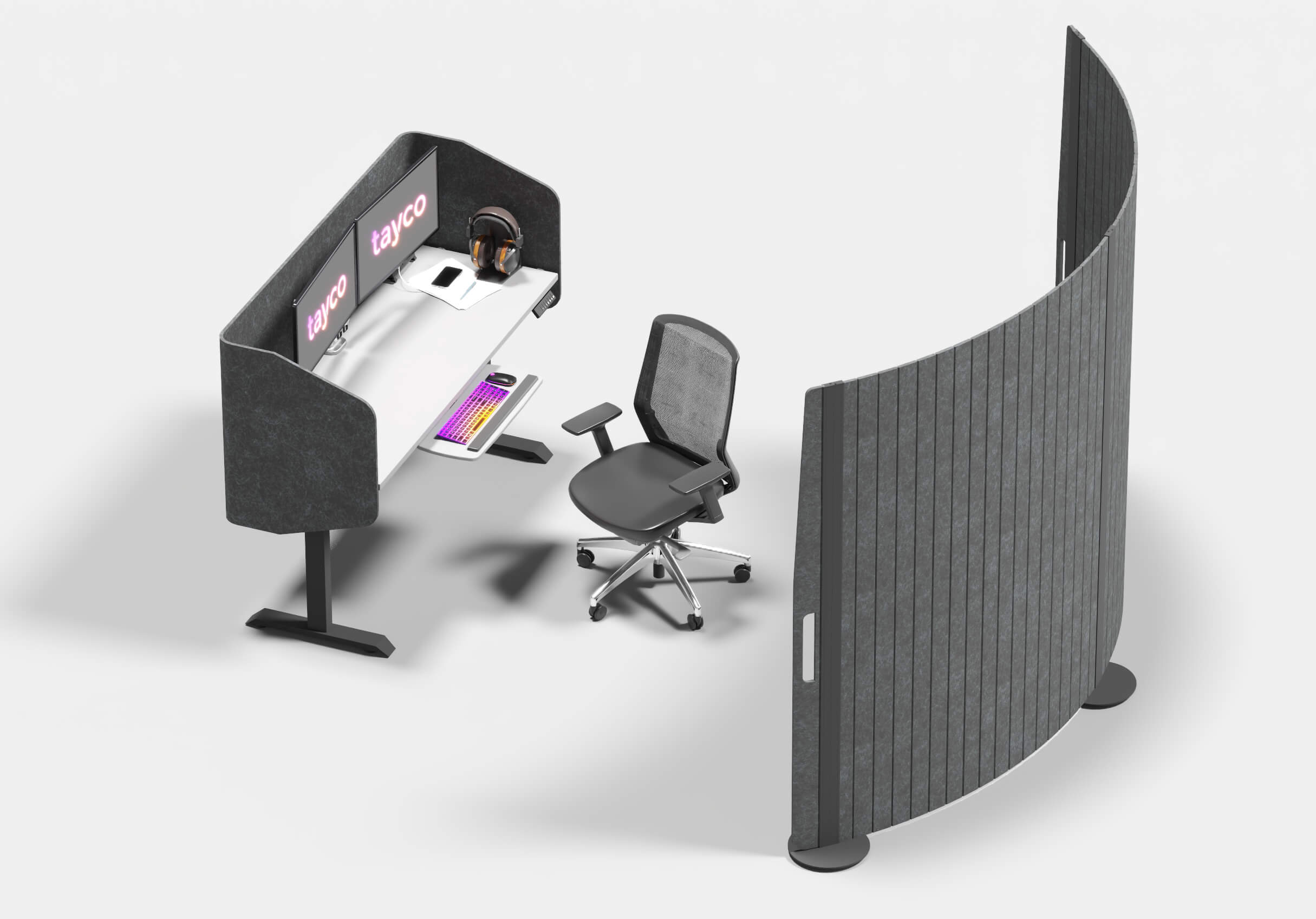
Lightweight acoustic screens can separate video calls without building permanent walls. Bright upholstery, unusual shapes, and warm wood finishes add energy without sacrificing comfort.

Make movement easy.

The International Labour Organization’s 2024 report on teleworking stresses suitable equipment, ergonomics, and worker well-being. That means flexible furniture must do more than look playful.

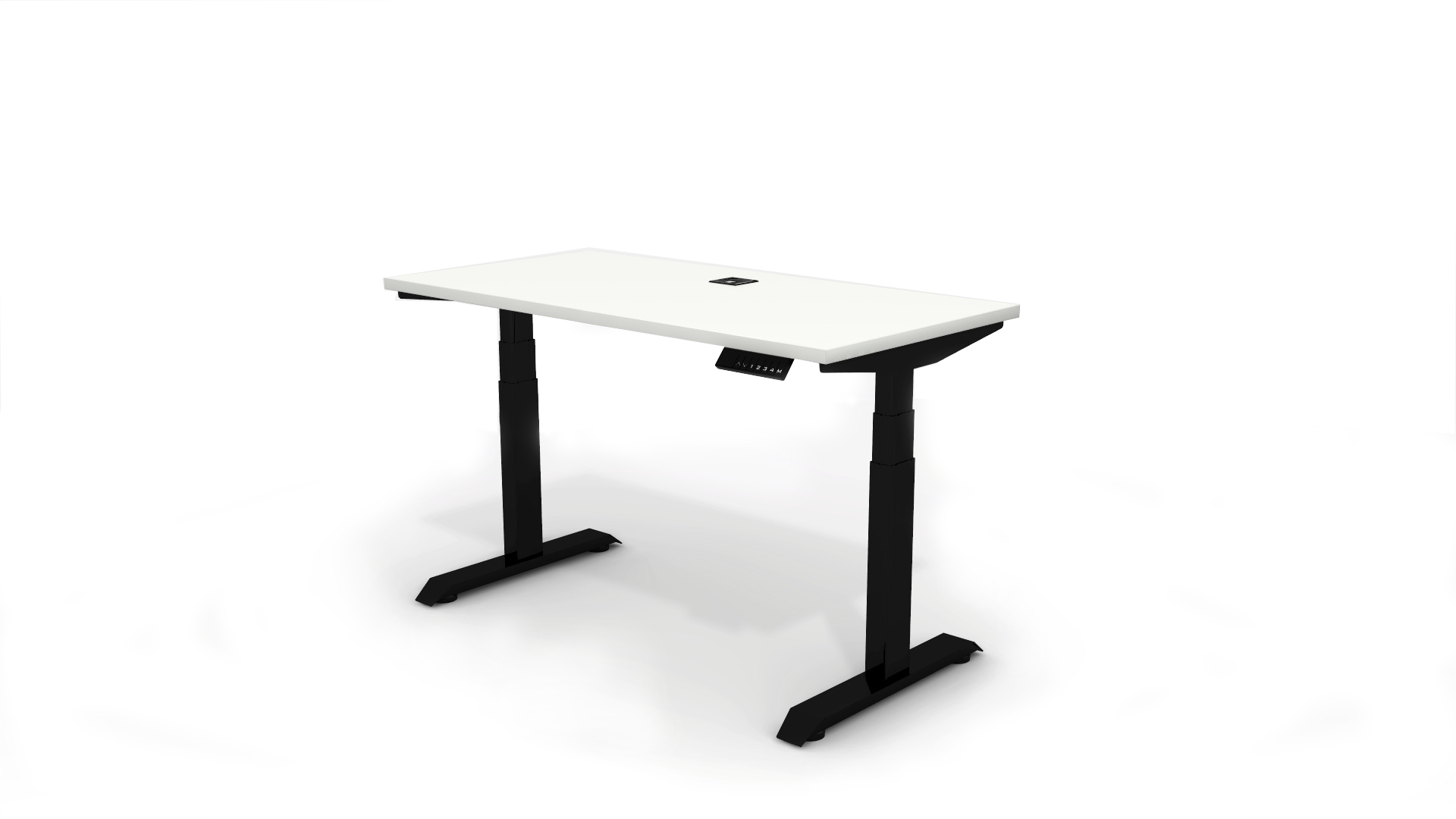
Tables need stable height adjustment. Chairs should support long meetings. Casters should lock firmly on smooth floors.

In real offices, flexibility can become clutter. Too many mobile pieces create noise, blocked walkways, and awkward storage. That weakness deserves attention. A smaller furniture kit may work better than a crowded showroom of options. Designers should test layouts during busy collaboration, quiet focus, and hybrid calls. A two-person booth beside a shared table may support more work than a large lounge corner. Still, preferences differ. The best 2026 workspace will stay adjustable, visibly human, and slightly imperfect.

Smart, Sustainable, and Wellness-Focused Furniture Designs

In 2026, funky office furniture is moving beyond bright colors and playful shapes. The stronger trend combines personality with practical intelligence. Height-adjustable desks can remember sitting and standing preferences. Embedded sensors may track occupancy, lighting, or room temperature. These tools should support people, not monitor them. Clear consent and limited data collection remain essential. Otherwise, a clever chair can feel intrusive.

Sustainable design is becoming more specific. Buyers are asking about recycled content, repair access, material safety, and end-of-life plans. Modular sofas with replaceable covers can survive changing teams and layouts. Desks made with durable, low-emission materials may improve air quality and maintenance routines. Still, “green” claims need evidence from supplier records or independent testing. A recycled finish is not automatically a responsible product. That distinction matters.

Wellness-focused furniture adds softer edges, acoustic screens, footrests, and compact lounge zones. A curved table can encourage collaboration, while a quiet booth protects concentration. Natural textures and adjustable lighting may reduce visual fatigue, although comfort varies widely. Employees may reject beautiful pieces when controls are confusing. That lesson is easy to miss. Designers should test furniture with different body sizes, mobility needs, and work habits before full installation. Funky can be useful. It just needs listening behind the color.

How to Choose Funky Furniture for a Productive Office

What Are the Top Funky Office Furniture Trends for 2026?

How to Choose Funky Furniture for a Productive Office

Funky office furniture can energize a room, but appearance should not control every decision. Choose one expressive feature, such as a sculptural chair or a bright modular table. Keep desks stable, surfaces easy to clean, and pathways clear. Productivity needs comfort before novelty.

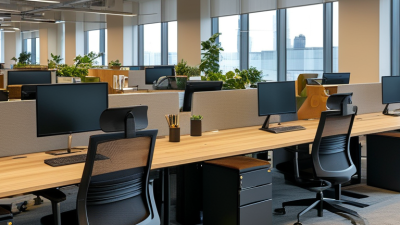
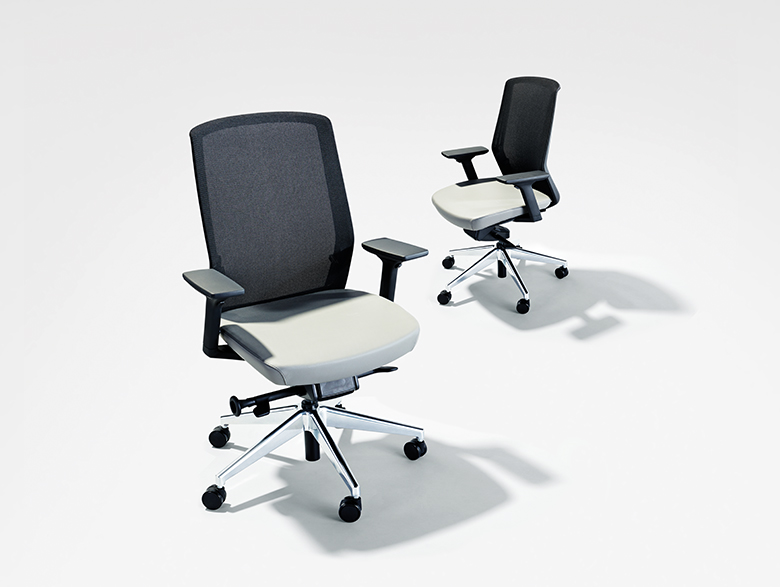
Test each piece during a normal workday. Sit for thirty minutes. Notice pressure behind your knees, shoulder tension, and screen glare. Adjustable seat height, lumbar support, and a desk that fits your elbows matter more than unusual shapes. Ergonomic guidance consistently links neutral posture with better comfort and sustained focus.

Color can guide activity. Use lively tones near collaboration zones and calmer shades near concentration desks. Acoustic panels with geometric forms can reduce echoes without making the office feel dull. Storage should still be practical. Hidden compartments help control visual clutter.
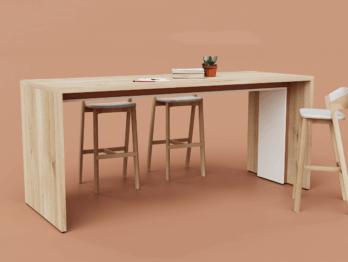
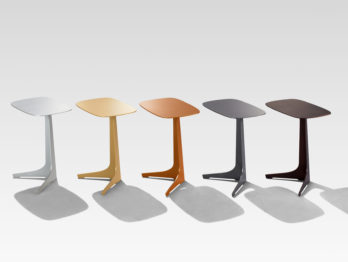
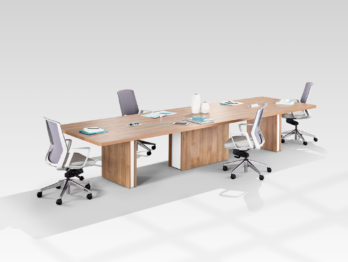
I still get this wrong sometimes. A dramatic chair may look perfect but feel tiring by noon. Measure the room before ordering anything, including doorways and turning space. Ask employees to test samples, not just vote from pictures. Their feedback reveals problems that design sketches often miss. Leave some empty space. It makes the bold pieces work harder.