2026 Top Stylish Office Furniture Trends You Need to Know?
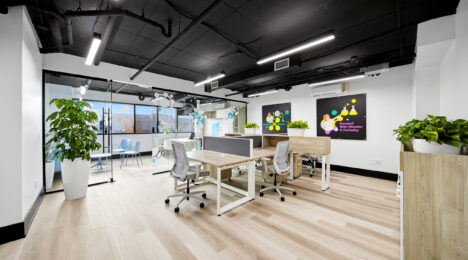
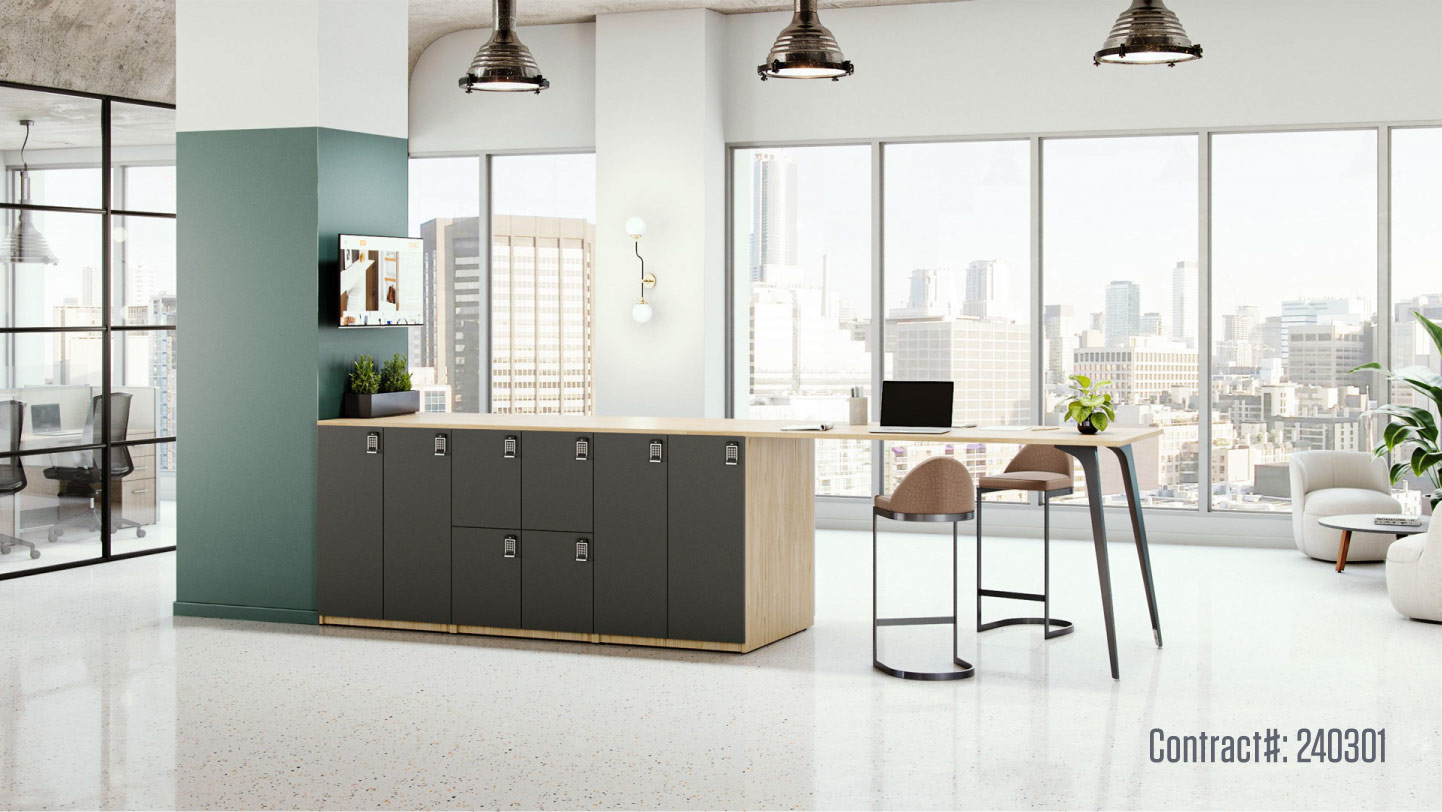
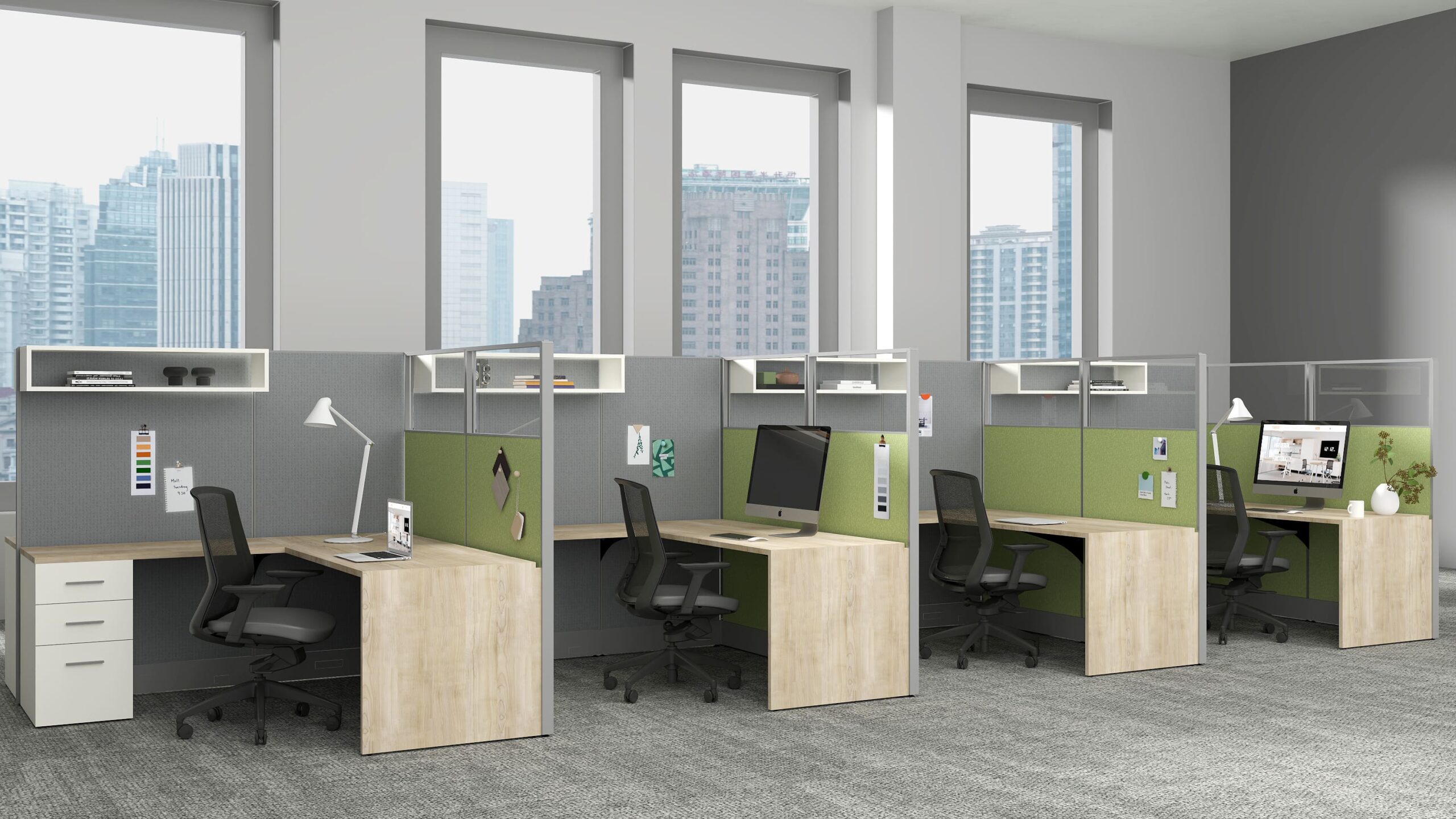
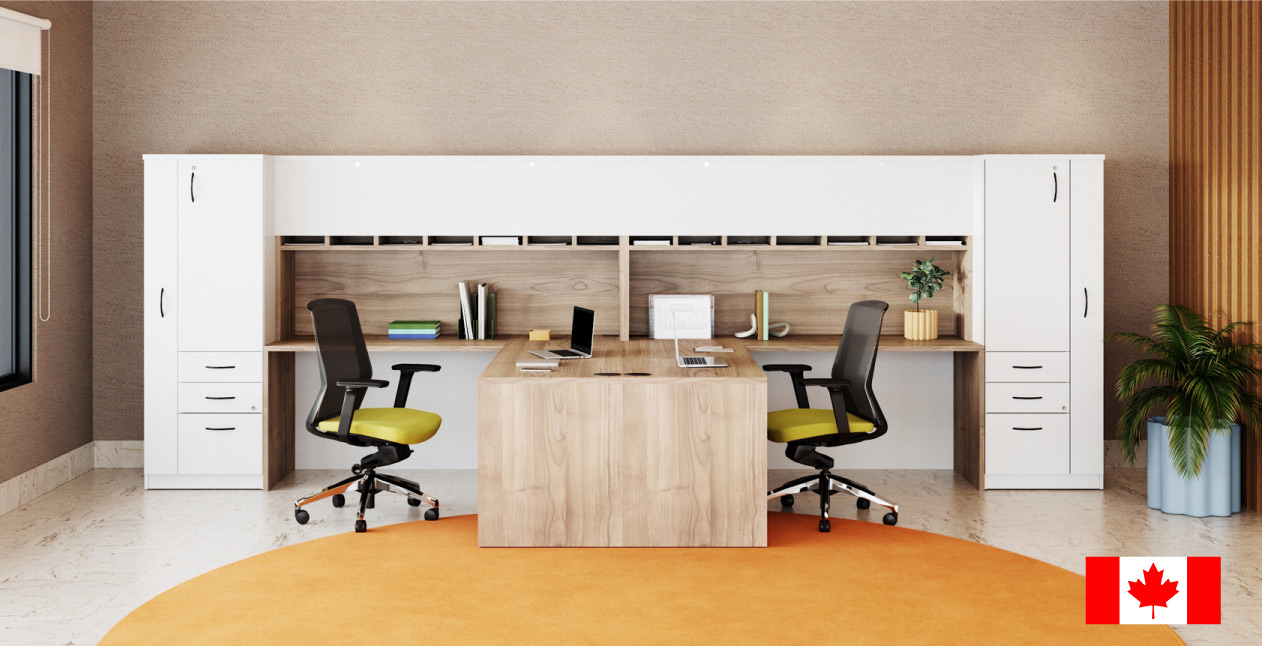
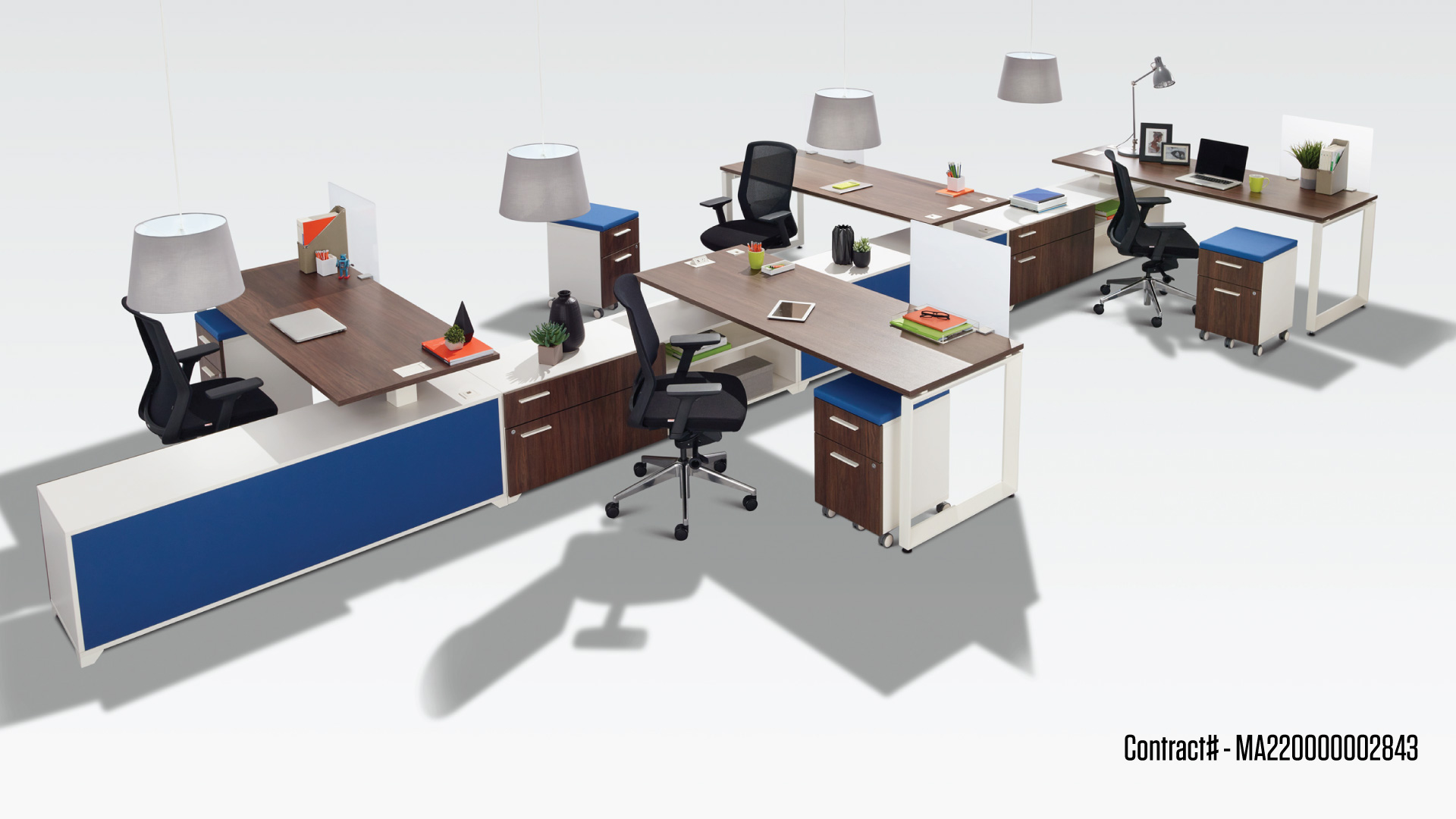
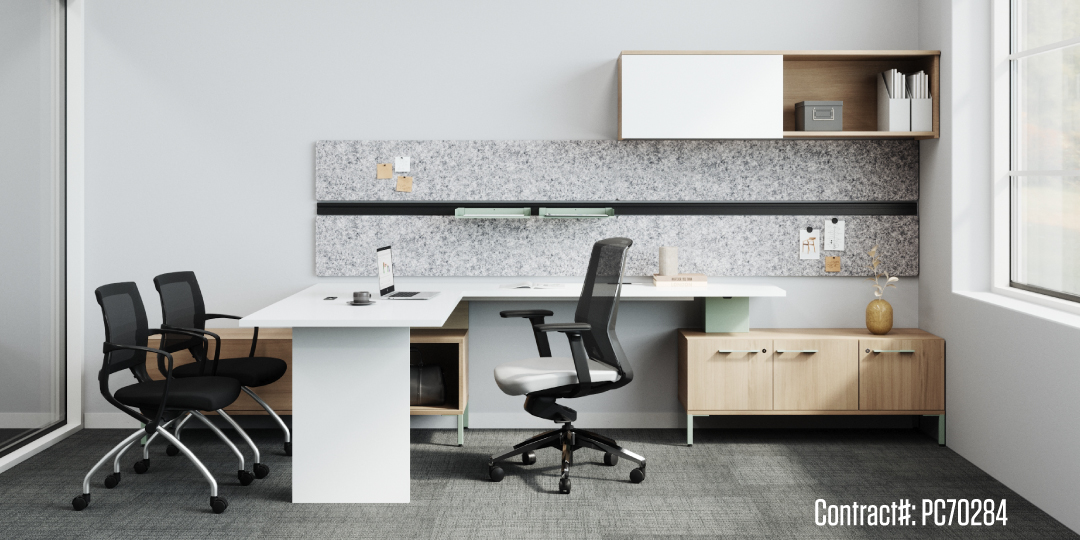
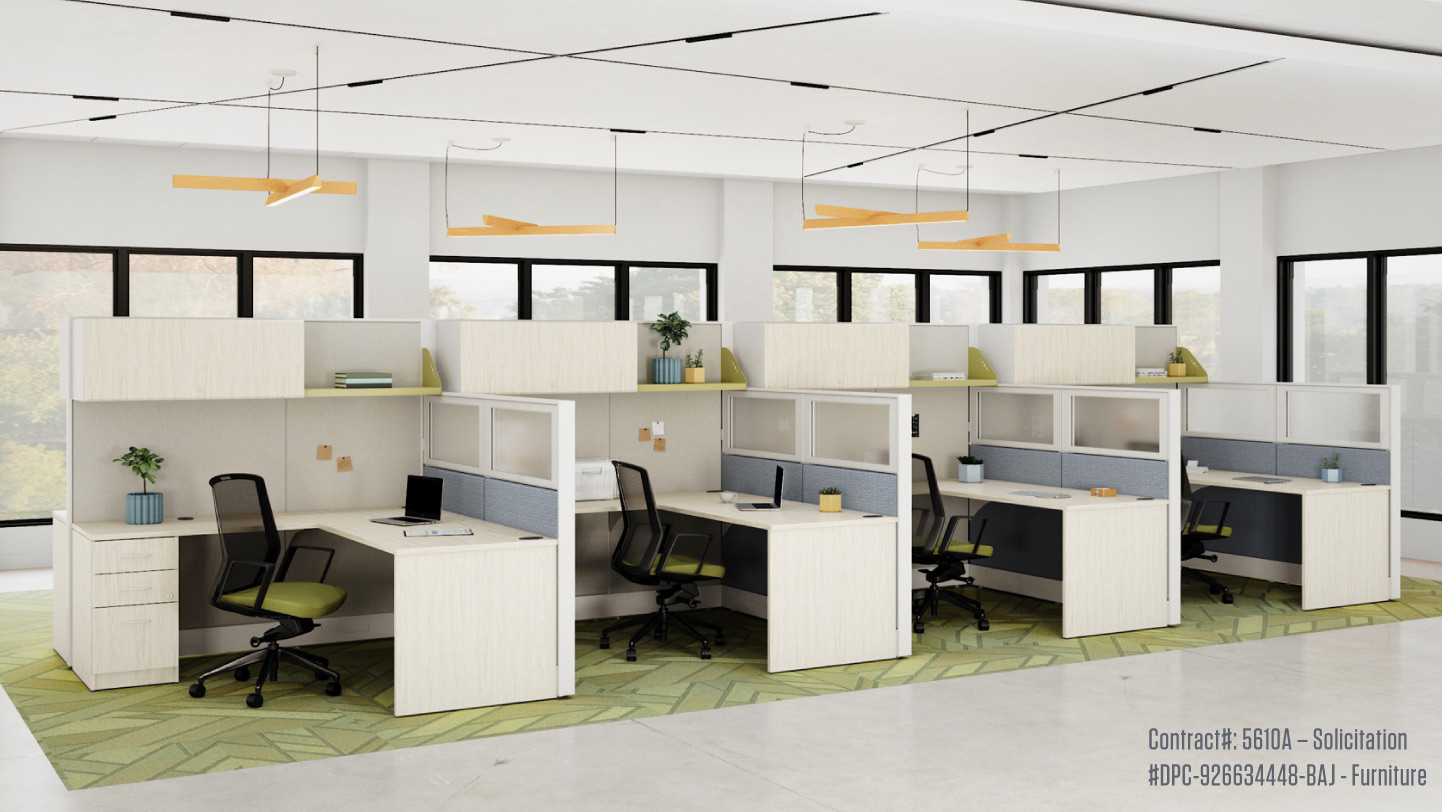
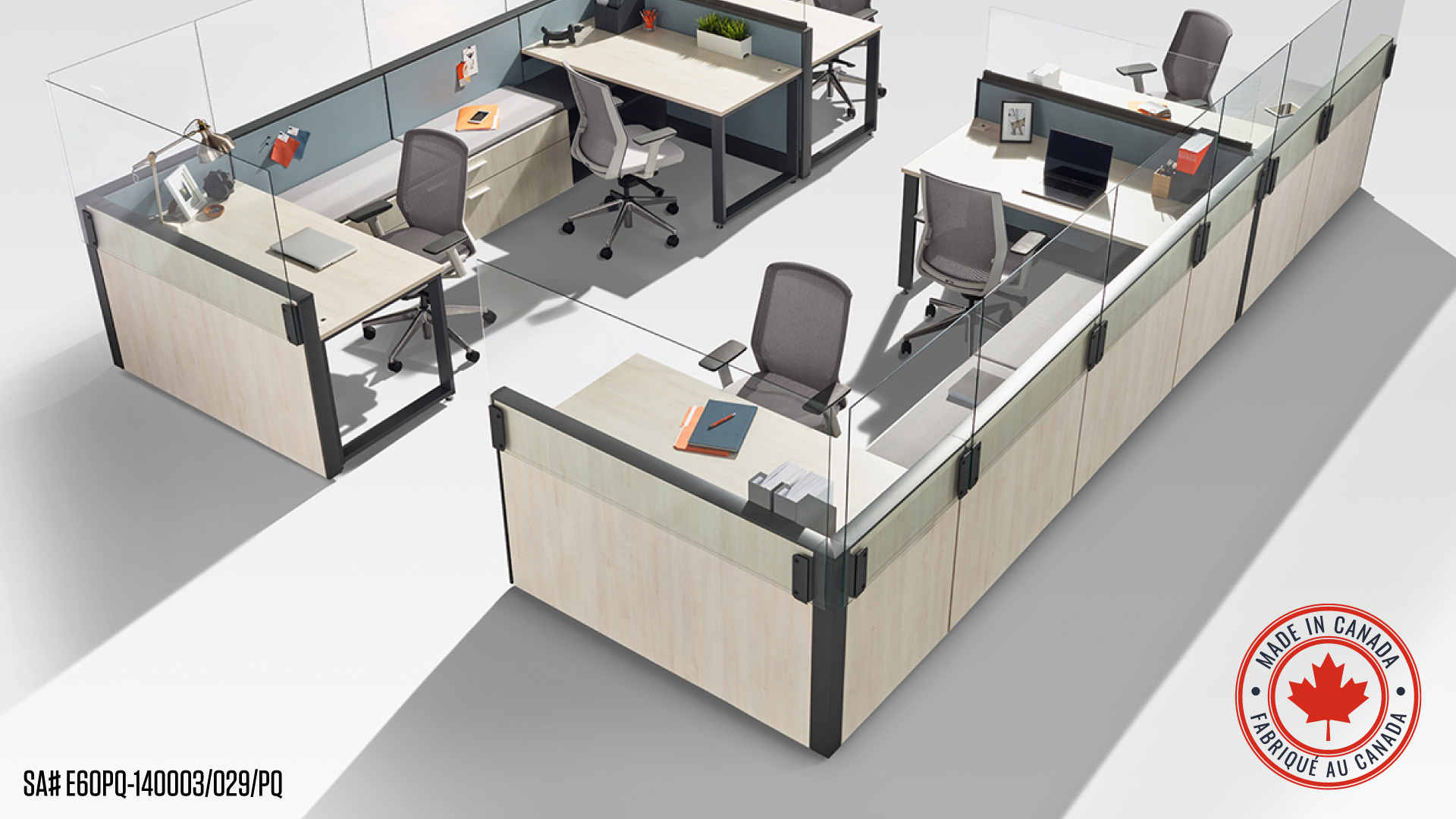
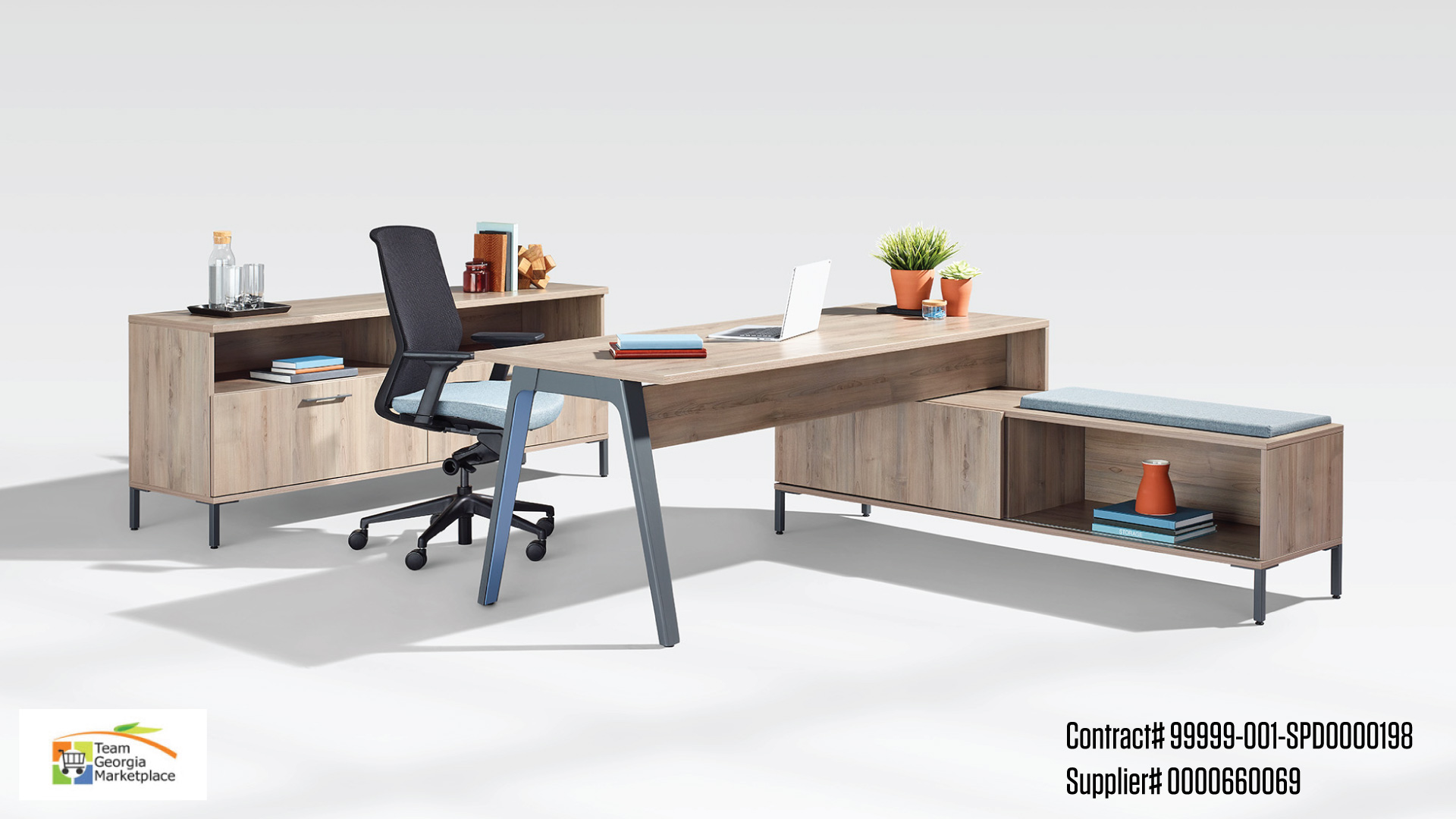
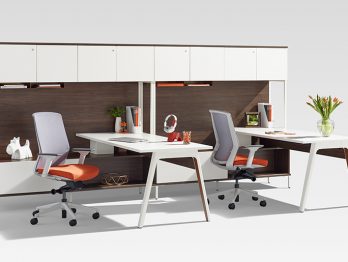
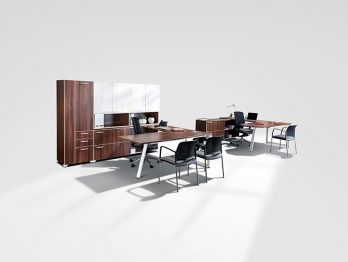
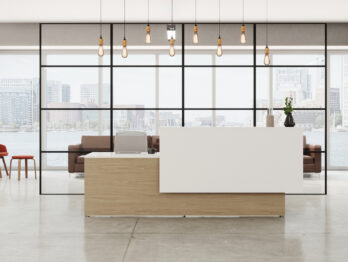
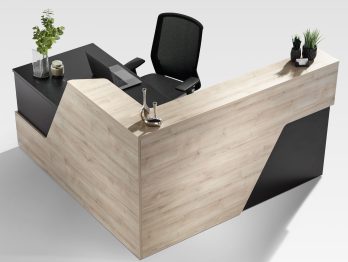
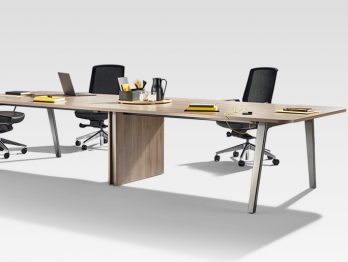
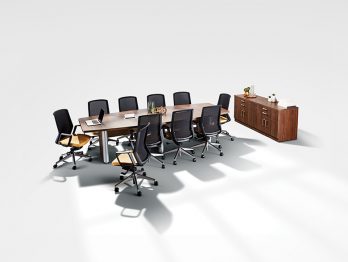
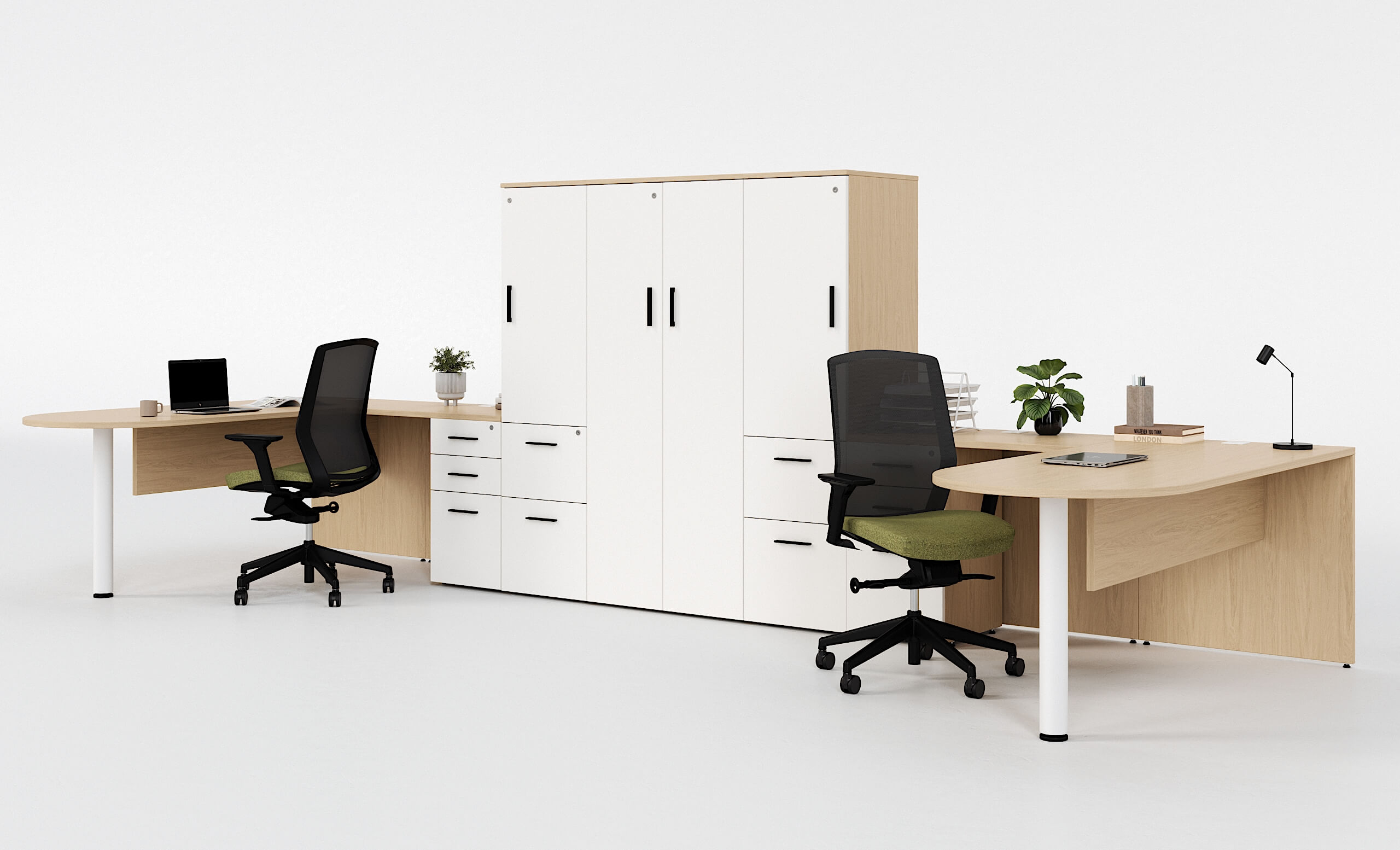
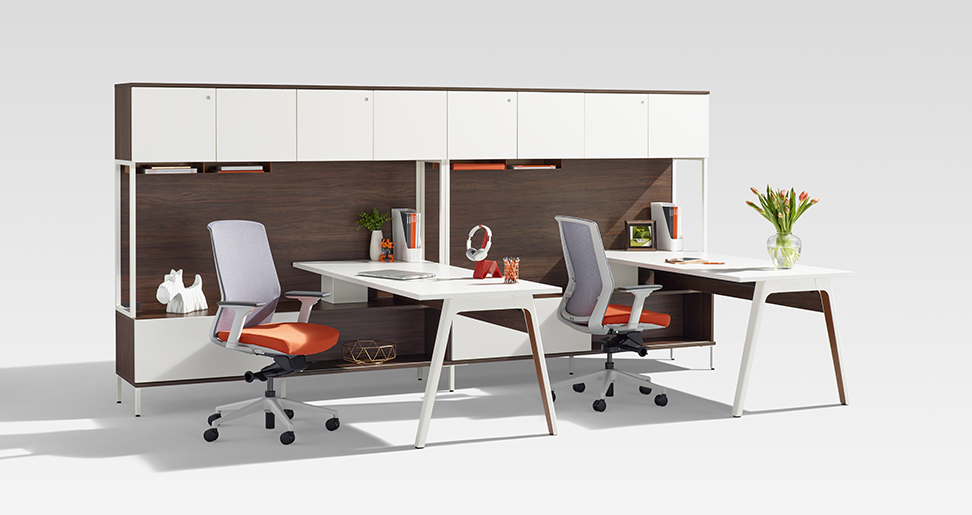
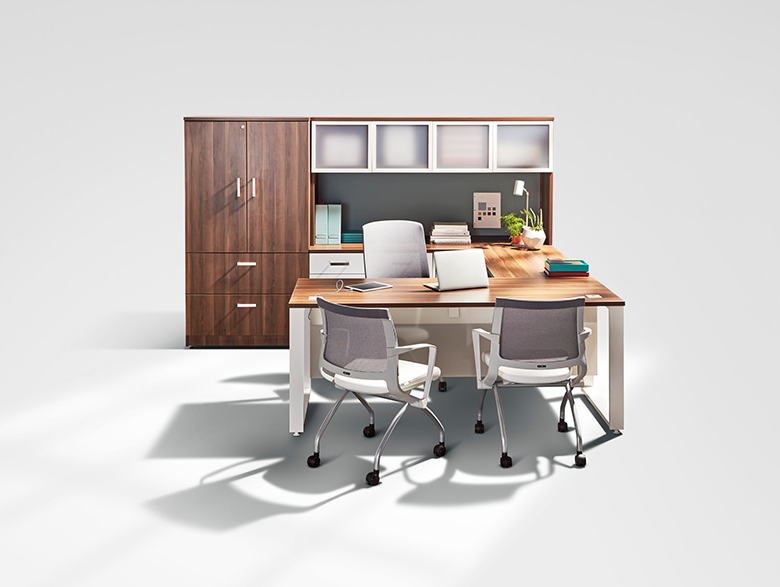
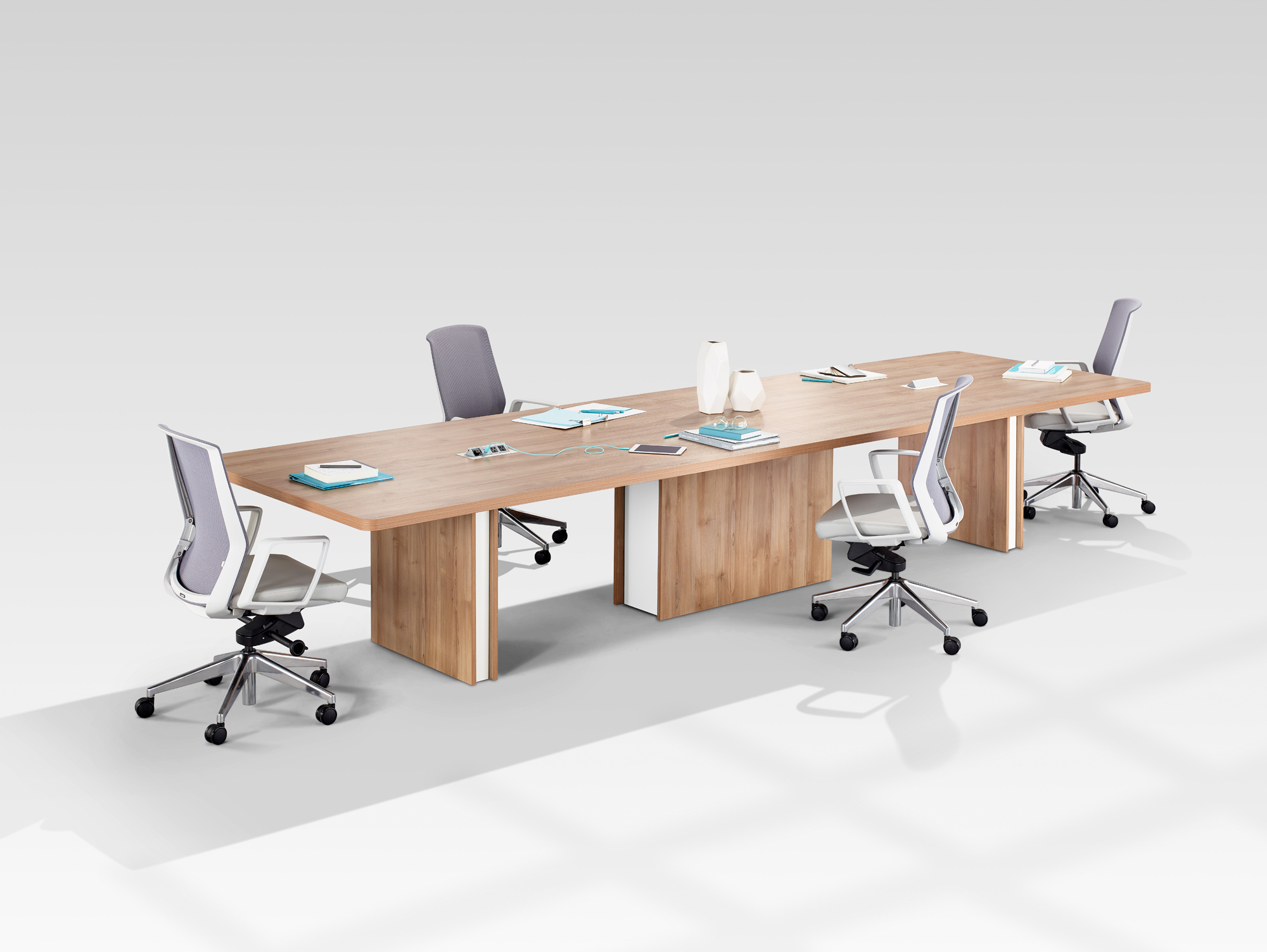
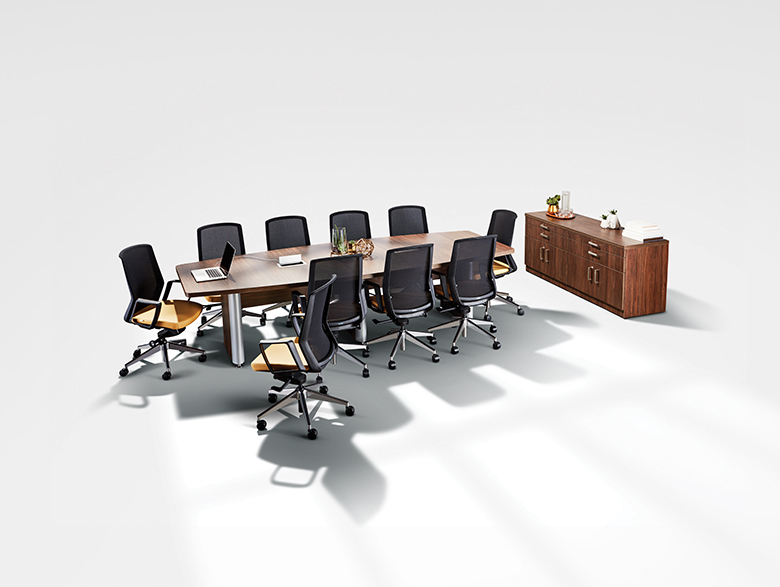
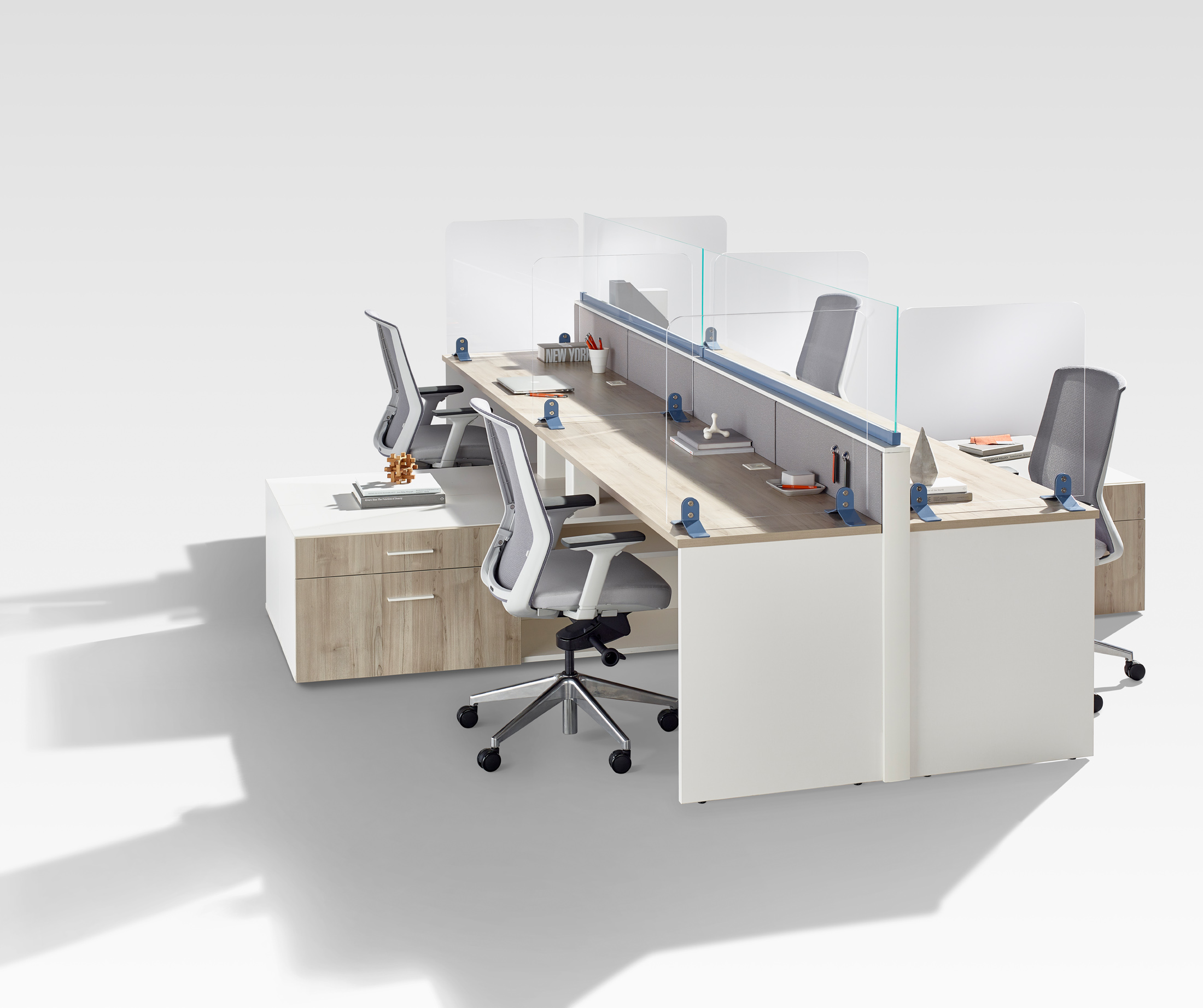
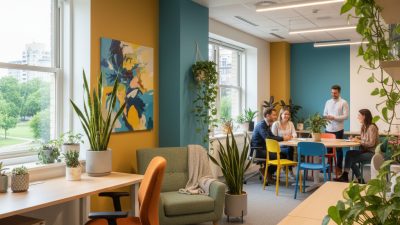
As we approach 2026, the landscape of stylish office furniture is rapidly evolving. Companies are increasingly aware of the impact that beautiful, functional design has on productivity. Stylish office furniture is more than a trend; it represents a shift towards a more inspiring work environment. Ergonomic chairs, sleek desks, and collaborative seating arrangements are becoming essential.
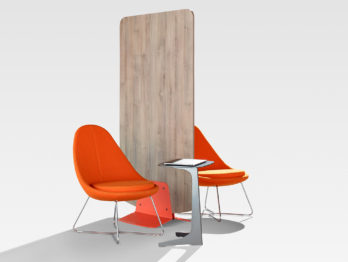
Imagine walking into a workspace filled with vibrant colors and innovative designs. Natural materials are gaining popularity, adding warmth to modern aesthetics. But not all trends are perfect. Some designs sacrifice comfort for looks. It's important to balance style and function when selecting furniture for your office.
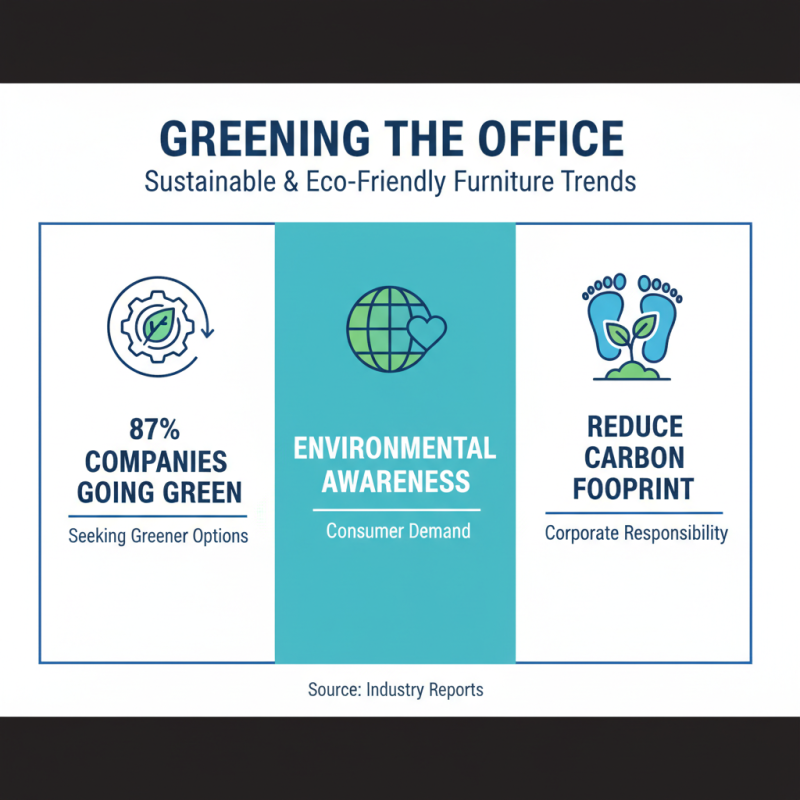
Additionally, sustainable practices are influencing choices. Many brands now focus on eco-friendly materials. However, the question remains: can we truly have style without compromising the environment? As we explore these trends, we must reflect on our needs and priorities. The future of stylish office furniture offers exciting possibilities for creating dynamic spaces.
Emerging Colors and Materials in Office Furniture for 2026
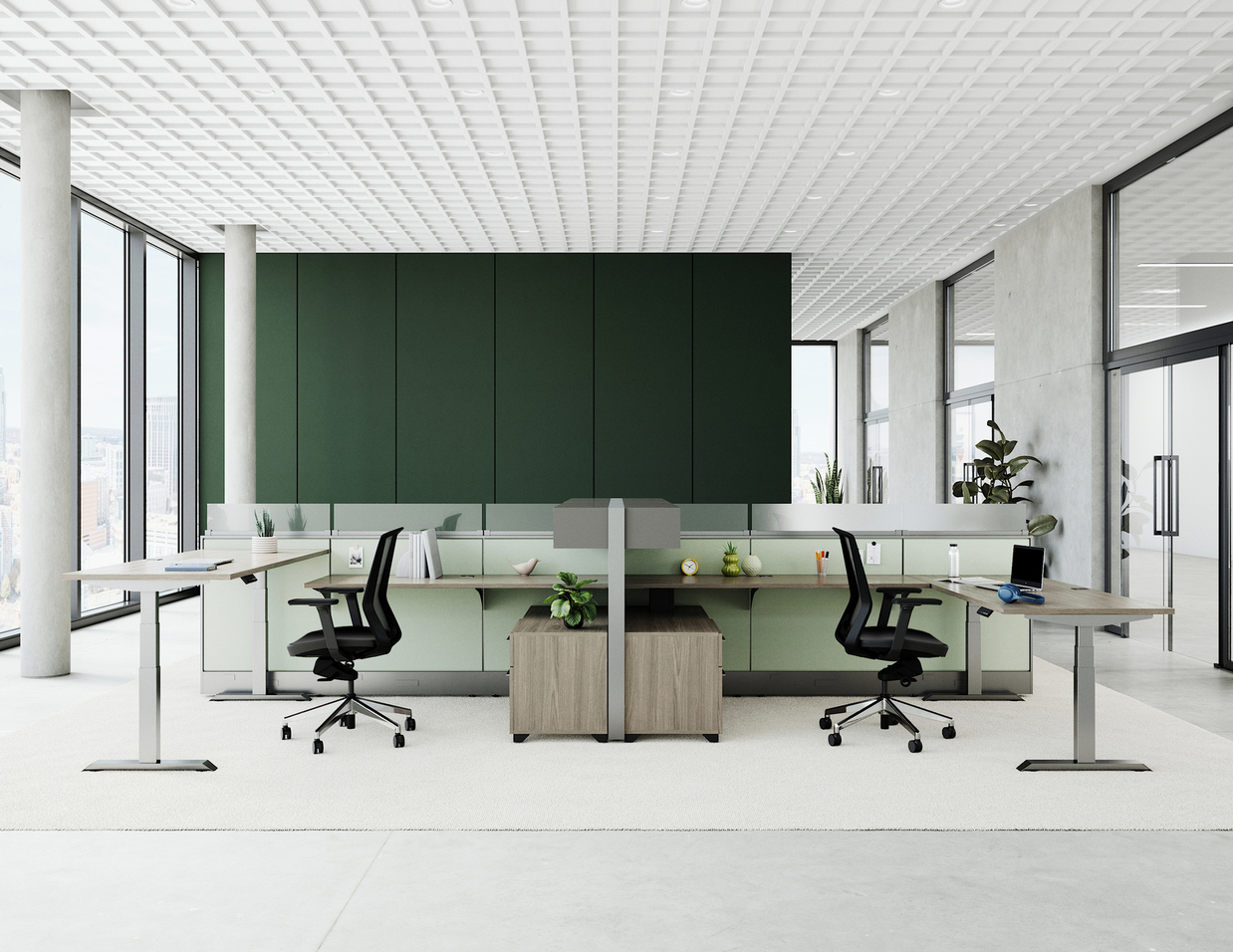
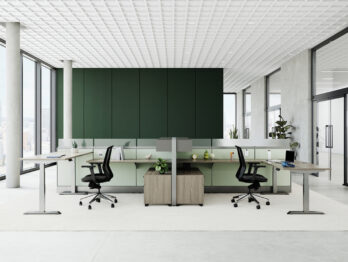
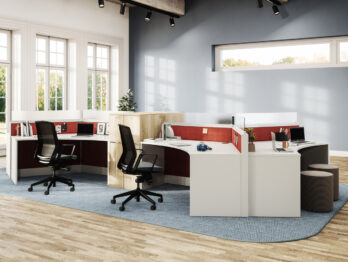
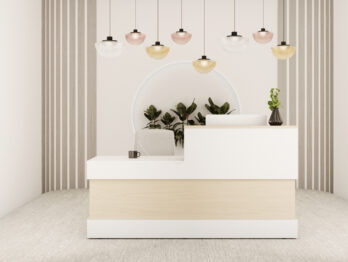
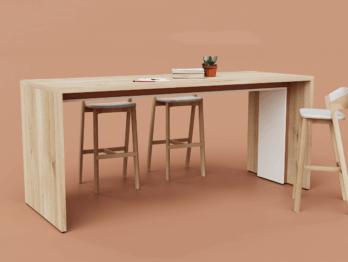
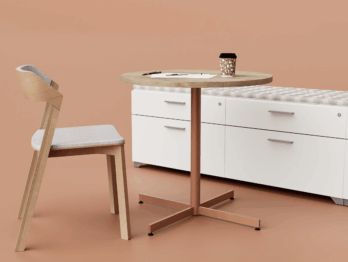
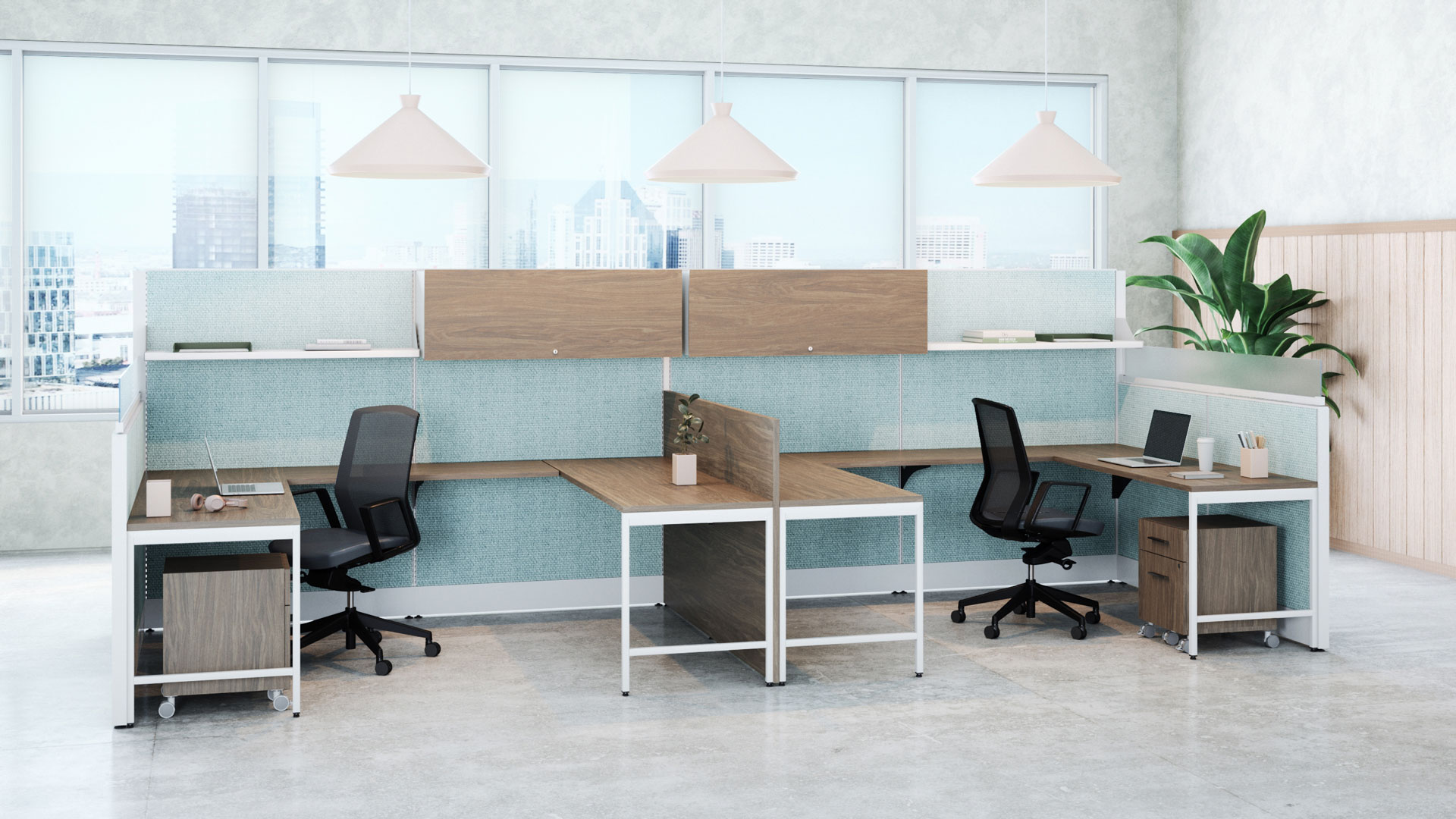
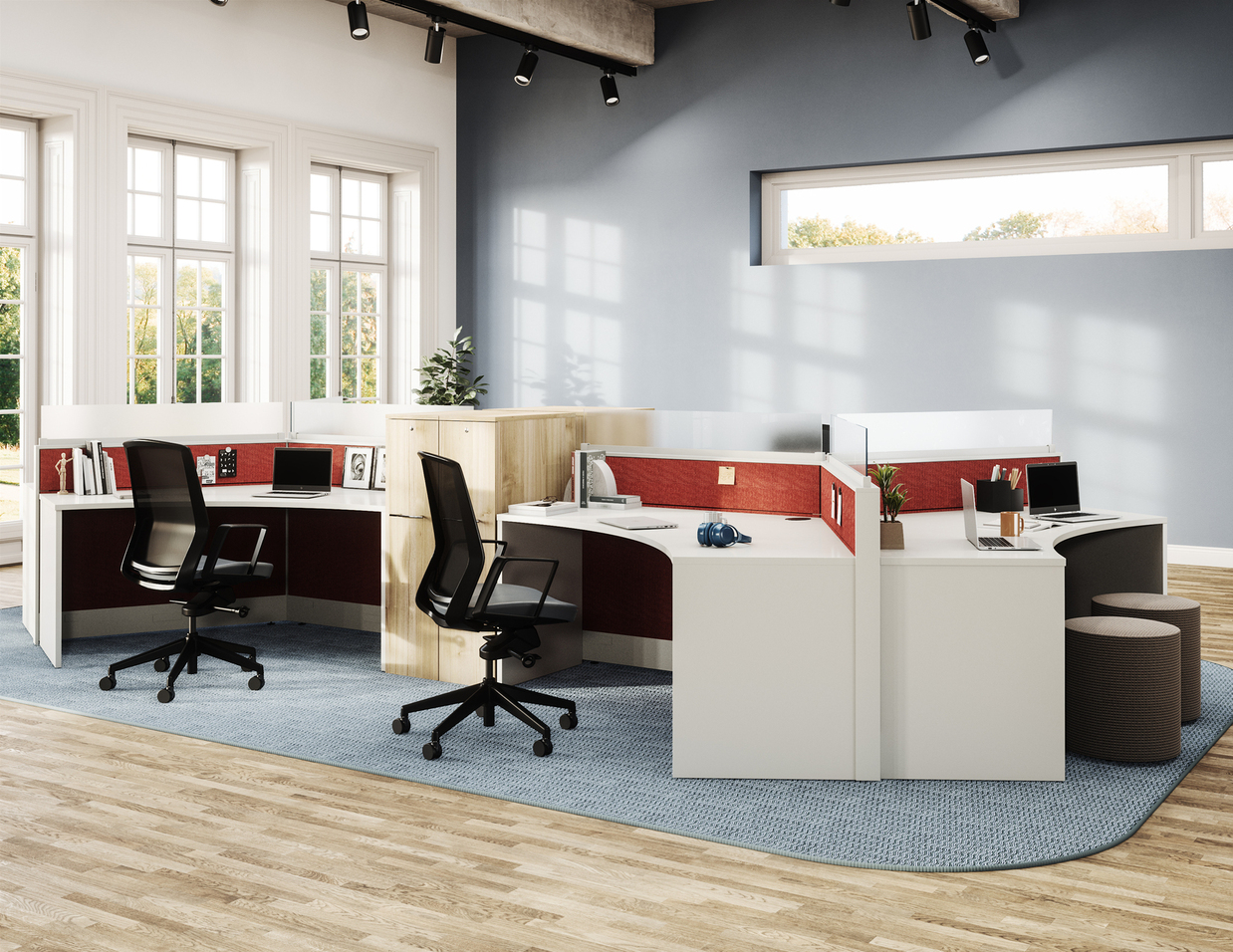
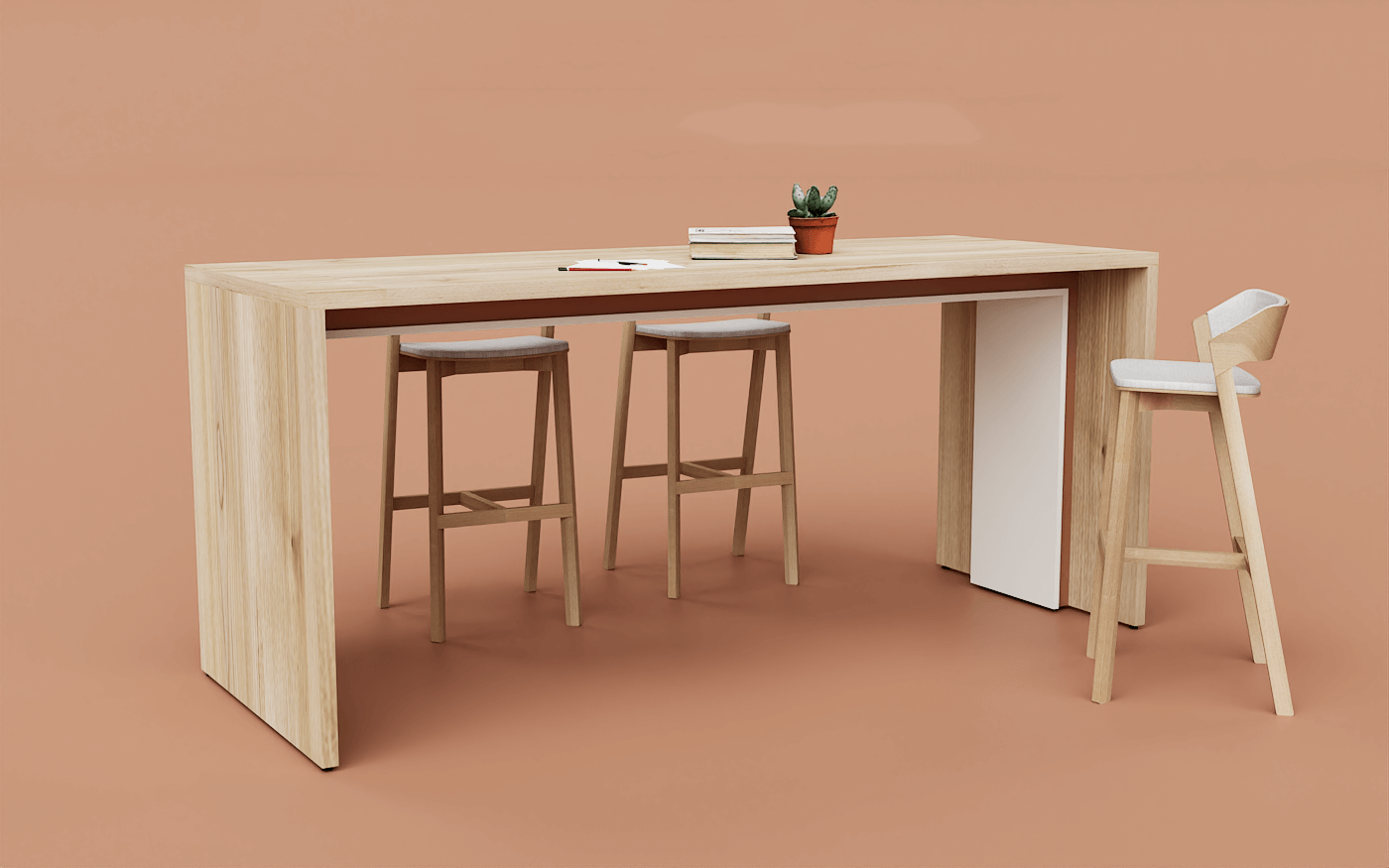
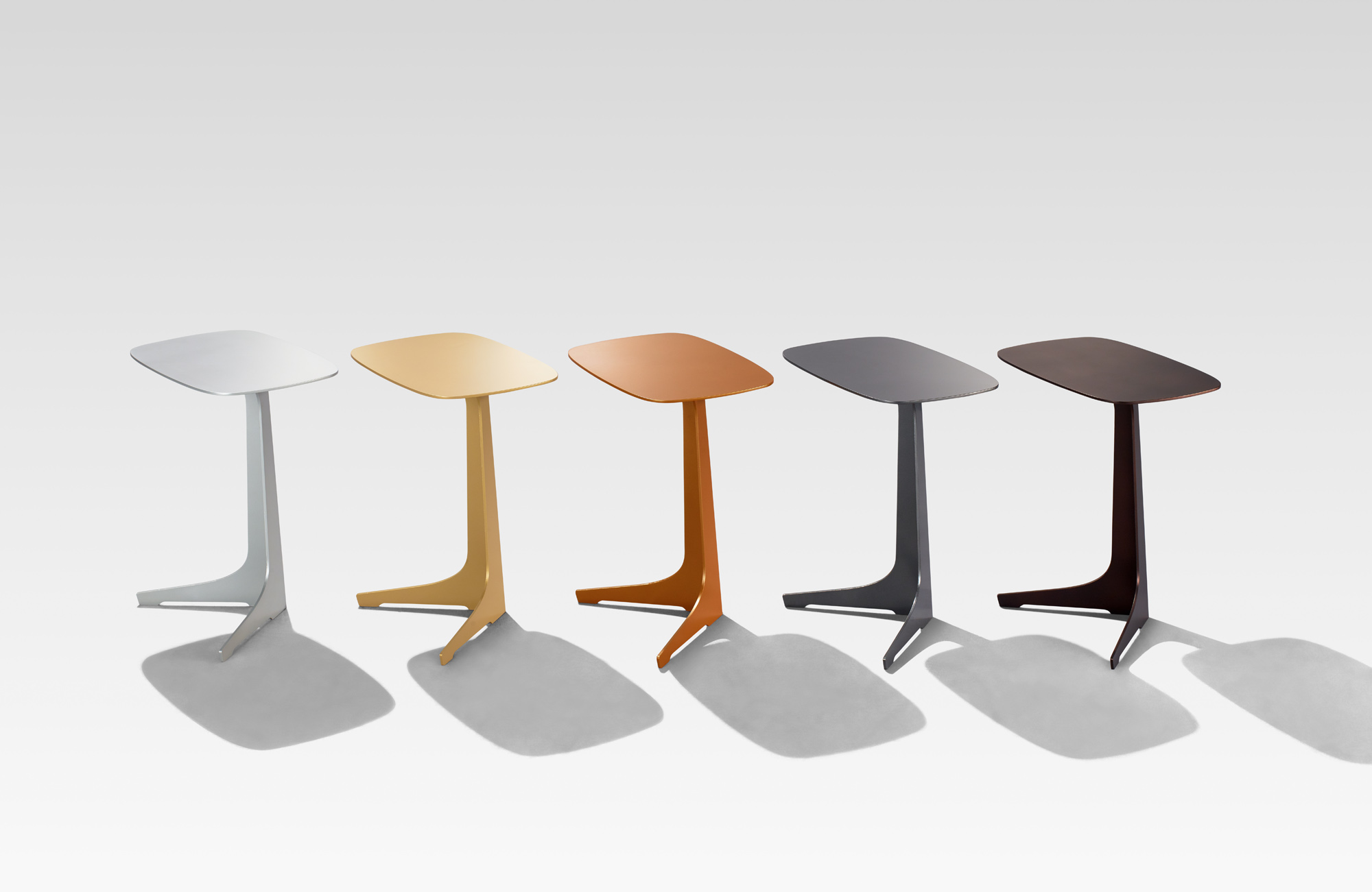
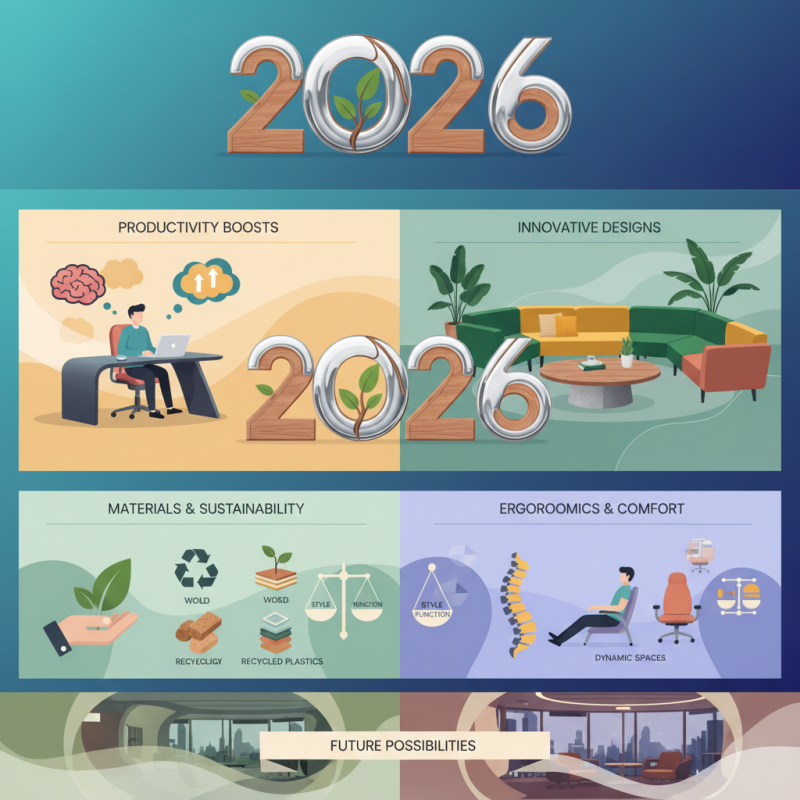
As we look toward 2026, the world of office furniture is witnessing a dramatic shift in colors and materials. Lighter, airy hues like soft pastels and muted earth tones are emerging as popular choices. These colors create a calming atmosphere, fostering productivity. Imagine a workspace adorned with gentle greens, blues, and blush shades. The aesthetic becomes welcoming, balancing professionalism and comfort.
In terms of materials, sustainability is key. Reclaimed wood and recycled metals are in vogue. These choices reflect a commitment to the environment. However, the challenge lies in balancing style and durability. Not every sustainable material holds up well in a busy office. Therefore, careful selection is crucial.
Additionally, textures are evolving. Velvet and textured fabrics are making their way into office chairs and couches. They provide comfort and an inviting feel. Yet, some may find them harder to maintain. Reflecting on personal preferences in office design may create additional challenges. Choosing the right materials involves consideration and perhaps a few missteps.
2026 Top Stylish Office Furniture Trends
Innovative Ergonomic Designs for Enhanced Workplace Comfort
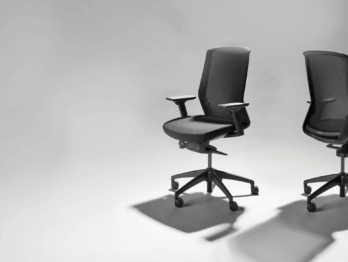
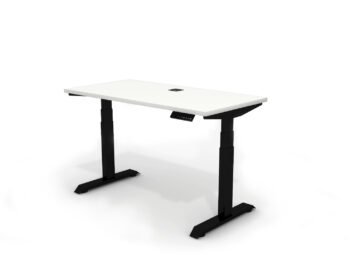
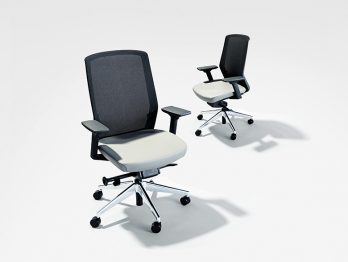
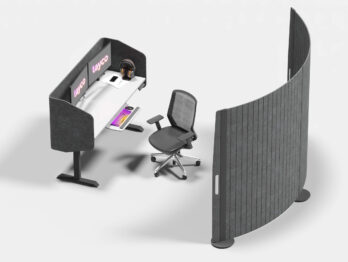
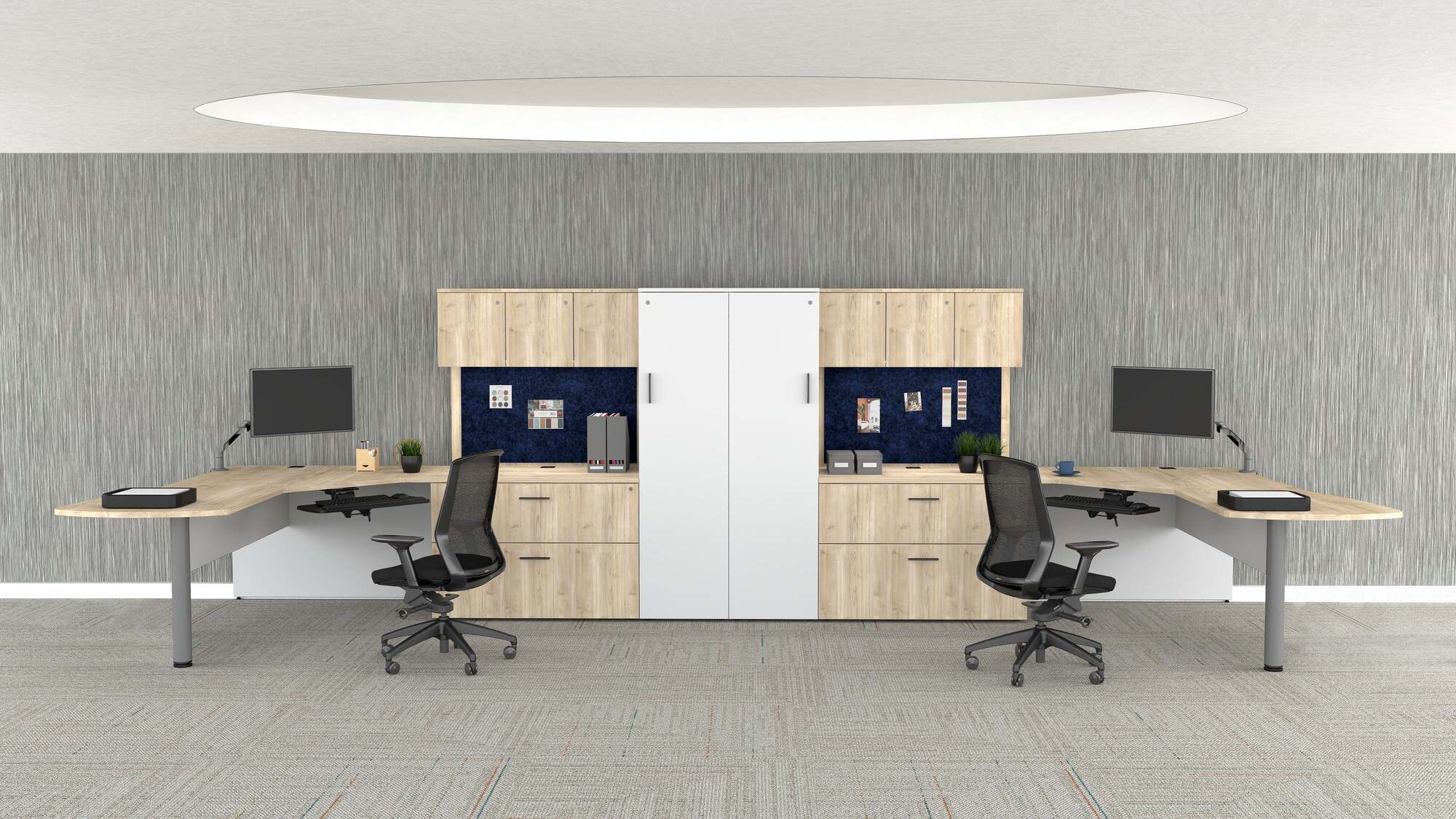
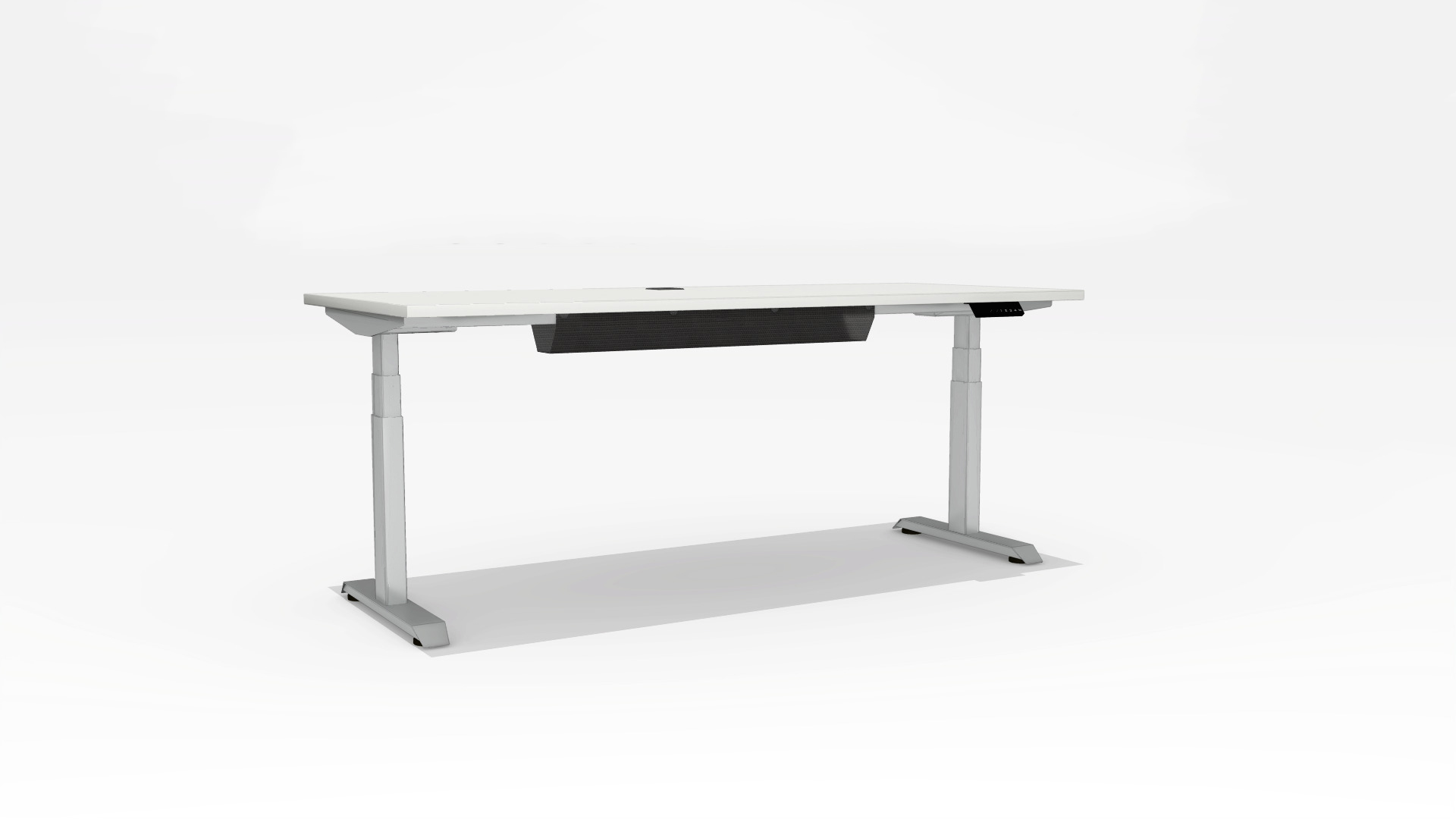
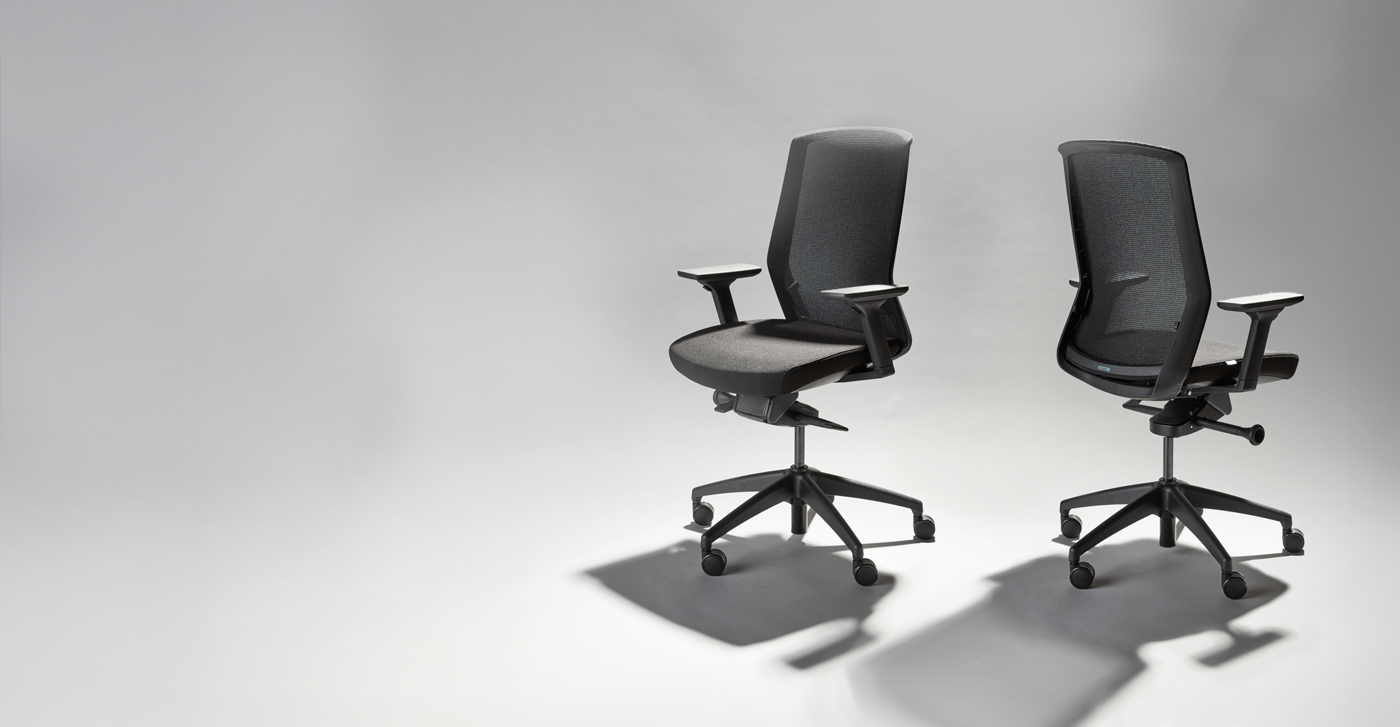
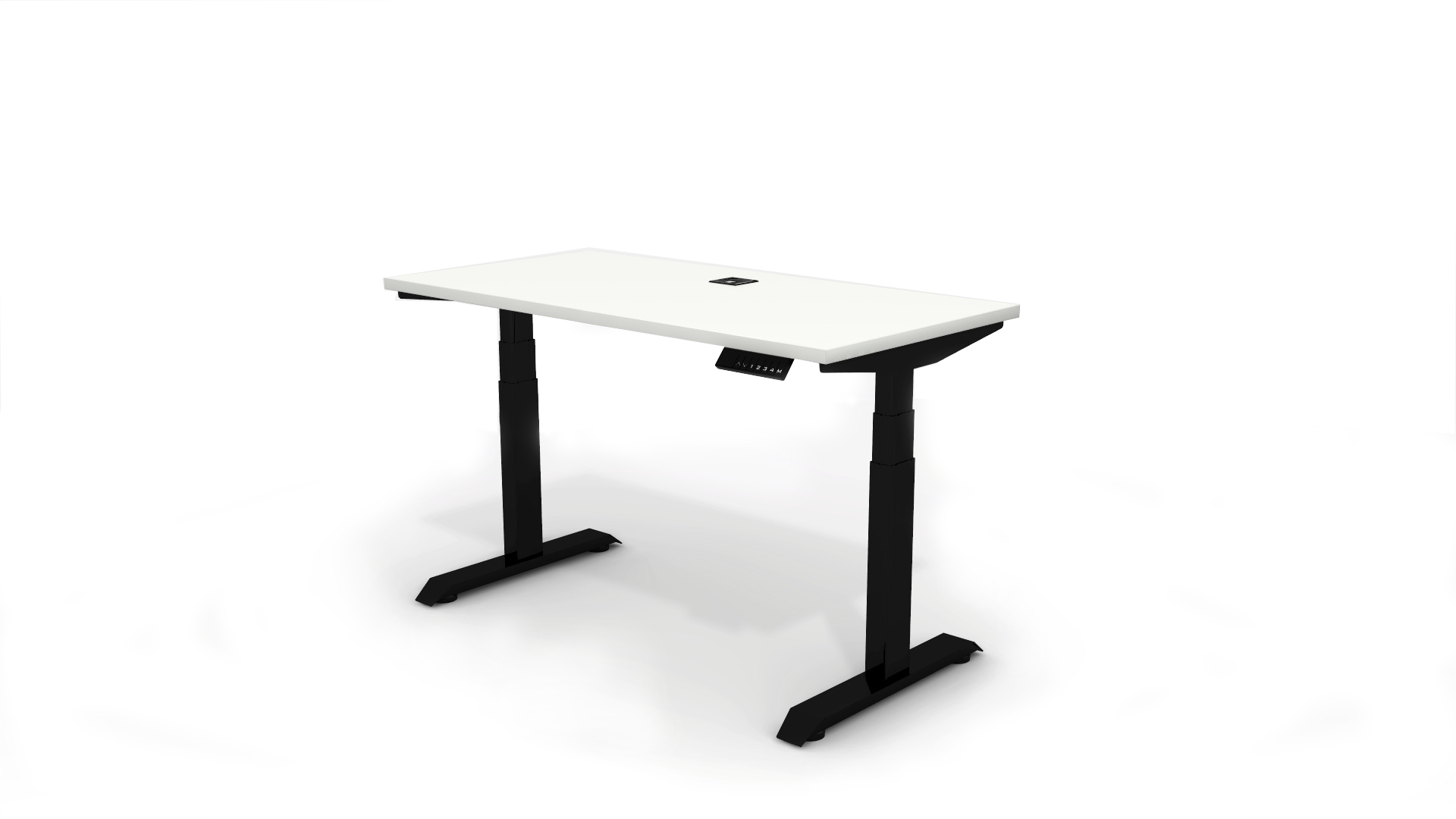
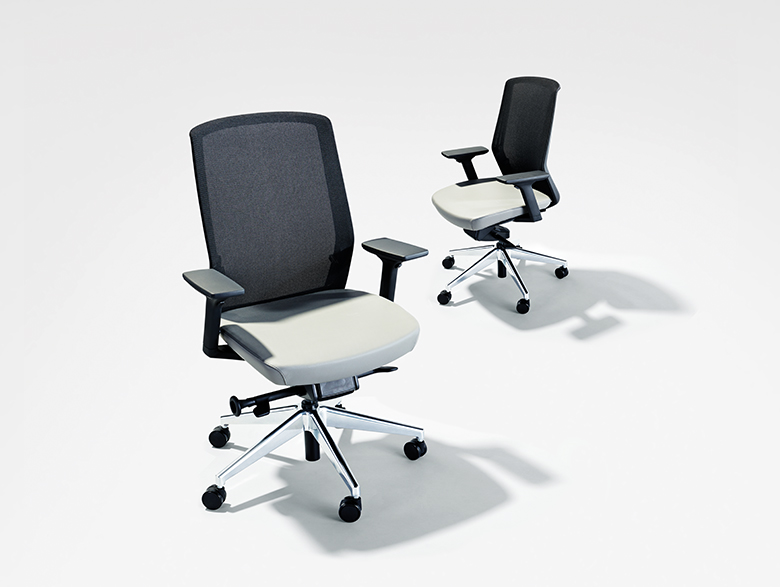
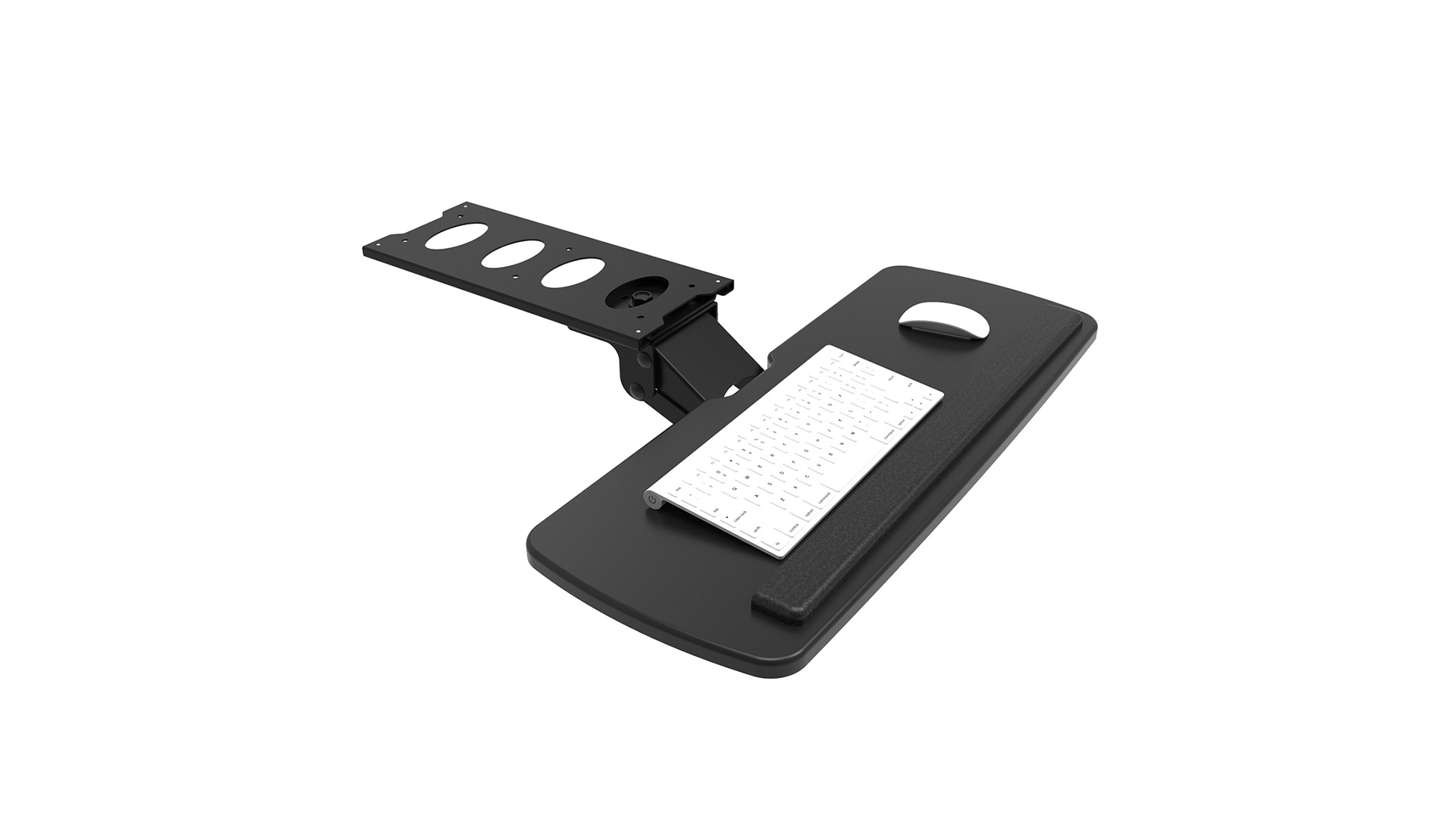
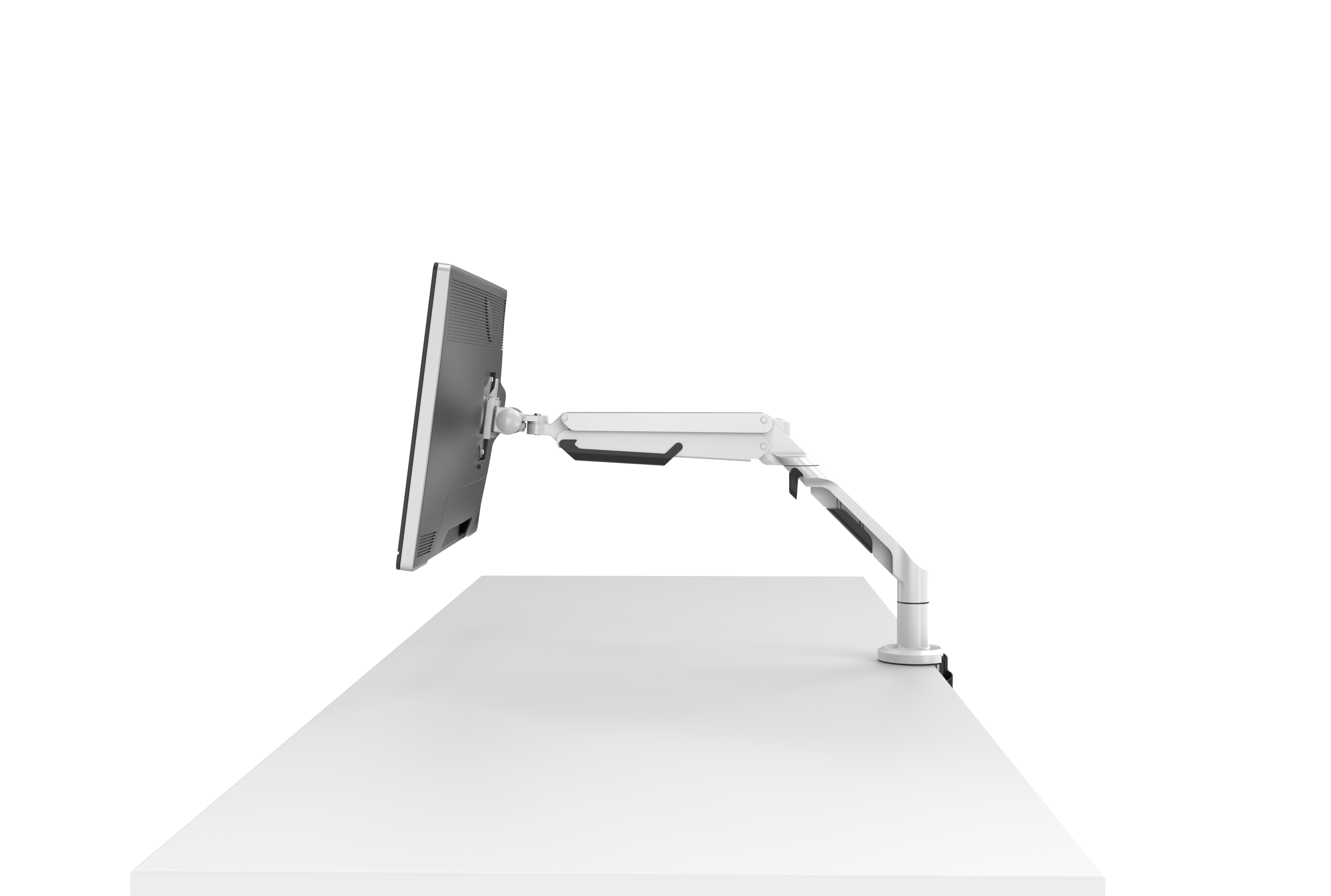
In today’s fast-paced work environment, ergonomic designs are gaining attention. Many offices are embracing innovative furniture that promotes comfort. Standing desks, adjustable chairs, and flexible workstations are key elements. They allow employees to change positions easily. This helps reduce strain caused by long hours at a desk.
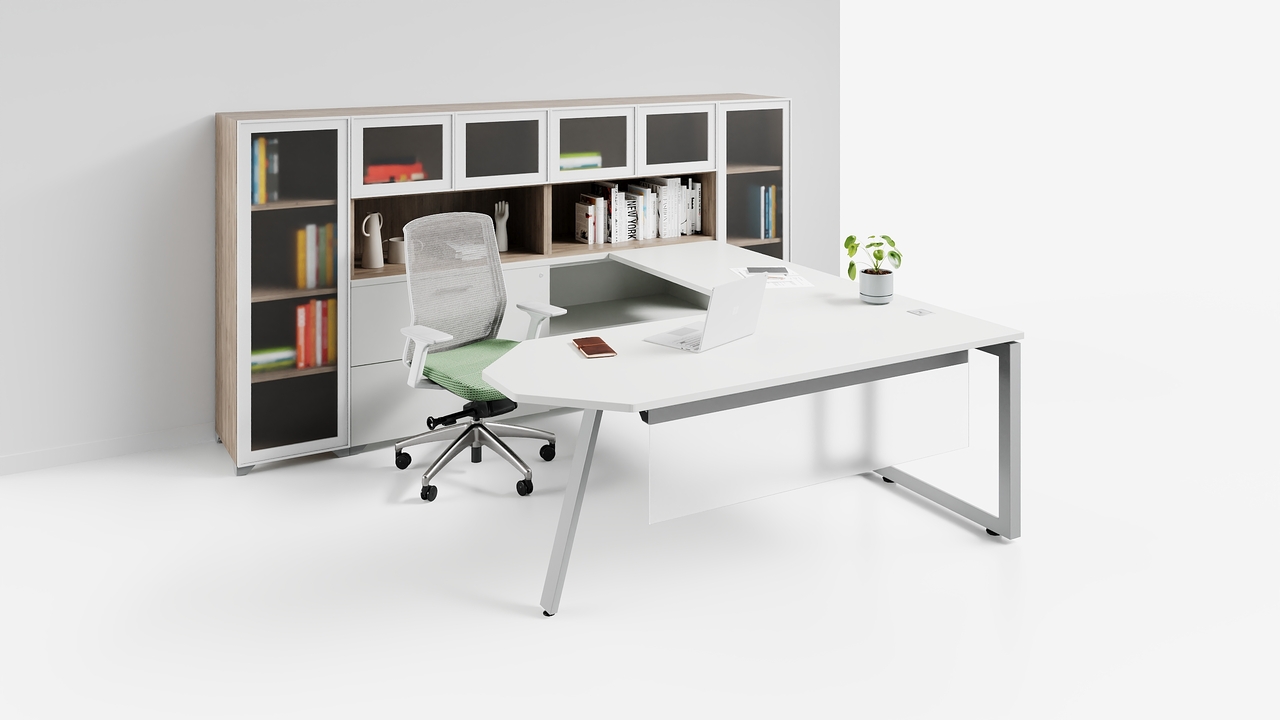
Some designs prioritize functionality without sacrificing style. Sleek lines and modern aesthetics can also support well-being. There is a push for furniture that enhances productivity. For instance, chairs with lumbar support can alleviate back pain. They encourage better posture, which can lead to more efficient work habits.
However, not all ergonomic solutions are perfect. Some workers prefer traditional setups over new trends. It’s important to consider individual needs. What works for one might not work for another. Companies must create spaces that reflect this diversity. By listening to employee feedback, they can refine their furniture choices. Creating a comfortable and stylish workspace requires ongoing reflection and adaptation.
Multifunctional Furniture Solutions for Small Office Spaces
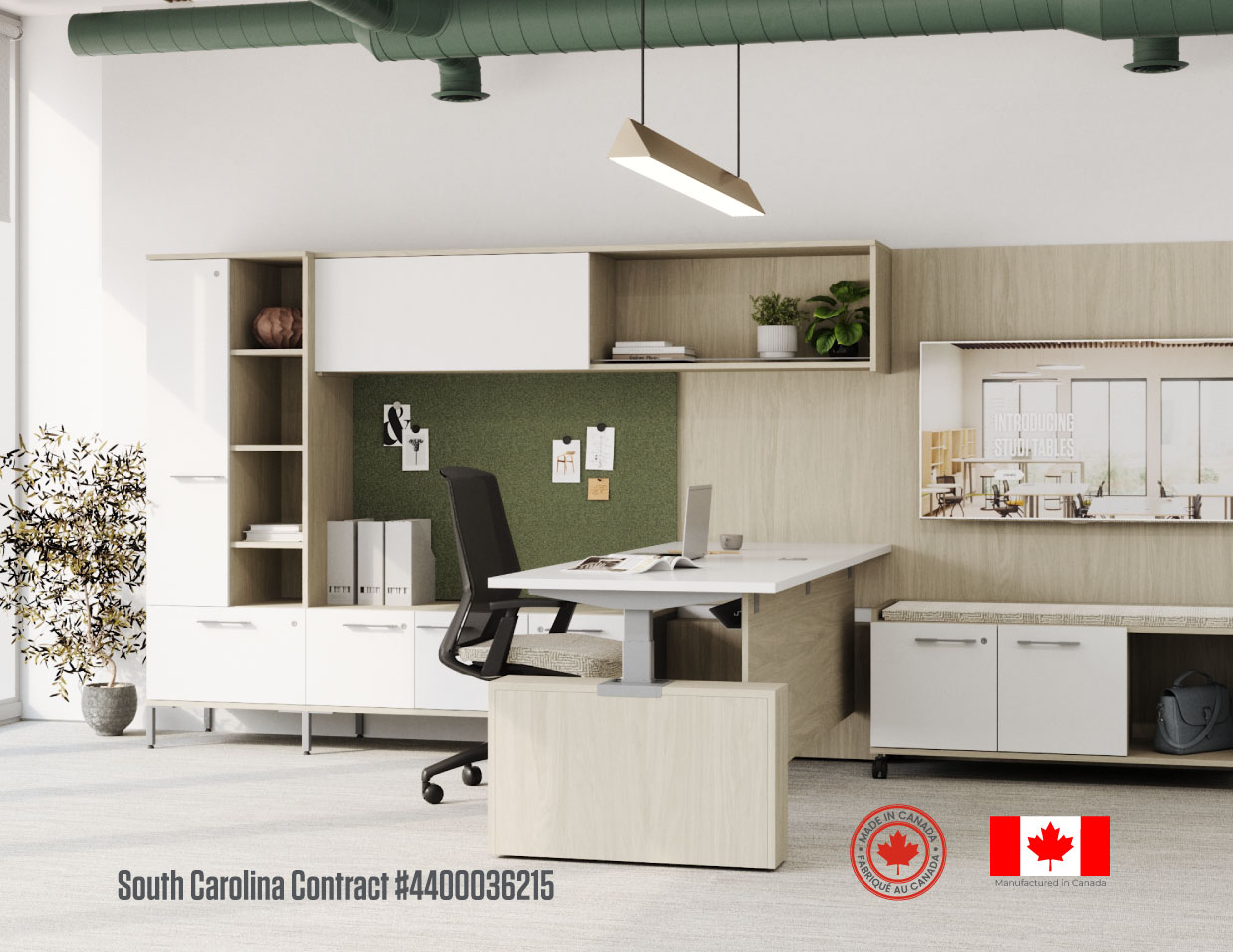
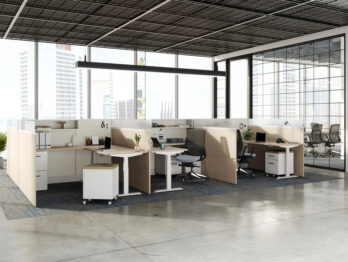
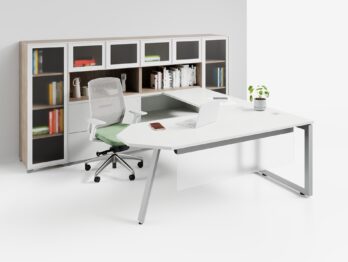
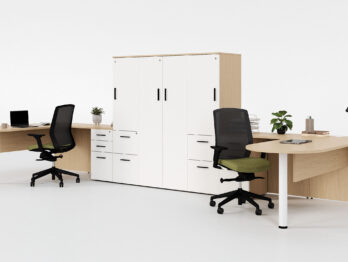
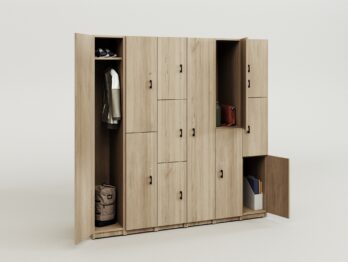
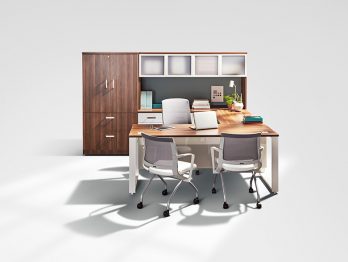
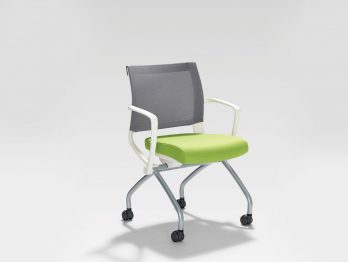
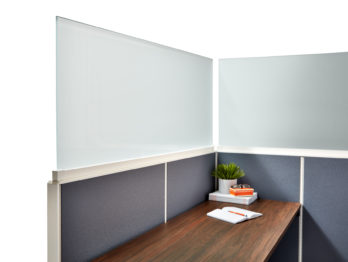
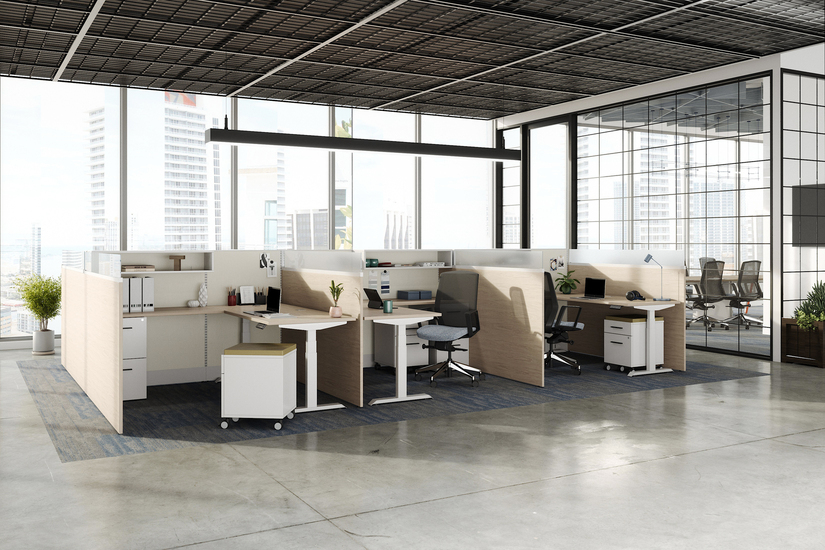
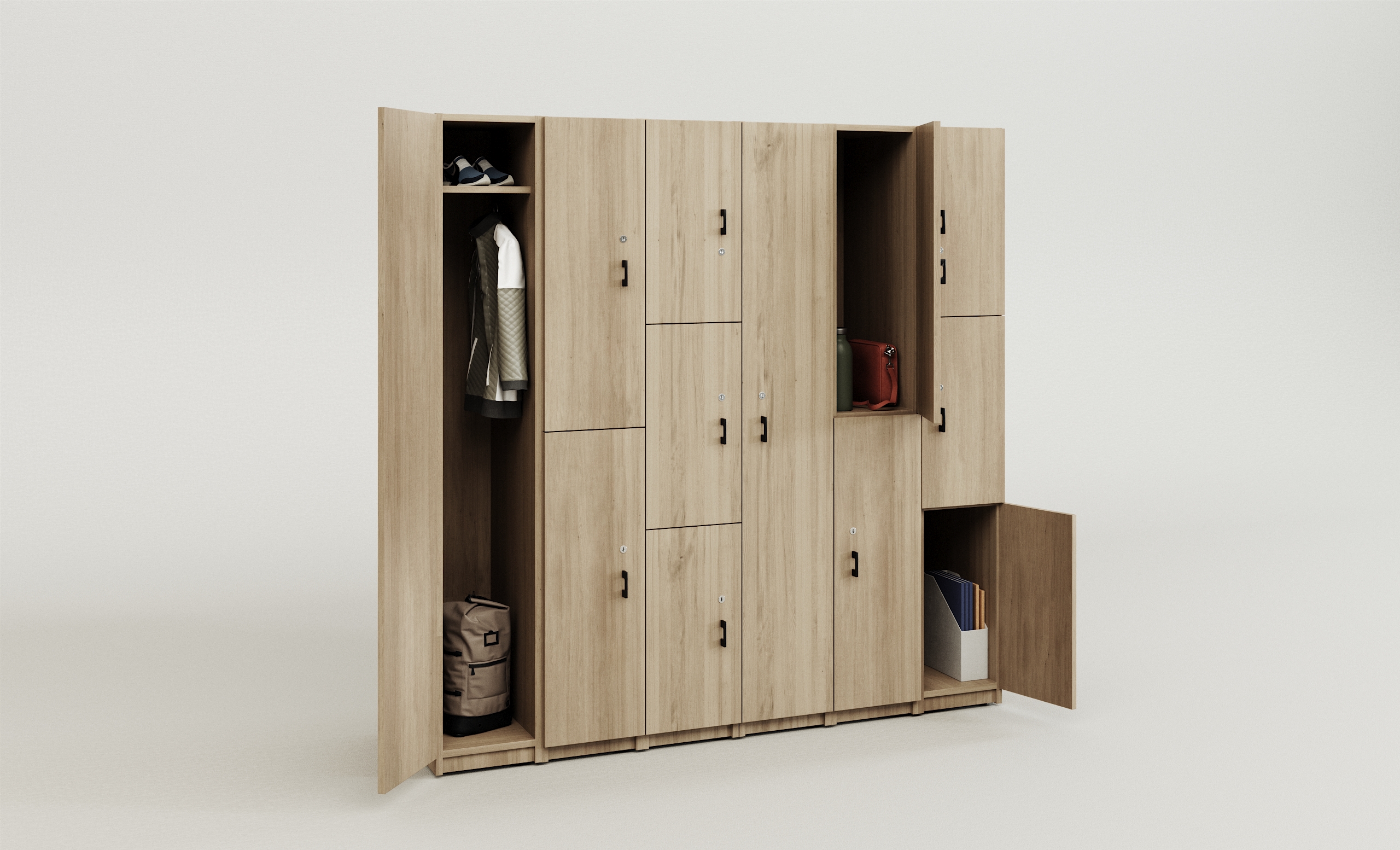
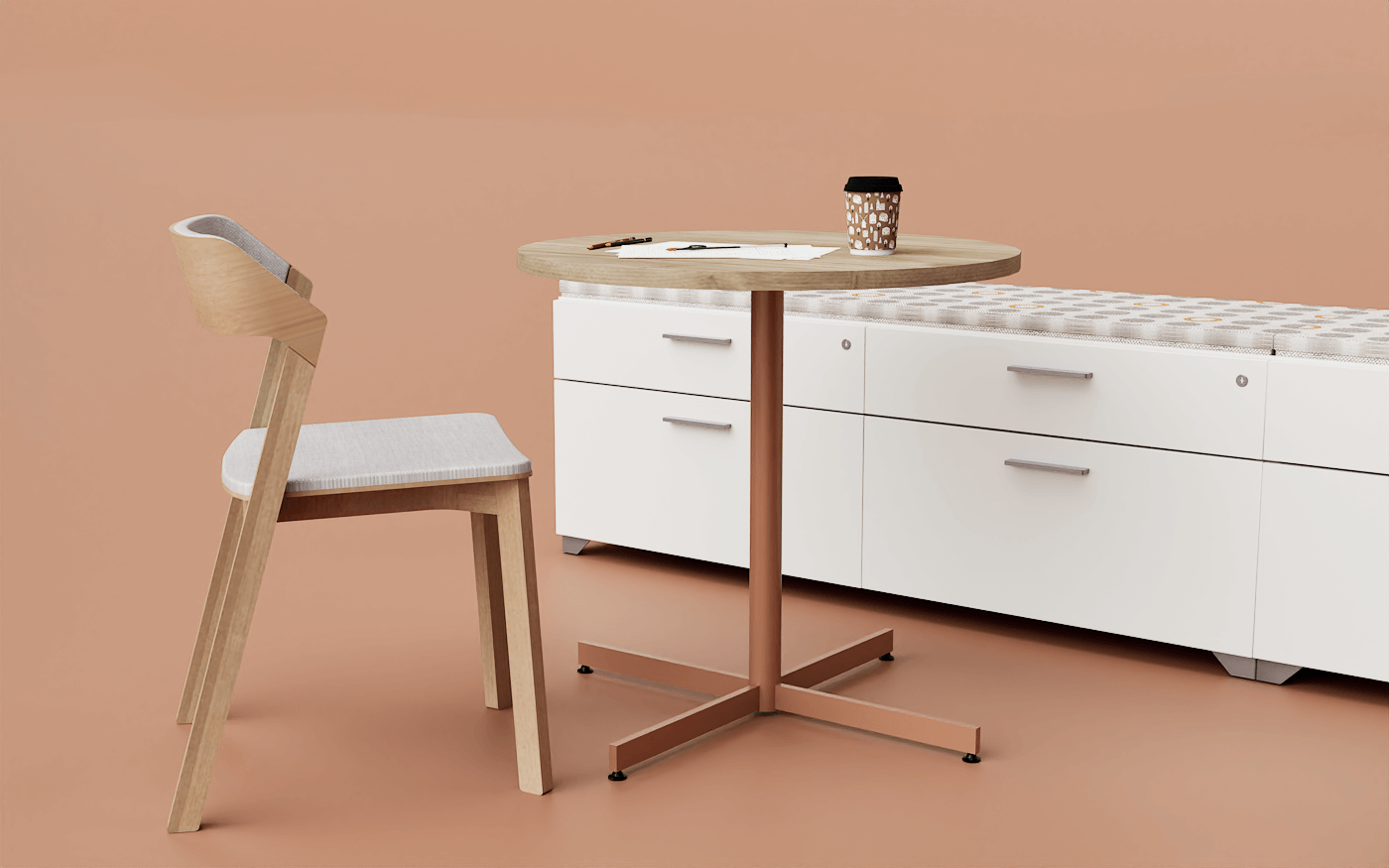
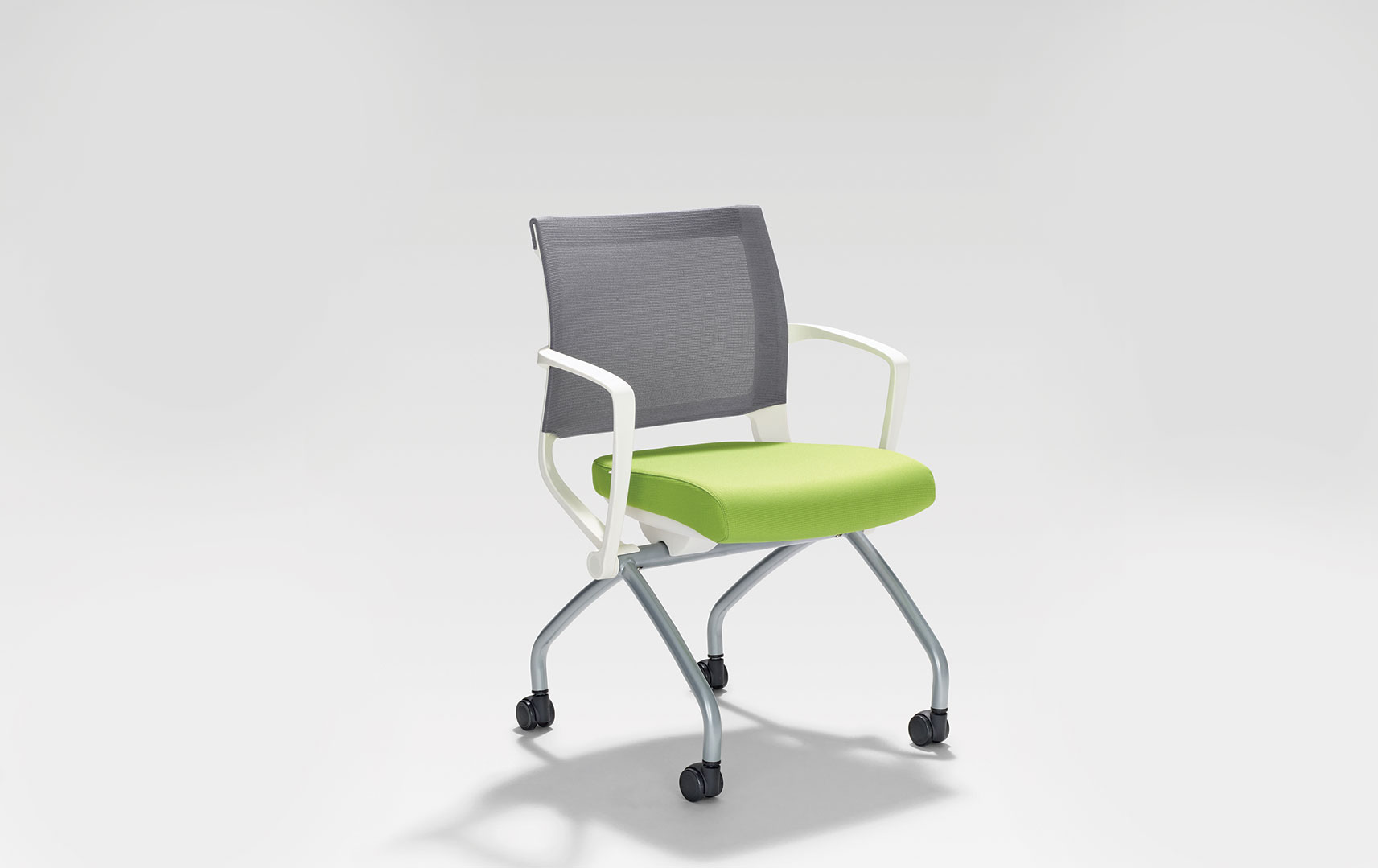
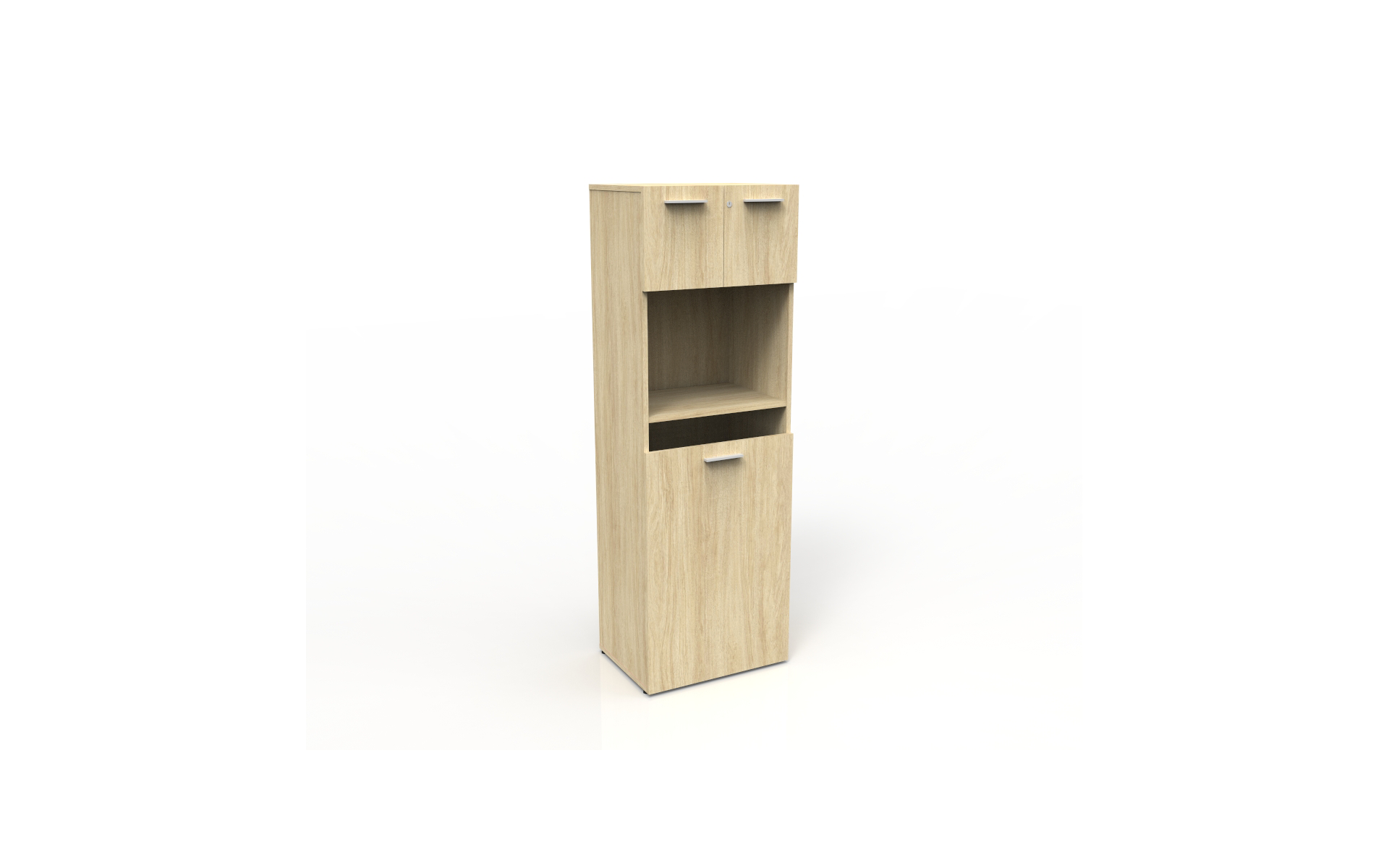
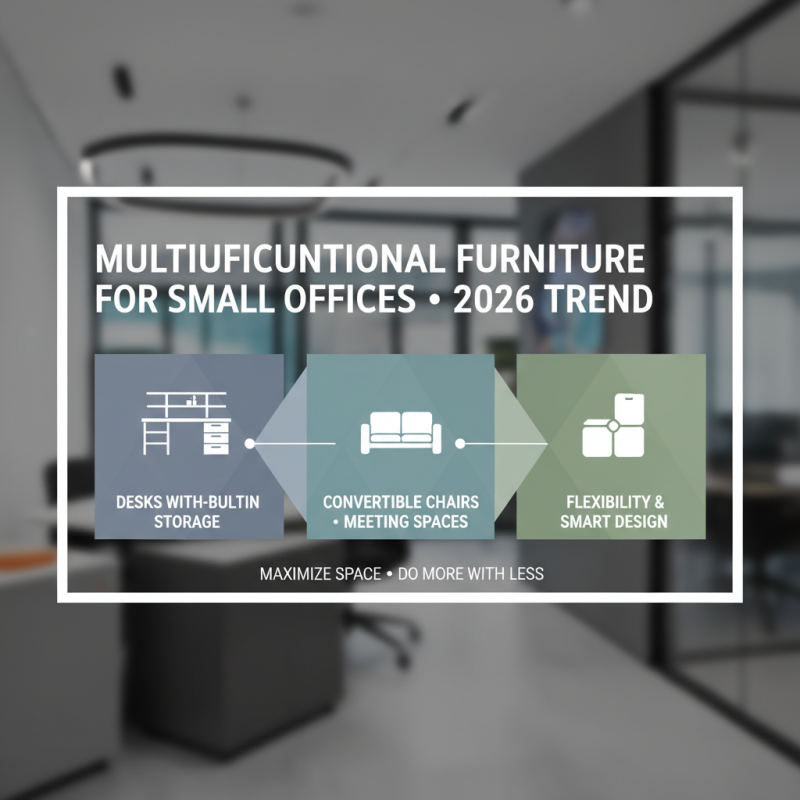
In 2026, the trend for small office spaces focuses on multifunctional furniture. As offices shrink, every piece needs to do more. Desks now often have built-in storage. Chairs may convert into small meeting spaces. This trend embraces flexibility and smart design.
**Tip:** Consider using foldable tables. They provide versatility and can be stored easily when not in use. These tables save space but may require careful arrangements for group work.
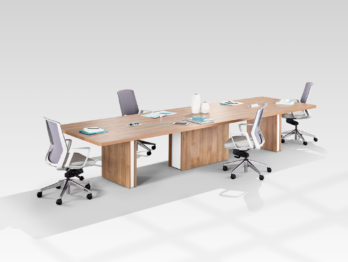
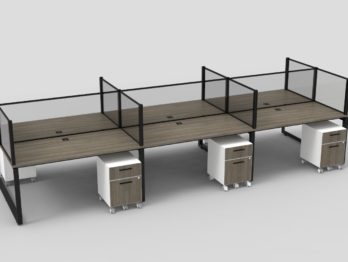
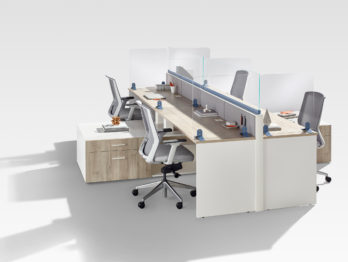
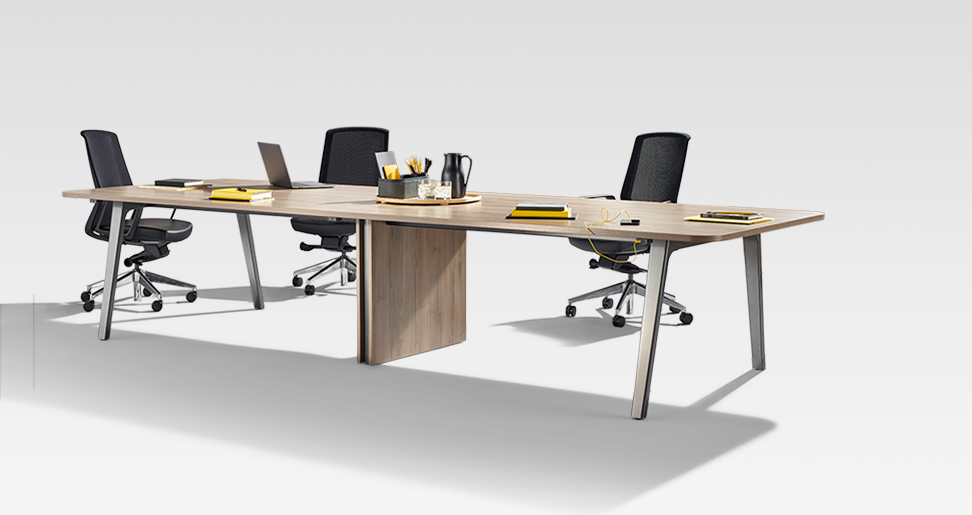
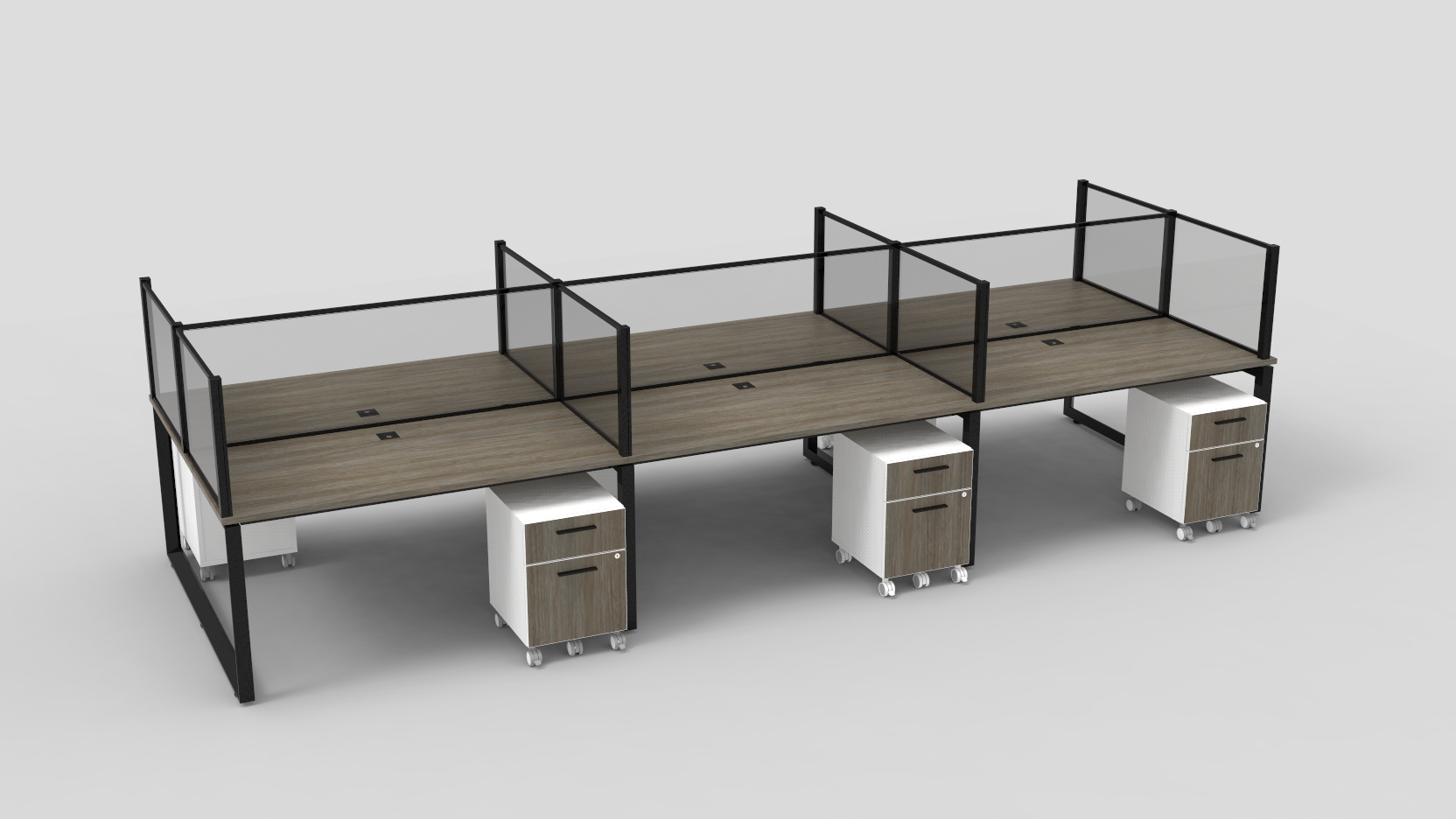
Another emerging trend is modular furniture. This allows you to rearrange pieces based on changing needs. Sofa modules can provide a relaxed meeting area. Desks can cluster together for collaboration. However, ensure the design fits your office's style. Uncoordinated pieces may feel chaotic rather than cohesive.
**Tip:** Opt for furniture in neutral colors. They tend to blend well with various decor. Bold colors can dominate the space, becoming hard to adjust later. Focus on multifunctionality, but don’t sacrifice aesthetics.
Integrating Technology into Stylish Office Furniture Designs
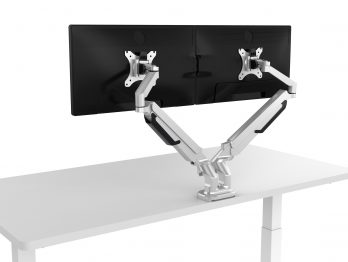
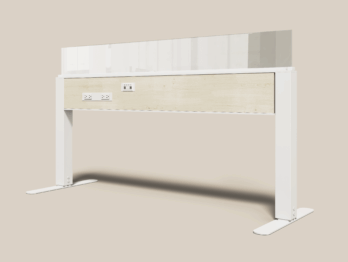
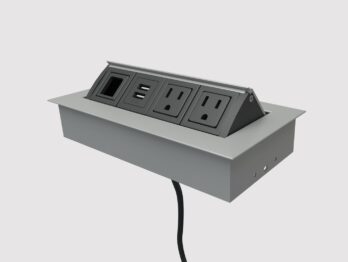
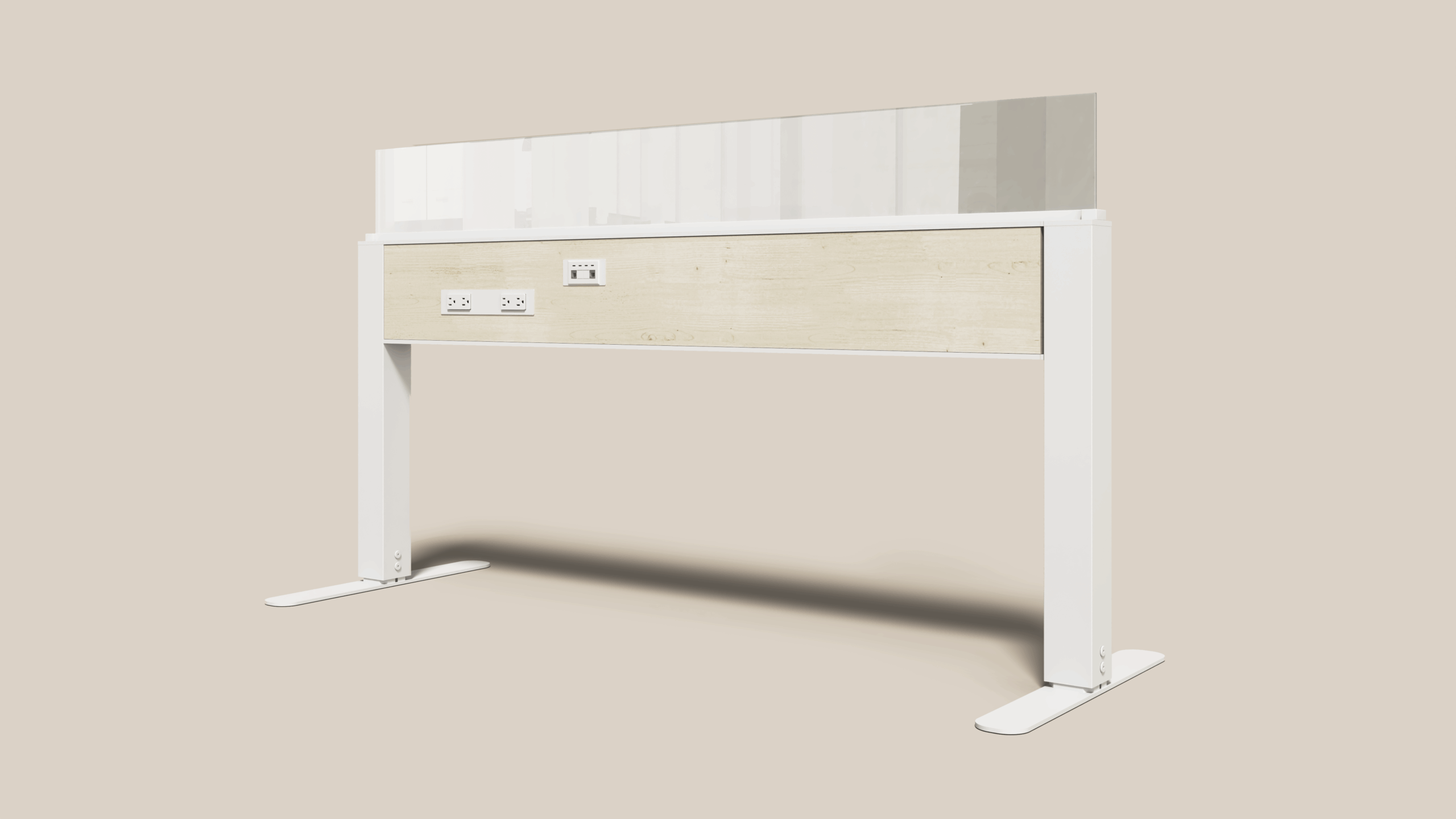
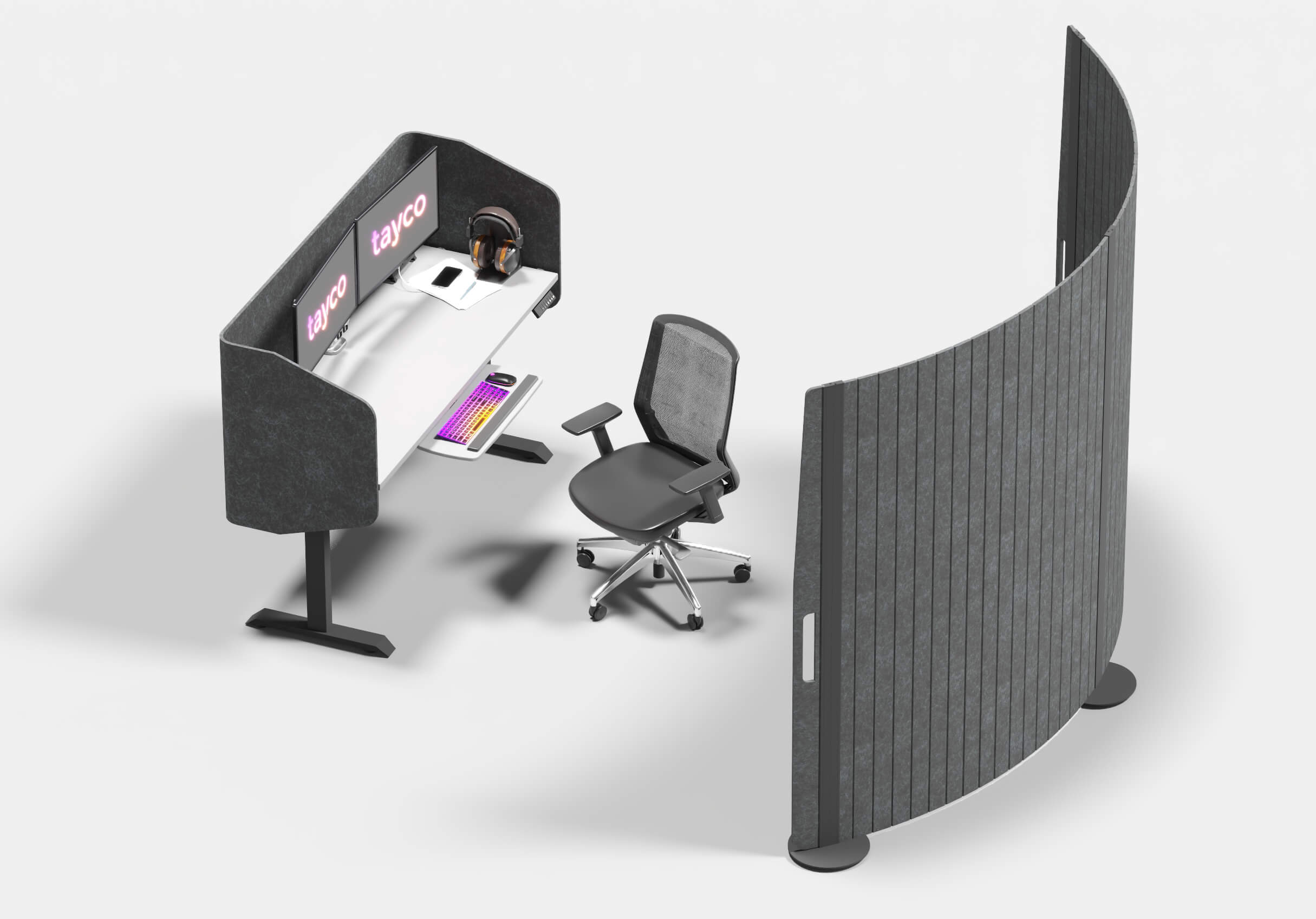
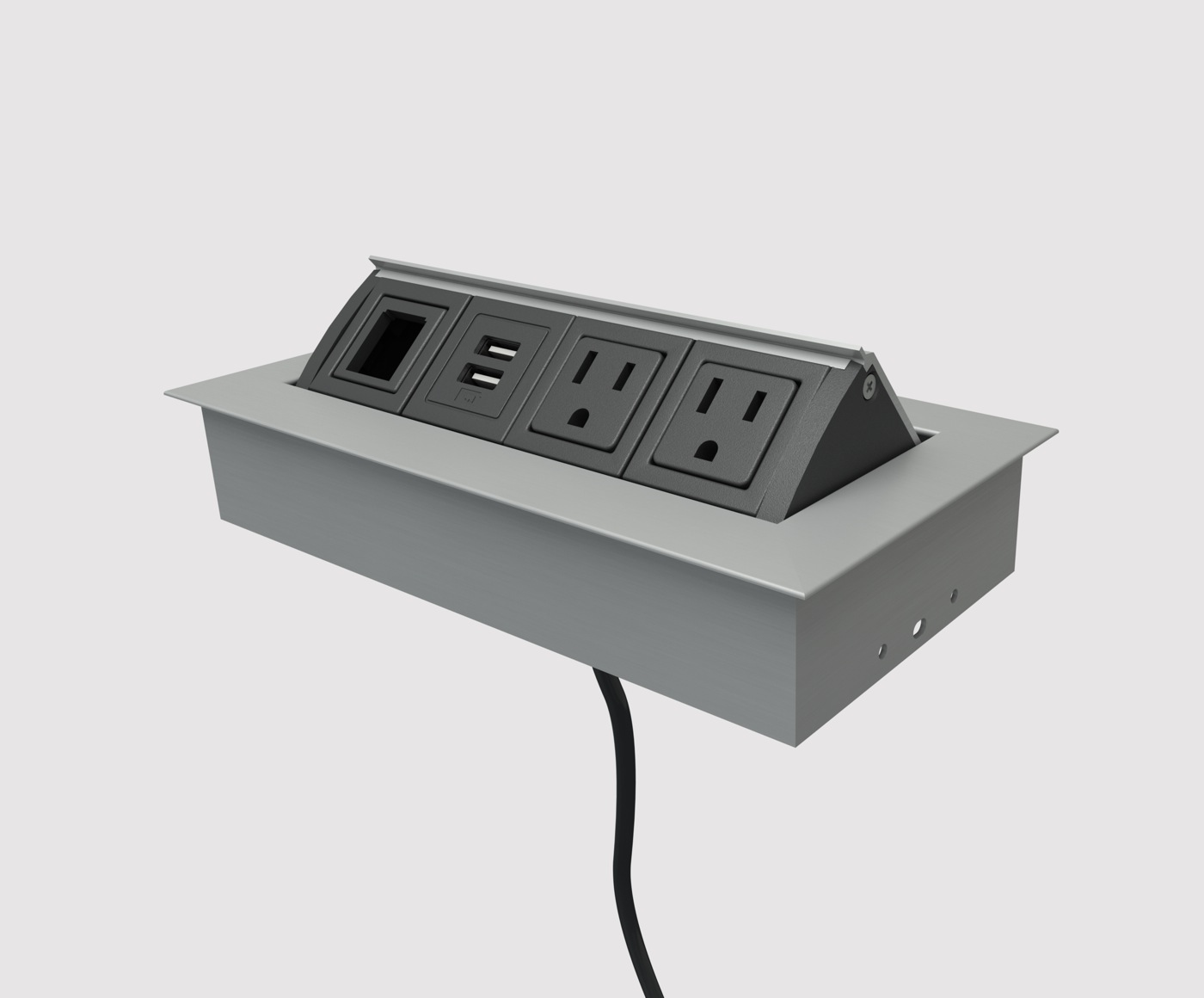
The integration of technology into stylish office furniture designs is a growing trend for 2026. Smart desks, for example, come equipped with wireless charging capabilities, allowing employees to power their devices easily. According to a recent study, 65% of workers prefer environments that enable tech integration seamlessly. This demand drives manufacturers to innovate, blending aesthetics with functionality.
Ergonomic chairs are now often paired with smart sensors that monitor posture and remind users to take breaks. Data shows that promoting healthy work habits can lead to a 20% increase in productivity. Real-time feedback through technology embedded in furniture helps companies create a more efficient workspace. However, many face challenges in adopting this technology, often due to budget constraints and a lack of knowledge about available options.
Integrating technology also raises questions about the user experience. Some employees may feel overwhelmed by constant notifications from smart furniture. A balance needs to be struck between innovation and comfort. Research indicates that while tech can enhance productivity, it must not become intrusive. Understanding how to implement these features effectively will remain a topic for discussion in the coming years.