How to Choose Soft Close Cabinet Hinges for Your Kitchen?
When designing a modern kitchen, the choice of Soft Close Cabinet Hinges is crucial. These hinges promote both functionality and aesthetics. According to a recent industry report, over 70% of homeowners prefer soft close features for their cabinetry. This trend reflects a growing awareness of convenience and safety, particularly in households with children. Soft close hinges help prevent doors from slamming, reducing the risk of injury and damage.
However, the selection process can be overwhelming. Many factors influence the effectiveness of soft close cabinet hinges, from load capacity to material quality. Cheaper options may save money initially, but they often lack durability. Inconsistent quality can lead to frustrating experiences, with hinges that wear out quickly. It's vital to choose credible brands known for their reliability and performance.
Ultimately, selecting the right Soft Close Cabinet Hinges requires careful consideration. Homeowners need to balance budget with quality. Seeking expert advice or consulting well-reviewed products can significantly enhance the kitchen experience. Each decision should be informed by both personal preferences and practical needs.
Understanding the Benefits of Soft Close Cabinet Hinges
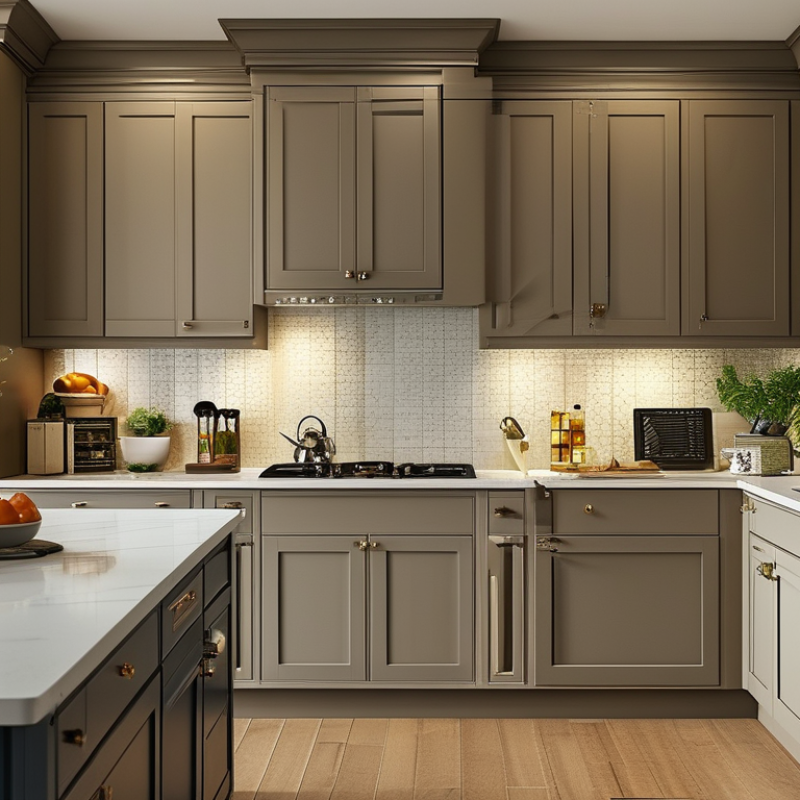
When it comes to kitchen cabinets, choosing the right hinges can make a significant difference. Soft close cabinet hinges offer numerous advantages. They provide a gentle, quiet closure that prevents slamming. This feature is particularly beneficial in busy households with children or pets. The smooth operation also protects cabinets from damage caused by harsh closures.
One key benefit is the reduction of noise. Traditional cabinet hinges can be quite loud. Soft close hinges eliminate this problem, creating a more peaceful kitchen environment. The mechanism of these hinges also helps prolong the life of your cabinets. They minimize wear and tear while ensuring the doors close securely every time. However, it’s worth noting that installation may require some adjustments. Poor alignment can hinder the soft close feature.
Many homeowners appreciate the modern aesthetic these hinges provide. They are often concealed, making them less visible. This can lead to a cleaner and more streamlined cabinet look. But it’s essential to research the best options for your specific cabinets. Not all soft close hinges will fit every cabinet style. Taking the time to choose wisely ensures satisfaction with your final decision.
Types of Soft Close Cabinet Hinges: A Comprehensive Overview
When choosing soft close cabinet hinges for your kitchen, understanding the different types is crucial. There are primarily three types of soft close hinges: European hinges, concealed hinges, and pivot hinges. European hinges are popular due to their adjustable features and ease of installation. They fit seamlessly into cabinet sides, creating a clean look. Concealed hinges are great for modern designs, offering a hidden mechanism. Pivot hinges provide a unique option that allows doors to swing open.
Tips: Consider your kitchen style when selecting hinges. Traditional kitchens might benefit from European hinges, while modern spaces may look better with concealed options. Also, think about the cabinet thickness and weight, as this influences hinge choice.
Another key consideration is the hinge material. Soft close hinges come in metal and plastic options, with metal being more durable. However, plastic can be lighter and sufficient for smaller cabinets. Pay attention to the weight capacity of each hinge type.
Tips: Always check manufacturer specifications for weight limits. Installing the wrong hinge can lead to door sagging or failure. Remember to test hinges before finalizing your decision, and don’t hesitate to ask for expert advice if unsure.
Key Factors to Consider When Selecting Soft Close Hinges
When selecting soft close cabinet hinges for your kitchen, several key factors come into play. The first consideration is the hinge type. Full overlay hinges work well for modern designs, while half overlay hinges suit traditional cabinets. Another aspect to think about is the material. Hinges made of stainless steel or high-quality metal ensure durability over time. Weak or lower-quality hinges can lead to unexpected noise and cupboard damage.
Next, the weight capacity of the hinges matters. Ensure they can support your cabinet doors, especially if they are heavy. Pay attention to the opening angle too. Some hinges allow for a wider door swing, improving access to cabinet interiors. An often overlooked detail is the installation process. Selecting hinges that are easier to install can save time and frustration during your kitchen renovation.
Consider the aesthetic as well. Choose hinges that complement your kitchen's overall theme. An appealing hinge can elevate the cabinet's appearance, but it should align with functionality. Reflecting on these factors can greatly impact your satisfaction with the final product. Choosing the wrong hinges may lead to regret down the line, so take your time in making the right selection.
Soft Close Cabinet Hinges Selection Factors
This chart illustrates the key factors to consider when choosing soft close cabinet hinges for your kitchen. The importance level is rated on a scale from 1 to 10, indicating durability as the most critical factor, followed by ease of installation, weight capacity, adjustability, and price.
How to Measure Your Cabinet Doors for the Right Hinges
Choosing the right soft close cabinet hinges begins with accurate measurements of your cabinet doors. This ensures seamless integration and optimal performance. Start by measuring the width and height of your cabinet doors. A tape measure will work fine for this task. Record these dimensions carefully.
Next, consider the door's thickness. Standard cabinet doors range from ¾ inch to 1 inch thick. Knowing this will help you select hinges that are compatible with your doors. It's also crucial to measure the distance from the edge of the door to the existing hinge mounting holes if you're replacing them. This can often be overlooked but is essential for aligning new hinges properly.
Finally, think about the door's overlay. Full overlay, partial overlay, or inset configurations require different hinge types. If you’re not sure, take photos of your current setup and notes on your measurements. This visual aid will be helpful when discussing options with a professional. It’s common to make mistakes in measurement or hinge selection. Reflection on your choices can lead to better outcomes.
Installation Tips for Soft Close Cabinet Hinges in Your Kitchen
Installing soft close cabinet hinges can enhance your kitchen's functionality. Proper installation is vital for optimal performance. According to the National Kitchen and Bath Association, a well-installed hinge can improve cabinet lifespan and enhance user experience. First, ensure you have the correct tools: a drill, screwdriver, and a measuring tape.
Start by measuring the cabinet doors accurately. Poor alignment can lead to issues. Position the hinge at the right height, typically 2-3 inches from the top and bottom edges. The hinge should be flush against the cabinet frame for a seamless look. Many experts suggest clamping the cabinet door in place. This secures it while you install the hinges, preventing mistakes.
After securing, test the door’s movement. It should close smoothly without slamming. If you notice any resistance, check the hinge alignment again. Industry reports indicate that misalignment is a common error among DIYers. Don't rush through these steps. Taking your time ensures a better installation. Aim for perfection, but be prepared to revisit and adjust as needed.