How to Choose the Best LED Spike Light for Your Garden?
Choosing the right LED Spike Light for your garden can transform your outdoor space. These lights not only enhance aesthetics but also provide practical illumination. With various options available, making a choice can feel overwhelming.
Understanding your garden's layout and desired ambiance is crucial. Consider the brightness levels and color temperatures that suit your flowers and pathways. High-quality LED Spike Lights are energy-efficient and durable, ensuring long-lasting performance. Look for reputable brands that offer warranties for added peace of mind.
However, it’s important to acknowledge the learning curve in selecting the best fixture. Some may underestimate the effect of light direction and height. Experimentation might be necessary to find the best positions. Ultimately, a well-chosen LED Spike Light not only boosts security but also creates a cozy atmosphere for evening gatherings.
Understanding the Importance of LED Spike Lights in Garden Design
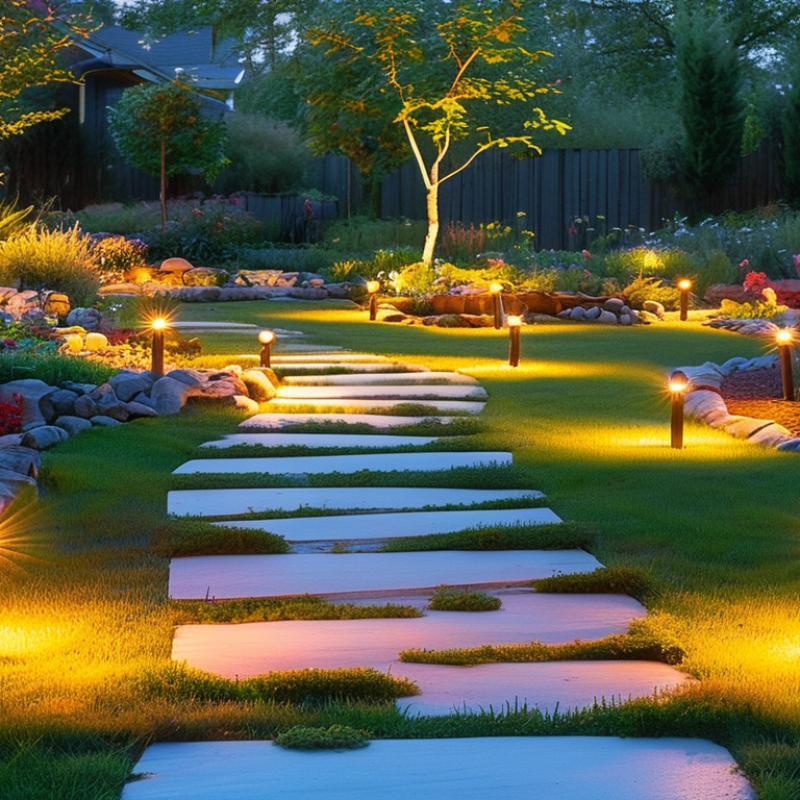
LED spike lights play a crucial role in garden design. They not only provide illumination but also enhance aesthetic appeal. Proper lighting can transform your garden into a magical space at night. It highlights pathways, showcases plants, and creates a welcoming atmosphere.
When selecting LED spike lights, consider the brightness level. A dim light may not illuminate paths effectively. Conversely, overly bright lights can wash out your garden's charm. Test different brightness settings to find a balance.
Tip: Choose lights with adjustable angles. This allows you to direct light where needed. Experiment with positioning to create various effects. Keep in mind that placement matters. Lights near trees can create shadows, adding depth using natural features.
Evaluate the color temperature as well. Cooler tones deliver a modern feel, while warmer hues create coziness. Having a mix can be beneficial. Revisit your choices each season. Lights that seemed perfect last summer might not fit the winter landscape. Engage with your space constantly to ensure it evolves beautifully.
Key Features to Consider When Selecting LED Spike Lights
When selecting LED spike lights for your garden, consider the light's brightness and color temperature. Brightness is measured in lumens. For garden paths, around 300 lumens works well. For highlighting plants, opt for slightly higher output. Color temperature affects the ambiance. Warm white lights create a cozy atmosphere, while cool white lights look modern and vibrant.
Durability is another key factor. Check the IP rating. An IP65 rating ensures your lights can withstand rain and dust. Materials matter too. Look for corrosion-resistant metals or high-quality plastics. The placement of lights also impacts their effectiveness. Ensure they are positioned to highlight features without creating heavy shadows.
Energy efficiency is worth examining. LED lights consume less power, providing long-term savings on electricity. Warranty periods can indicate quality, so prefer lights that offer a decent assurance time. Reflect on your garden layout and desired mood before purchasing. Making informed choices can enhance your outdoor experience significantly.
Comparing Brightness: Lumens vs. Watts in LED Spike Lights
When selecting LED spike lights for your garden, understanding brightness is key. Lumens and watts refer to different aspects of light output. Lumens measure actual brightness. The higher the lumens, the brighter the light. For example, a light with 800 lumens shines brightly enough for pathways and garden features. In comparison, watts represent energy consumption. More watts used does not always mean more brightness, particularly with LED technology.
Many choose higher wattage lights, thinking they will be brighter. However, this is misleading. An LED light can produce the same lumens with fewer watts than traditional bulbs. This makes LED lights more energy-efficient. For instance, an 18-watt LED can deliver the same brightness as a 100-watt incandescent bulb. This efficiency can lead to significant savings on electricity bills.
It’s essential to evaluate your lighting needs. Think about the areas you wish to illuminate. Shadows can obscure beauty in your garden. Consider the distance between lights. A miscalculation may leave dark patches. Not all gardens are the same. The quality of illumination can vary based on landscape layout. Always test different options in your space. It may take a few trials to achieve the desired effect. This exploration is part of the journey to a beautifully lit garden.
Energy Efficiency Ratings: Why Choose LED Over Traditional Lighting
When choosing LED spike lights for your garden, energy efficiency is paramount. LED lights consume up to 80% less energy than traditional incandescent bulbs. This means lower electricity bills and a reduced environmental impact. Furthermore, they have a longer lifespan, lasting up to 25,000 hours. This longevity translates into fewer replacements and less waste, making them a practical choice for sustainable living.
Tips: When selecting LED spike lights, look for fixtures with high energy efficiency ratings. Choose models that are rated at least A+ or A++. They consume less power while emitting brighter light, ensuring your garden looks vibrant.
Another point to consider is the light's color temperature. Warm white light (around 2700K) creates a cozy atmosphere, while cool white (5000K) offers a modern feel. Finding the right balance can deeply affect your outdoor space.
Remember, not all LED lights are created equal. Some may not live up to their efficiency claims. Check for certifications and reviews to ensure reliability. Always explore options that best fit the design and purpose of your garden without breaking the bank.
Energy Efficiency Comparison: LED vs Traditional Lighting
This chart compares the energy efficiency ratings of different types of garden lighting. As illustrated, LED spike lights consume significantly less energy than traditional incandescent and halogen lights, making them a more efficient choice for garden illumination.
Durability and Weather Resistance: Selecting the Right Materials for Outdoor Use
When selecting LED spike lights for your garden, durability and weather resistance play crucial roles. Outdoor lighting faces various elements: rain, wind, and extreme temperatures. Having high-quality materials ensures the lights can withstand these conditions. Look for options made from robust materials like stainless steel or high-grade plastics. These materials resist rust and fading, extending the lifespan of your lights.
Consider the IP rating as another crucial factor. An IP rating indicates the product's level of protection against dust and water. For gardens, lights with at least an IP65 rating are ideal. These lights can handle heavy rain and dirt without failure. However, remember that even high-rated products may require regular maintenance. Dust or debris can accumulate, diminishing their effectiveness.
Another aspect to consider is the quality of the LEDs used. High-quality LEDs can better withstand outdoor conditions and perform efficiently in varying temperatures. Sometimes, it can be tempting to choose cheaper options, thinking they save money upfront. But lower-quality lights may fail sooner and lead to more costs in replacements. Balancing cost and quality is vital for a sustainable choice. Choosing the right materials and quality ensures your garden remains well-lit and inviting while standing against nature's challenges.