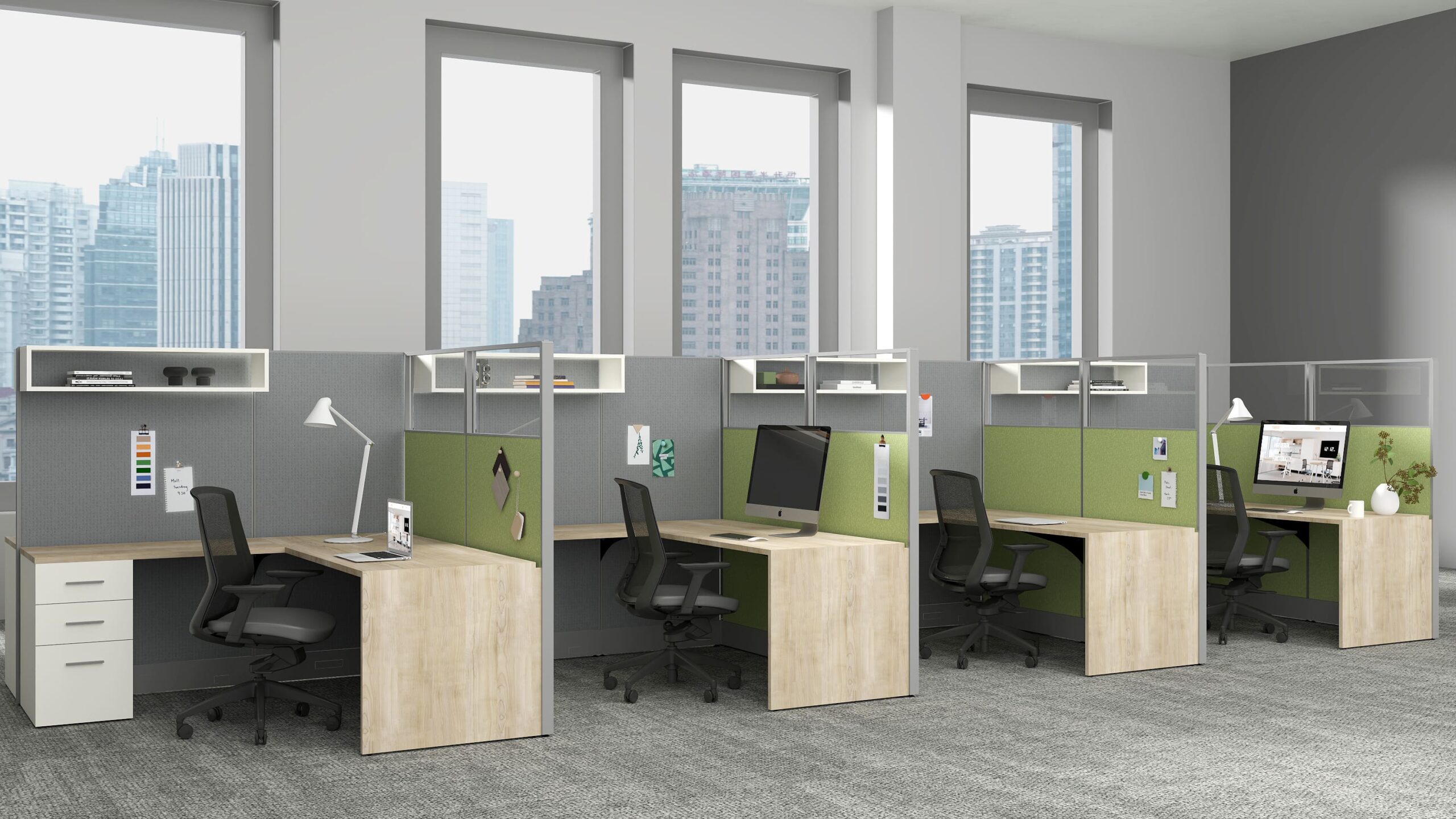
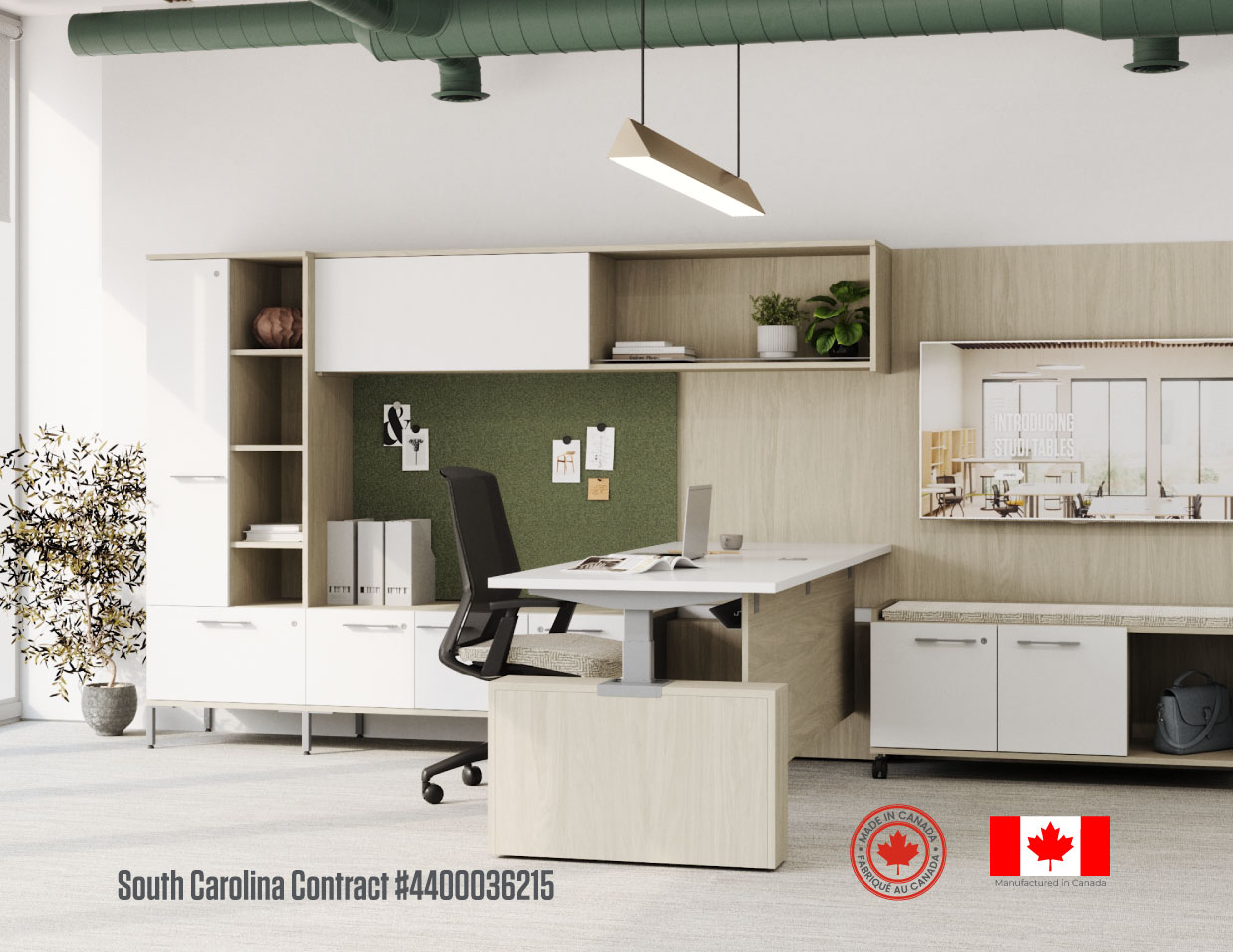
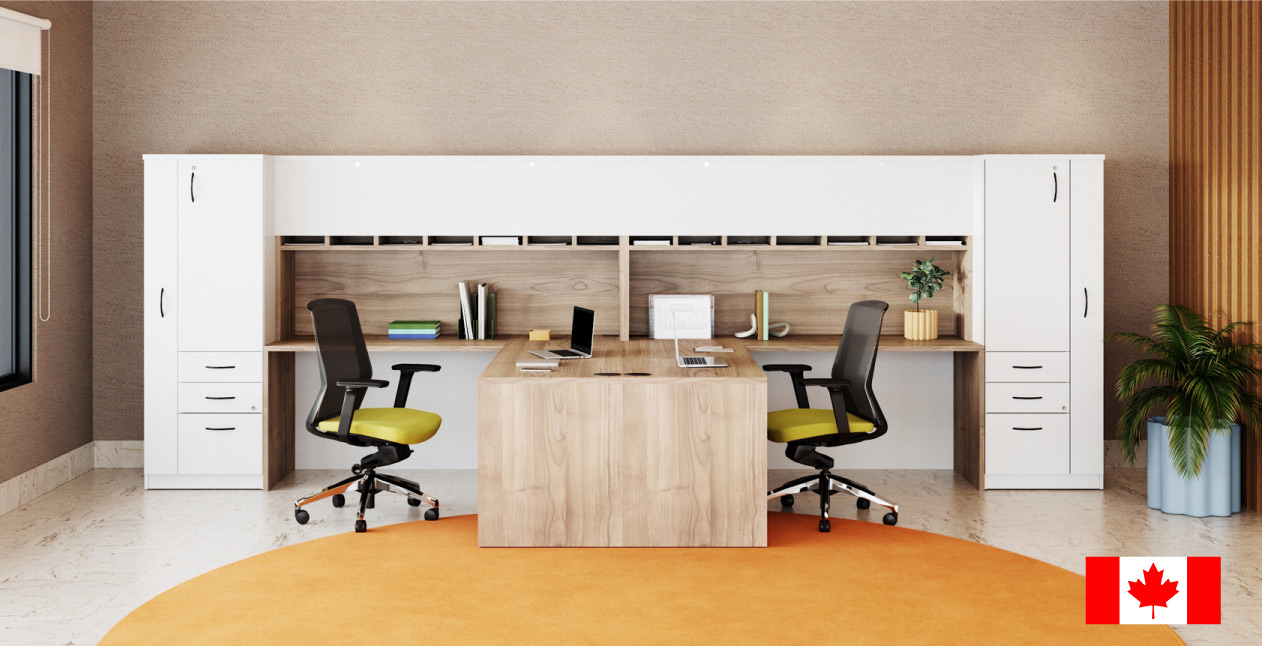
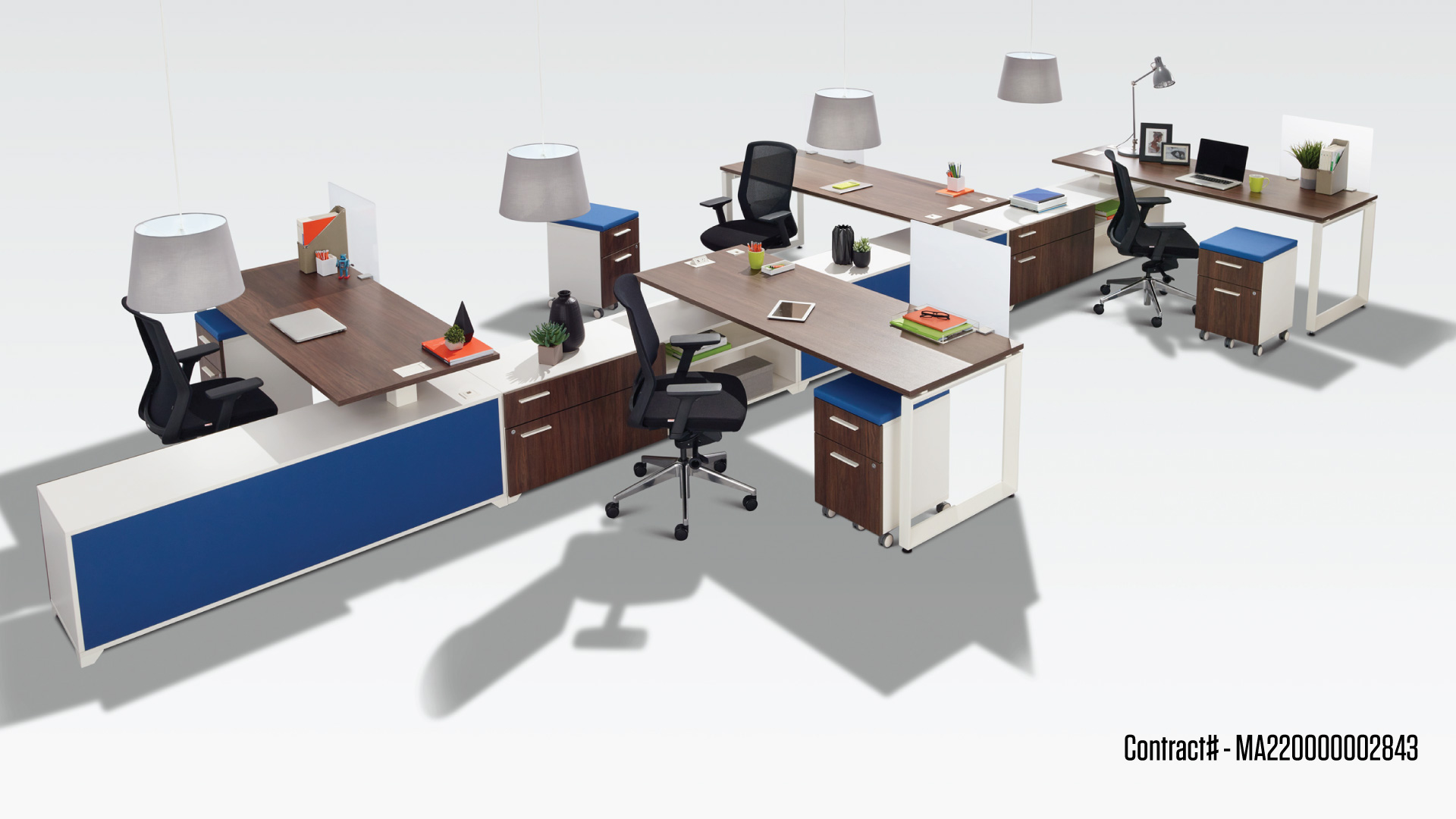
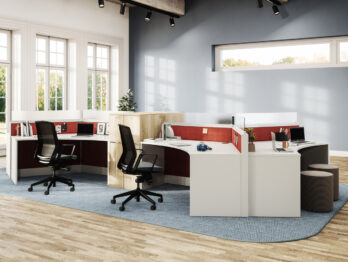
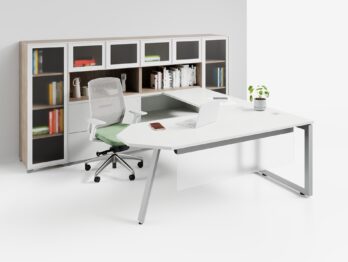
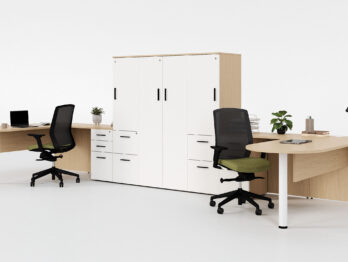
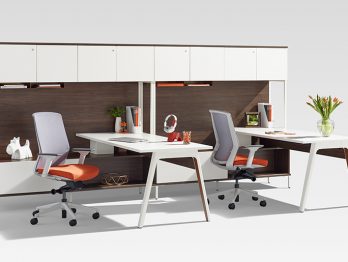
How to Choose the Right Office Furniture for Your Workspace?
Selecting the right office furniture is crucial for any workspace. It plays a significant role in enhancing productivity and comfort. The right office furniture creates an inviting atmosphere. It should reflect your brand's identity and meet your team's needs.
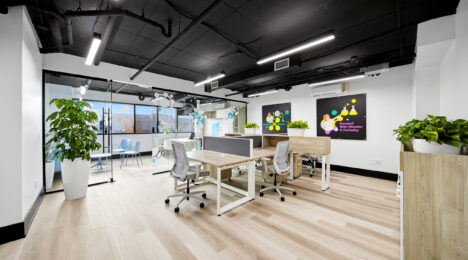
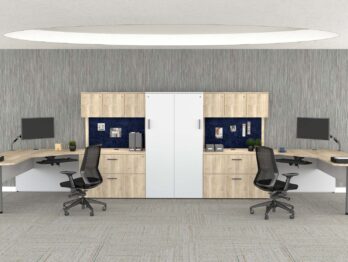
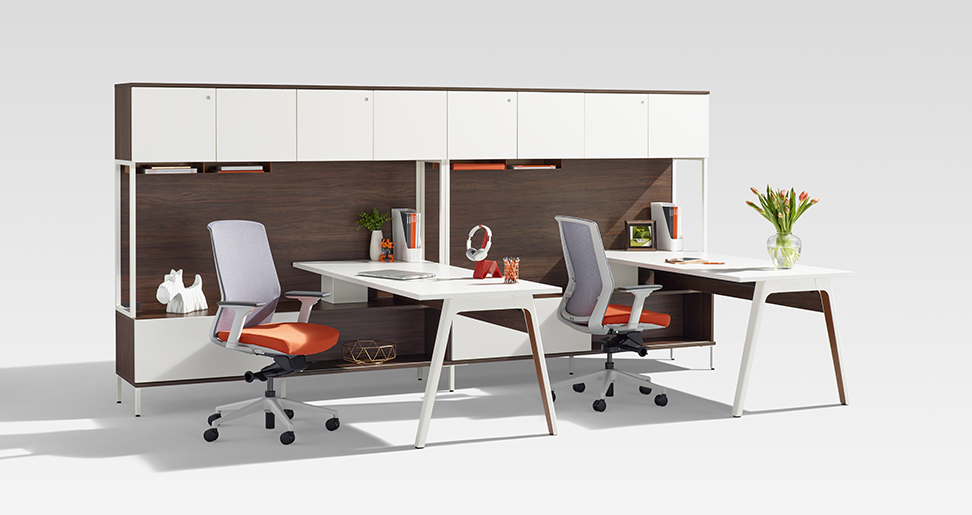
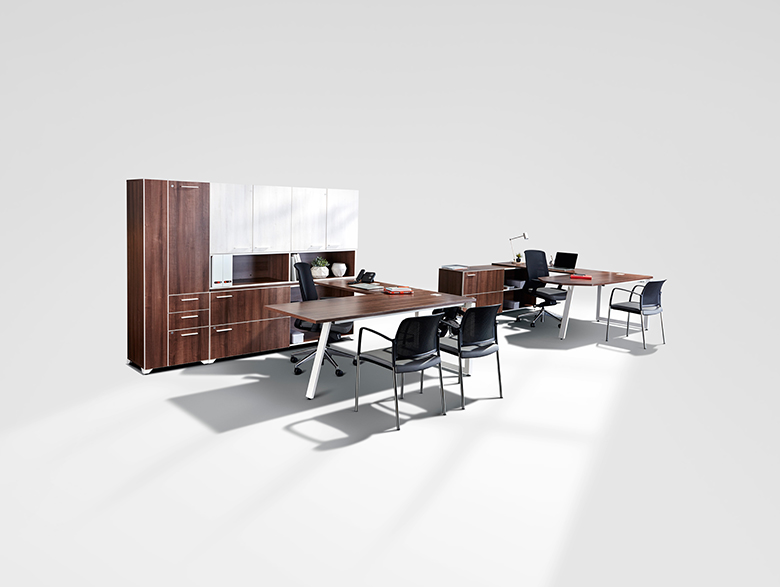
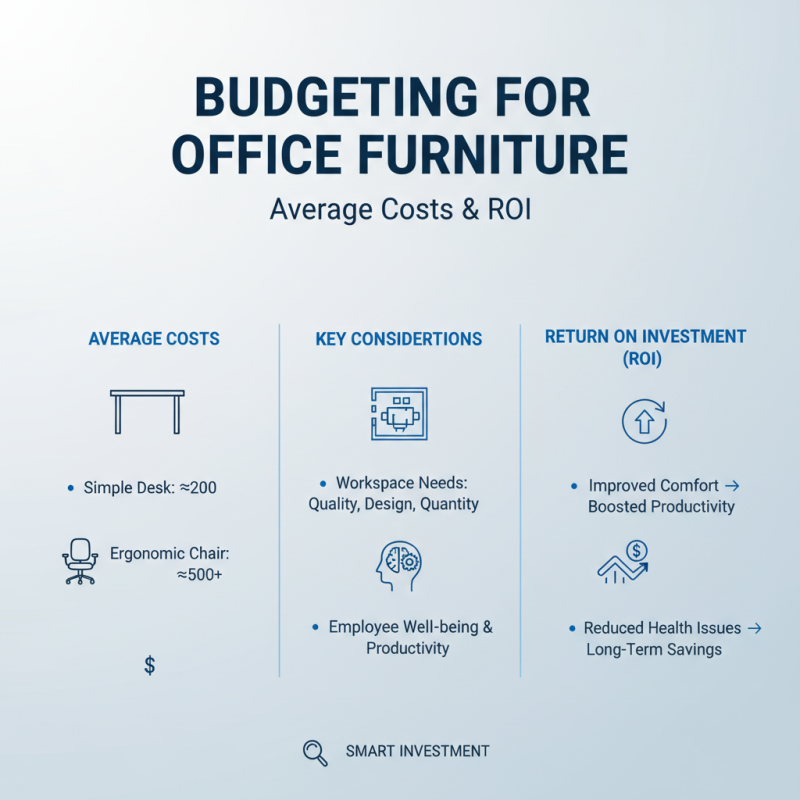
When choosing office furniture, consider functionality and aesthetics. A comfortable chair can improve focus. A well-organized desk enhances workflow. However, factors like size and layout also matter. You may face challenges like limited space or budget constraints. Don’t overlook the importance of ergonomics. Poor furniture choices can lead to health issues over time.
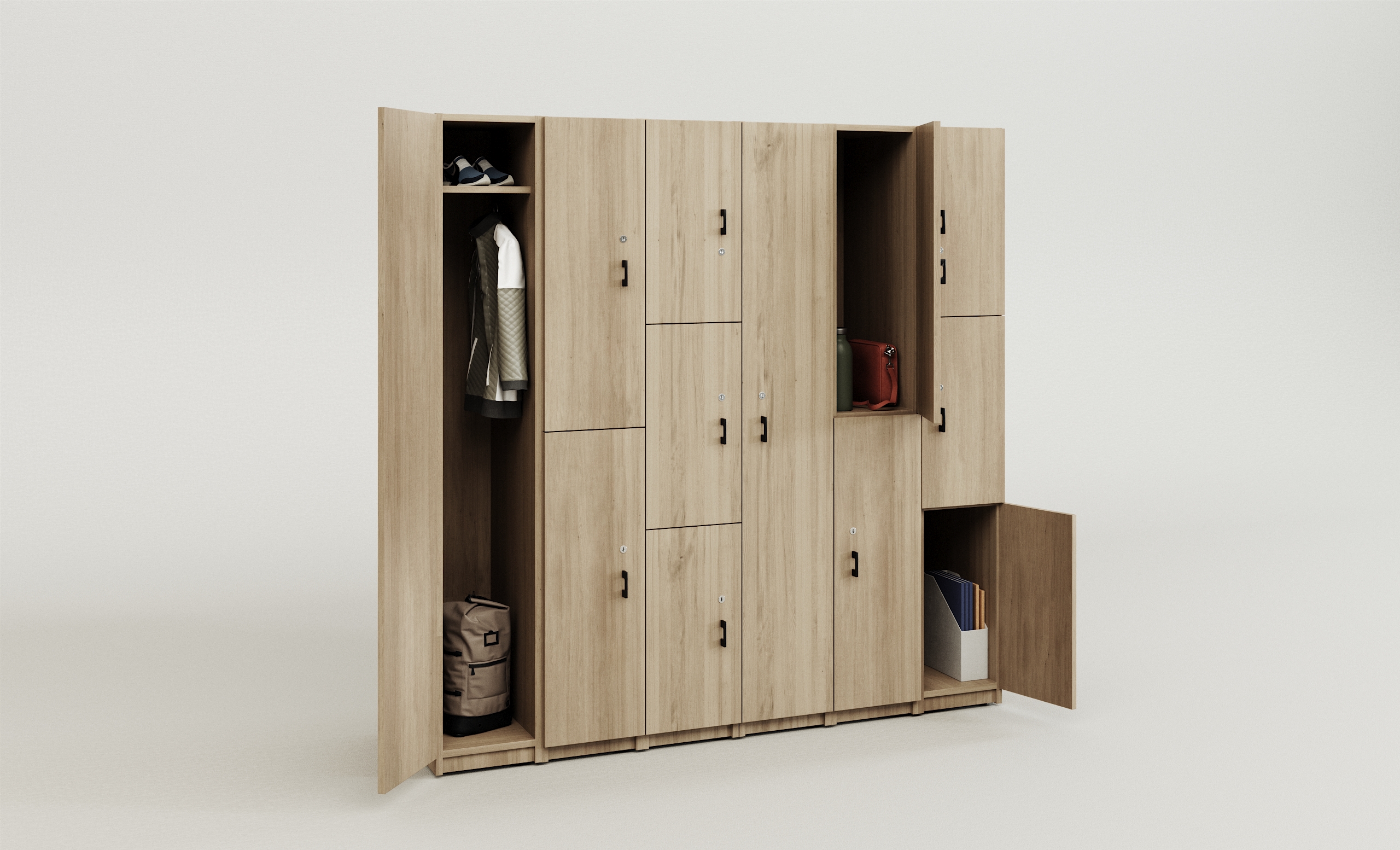
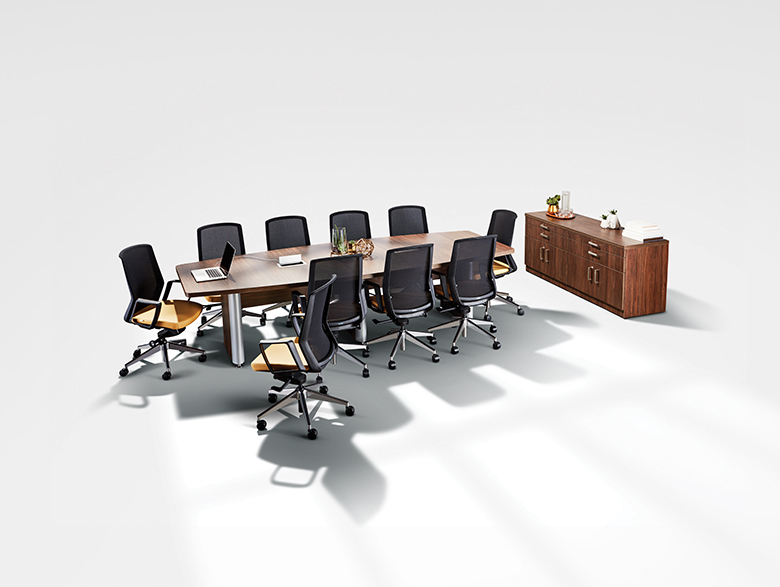
Think about quality and durability when purchasing office furniture. Cheap items might save money initially but can lead to higher costs later. It's essential to invest in reliable options. Research suppliers and read reviews for insights. Engage employees in the selection process to ensure satisfaction. In the end, the right office furniture can transform your workspace, making it more efficient and enjoyable.
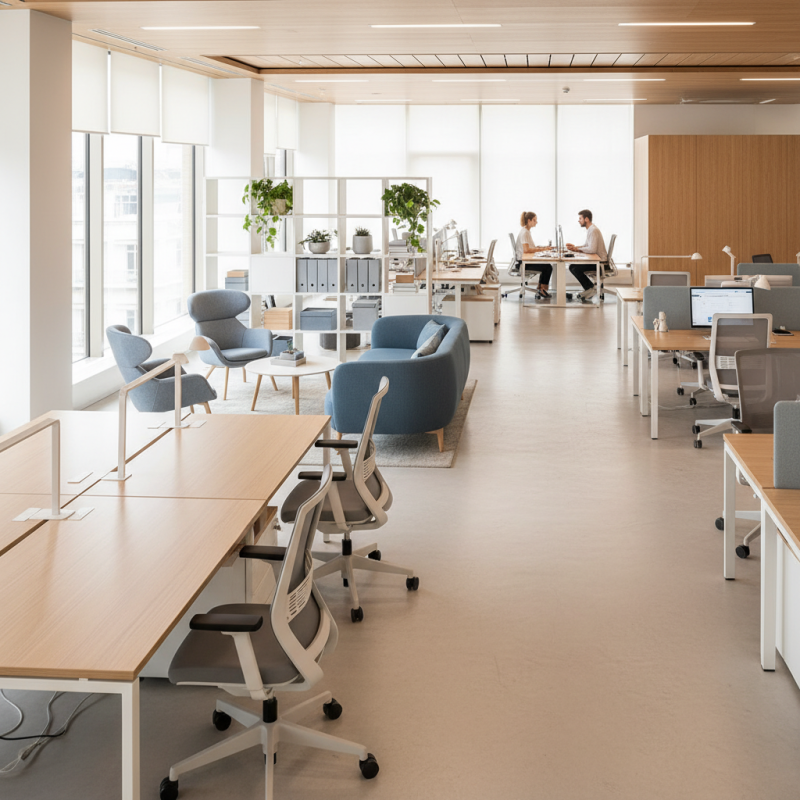
Choosing Office Furniture: Understanding Ergonomics and Comfort
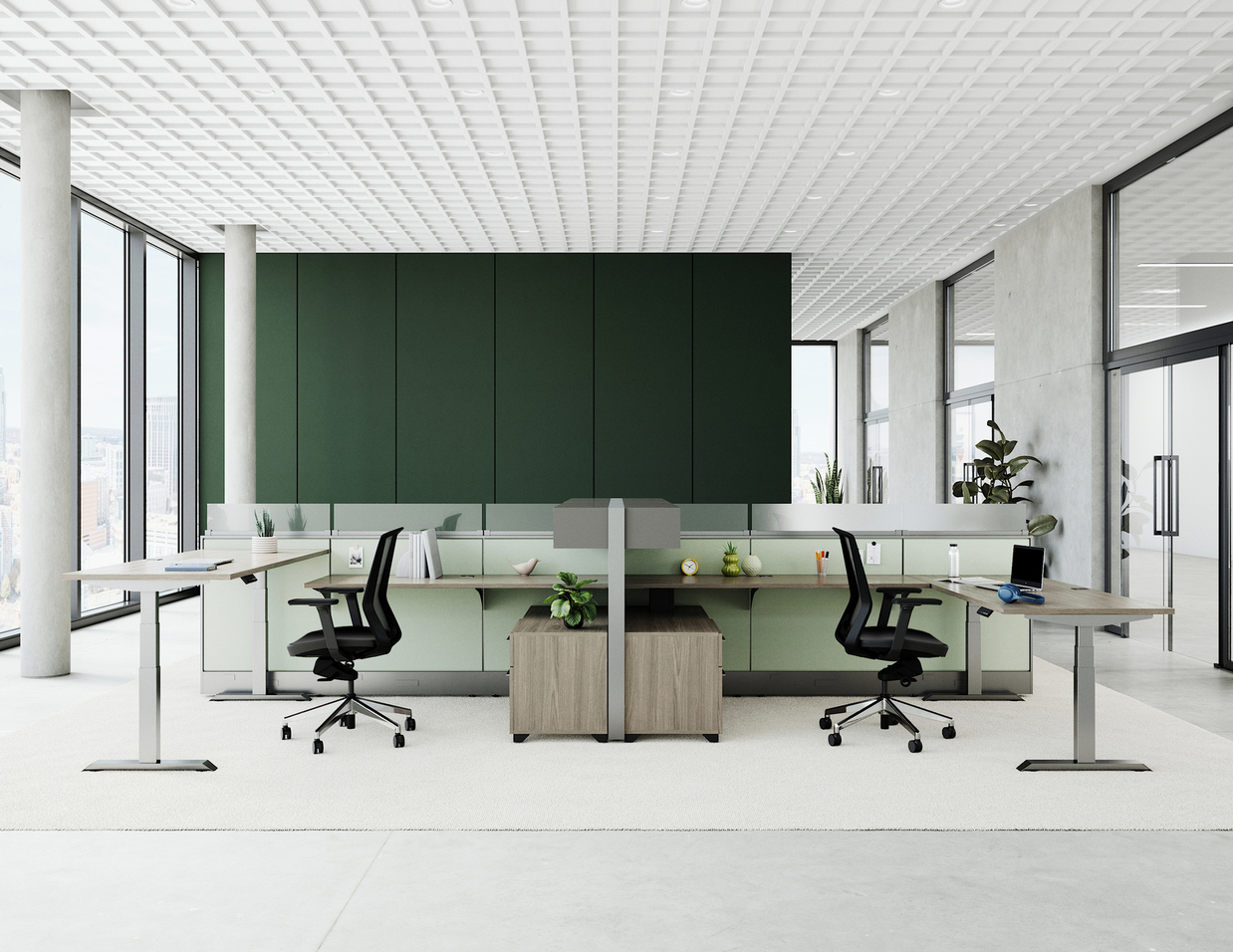
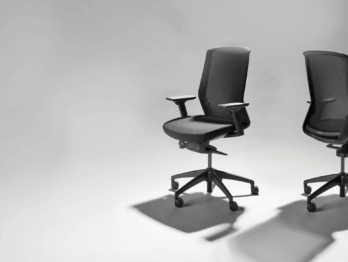
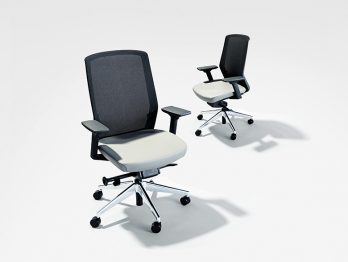
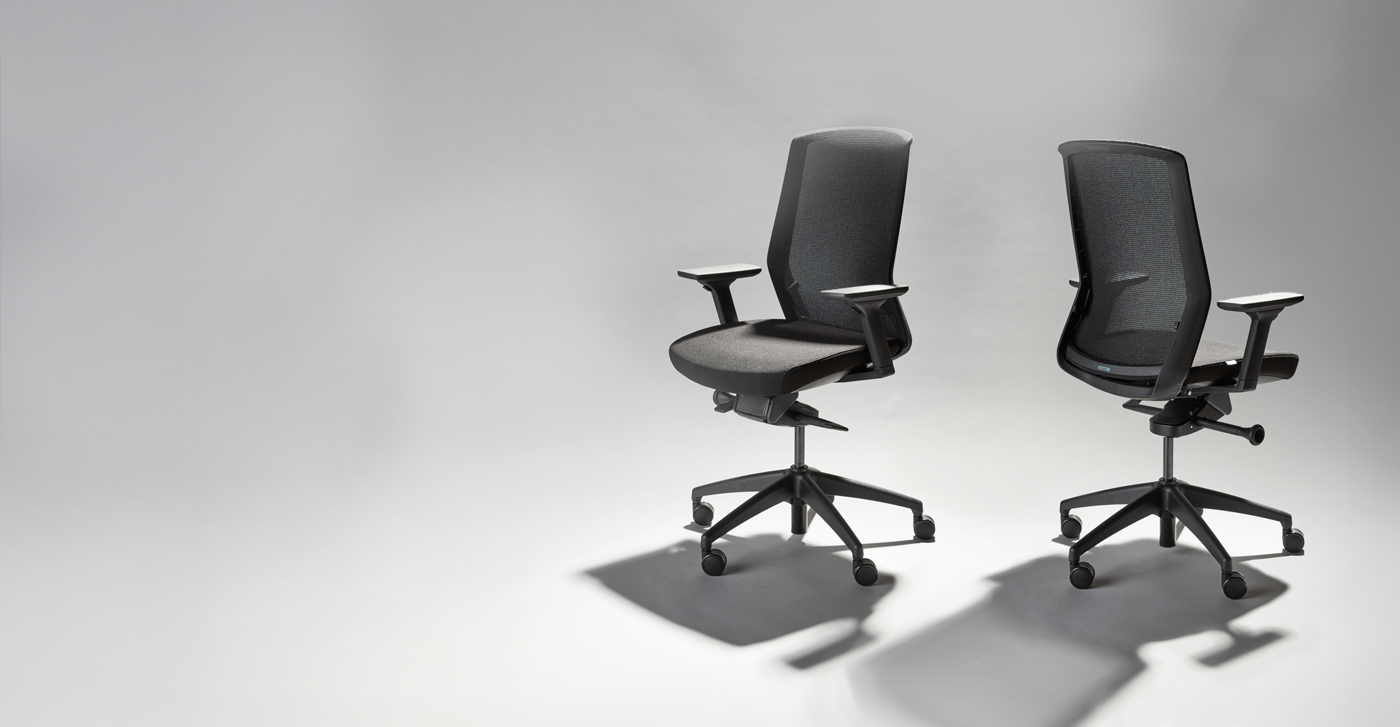
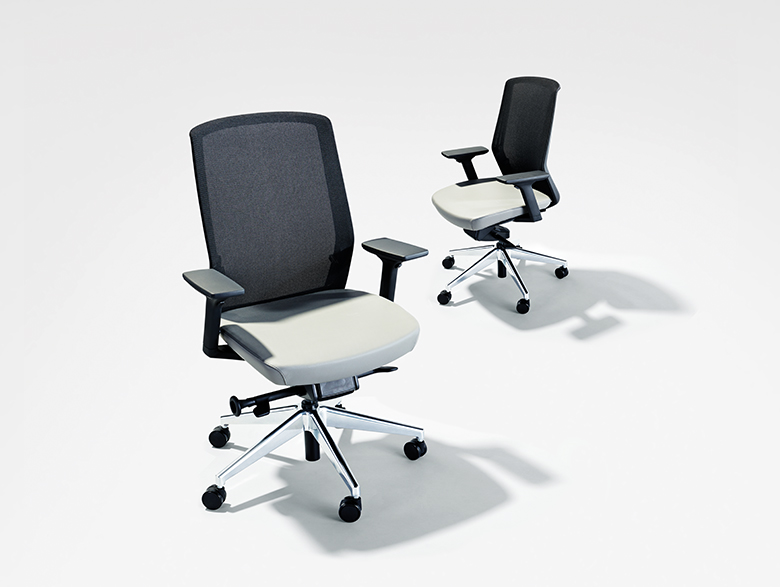
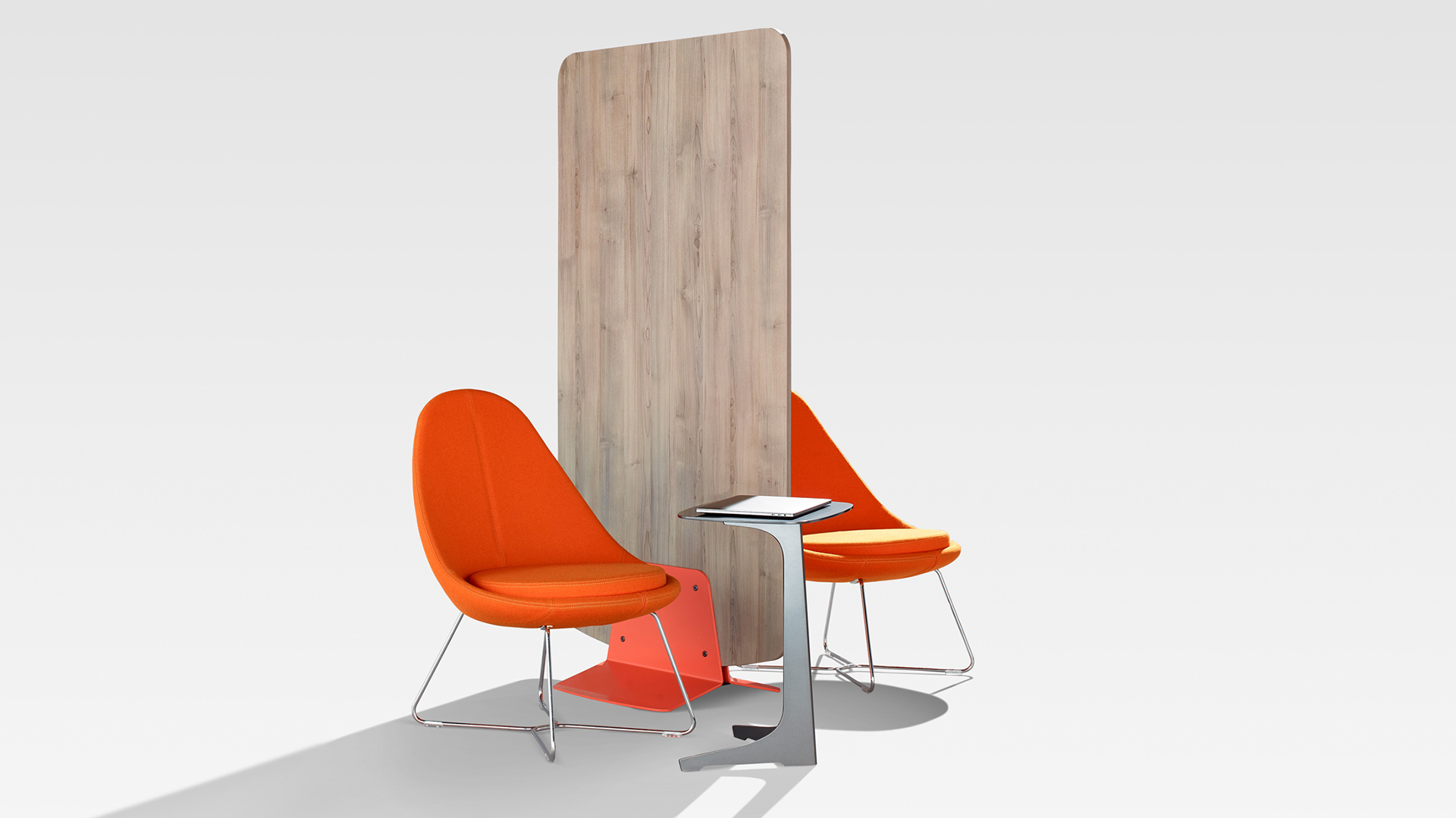
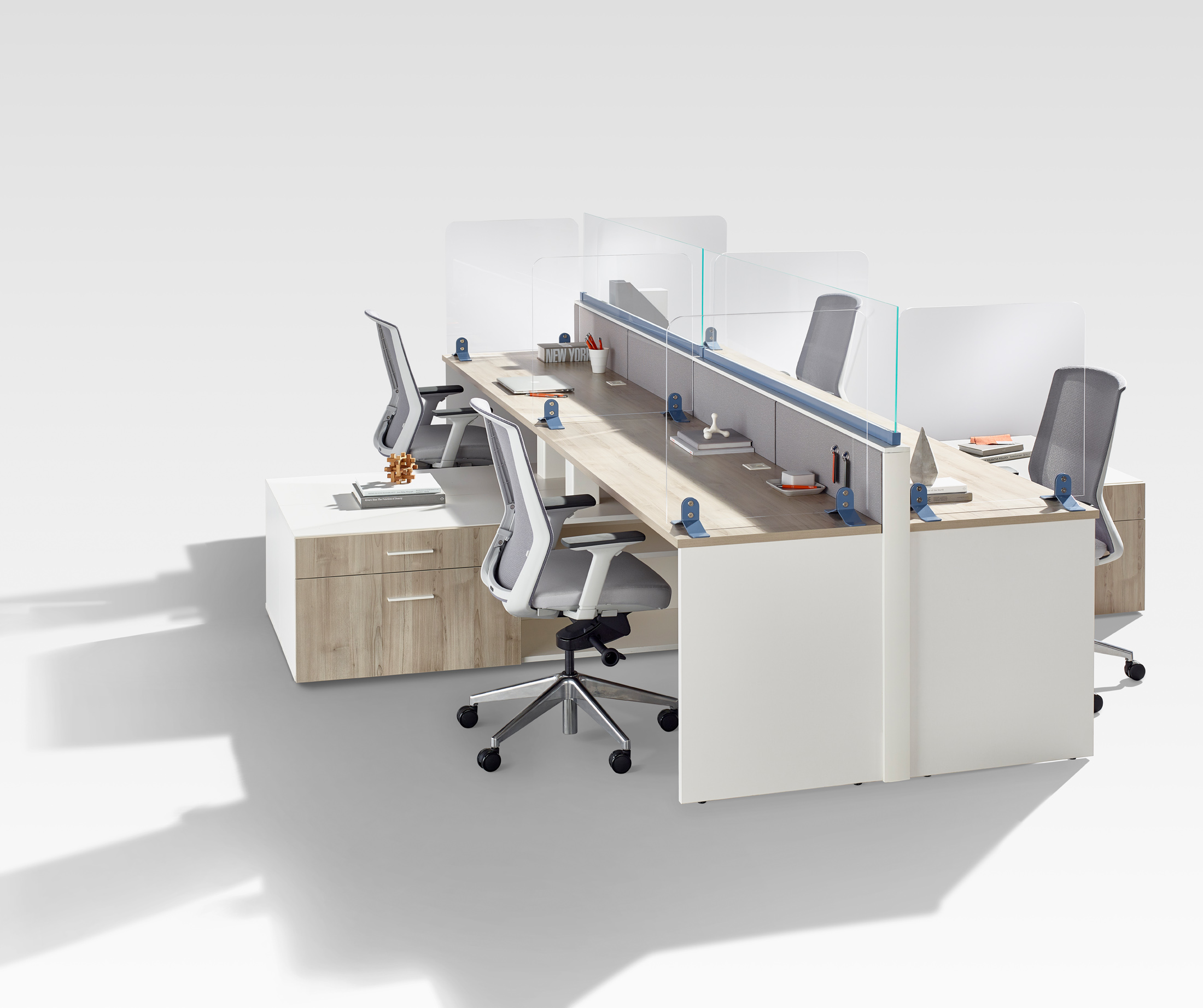
When choosing office furniture, understanding ergonomics is crucial. Ergonomic design enhances comfort and promotes productivity. A chair should support the natural curve of your spine. Look for adjustable features, such as seat height and backrest tilt. A chair that fits well encourages good posture and reduces fatigue.
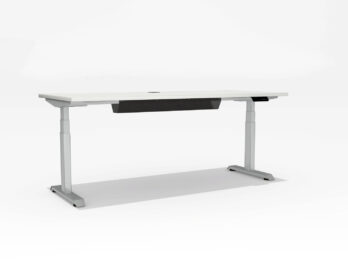
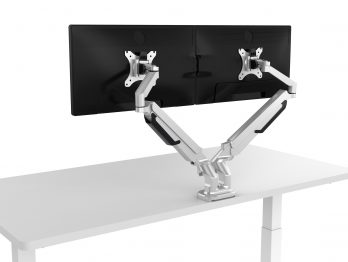
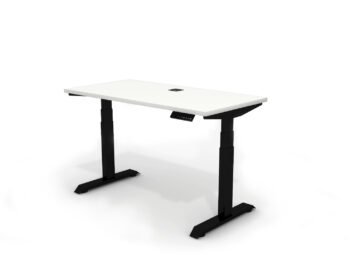
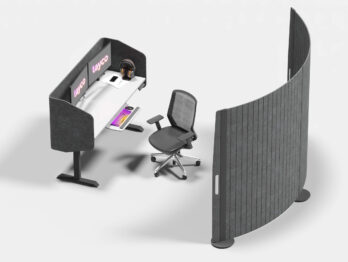
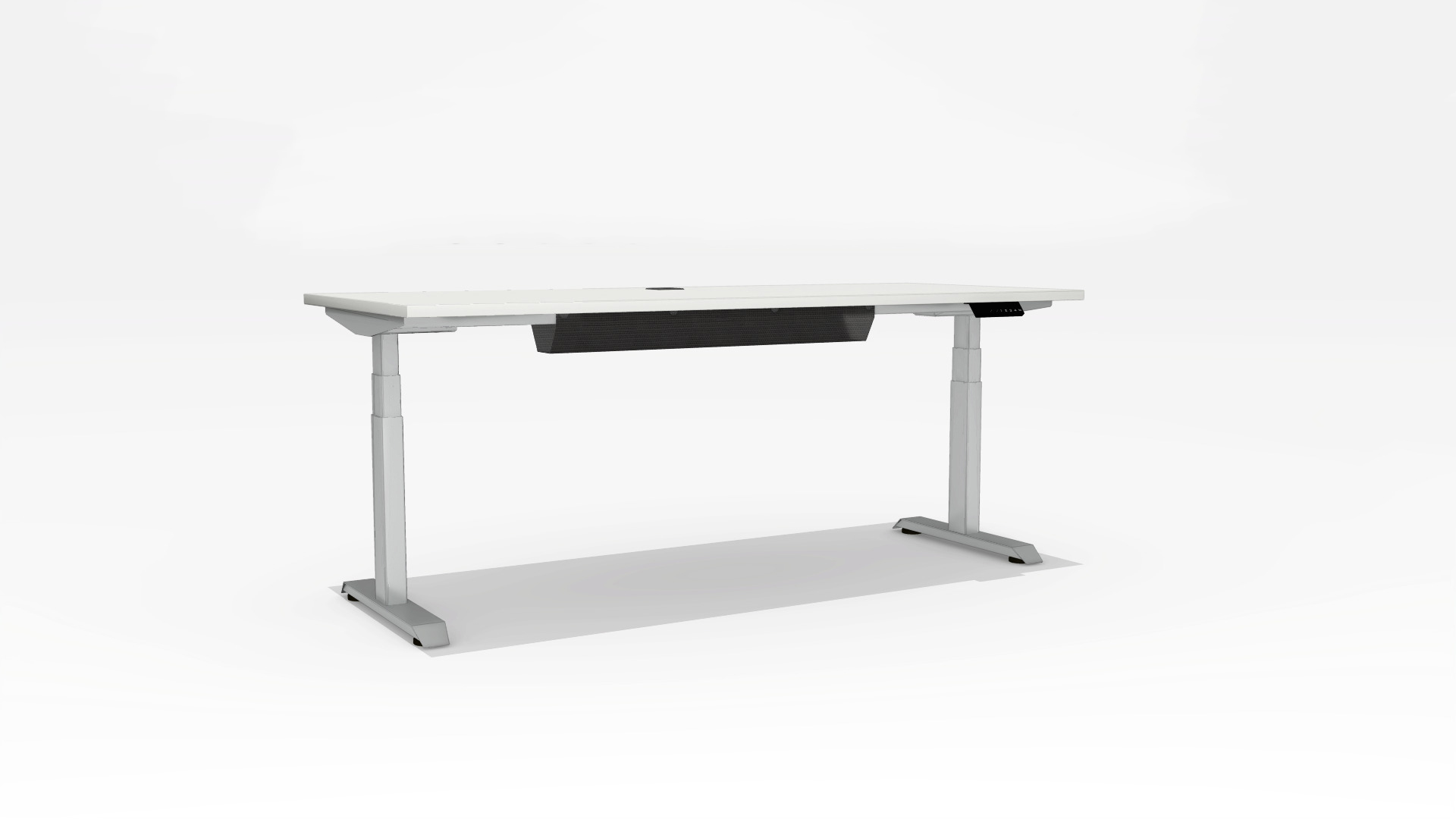
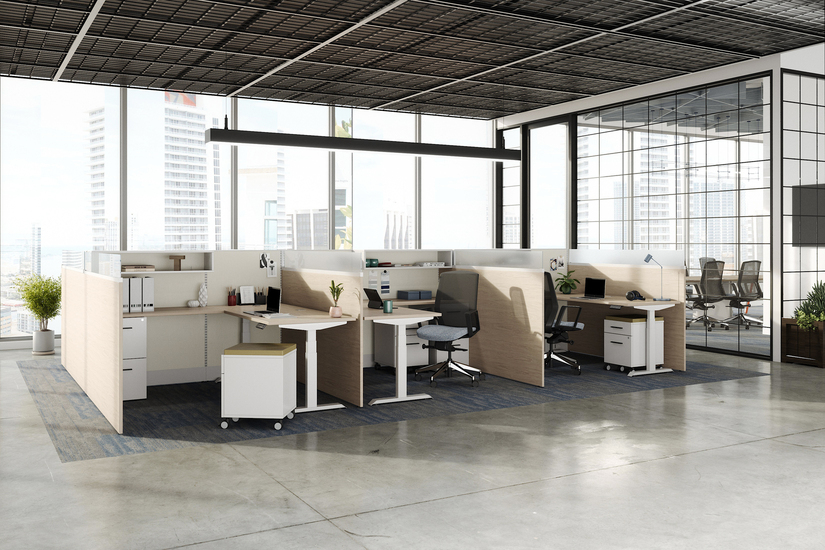
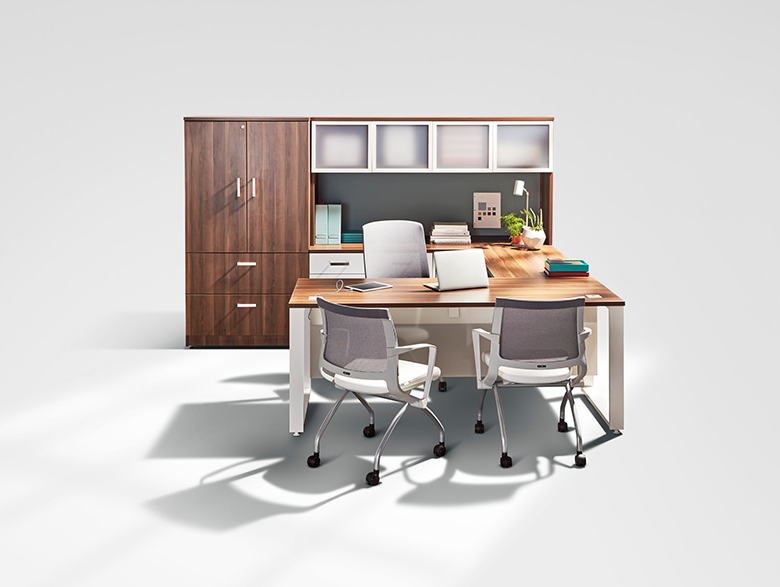
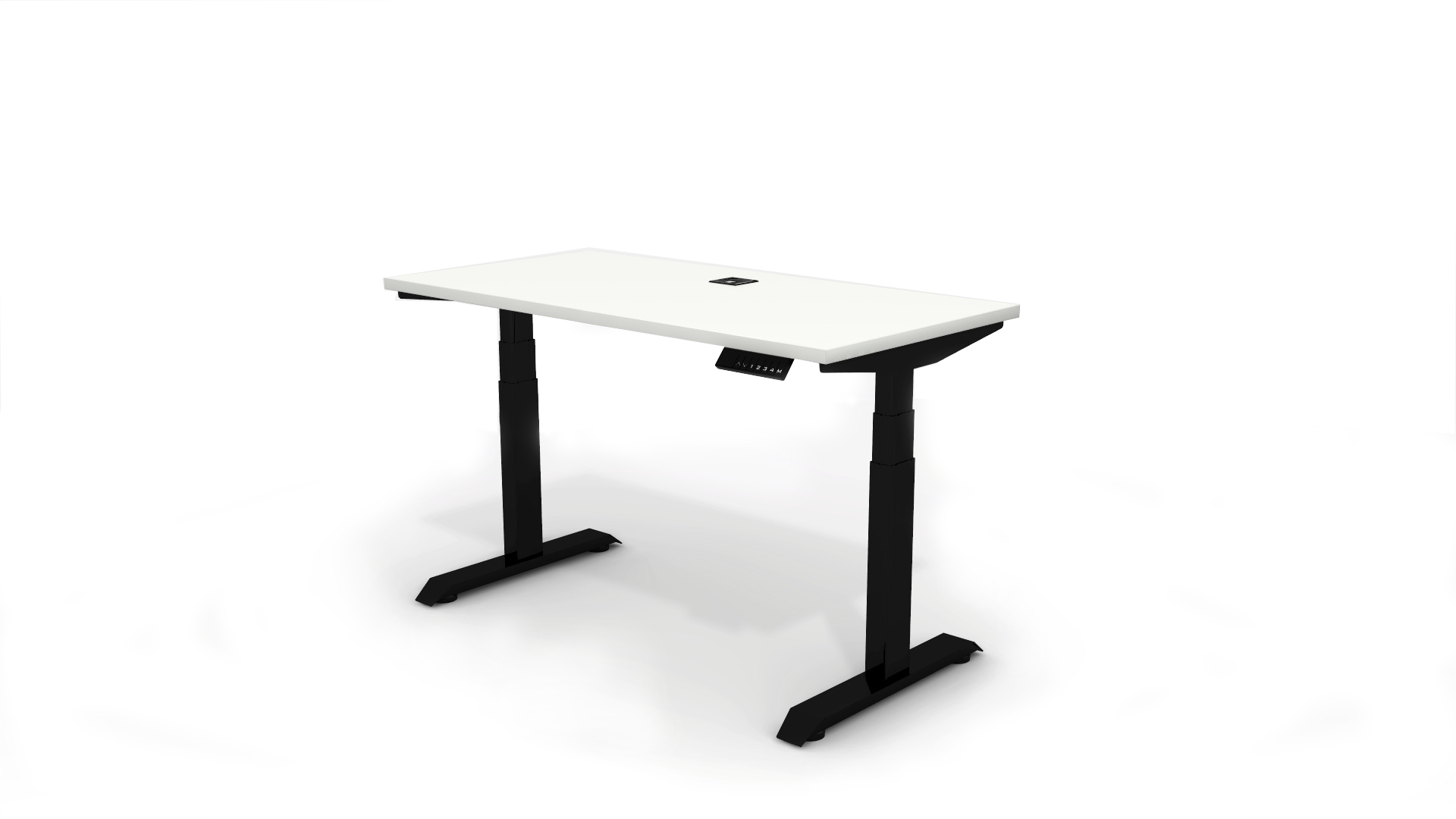
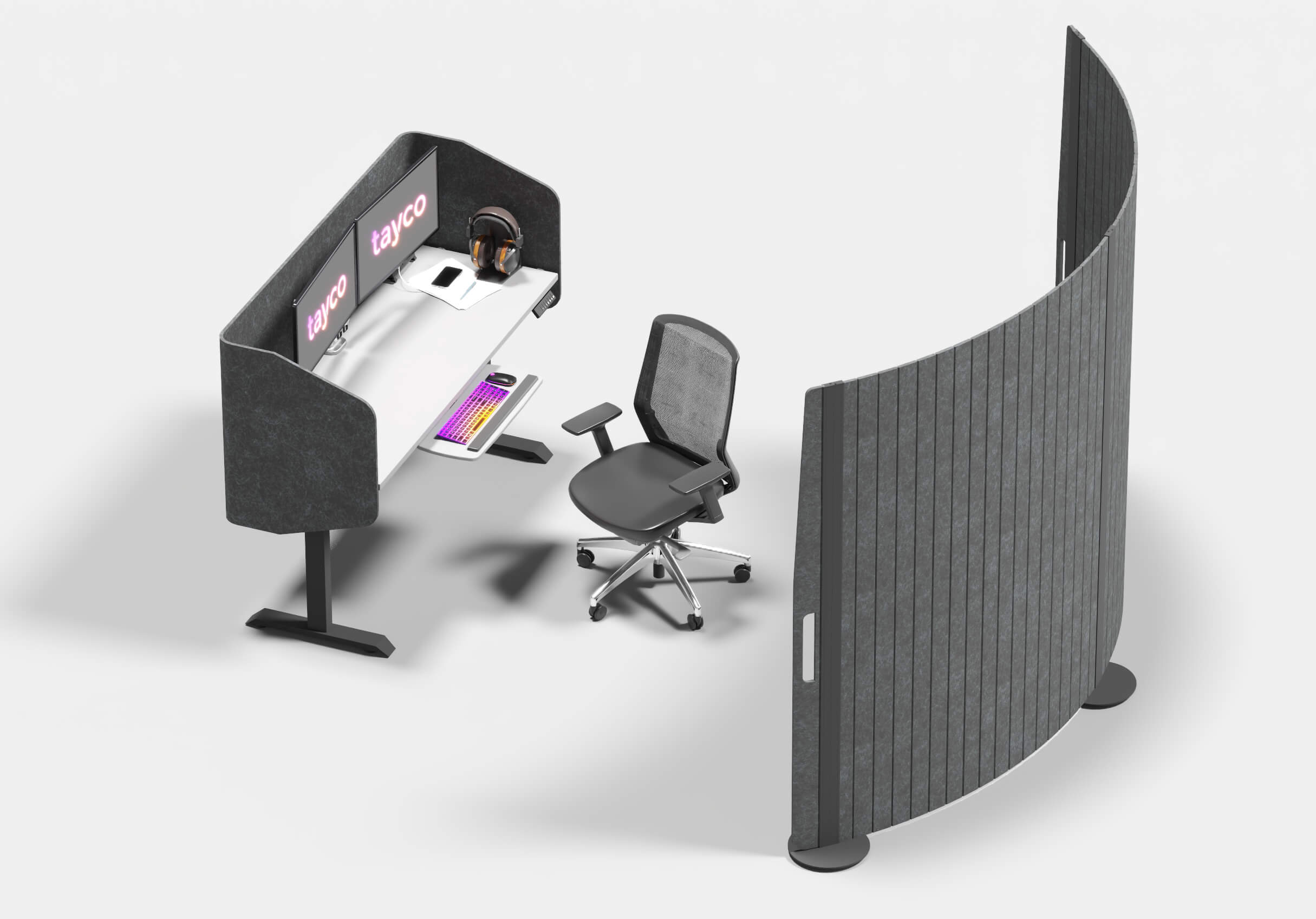
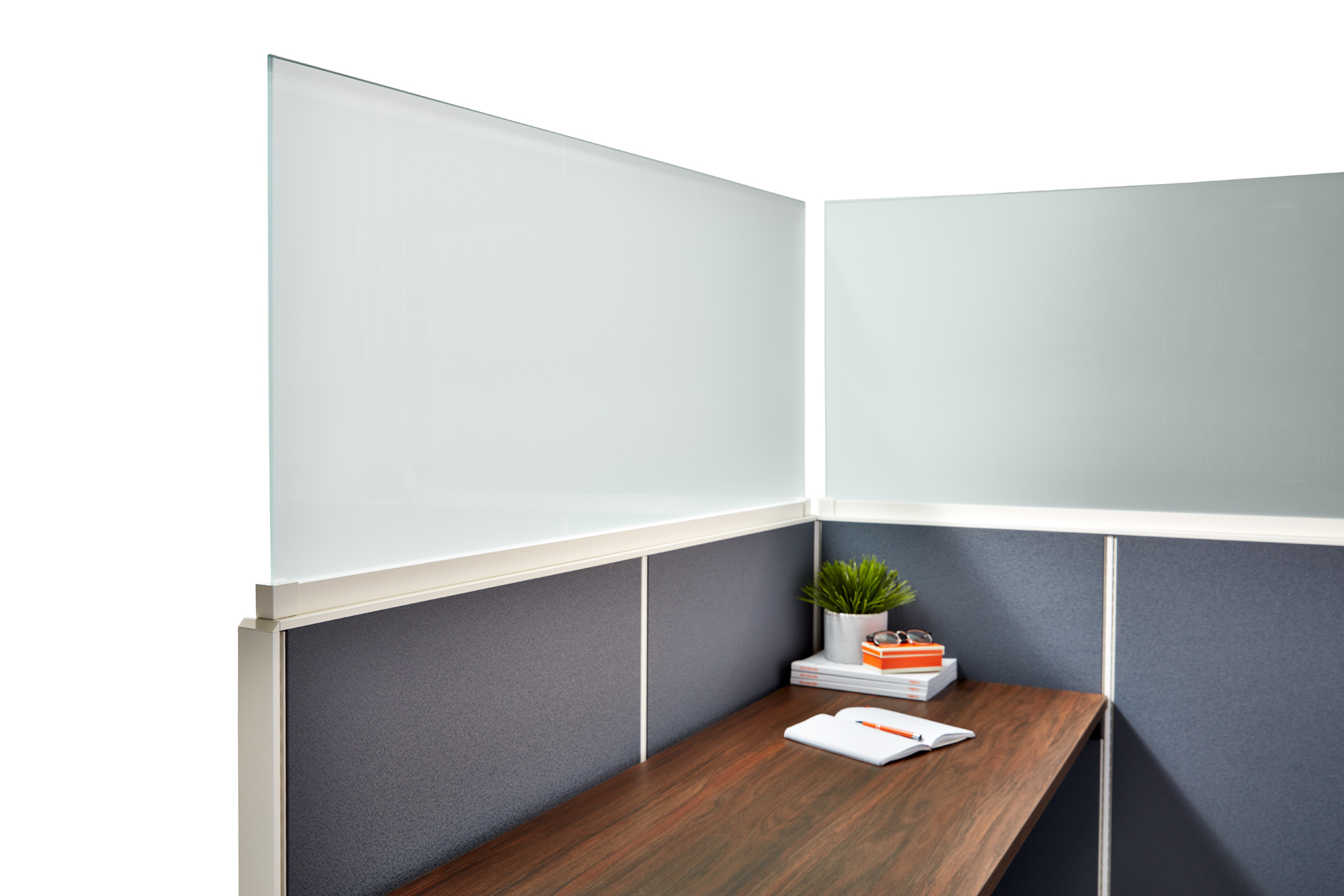
Desks also play a significant role in comfort. Consider height-adjustable desks that allow for both sitting and standing. This flexibility can help prevent strain from prolonged sitting. A clutter-free workspace adds to the ease of movement. Use organizers to keep essential items within reach, reducing unnecessary stretching or bending.
Sometimes, it can be easy to overlook the importance of comfort. Many struggle with choosing stylish furniture over functional designs. Reflecting on your needs helps avoid this pitfall. Investing in a comfortable workspace creates a healthier, more efficient environment. Prioritize your well-being and explore options that best suit your daily tasks.
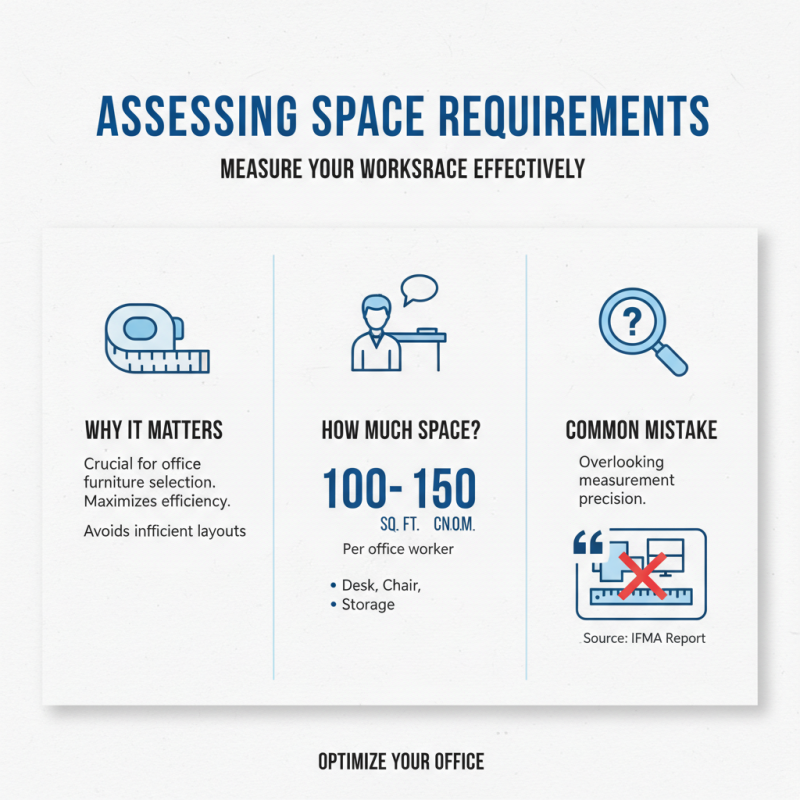
Assessing Space Requirements: How to Measure Your Workspace Effectively
Assessing space requirements is crucial when selecting office furniture. Accurate measurements help in maximizing workspace efficiency. The average office worker requires about 100 to 150 square feet. This space accommodates a desk, chair, and often, additional storage. A recent report by the International Facility Management Association suggests that many businesses overlook measurement precision, resulting in inefficient layouts.
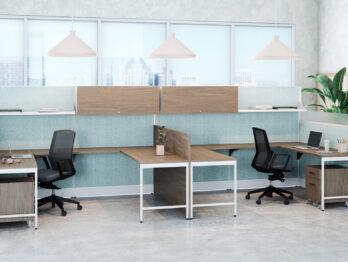
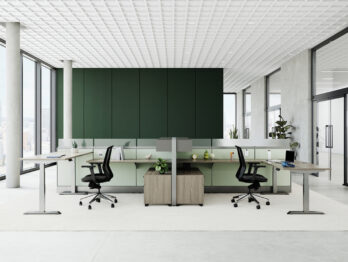
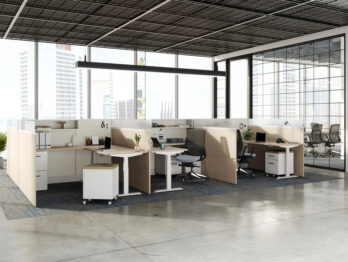
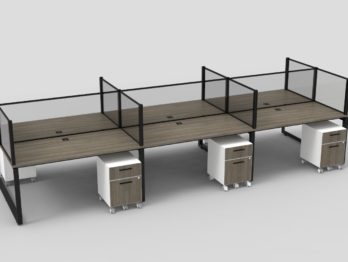
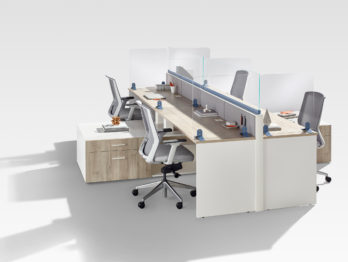
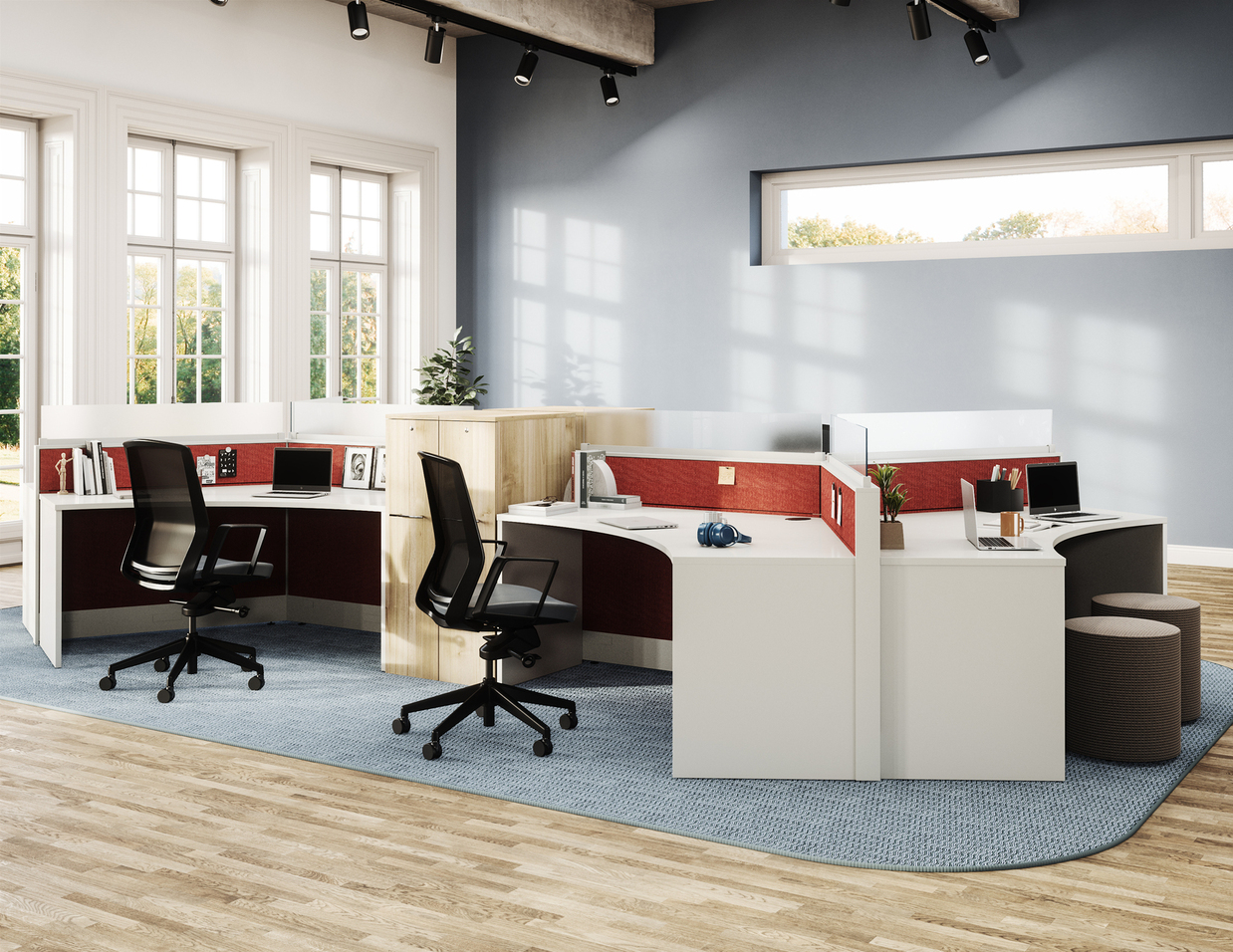
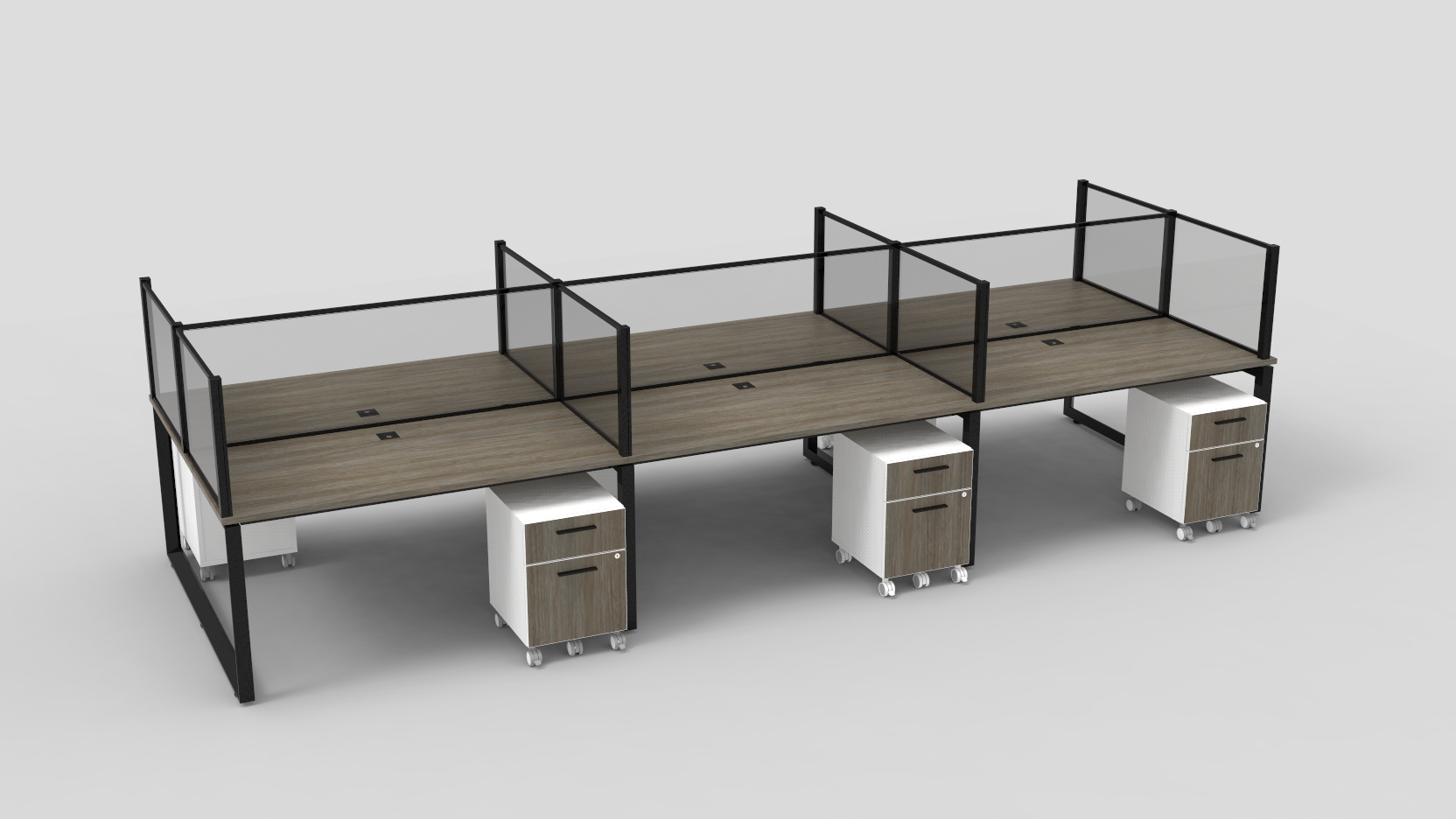
To begin, measure the length and width of your workspace. Use a measuring tape for accuracy. Consider all dimensions, including doors and windows. Six-inch clearances around furniture are ideal for movement. When designing, 56% of office workers prefer open layouts. However, privacy remains essential, especially in collaborative spaces. Therefore, thoughtful layout design is key.
In addition to space, think about your furniture's functionality. Many professionals sacrifice comfort for style. A well-designed chair improves focus and productivity. The American Society of Interior Designers found that 90% of employees value ergonomic furniture options. Balancing aesthetics and practicality is critical for a functional workspace. Reflect on how your choices impact daily tasks and overall employee well-being.
Selecting Materials: Durability and Aesthetics in Office Furniture Choices
Selecting the right materials for office furniture is crucial. Durability and aesthetics significantly affect employee satisfaction and productivity. A report by the Global Workplace Analytics indicates that a well-designed workspace can boost productivity by up to 20%. This highlights the importance of making informed furniture choices.
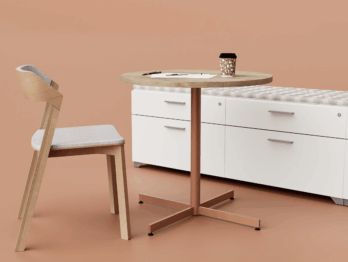
When considering materials, wood, metal, and fabric offer different benefits. Wood provides a warm, inviting look but can be prone to scratches and water damage. Metal is often more durable but may lack warmth. Fabric can add comfort but requires regular cleaning and maintenance. Ultimately, the choice should reflect both style and functionality, enhancing the workspace's overall atmosphere.
Aesthetic appeal cannot be ignored. According to a study by the International Interior Design Association, office environments that reflect the company culture attract and retain top talent. However, ensuring that furniture withstands daily use is essential. Blending aesthetics with durability may require compromise, reminding companies to reassess their choices over time. This ongoing evaluation can lead to a more effective and appealing workplace.
How to Choose the Right Office Furniture for Your Workspace?
| Furniture Type |
Material |
Durability Rating |
Aesthetic Appeal |
Ideal Use Case |
| Office Desk |
Solid Wood |
High |
Classic Elegance |
Executive Offices |
| Office Chair |
Mesh |
Medium |
Modern Look |
Collaborative Spaces |
| Meeting Table |
Glass |
Medium |
Sleek and Contemporary |
Meeting Rooms |
| Filing Cabinet |
Metal |
High |
Industrial Chic |
Storage Solutions |
| Lounge Chair |
Leather |
High |
Luxurious |
Relaxation Areas |
Sustainable Options: Eco-Friendly Furniture Choices for Modern Workspaces
Choosing eco-friendly furniture for your workspace can be a rewarding experience. It not only helps the environment but also contributes to a healthier office atmosphere. Look for options made from sustainable materials. Bamboo and reclaimed wood are excellent choices. They offer durability and a unique aesthetic. Furniture made from recycled metal or plastic is also worth considering.
Consider ergonomics when selecting your furniture. Sustainable options can still provide comfort and support. Adjustable desks and chairs made from eco-friendly materials promote better posture. Pay attention to certifications. Look for furniture with environmental certifications to ensure you are making responsible choices. However, it may be challenging to find furniture that meets all criteria of sustainability, comfort, and cost.
It’s vital to reflect on your office's actual needs. Not all sustainable materials suit every workspace. Sometimes, the cheapest option may be less eco-friendly than expected. Striking a balance between budget, style, and sustainability can be complex. Taking time to research and compare products can help you make informed decisions. Lastly, consider how furniture affects employees' well-being and productivity, promoting a more sustainable workplace culture.
Eco-Friendly Office Furniture Choices for Modern Workspaces