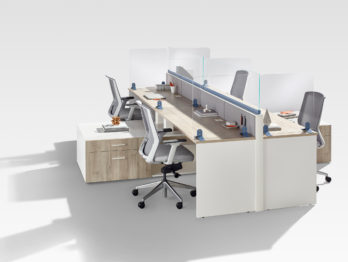
How to Choose the Best Office Furniture for Your Business?
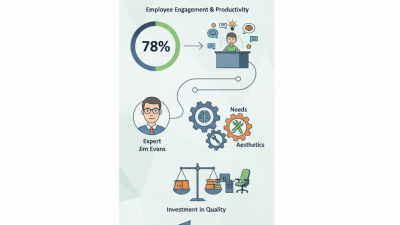
Choosing the best office furniture for your business is essential. The right office furniture can enhance productivity and employee satisfaction. According to a report by Steelcase, well-designed office environments can boost productivity by up to 25%. Comfort and functionality are key when selecting office furniture.
Today’s market offers a variety of options. It is important to consider ergonomics, style, and budget. Many businesses find that investing in high-quality office furniture pays off over time. A study by the International Interior Design Association revealed that 88% of employees feel more productive in well-furnished spaces.
However, finding the perfect balance is not always easy. Some companies overspend on trendy items that may not suit their needs. Others may opt for the cheapest options, compromising quality and comfort. Businesses must reflect on their unique requirements and invest wisely in office furniture to create a harmonious work environment.
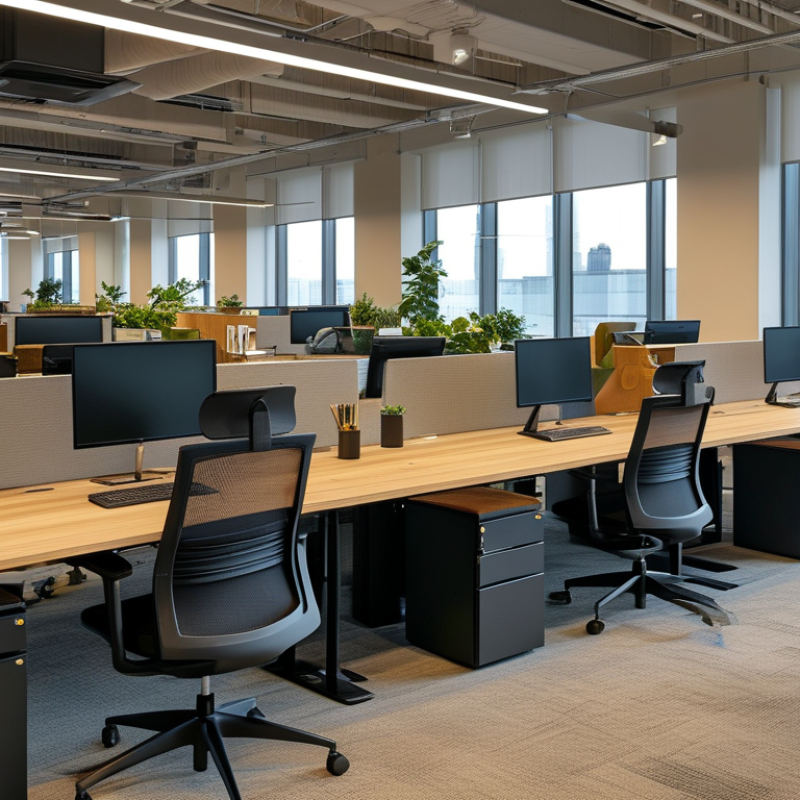
Evaluating Your Business Needs for Office Furniture Selection
When selecting office furniture, understanding your business needs is crucial. Research indicates that ergonomics plays a significant role in employee productivity. A study by the Center for Health Design found that improving workplace design can boost productivity by up to 16%. This highlights the importance of choosing furniture that not only looks good but also supports workers' well-being.
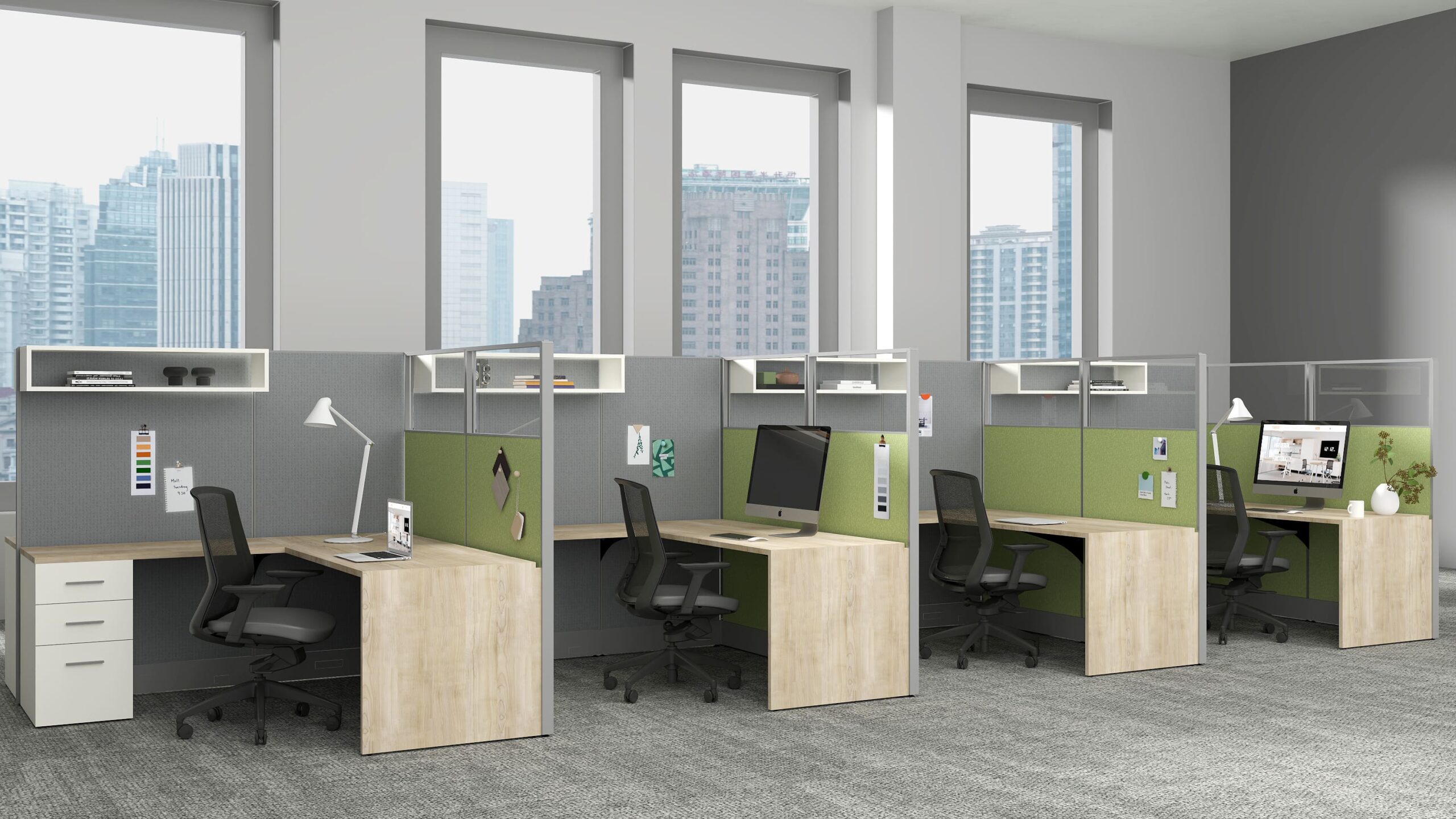
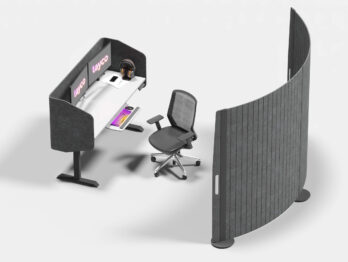
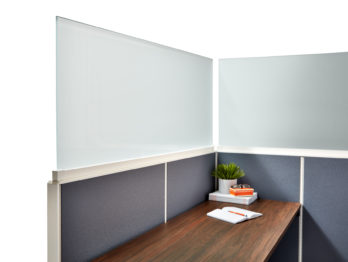
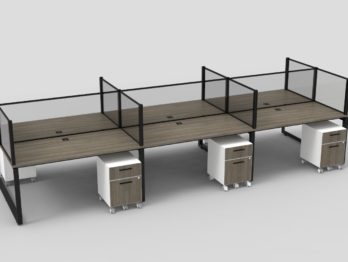
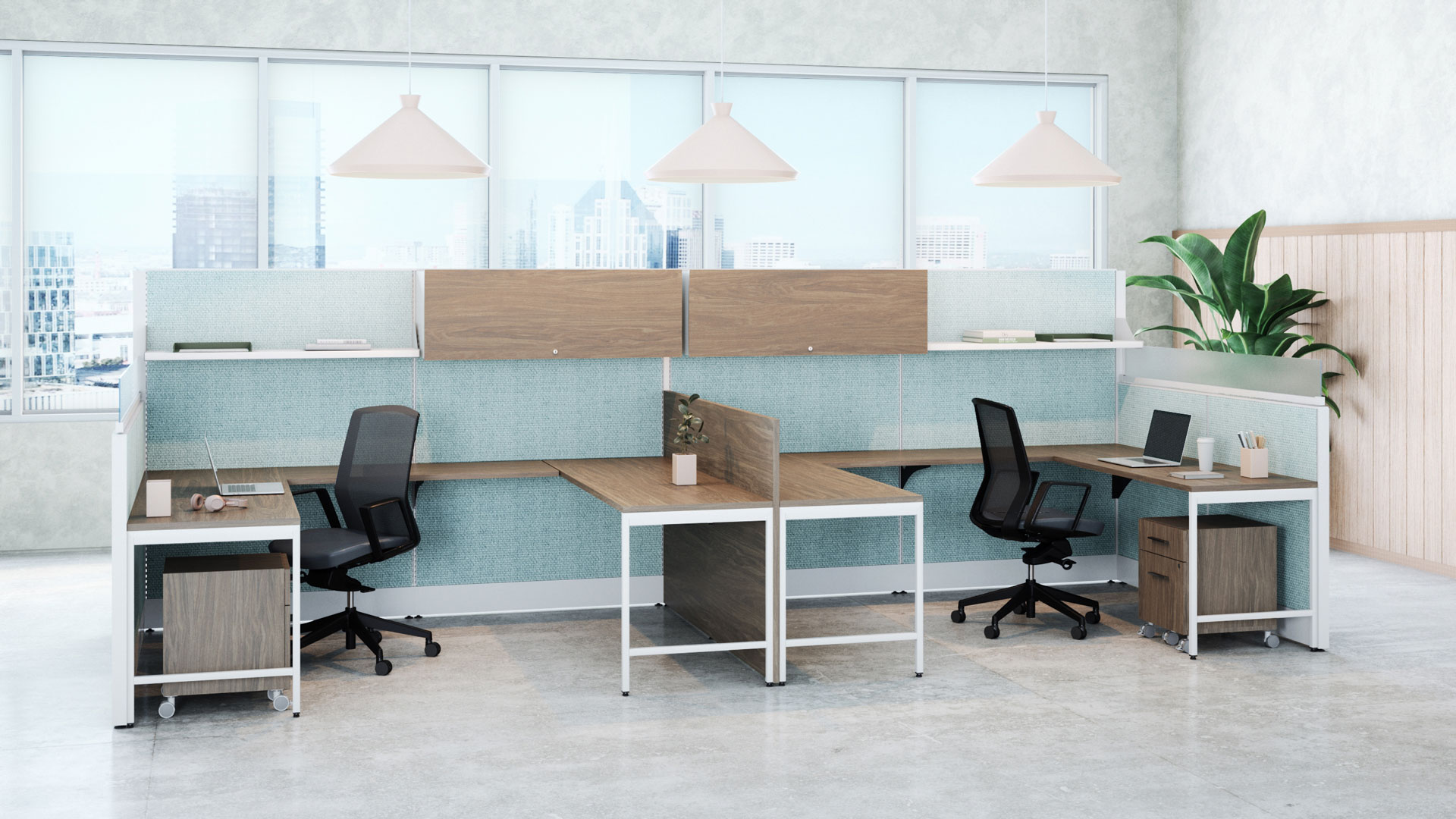
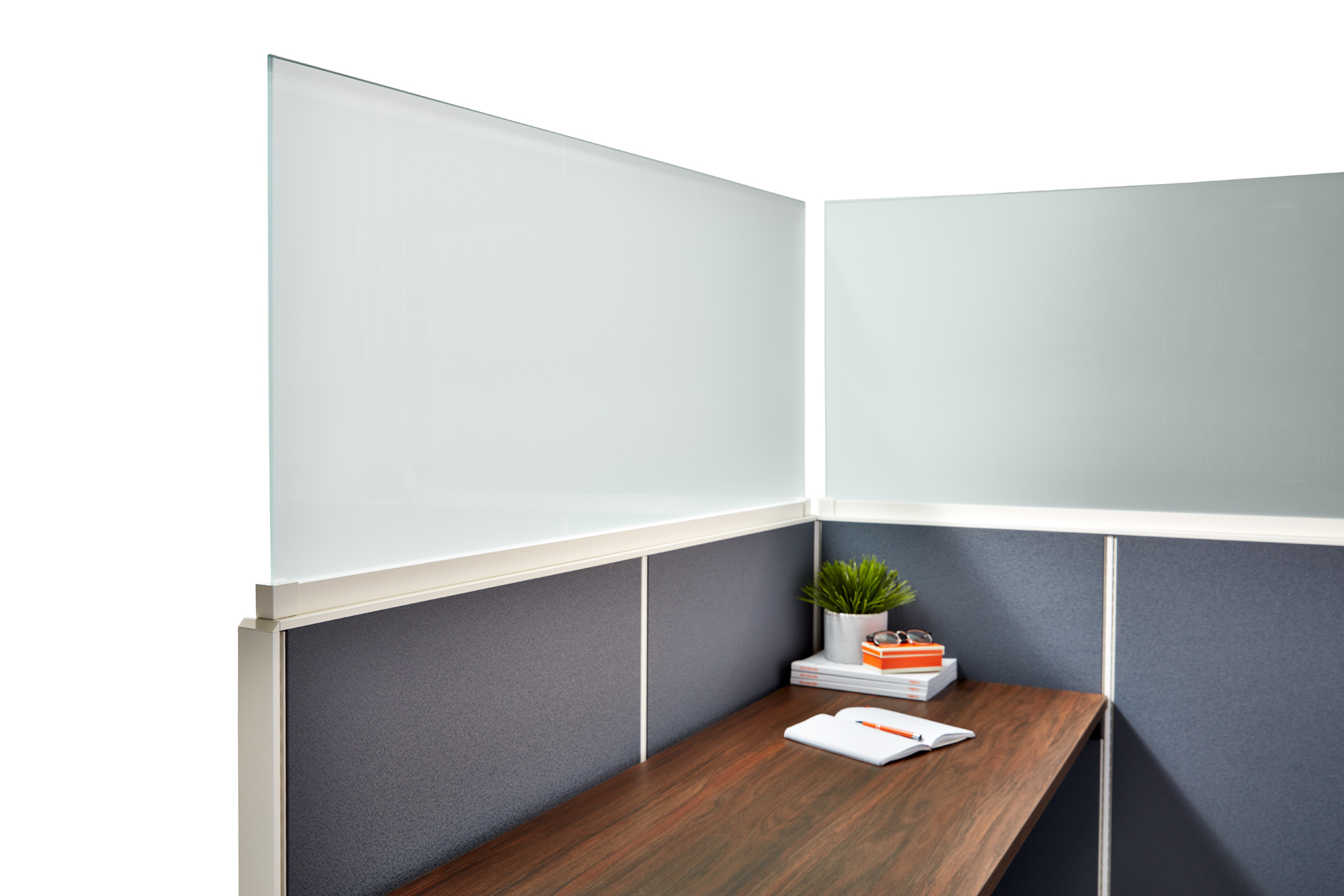
Consider the specific tasks your employees perform daily. For example, collaborative spaces may require flexible seating arrangements while individual workstations should offer privacy and focus. The International Facility Management Association suggests that a well-designed office can reduce employee turnover by 18%. Choosing furniture that accommodates different working styles is essential for creating a harmonious environment.
Another factor to weigh is durability versus cost. While cheaper furniture may save money initially, it often leads to higher replacement costs. The National Institute of Building Sciences notes that investing in quality office furniture can yield a return on investment through reduced maintenance and replacement expenses over time. Balancing budget constraints with long-term benefits is key to sustainable choices.
Understanding Ergonomics and Its Impact on Employee Productivity
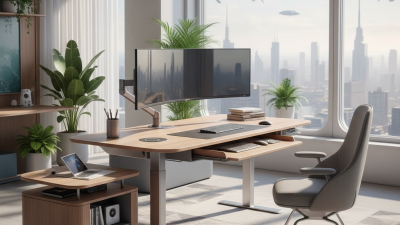
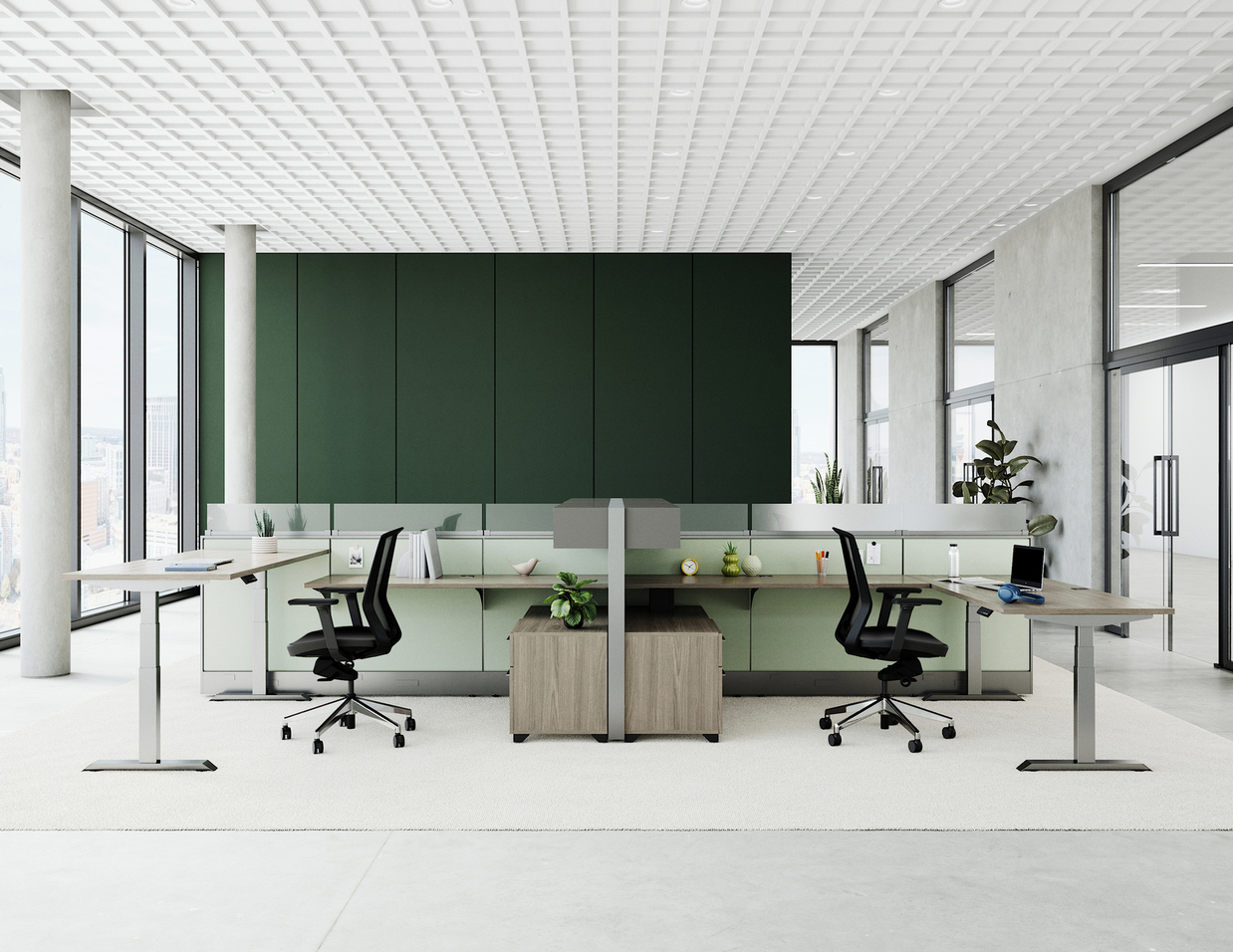
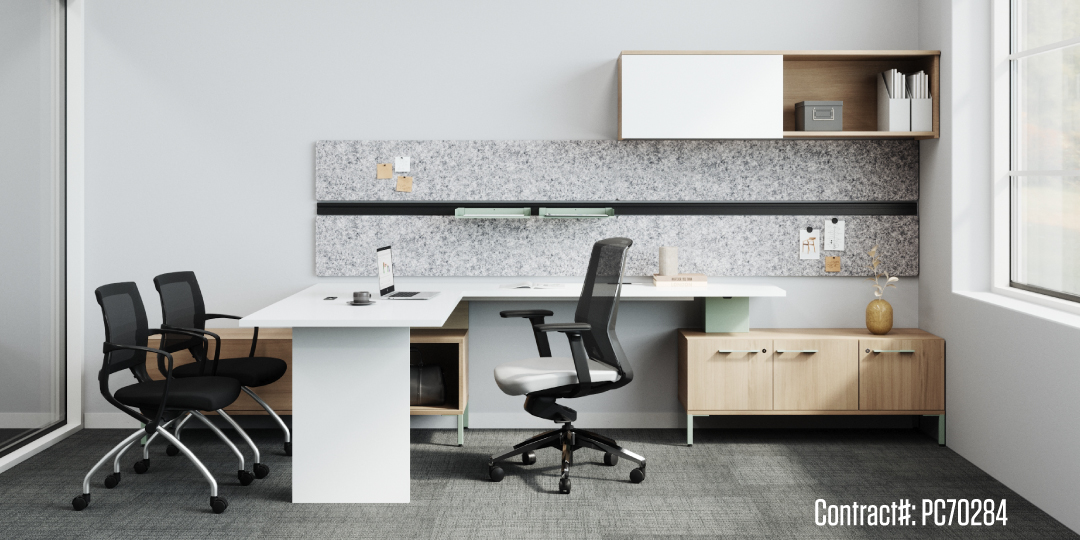
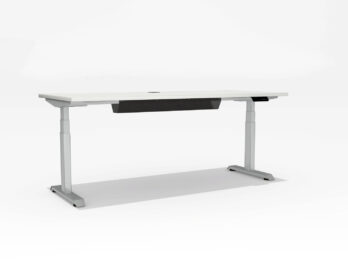
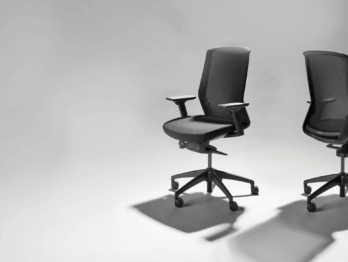
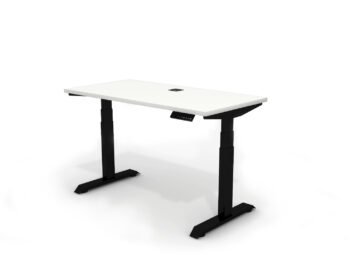
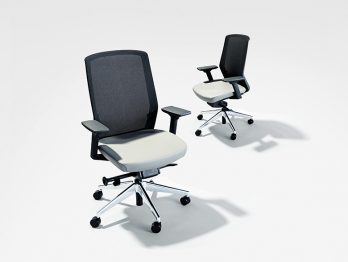
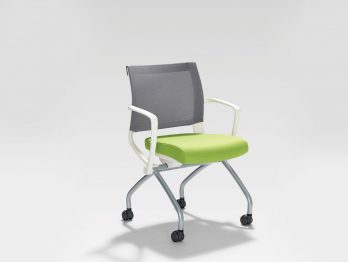
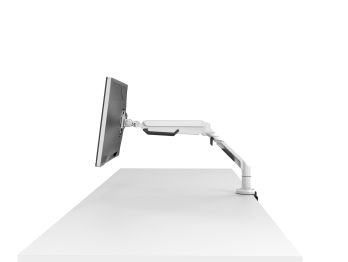
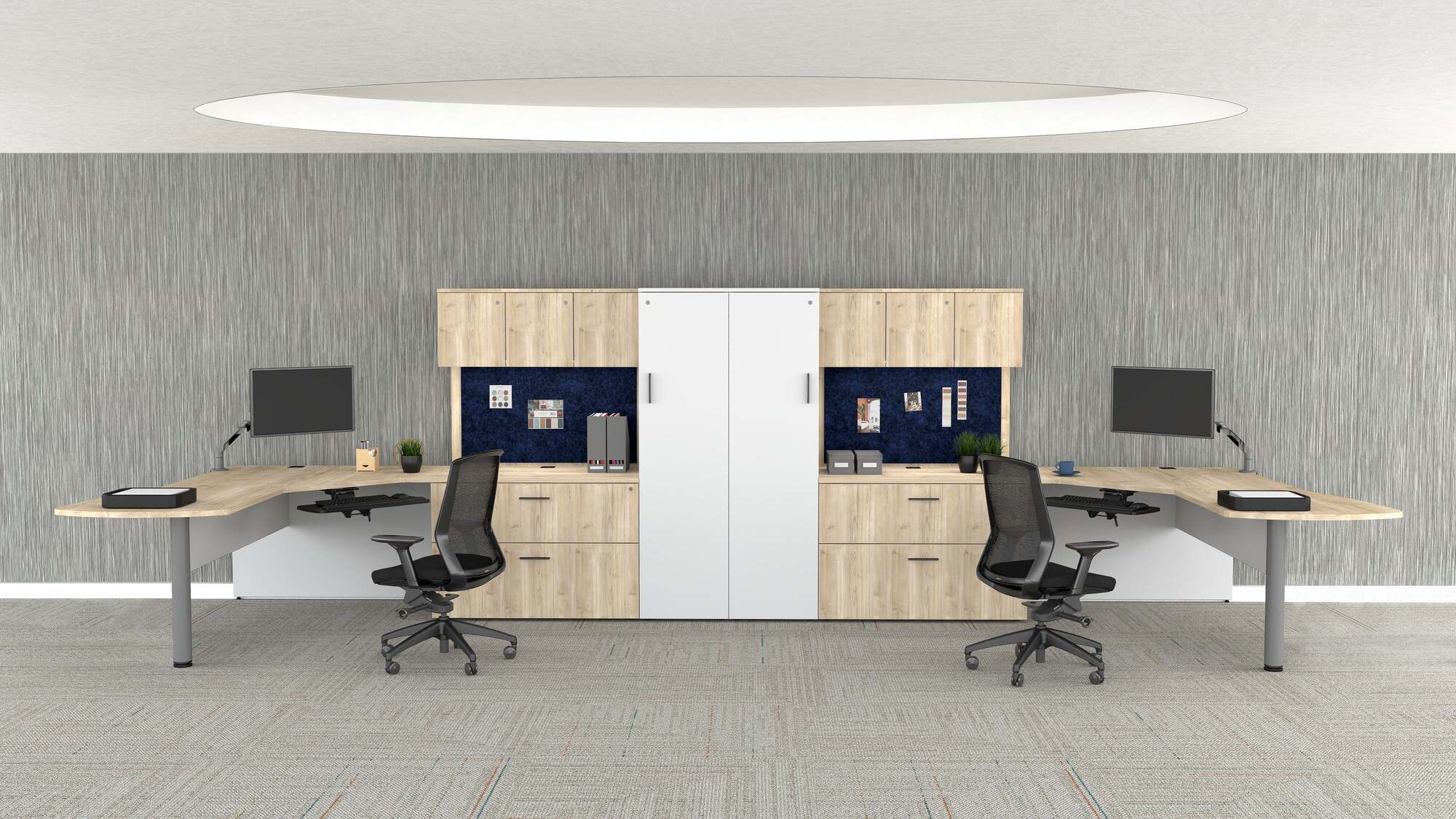
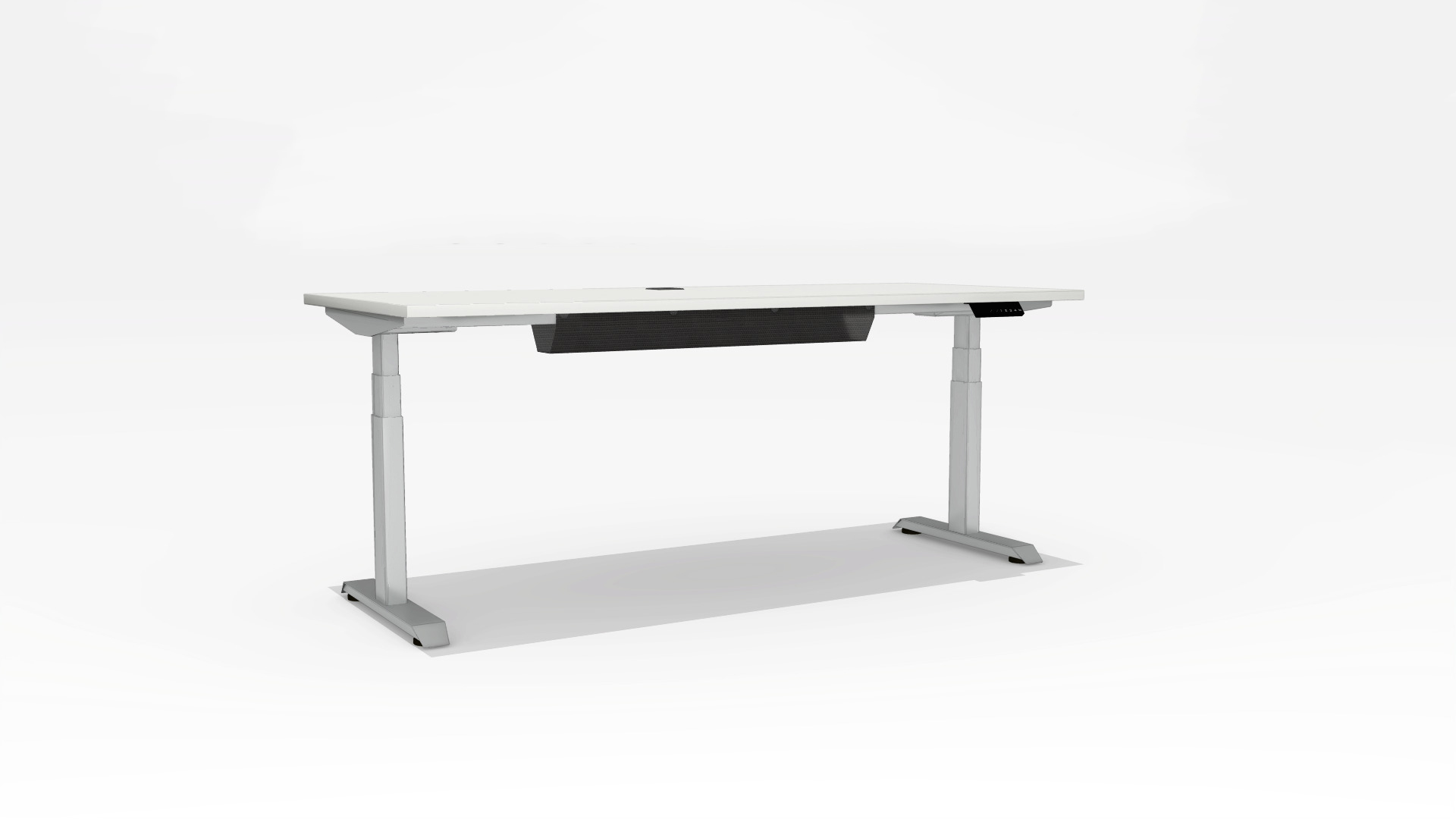
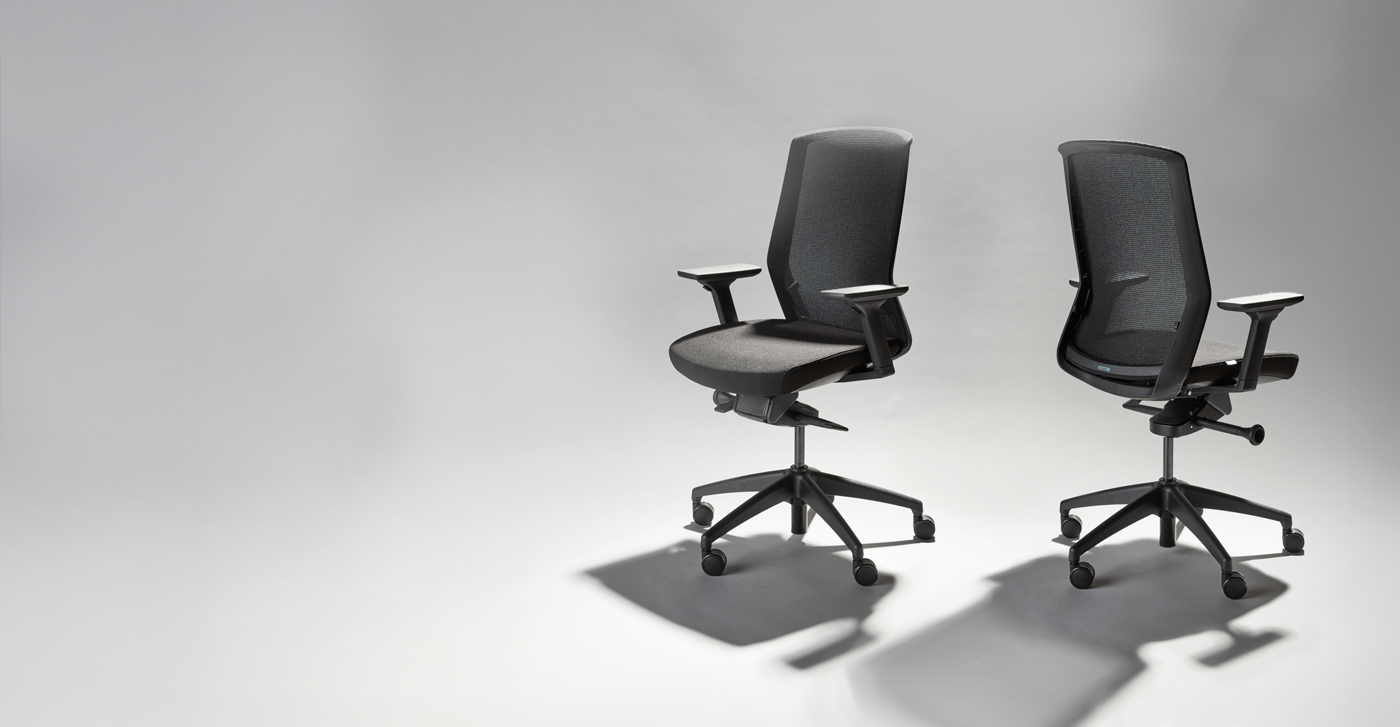
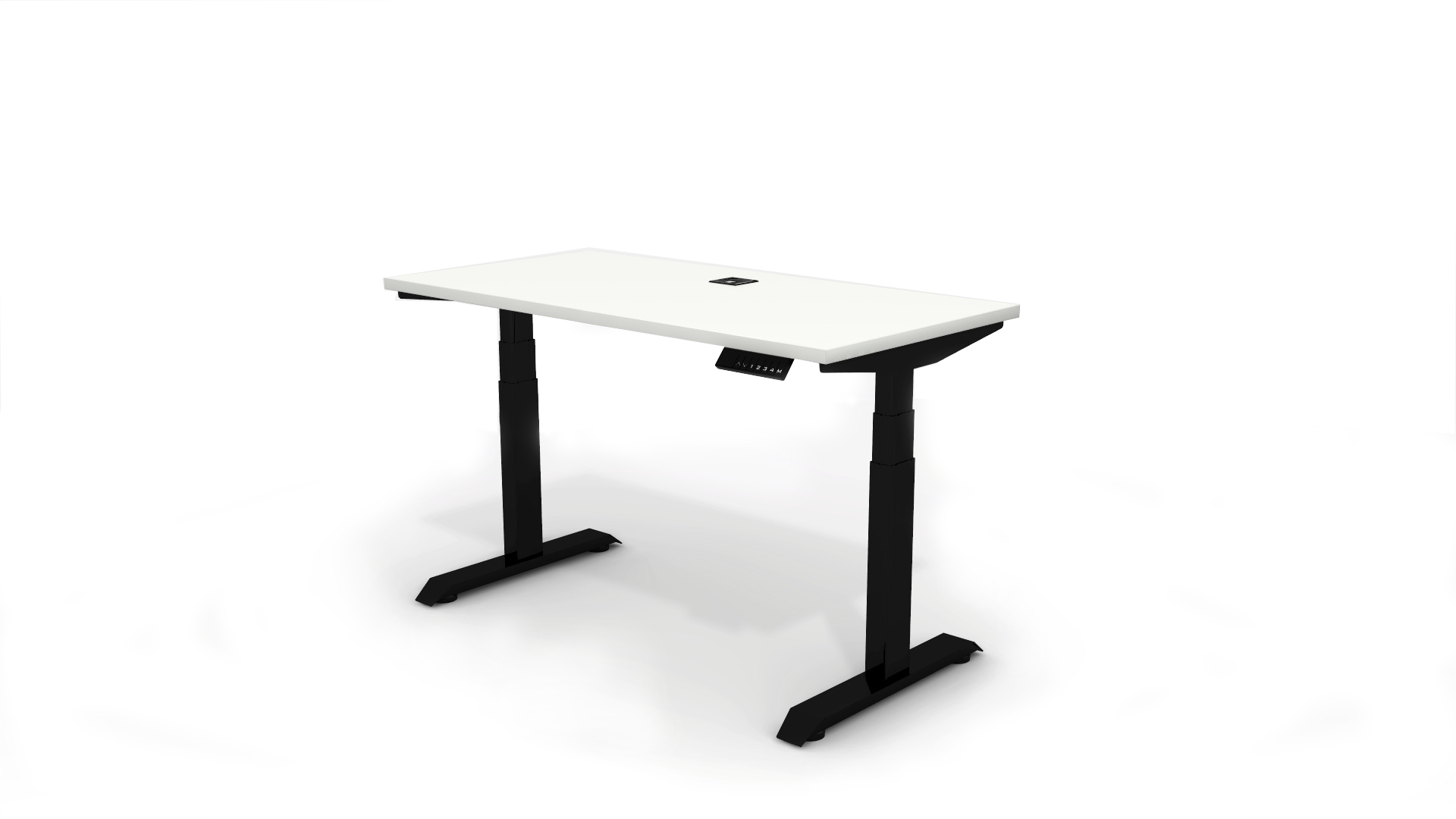
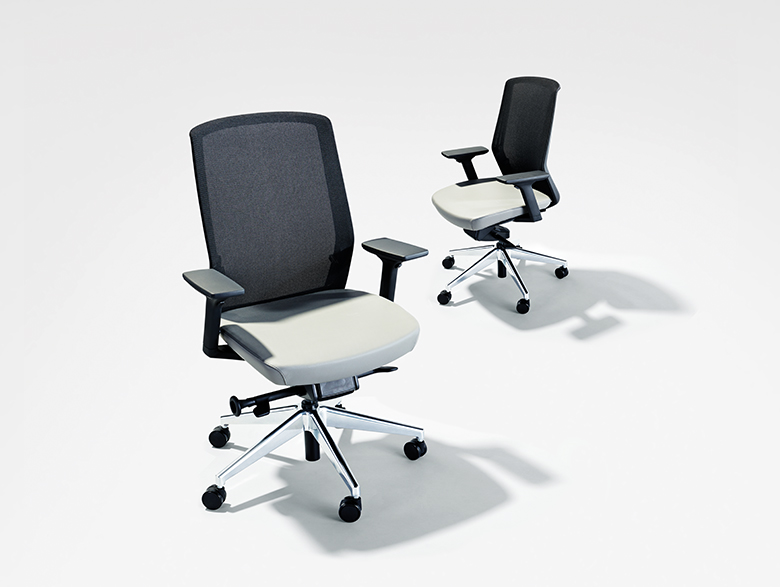
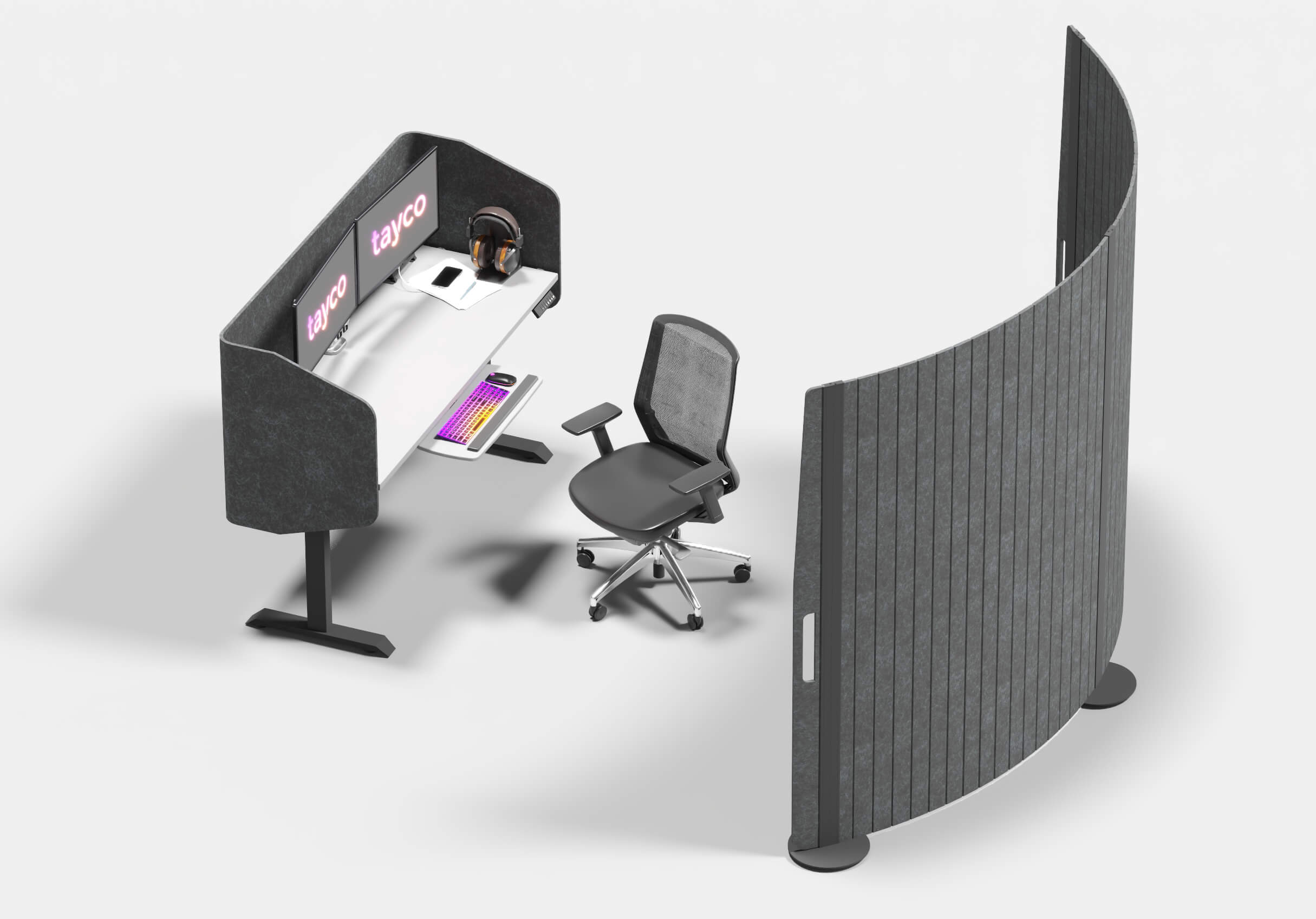
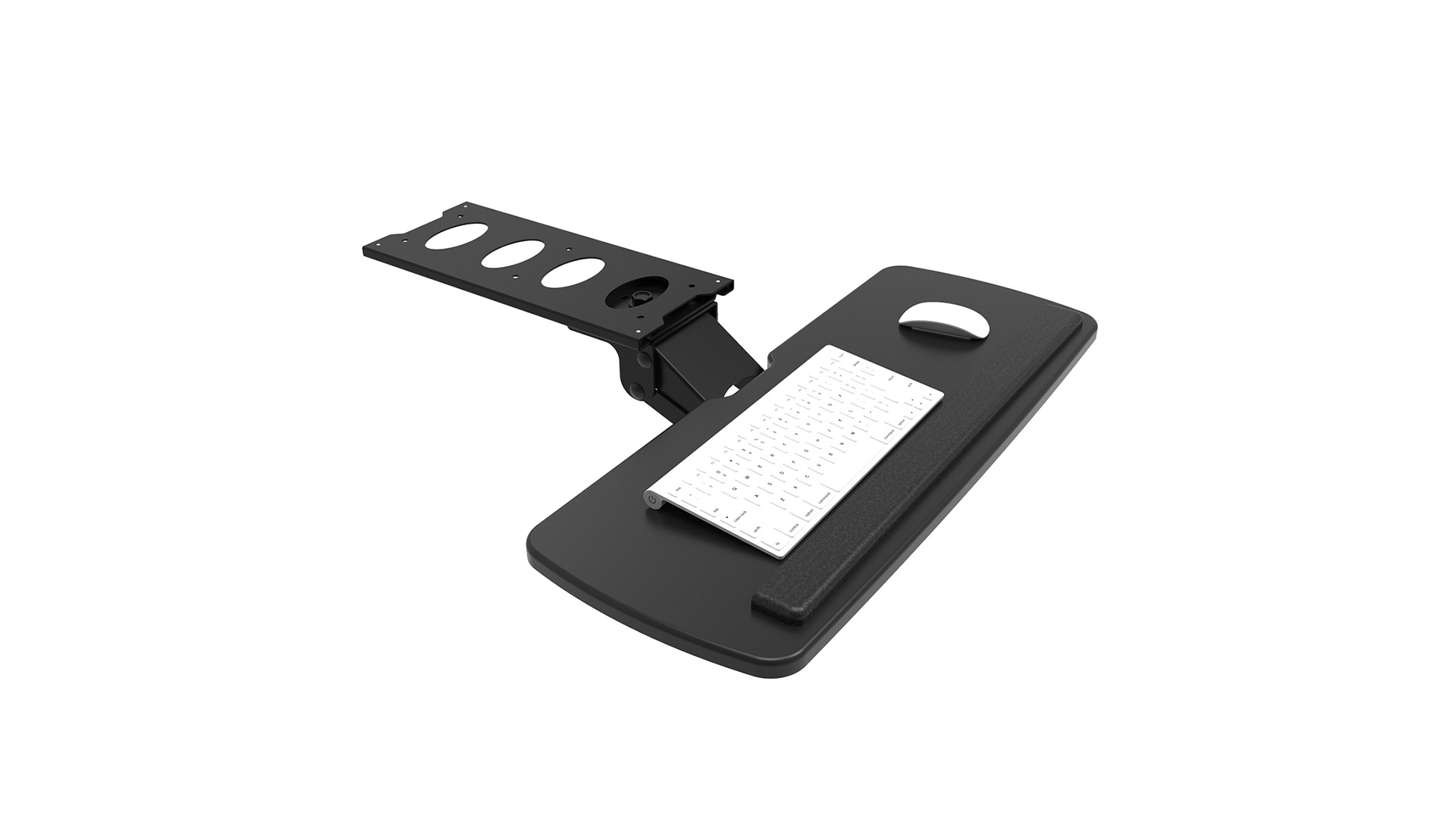
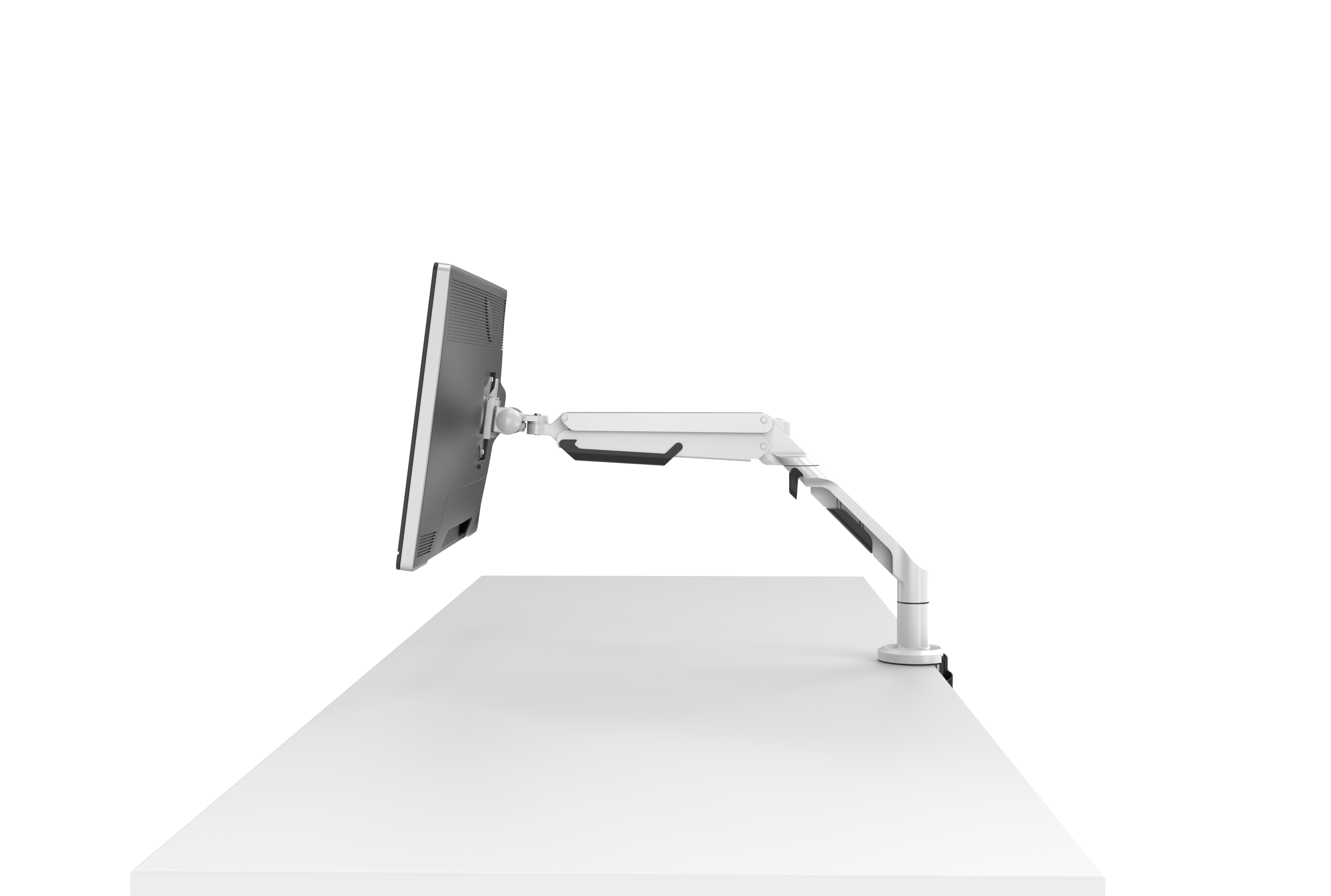
When selecting office furniture, understanding ergonomics is crucial. Ergonomics focuses on designing a workspace that enhances comfort and boosts productivity. A well-designed office chair supports the natural curve of the spine, helping reduce back pain. Employees often spend hours seated, so investing in quality seating is essential. Adjustable desks that allow for standing can also promote better posture and reduce strain.
The arrangement of furniture impacts workflow. Desks positioned too far from equipment can lead to awkward movements. In contrast, a thoughtfully organized workspace can streamline tasks. Lighting is another ergonomic factor. Natural light enhances mood and reduces eye strain. Employees often feel more energized in well-lit spaces.
Consider feedback from employees about their workspace. They may have insights on what features improve their daily tasks. While it’s important to aim for an optimal setup, not every solution will fit everyone. Flexibility is key, as individual preferences vary widely. Small changes can lead to significant improvements over time. Each step towards an ergonomic environment fosters a healthier, more productive workplace.
Key Considerations for Space Planning and Layout Efficiency
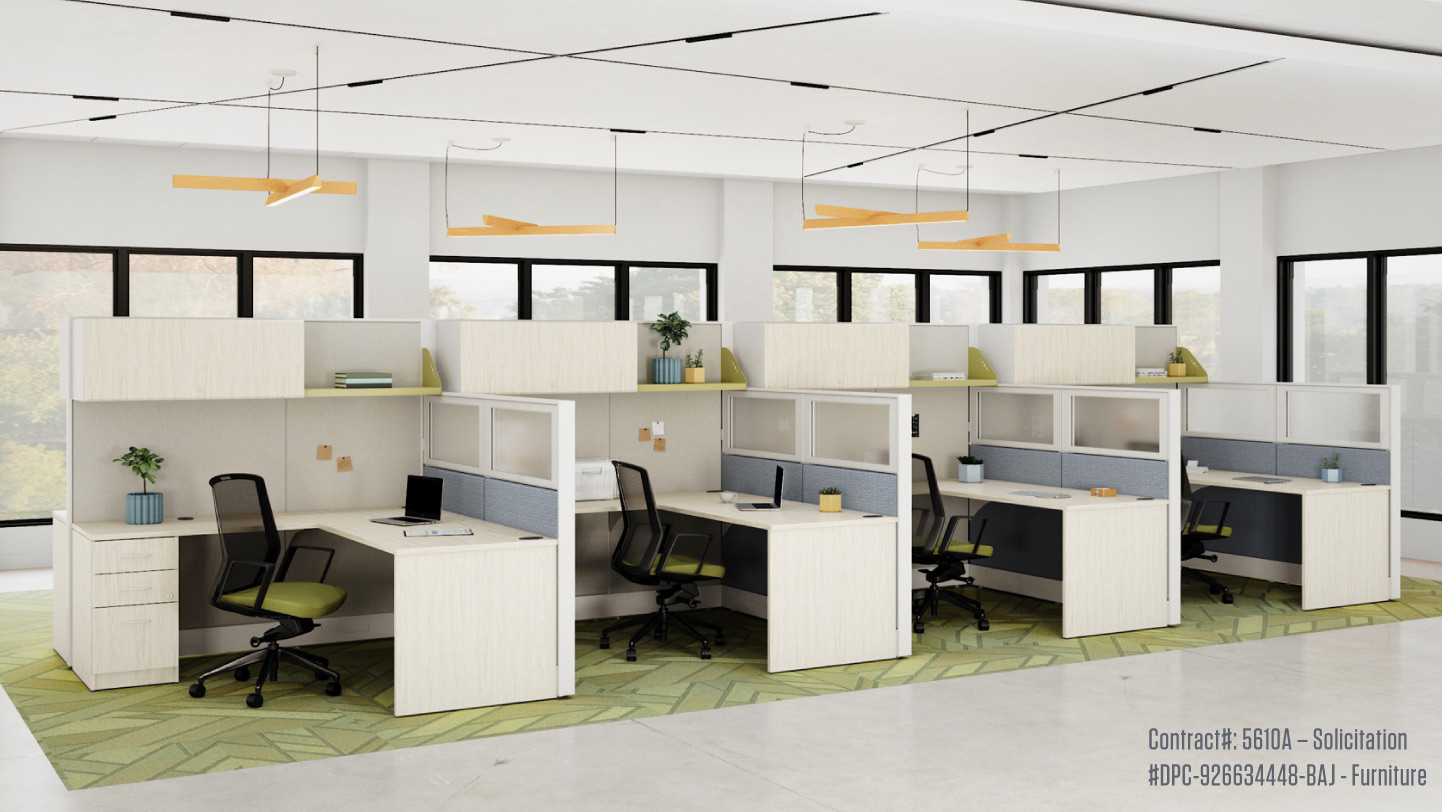
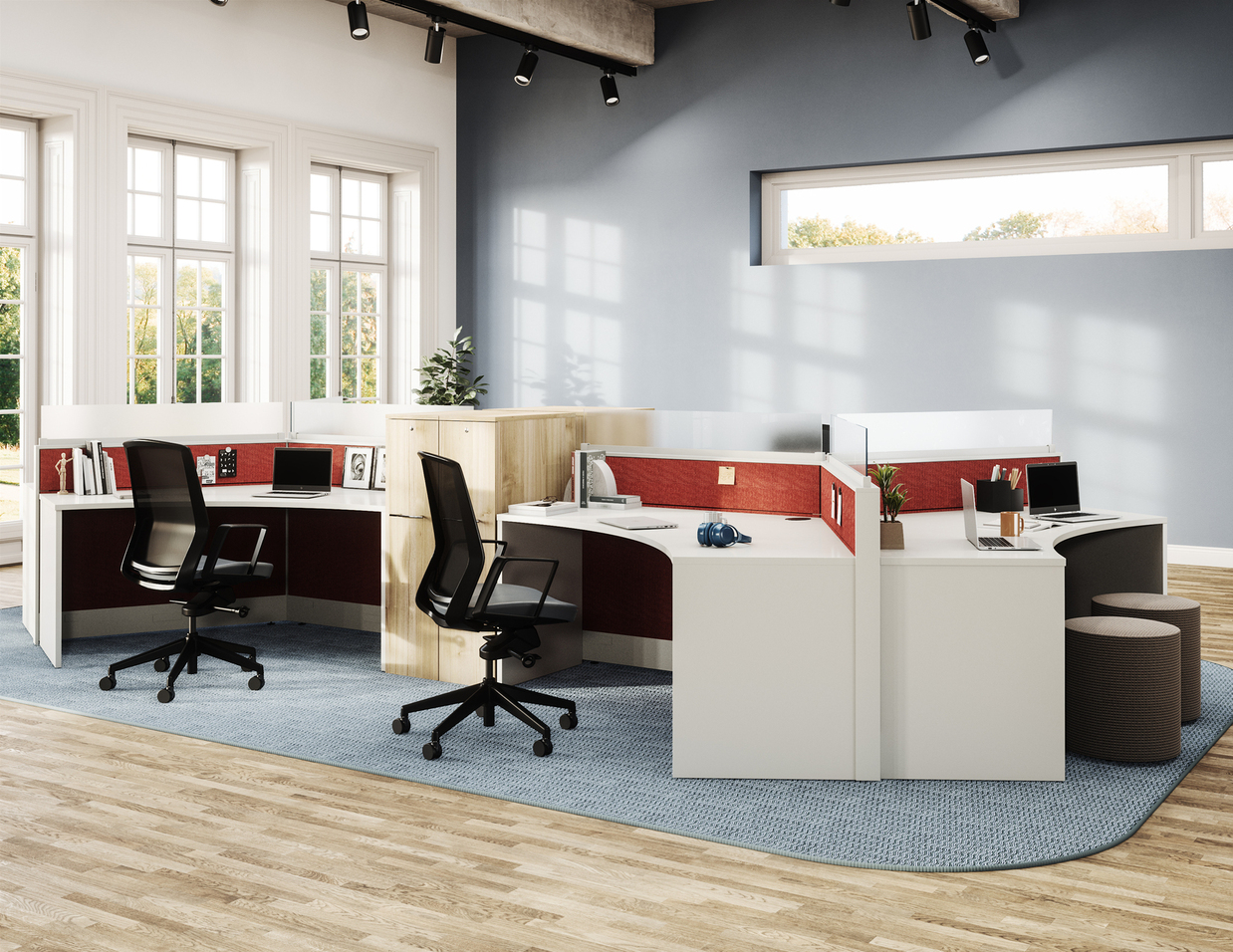
Choosing the right office furniture is crucial for enhancing layout efficiency. A well-planned space can boost productivity by nearly 20%, according to a report by Global Workplace Analytics. When selecting furniture, consider how it fits your office layout and the flow of movement. Open floor plans are becoming popular, but they require careful planning to avoid overcrowding.
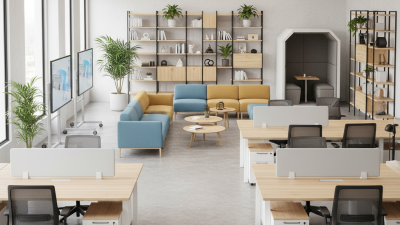
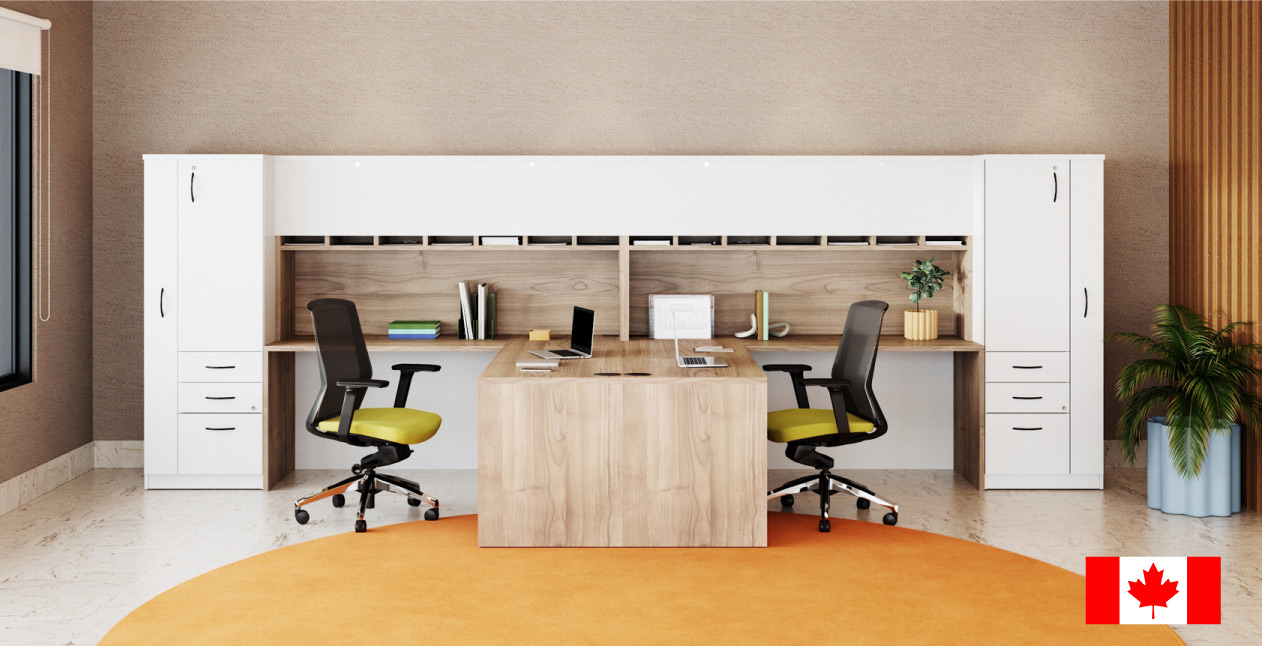
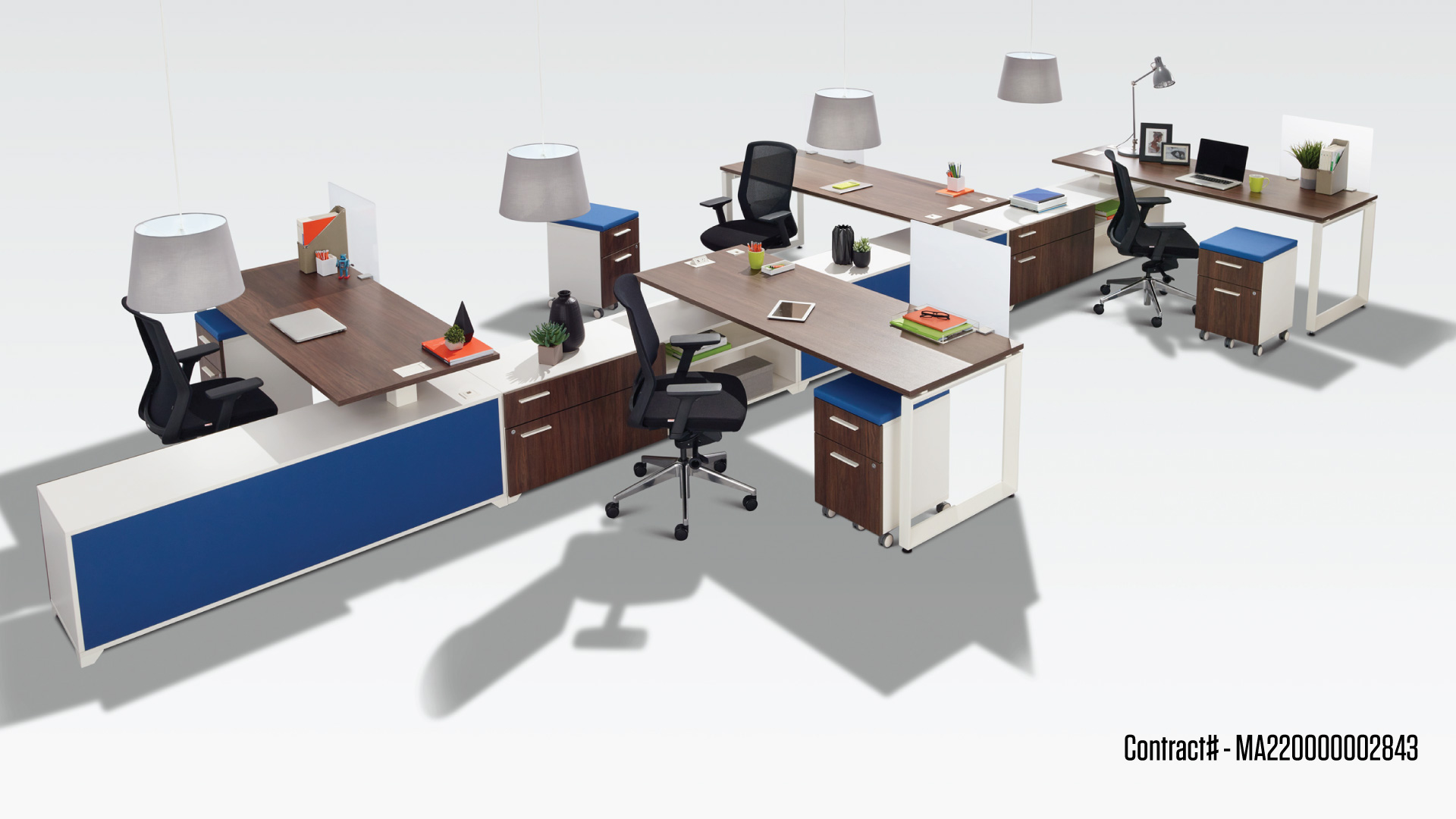
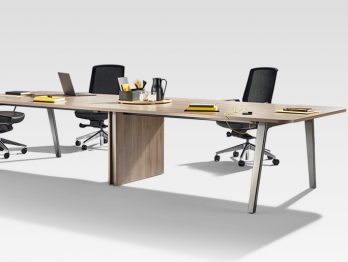
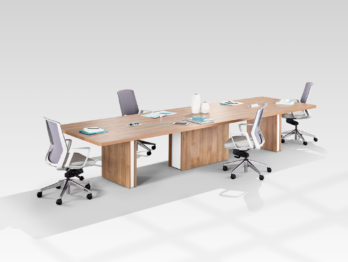
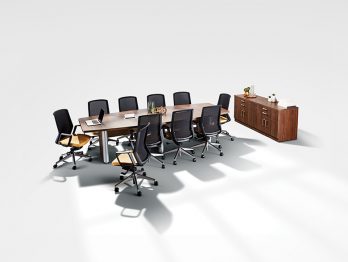
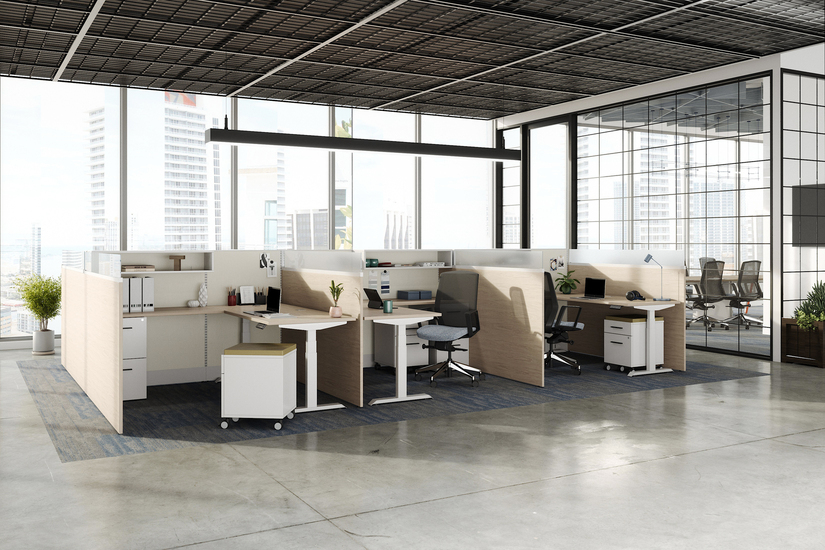
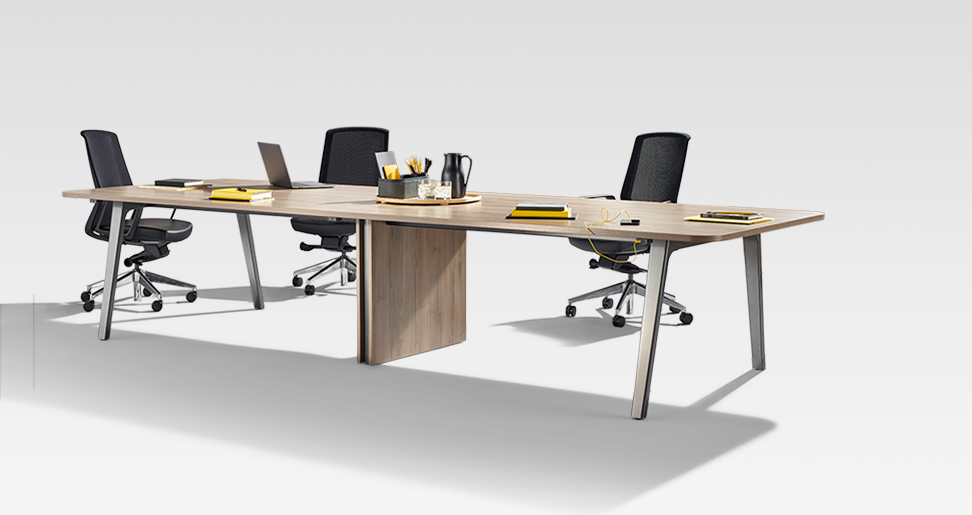
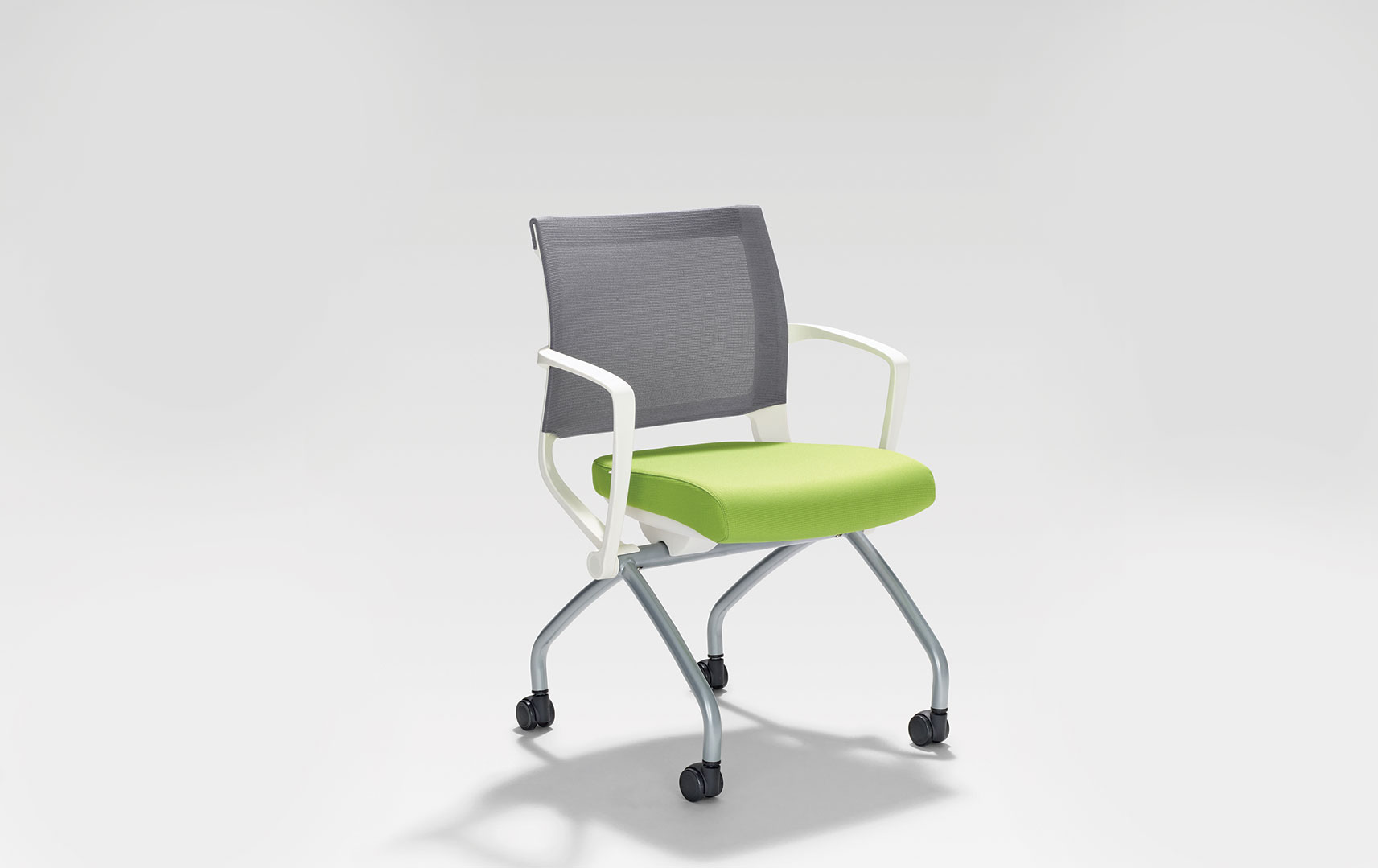
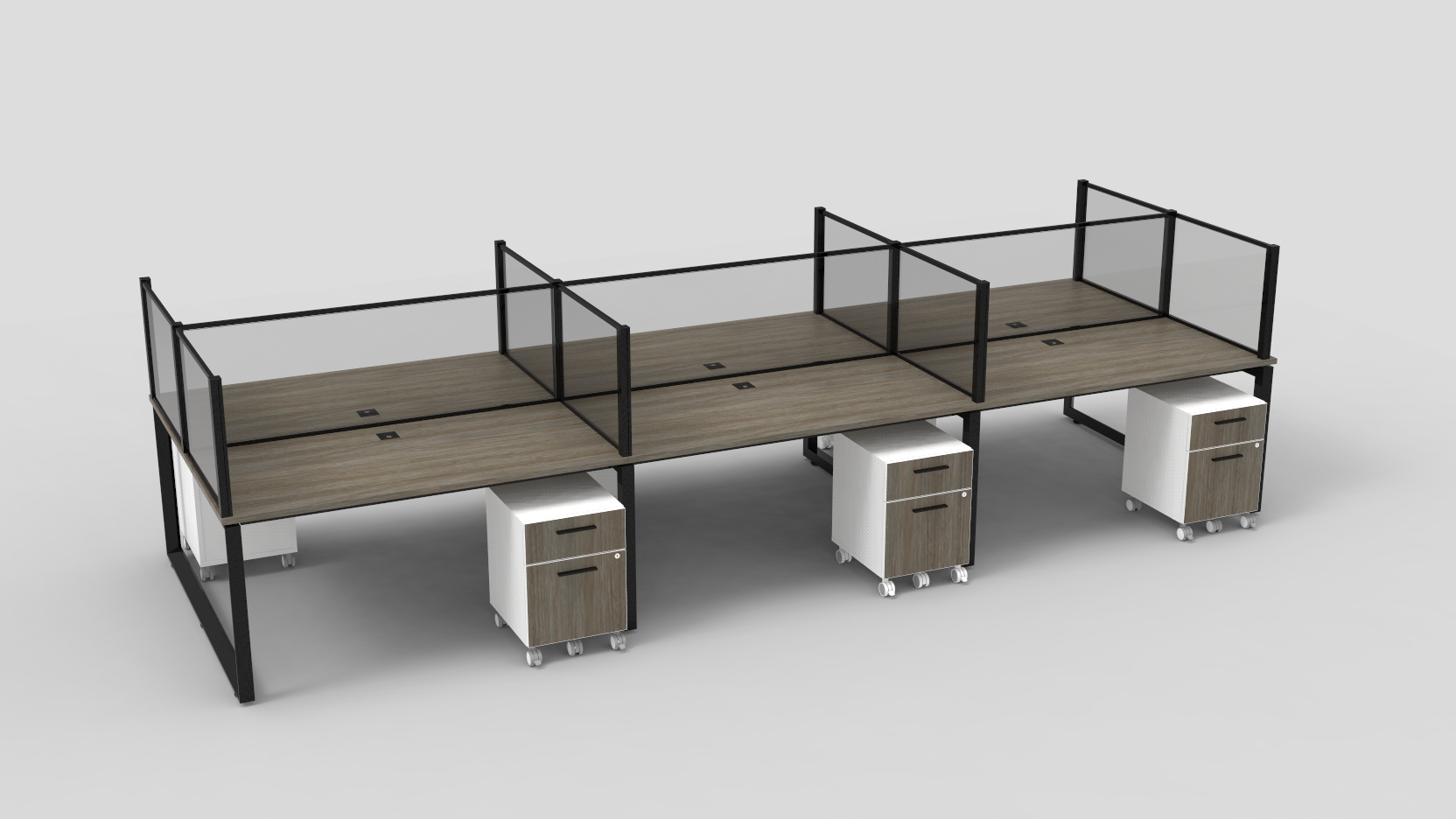
Space planning should prioritize flexibility. Modular furniture allows for easy reconfiguration as the team grows or changes. Make use of vertical space to keep the floor area open and accessible. Keeping furniture aligned with your business’s task needs is essential. For instance, collaborative spaces benefit from communal tables, while focused work areas need individual desks or quiet zones.
Tip: Use software tools for virtual space planning to visualize layouts before making any purchases.
Pay attention to ergonomics too. Comfortable seating and adjustable desks can reduce health issues. According to the Bureau of Labor Statistics, 33% of workers experience discomfort from poor workplace setups. Start with a mix of seating options to create an inviting atmosphere. Adding plants can improve air quality and create a positive mood.
Tip: Regularly assess your office layout to ensure it meets evolving needs.
Analyzing Cost-Effectiveness: Budgeting for Quality Office Furniture
When looking at office furniture, cost-effectiveness is key. A spacious office with quality furniture can enhance employee productivity. According to a report by the Global Workplace Analytics, well-designed workspaces can increase productivity by up to 20%. However, balancing budget and quality is essential.
Investing in ergonomic chairs and desks is a smart choice. A study by the Occupational Safety and Health Administration revealed that ergonomic improvements can reduce absenteeism by 27%. This long-term value often outweighs initial costs. It’s also important to consider the lifecycle of furniture items. Cheap options may lead to frequent replacements, ultimately costing more.
Selecting sustainable materials can also boost your office's image and morale. Data from the American Institute of Architects shows that green buildings can increase property values by 10-20%. However, finding cost-effective sustainable options can be challenging. You might spend more upfront but save in the long run. Paying attention to warranty and maintenance can help you assess true value. Each decision impacts both your budget and employee satisfaction.
Sustainability Trends in Office Furniture Material Choices and Sourcing
Choosing sustainable office furniture materials is crucial for modern businesses. Sustainable choices impact not only the environment but also employee well-being. A recent report from the Global Sustainability Committee indicates that 67% of companies see improved employee morale when investing in eco-friendly office environments.
When selecting materials, focus on recycled and renewable options. Plastic waste can be reduced with recycled materials. Bamboo and reclaimed wood are excellent choices that provide durability and aesthetic appeal. Look for certifications like LEED or FSC, which ensure sustainable sourcing practices. This gives your business authority and credibility.
Tips: Consider local sourcing to reduce carbon footprints. Local materials require less transportation, thus minimizing emissions. Engage with suppliers who prioritize sustainability in their production processes. Evaluate the lifecycle impact of each material. This approach ensures you've not only made a purchase but also invested in a long-term ecological strategy.
Remember, perfection in sustainability is a journey. It's essential to reflect on the ongoing impact of your choices and adapt as you learn. Each step toward sustainability is progress, but awareness of imperfections in the process is vital.
How to Choose the Best Office Furniture for Your Business? - Sustainability Trends in Office Furniture Material Choices and Sourcing
| Material Type |
Sourcing Method |
Environmental Impact |
Durability Rating |
Cost Range (USD) |
| Reclaimed Wood |
Local artisans |
Low |
8/10 |
300 - 600 |
| Bamboo |
Sustainable farms |
Medium |
7/10 |
200 - 500 |
| Recycled Metal |
Recycling facilities |
Very Low |
9/10 |
400 - 800 |
| Eco-Friendly Plastics |
Sustainable sources |
Medium |
6/10 |
150 - 400 |
| Cork |
Responsible harvesting |
Low |
8/10 |
250 - 700 |