10 Essential Tips for Choosing Waterproof WPC Wall Panels?
Choosing the right materials for your space is crucial, especially when it comes to durability and maintenance. Waterproof Wpc Wall Panels have gained popularity due to their unique advantages. They are not only stylish but also resilient against moisture, making them an ideal choice for areas prone to humidity. However, selecting the right panels requires careful consideration.
When choosing waterproof WPC wall panels, it’s essential to assess the quality and design. Look for panels that combine aesthetic appeal with functionality. Pay attention to manufacturing details, as poorly made panels may not hold up over time. Consider the thickness and density, as these factors impact durability. It might be tempting to choose cheaper options, but they can lead to long-term issues.
Moreover, understanding the installation process is key. Some panels are easier to install than others. Research and seek advice from professionals. They can offer vital insights into which products perform best in specific environments. Making the right choice can transform your space while ensuring longevity and resistance to water damage.
Understanding Waterproof WPC Wall Panels: Key Features to Consider
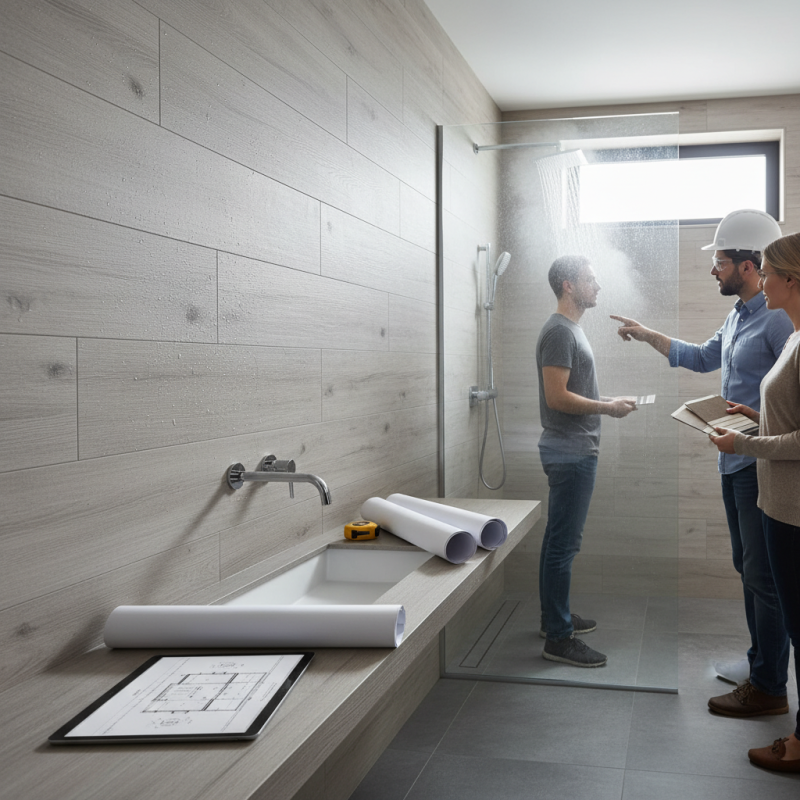
Waterproof WPC (Wood Plastic Composite) wall panels have gained popularity for their robust features. They combine the aesthetic appeal of wood with the durability of plastic. A key feature to consider is their moisture resistance. Reports suggest that WPC panels can withstand up to 90% humidity without deforming. This makes them ideal for bathrooms and kitchens.
When choosing WPC wall panels, consider the thickness and density. Thicker panels provide better insulation and durability. A study showed that panels with a density of at least 1.2 g/cm³ perform better in terms of longevity and resistance to damage.
Tip: Look for panels that have been tested for water absorption. Panels with low water absorption rates minimize the risk of mold and mildew.
Additionally, UV resistance is crucial. Choose panels with additives that prevent fading from sunlight exposure. Some sources indicate that UV-stabilized panels can last up to 15 years without significant color change.
Another point is the installation process. Some panels require minimal preparation and can be installed in DIY projects. Ensure that your choice matches not just your aesthetic needs but also your practicality.
10 Essential Tips for Choosing Waterproof WPC Wall Panels
| Feature | Description | Importance | Tips |
| Material Composition | WPC panels are made from wood and plastic composites. | High | Look for high-quality composites for better durability. |
| Water Resistance | Ability to resist moisture and prevent swelling. | Critical | Check for ratings that specify waterproof capabilities. |
| Thermal Stability | Resistance to temperature fluctuations without warping. | High | Choose products with good thermal stability ratings. |
| Surface Finish | The outer layer that affects aesthetics and maintenance. | Moderate | Select a finish that requires low maintenance. |
| Installation Process | Ease of installation and compatibility with existing structures. | Moderate | Consider DIY options or professional installation services. |
| Environmental Impact | Sustainability of materials used in WPC manufacturing. | High | Opt for eco-friendly products whenever possible. |
| Color Options | Variety of colors and finishes available for aesthetic choice. | Moderate | Choose colors that complement your interior design. |
| Cost | Total expense including product and installation. | High | Compare prices and seek budget-friendly options. |
| Warranty | Period of coverage against defects and performance failures. | High | Check the warranty terms before purchasing. |
| Customer Reviews | Feedback from previous customers on product performance. | Moderate | Research customer experiences to guide your choice. |
Evaluating Durability and Maintenance for WPC Wall Panels
When selecting waterproof WPC wall panels, durability and maintenance are key factors to consider. WPC, or Wood Plastic Composite, combines the benefits of wood and plastic. Its strength makes it ideal for various environments, including wet areas. Look for panels that offer resistance to moisture and temperature changes. This ensures longevity in places prone to humidity.
Maintenance is often straightforward but can vary. Some WPC panels require periodic cleaning to prevent mold and mildew growth. Regular inspections are important to identify any damage or wear. It’s crucial to understand that not all WPC products are created equal. Choosing a panel with a protective surface can greatly reduce the risk of scratches and stains.
Installation also affects durability. Properly sealing edges and joints helps protect against water infiltration. DIY enthusiasts might overlook the significance of meticulous installation. If not done properly, even the best materials can falter. Understanding these factors can lead to better choices and improved performance of WPC wall panels in any setting.
Assessing Aesthetic Options: Colors and Textures of WPC Panels
When selecting WPC wall panels, colors and textures greatly impact the overall aesthetic. The variety of available colors, from rich browns to muted grays, allows for personalization. A light color can make a small space feel larger, while dark shades add warmth and depth. Choosing a texture adds dimension. Smooth finishes convey modernity, while woodgrain effects offer rustic charm. Mixing different textures can create a more dynamic look.
It is crucial to consider how the chosen colors and textures relate to existing decor. For instance, a bold blue may clash with warm tones in furniture. Likewise, a textured panel in a minimalist space can seem out of place. Testing samples in the actual environment is helpful. Sometimes, what looks appealing in-store may not resonate in your setting.
Balancing personal taste with practical aesthetics is vital. Selecting the right combination can elevate your space. However, overthinking can lead to indecision. Trusting your instincts while being aware of the potential for misalignment in style can assist in making an informed choice. Aim for harmony, but also allow room for personal expression.
Cost Analysis: Budgeting for Waterproof WPC Wall Panel Installation
When considering the installation of waterproof WPC (Wood Plastic Composite) wall panels, budgeting is crucial. The cost can vary based on factors like panel quality, installation method, and location. High-quality panels might seem expensive initially, but they offer significant long-term savings by resisting water damage. You might save on repairs and replacements down the line.
Installation costs can also fluctuate. Hiring professionals often ensures better results, but DIY options exist for those on a tighter budget. However, a lack of experience can lead to costly mistakes. It’s essential to factor in potential expenses like tools and extra materials when opting for a DIY approach. Local market rates can impact labor costs too, so doing some research is wise.
Don’t overlook hidden costs like permits or unexpected repairs. Always set aside a portion of your budget for unforeseen issues that could arise during installation. Prices may also vary based on local demand and availability, making it necessary to regularly check your options. Being prepared can prevent financial strain. Achieving the perfect balance between quality and cost is vital for your project’s success.
Sustainability Factors: Eco-Friendly Aspects of WPC Wall Panels
When considering WPC (Wood Plastic Composite) wall panels, sustainability should be a key factor. WPC panels combine recycled wood and plastic, reducing landfill waste. They are a step towards more eco-friendly construction materials. The production process often uses less energy than traditional materials. This results in lower carbon emissions.
Choosing WPC wall panels can promote a more sustainable lifestyle. They are durable and resistant to moisture. This reduces the need for replacements compared to other materials. Many WPC products offer low volatile organic compounds (VOCs). This contributes to better indoor air quality.
However, not all WPC panels are equally sustainable. Some may contain additives that are not eco-friendly. Researching manufacturers is essential. Look for certifications that indicate environmental responsibility. Understanding the supply chain can also help ensure that panels are sourced responsibly.