What is Office Decor and How It Transforms Your Workspace?
Office decor plays a vital role in shaping our work environment. It influences our mood and productivity. A well-decorated office can inspire creativity and reduce stress. Simple changes in office decor can make a significant difference.
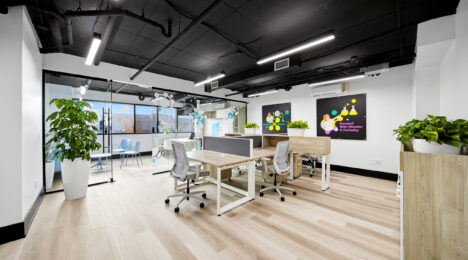
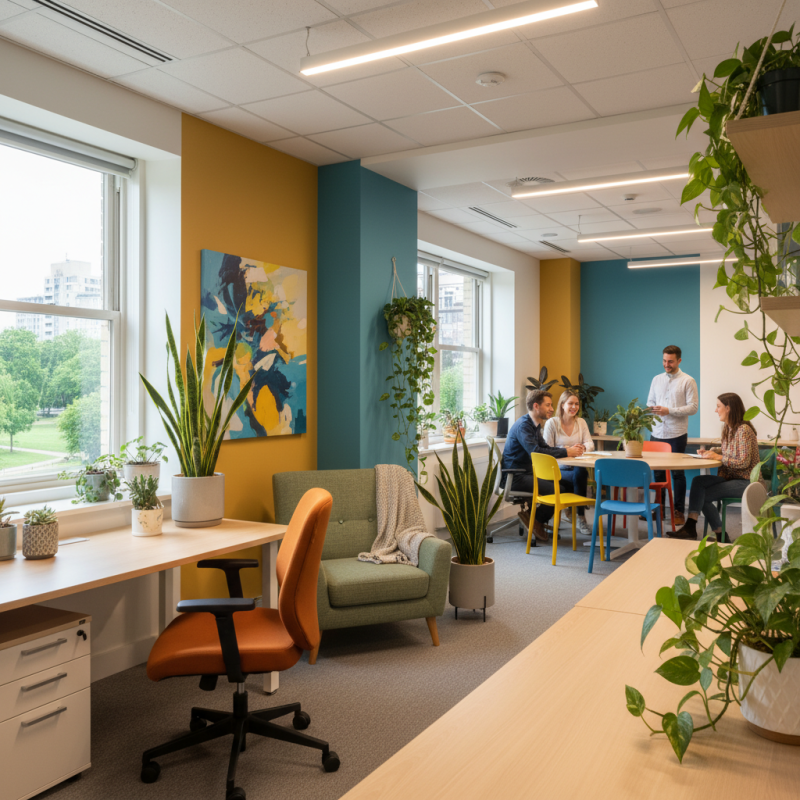
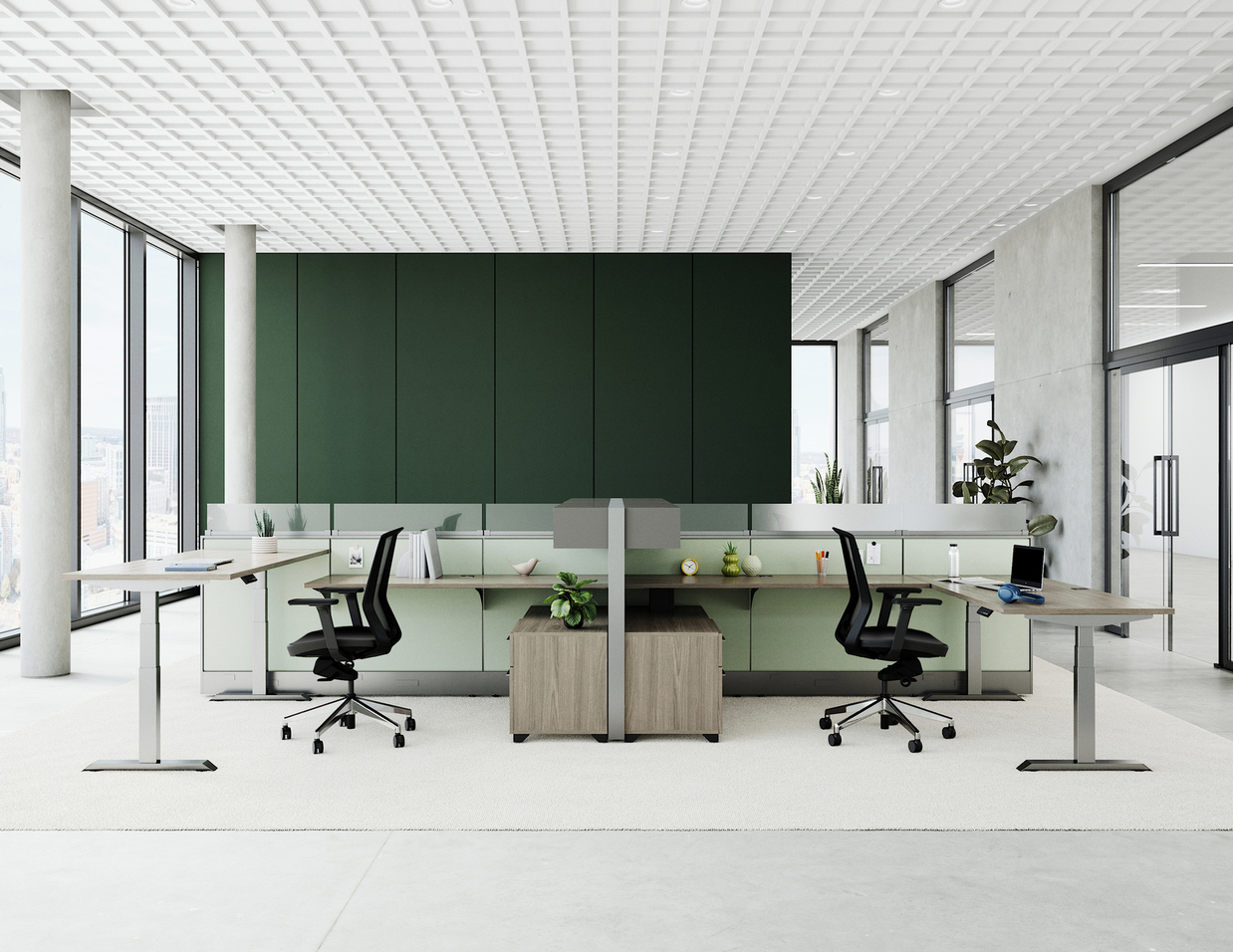
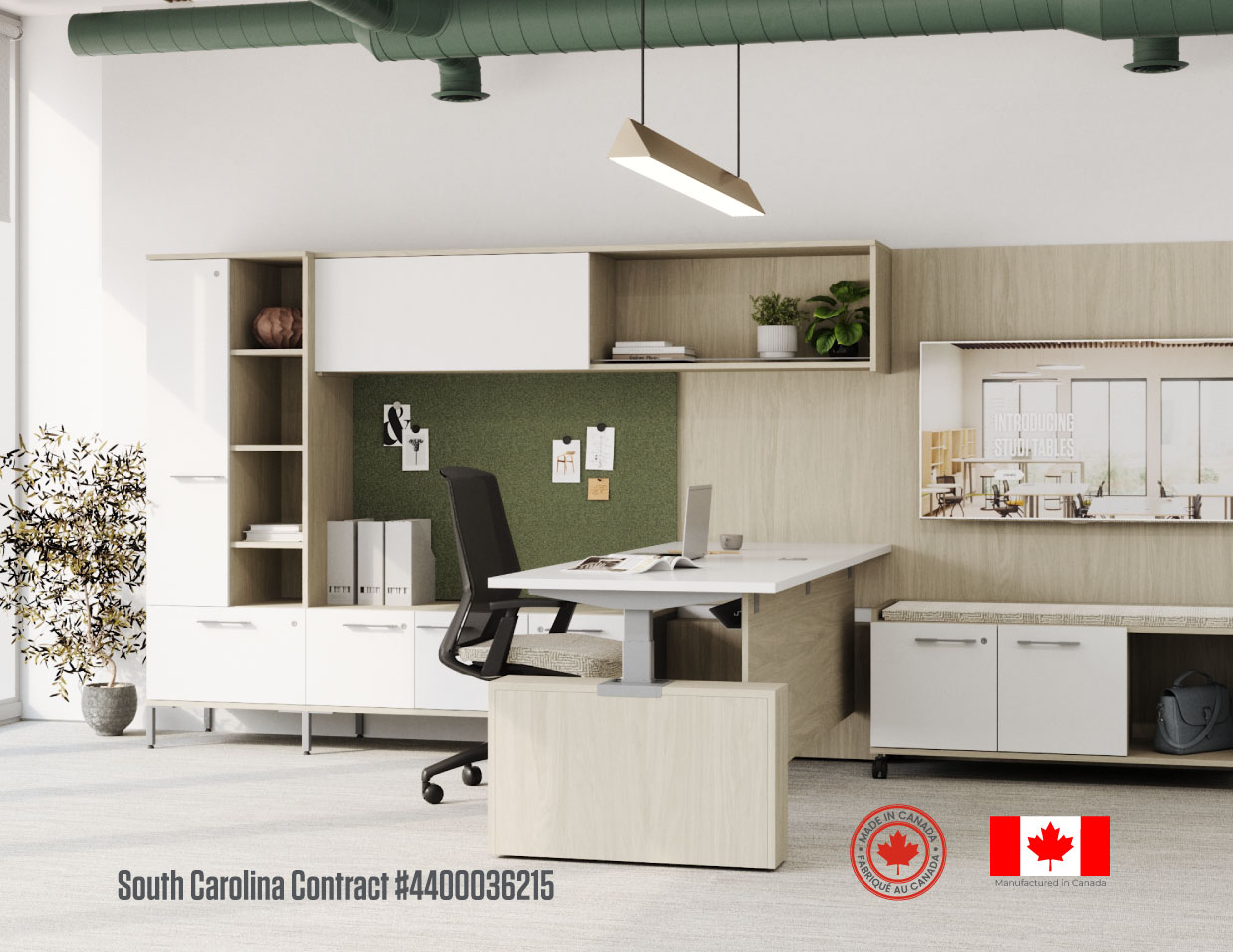
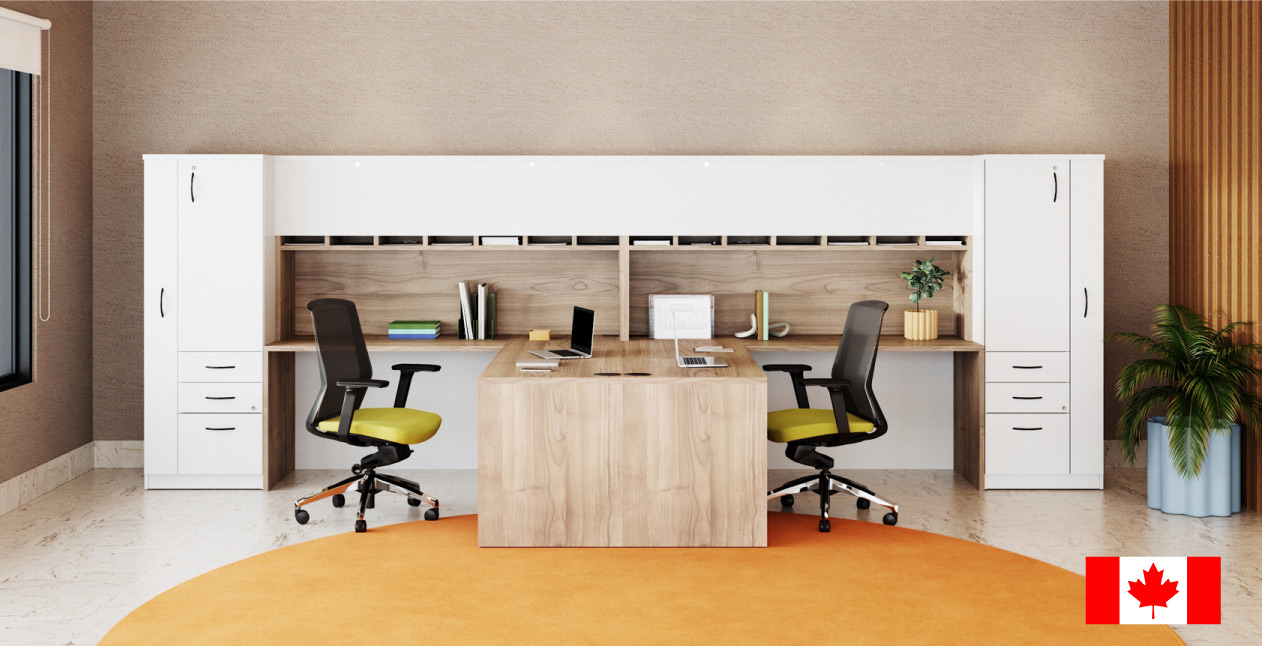
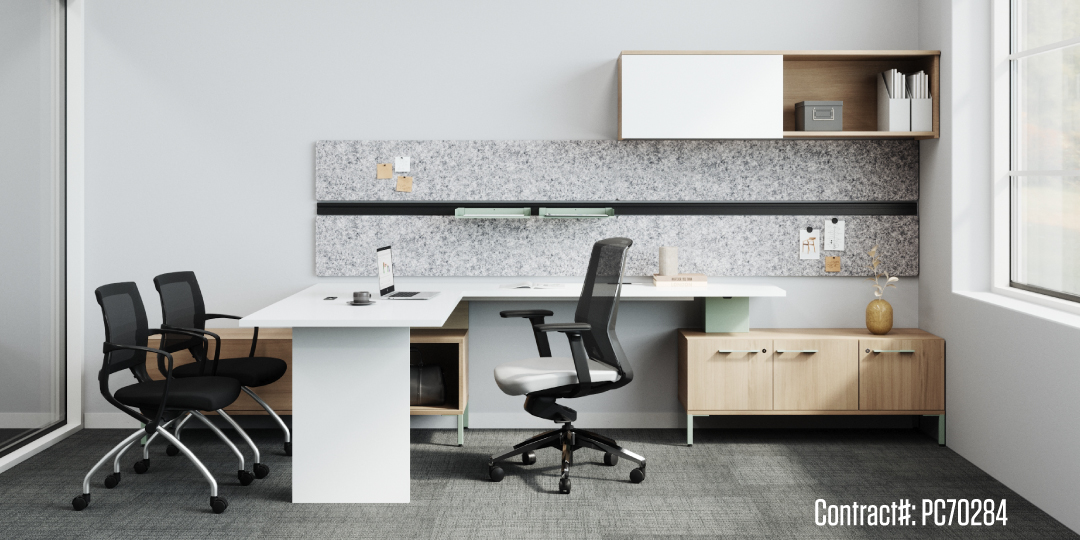
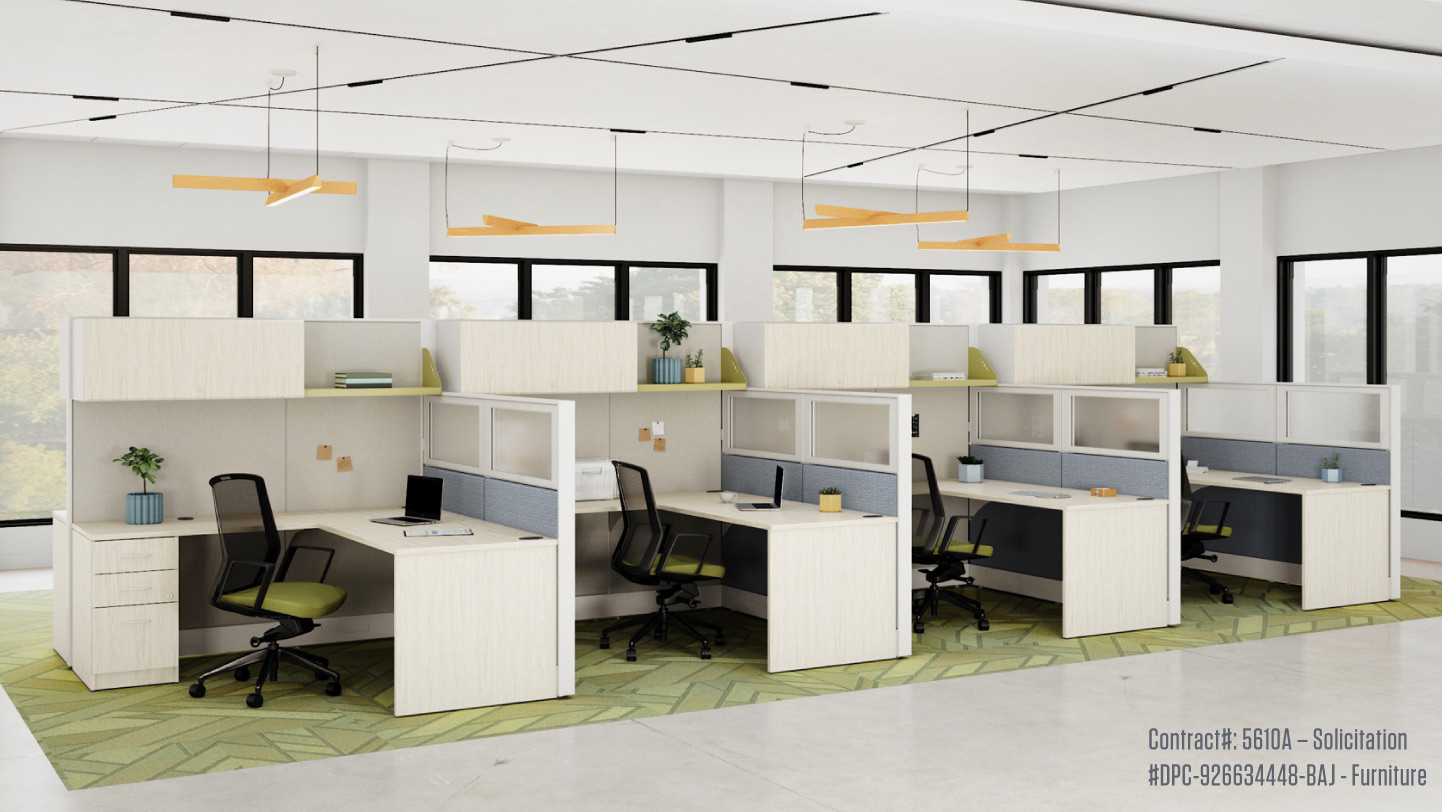
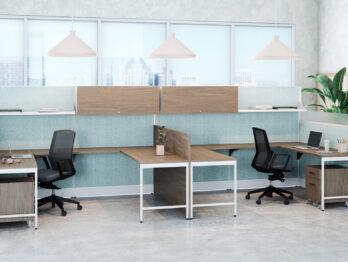
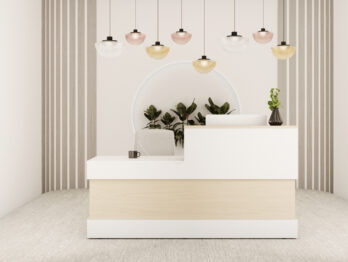
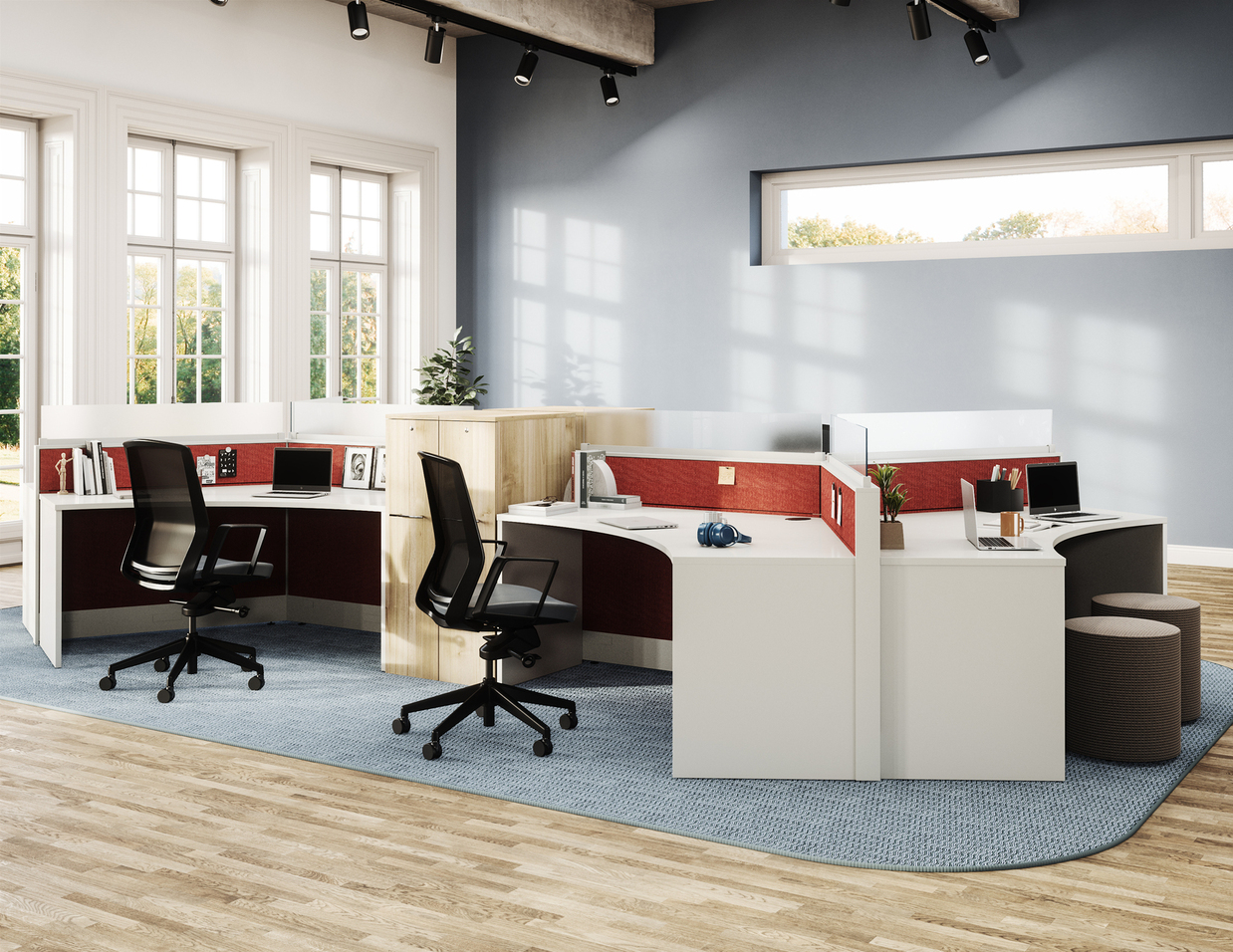
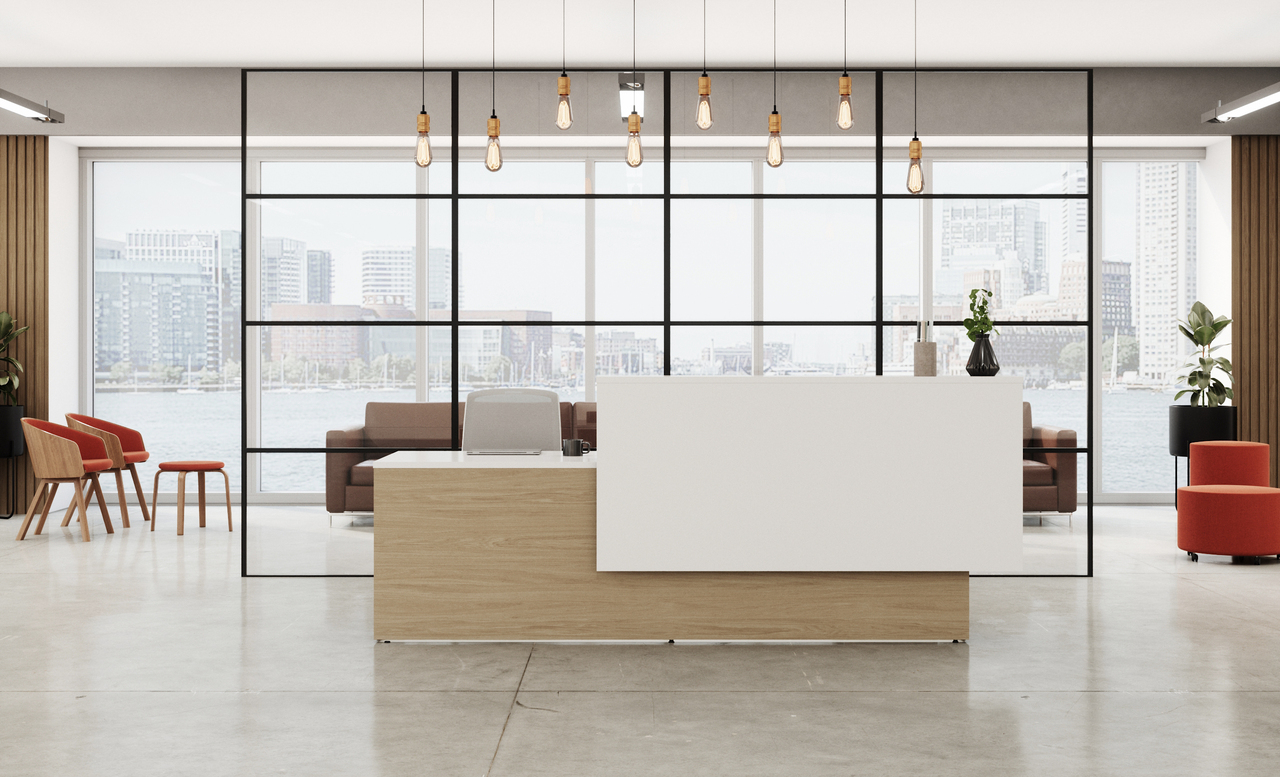
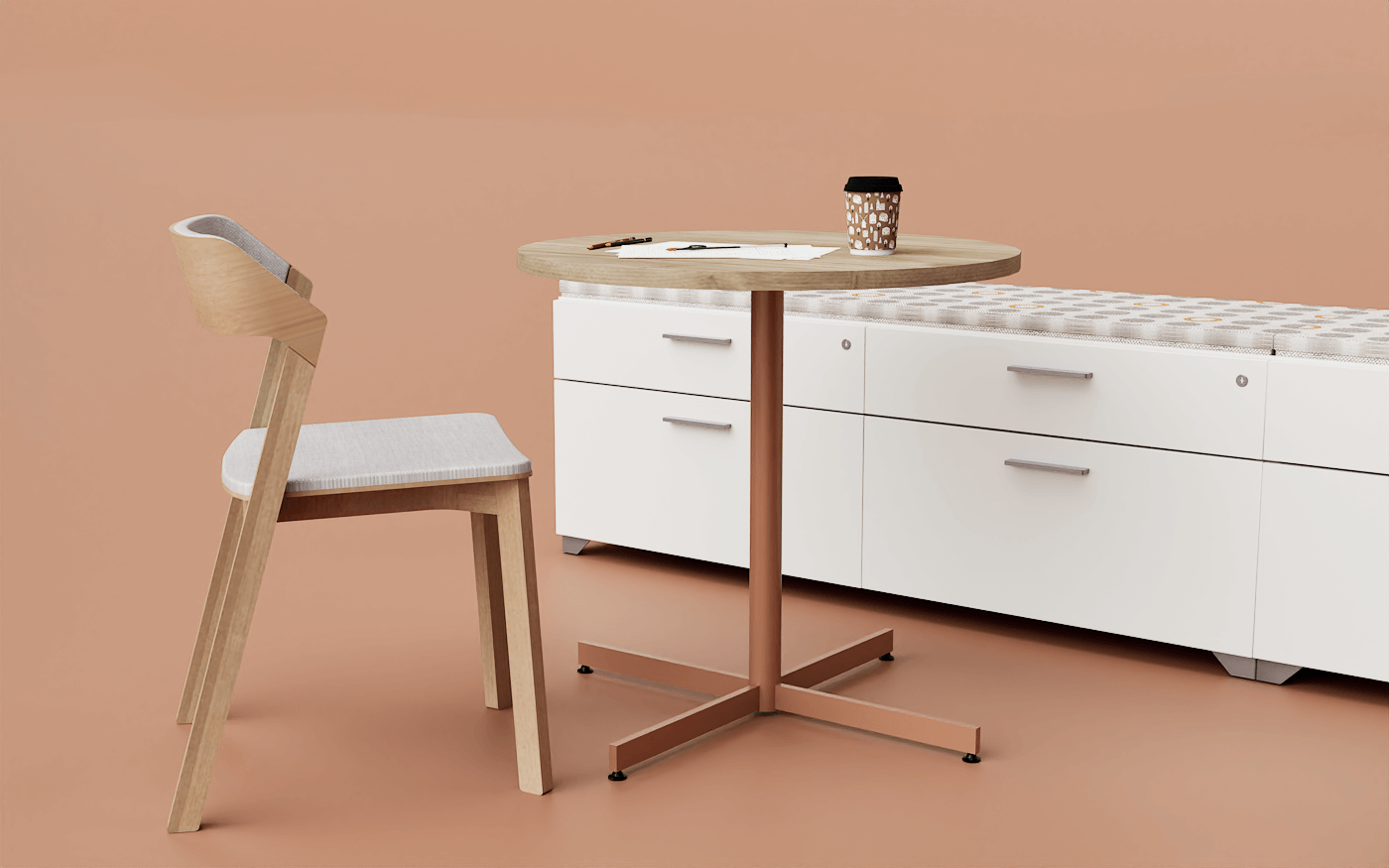
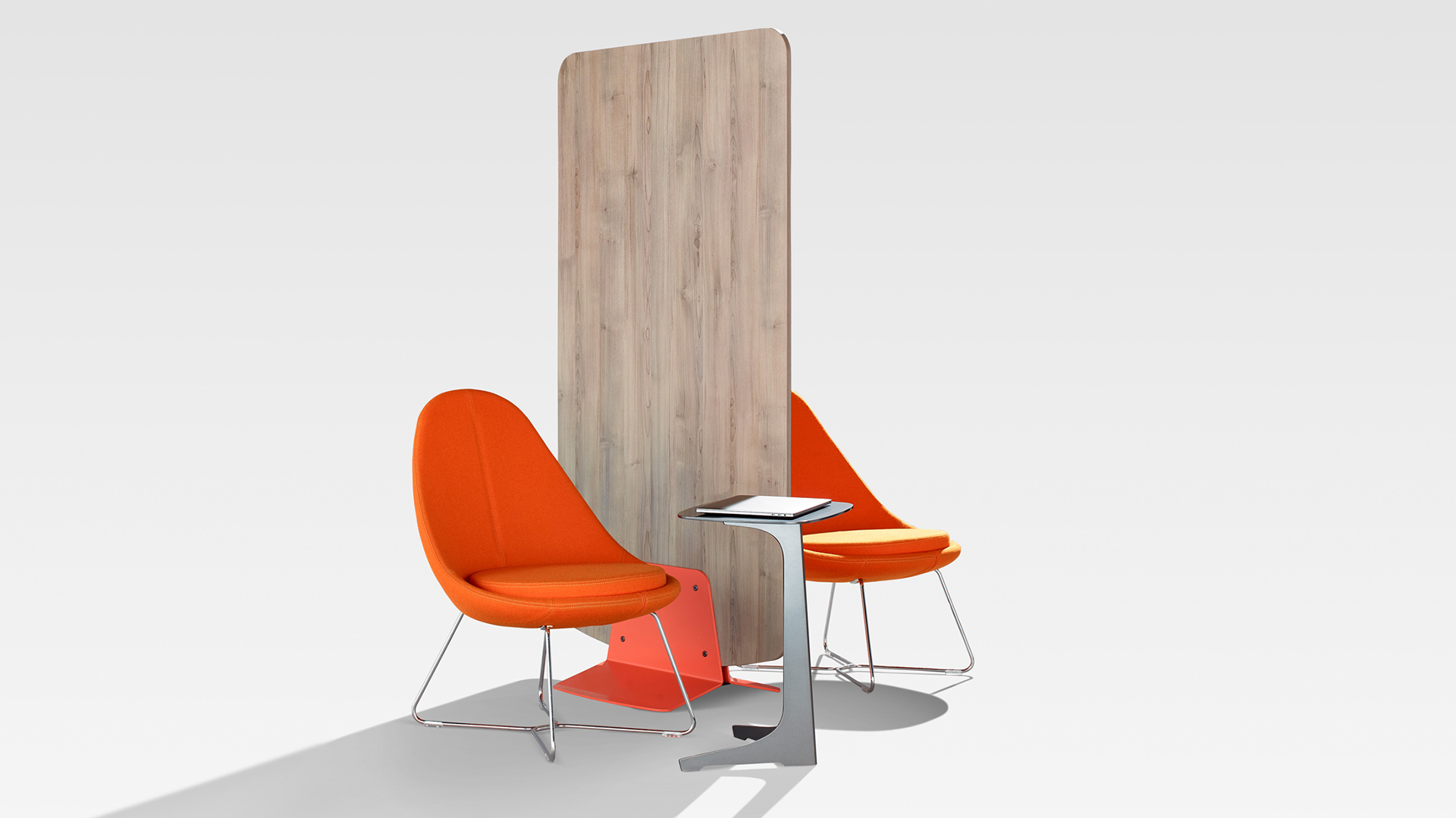
Imagine walking into an office filled with vibrant colors. You notice plants in every corner, offering life and freshness. A comfortable chair invites you to sit longer and focus. Each detail matters, from artwork on the walls to the soft lighting overhead. Effective office decor should create a balance between functionality and aesthetics.
However, not every decor choice is effective. Some designs can be overwhelming or impractical. It's important to reflect on how each element impacts your work. Are the colors energizing or distracting? Does the layout encourage collaboration or isolate employees? Finding the right office decor requires thought and experimentation.
What is Office Decor and Its Importance in Modern Workspaces?
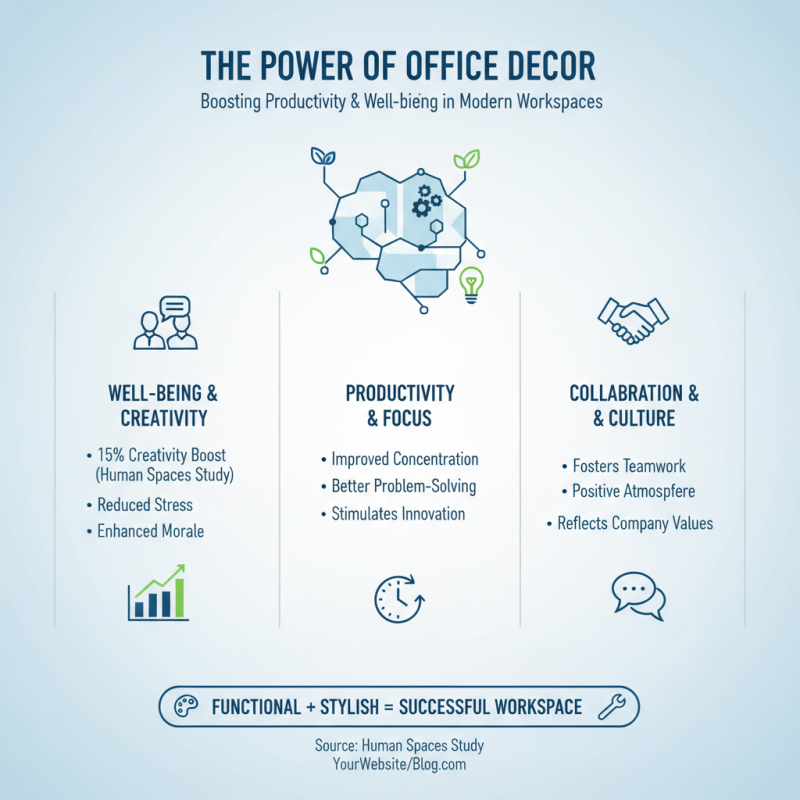
Office decor plays a crucial role in shaping modern workspaces. It’s not just about aesthetics; it directly impacts employee productivity and morale. According to a study by Human Spaces, well-designed workplaces can improve creativity by 15% and enhance employee well-being. A thoughtful decor can foster collaboration and reduce stress. It's about finding the right balance between functionality and style.
To enhance your office decor, consider these tips: incorporate natural elements like plants. A splash of green can boost mood and reduce fatigue. Use artwork that resonates with your team. This personal touch encourages connection and pride in the workspace. Furthermore, proper lighting can transform a dull area into an inviting zone. Natural light should be prioritized when possible.
However, not all decor choices resonate with every employee. Some may feel overwhelmed by bright colors or cluttered spaces. It’s essential to reflect and adapt the decor according to the needs of the team. Gather feedback regularly to ensure that the office remains a motivating environment. In this way, you can create a space that not only looks good but feels good to work in as well.
The Impact of Office Decor on Employee Productivity and Well-being
Office decor plays a crucial role in enhancing employee productivity and well-being. Studies show that a well-decorated workspace can boost productivity by up to 20%. Colors, lighting, and furniture greatly influence moods and focus. For instance, natural light has been linked to improved mood and energy levels. Incorporating plants can reduce stress, enhance creativity, and purify air. One study revealed that employees with greenery in their workspace report a 15% higher well-being level.
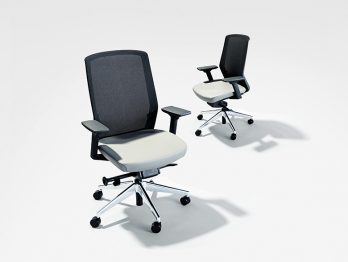
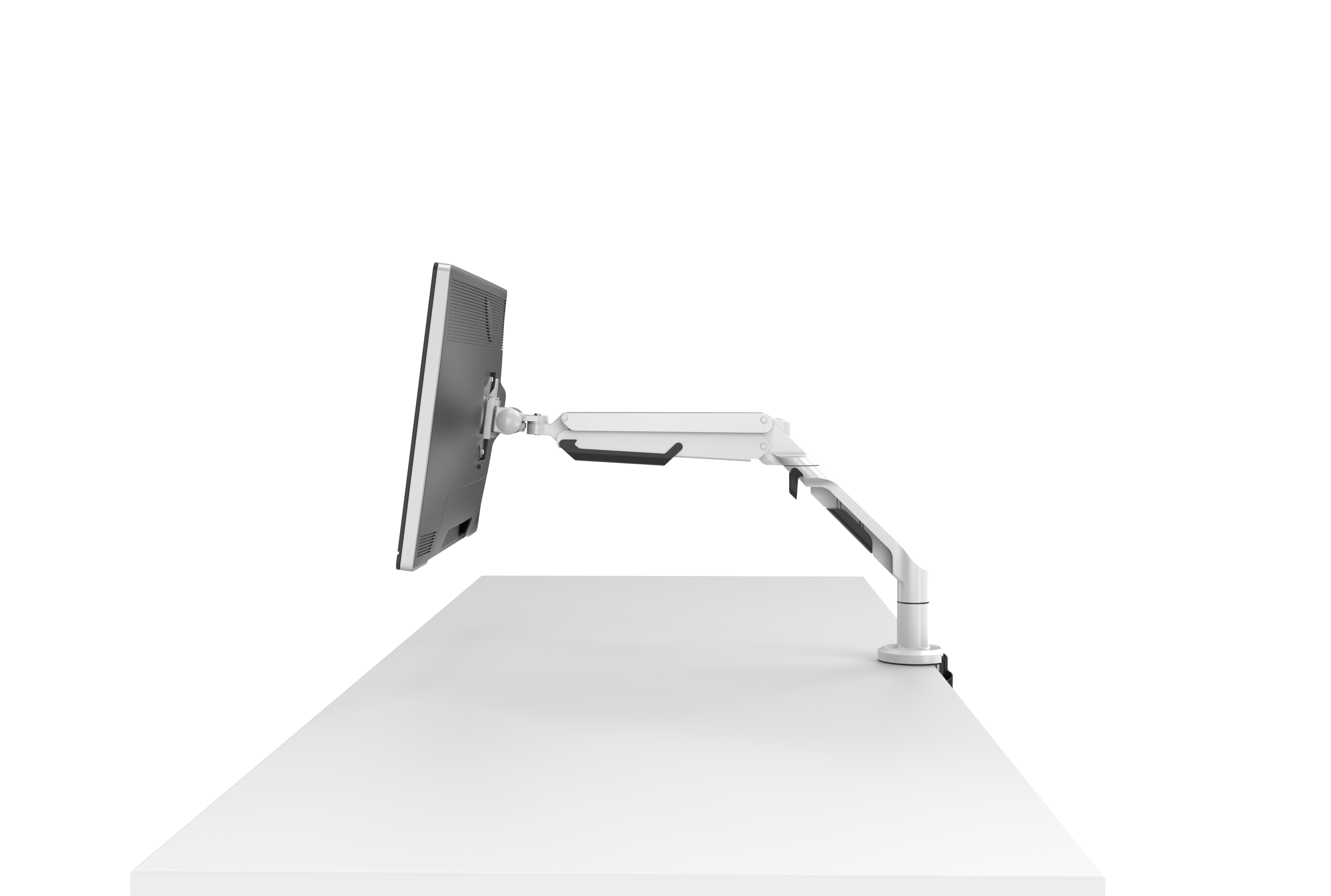
Tips for a better office environment: choose calming colors like blues and greens for walls. They create a serene atmosphere, helping to focus. Consider ergonomic furniture. This reduces discomfort and encourages healthy posture. Swap harsh fluorescent lights for softer LED options. Soft lighting can create a warmer, inviting environment.
However, office decor is subjective. Not every style works for all employees. Some may feel overwhelmed by bold designs. It's essential to find a balance that resonates with the team's diverse tastes. Regular feedback can ensure the decor evolves with the team’s needs. A cluttered or mismatched environment can hinder concentration. Hence, creating a harmonious and engaging office is a work in progress.
Key Elements of Effective Office Decor: Color, Lighting, and Furniture
Effective office decor is crucial for creating a productive workspace. Color significantly influences mood and performance. According to a study by the Institute for Color Research, color can increase productivity by 15%. Bold hues, like blue and green, promote creativity and focus. Neutral tones can feel sterile and uninspiring. It’s essential to find the right balance. Too much color can be overwhelming. Subtle accents can maintain energy without overstimulation.
Lighting plays a vital role as well. A report from the American Society of Interior Designers notes that 68% of employees believe good lighting improves their workflow. Natural light is ideal. It reduces eye strain and enhances overall well-being. However, many offices lack adequate windows. Overhead fluorescents can create a harsh environment. Incorporating adjustable desk lamps or indirect lighting can help.
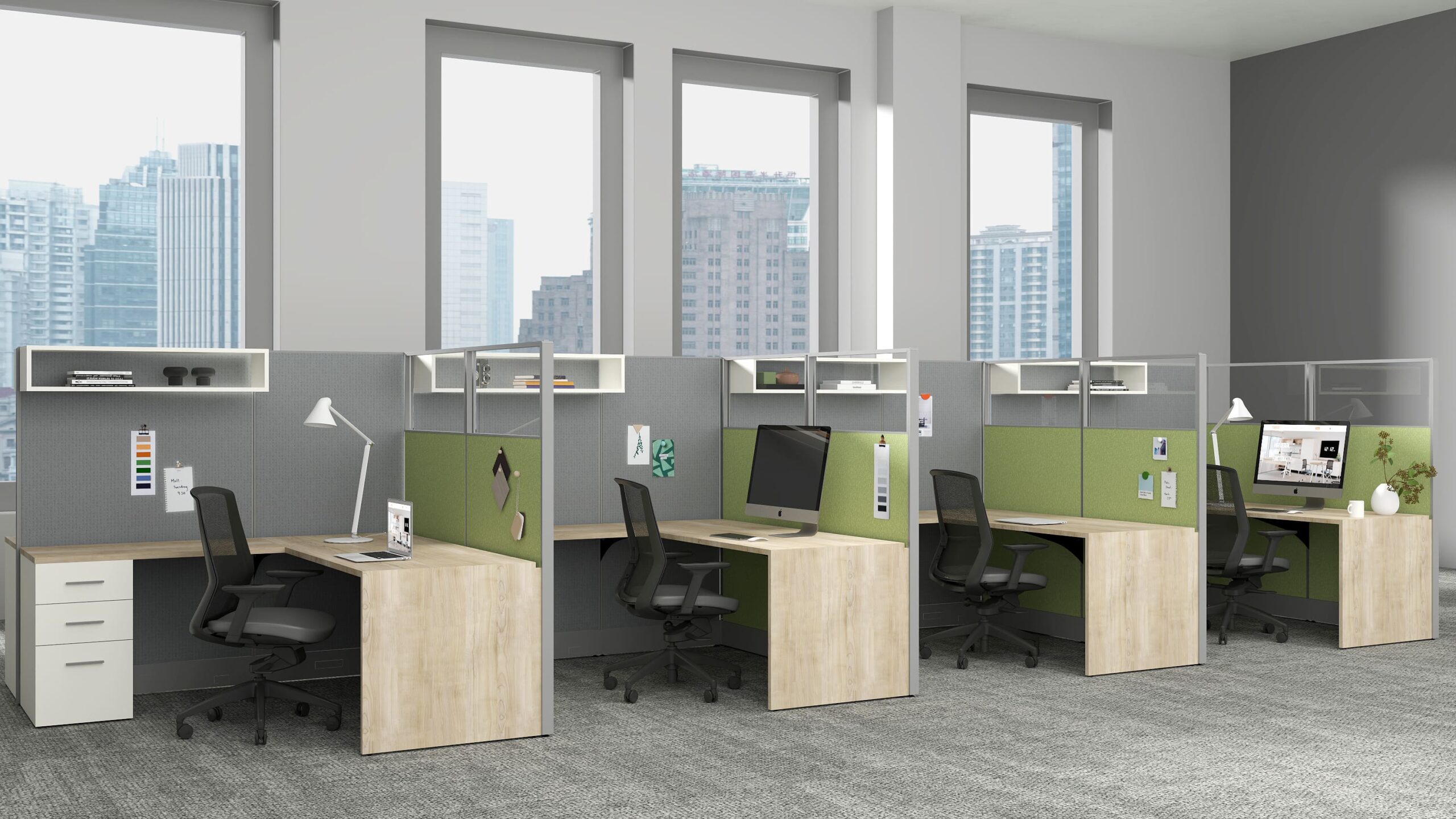
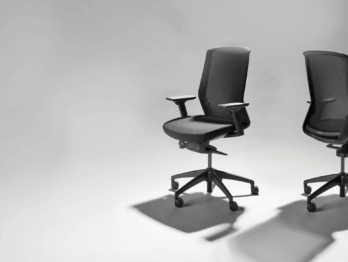
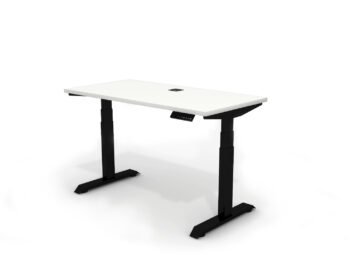
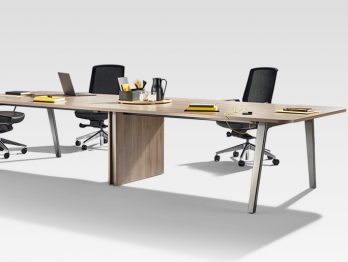
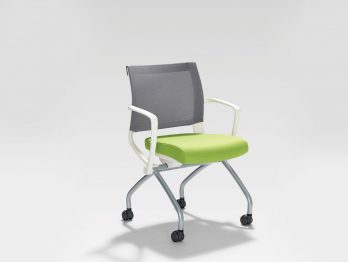
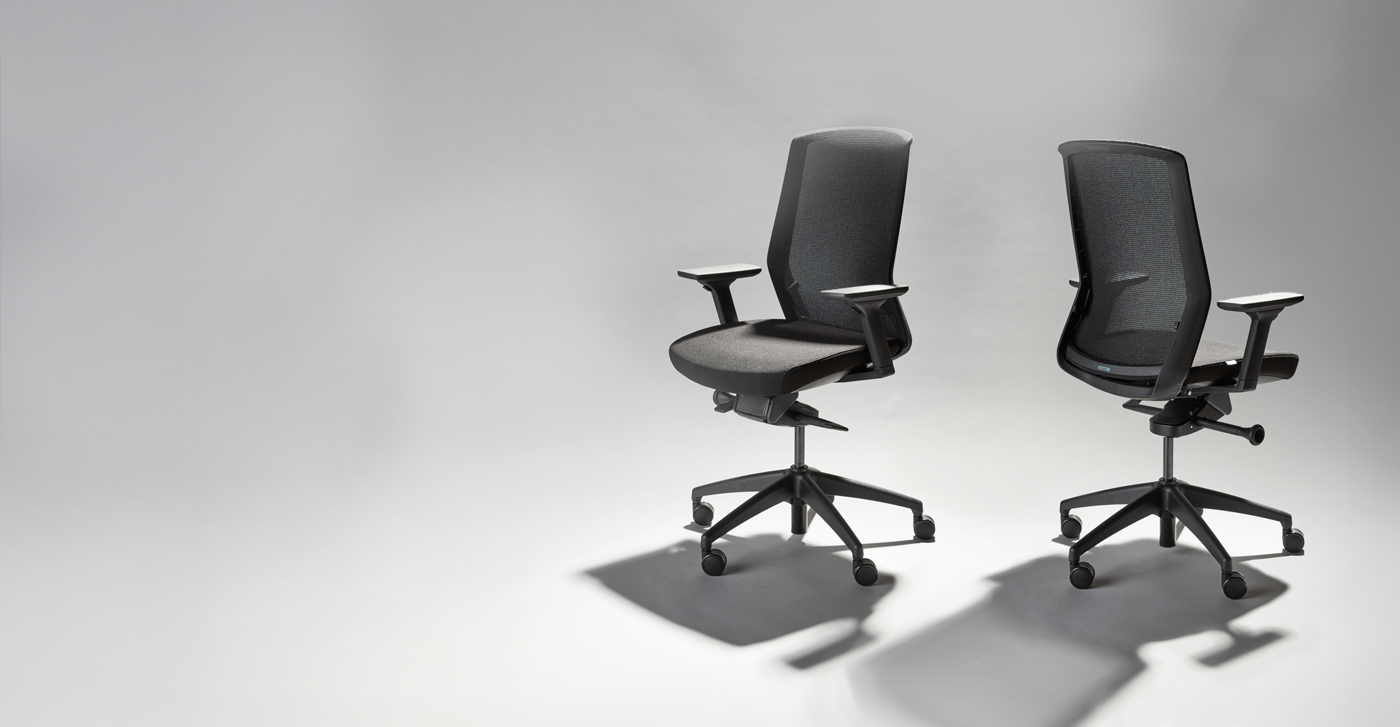
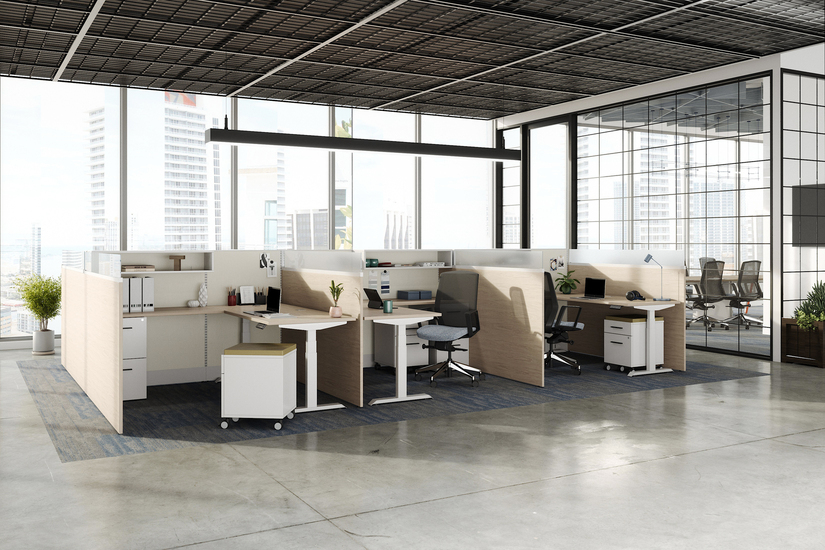
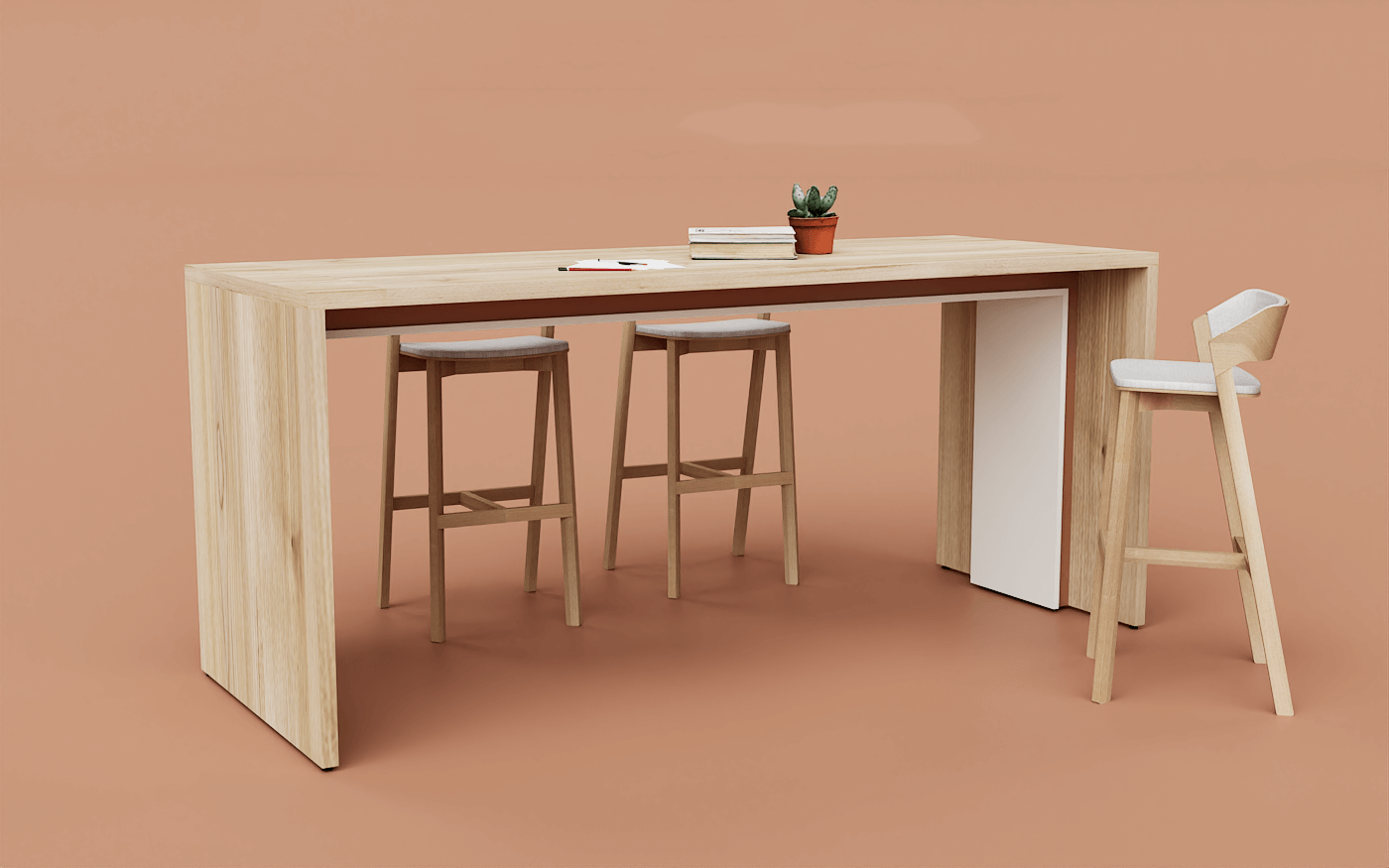
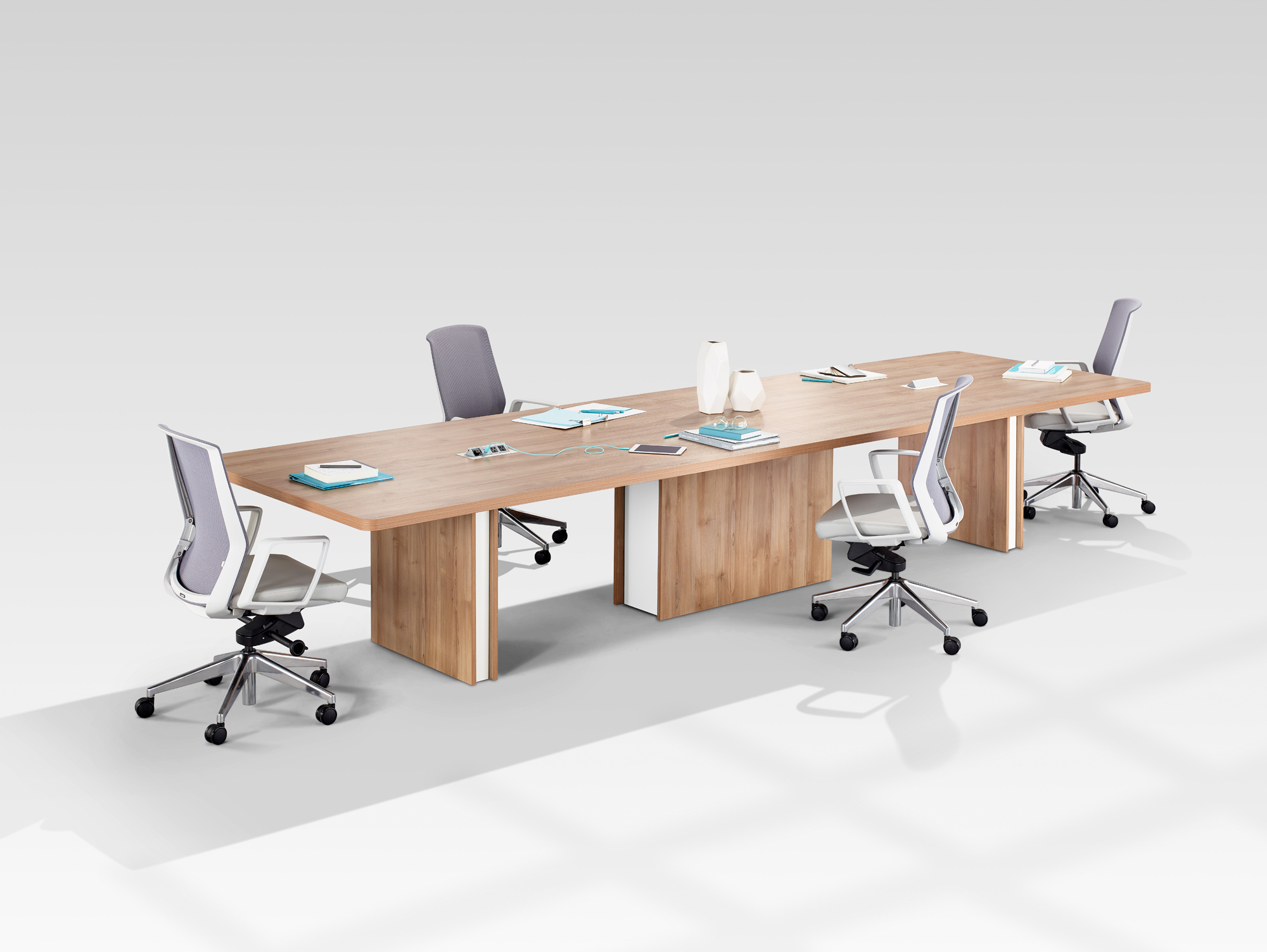
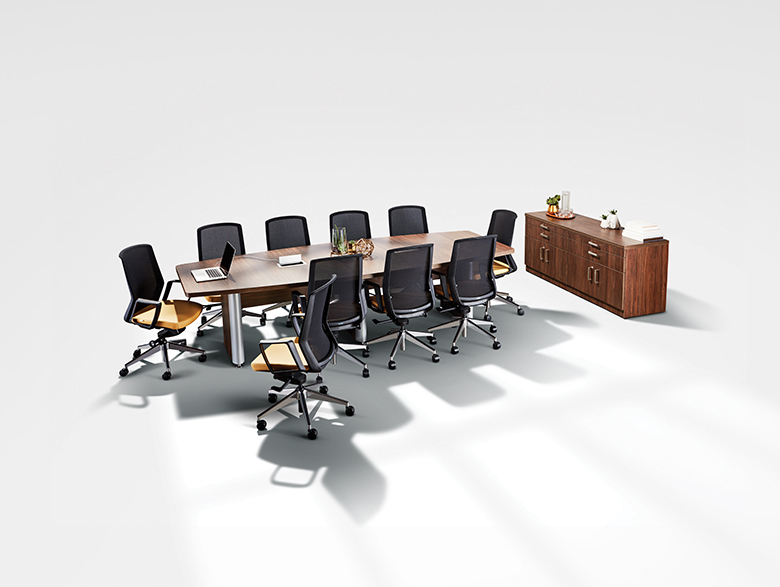
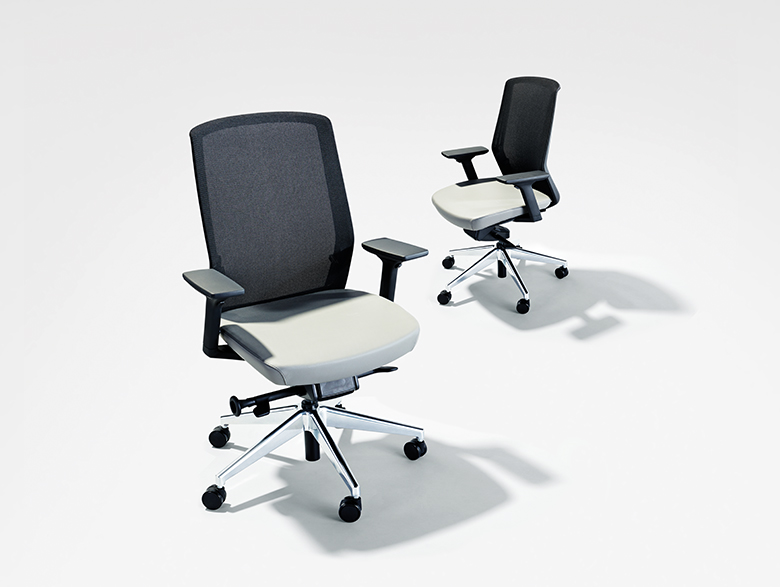
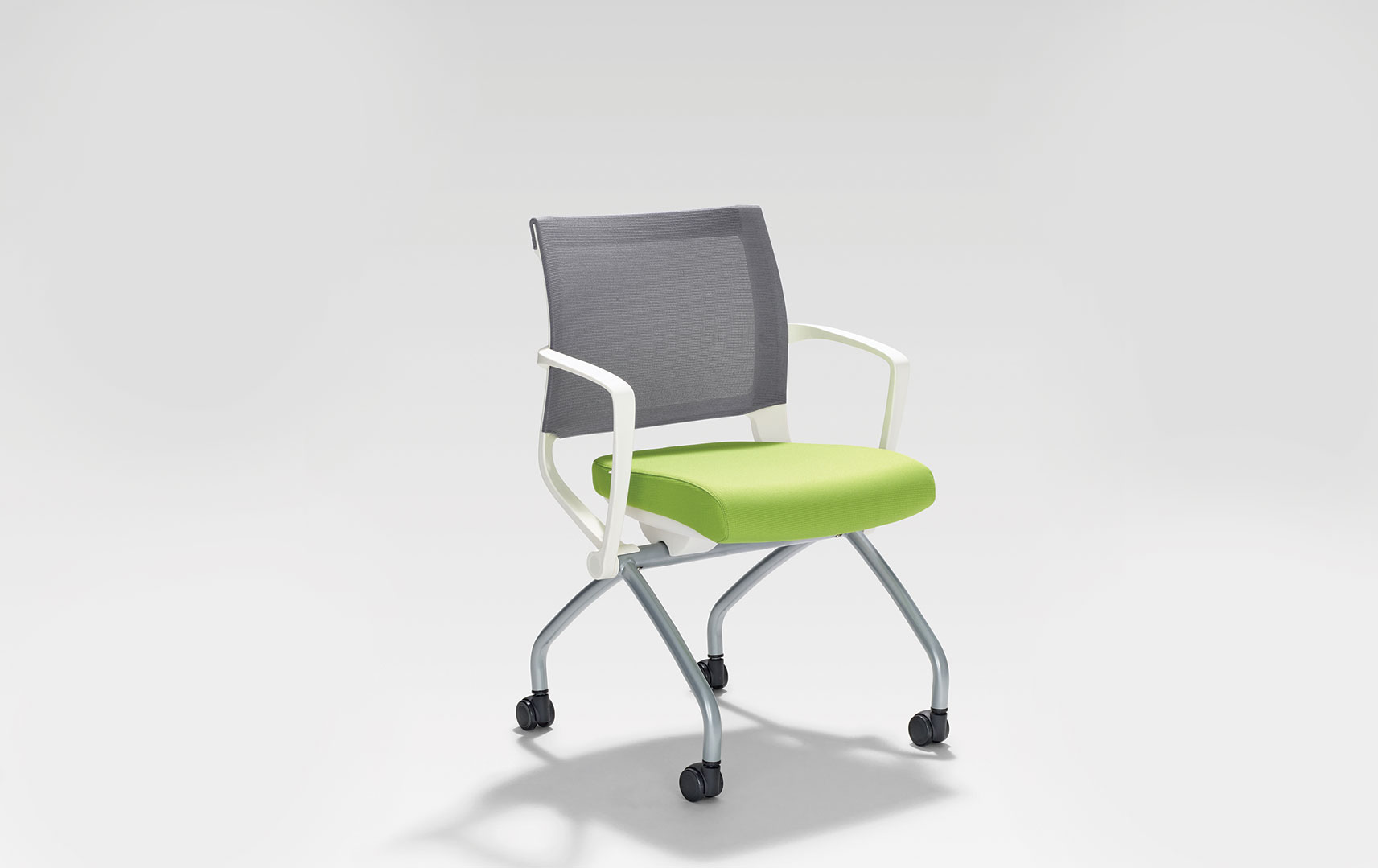
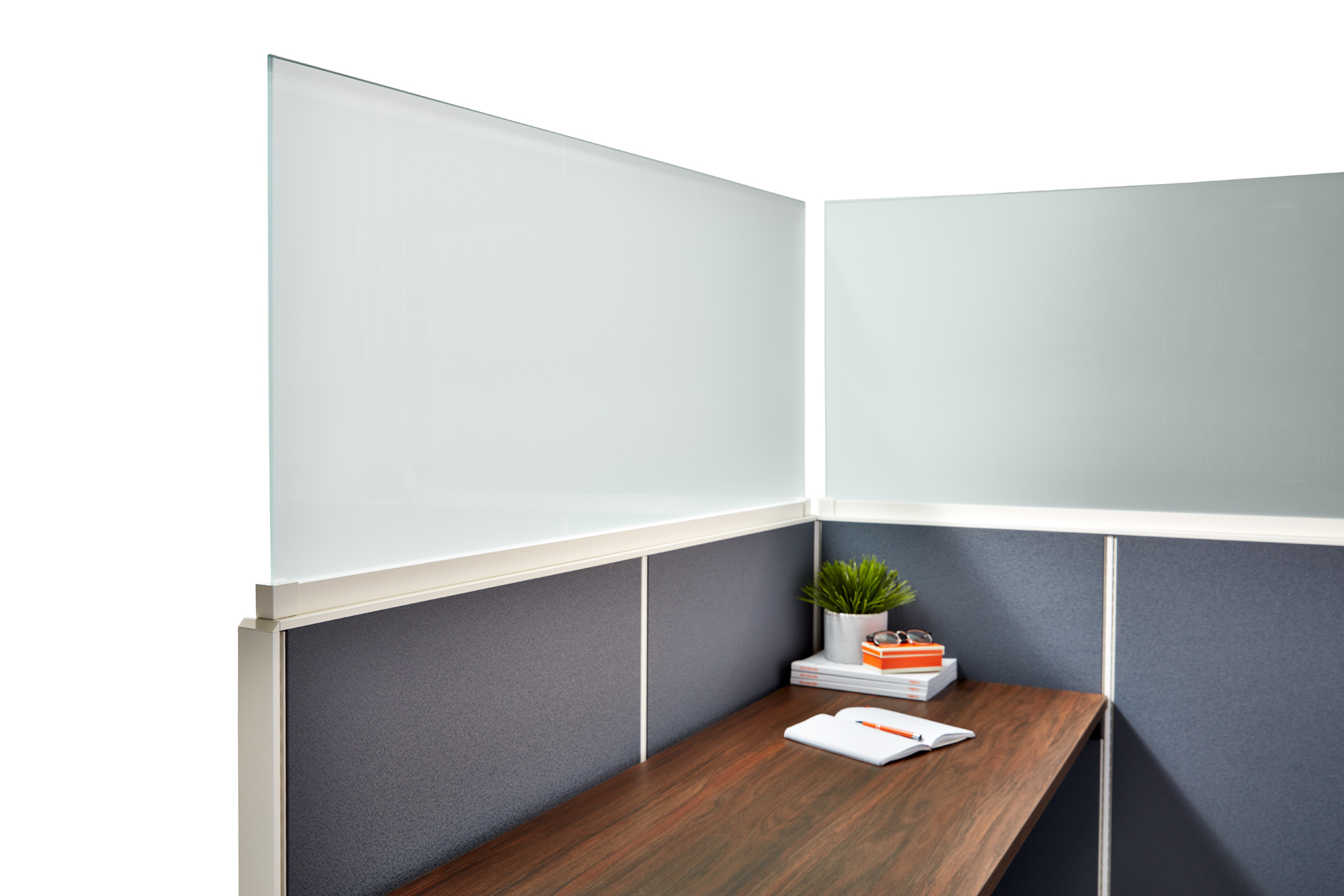
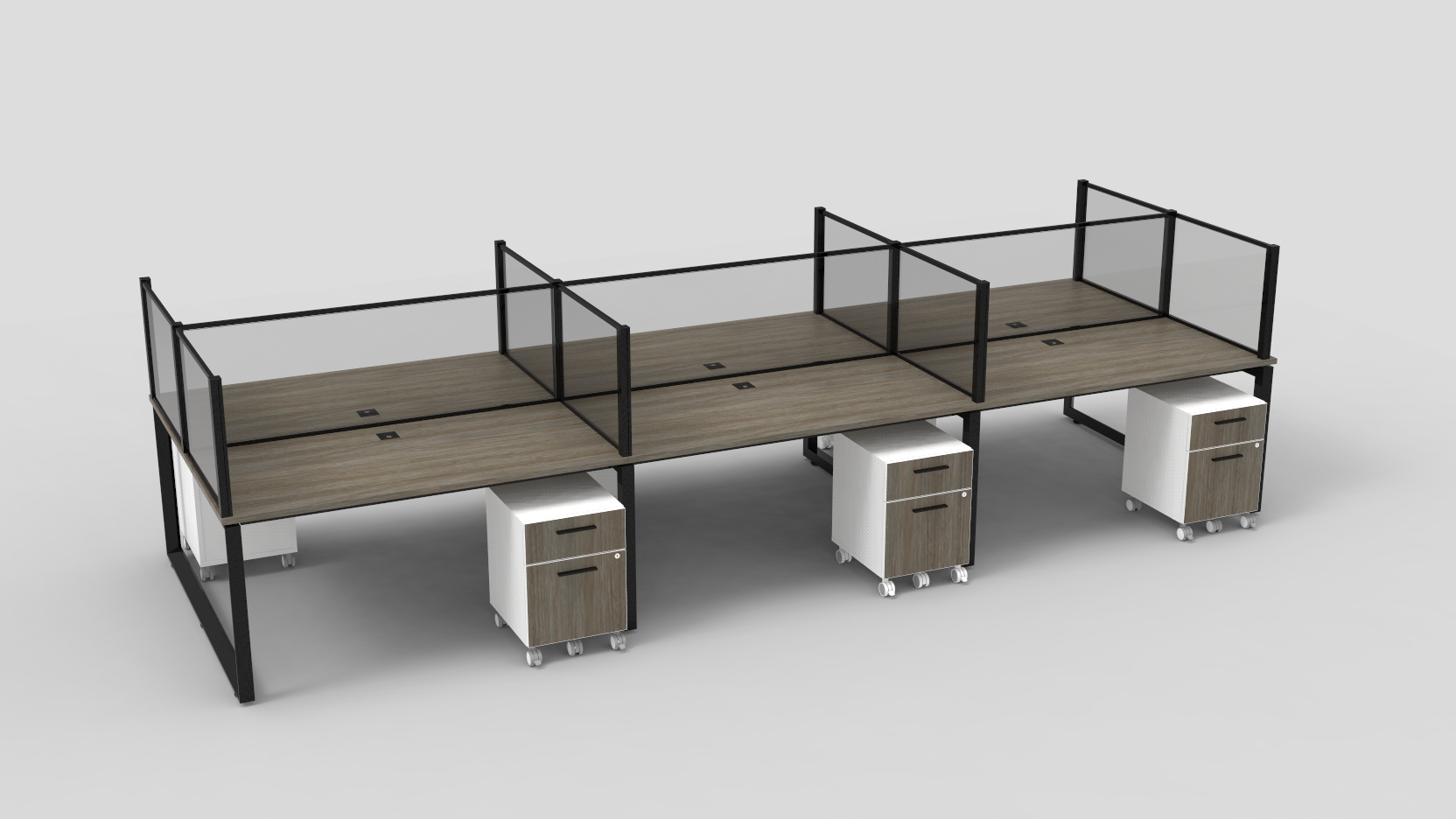
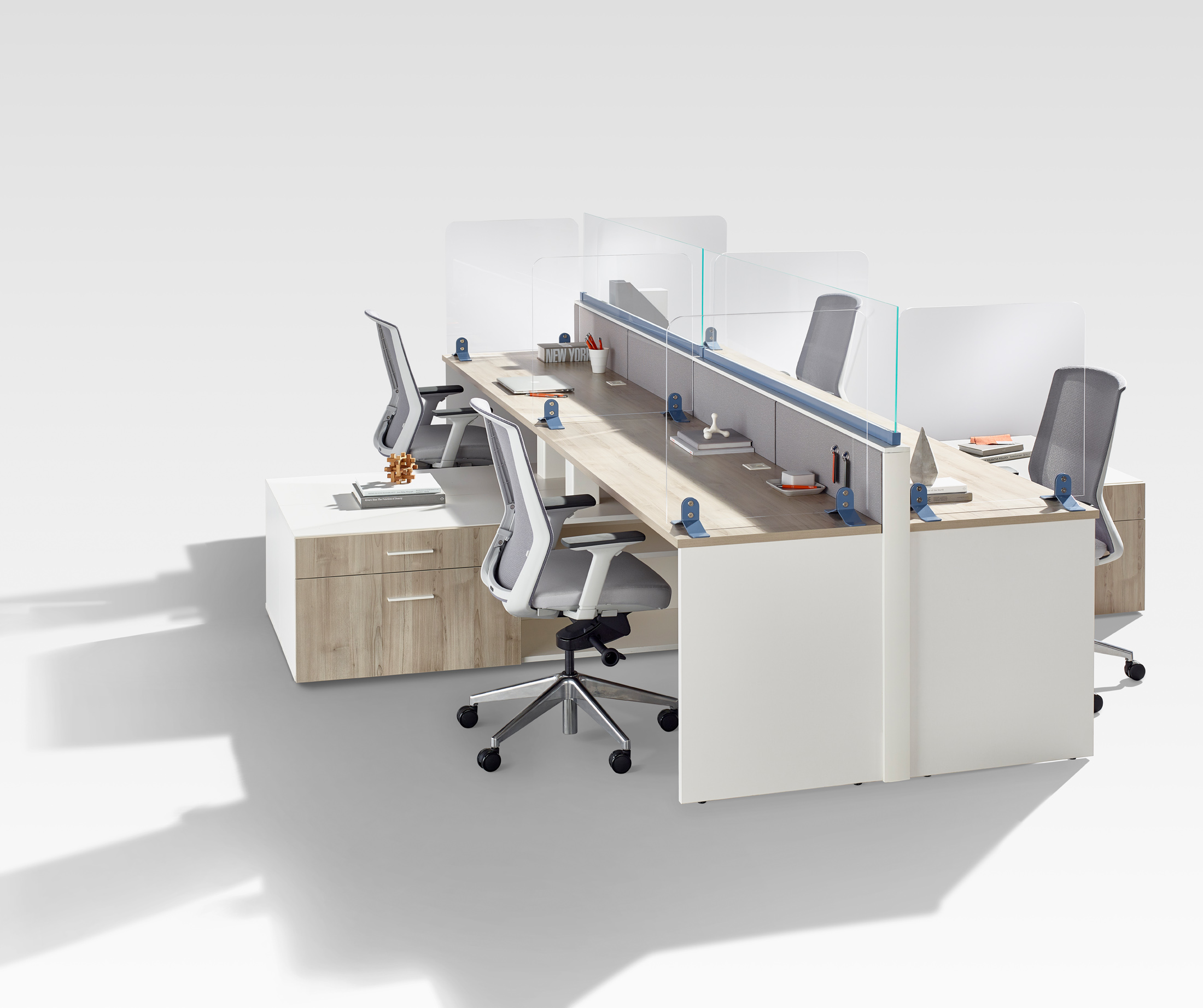
Furniture choices also impact comfort and productivity. Ergonomic designs prevent strain and promote longer hours of efficiency. A study from the World Health Organization highlights that poor seating can lead to musculoskeletal issues, affecting morale. The right desk layout is equally important. Open layouts can encourage collaboration, but they may also create distractions. It's crucial to strike a balance in the arrangement. Each element should complement the others. Reflection is needed on how these factors can align with employees’ needs.
Trends in Office Decor: Biophilic Design and Open Spaces
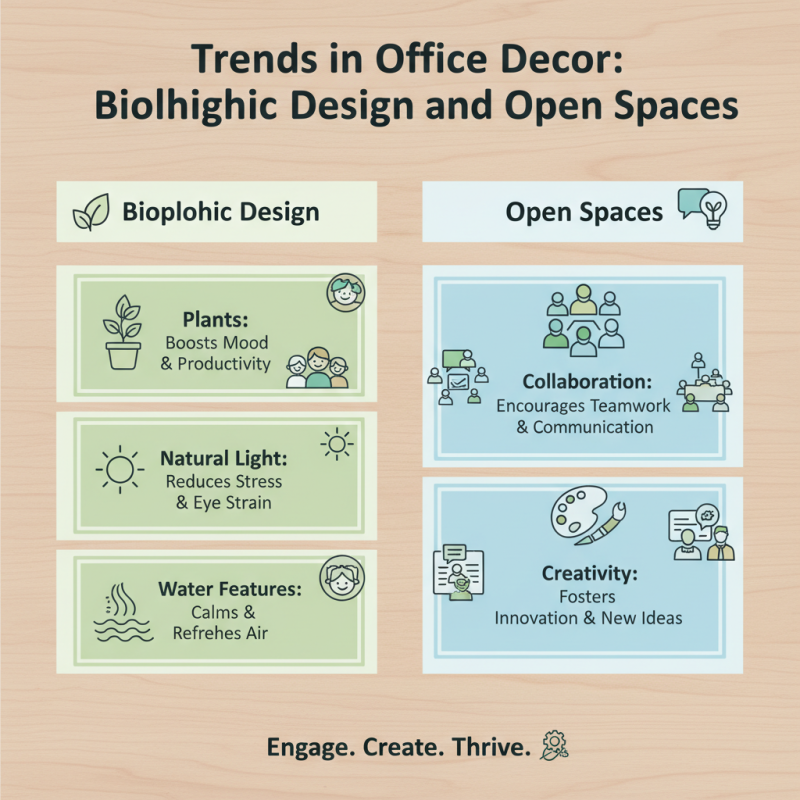
Biophilic design is reshaping modern offices. This concept emphasizes the connection between humans and nature. Plants, natural light, and water features bring life to sterile environments. Open spaces promote collaboration and creativity. Employees feel more engaged in environments that mimic nature.
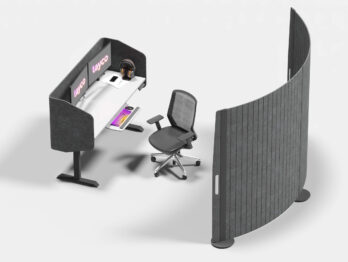
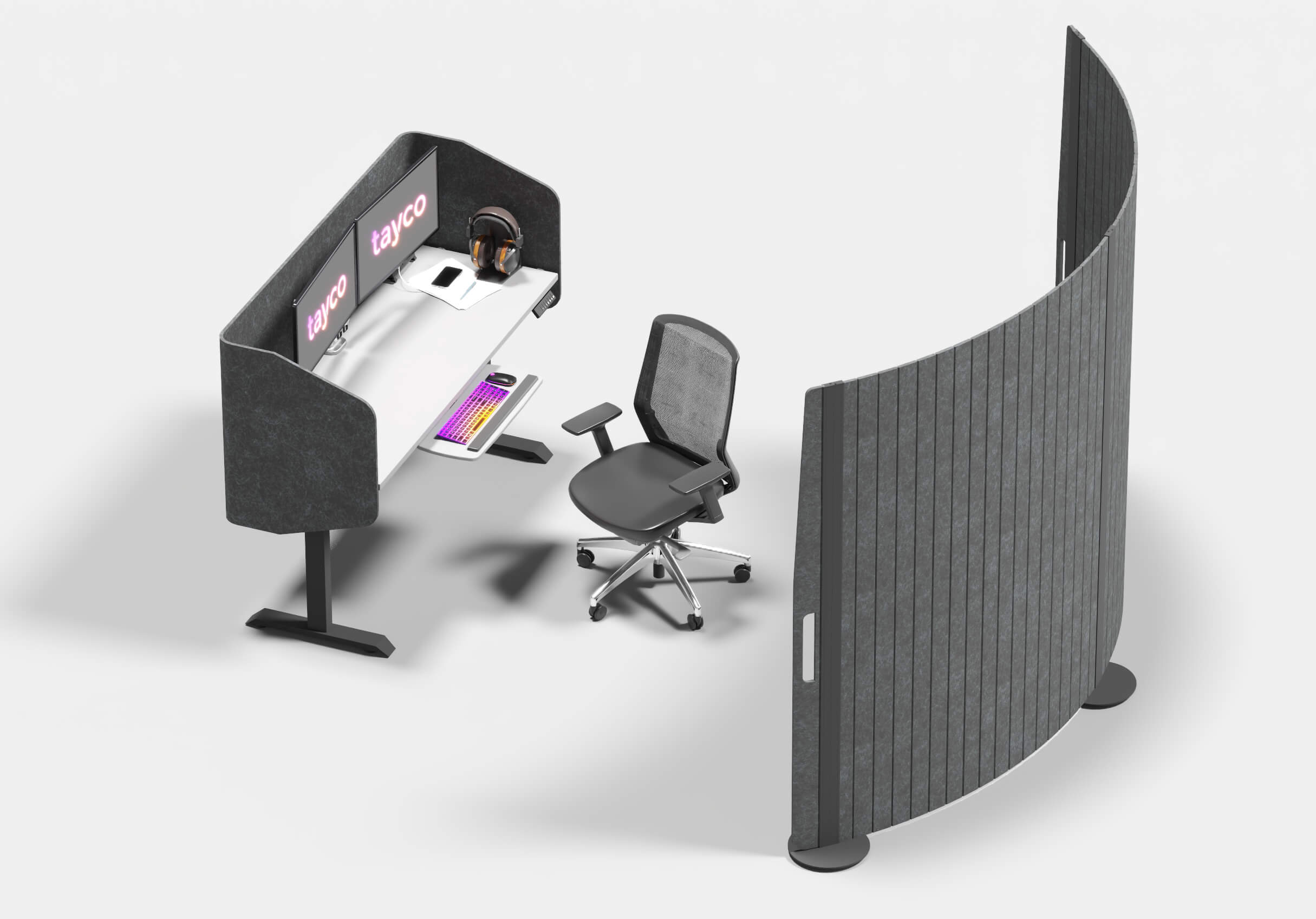
Open offices can feel chaotic or distracting at times. Without proper sound management, privacy suffers. It’s essential to balance openness with quiet zones. Some companies choose to incorporate both styles, creating areas for focused work.
However, more plants mean more maintenance. Not all employees have a green thumb. A thoughtful approach is crucial to maintain aesthetics and functionality. The goal is to create a harmonious balance, one that invites fresh ideas while allowing for personal space.
Measuring the ROI of Office Decor Investments in a Business Environment
Investing in office decor can yield significant returns for businesses. A well-designed workspace can boost employee morale. It enhances creativity and productivity. When employees feel inspired, their output improves. This connection between decor and performance is often overlooked. Some may underestimate its impact.
Calculating the ROI of decor investments isn't straightforward. There are tangible and intangible benefits. For example, happier employees may stay longer, reducing turnover costs. However, measuring happiness is tricky. Surveys can help, but results can be subjective. Aesthetic appeal matters, but so does functionality. A beautiful space that hinders workflow can be counterproductive.
Considering team feedback is vital. Employees often have insights on what makes them feel motivated. Simple changes, like adding plants or art, can refresh monotonous environments. Yet, there’s a risk of over-personalizing spaces. What one person loves, another might dislike. Striking the right balance can be challenging, but it's worth the effort for lasting benefits.