
Tayco Office Furnishings Inc.
400 Norris Glen Rd.
Toronto, ON M9C 1H5
T: (416) 252-8000
T: (800) 675-4092
F: (416) 252-4467
[email protected]
Tayco Office Furnishings Inc.
400 Norris Glen Rd.
Toronto, ON M9C 1H5
T: (416) 252-8000
T: (800) 675-4092
F: (416) 252-4467
[email protected]
Sourcing Stylish High Heels from global suppliers requires more than attractive photos and low quotations. Buyers need to evaluate design quality, production capability, communication, and long-term reliability. A supplier may present elegant stilettos with sharp lines, soft insoles, and polished metal details, yet the physical sample can reveal uneven stitching or unstable heels. Pictures can mislead.
A practical sourcing process starts with a clear product brief. Define heel height, upper materials, colors, sizes, packaging, target price, and expected order quantity. Then compare factories through verified business information, sample reviews, production records, and customer references. Factory audits can help confirm equipment, working conditions, quality procedures, and capacity. Independent testing may also verify material safety, heel strength, colorfastness, and slip resistance.
Communication matters.
Reliable suppliers explain limitations instead of promising everything. Ask how they handle size grading, replacement parts, inspection failures, and shipment delays. A detailed purchase agreement should record approved samples, tolerances, delivery terms, payment stages, and corrective actions. Regional regulations must also be checked before selling, especially for labeling, packaging, chemical restrictions, and consumer safety.
Experience shows that the cheapest quotation rarely represents the lowest total cost. Freight changes, defects, missed seasons, and returns can quickly damage margins. Still, no sourcing checklist is perfect. Early assumptions may fail when trends change or a supplier expands too quickly. Buyers should review performance after every order and refine their standards. With careful verification, transparent records, and realistic expectations, global sourcing can produce fashionable, dependable high heels without sacrificing trust or commercial control.
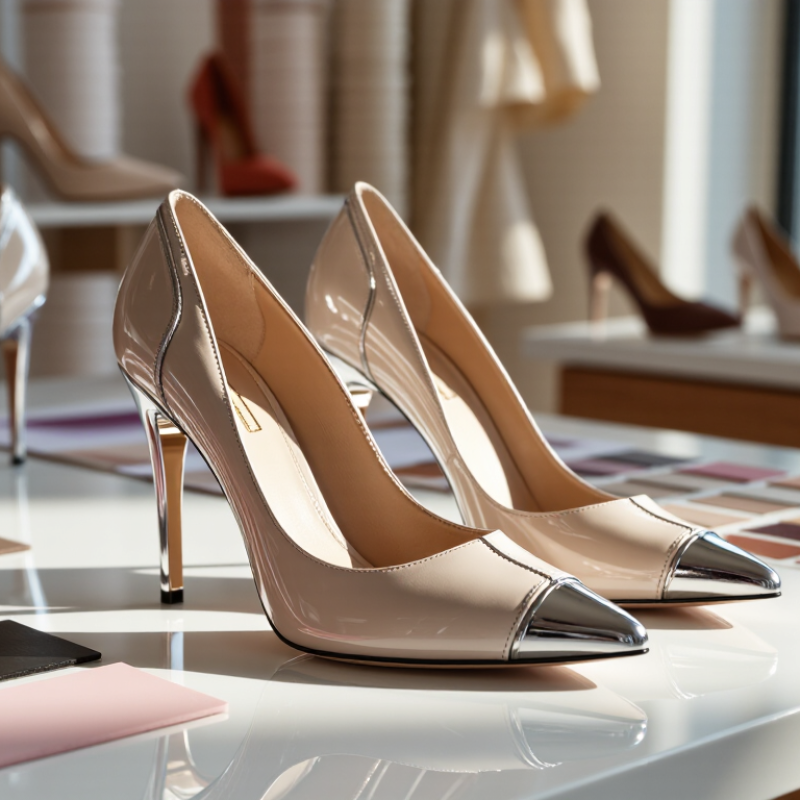
Sourcing stylish high heels begins with a precise product definition. Describe the silhouette, heel height, toe shape, color palette, and intended occasion. A simple reference image is not enough. Add measurements, material expectations, stitching details, and packaging requirements. Specify whether the shoe should feel elegant, modern, playful, or understated. Style must match the customer’s daily reality, not only seasonal trends.
Quality standards should be measurable before contacting global suppliers. Request material samples, construction photos, size charts, and pre-production samples. Check heel stability, sole flexibility, lining comfort, and edge finishing. Test the shoes on different foot shapes and walking surfaces. Details matter. A 90-millimeter heel may look attractive, yet customers could reject it after ten uncomfortable minutes. Ask suppliers about inspection procedures, defect tolerance, production capacity, and delivery consistency. Written standards reduce misunderstandings across languages and time zones.
Target customer needs should guide every sourcing decision. Office buyers may prefer moderate heels, cushioned insoles, and neutral colors. Evening customers may accept sharper designs but still expect secure straps and balanced weight. Consider climate, sizing habits, buying power, and local preferences. In supplier discussions, compare samples against customer feedback instead of personal taste. I once focused too heavily on appearance and underestimated walking comfort. That mistake changed my evaluation process. A stylish sample is only promising, not proven. Keep testing, documenting, and revising the brief before placing a larger order.

How to Source Stylish High Heels from Global Suppliers?
Researching global supplier markets requires more than comparing catalog photos and quoted prices. A polished image can hide weak heel bonding, uneven stitching, or uncomfortable insoles. I usually compare suppliers across production scale, technical skills, material access, and quality controls. Factories in different regions may excel at leather cutting, synthetic materials, hand finishing, or molded components. Ask for recent sample pairs, factory videos, production photos, and clear manufacturing specifications. Samples expose weaknesses.
Compare minimum order quantities, sampling fees, lead times, payment terms, and shipping routes. A low unit price may become expensive after tooling, inspections, duties, and delayed delivery. Request test records for heel strength, sole adhesion, color fastness, and material composition. Check whether the supplier can maintain the same measurements across multiple sizes. Reliable communication matters too. Measure response times and confirm who approves design changes. Small misunderstandings can alter toe shape or heel height.
Supplier audits should review worker safety, production cleanliness, equipment maintenance, and traceable material records. Independent inspections add useful evidence, especially before bulk production. Still, documents are not perfection. One supplier I trusted once delivered attractive samples but inconsistent size grading. That mistake changed my process. I now approve a measurement chart, tolerance range, and pre-shipment inspection plan in writing. Price is not proof. Manufacturing capability must be demonstrated repeatedly, under realistic production conditions.
Regional share of global footwear production in 2023, a useful first indicator when comparing potential sourcing markets for stylish high heels.
Asia accounted for the largest share of global footwear manufacturing, offering extensive supplier depth, material networks, and production scale. Europe and the Americas represent smaller production bases but may provide advantages for specialized, premium, or shorter-run manufacturing. Production share should be evaluated together with factory audits, minimum order quantities, quality systems, lead times, and compliance requirements.
Source: World Footwear Yearbook 2024, regional footwear production data for 2023.
How to Source Stylish High Heels from Global Suppliers?
Begin by checking each supplier’s legal business registration and operating history. Request factory details, production capacity, export experience, and recent quality records. A polished catalog can still hide weak processes. Ask for verifiable documents, not only screenshots or sales promises. Confirm whether the listed factory produces the shoes directly or uses another facility. That distinction affects communication, lead times, and quality control. Speak with a responsible production contact. Vague answers are warning signs.
Order samples before discussing large quantities. Examine the heel attachment, stitching, lining, outsole grip, and size consistency. Wear-test the shoes on hard flooring and carpet. Check whether the heel feels stable after repeated steps. Inspect the insole for rough edges and uneven padding. Small inconsistencies matter. Compare the sample with the technical specification sheet, including leather or synthetic material, color, heel height, and hardware. Material names can be unclear, so request composition details and care information.
Production standards should be written into the purchase agreement. Include acceptable defect limits, measurement tolerances, packaging requirements, and inspection timing. Ask whether workers follow documented procedures for bonding, stitching, and final checks. Photos from the production line help, but an independent inspection provides stronger evidence. I once underestimated packaging quality; attractive shoes arrived with crushed boxes and scuffed surfaces. That mistake changed my sourcing checklist. Supplier selection is never perfectly predictable, and even approved samples may not represent every production batch. Keep written records, retain a reference sample, and test the first finished shipment carefully.
How to Source Stylish High Heels from Global Suppliers?
A polished sample can hide expensive details. I compare at least three suppliers before discussing a serious order. My first quote comparison was too simple. I focused on unit price and missed packaging, inspection, and freight costs. Now, I request a complete price sheet with material, heel, size range, packing, and delivery terms. Ask whether prices change with different quantities. A small price reduction may not justify a large inventory commitment.
Minimum order quantities need careful negotiation. Suppliers may accept a lower quantity with a modest surcharge. This can help test customer demand without overstocking. However, small runs may limit colors, fabrics, or sole options. Customization should be written clearly. Confirm heel height, toe shape, lining, logo placement, color codes, and size measurements. Approve a physical sample before production. Photos are useful, but they can conceal texture and fit problems.
Shipping terms deserve equal attention. Request the shipping method, estimated production time, export documents, insurance responsibility, and destination charges. Compare the landed cost, not only the factory price. I also ask for carton dimensions and weight because these affect freight calculations. Payment schedules should connect with measurable production milestones. Do not rely on casual messages alone. Use a detailed purchase agreement. Even then, revisions happen. My own specifications have changed after fitting tests, so I leave realistic time for corrections. Mistakes become costly when deadlines are too tight.
| Supplier Region | Typical Product Focus | Indicative FOB Price / Pair | Standard MOQ | Sample Cost | Customization Options | Customization MOQ | Production Lead Time | Common Payment Terms | Recommended Shipping Terms | Typical Transit Time | Negotiation Consideration |
|---|---|---|---|---|---|---|---|---|---|---|---|
| East Asia | Fashion pumps, stilettos, sandals, platform heels | US$9–22 | 300–600 pairs per style | US$30–80 per pair, usually refundable after bulk order | Upper material, heel shape, color, outsole, logo, packaging | 300–500 pairs per color | 35–55 days after sample approval | 30% deposit; 70% before shipment | FOB or FCA for experienced importers | Sea: 18–35 days; air: 4–8 days | Request a lower MOQ by limiting colors and using stock lasts or standard soles. |
| South Asia | Leather heels, embellished evening shoes, handcrafted designs | US$12–30 | 150–400 pairs per style | US$35–100 per pair, depending on materials | Leather grade, embroidery, beadwork, lining, heel covering, labels | 150–300 pairs per color | 40–65 days after final confirmation | 30% deposit; balance against inspection or shipping documents | FOB, FCA, or CIF for smaller purchasing teams | Sea: 22–40 days; air: 5–10 days | Separate material upgrades from labor charges when comparing quotations. |
| Southeast Asia | Comfort heels, casual wedges, lightweight sandals | US$10–25 | 200–500 pairs per style | US$25–75 per pair | Footbed design, synthetic or leather upper, color, logo, carton artwork | 200–400 pairs per color | 35–60 days after approved sample | 30% deposit; 70% before dispatch | FOB or CIF, depending on destination port | Sea: 15–30 days; air: 4–9 days | Negotiate mixed-size cartons to reduce inventory risk for a first order. |

| Southern Europe | Premium leather pumps, artisan heels, small-batch collections | US$28–65 | 80–250 pairs per style | US$70–180 per pair | Leather selection, handmade finishing, heel construction, private packaging | 80–150 pairs per color | 45–75 days after material approval | 30% deposit; 70% before shipment or against agreed documents | FCA, FOB, or DAP for regional buyers | Road: 3–10 days within nearby markets; sea: 10–25 days | Ask for a tiered price based on annual volume rather than one large initial order. |
| Eastern Europe | Small-batch leather footwear, comfort heels, seasonal styles | US$24–55 | 60–200 pairs per style | US$60–150 per pair | Upper materials, fitting adjustments, heel height, private labels, packaging | 60–120 pairs per color | 30–60 days after approval | 30% deposit; 70% before collection or shipment | FCA, DAP, or road freight for nearby markets | Road: 2–12 days; air: 3–7 days | Confirm size grading and fit standards because regional size blocks can differ. |
| Latin America | Leather sandals, block heels, regional fashion footwear | US$16–38 | 120–350 pairs per style | US$40–110 per pair | Leather color, decorative details, heel finish, labels, retail boxes | 120–250 pairs per color | 40–70 days after sample approval | 30% deposit; 70% before shipment | FOB or CIF; use consolidated freight for smaller orders | Sea: 15–35 days; air: 5–10 days | Compare local leather costs and export documentation fees separately. |
| North Africa | Leather sandals, dress heels, embellished occasion footwear | US$13–32 | 100–300 pairs per style | US$35–95 per pair | Leather type, ornamentation, lining, sole, carton and label design | 100–200 pairs per color | 35–65 days after confirmation | 30% deposit; 70% before shipment or after inspection | FOB, FCA, or CIF | Sea: 12–30 days; air: 4–8 days | Include quality-control checkpoints for stitching, adhesive, and decorative attachments. |
| Middle East | Occasion heels, crystal details, luxury-inspired evening styles | US$18–45 | 100–300 pairs per style | US$45–130 per pair | Crystal placement, metallic finishes, satin colors, custom insoles, packaging | 100–200 pairs per color | 40–70 days after sample approval | 30% deposit; 70% before shipment | FOB, CIF, or DAP for buyers needing delivered-cost visibility | Sea: 15–30 days; air: 4–8 days | Define acceptable color variation and embellishment tolerance in the purchase order. |
How to Source Stylish High Heels from Global Suppliers?
A stylish heel begins with disciplined quality control. Request a pre-production sample before approving bulk manufacturing. Check heel attachment, sole bonding, stitching, lining, and size grading. A 500-cycle flex test can expose weak construction early. Use an agreed AQL inspection level, such as 2.5, for measurable acceptance. Still, appearance can mislead. I once treated a clean sample as proof of durability, which was a mistake. Inspect random cartons, not only showroom pairs. The World Footwear Yearbook 2024 reported approximately 23.9 billion footwear pairs were produced globally in 2023. Scale makes consistent inspection essential.
Import compliance requires accurate product descriptions, material declarations, country-of-origin marking, and correct tariff classification. Keep invoices, packing lists, test records, and factory declarations together. Requirements differ by destination. Verify them with customs professionals before shipment. Small errors can delay an entire container. They can also increase landed cost. For logistics, compare total cost rather than the lowest freight quote. The UNCTAD Review of Maritime Transport notes that ships carry over 80% of world merchandise trade by volume. Plan around port congestion, seasonal capacity, and carton moisture. Add inner protection for delicate heel tips.

Reordering should follow evidence, not excitement. Track sell-through by color, size, return reason, and defect type. Set a reorder point using lead time plus safety stock. A supplier should explain material changes before production starts. Ask for updated samples when molds or components change. I prefer smaller repeat orders until three cycles prove consistency. It is slower, but often safer. Fashion demand changes quickly, and unsold inventory quietly damages cash flow.