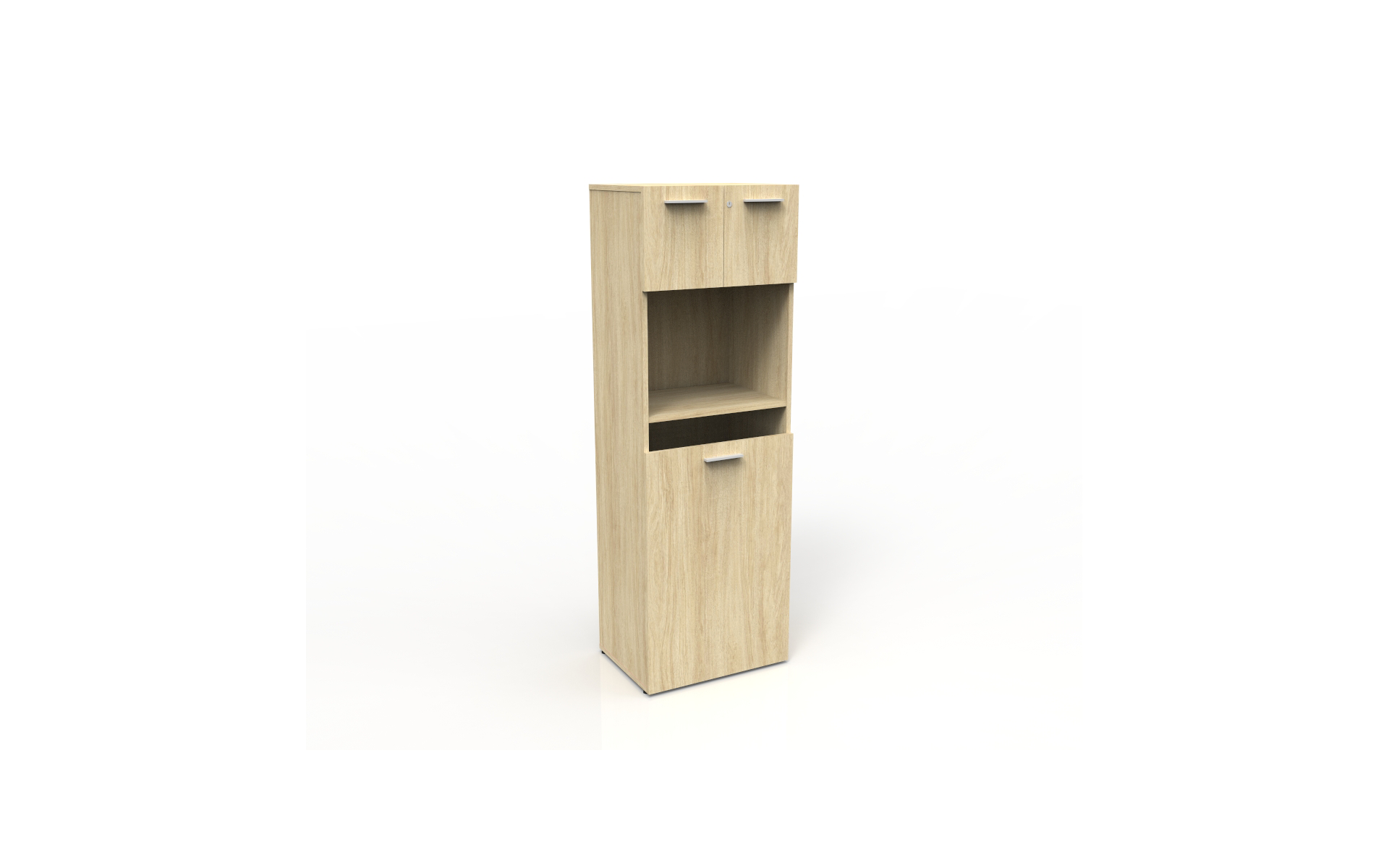
Top Office Work Tables to Elevate Your Workspace Experience?
Creating an inspiring workspace can significantly enhance productivity and overall well-being. An essential element in achieving this is selecting the right office work table. The choice of an office work table goes beyond mere aesthetics. It directly impacts comfort, organization, and efficiency.
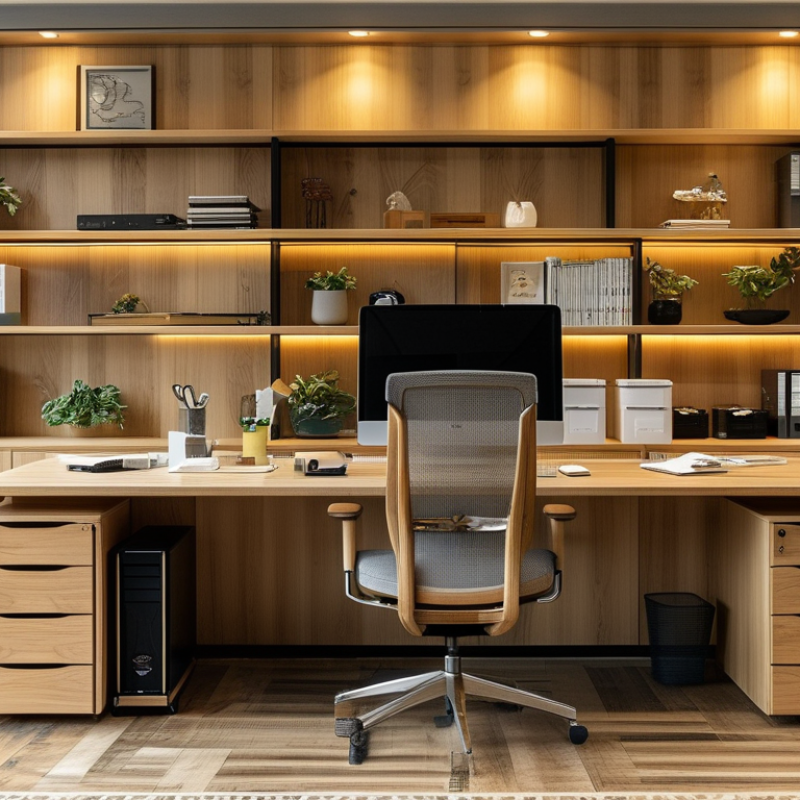
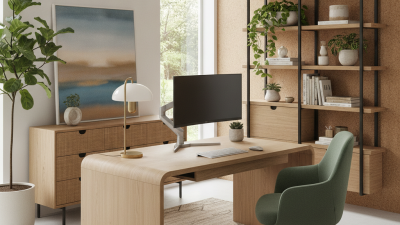
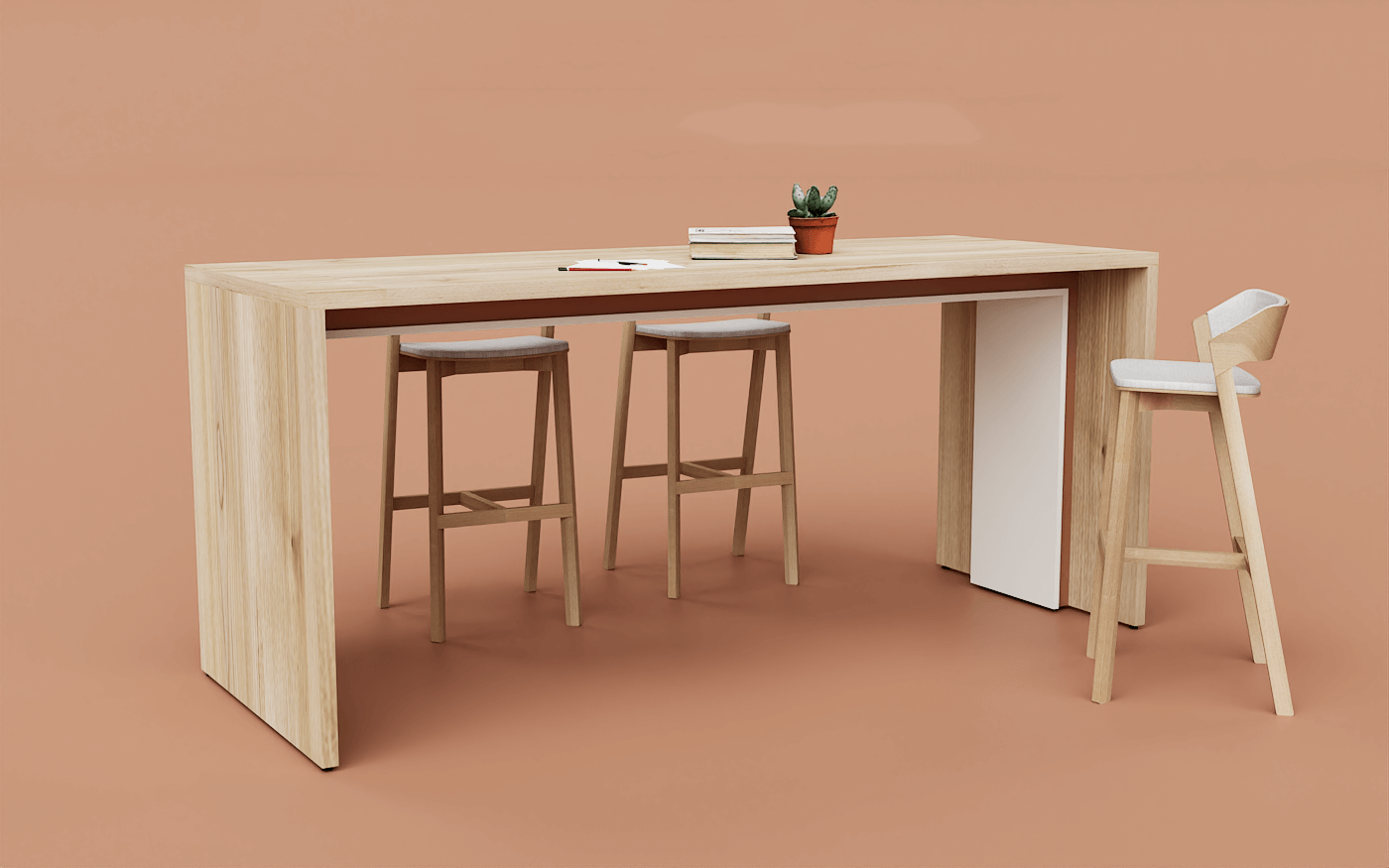
Consider the materials used in your office work table. Solid wood exudes warmth, while metal offers a modern touch. There are options with built-in storage that help reduce clutter. An ideal table encourages good posture and provides adequate surface area for all your tasks.
Yet, it's worth reflecting on your personal needs. What style complements your vibe? What size fits your space? Consider the time spent at this table. It should be a supportive environment, not just a surface to work on. Choosing thoughtfully can lead to a more productive day.
Best Features to Consider When Choosing Office Work Tables
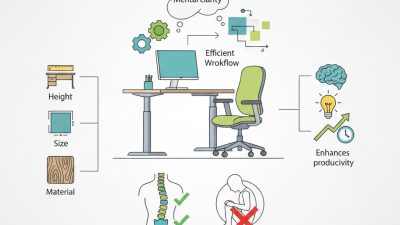
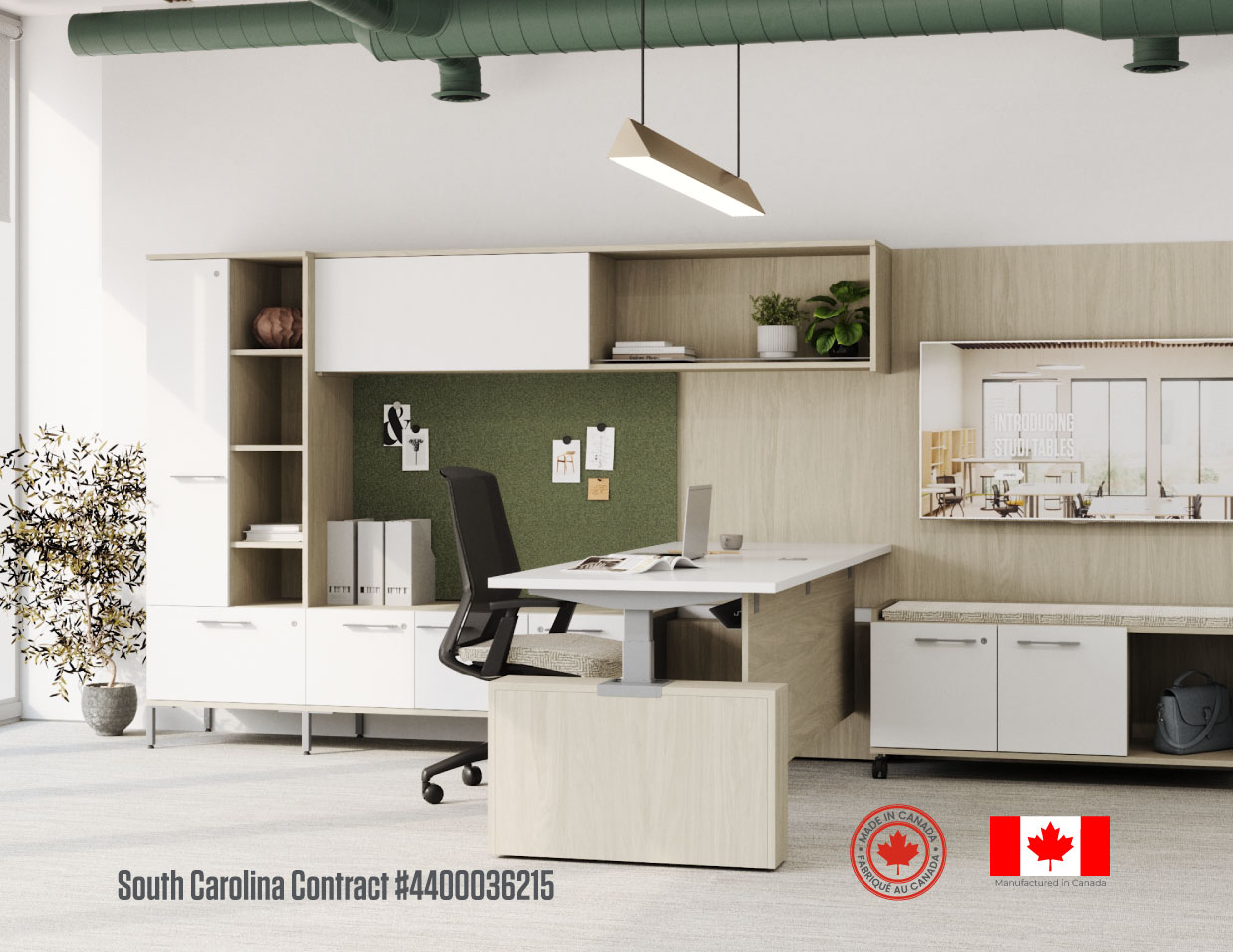
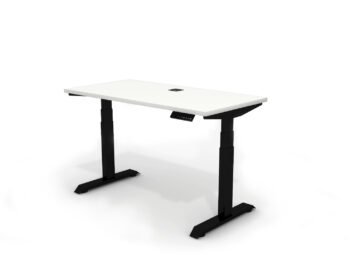
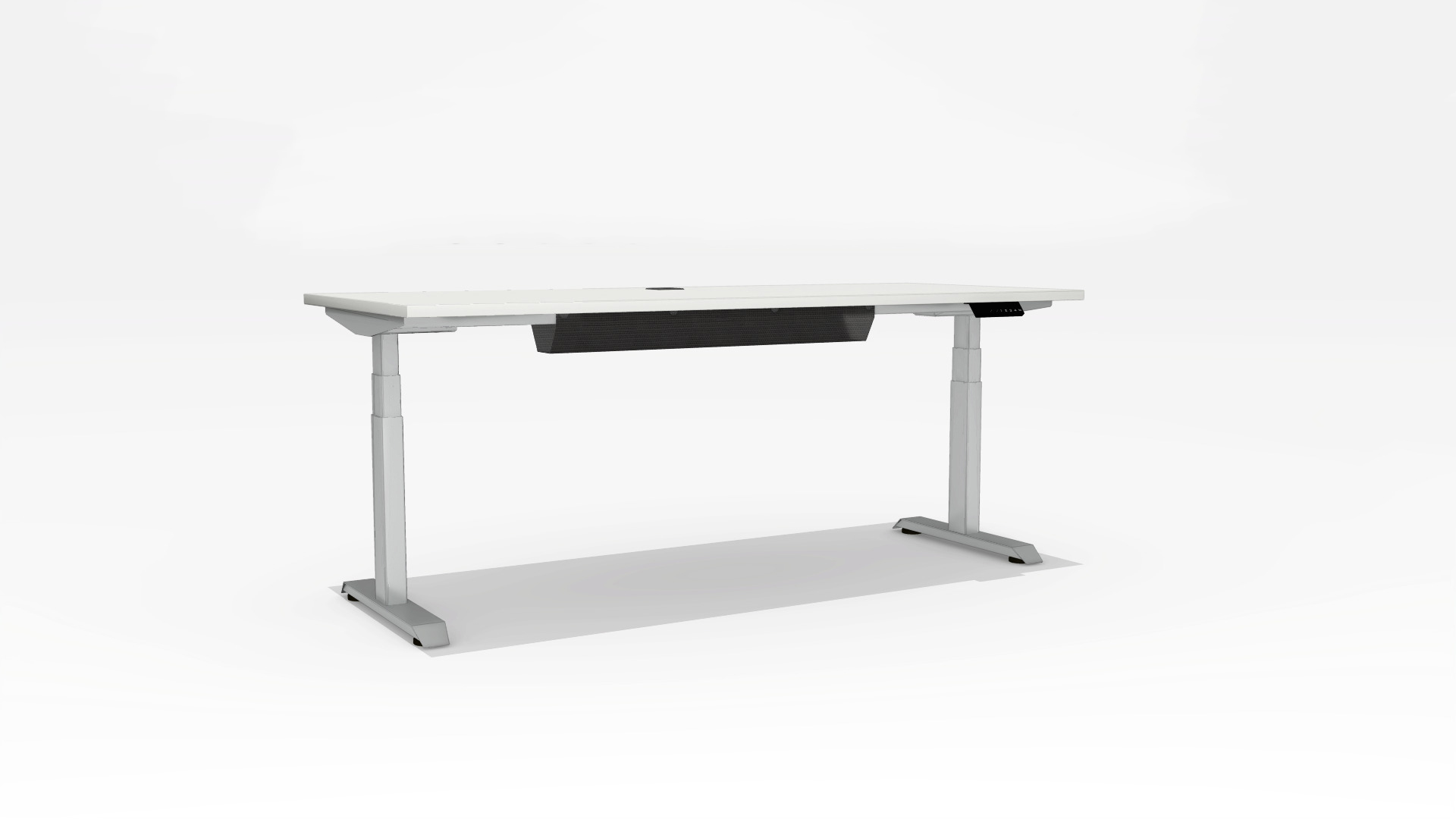
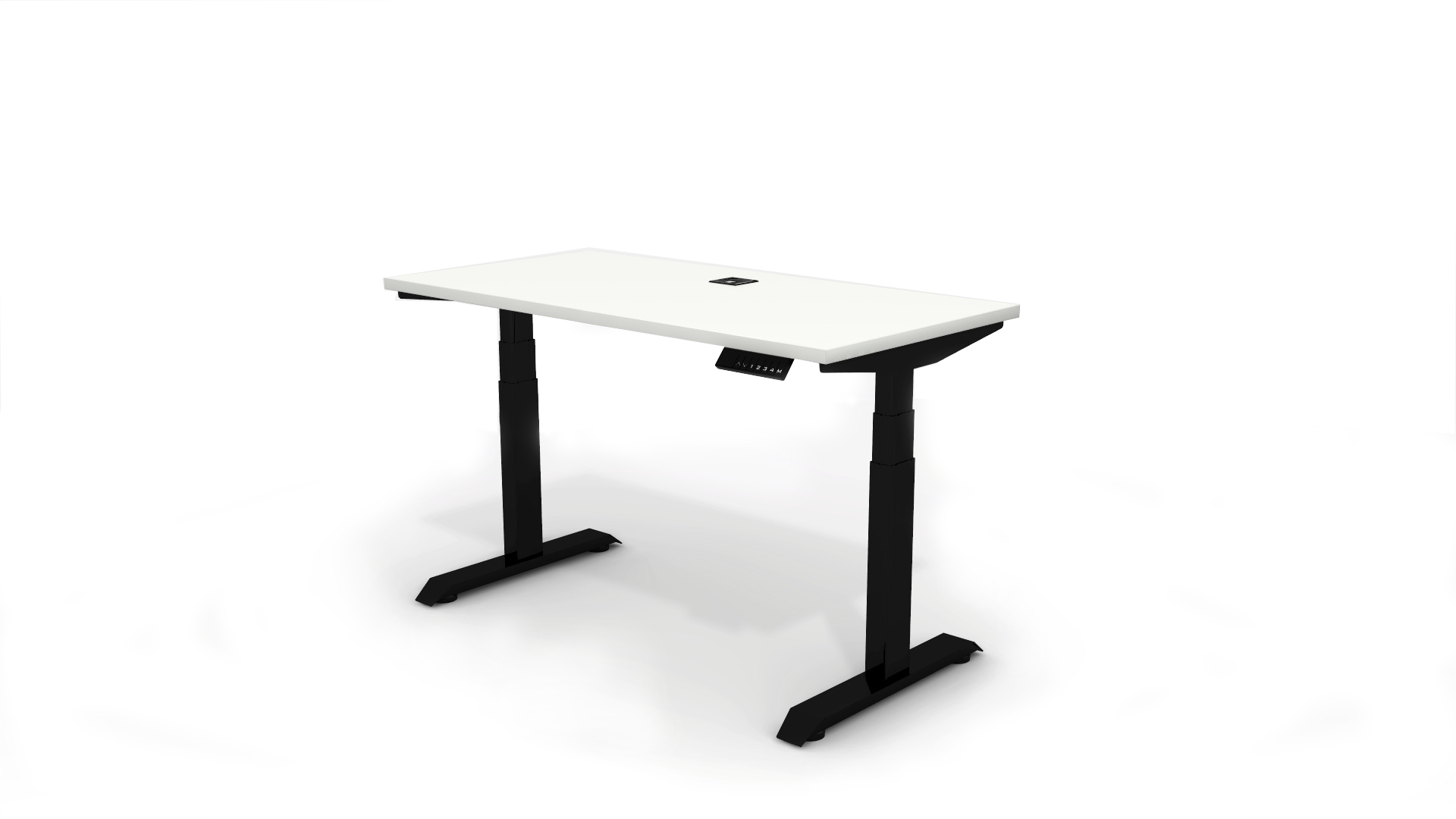
When choosing office work tables, consider ergonomics. An adjustable height feature is essential. It allows you to switch between sitting and standing. This flexibility can boost productivity and reduce fatigue. Many people report feeling more energetic while using standing desks.
Material is another key factor. Solid wood offers durability and a classic look. However, laminate surfaces are easier to clean. You might also want to think about the finish. A textured surface can provide grip for writing tasks.
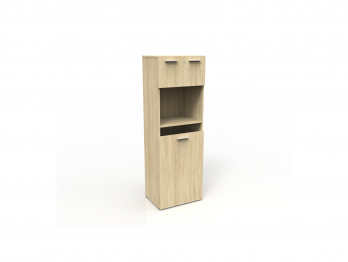
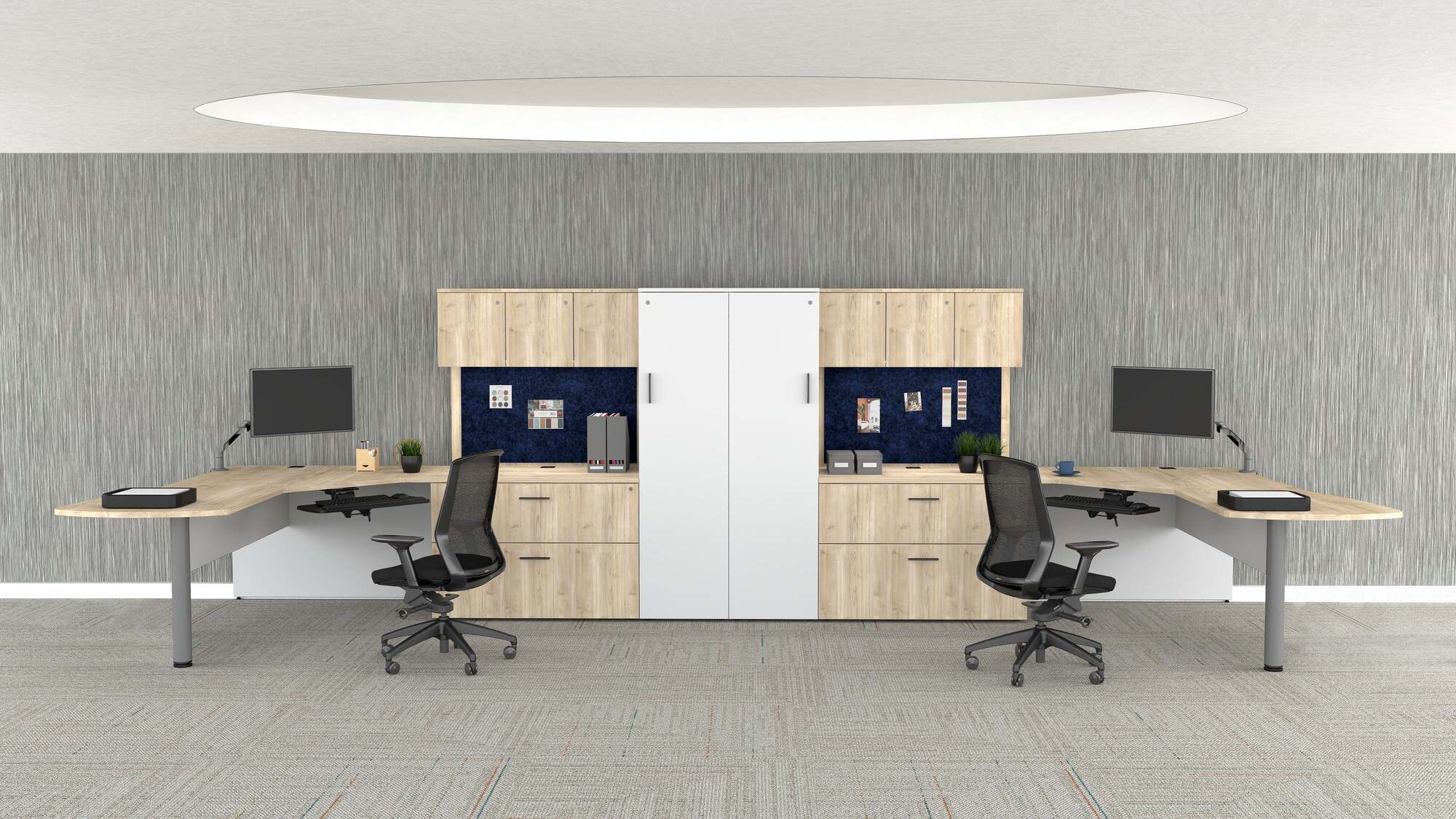
Storage options vary widely. Some tables come with built-in drawers. Others may have open shelving for easy access to supplies. Think about your daily needs. Will you store files below? Or do you prefer a clean tabletop? Finding the right balance is crucial. It can lead to a more organized and efficient workspace.
Different Types of Office Work Tables for Various Work Environments
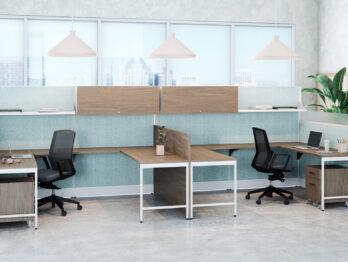
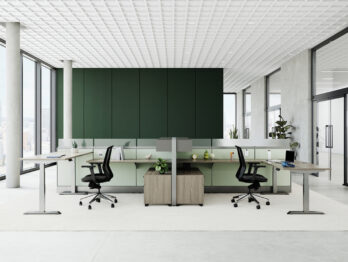
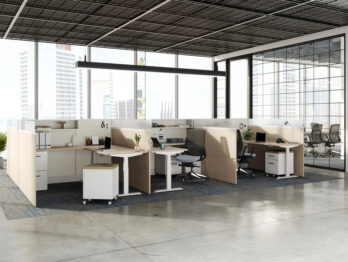
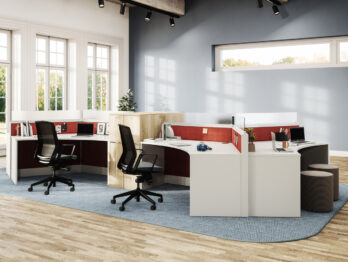
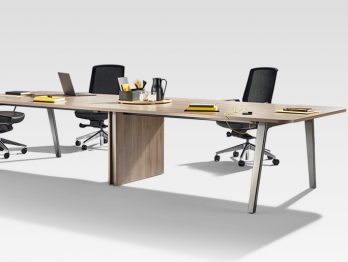
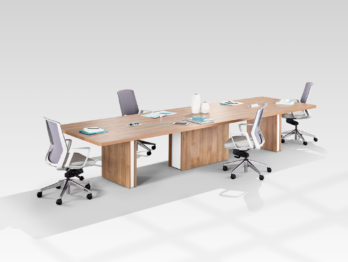
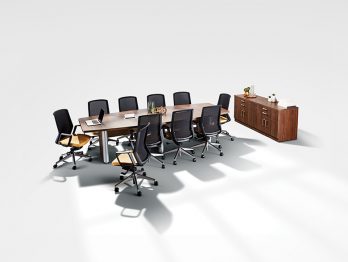
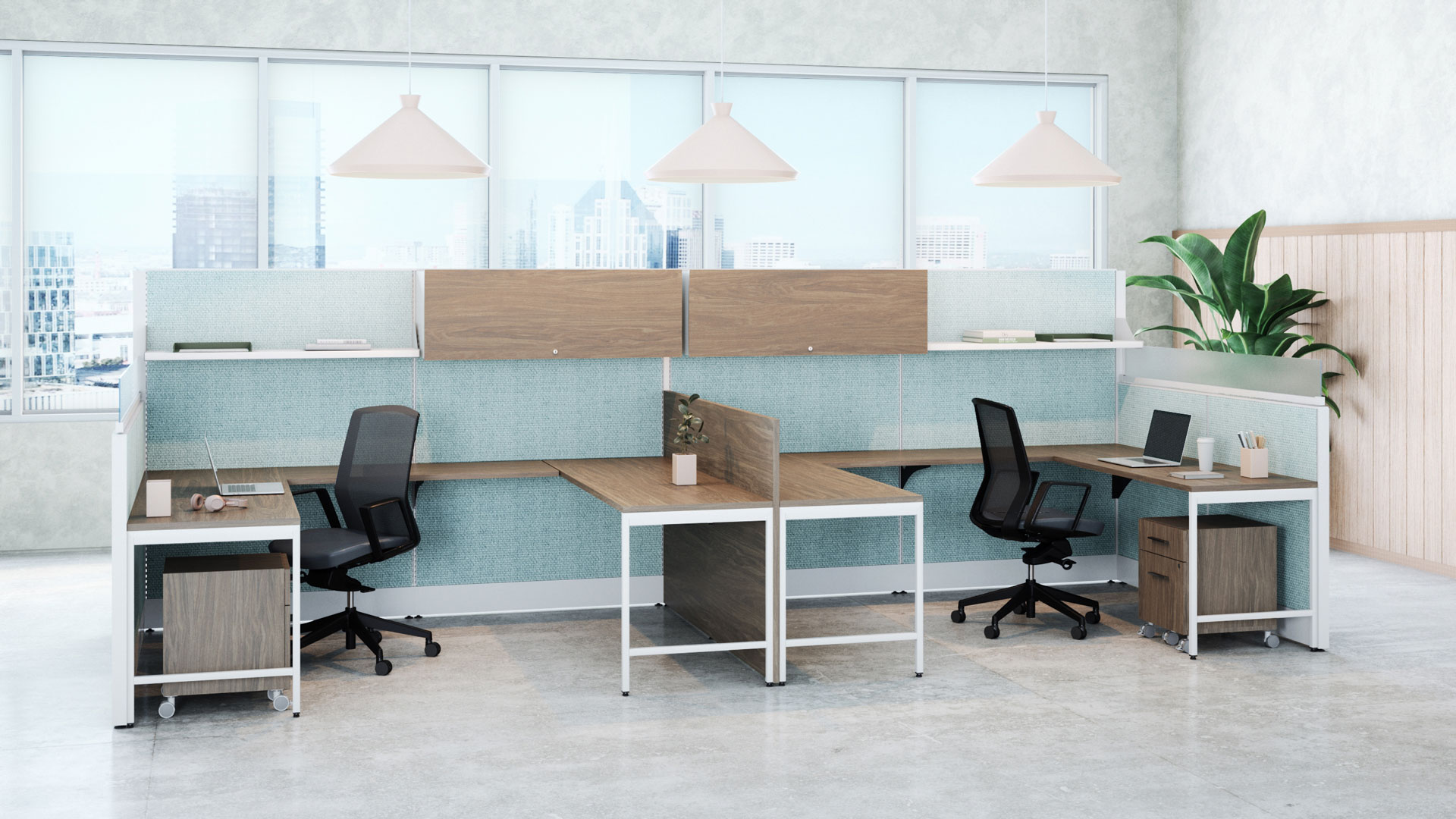
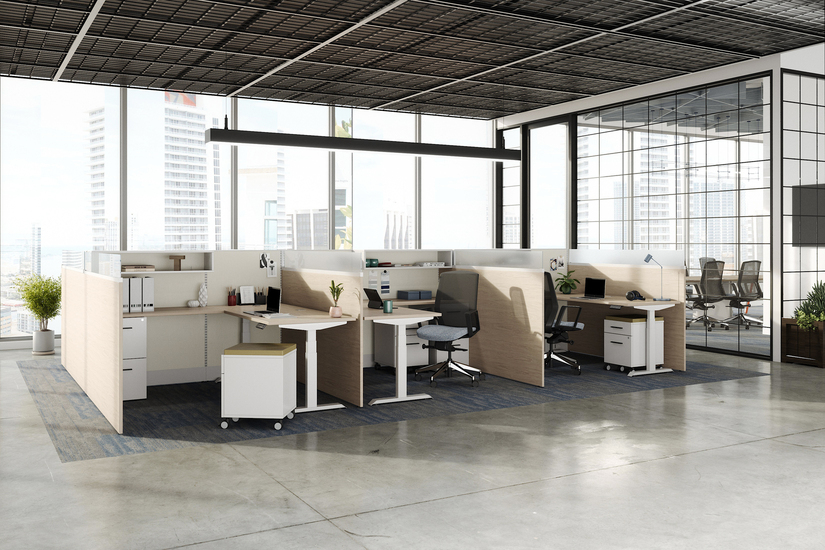
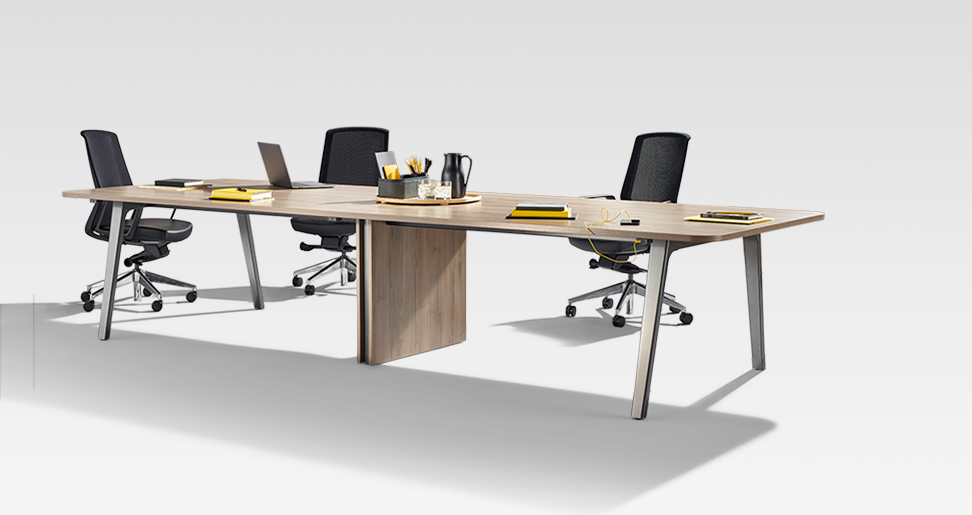
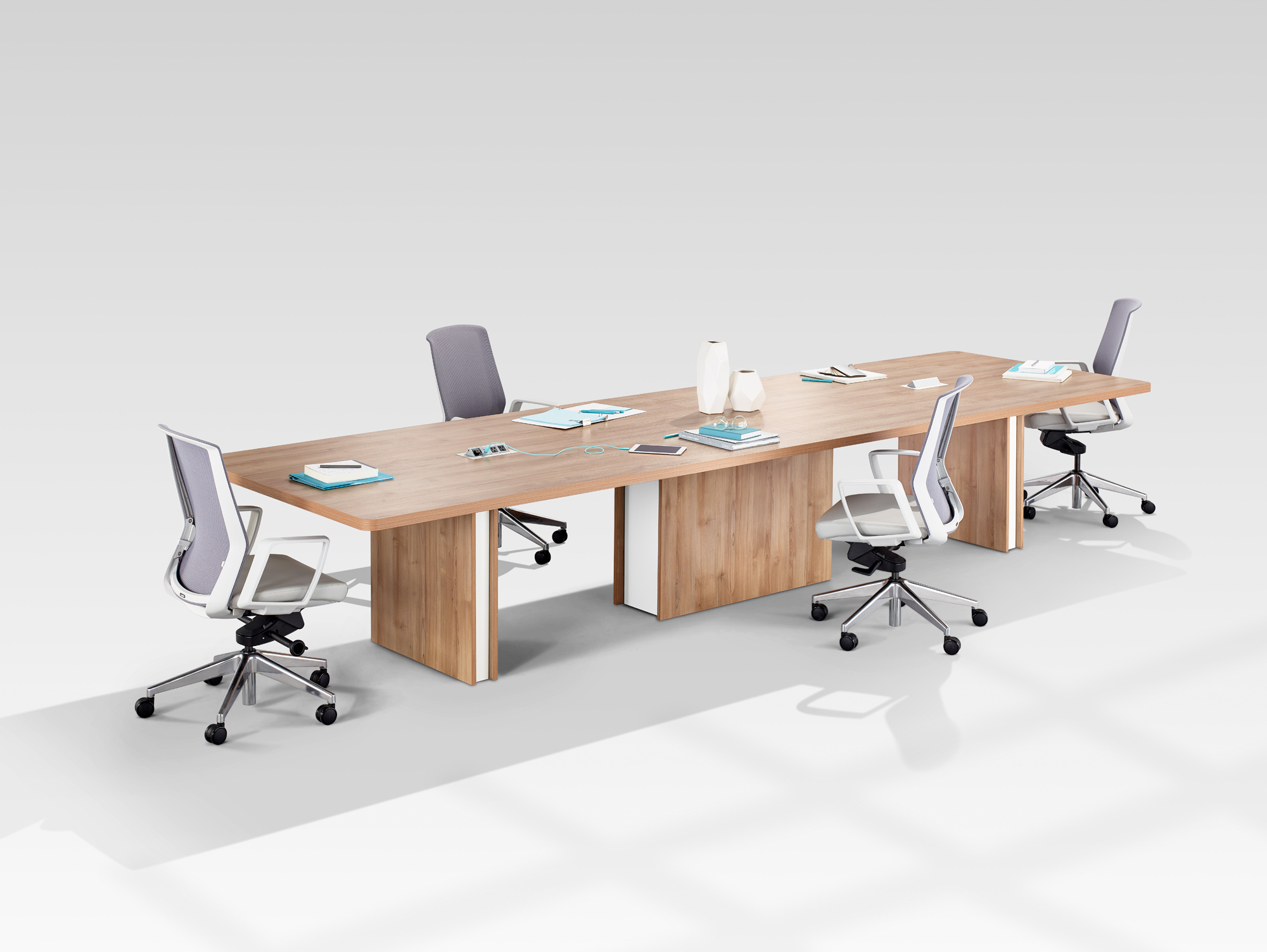
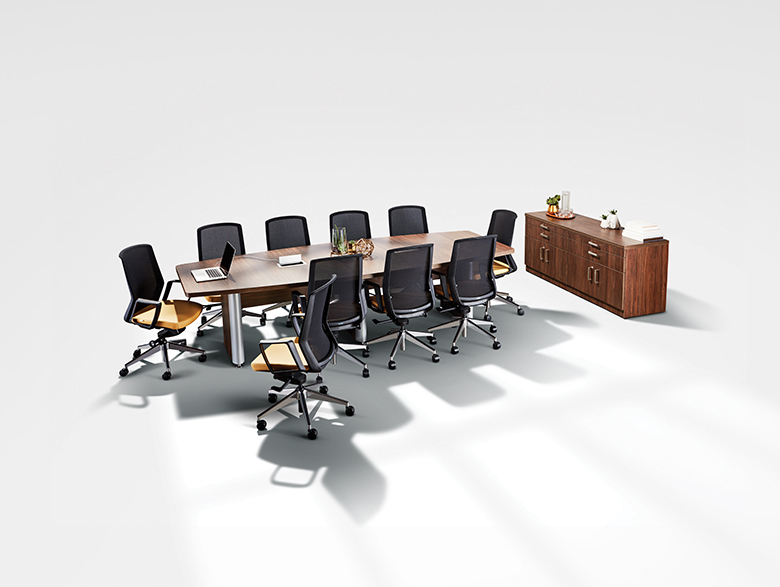
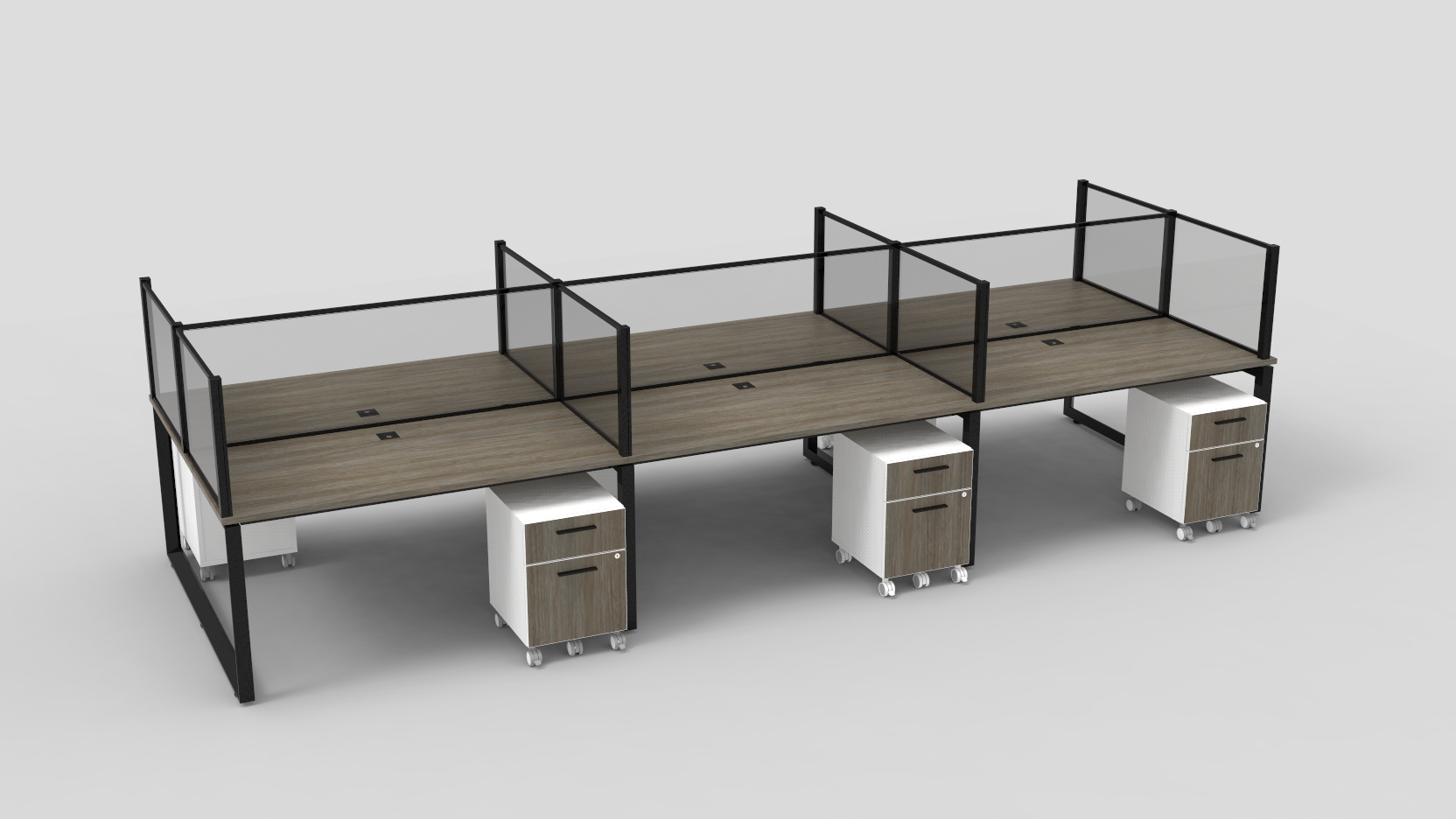
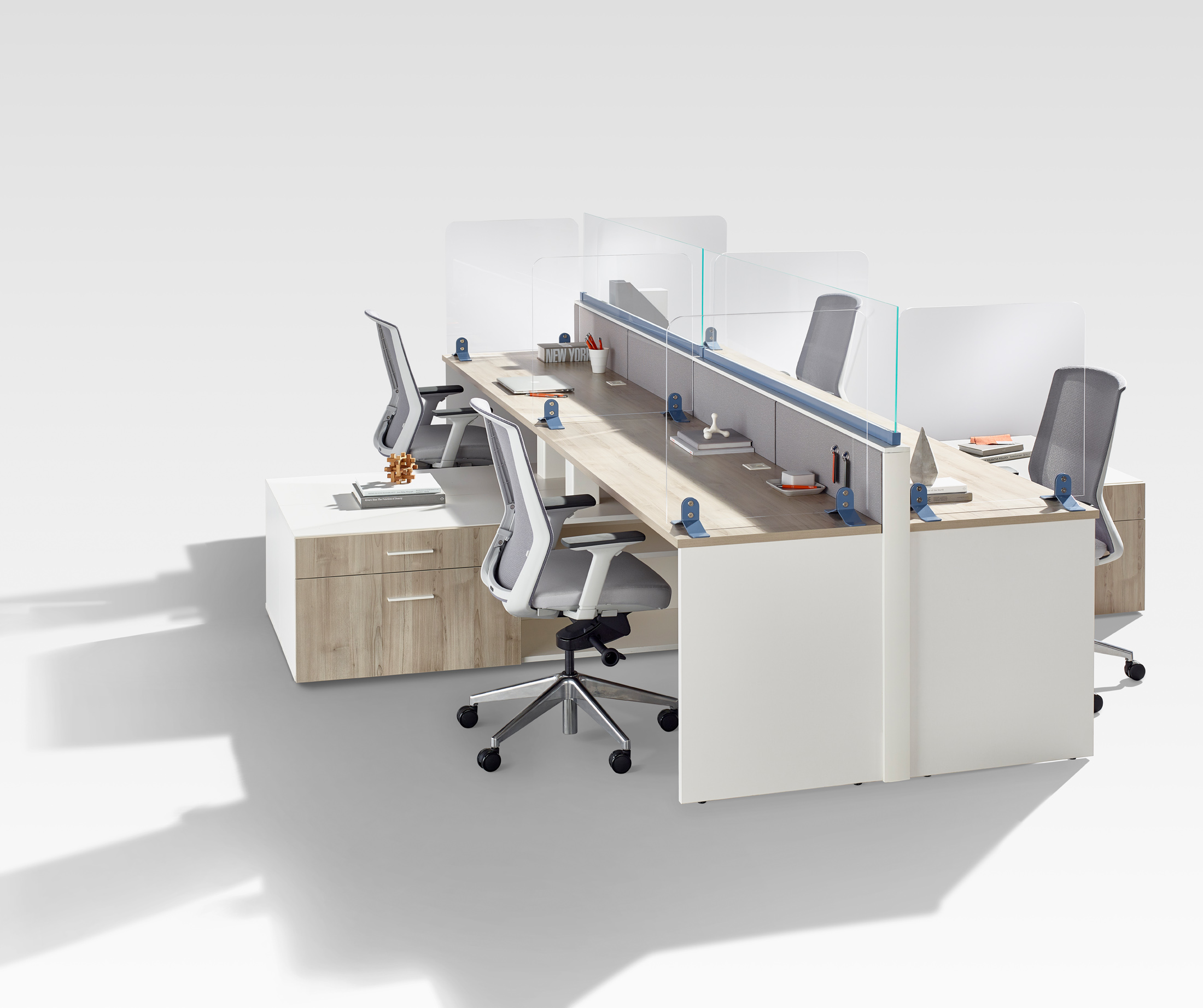
In any office environment, the type of work table you choose can significantly affect productivity and comfort. For collaborative spaces, consider large, rectangular tables. They facilitate teamwork and discussions. A round table fosters a sense of equality, but may limit space for materials. Individual workstations should offer personal space while maintaining accessibility. Many workplaces still struggle to balance these aspects effectively.
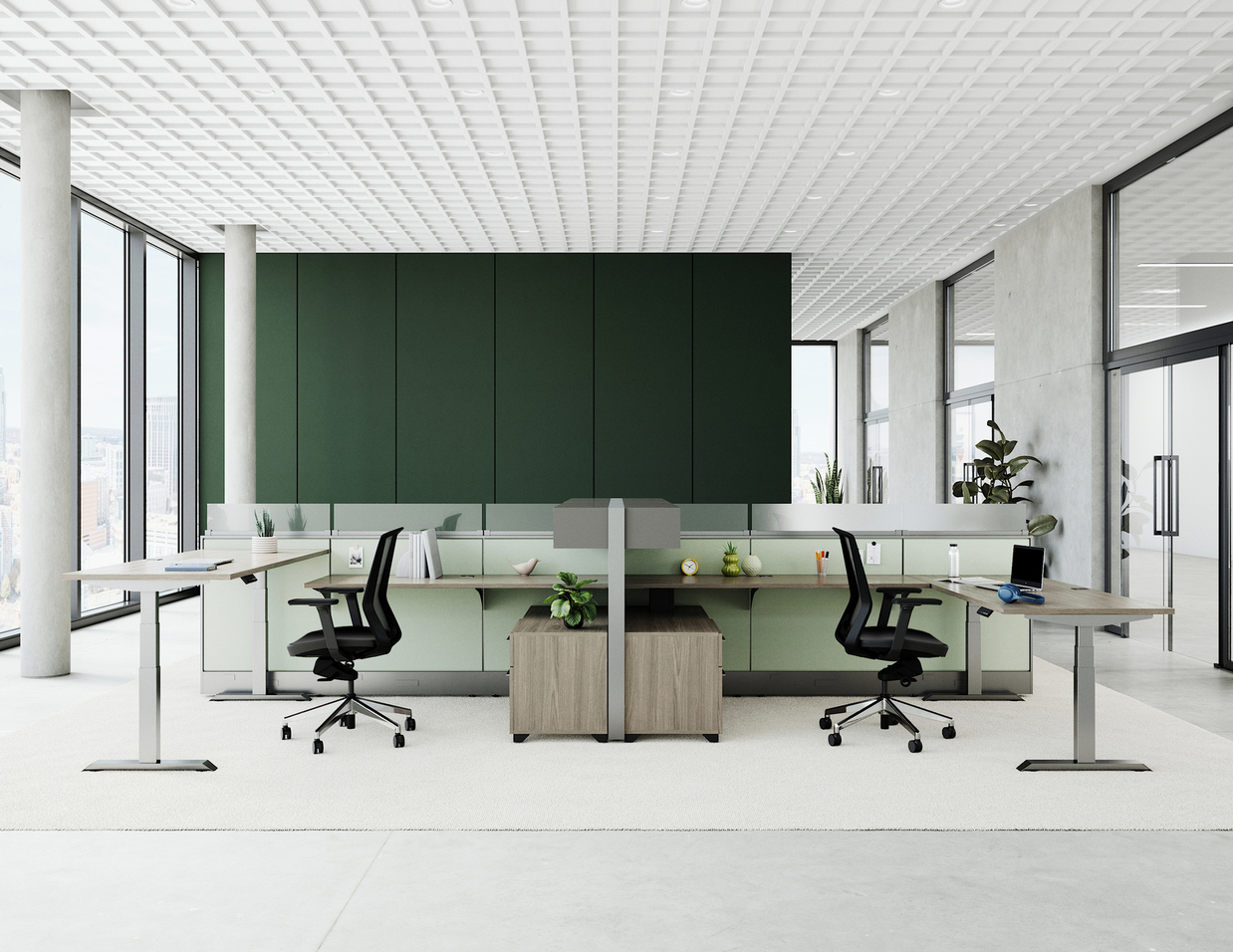
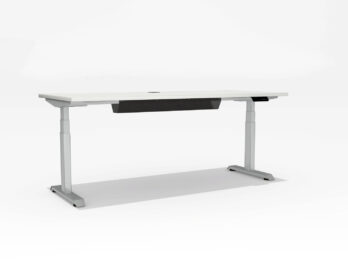
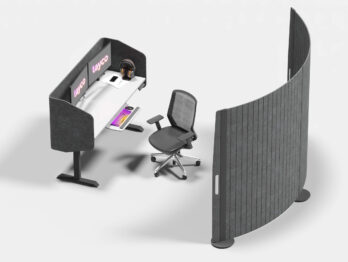
Height-adjustable tables are gaining popularity. They allow users to switch between sitting and standing, promoting better posture. However, some employees may not feel comfortable adjusting their desks often. A stable desk is essential for focused work. Yet, some may find them too rigid. It's crucial to find a sweet spot between flexibility and stability.
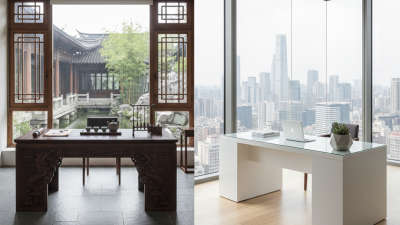
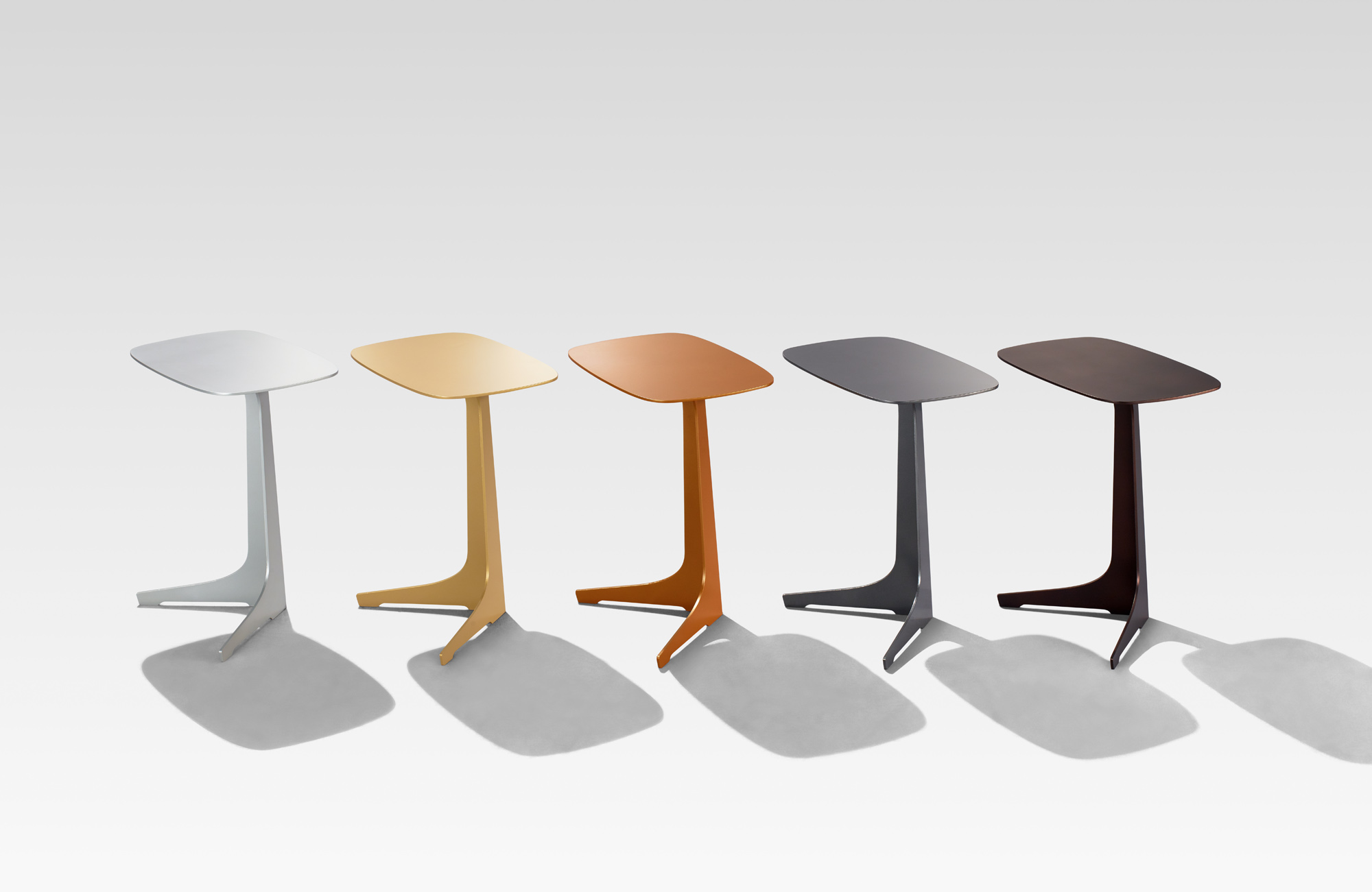
Materials matter, too. Wooden tables bring warmth and a classic feel. Metal tables may provide a modern edge. However, the choice must align with the overall office aesthetic. Some offices neglect this alignment, leading to inconsistencies. Selecting the right office work table involves understanding your unique work dynamics and environment. Taking the time to reflect on these choices can create a more effective workspace.
Office Work Tables Comparison
This chart compares different types of office work tables based on their average price and user satisfaction ratings.
Material Options for Durable and Stylish Office Work Tables
When selecting office work tables, material choices greatly impact durability and style. According to recent research from the International Ergonomics Association, the right materials can enhance productivity by up to 12%. Premium options such as solid wood, metal, and high-quality laminate not only offer aesthetics but also longevity.
Solid wood tables are classic and provide warmth to a workspace. They can withstand wear, but they often require maintenance. In contrast, metal tables bring a modern touch and are highly durable. They resist scratches and are easy to clean, yet they may not offer the same comfort level as other materials. High-quality laminate tables offer a budget-friendly option. They can mimic the look of wood or stone, while being resistant to stains and moisture.
Despite these advantages, some materials can pose challenges. For instance, laminate can chip and may not be as environmentally friendly as wood or metal. Space and individual work habits are crucial in choosing the right table. Understanding these nuances is vital for creating an effective workspace that balances style and function. Careful consideration leads to better outcomes in the office environment.
Ergonomic Design Elements to Enhance Workspace Comfort
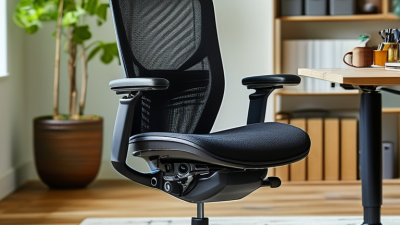
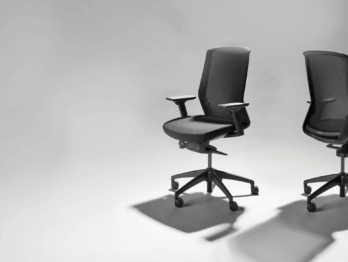
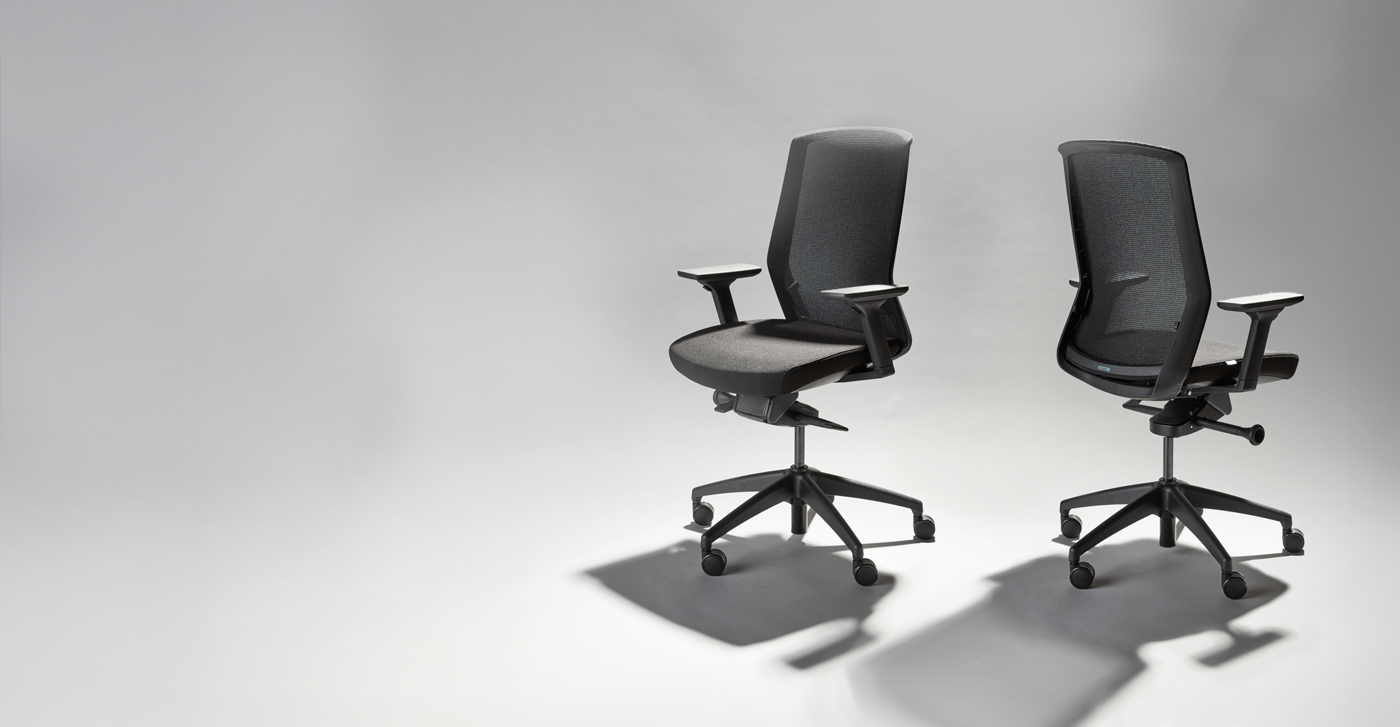
Creating a comfortable workspace is essential for productivity and overall well-being. Ergonomic design elements play a crucial role in enhancing workspace comfort. An adjustable chair is fundamental. It should support your lower back while allowing your feet to rest flat on the floor. This support helps prevent back pain, a common issue in office environments.
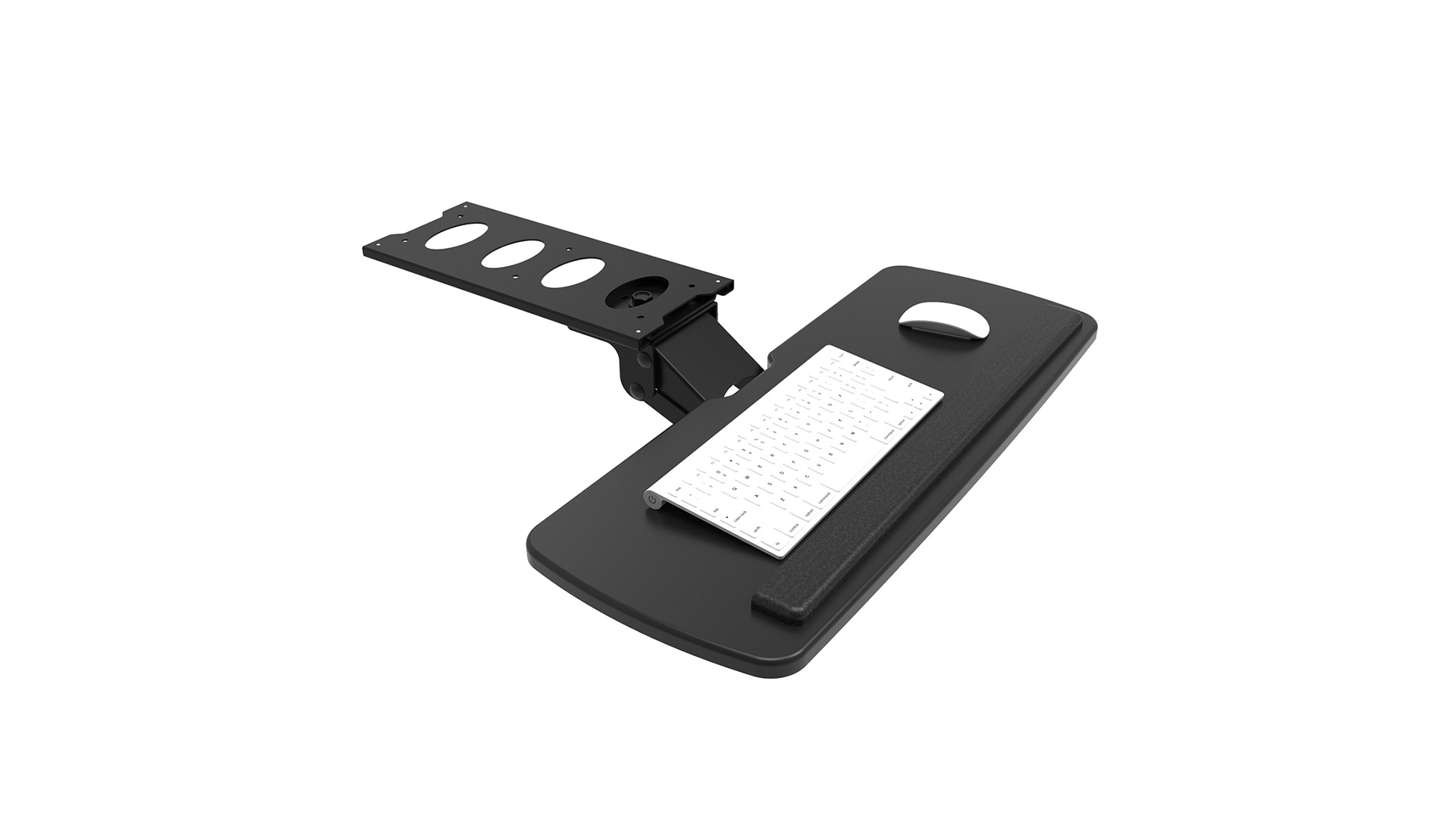
Consider your desk height. It should allow for your elbows to be at a 90-degree angle when typing. A standing desk can offer flexibility, allowing you to alternate between sitting and standing. This change of posture can stimulate blood flow and boost energy levels.
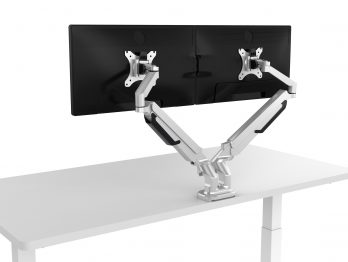
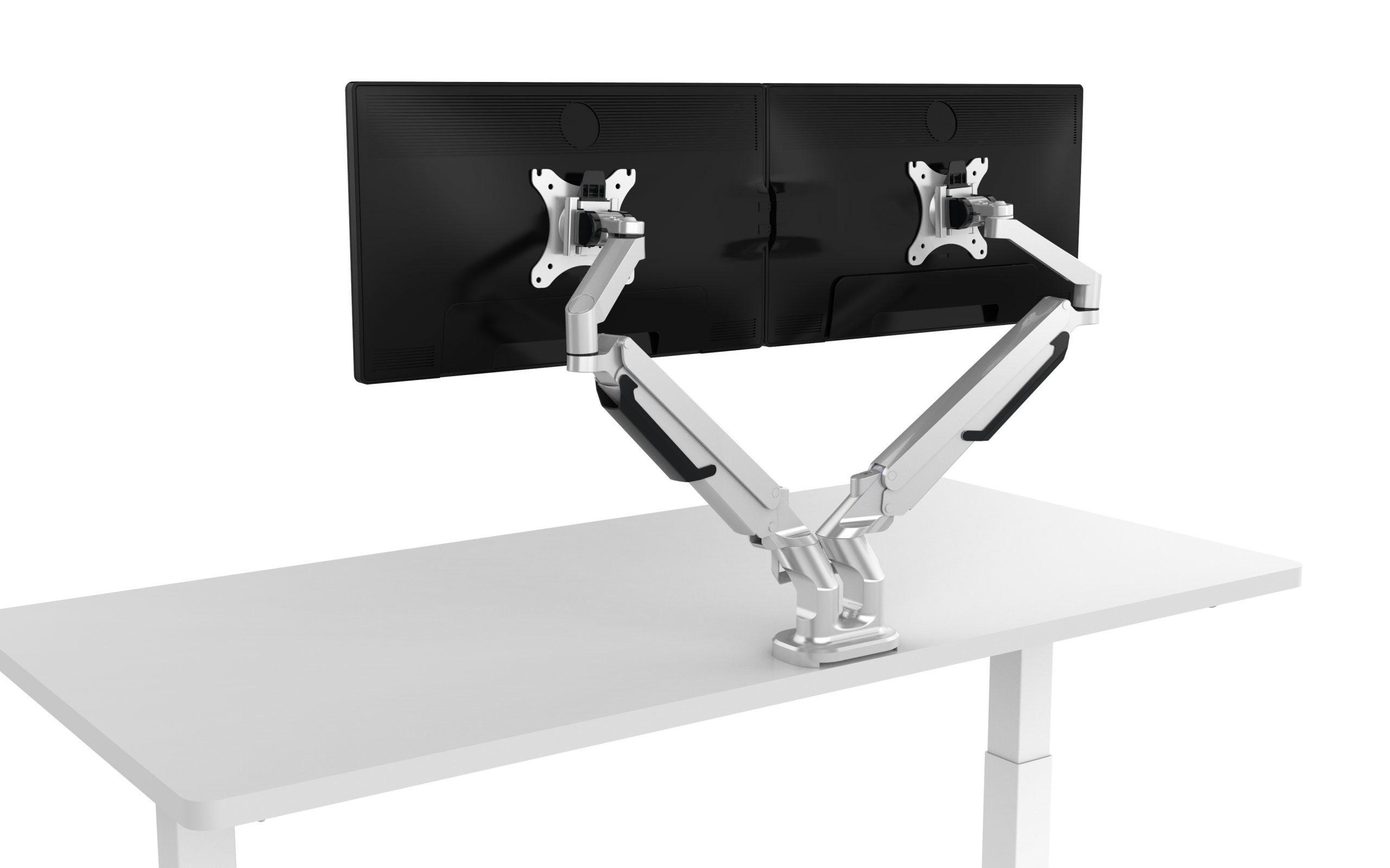
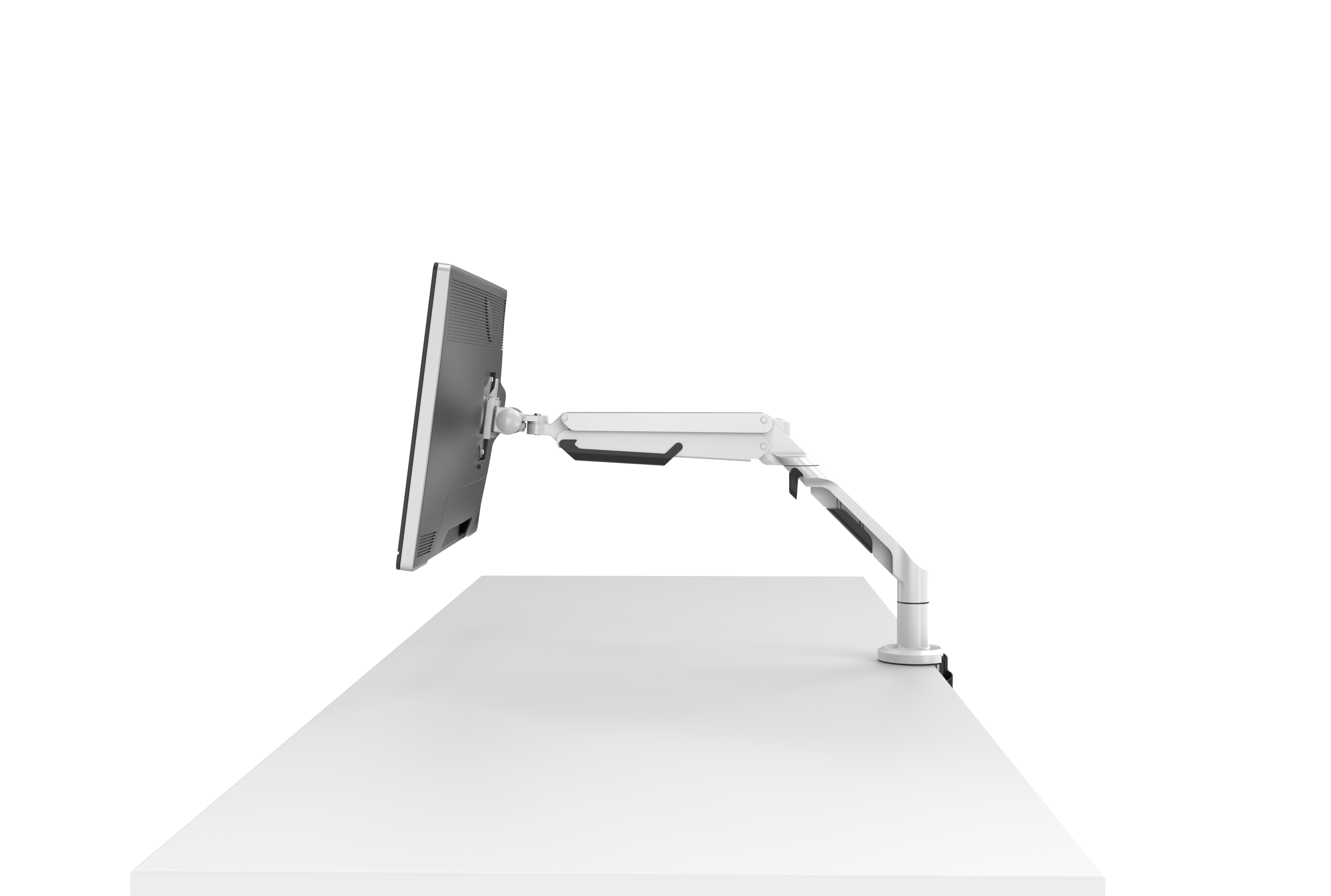
Tips: Keep your screen at eye level. This alignment reduces neck strain and provides a more natural viewing angle. Use a footrest if your chair is too high. This small addition can significantly improve comfort. Lastly, take regular breaks. Brief walks can clear your mind and re-energize you, even if it feels challenging to step away from tasks. Reflection on your setup can lead to better health and productivity in the long run.
Top Office Work Tables to Elevate Your Workspace Experience
| Table Name |
Dimensions (L x W x H) |
Material |
Weight Capacity |
Ergonomic Features |
| Standing Desk |
48 x 24 x 30-50 inches |
Bamboo |
300 lbs |
Height adjustable |
| Gaming Desk |
60 x 30 x 28 inches |
MDF with PVC |
250 lbs |
Cable management |
| Collapsible Table |
72 x 30 x 29 inches |
Polypropylene |
300 lbs |
Portable design |
| Executive Desk |
60 x 30 x 30 inches |
Solid Wood |
400 lbs |
Cable management, spacious |
| Drafting Table |
48 x 30 x 29 inches |
Metal with Glass Top |
200 lbs |
Adjustable angle top |
Incorporating Technology: Modern Features in Office Work Tables
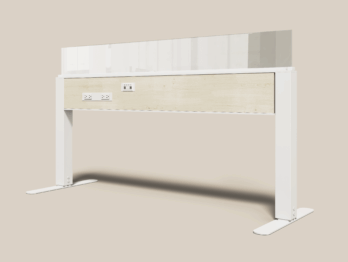
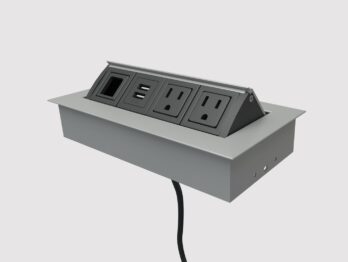
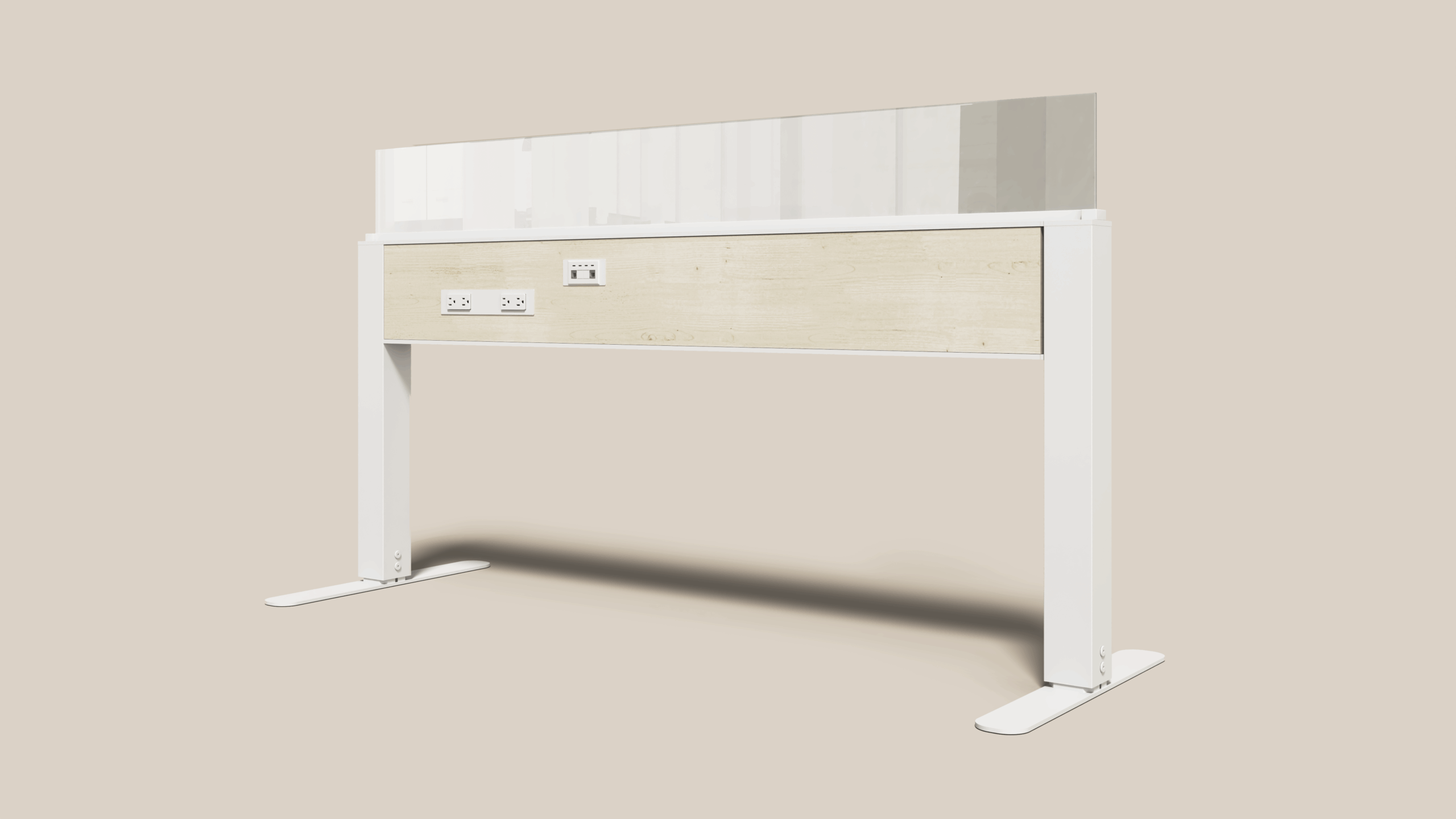
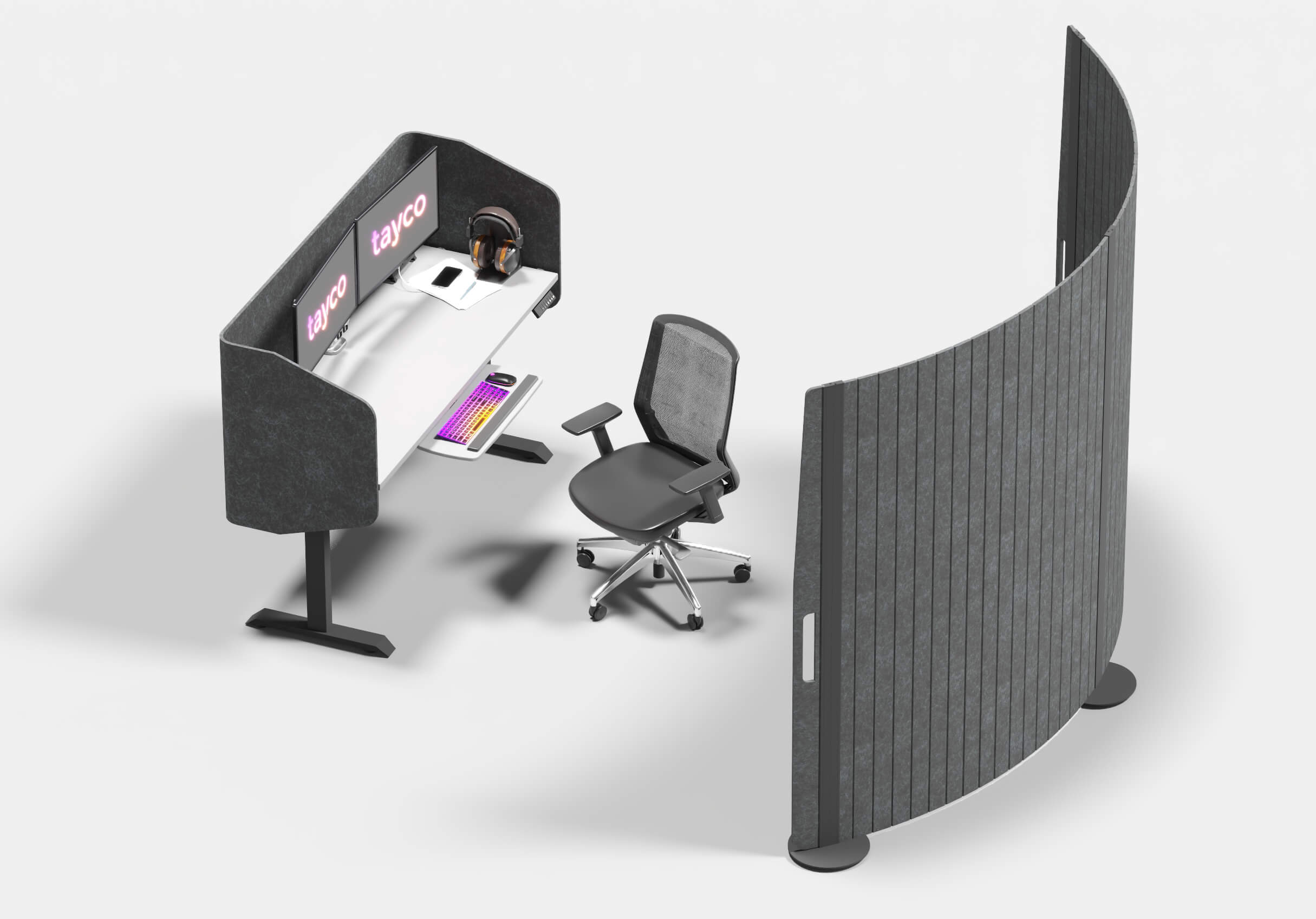
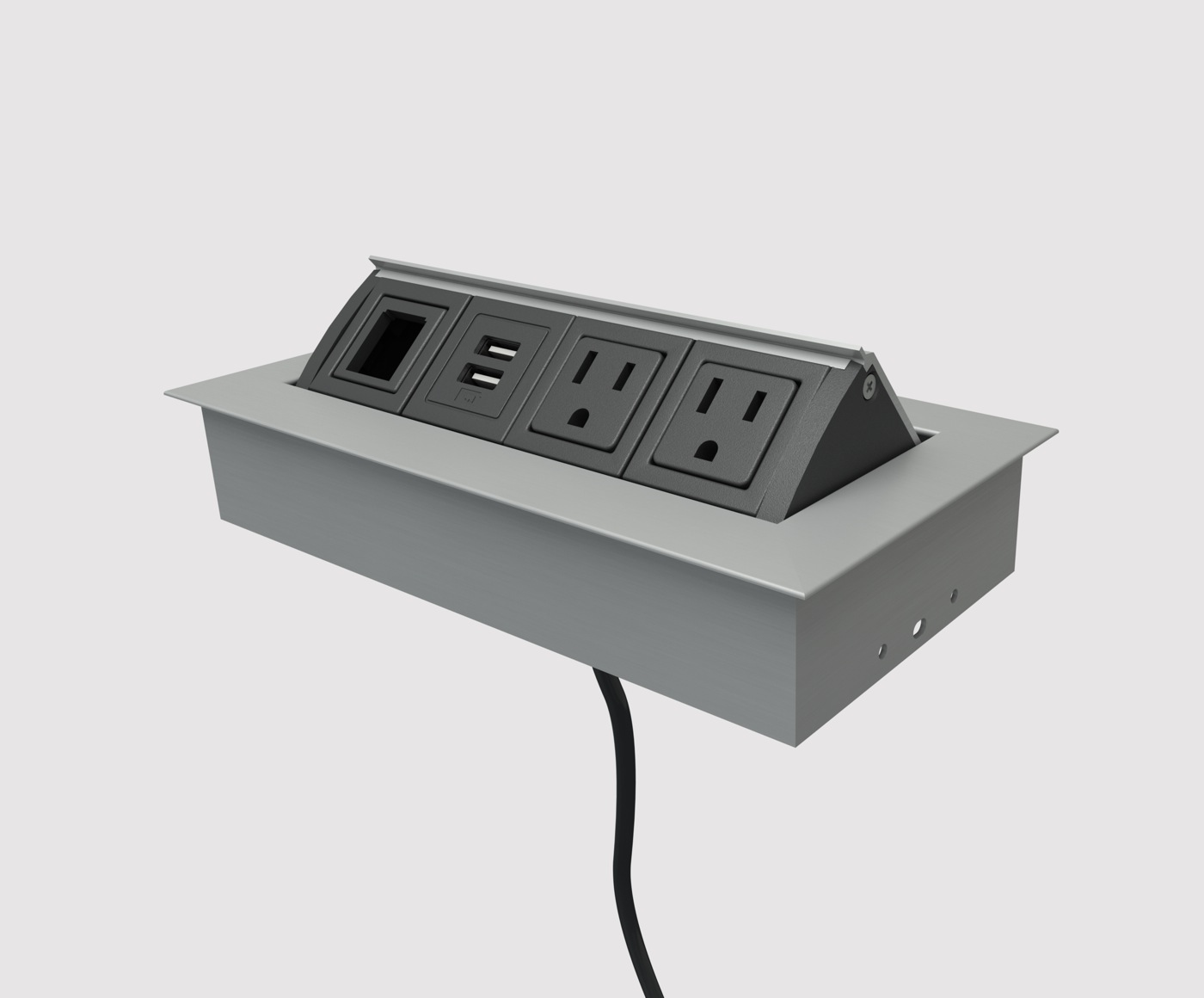
In today’s digital era, modern office work tables incorporate advanced technology, enhancing productivity. Many tables feature built-in charging ports, allowing devices to power up without clutter. Integrated cable management systems keep wires hidden, creating a clean workspace. These details are crucial in minimizing distractions.
Adjustable height tables are gaining popularity. They enable users to switch between sitting and standing. Research shows this flexibility can improve focus and reduce discomfort during long work hours. It’s essential to find a table that suits your lifestyle, as not all adjustments may feel intuitive.
Additionally, some tables include smart features like touch controls. These controls can adjust lighting or connect to other devices seamlessly. However, the learning curve for these features can be steep, requiring time to adapt. Not every user will find these upgrades beneficial. Consider your workflow before diving into high-tech options, as sometimes simplicity reigns supreme.