

skip to content
Morepages
Toggle more

Head Office


Tayco Office Furnishings Inc.
400 Norris Glen Rd.
Toronto, ON M9C 1H5
T: (416) 252-8000
T: (800) 675-4092
F: (416) 252-4467
[email protected]

How to Choose the Best Office Desk Set for Your Business?

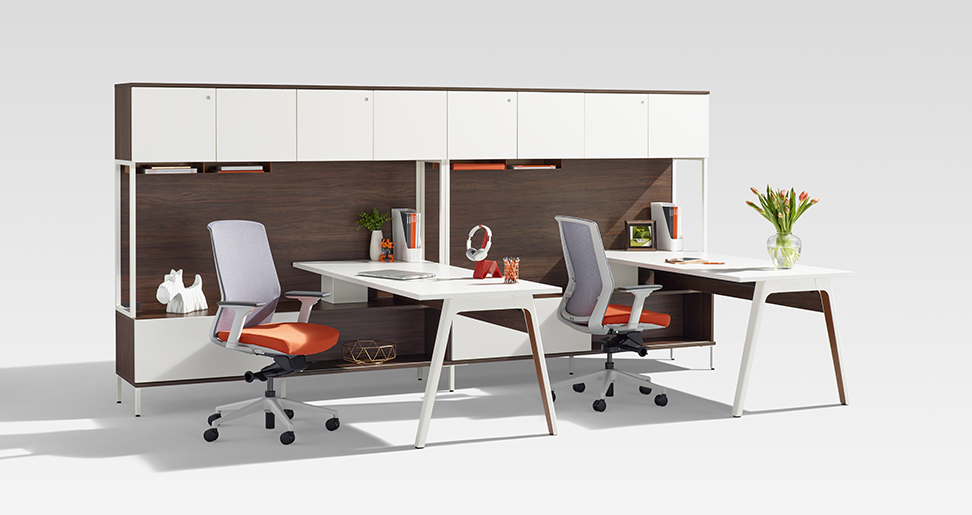
Choosing the best office desk set for your business requires more than matching colors or chasing a low price. The right choice supports daily work, protects employee comfort, and suits the available floor space. A compact workstation may fit a modern startup, while a larger executive desk set may better serve client meetings and document-heavy roles. Measure the room carefully. Leave enough space for chairs, movement, and cable access.

Looks can mislead.

An experienced purchasing manager should examine desk height, surface durability, storage design, and wire management. Materials should withstand repeated use, cleaning, and occasional spills. Drawers must open smoothly, while shelves should hold essential equipment without crowding the workspace. Check product dimensions, assembly instructions, warranty terms, and supplier reviews before ordering. Independent testing or recognized quality certifications can also support a more reliable decision. Employee feedback matters, too. A desk can appear practical in a showroom but feel uncomfortable after eight working hours.

Small details matter.

Budget planning should include delivery, installation, replacement parts, and future expansion. Buying the cheapest office desk set may create higher costs when damaged surfaces or poor ergonomics slow productivity. Still, expensive furniture is not automatically better. Consider actual work habits, technology needs, office layout, and brand reliability together. Some teams may value sustainable materials, while others need lockable storage or adjustable features. The best decision may not look perfect on paper. Review the choice after several weeks, listen to users, and adjust where necessary. This practical reflection helps create a workspace that remains useful, professional, and dependable.
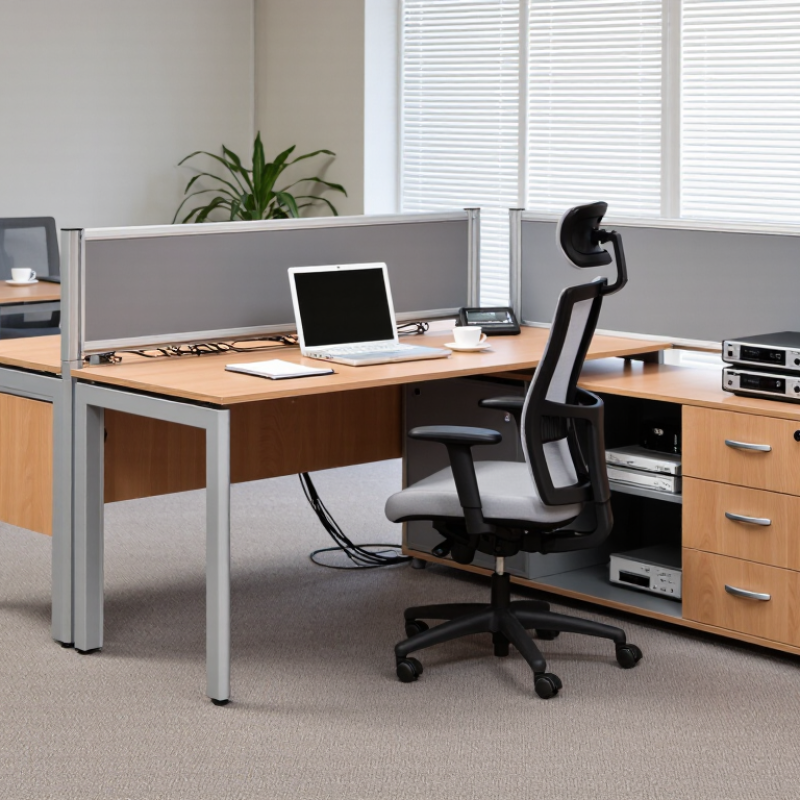
How to Choose the Best Office Desk Set for Your Business?

Understanding Office Desk Set Types and Their Business Uses

How to Choose the Best Office Desk Set for Your Business?

Understanding Office Desk Set Types and Their Business Uses

A desk set should match daily work, not only office appearance. Different roles require different desk arrangements and storage solutions.

A compact writing desk suits reception areas, small rooms, and temporary workstations. It usually supports a monitor, keyboard, and limited paperwork. Choose this type when floor space matters most. Measure the walkway carefully. A beautiful desk can still create an awkward bottleneck.

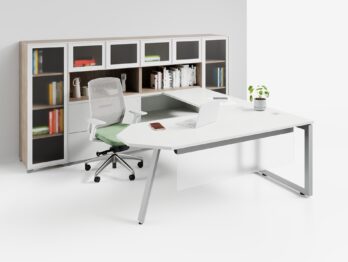
An executive desk provides more surface area for meetings, documents, and multiple screens. It works well in private offices and management spaces. However, larger is not always better. Excessive depth may force users to lean forward. Check the seated reach before approving the layout.

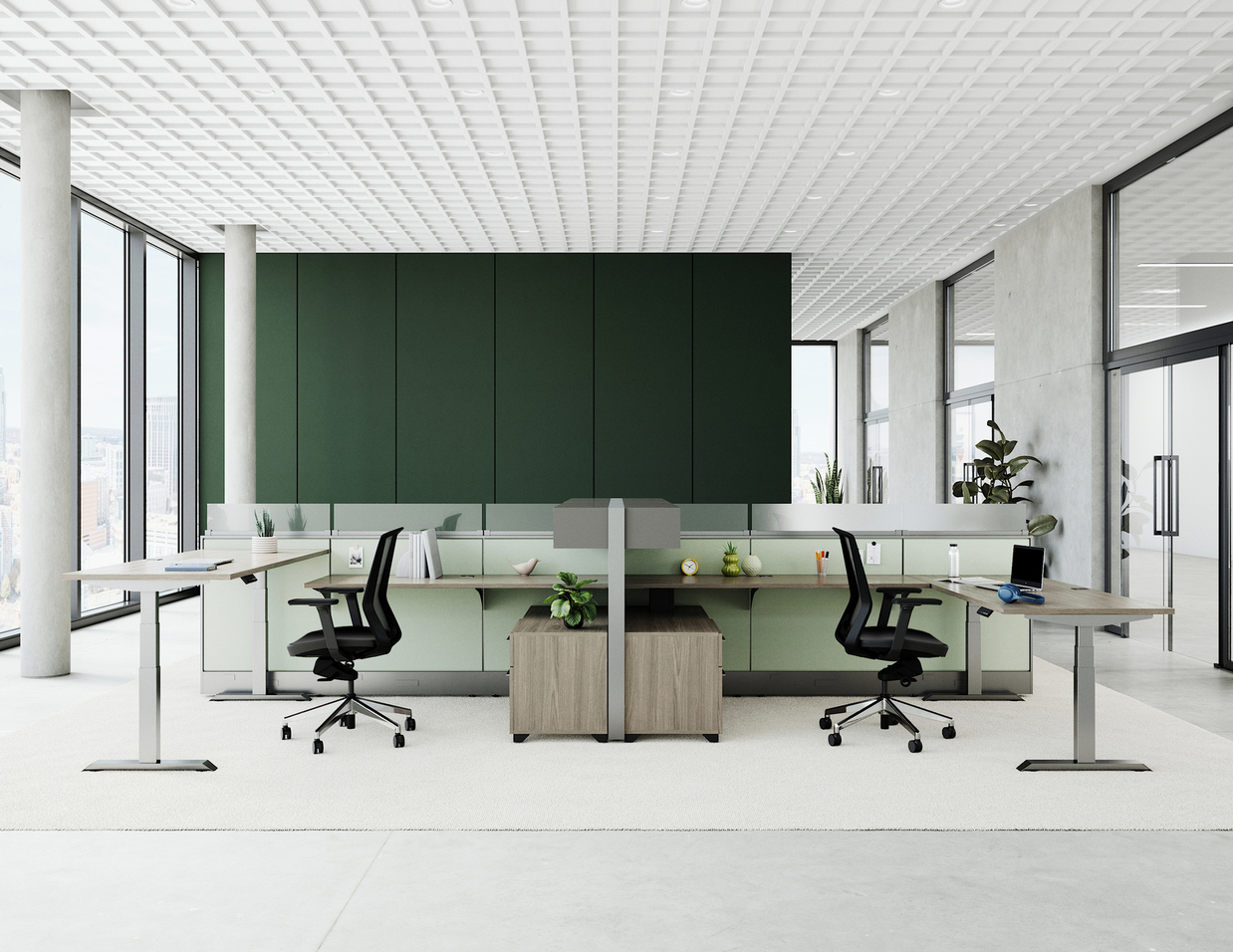
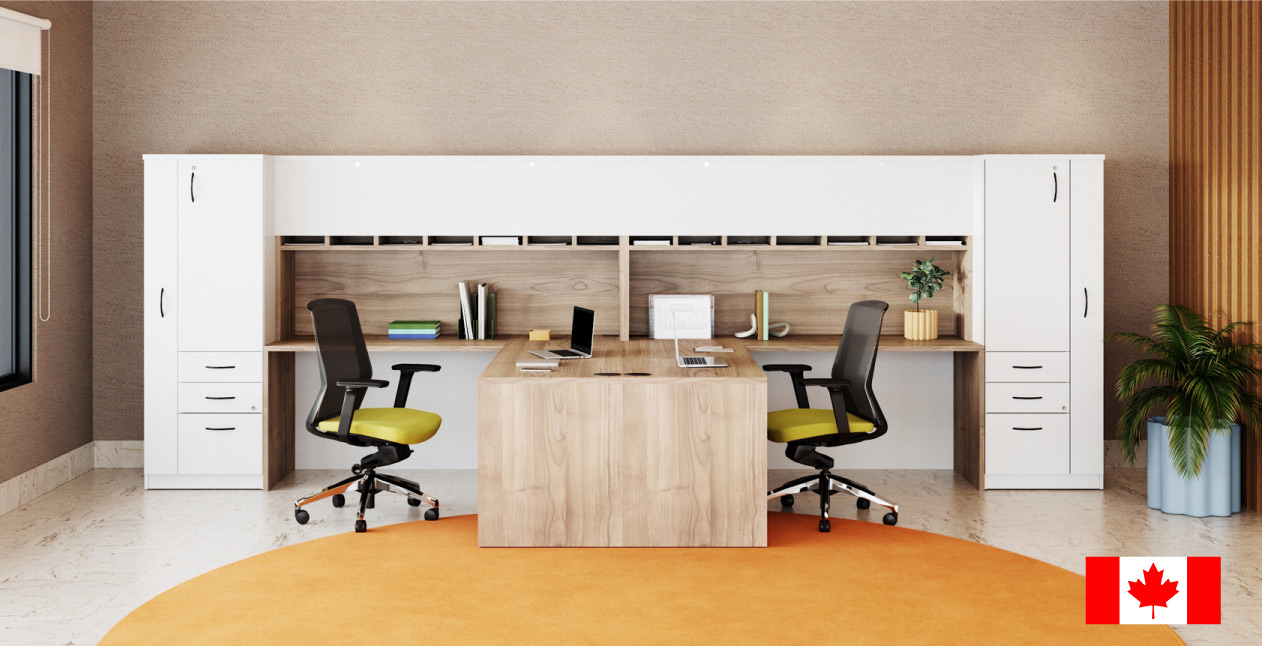
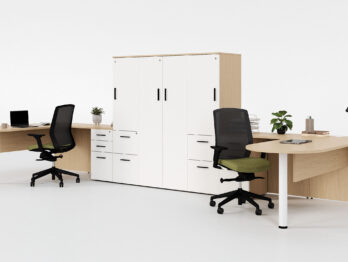
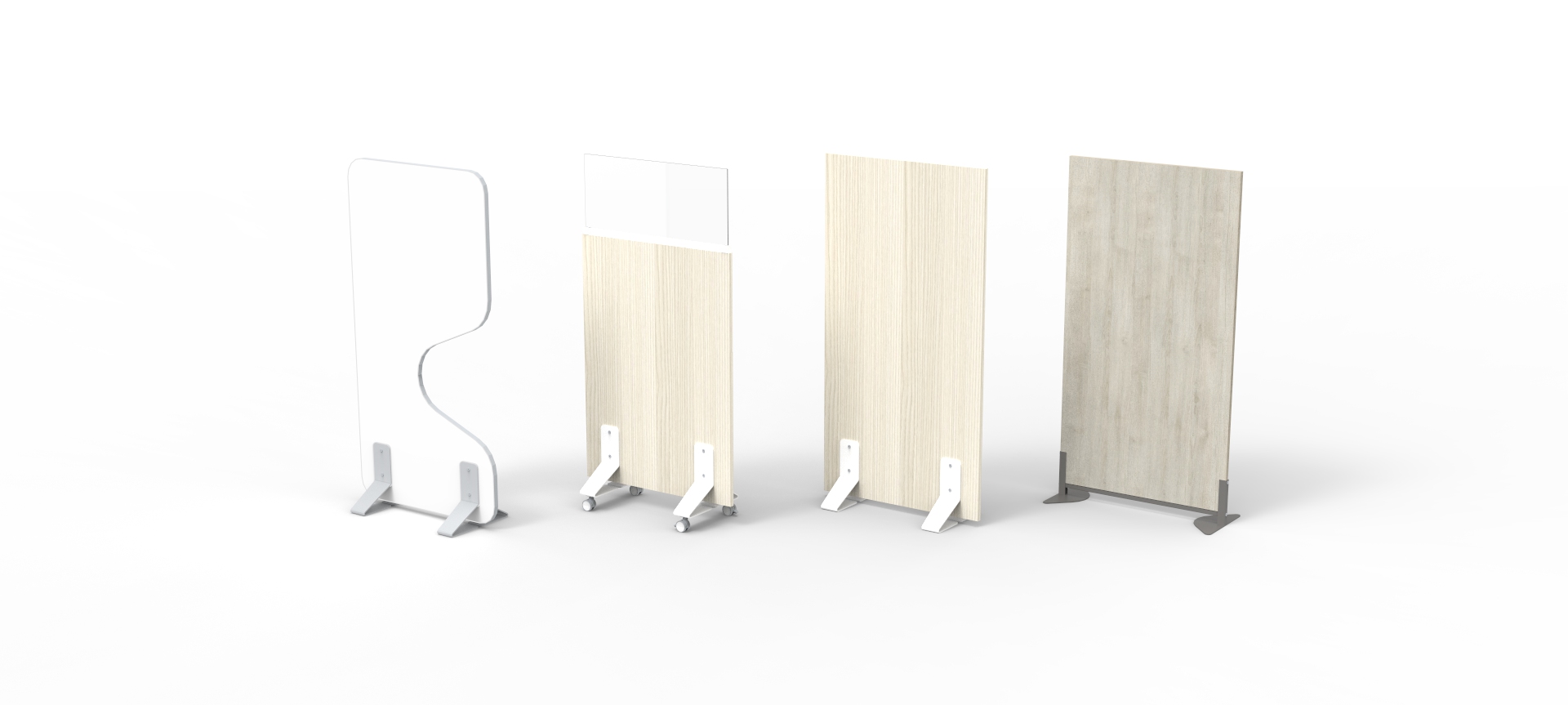
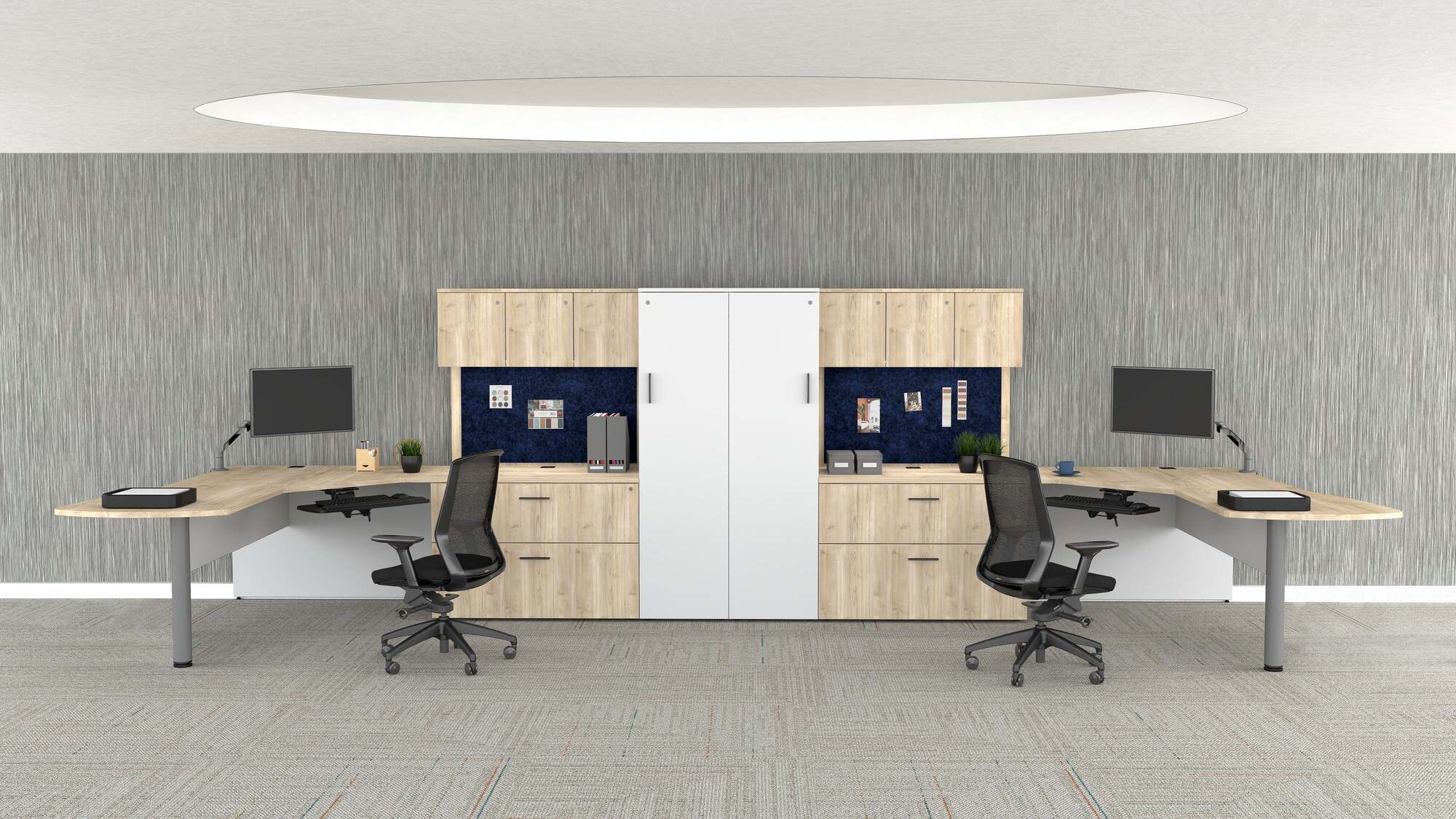
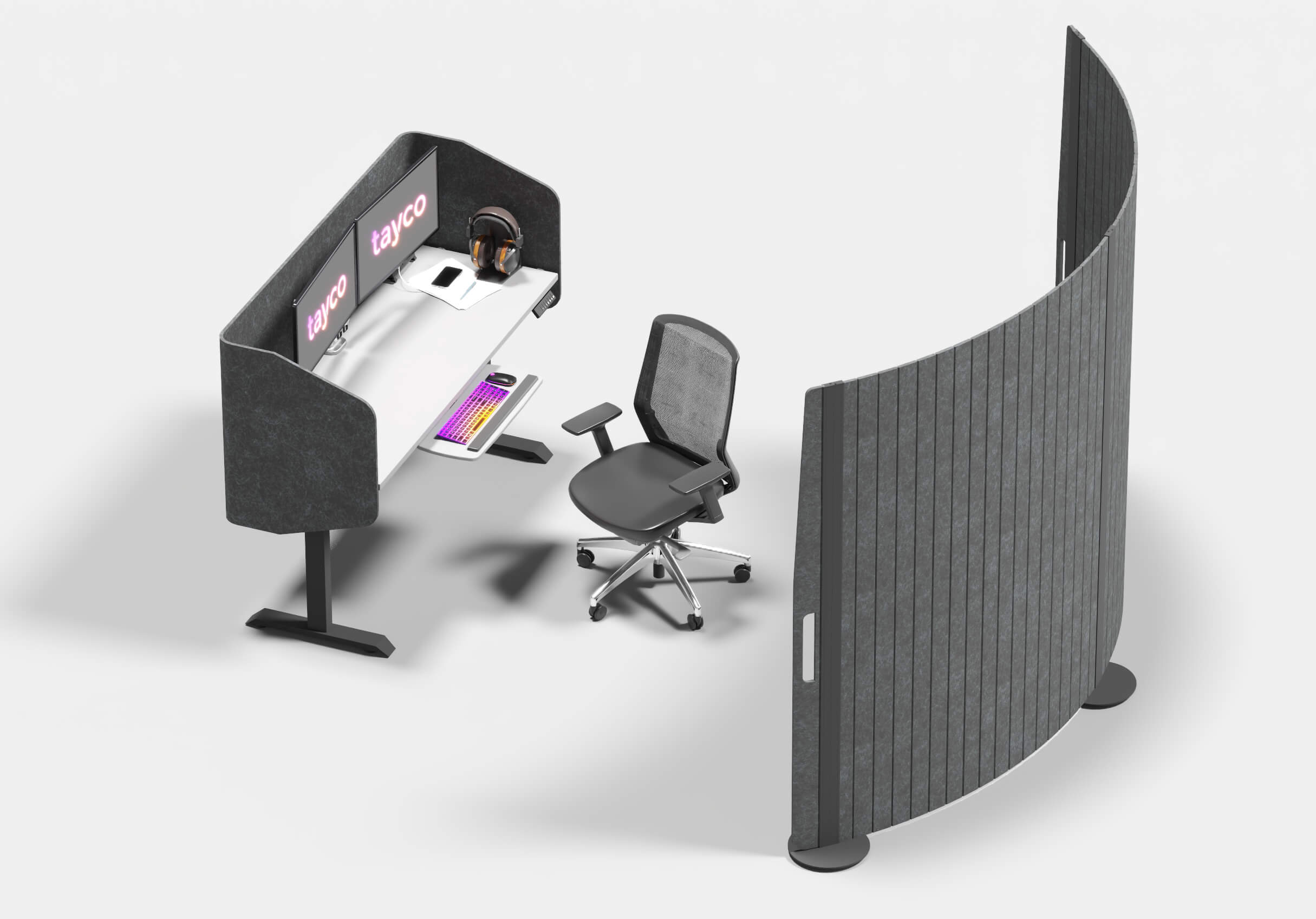
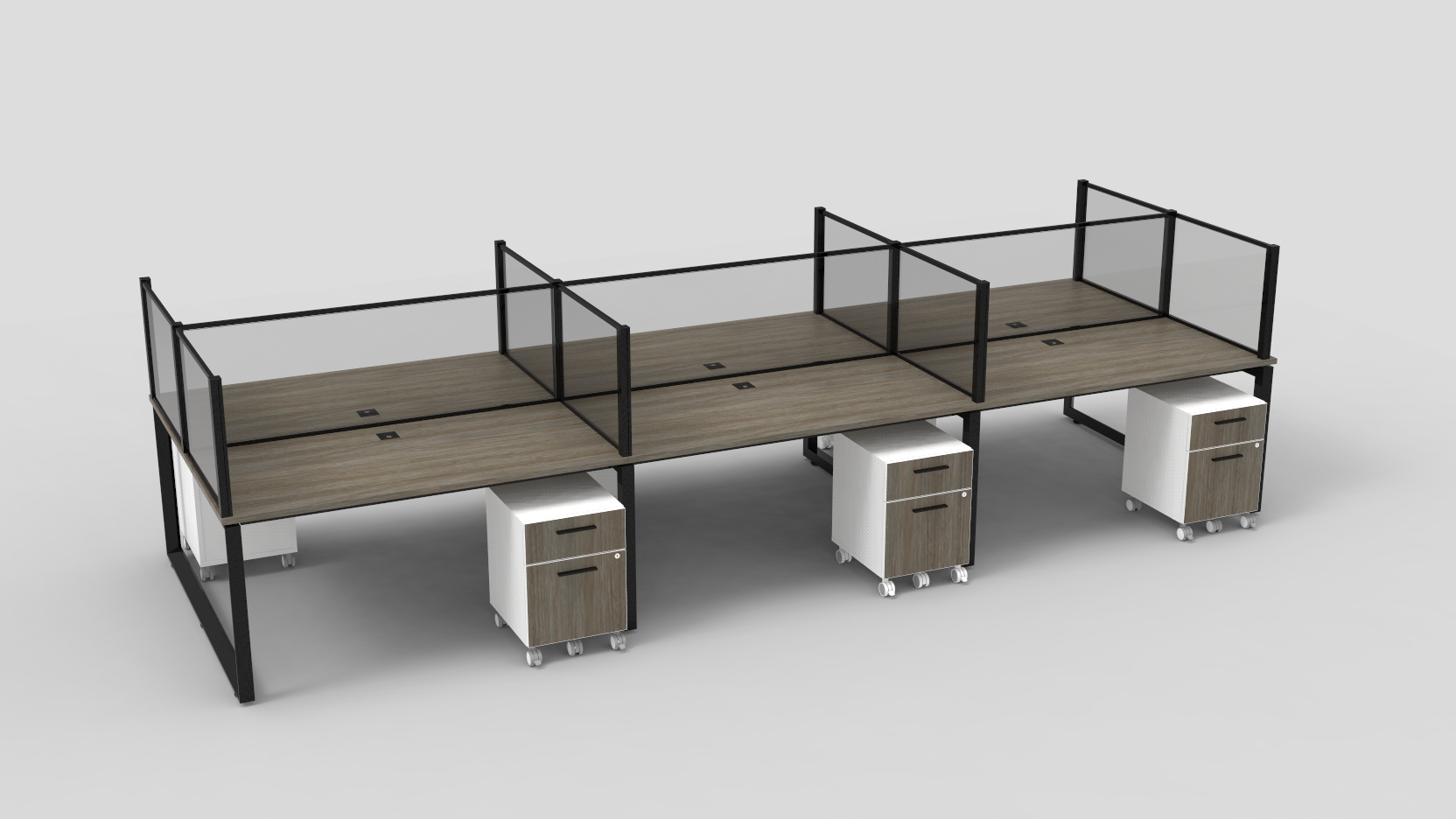
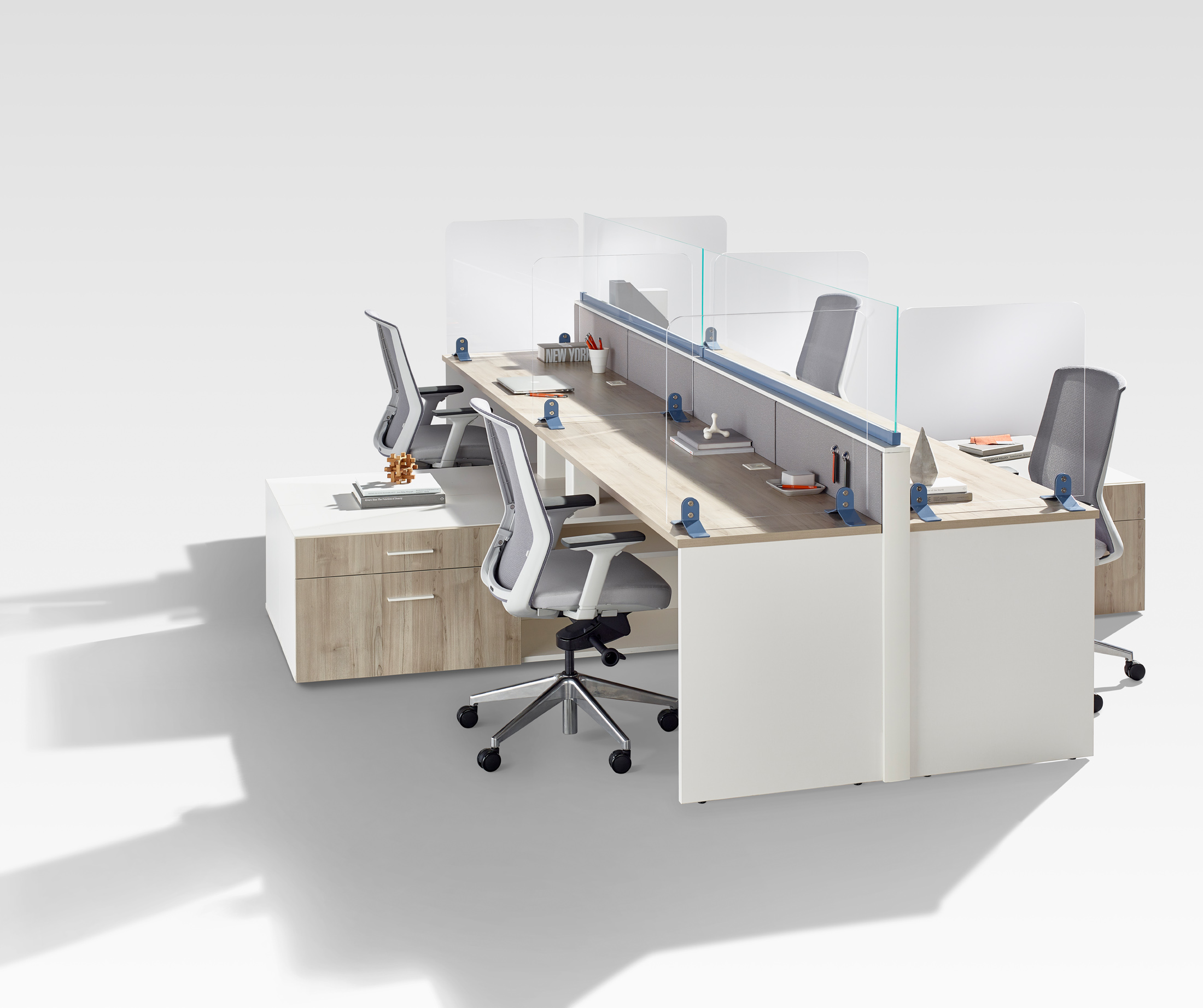
A modular desk set supports changing teams and shared work areas. Its movable components can include desks, drawers, cable trays, and privacy panels. This flexibility helps businesses adjust after hiring changes. It also requires disciplined cable management. Otherwise, the workspace quickly looks unfinished.

I once recommended deep desks for a busy planning team. The extra space seemed practical, but users stored too many papers. Their usable surface became smaller. That experience changed my approach. I now review workflow, storage habits, screen height, and cleaning routines together.

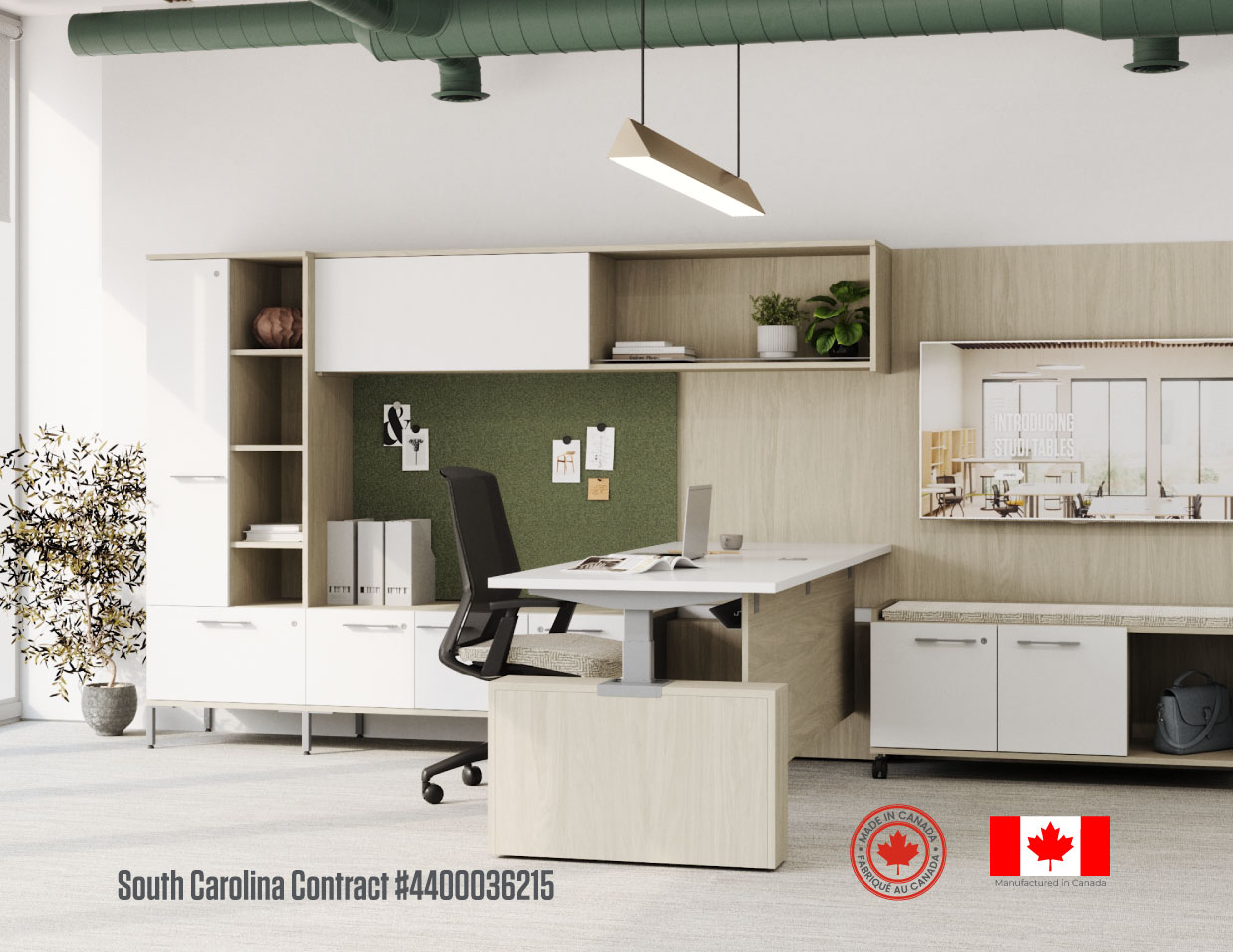
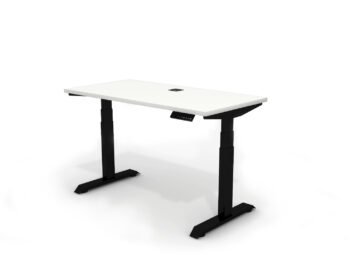
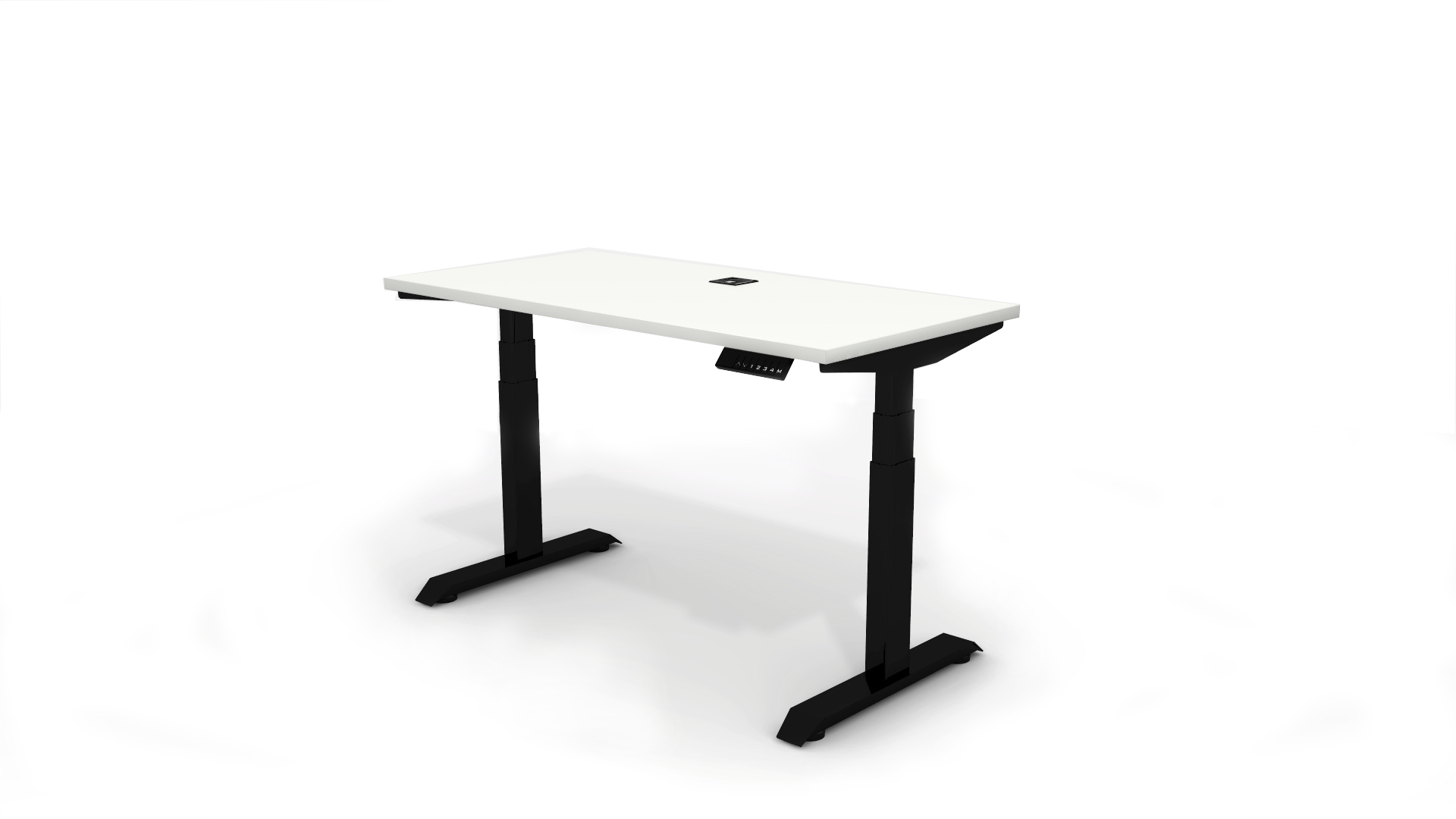
A sit-stand desk set can support movement during long computer sessions. It needs stable adjustment, safe cable slack, and enough room for accessories. Test the desk with real equipment before purchase. Product specifications help, but real user feedback often reveals the overlooked problem.

How to Choose the Best Office Desk Set for Your Business? - Understanding Office Desk Set Types and Their Business Uses

Office Desk Set Type Typical Configuration Common Dimensions Recommended Users Best Business Uses Main Advantages Important Considerations
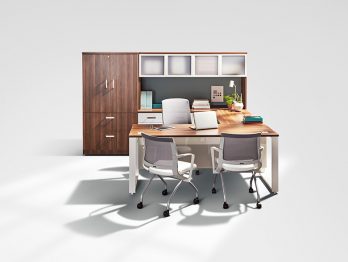
Single Workstation Desk Set Straight desk with mobile pedestal, modesty panel, and overhead storage Desk: 120–160 cm W × 60–80 cm D; height: approximately 72–75 cm 1 General administration, customer service, finance, and individual computer work Efficient use of floor space; simple to plan and standardize across departments Limited collaboration space; storage may need to be added separately
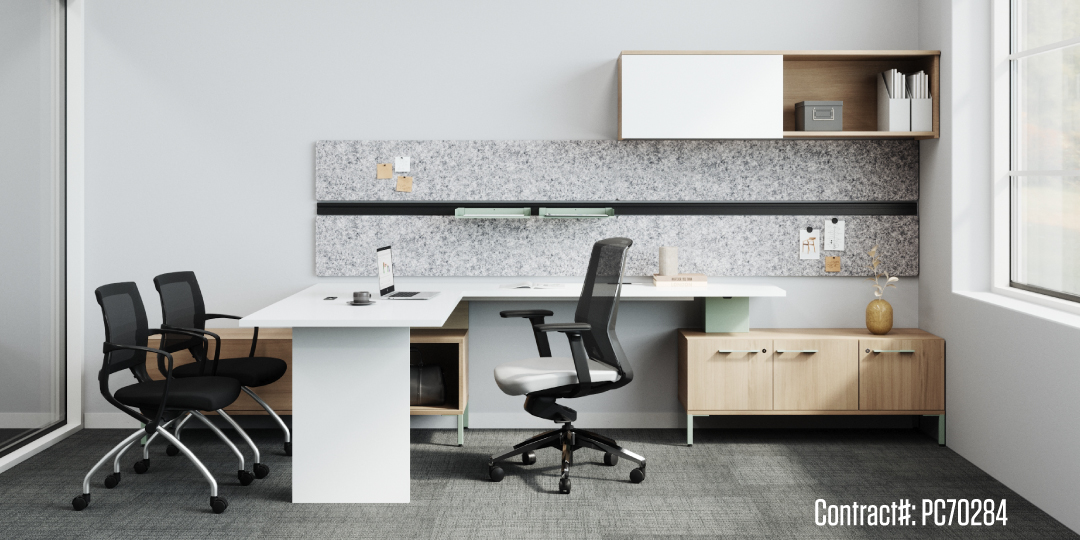
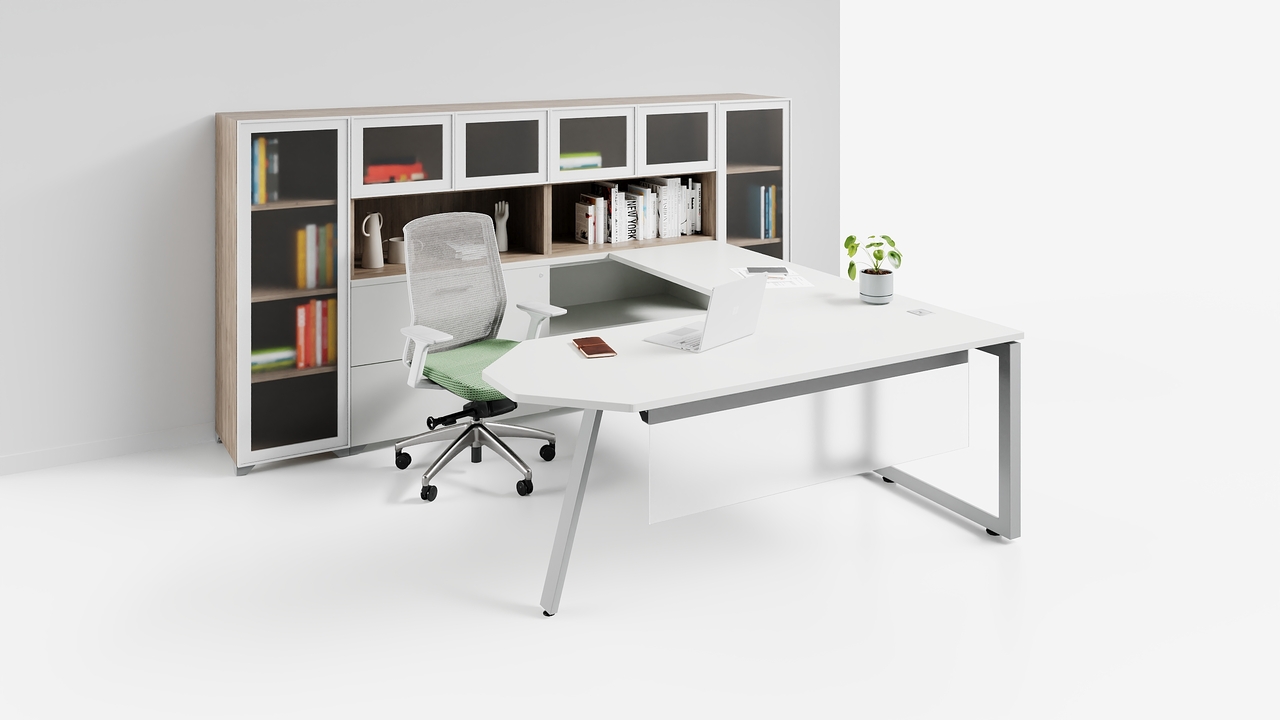
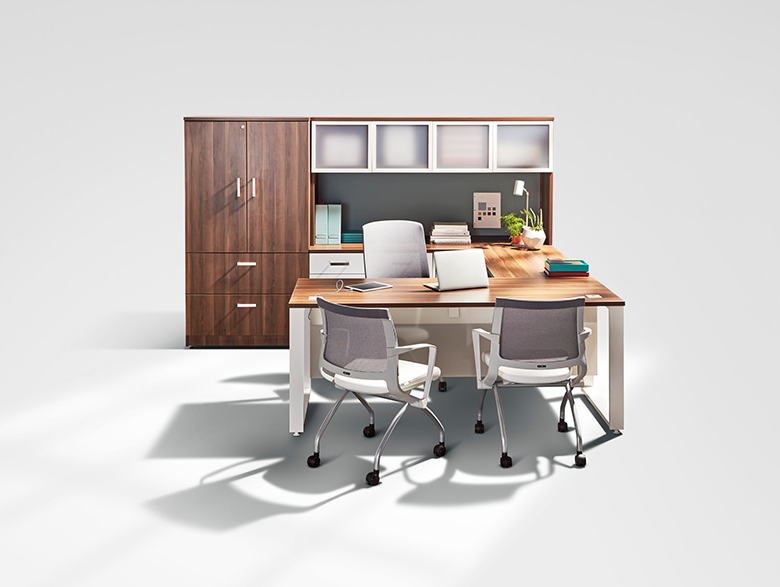
L-Shaped Desk Set Primary desk connected to a return surface, often with drawers or a pedestal Each side: approximately 120–180 cm W × 60–80 cm D; height: 72–75 cm 1 Managers, analysts, designers, and roles requiring multiple monitors or paperwork Provides separate zones for computer work, documents, and short visitor meetings Requires a corner or larger workstation area; check clearance for drawers and chairs
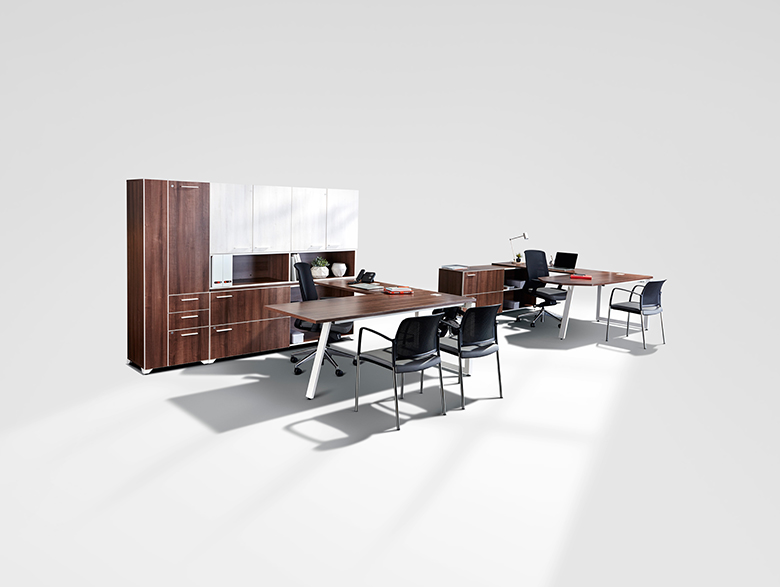
U-Shaped Desk Set Central desk with two side returns, storage cabinets, and a visitor-facing section Overall width: approximately 240–360 cm; depth: 180–240 cm; height: 72–75 cm 1 Senior management, legal work, project leadership, and document-heavy roles Maximum work surface and storage; supports meetings without leaving the workstation High space requirement and higher cost; may make an office feel less open
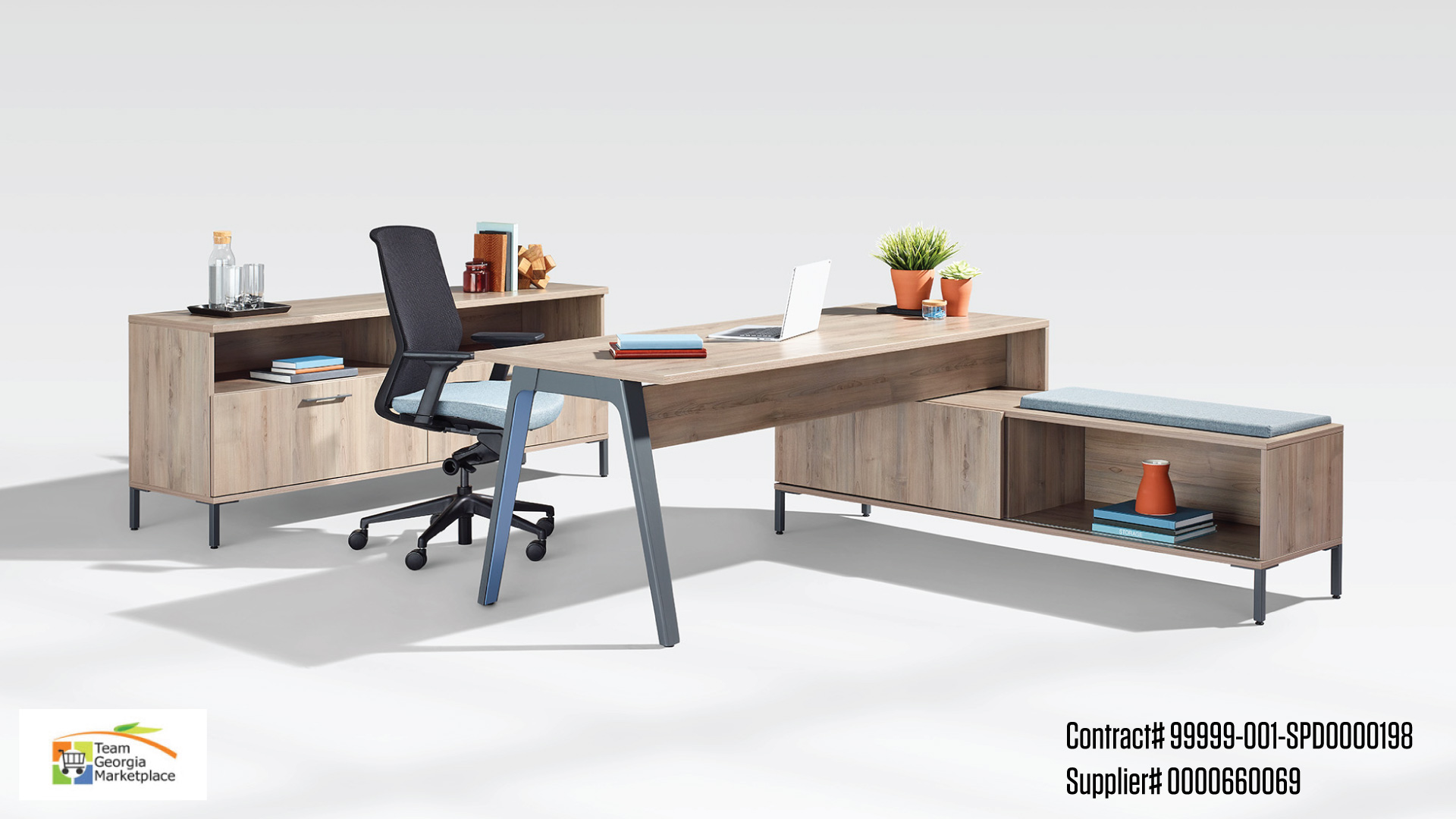
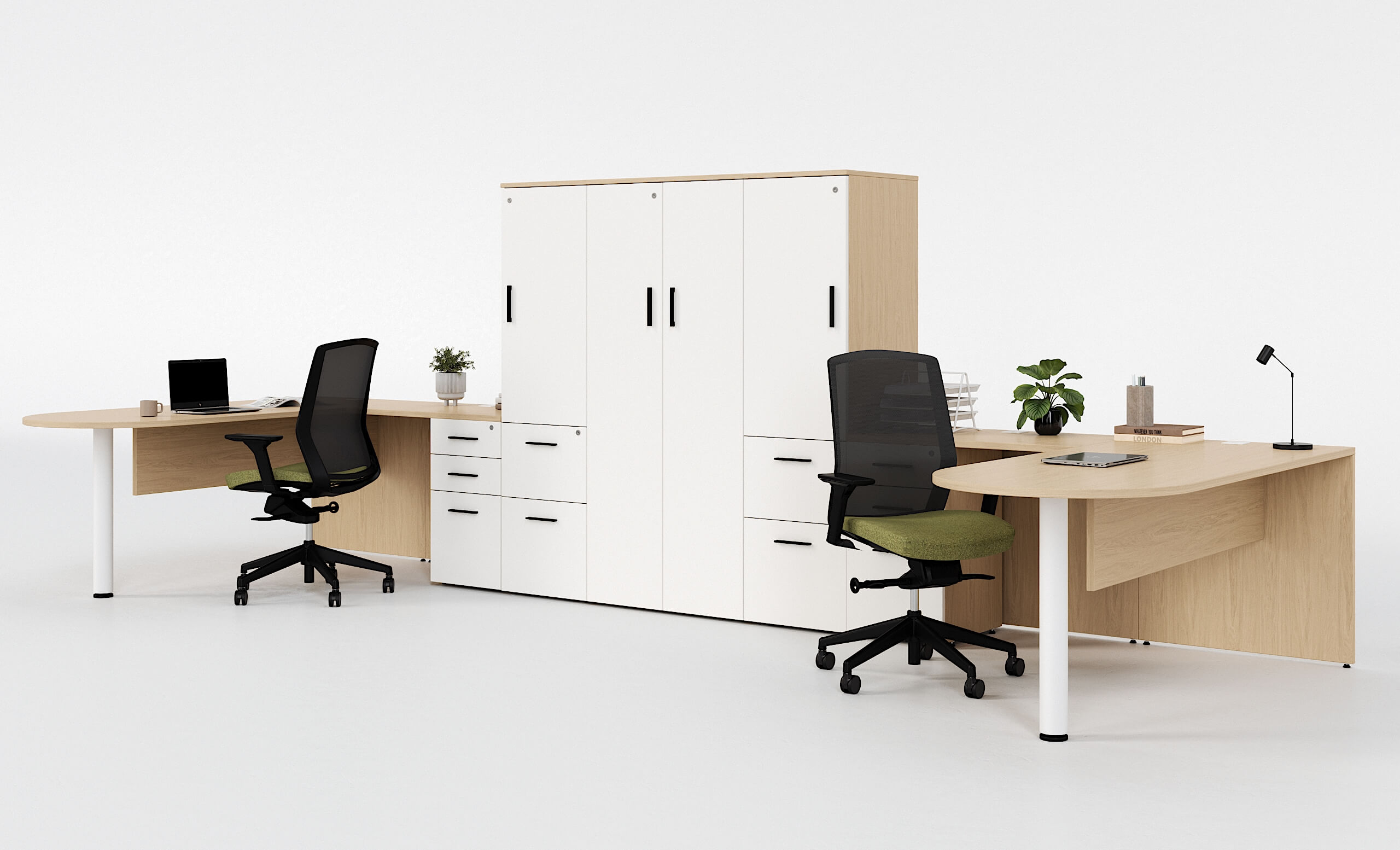
Executive Desk Set Large desk with credenza, pedestal, storage cabinet, and visitor seating area Desk: 160–220 cm W × 80–100 cm D; height: 72–75 cm 1–3 Private offices, leadership meetings, confidential discussions, and client reception Strong visual presence, generous storage, and suitable space for face-to-face meetings Needs a spacious private office; large solid surfaces can increase handling and delivery demands
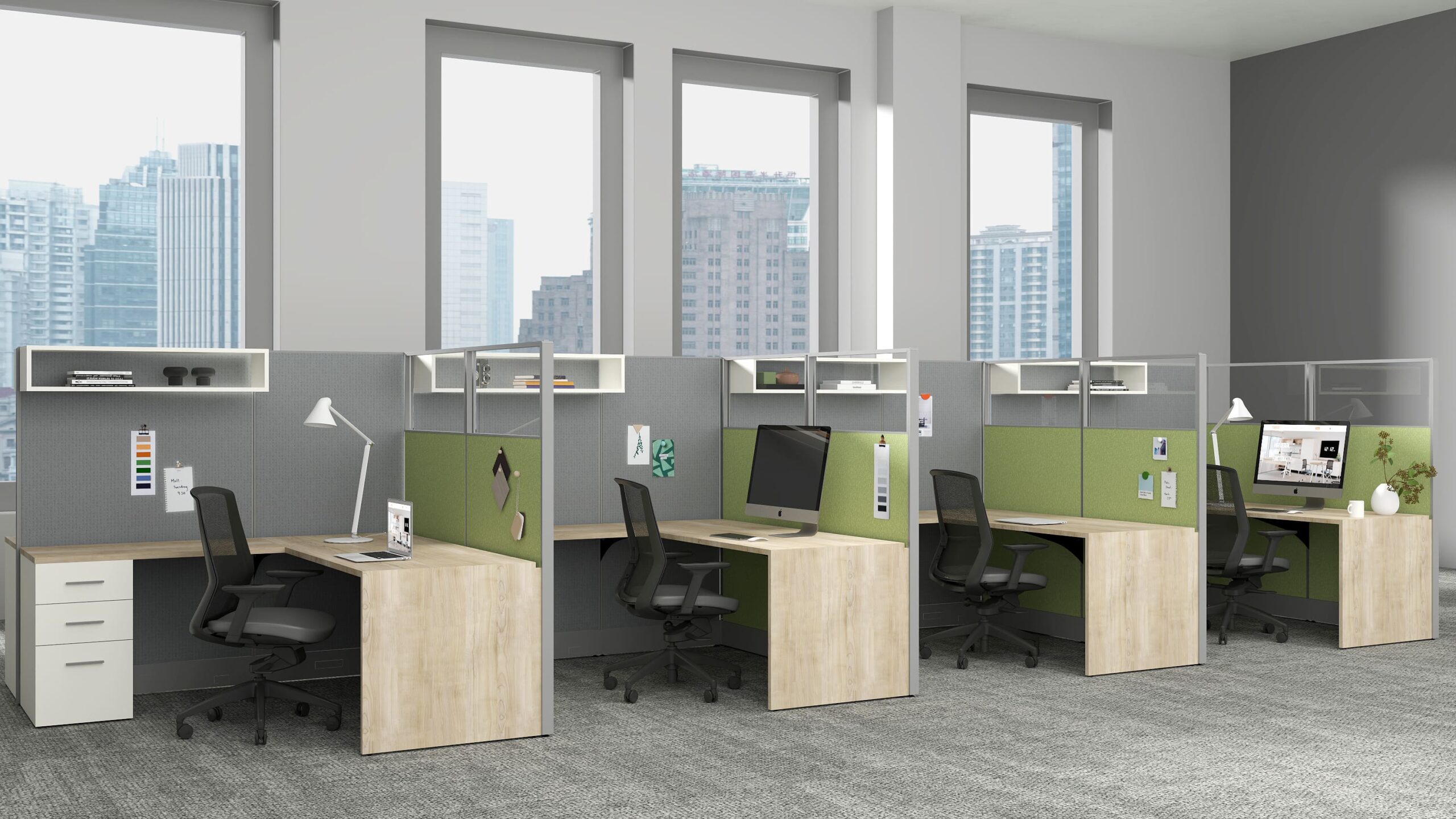
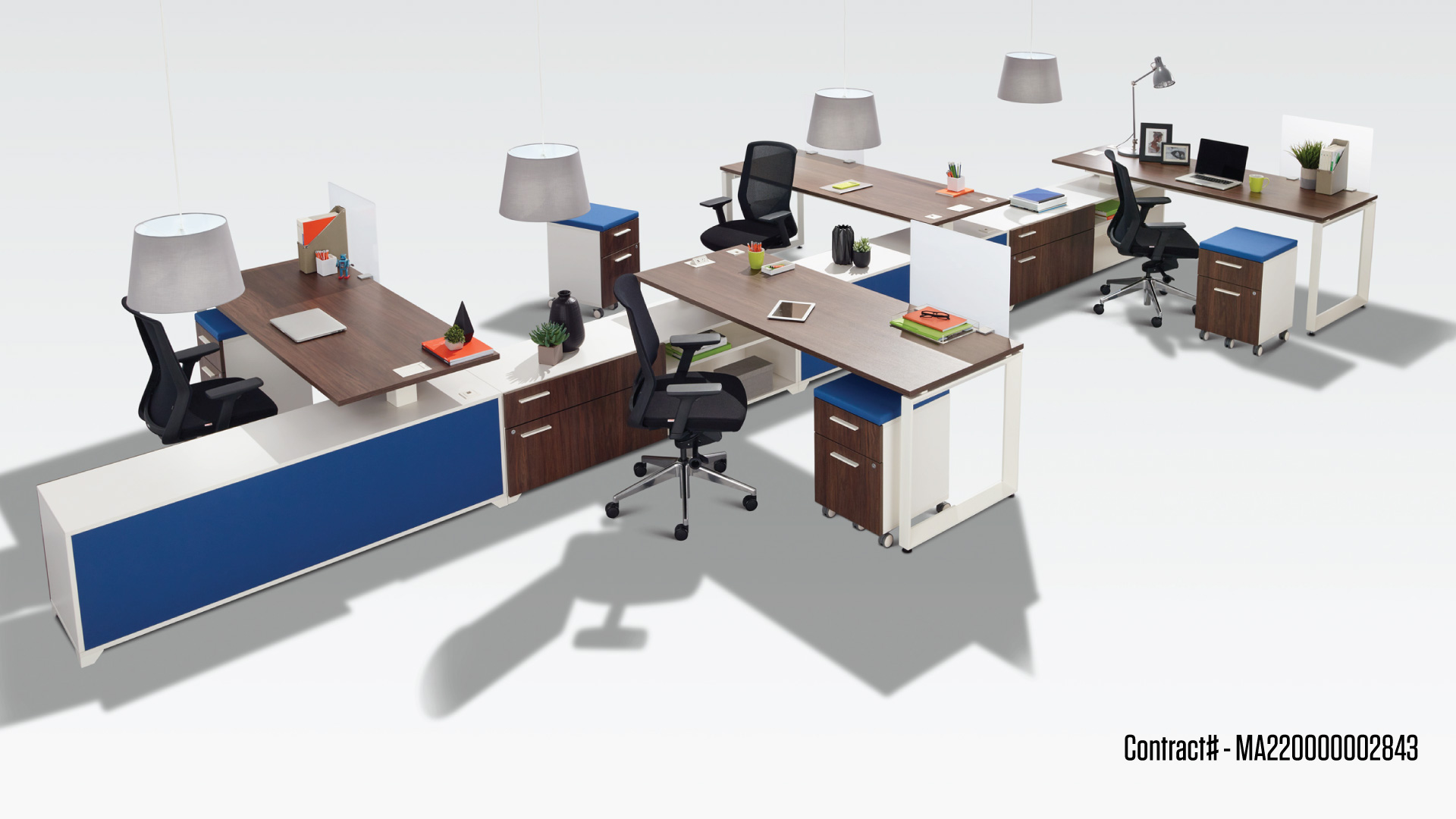
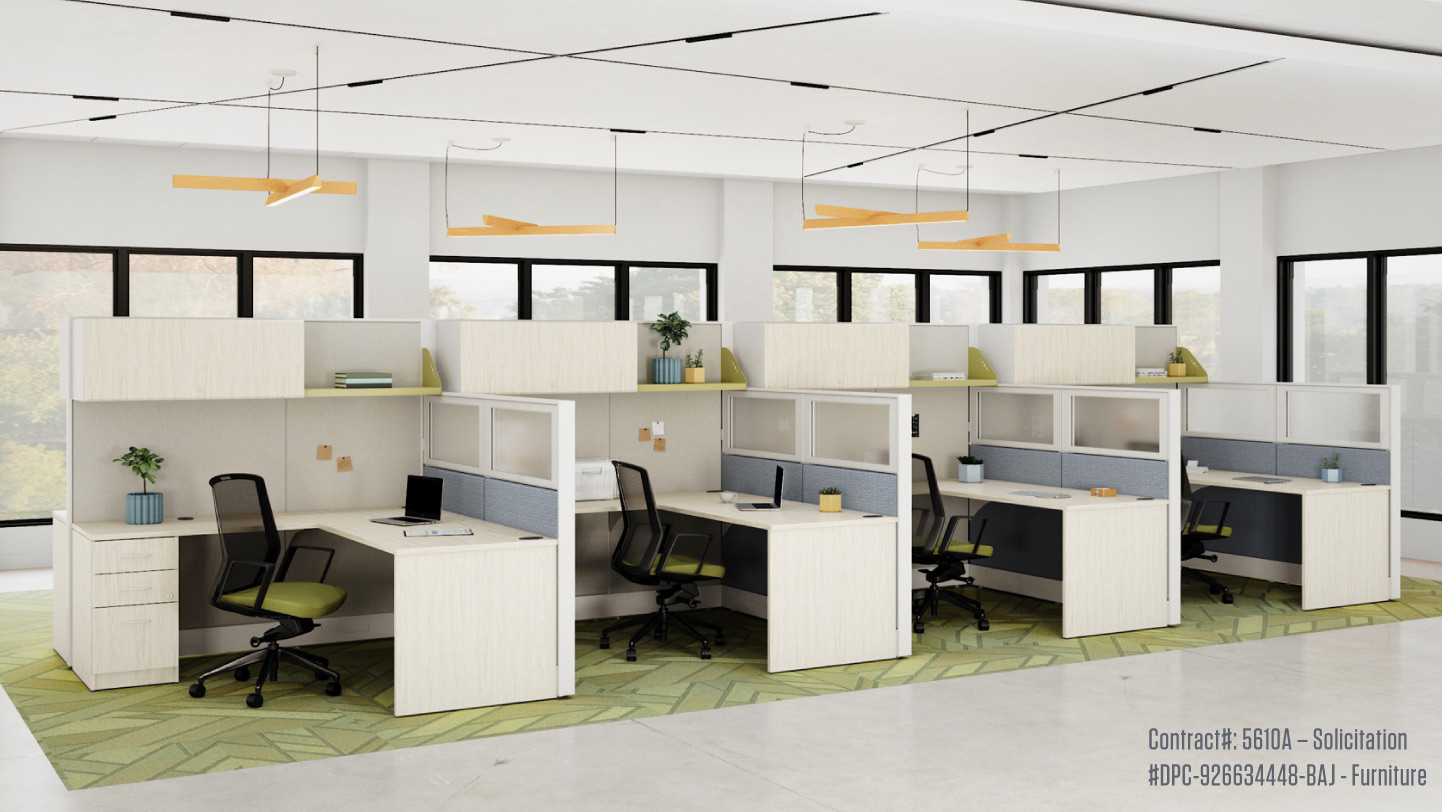
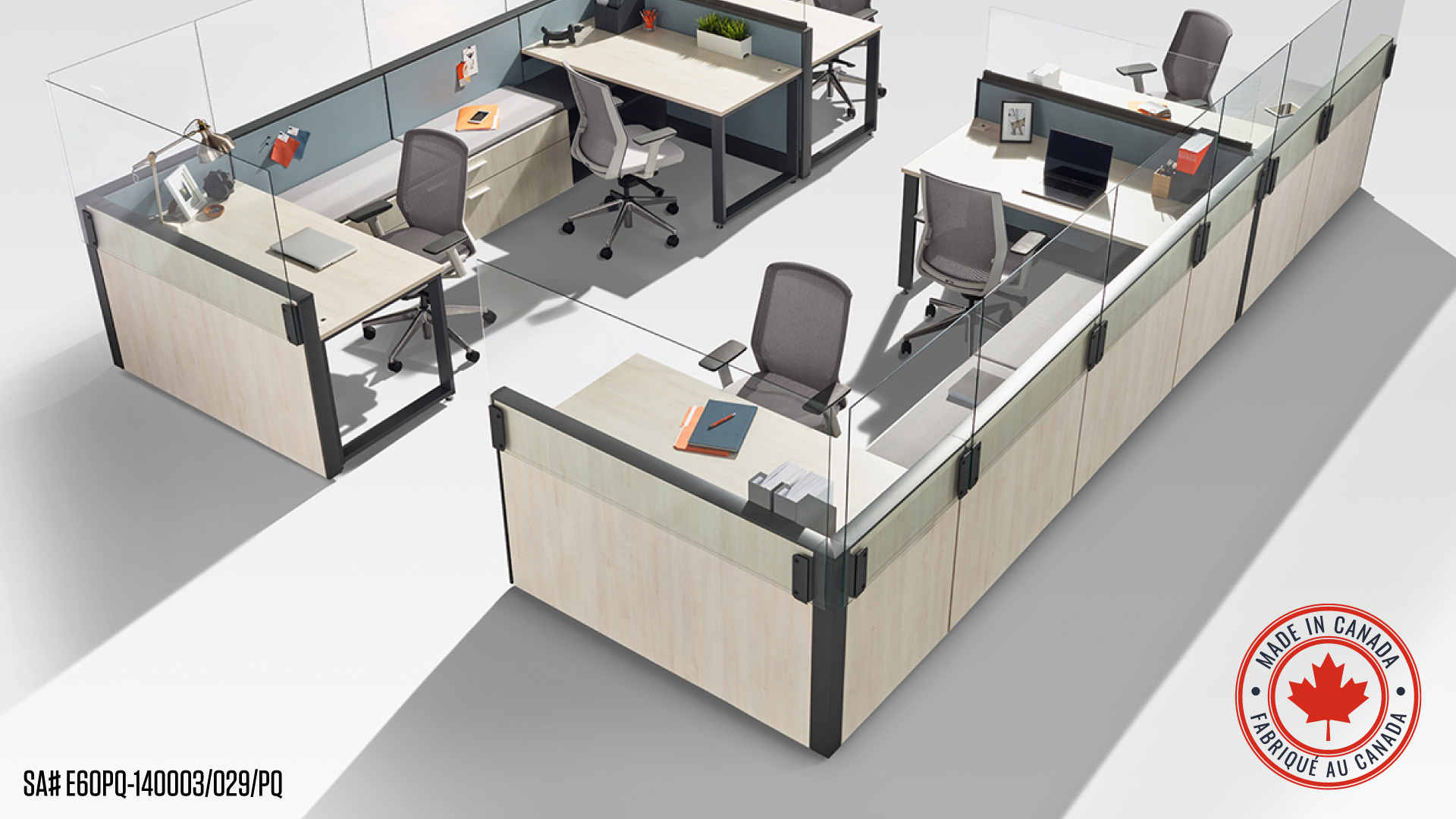
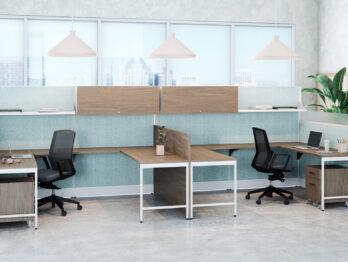
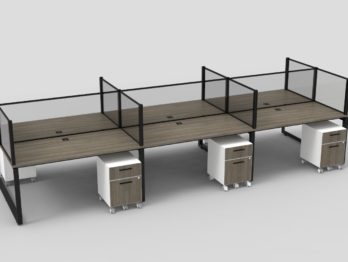
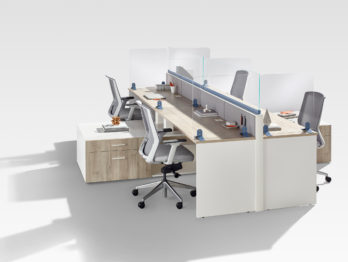
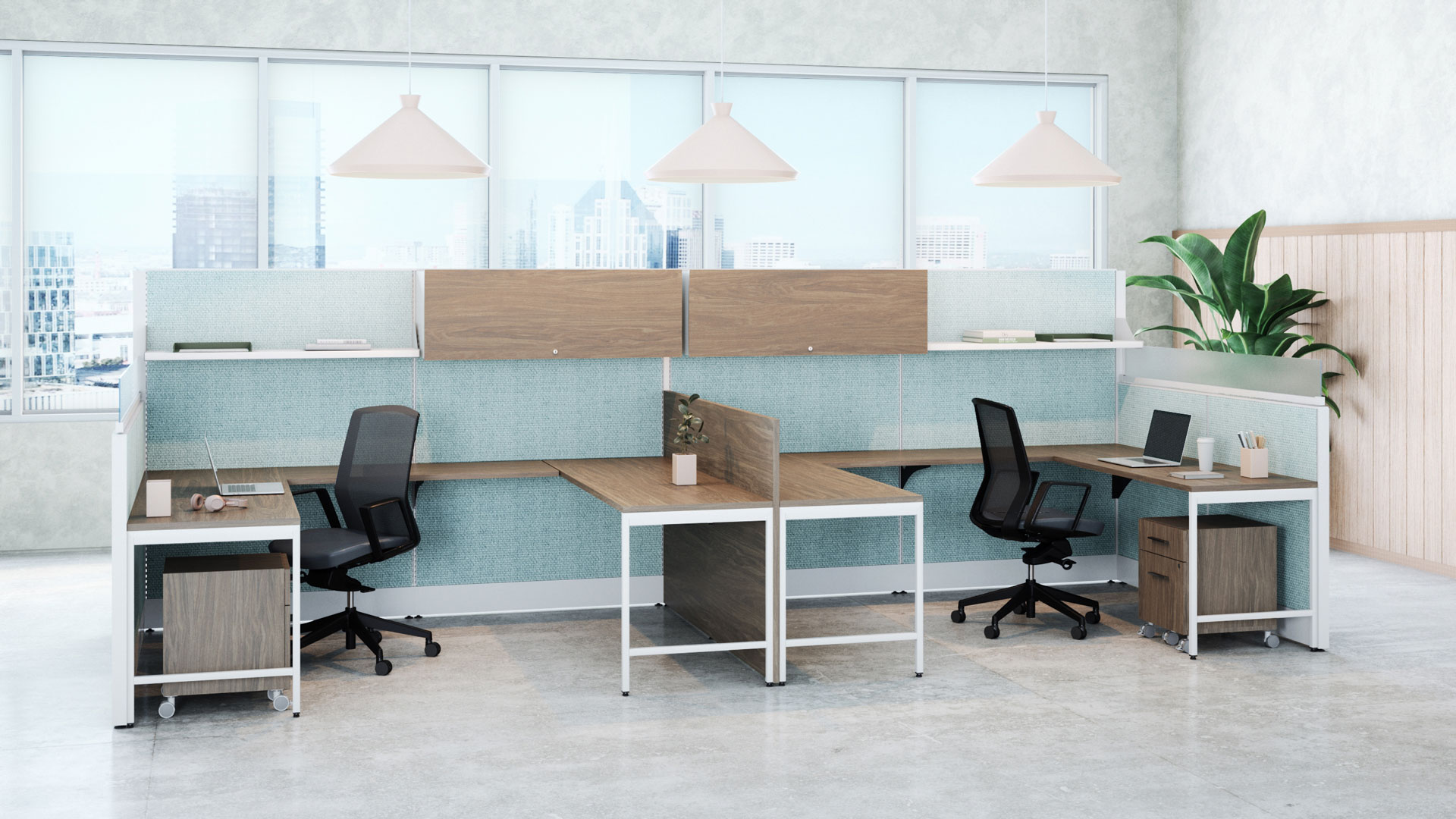
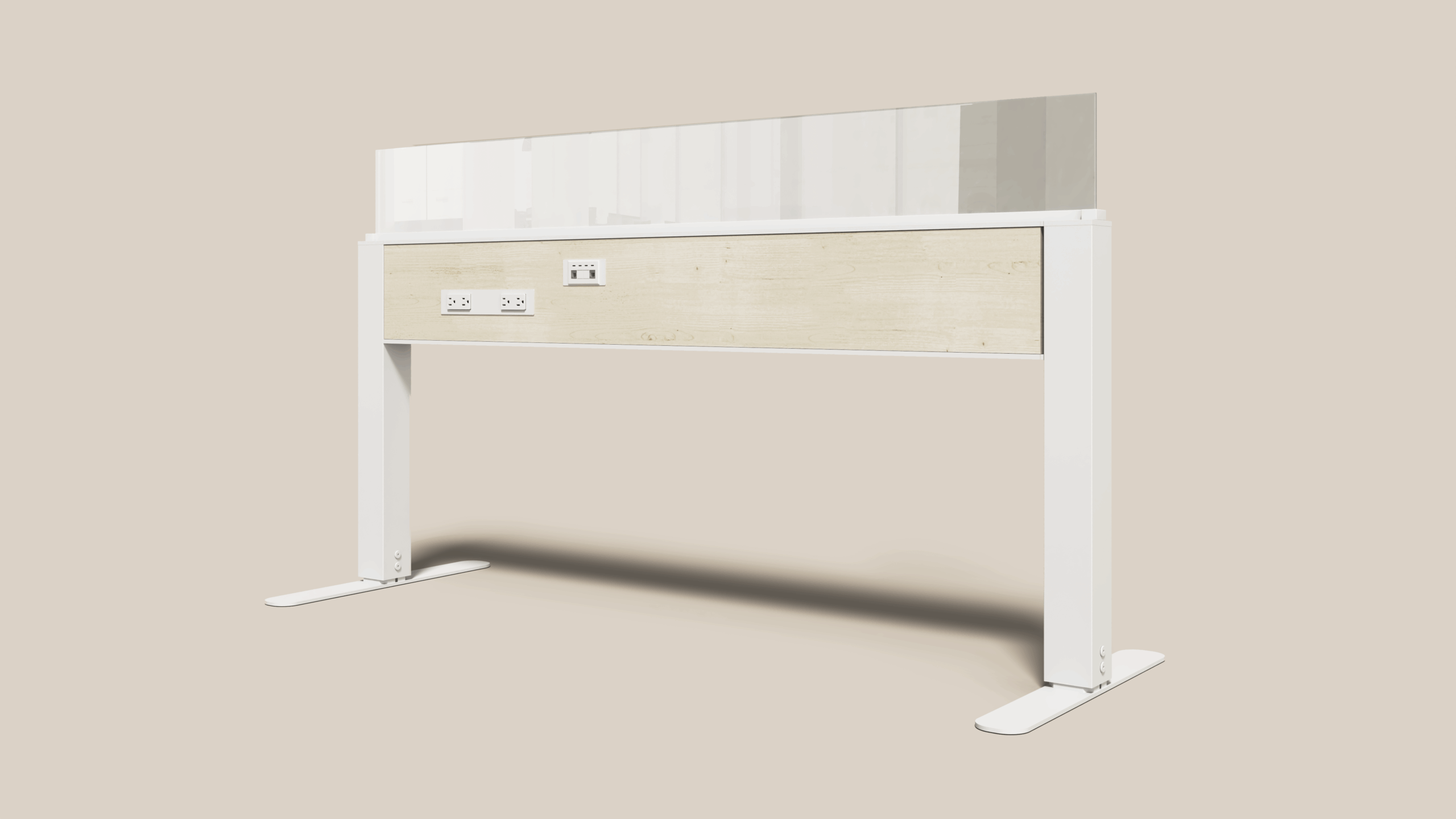
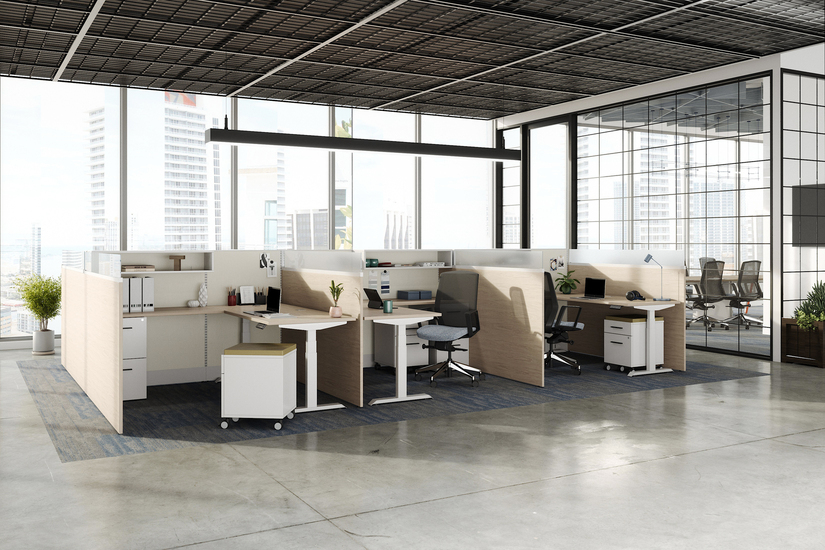
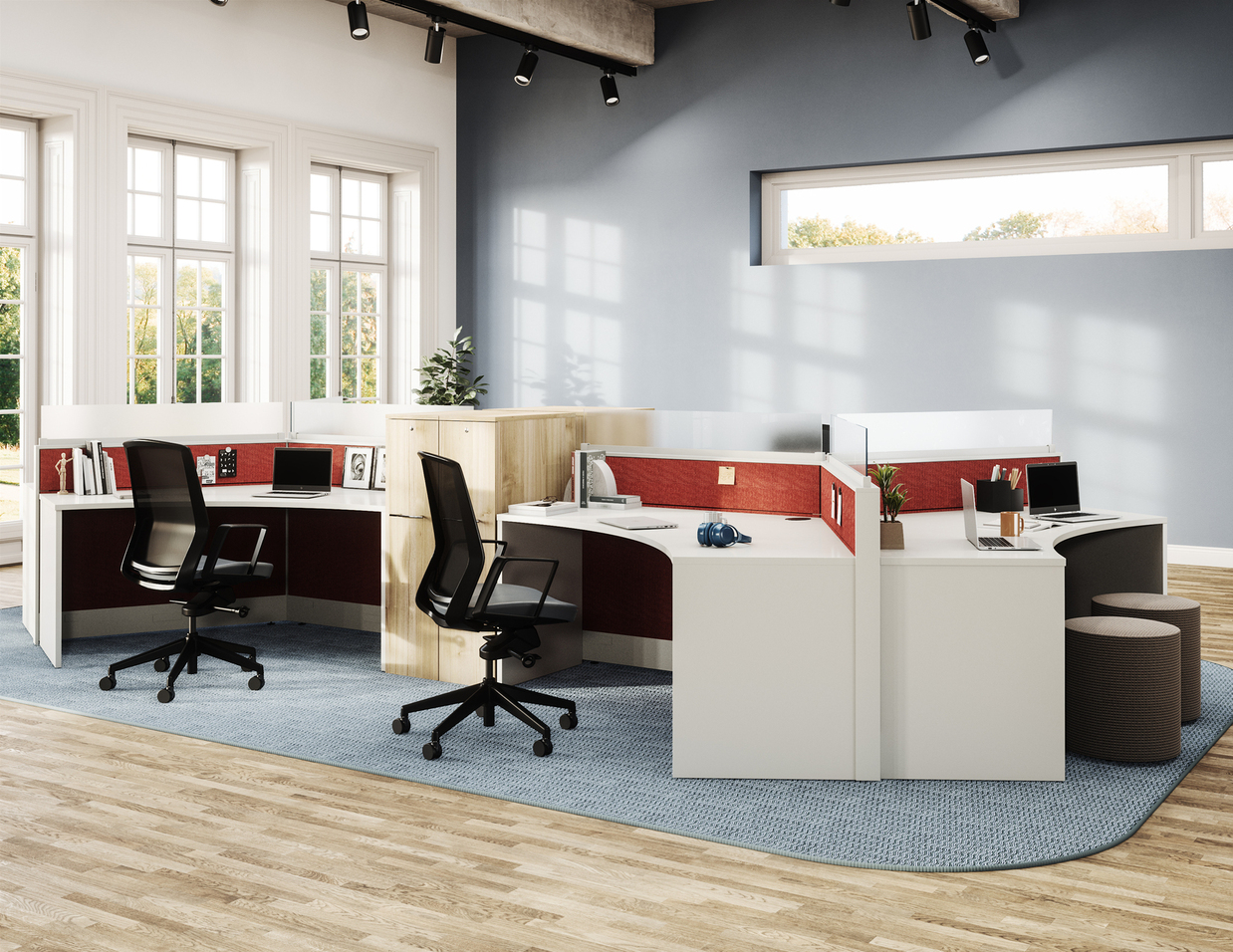
Bench Workstation Set Two or more desks arranged in a row with shared cable management and optional privacy screens Per user: 120–160 cm W × 60–80 cm D; height: approximately 72–75 cm 2–8+ Open-plan teams, sales departments, operations centers, and shared project areas Good seating density, easier team communication, and efficient installation of power and data Less acoustic and visual privacy; requires careful planning of circulation and noise control
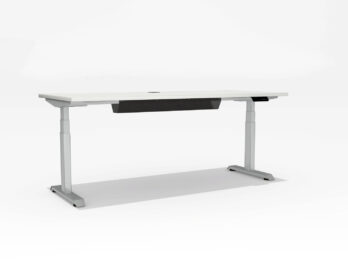
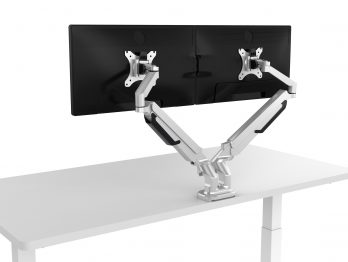
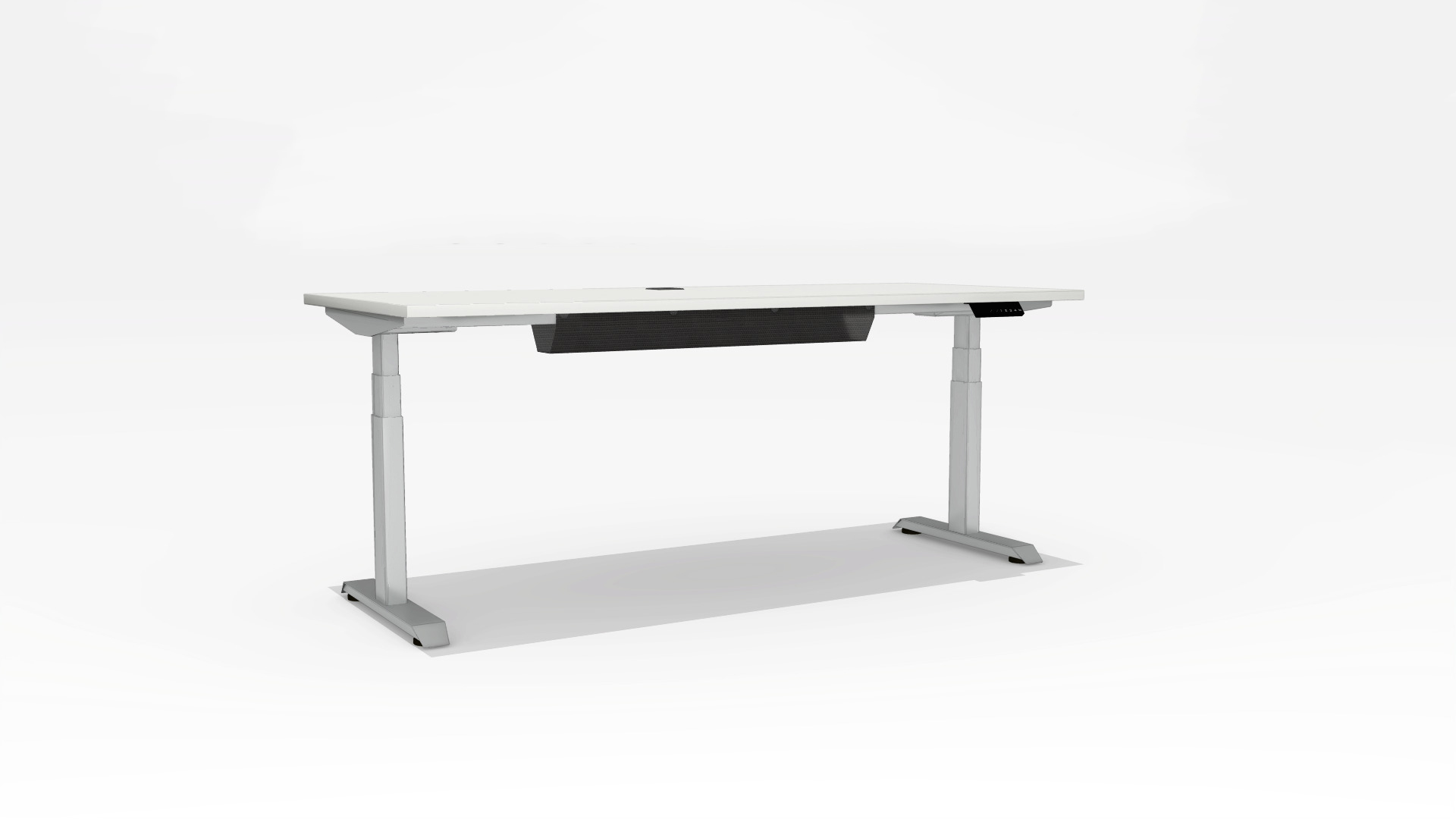
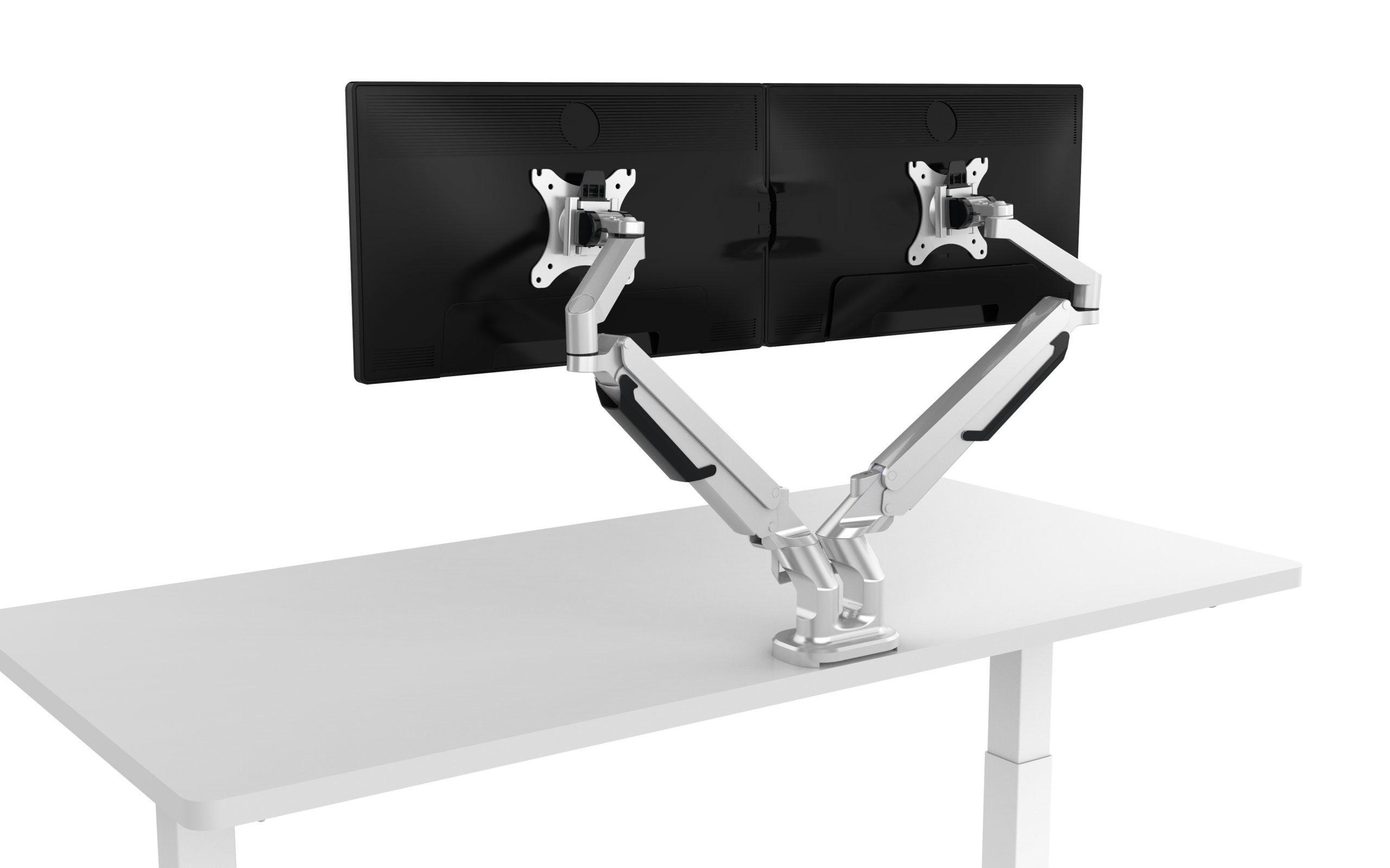
Height-Adjustable Desk Set Electric or manual sit-stand desk with cable tray and optional monitor arm Top: 120–180 cm W × 60–80 cm D; adjustable height commonly about 65–125 cm 1 Technology teams, creative work, hybrid offices, and employee wellness programs Allows users to alternate between sitting and standing; supports flexible workstation layouts Higher purchase cost; ensure adequate cable length and clearance for moving components
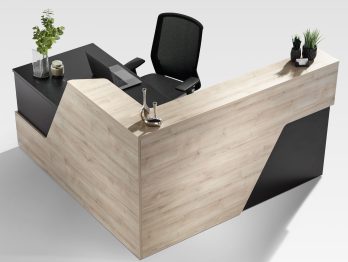
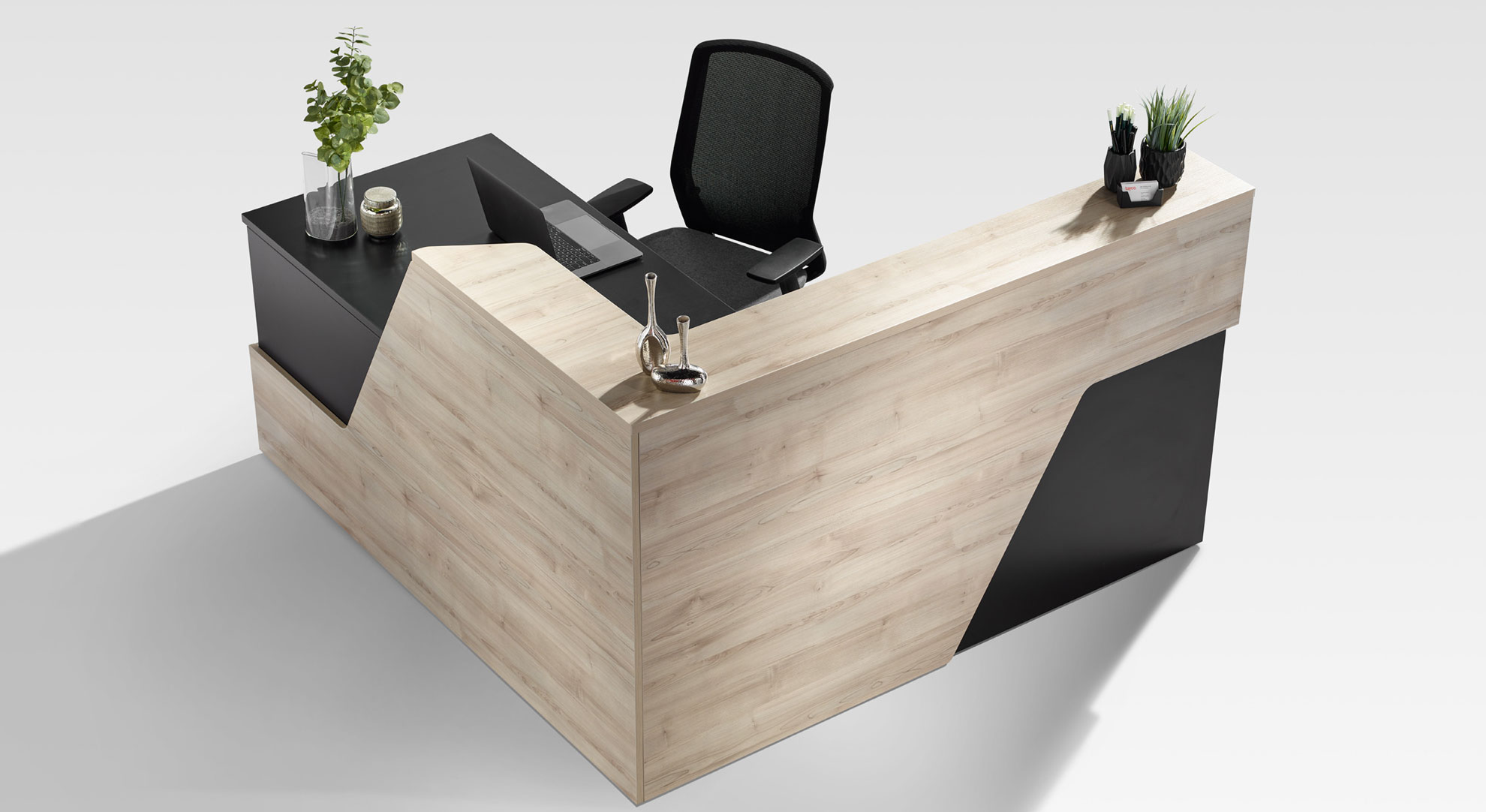
Reception Desk Set High transaction counter with seated work surface, storage, cable routing, and visitor side Width: 150–240 cm; worktop depth: 70–90 cm; counter height commonly 105–115 cm 1–3 Reception areas, clinics, hotels, educational facilities, and customer service counters Creates a clear welcome point and separates visitor circulation from staff equipment Check accessibility, visitor approach routes, privacy, and visibility of screens and documents
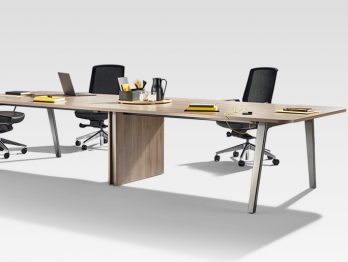
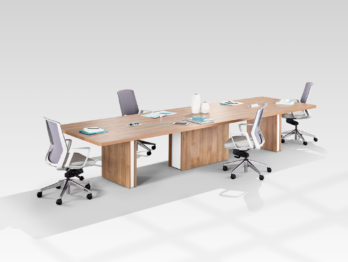
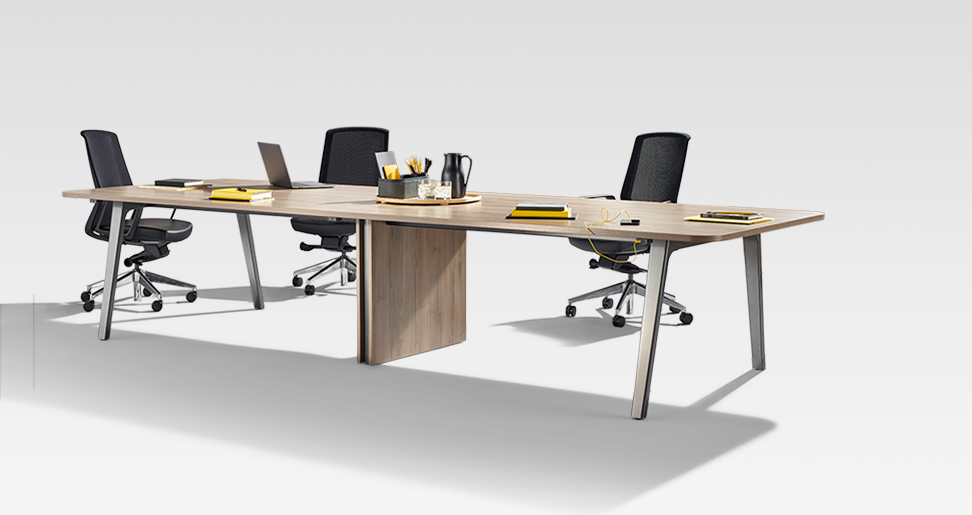
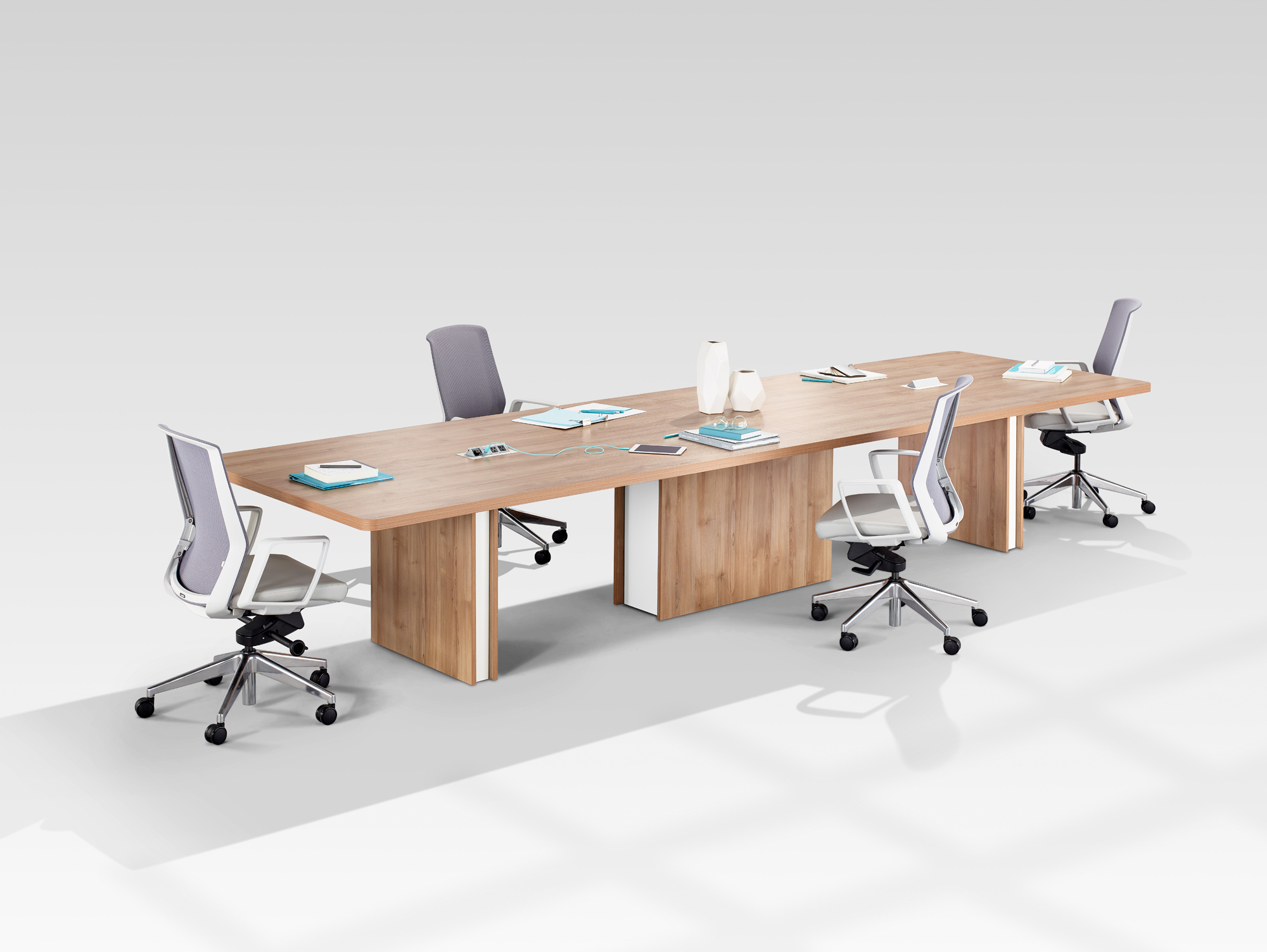
Collaborative Desk Set Shared rectangular or oval worktable with integrated power, data access, and mobile storage Length: 180–300 cm; depth: 90–120 cm; height: approximately 72–75 cm 4–10 Project teams, training sessions, workshops, and agile planning areas Encourages teamwork and allows flexible seating for short-term or project-based work Less suitable for confidential tasks; provide acoustic control and sufficient space between users
Planning note: Dimension ranges are typical commercial-office sizes. Allow additional clearance for chairs, drawers, cable access, circulation, accessibility, and emergency routes before selecting a complete office desk set.

Assessing Workspace Needs, Employee Roles, and Available Space

Choosing an office desk set starts with work patterns, not catalog photos. Map each role’s daily tasks, tools, privacy needs, and movement. Finance staff may need dual monitors and lockable storage. Customer-facing teams may need smaller desks near shared meeting areas. Designers often need deeper surfaces for sketches and equipment. Gallup’s 2024 State of the Global Workplace report found that hybrid employees worked remotely about 2.6 days weekly. Therefore, fixed personal desks may waste space in partly occupied offices.

Measure the room carefully. Record columns, windows, power outlets, walkways, and emergency routes before selecting furniture. The International Facility Management Association recommends considering circulation and functional zones during workplace planning. A 1.5-meter walkway can feel very different from a crowded aisle during busy hours. Use adjustable desks and chairs where employee heights and tasks vary. The U.S. Bureau of Labor Statistics reported that 22.4% of workers worked remotely in 2023, reinforcing the need for flexible layouts and shared stations.

Avoid designing from averages alone. A small pilot area can reveal awkward monitor angles, noisy drawers, or missing cable space. I still see teams underestimate storage needs. That mistake is expensive. Ask employees to test a desk set during real tasks, not a five-minute showroom visit. Review the results after two weeks. Some preferences will conflict. That is normal. A reliable choice balances role requirements, available space, accessibility, and future staffing changes rather than chasing a perfect layout.

How to Choose the Best Office Desk Set for Your Business?

Estimated workspace area required per workstation, based on employee role, collaboration needs, storage, and available floor space.

Use these planning estimates to match desk sets with daily work patterns. Focus-oriented roles generally need less shared space, while reception, management, and collaboration-heavy roles require additional room for visitors, storage, movement, and meetings. Local regulations, accessibility requirements, and workplace policies should also be considered.

Comparing Materials, Ergonomics, Features, and Long-Term Durability

Choosing an office desk set starts with the work, not the showroom photograph.
In real use, materials reveal their strengths quickly. Solid wood feels warm and can survive years, but it may be heavy and prone to seasonal movement. Steel frames provide firm support, while quality laminate resists coffee rings and daily scratches. Low-cost particleboard can work, yet swollen edges often expose weak moisture protection. I once selected a beautiful desk with a thin surface. It looked impressive for a week. Then its front edge chipped beside the keyboard.

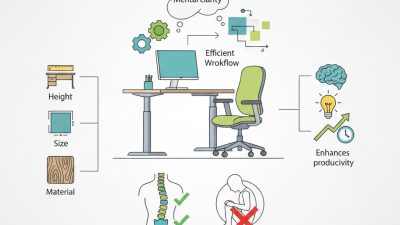
Ergonomics deserves a hands-on check. Sit with your feet flat and keep your elbows near a 90-degree angle. The desk should leave enough space for knees, cables, and a modest footrest. A height-adjustable frame helps different users, although cheap mechanisms can wobble at standing height. Check drawer clearance before adding a keyboard tray. Small details matter: rounded edges, a matte surface, and monitor height that prevents constant neck bending. Measurements beat attractive promises.

Useful features should solve repeated problems. Cable channels, locking drawers, replaceable feet, and modest storage reduce clutter without consuming legroom. Inspect joints, fasteners, coatings, and warranty terms; these details indicate how seriously the set was engineered. Choose surfaces that tolerate disinfectant, laptop heat, and frequent cleaning. Durability is not only material strength. It also depends on repair access and spare components. My own mistake was ignoring assembly time; a stable desk is less useful when nobody wants to rebuild it.

Evaluating Budget, Maintenance Requirements, and Brand Reliability

How to Choose the Best Office Desk Set for Your Business?

A desk set should fit the budget without creating hidden costs. In my experience, the cheapest quote often excludes delivery, assembly, cable management, or replacement parts. Calculate the full cost over three years. Include installation time and possible repairs. A sturdy laminate surface may cost more initially, but it can resist daily scratches and coffee spills. That matters in a busy office.

Maintenance needs should match your staff and workspace. Choose surfaces that clean with mild soap and a soft cloth. Avoid complicated finishes that require special products. Check whether drawer slides, hinges, and adjustable feet can be replaced separately. Small parts fail first. A supplier with clear care instructions shows practical knowledge. Still, maintenance estimates are imperfect. Dust, heavy equipment, and careless moving can shorten any desk’s life.

Brand reliability requires evidence, not attractive packaging. Review warranty length, service response times, spare-part availability, and written product specifications. Ask for references from offices with similar daily use. Independent testing reports can support claims about load capacity and durability. A reliable supplier explains limitations instead of promising perfection. I once overlooked a weak cable tray because the desktop looked excellent. The desk worked, but installation became slower and more expensive. Examine samples, inspect joints, and request every important promise in writing.

Selecting and Arranging the Best Office Desk Set for Your Business

Selecting and Arranging the Best Office Desk Set for Your Business

A desk set should support real work, not merely fill an attractive floor plan. Start by measuring each workstation, including chair movement, storage access, and cable routes. The Occupational Safety and Health Administration recommends placing the monitor about 20 to 28 inches from the eyes. Its guidance also supports positioning the screen near eye level, which can reduce awkward neck movement. Choose desks with enough depth for a monitor, keyboard, notebook, and a small task light. My own mistake was underestimating drawer clearance. A beautiful desk became difficult to use when two drawers opened together.

Arrangement should reflect different work patterns. Gensler’s 2024 Global Workplace Survey indicates that employees need a varied workplace experience, including spaces for focused and collaborative tasks. Therefore, avoid placing every desk in identical rows. Put quiet workstations away from printers, entrances, and busy walkways. Place shared desks near power access and secure storage. A simple cable tray can prevent loose wires from becoming a daily nuisance. Gallup’s State of the Global Workplace 2024 report recorded global employee engagement at only 23%. Furniture cannot solve engagement alone, but comfort, control, and reduced friction deserve attention.

Tips

Test one desk set for a full workweek before ordering in bulk. Ask users about glare, legroom, noise, and storage. Keep a 30-inch walking path where possible. Recheck the layout after real use. Office plans often look better on paper than in practice.