
Tayco Office Furnishings Inc.
400 Norris Glen Rd.
Toronto, ON M9C 1H5
T: (416) 252-8000
T: (800) 675-4092
F: (416) 252-4467
[email protected]
Tayco Office Furnishings Inc.
400 Norris Glen Rd.
Toronto, ON M9C 1H5
T: (416) 252-8000
T: (800) 675-4092
F: (416) 252-4467
[email protected]
Buying office furniture in Halifax requires more than choosing attractive desks and comfortable-looking chairs. Halifax workplaces face changing attendance patterns, compact footprints, winter weather, and demanding daily use. The right purchase must support people, operations, and long-term value.
Industry research offers useful direction. The 2024 Gensler Global Workplace Survey shows that employees value workplaces supporting focus, collaboration, and choice. Steelcase’s Global Report also highlights the continuing importance of privacy, ergonomic support, and adaptable work settings. BIFMA’s industry standards provide practical benchmarks for safety, durability, and performance. These sources do not replace local judgment. They improve it.
Details matter. A showroom chair may feel excellent for five minutes, then become uncomfortable after a full workday. A desk may fit a floor plan but leave insufficient cable space. Halifax buyers should examine seat depth, adjustable height, warranty terms, delivery access, and replacement parts. They should also measure elevators, doorways, and stairwells before ordering.
Sustainability deserves careful attention. Look for credible material information, repair options, and recognized certifications, rather than vague green claims. Local experience can reveal issues that product brochures overlook, including installation delays and seasonal delivery complications.
There is no perfect setup. A careful buyer may still revise the plan after employees use the furniture. That is not failure; it is useful evidence. This guide presents 10 practical tips for selecting office furniture Halifax businesses can rely on, while balancing comfort, compliance, appearance, budget, and future flexibility.

Buying office furniture in Halifax starts with understanding how people work, not showroom appearance.
Local workplaces often balance compact rooms, hybrid schedules, and changing team sizes. Measure doorways, elevators, and desk zones before comparing finishes. Halifax winters also matter. Wet coats need storage, while salt and moisture can damage unsuitable flooring and chair bases.
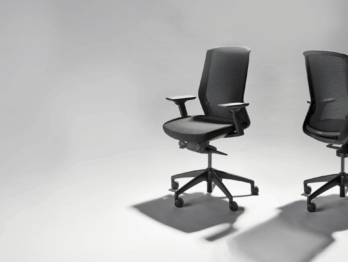
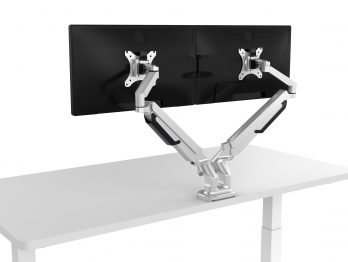
Ergonomics should reflect real working habits. Adjustable chairs, monitor risers, and sit-stand options support different bodies and tasks. Test each chair for at least ten minutes. Short trials hide pressure points. Check lumbar support, seat depth, arm adjustment, and caster stability.
For shared offices, choose controls staff can understand without training. Accessibility needs more than aisle width. Keep routes clear, allow turning space, and place frequently used items within practical reach. A facilities professional can review the layout before purchase.
Budget for delivery, assembly, repairs, and replacement parts.
Halifax buildings vary widely, so confirm loading access, parking rules, and delivery timing in writing. Ask for material details, warranty terms, and cleaning guidance.
I once selected attractive tables with shallow cable channels. The surfaces looked tidy, but shared chargers became awkward. That choice was not perfect.
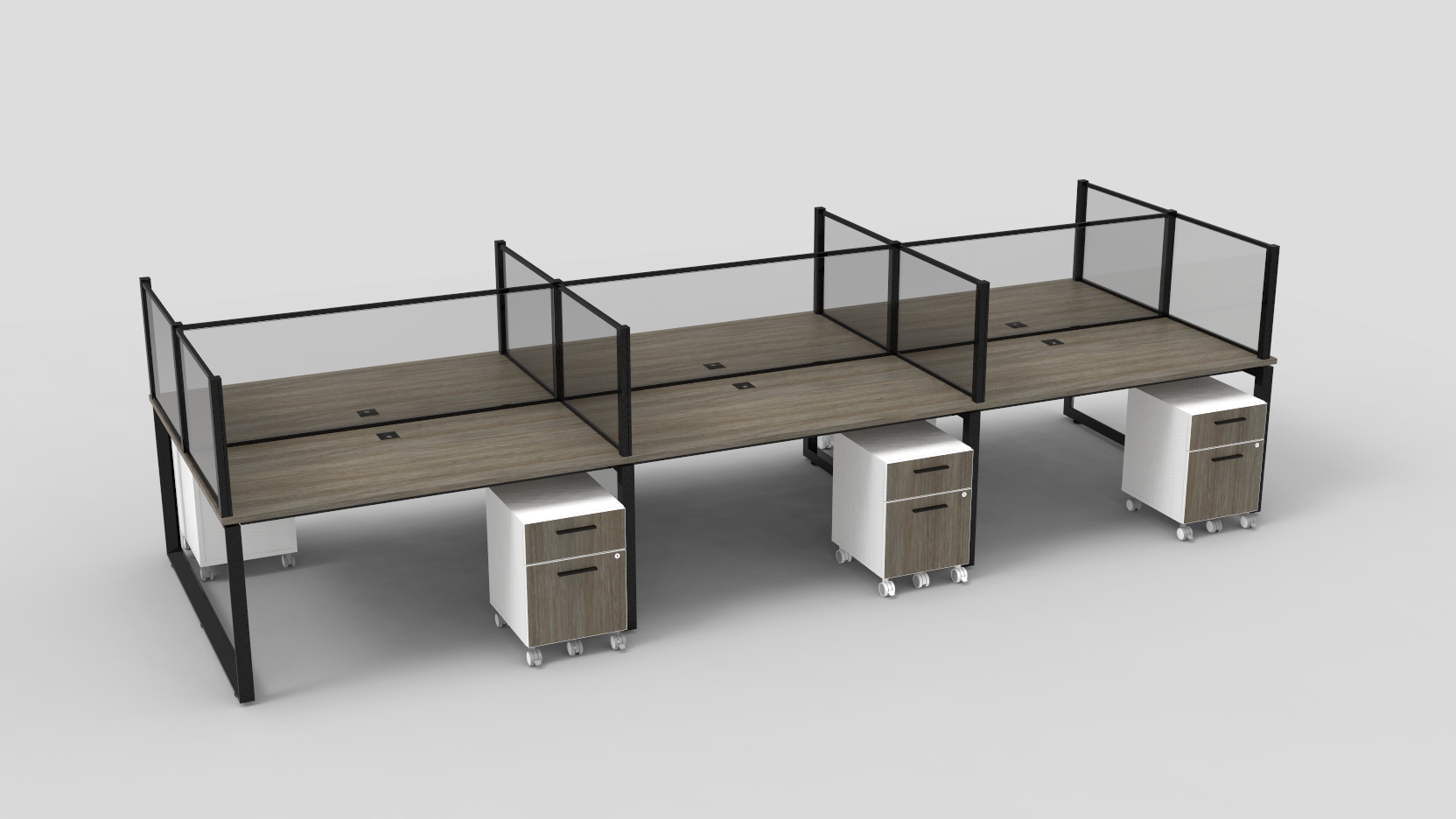
Plan cable management, acoustic control, and storage together. Leave some flexibility. Teams change, and rigid layouts become expensive quickly.

Buying office furniture in Halifax starts with two practical questions: What can you afford, and what can your room actually hold? Set a complete budget before browsing desks or chairs. Include delivery, assembly, cable management, and possible floor protection. A useful split is 60% for workstations, 20% for seating, and 20% for storage and installation. These figures are only a starting point.
Measure every wall in Halifax office spaces, including doorways and stairwells. Older buildings may have tight entrances, uneven floors, or awkward corners. Record ceiling height, window positions, radiators, outlets, and heating controls. Leave at least 90 centimetres behind working chairs. Keep walking routes clear near doors and shared equipment. Small gaps matter.
I once measured a room but forgot the baseboard heaters. The planned cabinets blocked airflow. That mistake changed the layout and added cost. Measure twice. Sketch the room on paper, then mark fixed features. Check furniture dimensions against the narrowest access point, not just the office floor. Also consider winter coats, wet footwear, and extra movement during busy days. A compact desk may look efficient, yet it can feel restrictive after several hours. Ask employees to test sample chair heights and desk depths before committing. Practical comfort is difficult to judge from a catalogue image.
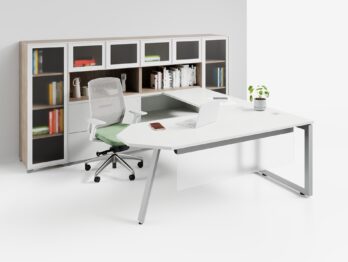
A practical Halifax office setup begins with the people using it. Measure each room, doorway, and elevator before ordering anything. Choose desks with enough depth for a monitor, keyboard, and clear writing space. Adjustable-height desks can support movement, but they are not automatically suitable for every worker. Test the controls and check their weight capacity.
Select chairs with adjustable seat height, lumbar support, and armrests that do not restrict movement. A breathable back helps during humid summer days. Casters should match the floor, whether it is carpet, tile, or polished concrete.
Ask about repair parts and warranty terms. Durable furniture should survive daily use, not only look impressive in a showroom. Check joints, drawer runners, and table edges by hand.
Halifax winters make delivery and installation worth careful planning. Confirm lead times, building access, and protection for wet floors. Choose surfaces that clean easily after muddy boots arrive. Storage should fit actual paperwork and equipment, rather than imagined needs. Leave enough space for safe walking and emergency access.
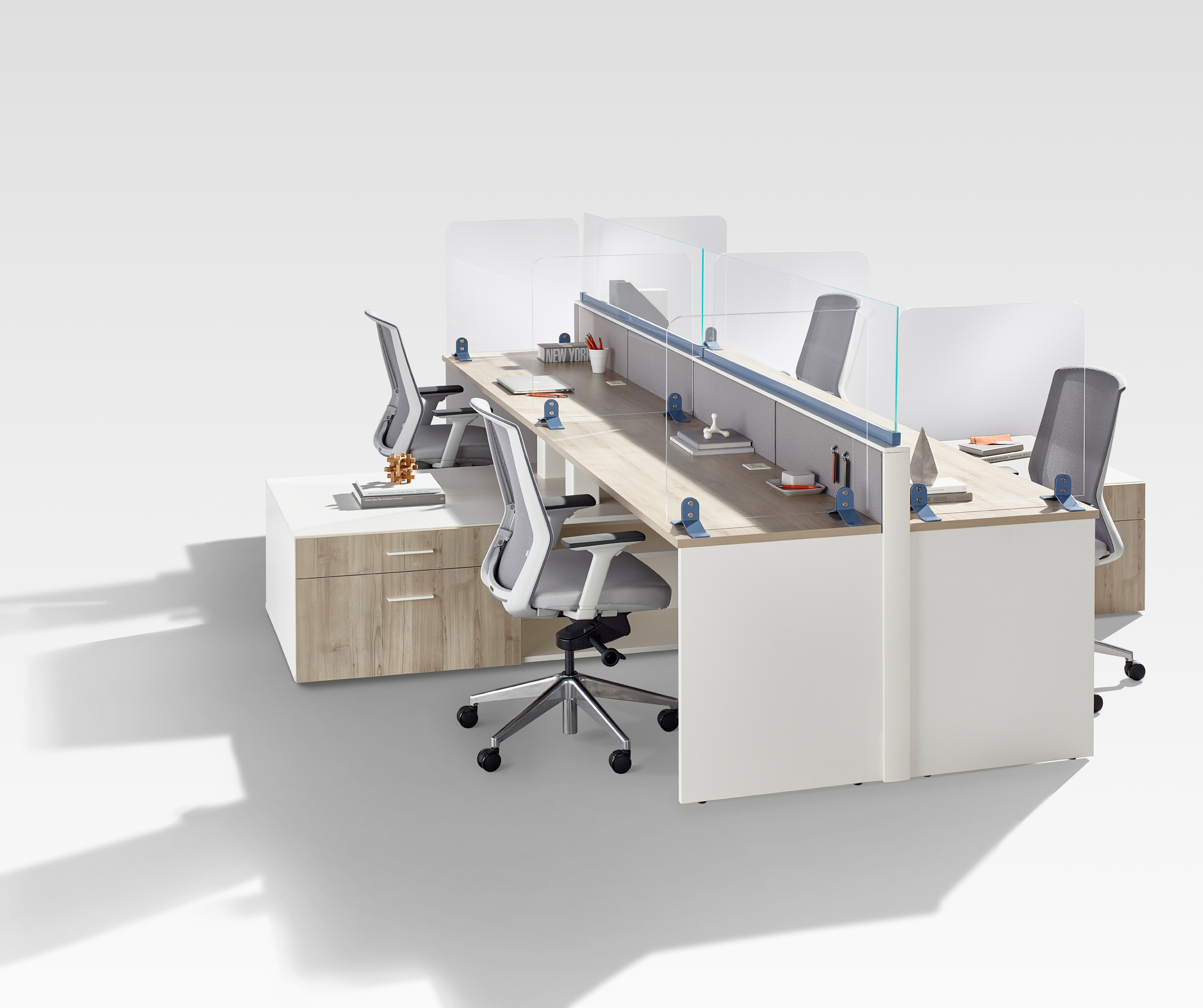
Acoustical panels can reduce distractions in open offices, although they will not solve every noise problem. I once underestimated cable clutter; it quickly made a neat workspace feel stressful. Recheck the layout after a week. Small adjustments often reveal what a sales brochure misses.
10 Tips for Buying Office Furniture in Halifax?
Comparing local suppliers requires more than checking catalogue prices. Ask for material details, commercial warranties, and recent delivery references. I have learned to measure every doorway, elevator, and stair turn before ordering. A desk that fits the room may still fail at the entrance. Request a written quote showing taxes, delivery fees, assembly charges, and expected arrival dates. Small omissions become expensive surprises.
Delivery planning matters in Halifax, especially during wet or snowy weather. Ask whether crews protect floors, handle narrow streets, and coordinate building access. Confirm the delivery window, not just the delivery day. Check parking requirements with your property manager. A reliable supplier should explain damage reporting and replacement procedures clearly. Take photographs when cartons arrive. Keep the paperwork.
Assembly services deserve close comparison. Some teams only place furniture, while others level desks, install cable trays, and remove packaging. Ask who performs the work and whether the service includes final adjustments. For larger offices, request a room-by-room installation plan. I once underestimated assembly time and delayed staff returns by half a day. My checklist was not flawless. It should have included power outlets and monitor-arm positioning. Request a final inspection before signing completion documents. Listen carefully.
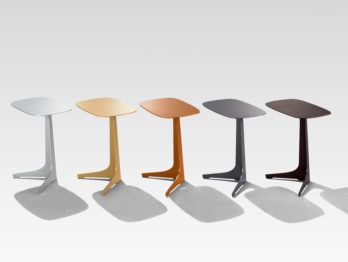
Comparing typical delivery lead times and assembly requirements across common supplier types.
Planning estimates are based on typical Canadian office-furniture purchasing conditions. Stocked items generally arrive faster, while custom furniture and larger contract orders require longer lead times. Confirm delivery zones, stair or elevator access, installation fees, warranty coverage, and return conditions before placing an order.
Buying office furniture in Halifax requires more than comparing showroom prices. BIFMA’s 2023 industry statistics reported weaker commercial-furniture demand, making value and durability especially important. Ask for test ratings, materials, weight limits, and replacement-part availability. A chair should not wobble after repeated daily use. Desks should resist swelling near windows, radiators, and damp entryways.
Tip: Read the warranty before judging quality. Check coverage length, labour costs, shipping responsibilities, and exclusions for fabric stains or commercial use. A ten-year frame warranty may cover only selected components. Request the terms in writing. Also confirm whether service is available in Halifax. Delays can leave an employee working from a temporary chair for weeks.
The 2024 Global Wellness Institute workplace report linked healthier work environments with stronger employee wellbeing, but furniture alone cannot solve poor planning. Choose adjustable seating, monitor-height flexibility, and clear cable management. The Canadian Centre for Occupational Health and Safety recommends adjustable workstations that support neutral posture and reduce awkward reaching. Measure doorways and elevators before ordering. I have seen attractive desks fail this simple test. Long-term value includes repairability, comfort, energy use, and resale potential. Keep invoices, assembly records, and photographs of defects. A small documentation habit can protect a substantial investment.
| Tip | Buying Dimension | What to Review | Practical Quality or Value Benchmark | Warranty Questions | Long-Term Value Indicator |
|---|---|---|---|---|---|
| 1 | Measure the workspace first | Record room dimensions, door widths, elevator access, power outlets, walking paths, and required clearance behind chairs. | Allow approximately 36 inches (91 cm) for a comfortable main walkway and verify that furniture can pass through the building entrance and elevator. | Confirm whether delivery damage, stair or elevator handling, and installation issues are covered separately from the product warranty. | Accurate measurements reduce return, relocation, and modification costs. |
| 2 | Check desk construction | Inspect the desktop edge, underside support, fasteners, cable-management parts, leg stability, and resistance to wobbling. | A standard seated desk is commonly about 28–30 inches (71–76 cm) high; the surface should remain stable during normal typing and monitor use. | Ask whether the frame, height-adjustment mechanism, desktop, and electrical components have different coverage periods. | Strong joints and replaceable hardware extend service life and make repairs easier. |
| 3 | Test ergonomic adjustability | Test seat height, seat depth, back support, armrest adjustment, recline tension, and the ease of operating each control. | Users should be able to keep feet supported, elbows near desk height, and the monitor at a comfortable viewing position without forcing the shoulders upward. | Clarify coverage for gas lifts, casters, armrests, control mechanisms, and upholstery seams, since these parts receive frequent use. | Adjustable furniture can accommodate different users and reduce premature replacement when staff or workstations change. |
| 4 | Evaluate materials and finish | Look for even edging, sealed surfaces, consistent powder coating or paint, corrosion-resistant hardware, and upholstery that does not pull or fray. | For high-use offices, choose surfaces that tolerate regular cleaning and resist visible wear, moisture, and common office spills. | Determine whether normal wear, stains, fading, scratches, and damage caused by cleaning products are excluded. | Durable finishes preserve appearance and reduce refinishing or replacement expenses. |
| 5 | Review warranty coverage carefully | Compare the warranty length, covered components, labour provisions, exclusions, claim process, and whether proof of purchase is required. | A useful comparison should separate structural coverage from shorter coverage for moving parts, upholstery, electronics, and consumable components. | Ask who pays shipping, on-site service, removal of defective items, replacement parts, and installation during a claim. | A longer warranty is valuable only when its exclusions and service obligations are reasonable. |
| 6 | Account for Halifax delivery conditions | Confirm delivery timing, winter access procedures, building loading rules, protection from moisture, and responsibility for assembly or packaging removal. | Obtain a written delivered-and-installed cost rather than comparing product prices alone, especially for multi-floor or restricted-access buildings. | Verify whether transit damage must be reported immediately and whether weather-related delivery delays affect the service commitment. | Clear logistics reduce downtime, storage charges, and unexpected installation fees. |
| 7 | Compare total cost of ownership | Include purchase price, delivery, assembly, maintenance, replacement parts, cleaning, energy use for powered items, and expected replacement frequency. | Use a simple annual cost estimate: total purchase and service costs divided by the expected years of usable service. | Check whether maintenance or unauthorized repairs can void coverage and whether replacement parts remain available after the warranty ends. | The lowest initial price may cost more if failure, downtime, or replacement occurs frequently. |
| 8 | Verify safety and compliance | Inspect load ratings, tip resistance, cable routing, fire-safety information where relevant, and stability of storage units and shelving. | Storage should be used within its stated load limit, and tall units should be secured where tipping could present a hazard. | Ask whether misuse, overloading, field modifications, or failure to anchor storage units is excluded from the warranty. | Safer products lower the risk of injury, property damage, disruption, and liability costs. |
| 9 | Plan for repair and replacement parts | Identify serviceable components such as casters, glides, arm pads, drawer slides, control switches, and desk fasteners. | Prefer designs that use standard or readily available replacement parts instead of requiring complete unit replacement for a minor failure. | Request the expected parts-availability period and the normal response time for service requests. | Repairable furniture creates less waste and maintains productivity over a longer period. |
| 10 | Assess adaptability and resale potential | Consider modular layouts, reconfigurable panels, neutral finishes, compatible accessories, and whether components can move to another office. | Choose sizes and configurations that can support future staffing changes without requiring a complete workstation replacement. | Confirm whether warranty coverage transfers if the furniture is relocated, resold, or installed in another commercial space. | Flexible furniture retains usefulness through office moves, hybrid-work changes, and future renovations. |