skip to content
Morepages
Toggle more

Head Office


Tayco Office Furnishings Inc.
400 Norris Glen Rd.
Toronto, ON M9C 1H5
T: (416) 252-8000
T: (800) 675-4092
F: (416) 252-4467
[email protected]

2026 Best Trendy Office Furniture for Global Buyers

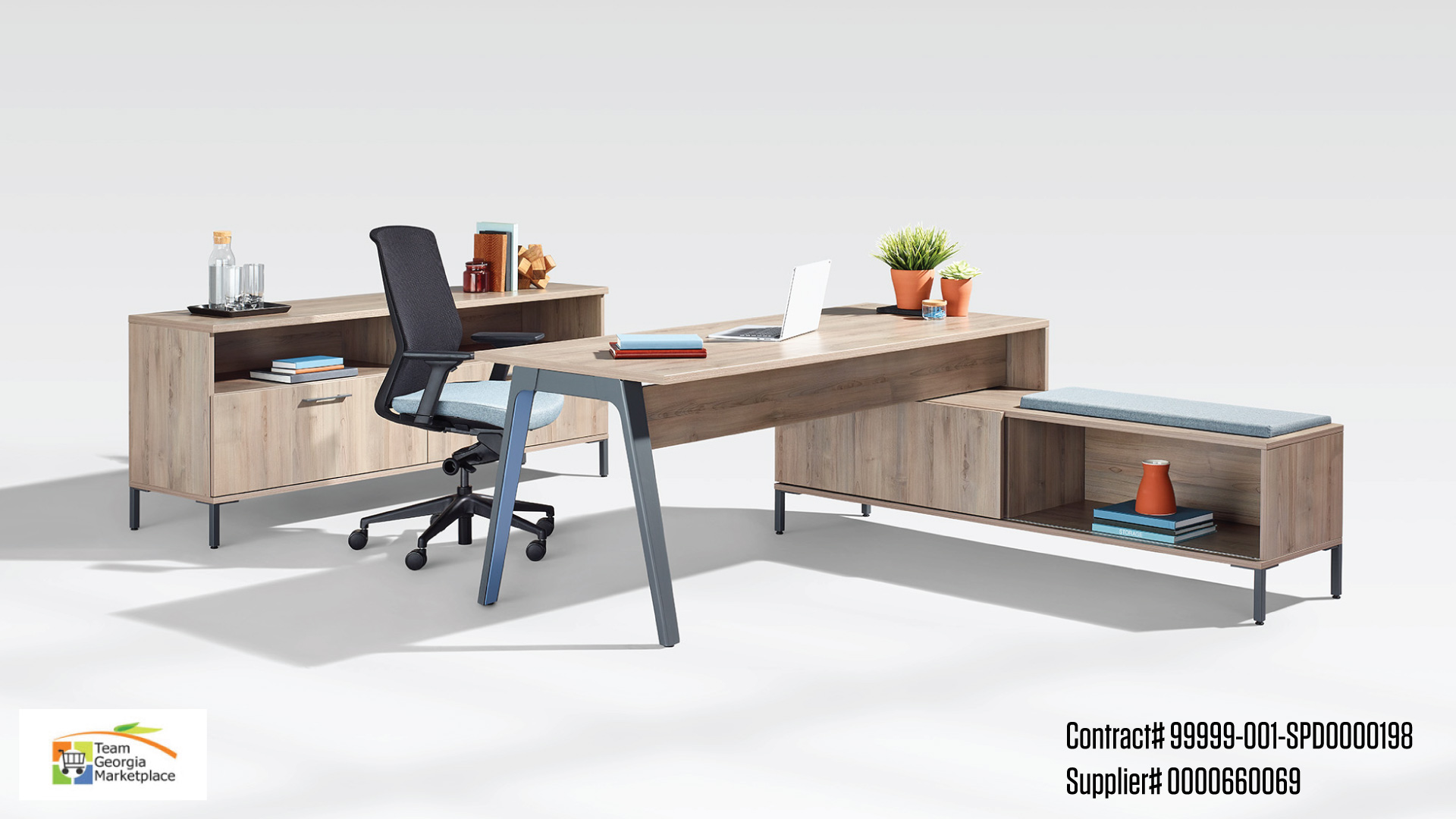
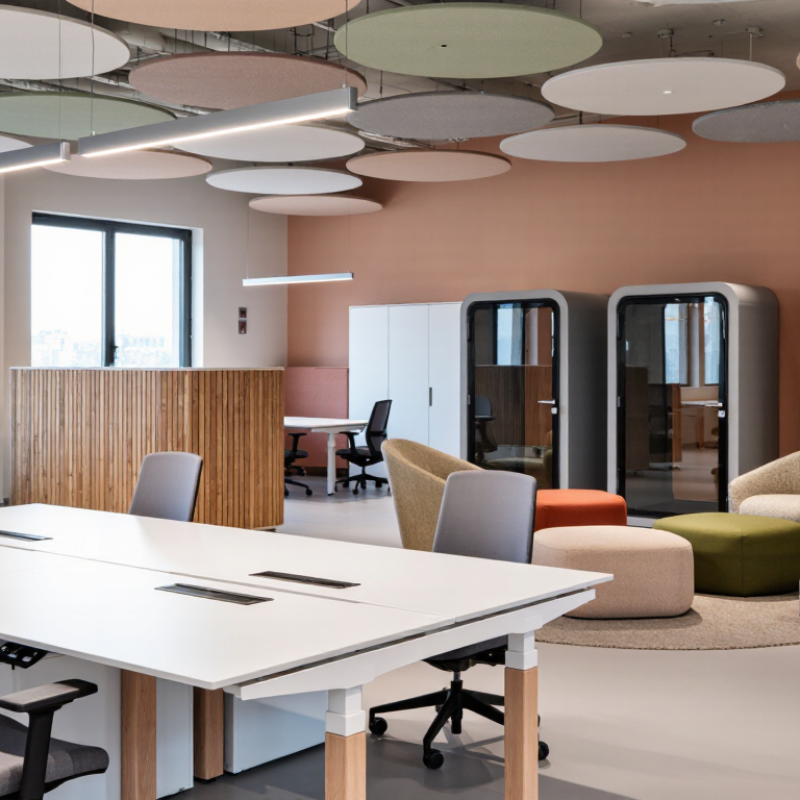
In 2026, office design is moving beyond polished appearances. Global buyers want workplaces that support focus, comfort, collaboration, and responsible growth. This guide explores trendy office furniture through practical sourcing experience and current workplace research. It considers desks, seating, storage, lighting, and adaptable meeting zones. Small details matter. A height-adjustable desk should move smoothly, while its controls remain simple for daily use. A task chair should support different body types, not merely look impressive in photographs.

For international purchasing teams, trend value must connect with dependable performance. Modular workstations can fit changing floor plans and reduce replacement costs. Recycled materials, repairable parts, low-emission finishes, and transparent supply records also deserve careful review. Yet sustainability claims require evidence. Buyers should request test reports, material information, warranty terms, and clear delivery conditions before approving large orders. Regional standards and workplace requirements may differ, so qualified local professionals should verify suitability. Attractive catalog language is not enough.

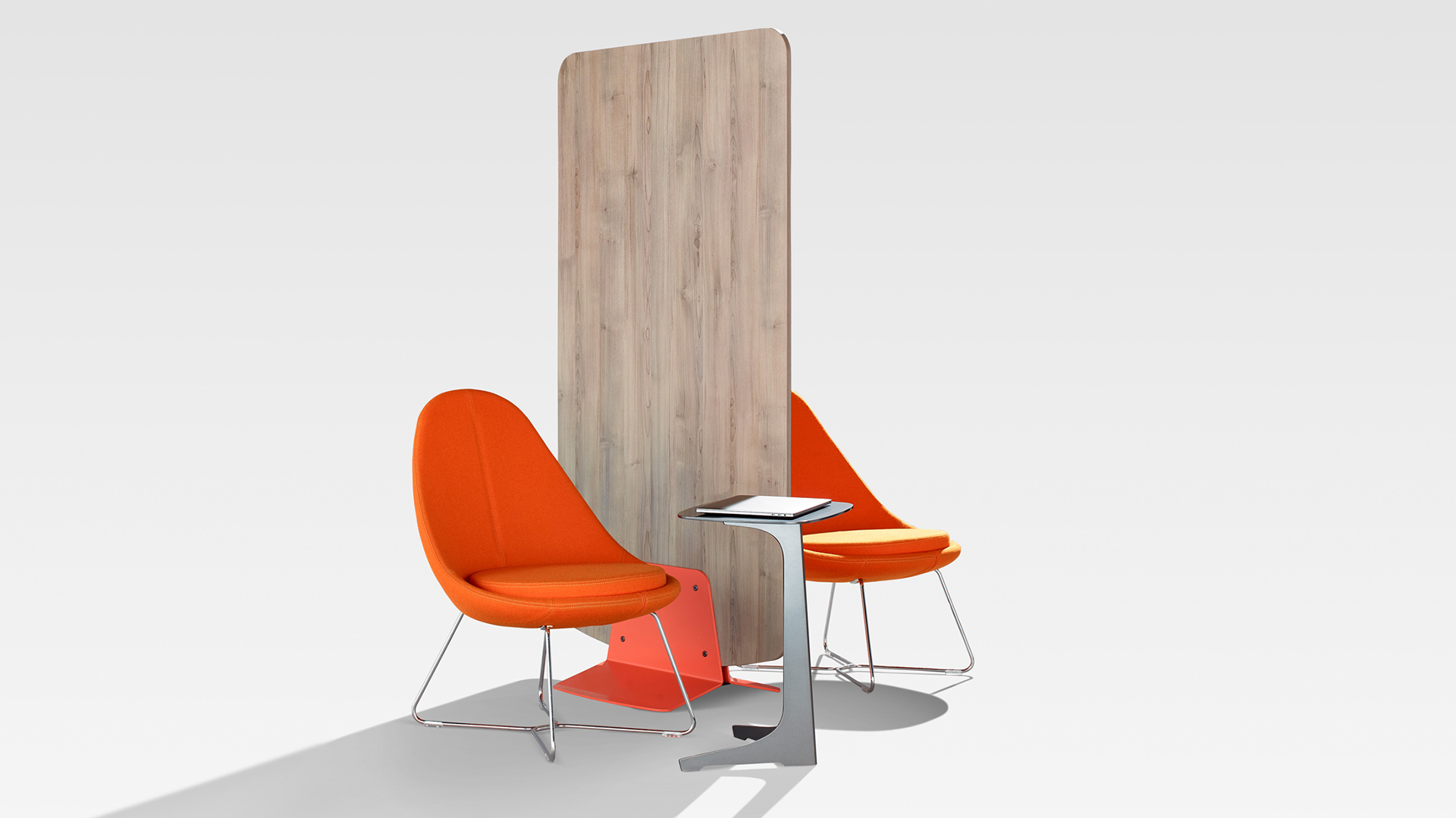
This overview highlights furniture styles gaining attention in 2026, including warm minimalism, acoustic pods, soft seating, and technology-ready conference tables. It also examines color, texture, cable management, and inclusive design. Some predictions may age quickly. That is worth admitting. A fashionable boucle chair may feel welcoming, but it may not withstand heavy commercial use. The best choice balances visual identity with ergonomics, maintenance, safety, and total cost. With careful comparison, global buyers can create offices that feel current without becoming disposable.
2026 Best Trendy Office Furniture for Global Buyers

2026 Global Office Furniture Market: BIFMA Data, Regions, and Demand

The 2026 office furniture market is being shaped by hybrid work, tighter budgets, and measurable workplace performance.

Fortune Business Insights estimates the global market could grow from about USD 54.5 billion in 2023 to USD 85.8 billion by 2030, representing a 6.7% compound annual growth rate. These figures vary by methodology, so buyers should compare assumptions carefully.

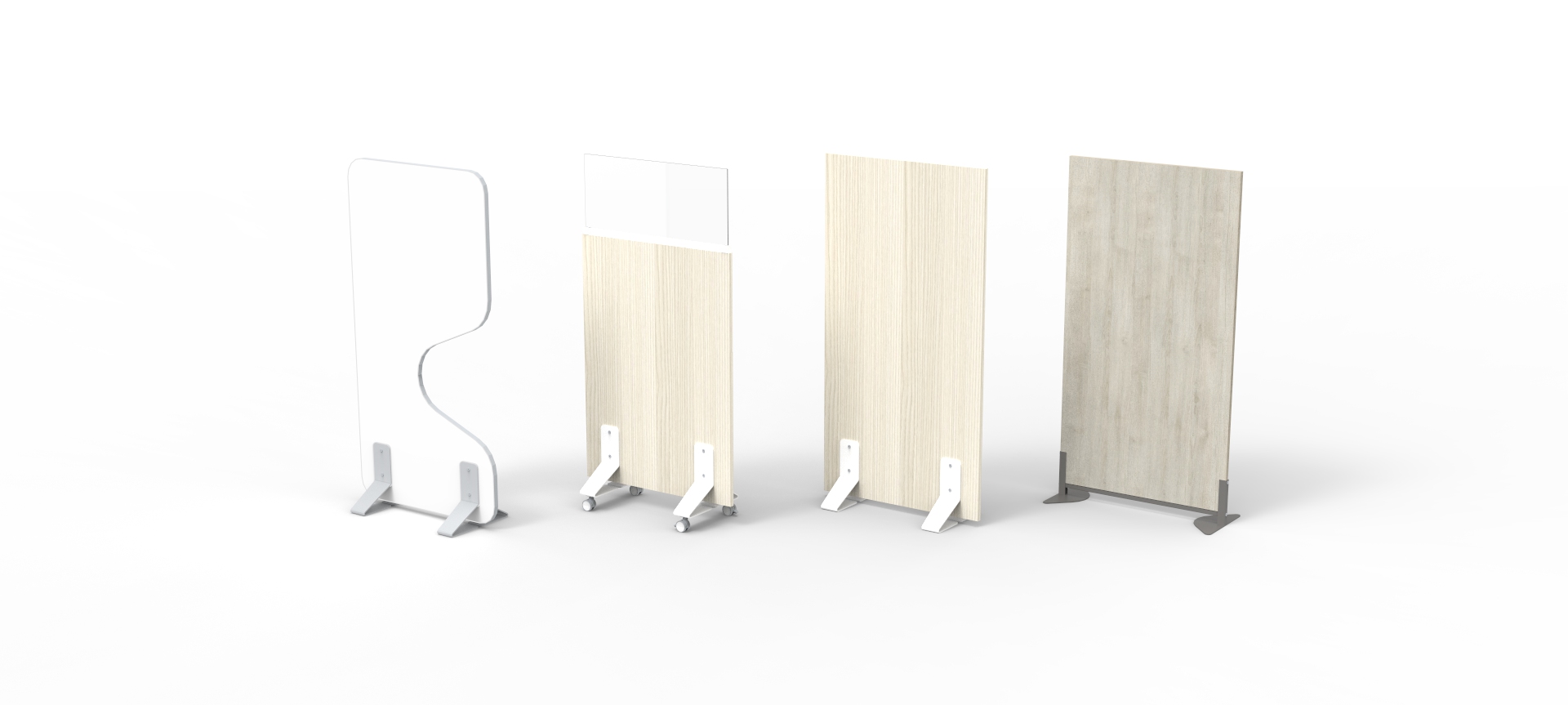
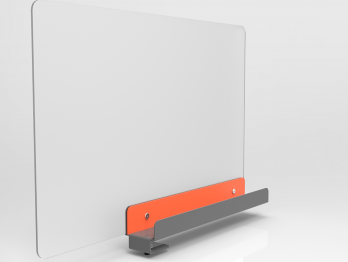
BIFMA’s North American market outlook remains a useful benchmark for commercial furniture demand. Its data tracks shipments, business conditions, and institutional purchasing patterns, rather than the entire global market. North American buyers continue to prioritize ergonomic chairs, height-adjustable desks, acoustic screens, and modular meeting tables. Replacement demand is important. Many offices still use furniture purchased before hybrid work became normal.

Asia-Pacific shows stronger expansion potential, supported by urban development, technology investment, and growing service industries. Europe places greater pressure on repairability, recycled materials, and product documentation. In the Middle East, flexible layouts and durable finishes often matter more because offices face intensive daily use. The details matter: a desk edge that survives frequent cable movement can reduce maintenance calls.

Forecasts are useful, but not perfect. Shipment data may lag actual project demand. Regional statistics may also hide large differences between capital cities and smaller markets. Global buyers should test sample products, verify BIFMA-related performance claims, and compare warranty terms before placing volume orders. Trends look attractive. Practical evidence is better.
Ergonomic Office Chairs: 400–520 mm Seat Height and BIFMA X5.1 Tests

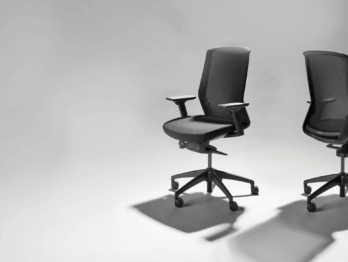
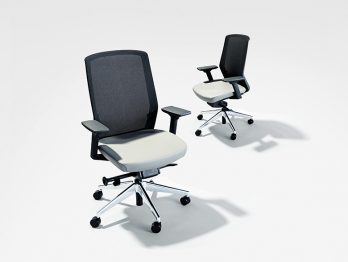
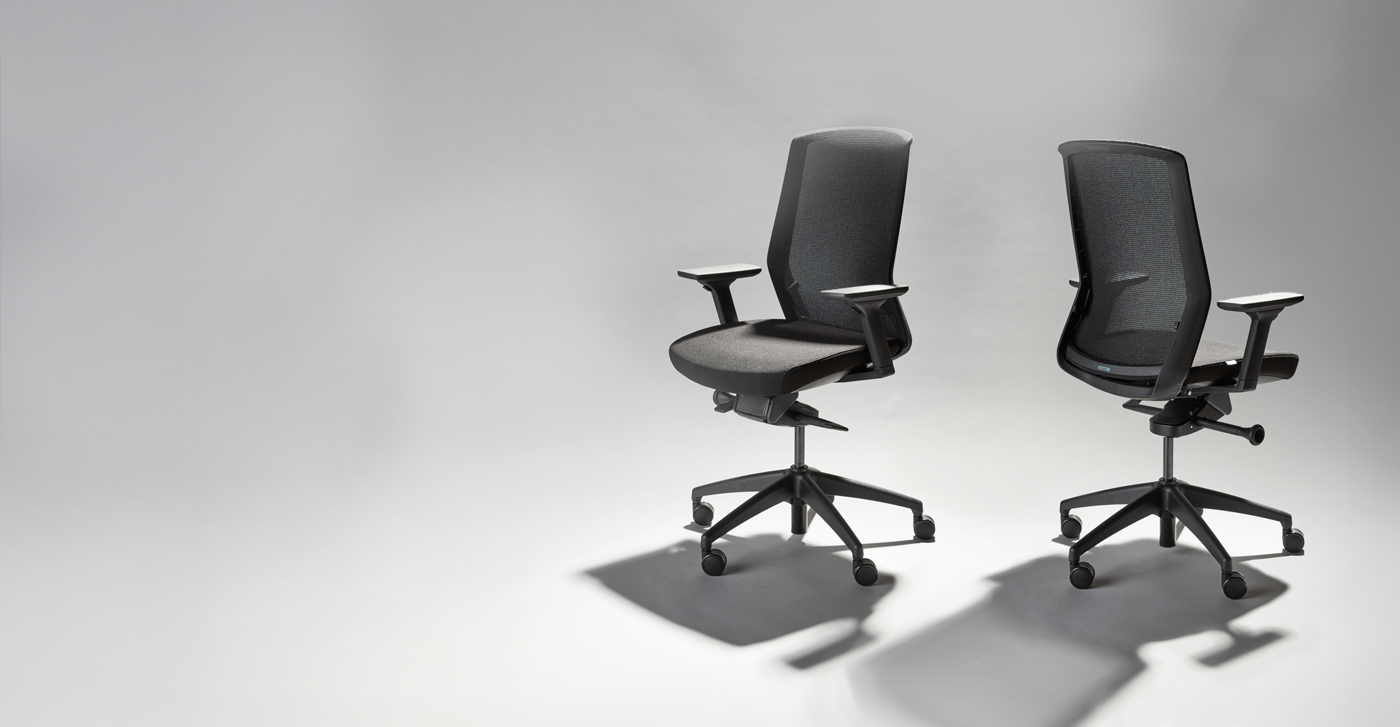
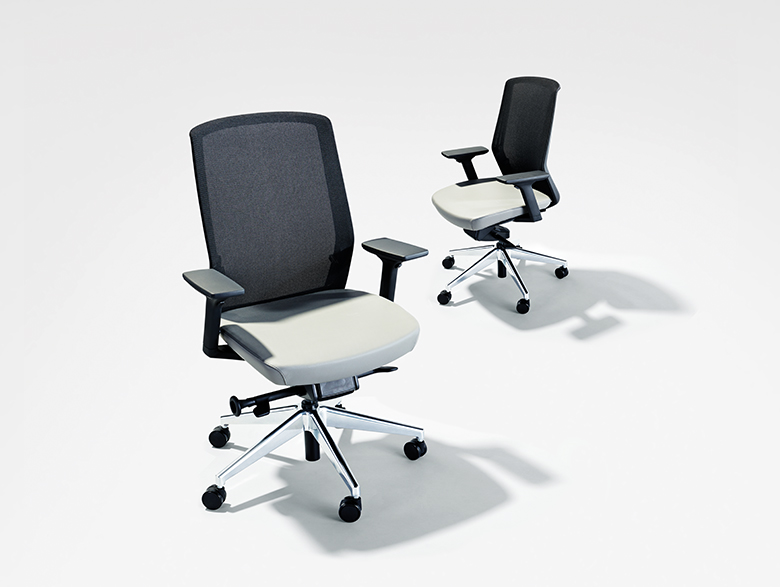
2026 office furniture buyers are prioritizing comfort that can be measured. An ergonomic chair with a 400–520 mm seat-height range suits many workstations and body types. The lowest setting helps shorter users keep their feet flat. The higher setting supports taller users at raised desks. However, numbers alone cannot guarantee comfort.

In purchasing trials, check height from the floor to the compressed seat surface. Test the chair with real shoes and a typical desk. At 400 mm, knees should remain level or slightly lower than the hips. At 520 mm, feet should not dangle.

A five-minute test is not enough. Users should sit, recline, type, and turn repeatedly. Small details matter, including seat-edge pressure, lumbar support, and adjustment effort.

BIFMA X5.1 testing gives buyers a stronger reliability reference. Ask for clear test records covering stability, durability, caster movement, and structural strength. A passing report supports confidence, but it does not replace user evaluation. One chair may survive repeated laboratory loads yet feel firm or noisy in daily use. That is an important weakness to admit. Suppliers should provide load ratings, adjustment instructions, inspection routines, and consistent production data. For global orders, packaging protection and replacement-part access also deserve attention. A practical chair should work beyond the showroom.

Hybrid Workstations: 680–760 mm Desk Heights and Modular Space Planning

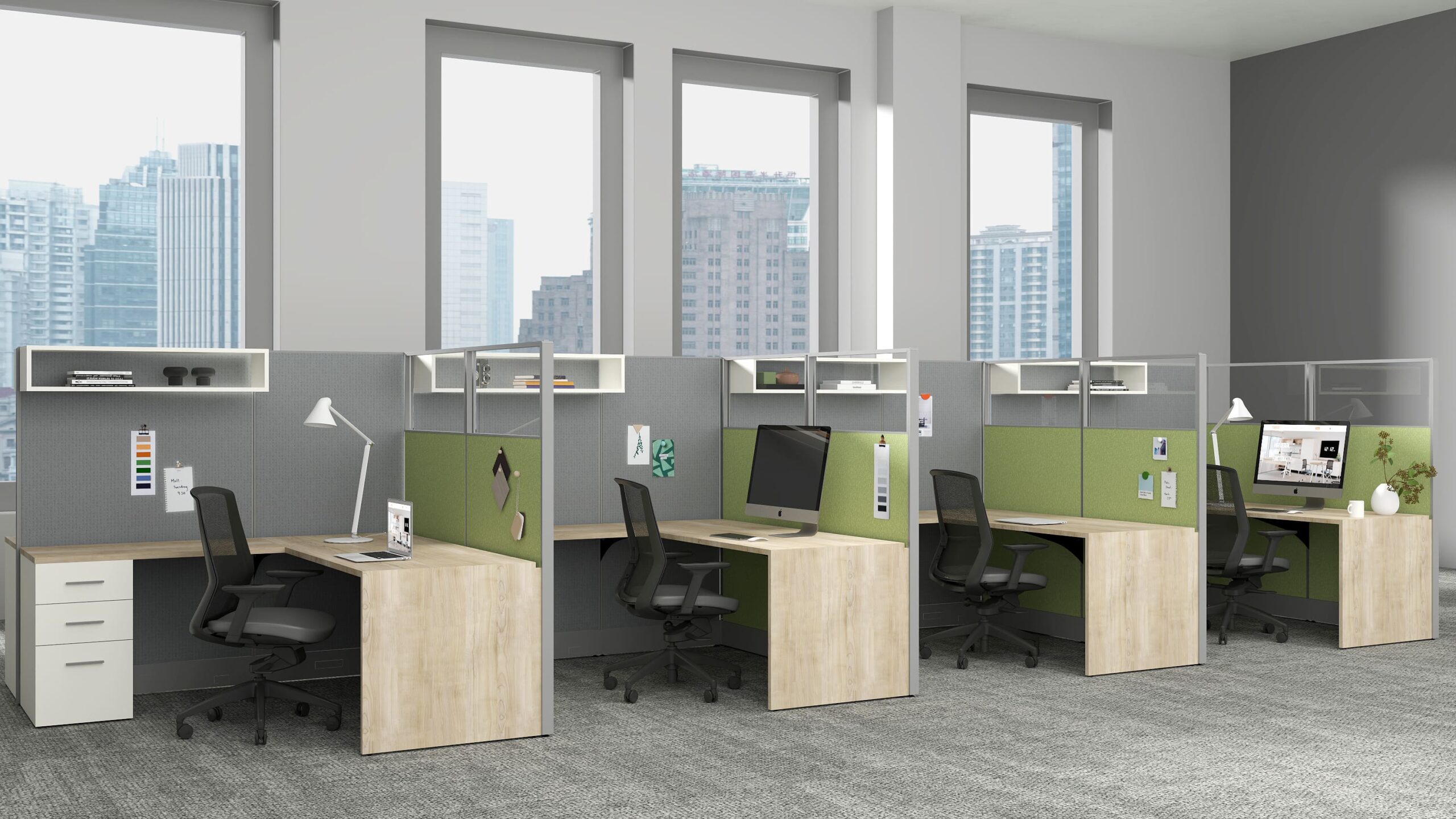
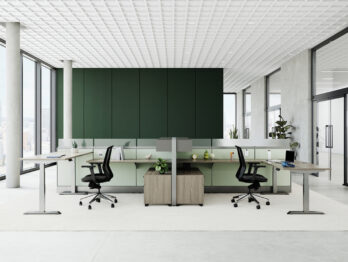
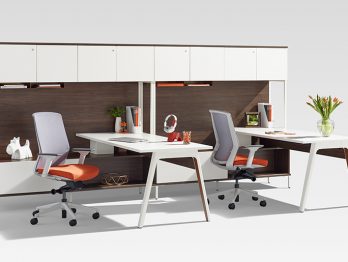
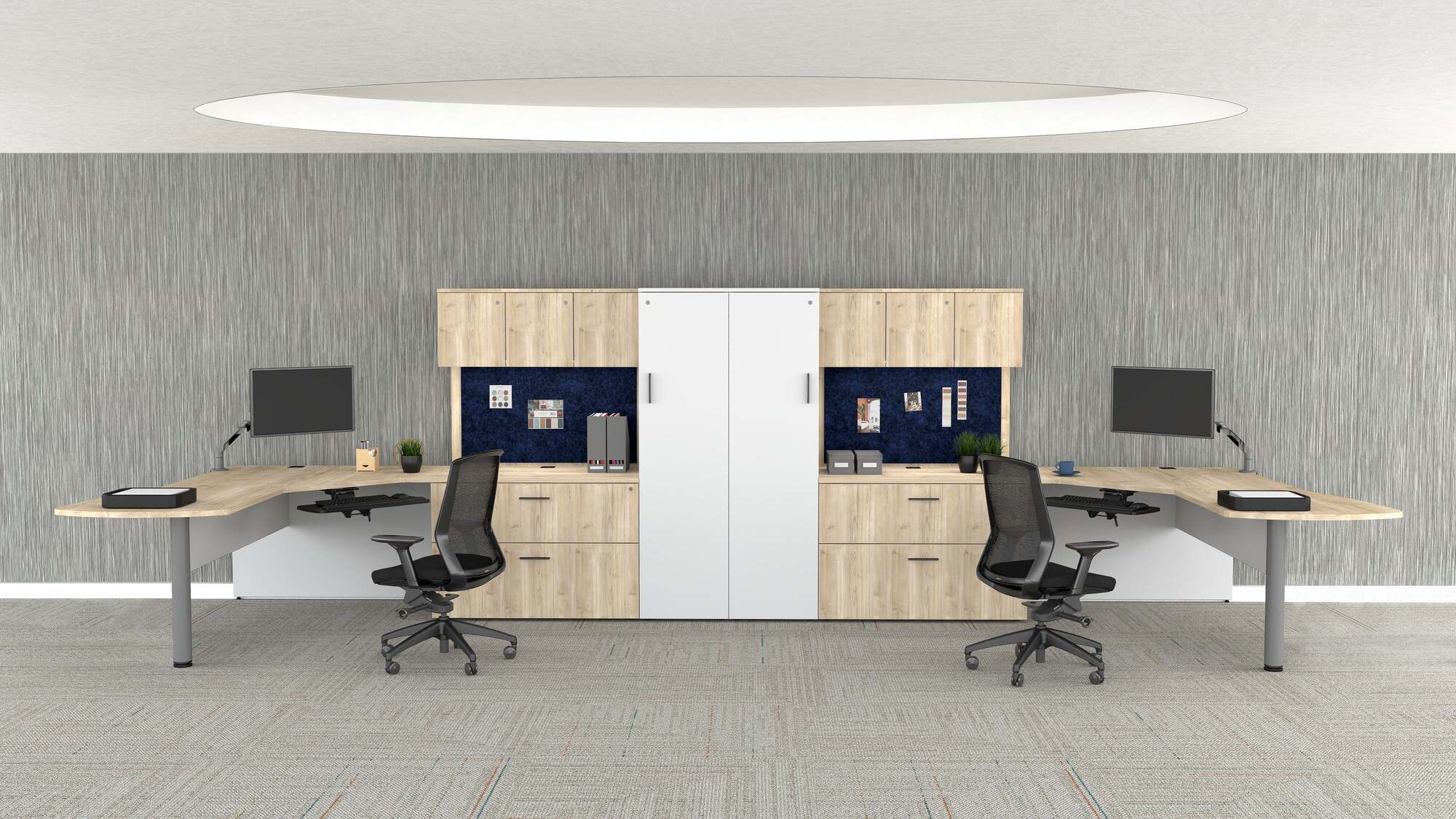
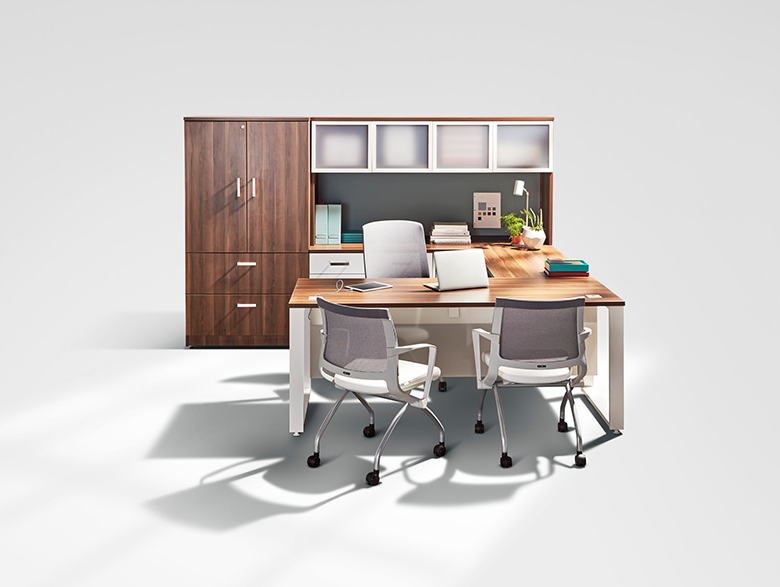
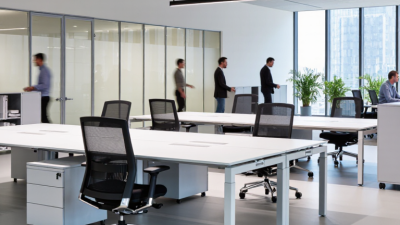
In 2026, hybrid workstations are becoming more adaptable for international offices. Desk heights between 680 and 760 mm support different users and working styles. A 680 mm setting can reduce shoulder tension for shorter employees. Taller users may prefer 740 or 760 mm for better knee clearance. Adjustable legs add practical value.

Measure twice. Install once.

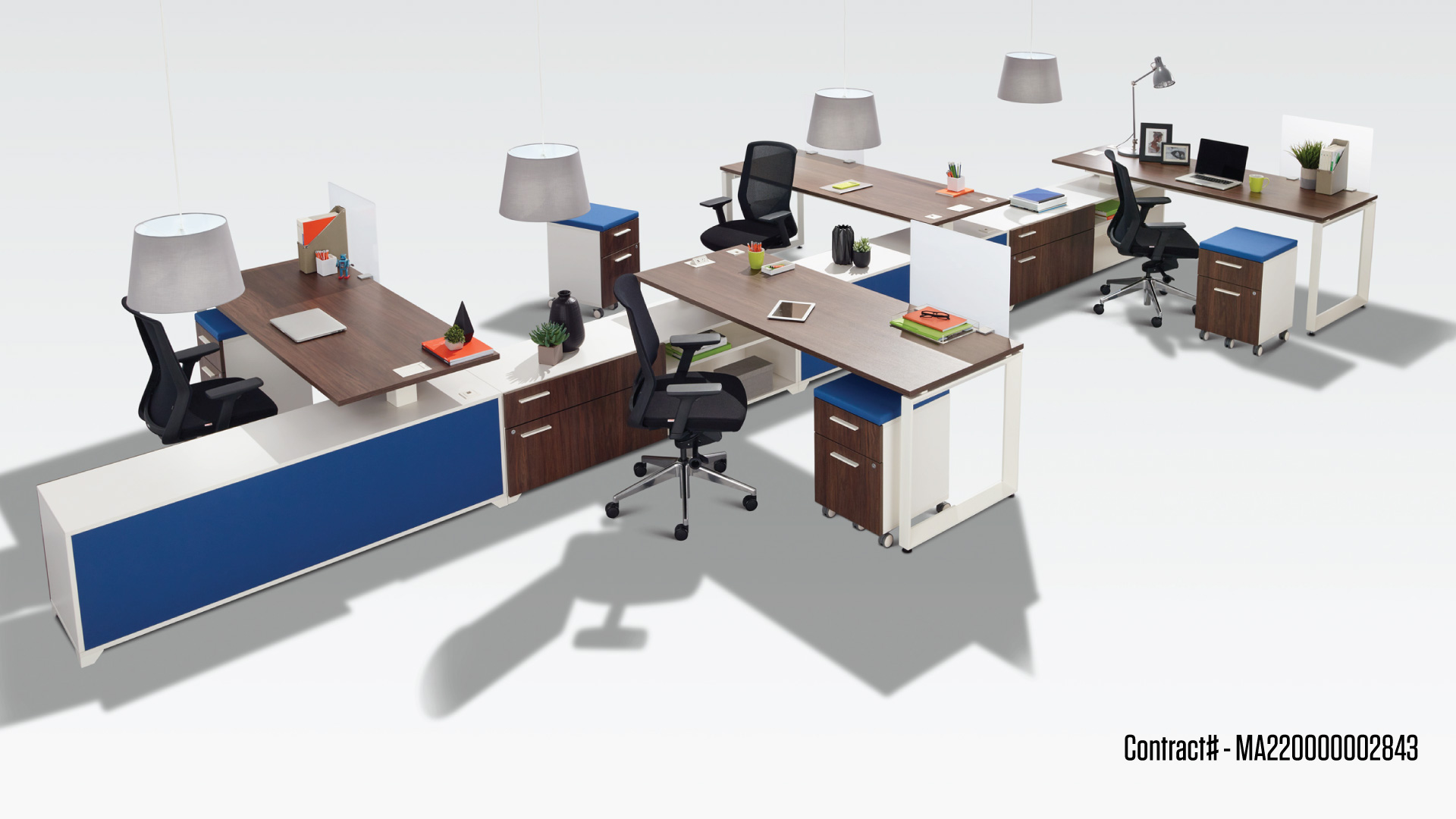
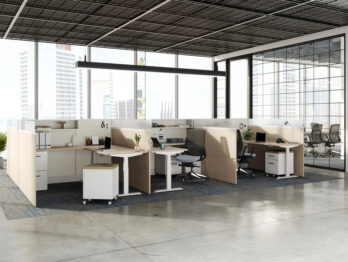
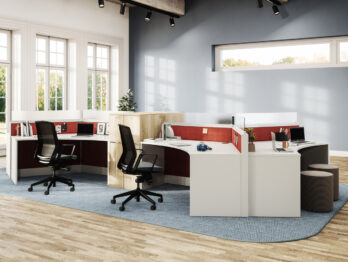
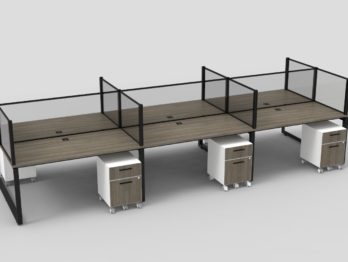
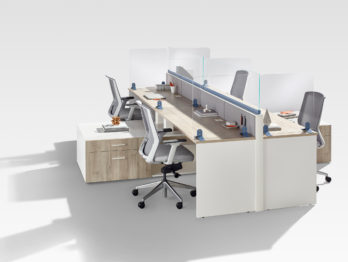
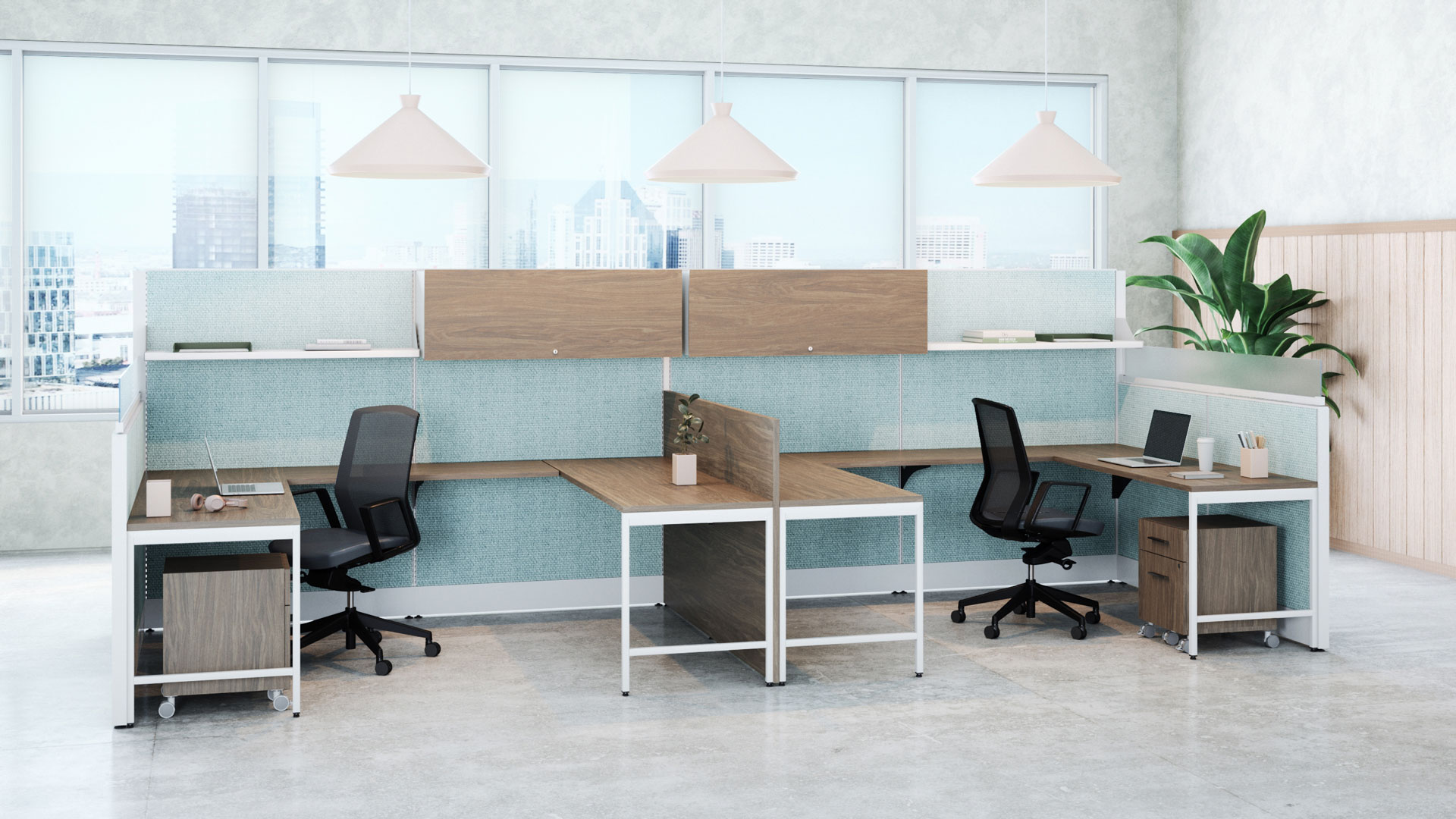
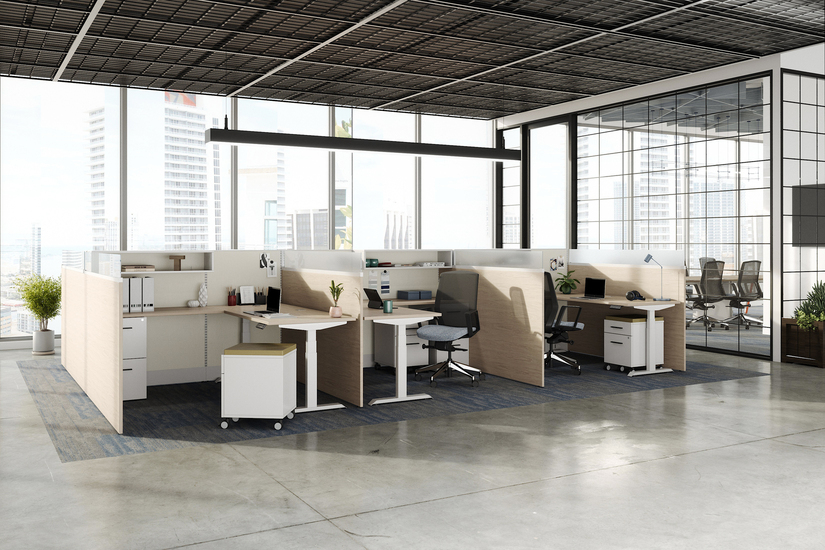
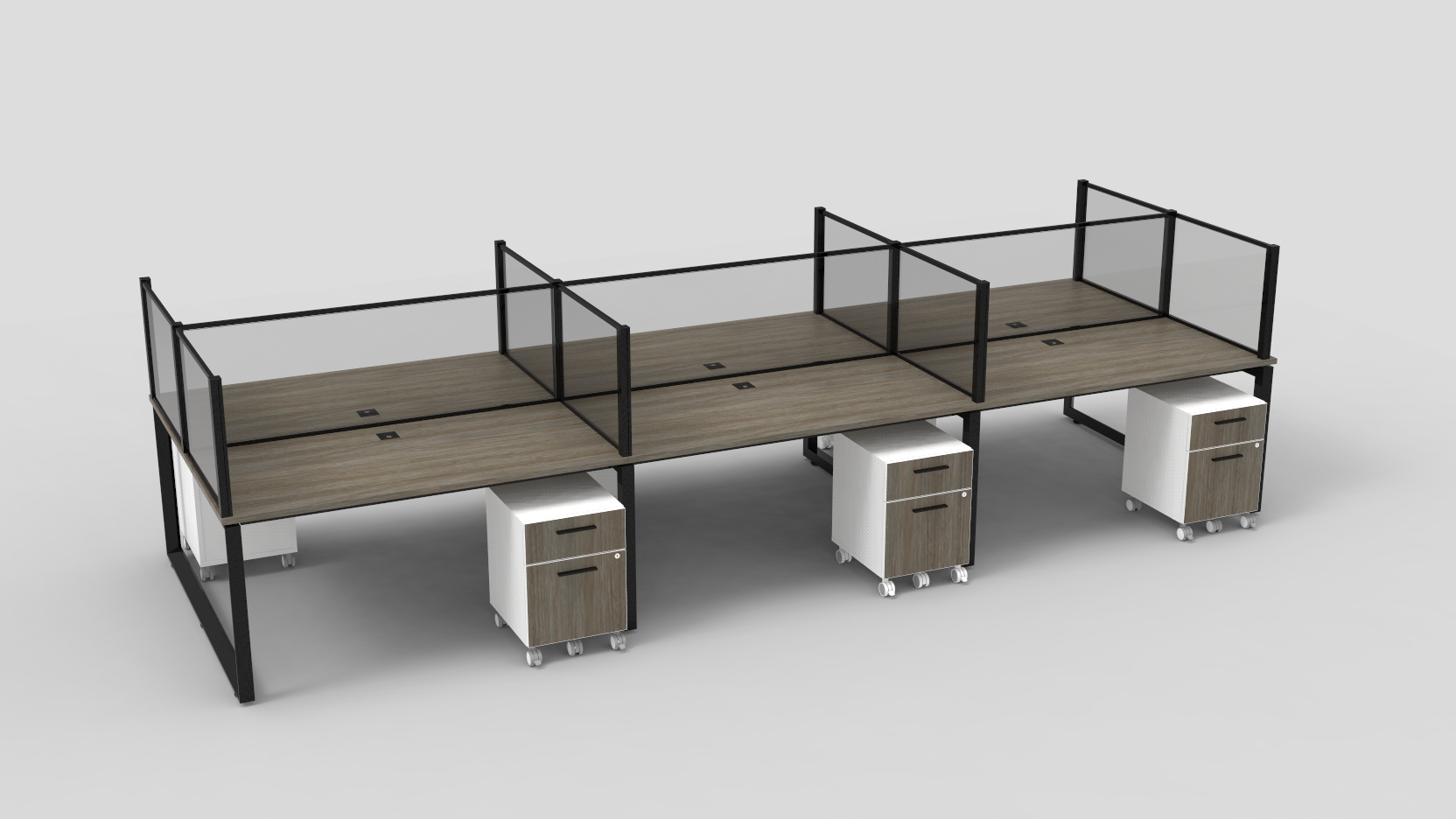
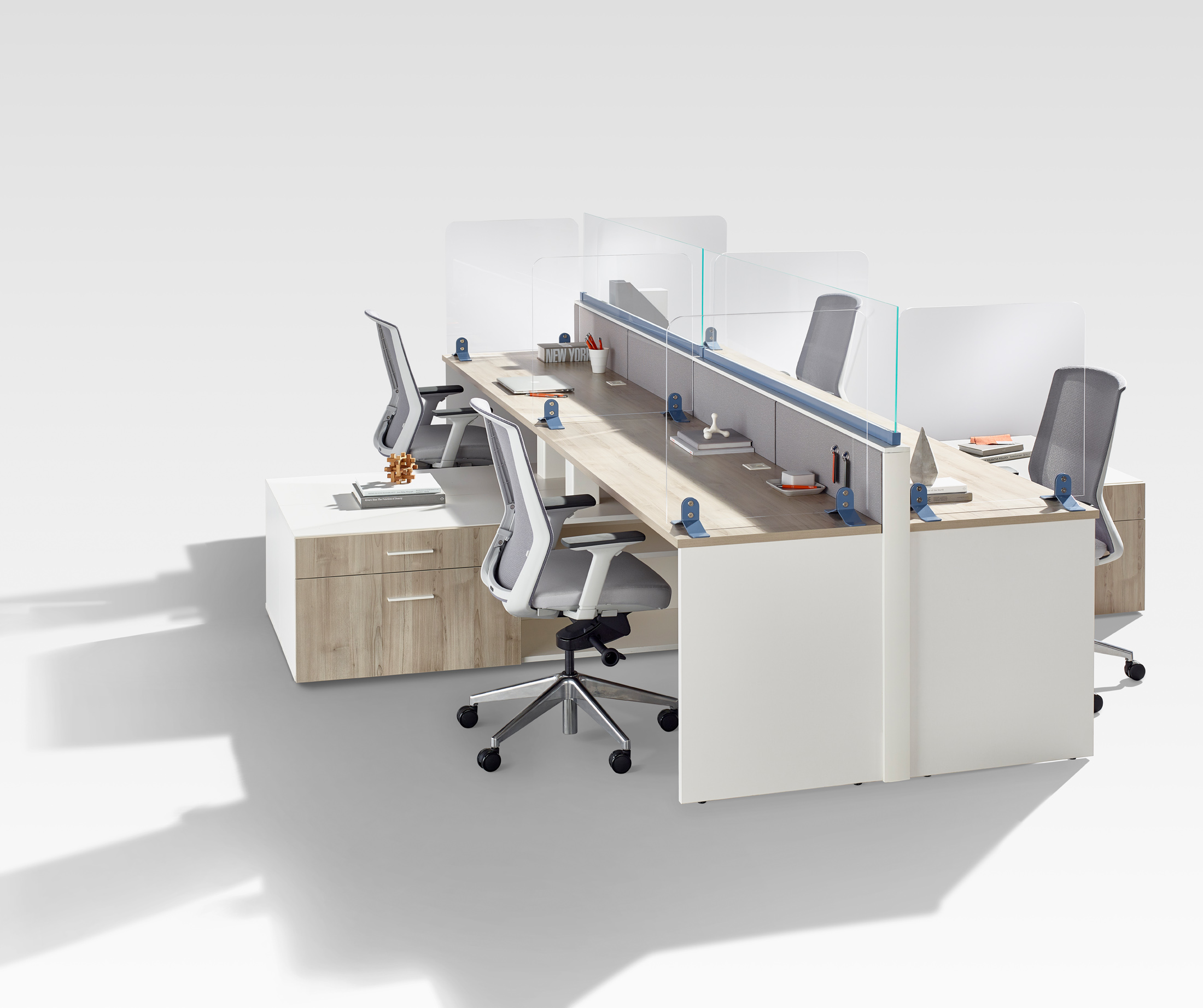
Modular space planning makes these workstations easier to reconfigure. A four-person cluster can become two private stations when project teams change. Cable trays, movable screens, and shared storage help maintain clear walkways. Keep at least 900 mm behind occupied chairs where space allows. Local accessibility rules still need checking before purchase.

In real installations, fixed height desks often look efficient but age poorly. Employees vary more than office drawings suggest. Some users may still need monitor arms or footrests. That is not a design failure; it reveals an incomplete planning process. Buyers should request load ratings, adjustment ranges, material certificates, and replacement-part availability. A sample workstation is worth testing with several body types before placing a large order. Small details matter, especially when furniture crosses climates, shipping routes, and workplace regulations.
Sustainable Furniture: EPDs, Recycled Content, and Circularity Metrics

In 2026, global office buyers are looking beyond attractive desks and ergonomic chairs. Sustainable performance now needs measurable evidence. An Environmental Product Declaration, or EPD, reports a product’s environmental impacts across its life cycle. It may cover raw materials, manufacturing, transport, use, and end-of-life treatment.

Read the details carefully. An EPD should identify its product category rules, declared unit, and verification method. Two products may show different results because their boundaries differ. That comparison can be misleading. Ask suppliers for current documents, factory data, and clear explanations of assumptions. Experience matters here; a polished certificate does not replace practical due diligence.
Recycled content also deserves close inspection. Separate pre-consumer and post-consumer materials, then check whether percentages are independently documented. A high percentage can still hide poor durability. Furniture that fails early creates more waste. Look for repairable upholstery, replaceable components, durable finishes, and accessible spare parts.

Circularity metrics add another useful layer. Buyers can assess disassembly time, material separation, refurbishment potential, reuse rates, and recovery pathways. A chair designed for quick separation is more valuable at the end of its first use. Material passports can record components and recycled content for future decisions. Yet circularity data remains inconsistent across markets. Some suppliers report intentions rather than verified outcomes. Procurement teams should request measurable targets, review them annually, and test whether the furniture performs well in real offices. That last step is often missed.

Global Buyer Checklist: MOQ, Lead Times, ISO Standards, and Total Cost

For 2026 office projects, global buyers should judge trendy furniture by supply reliability, not showroom appeal. Modular desks, acoustic screens, and recycled-material seating may look current, but procurement details decide success. Ask for MOQ by color, size, and finish; a low total MOQ can hide high thresholds for each option. I once reviewed a quotation where 100 units became 100 units per fabric color. That changed the budget quickly.

Request a production schedule with sample approval, manufacturing, inspection, packing, and vessel booking dates. A quoted lead time of 30 days may exclude port congestion or holiday shutdowns. For repeat orders, negotiate a realistic buffer and written delay notices. Do not accept “ISO certified” as enough evidence. Check the certificate number, validity, issuing body, and covered site. ISO 9001 supports quality processes, while ISO 14001 can support environmental management claims. Neither certificate automatically proves durability, fire performance, or local compliance.

Calculate landed cost, not factory price alone. Include packaging volume, freight, duties, insurance, installation, spare parts, and currency movement. Ask for carton dimensions and stacking limits before booking freight; one extra container can erase a discount. Compare warranty response times and replacement-part availability across borders. A spreadsheet helps, but it can still miss damaged goods. Keep a small contingency because real shipments rarely behave perfectly.

2026 Best Trendy Office Furniture for Global Buyers - Global Buyer Checklist: MOQ, Lead Times, ISO Standards, and Total Cost

Practical sourcing reference for international buyers. Quantities, lead times, prices, and logistics figures are indicative planning ranges for standard commercial products and should be confirmed with the selected manufacturer and destination market.

Furniture Category 2026 Trend and Use Case Typical MOQ Sample Lead Time Bulk Production Lead Time Relevant Standards and Compliance Checks Common Materials and Features Indicative Export Price per Unit Estimated Freight and Import Allowance
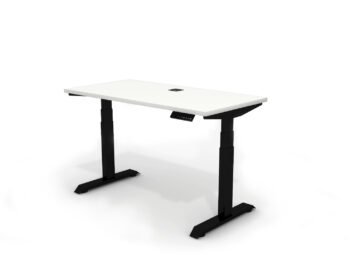
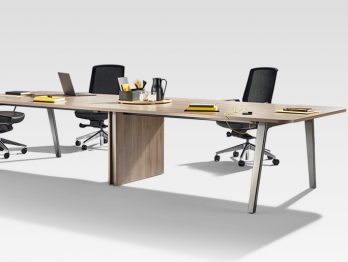
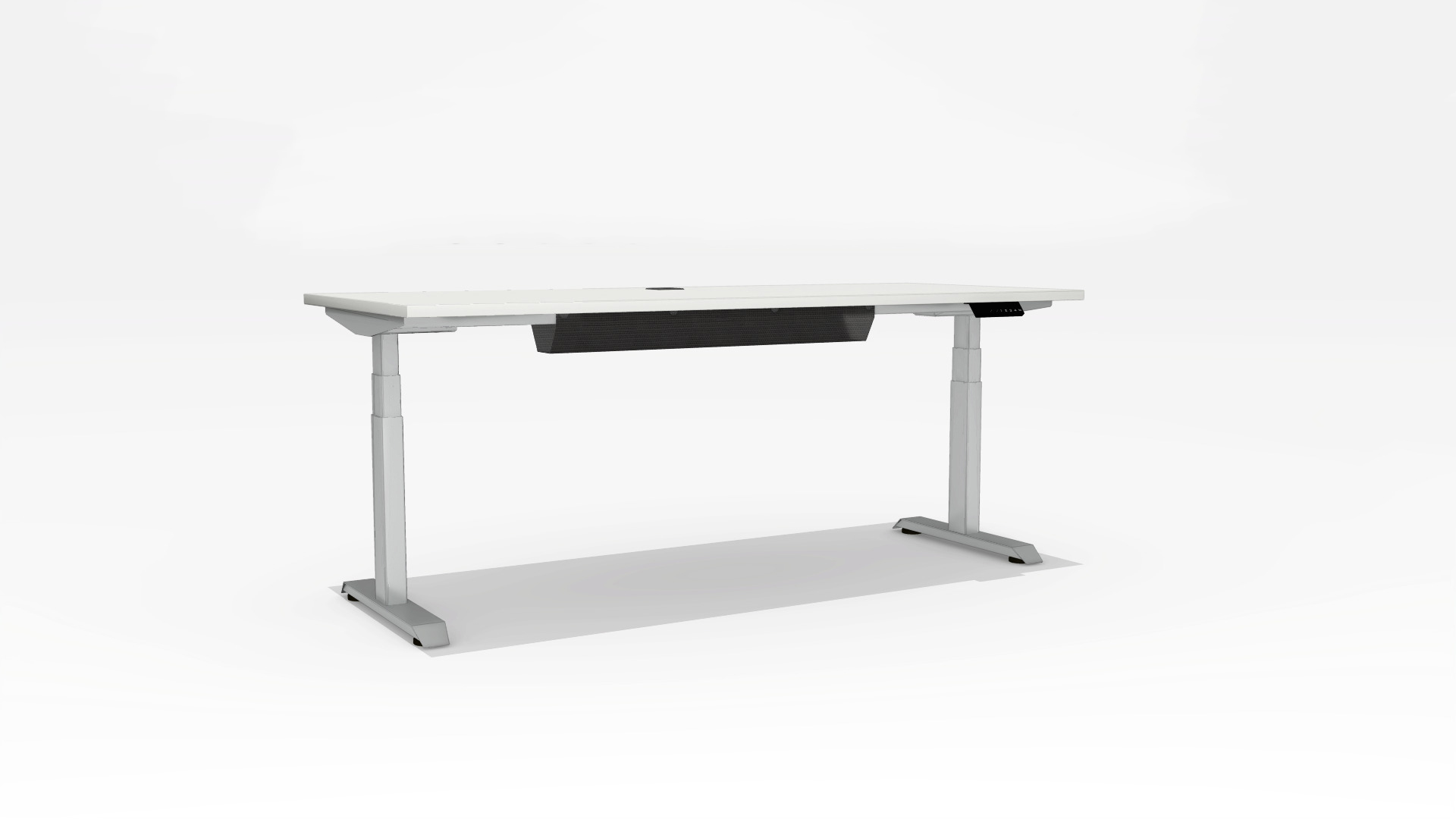
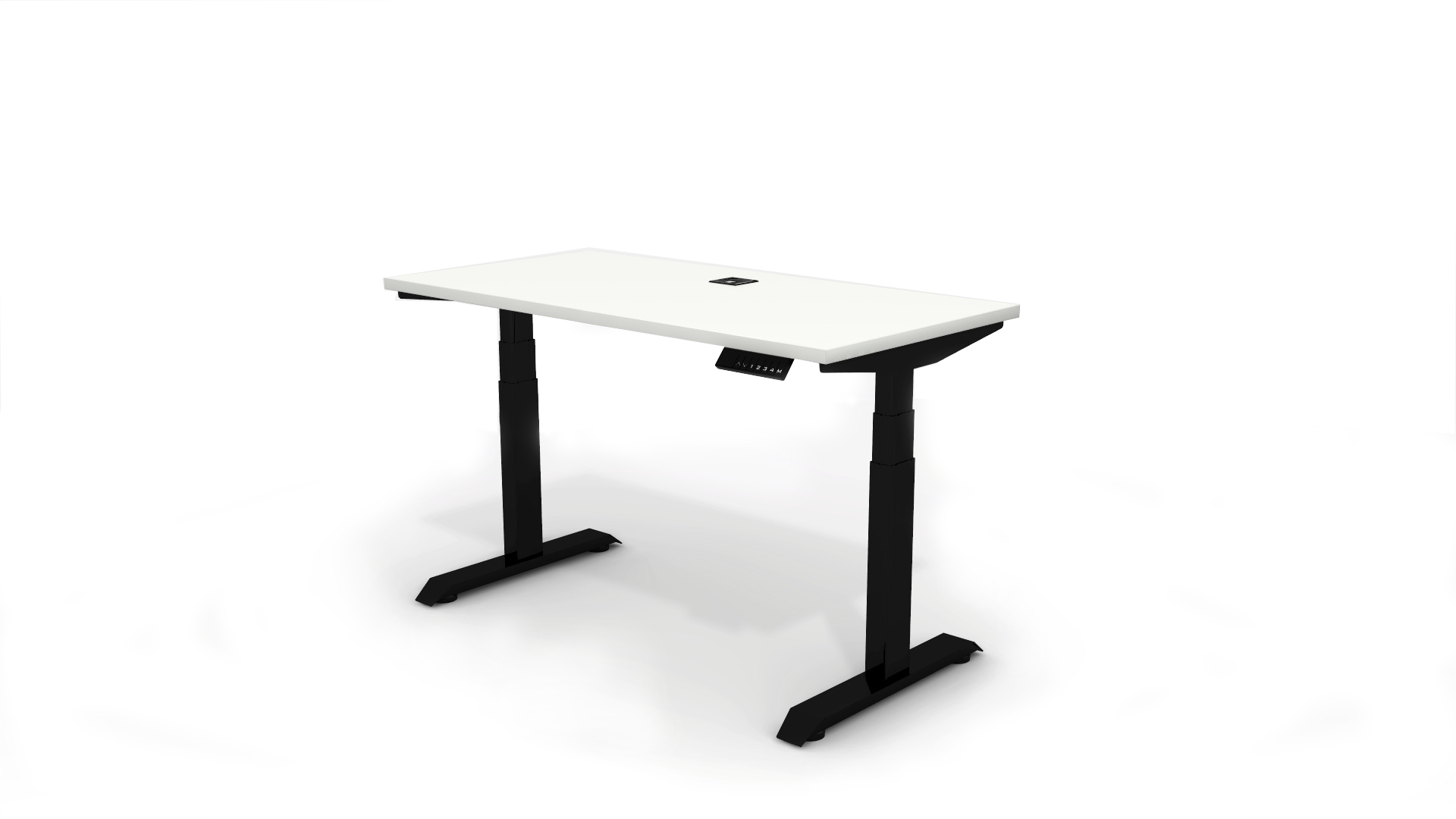
Electric Height-Adjustable Desk Hybrid-work workstation with sit-stand functionality, cable management, memory presets, and low-noise lifting. 20–50 units 7–15 days 30–55 days ISO 9001 ISO 14001 EN 527 IEC 60335-1
Verify electrical safety, voltage, plug type, lifting-cycle testing, stability, and local electromagnetic requirements.
Powder-coated steel frame, melamine or bamboo-effect desktop, dual motors, anti-collision sensor, programmable control panel. US$180–420 US$35–140 per unit, depending on volume, route, and destination duties.
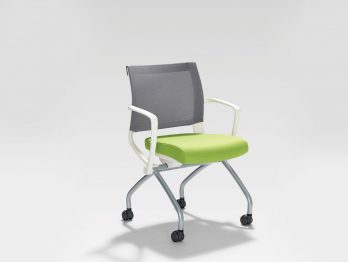
Task Office Chair Ergonomic seating for open-plan offices, shared workspaces, and long-duration computer use. 50–100 units 10–20 days 35–60 days ISO 9001 EN 1335 EN 1022 BIFMA testing
Check seat-height range, backrest adjustment, caster performance, load capacity, durability, and fire requirements for the target market.
Mesh or breathable textile back, molded foam seat, synchronized tilt mechanism, adjustable lumbar support, five-star base. US$85–260 US$20–95 per unit; carton dimensions and container utilization strongly affect landed cost.
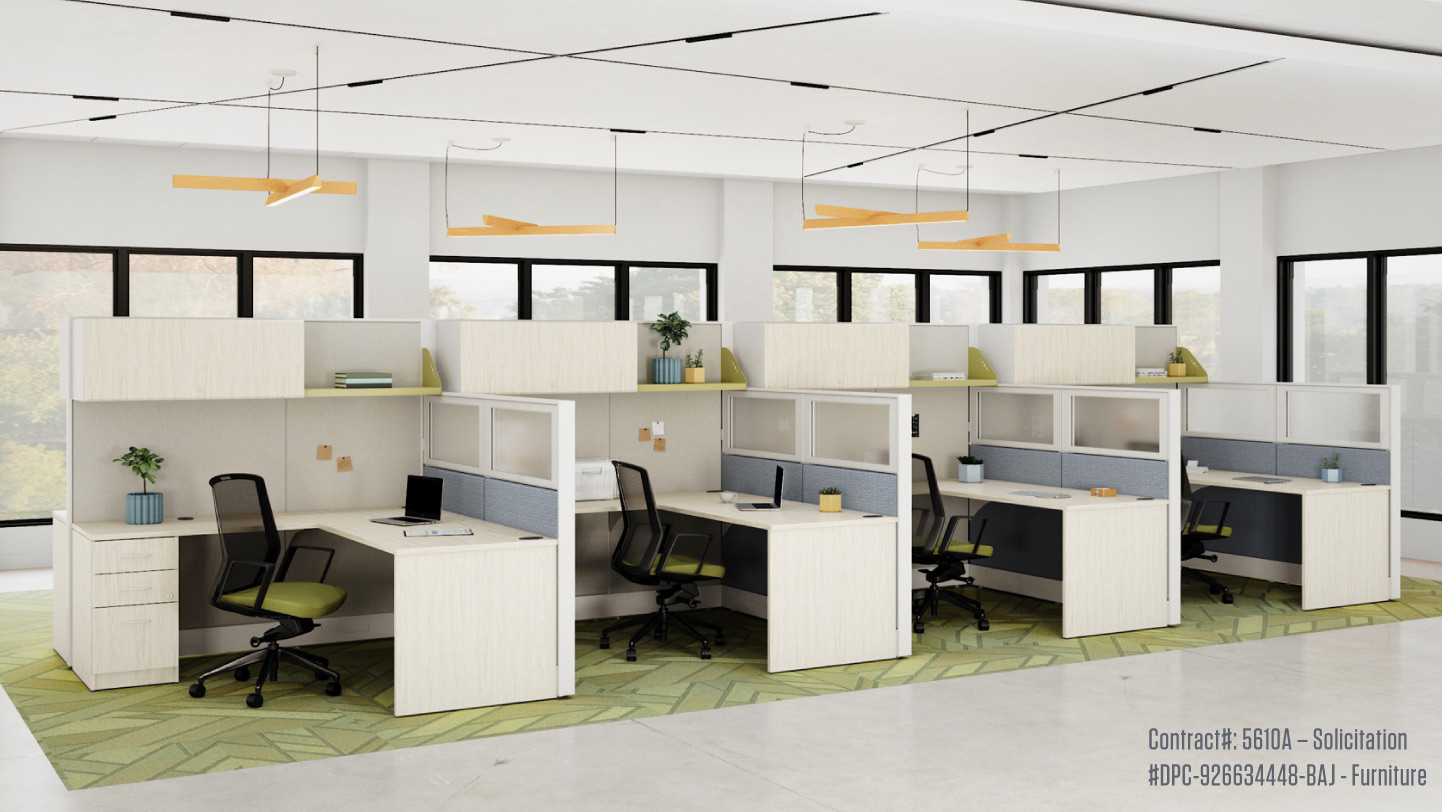
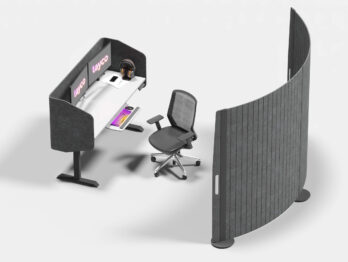
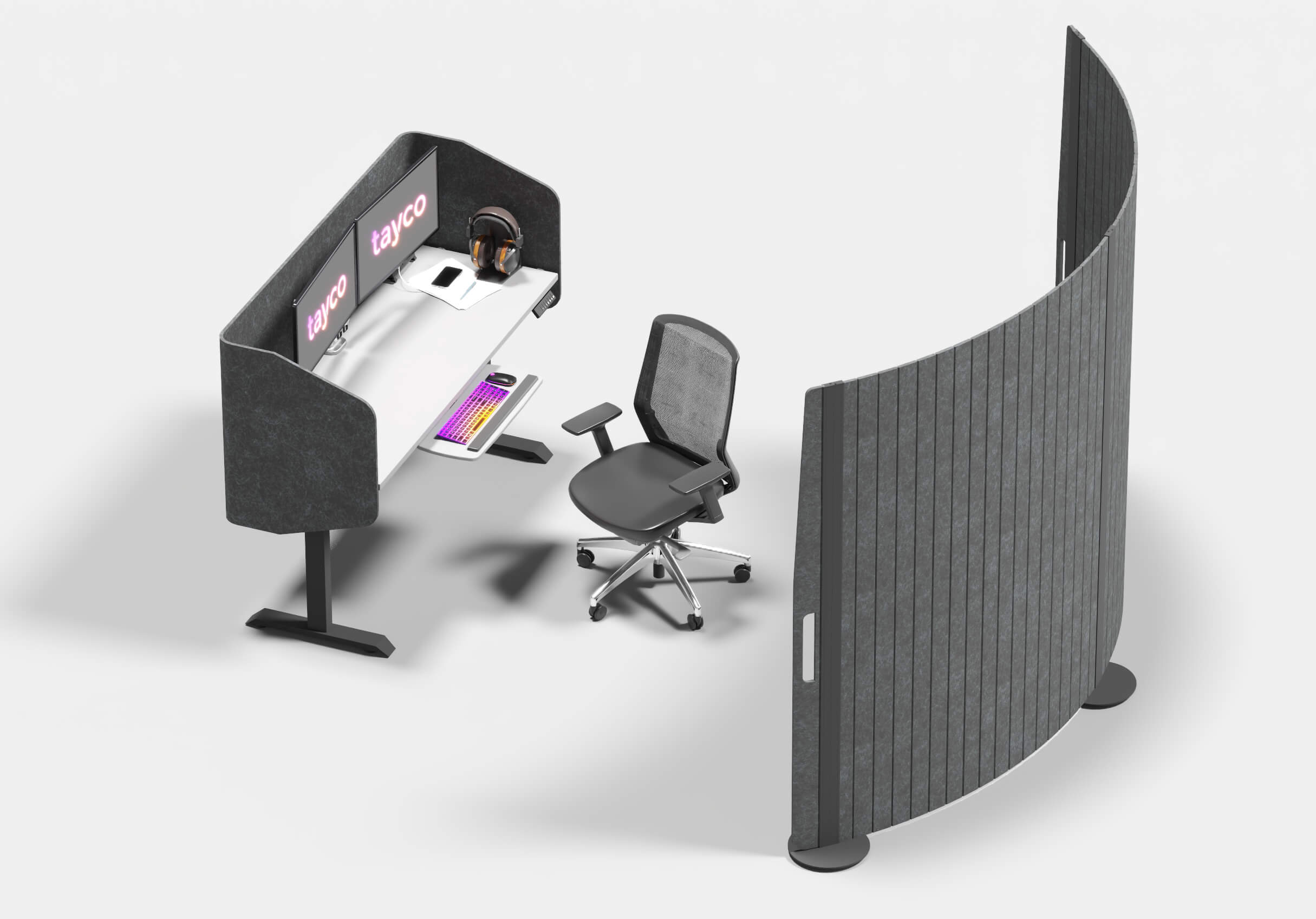
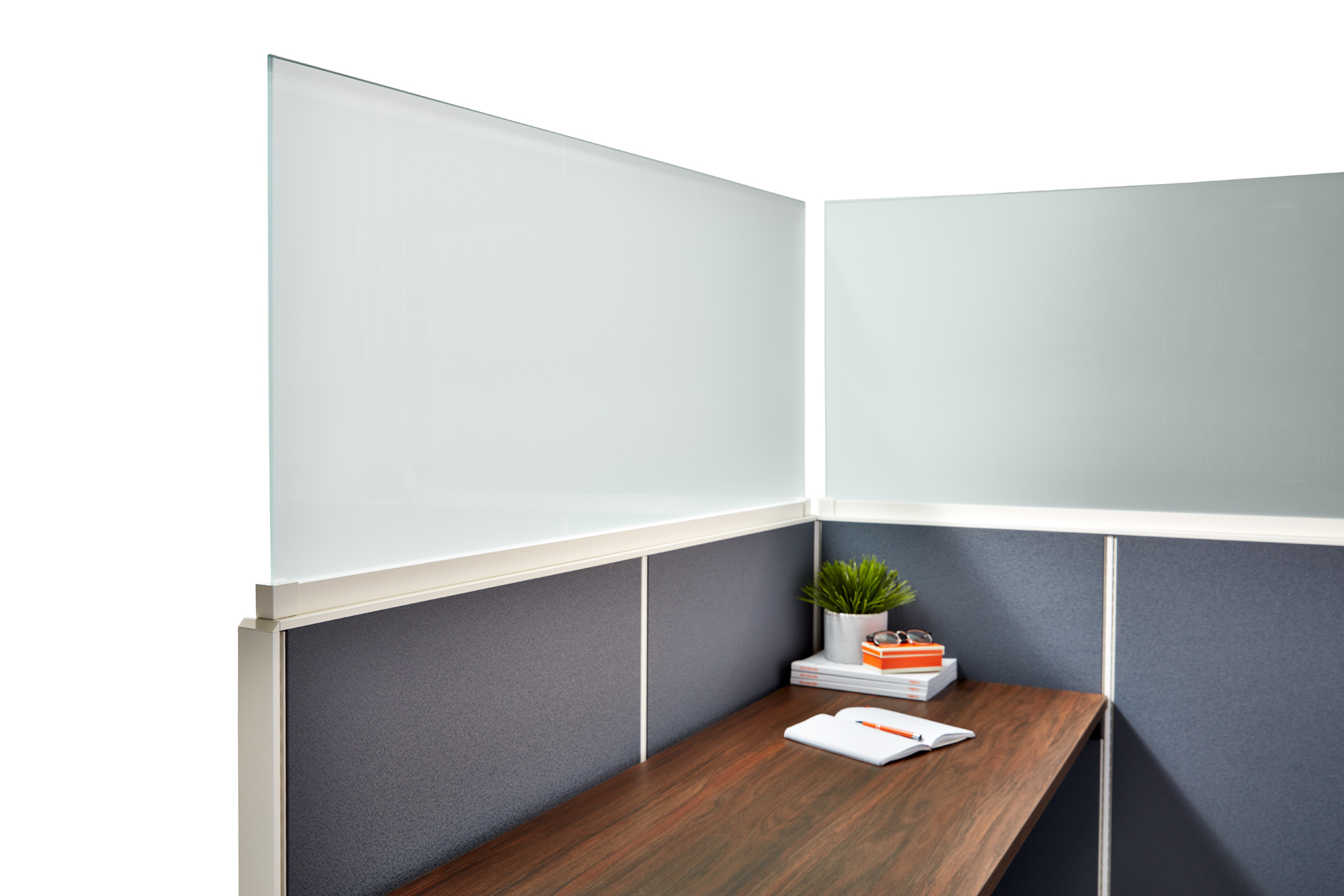
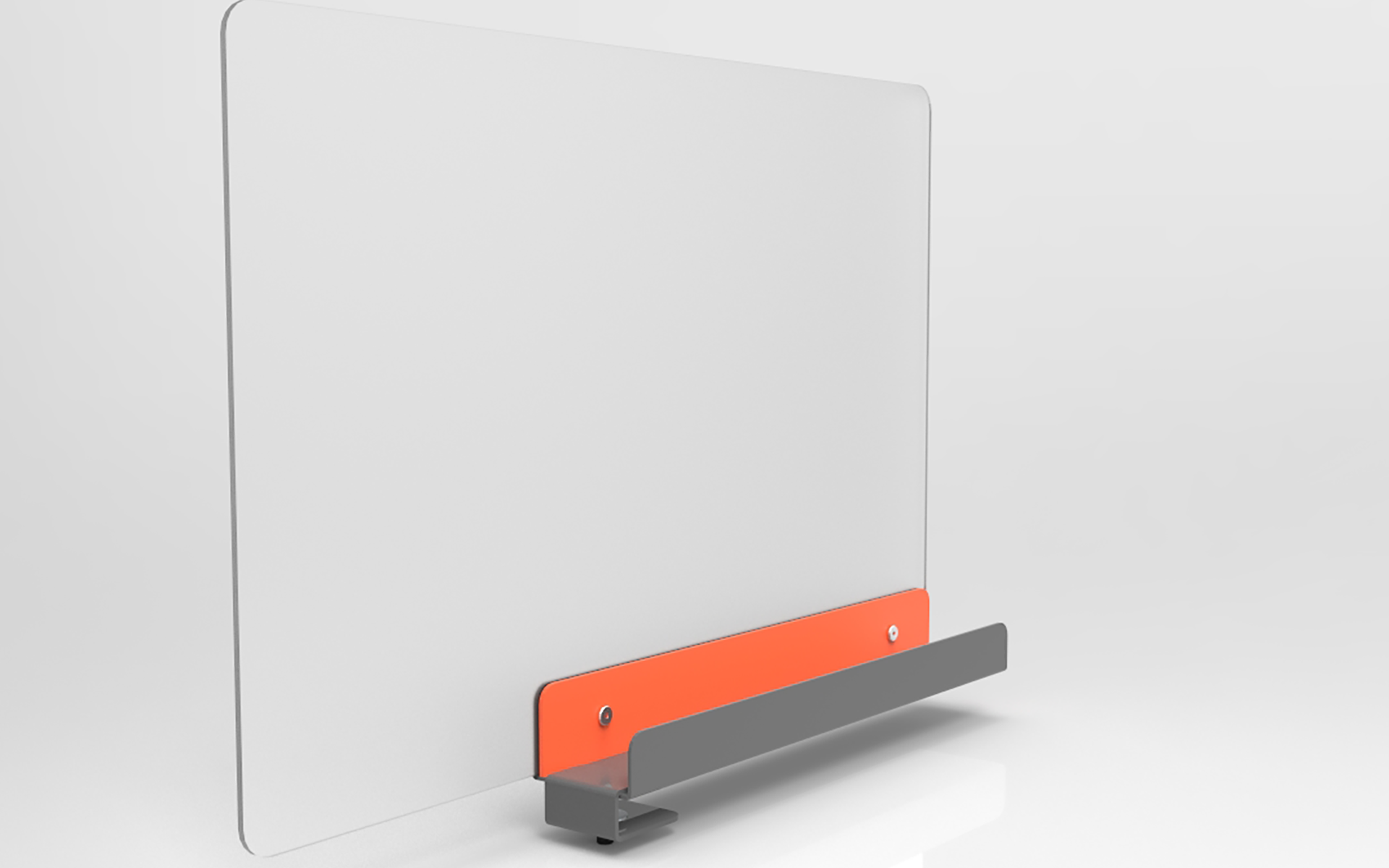
Modular Acoustic Workstation Flexible team neighborhood solution designed to improve privacy and reduce speech distraction in open offices. 10–30 workstations 15–25 days 45–75 days ISO 9001 ISO 354 EN 527
Request acoustic absorption data, panel reaction-to-fire classification, workstation stability records, and VOC documentation.
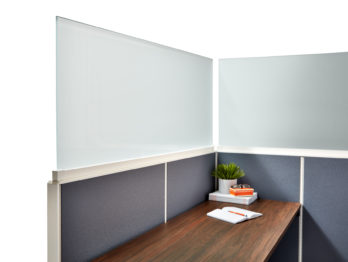
PET acoustic panels, steel or aluminum frame, laminate worktops, integrated power modules, reconfigurable connectors. US$320–850 per workstation US$70–260 per workstation, subject to flat-pack design and installation requirements.
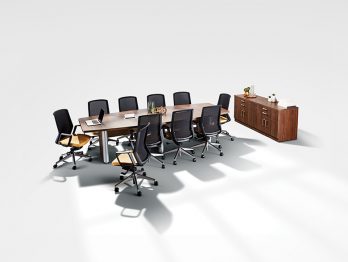
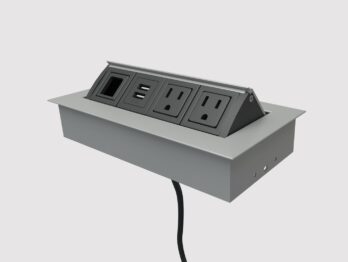
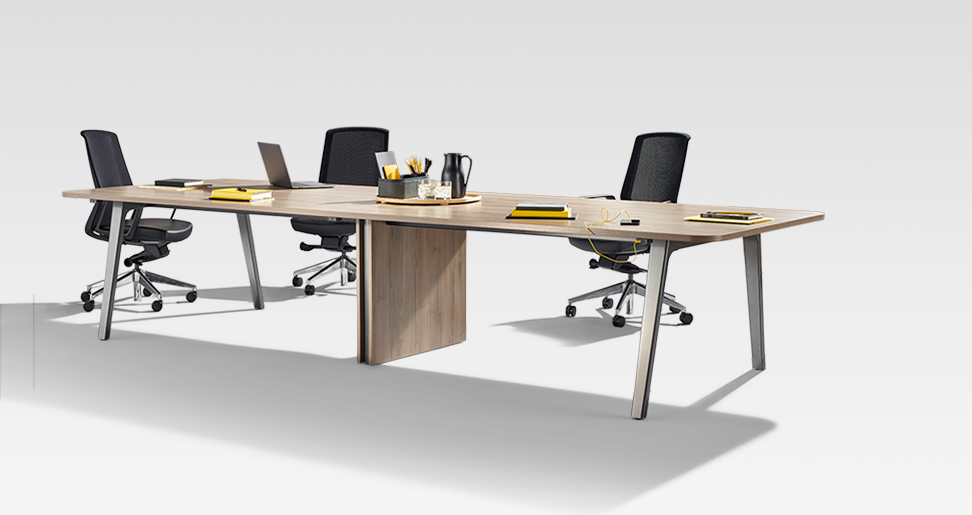
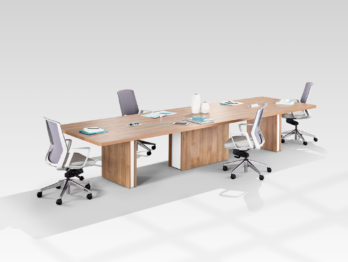
Collaborative Meeting Table Flexible table for agile meetings, team huddles, training, and hybrid collaboration with integrated power and data access. 10–25 units 12–20 days 35–60 days ISO 9001 ISO 14001 EN 15372
Confirm load capacity, edge durability, stability, cable-module safety, surface emissions, and applicable fire performance.
Recycled-content laminate or veneer top, steel legs, castors or adjustable feet, flip-top or folding options. US$160–520 US$35–150 per unit; folding or nesting designs usually reduce storage and shipping volume.
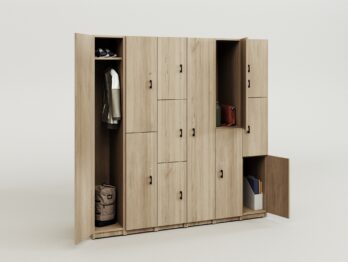
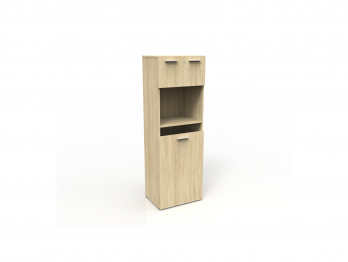
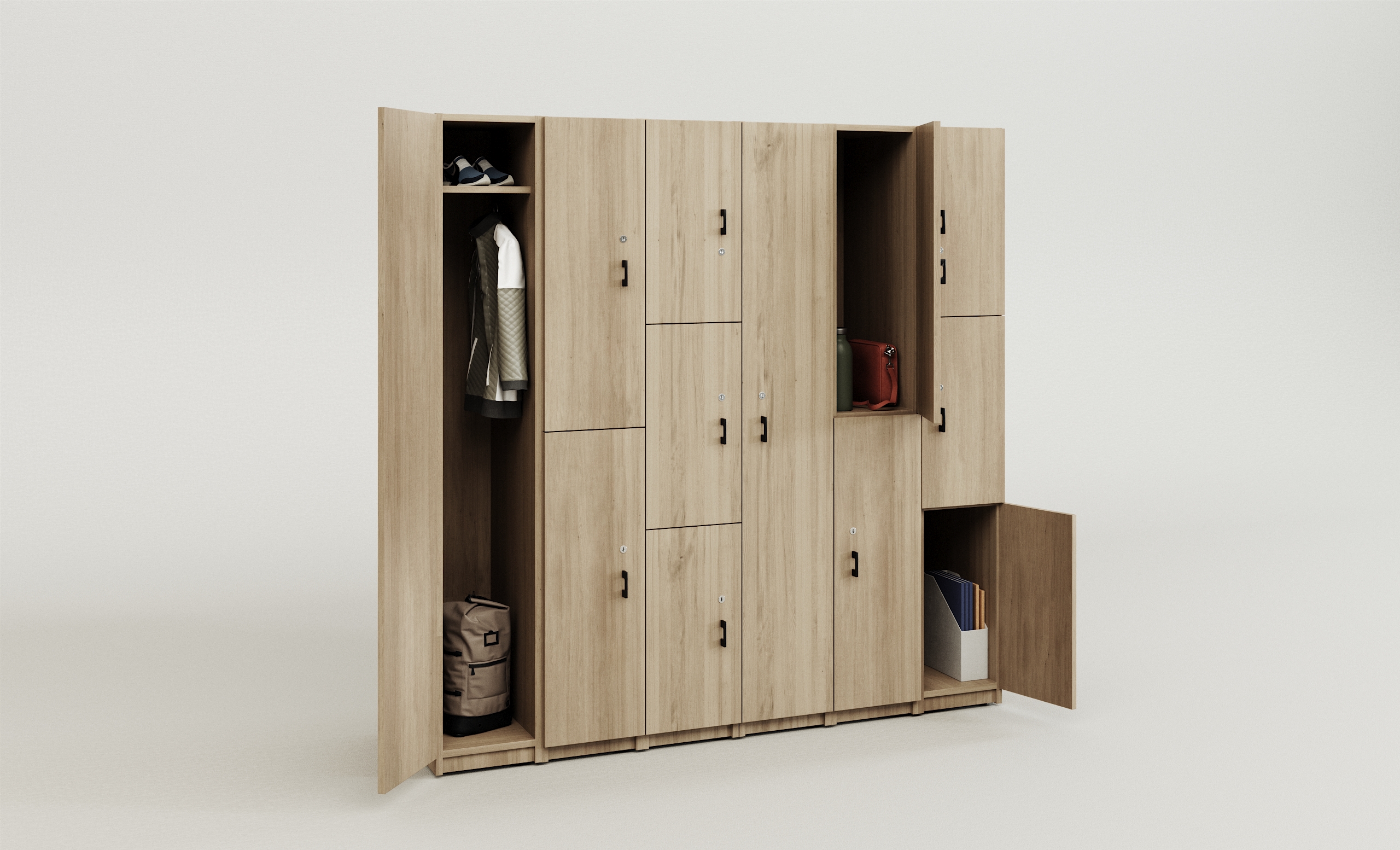
Mobile Pedestal and Personal Storage Compact personal storage supporting clean-desk policies, hot-desking, and flexible floor plans. 50–100 units 10–18 days 30–50 days ISO 9001 ISO 7170 EN 14073
Check anti-tilt performance, drawer cycle testing, lock specification, caster durability, and tip-over resistance.
Powder-coated steel or melamine board, three drawers, central locking, anti-tilt interlock, soft-close runners, casters. US$75–220 US$18–75 per unit; nested packing and knock-down construction can lower freight cost.
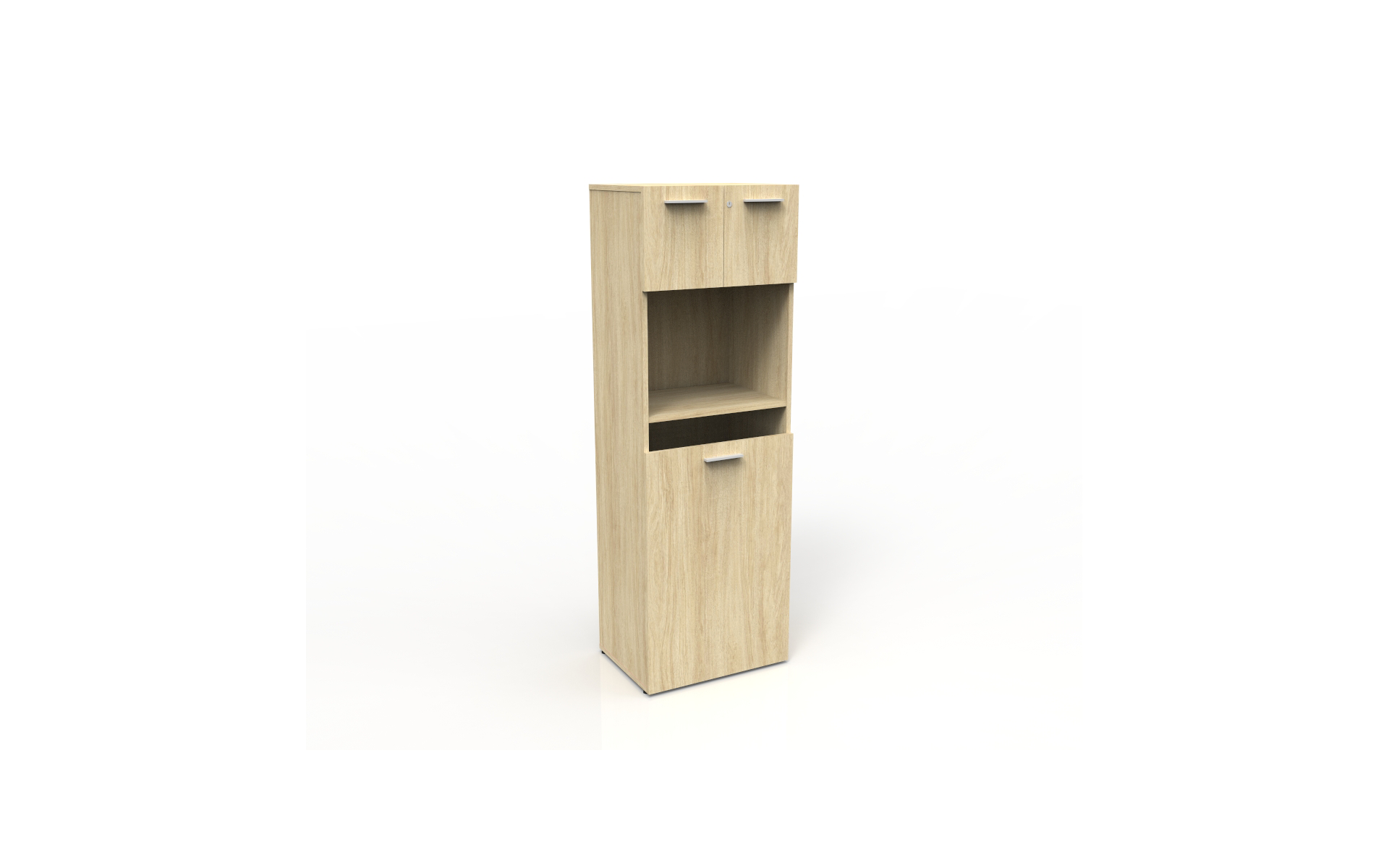
Open Shelving and Display Storage Warm, hospitality-inspired storage for plants, books, office accessories, and informal space zoning. 20–50 units 10–20 days 35–60 days ISO 9001 ISO 7170 EN 14073
Verify shelf loading, wall anchoring, anti-tip devices, coating emissions, and stability on uneven floors.
Powder-coated metal, engineered wood, bamboo-effect panels, adjustable shelves, planter modules, concealed fixings. US$110–360 US$25–110 per unit; oversized cartons may incur dimensional-weight charges.
Lounge Sofa and Soft Seating Residential-style seating for reception areas, breakout zones, informal meetings, and employee wellbeing spaces. 10–30 units 15–25 days 45–75 days ISO 9001 EN 16139 EN 1021
Confirm commercial-use durability, upholstery abrasion, seam strength, foam density, fire performance, and cleaning instructions.
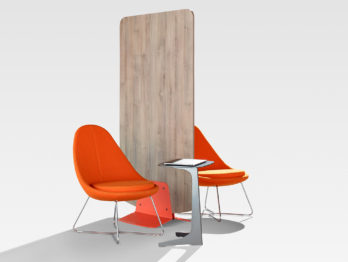
High-resilience foam, commercial upholstery, FSC-mix or engineered timber frame options, removable covers, modular connectors. US$280–950 US$80–320 per unit; upholstery protection and cubic volume are major cost drivers.
Folding or Nesting Training Table Rapidly reconfigurable furniture for training rooms, education spaces, events, and multi-purpose offices. 20–50 units 10–18 days 30–55 days ISO 9001 EN 15372 EN 527
Check locking mechanisms, castor brakes, repeated folding cycles, stability, edge safety, and maximum distributed load.
Lightweight laminate top, steel frame, nesting castors, flip mechanism, modesty panel, linking accessories. US$120–380 US$25–105 per unit; nesting ratio and flat-pack packaging influence container capacity.
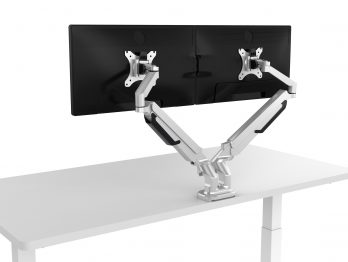
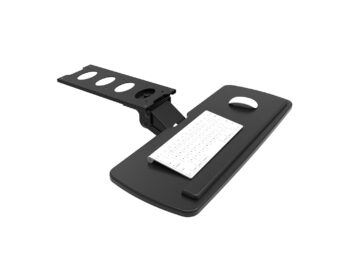
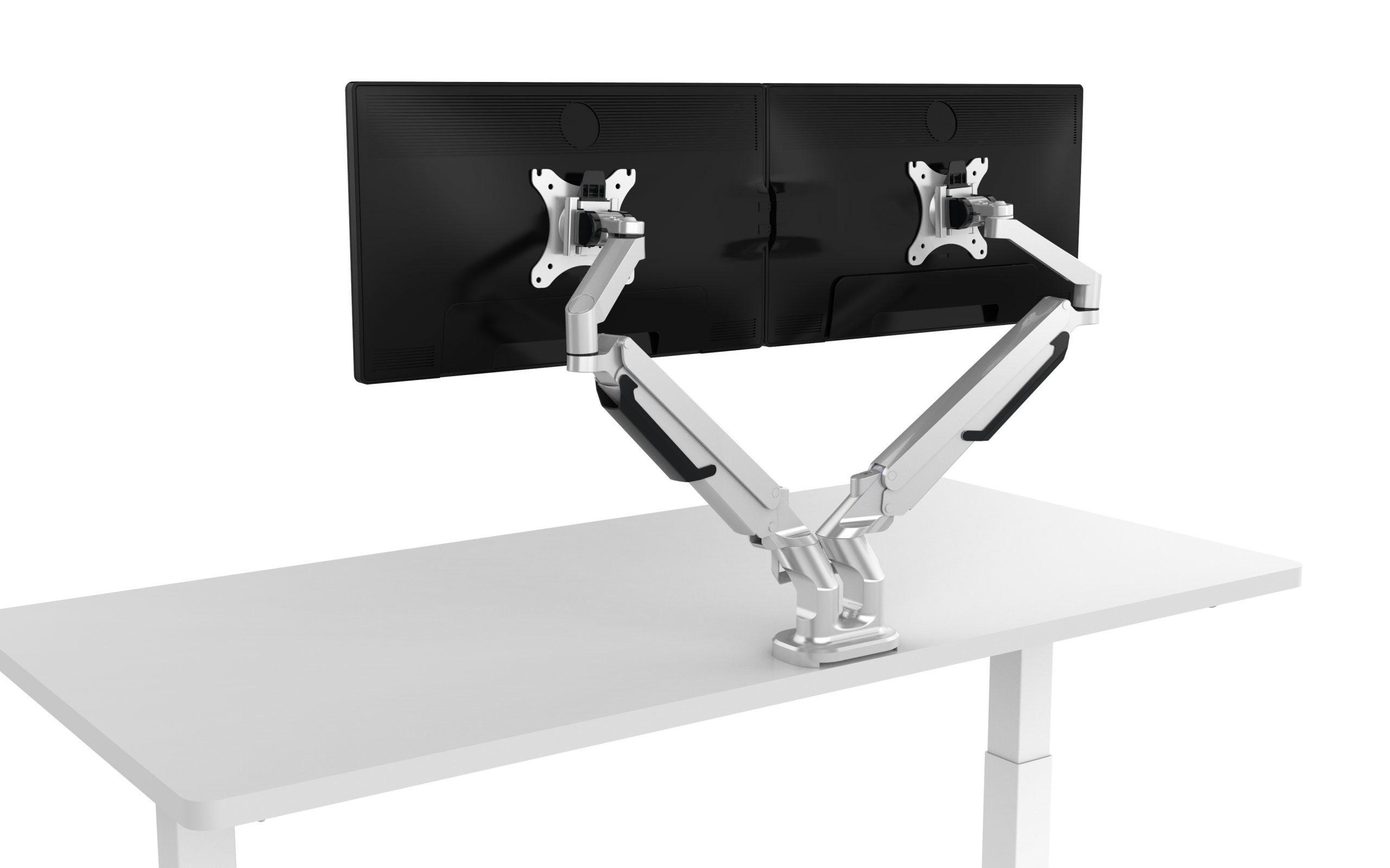
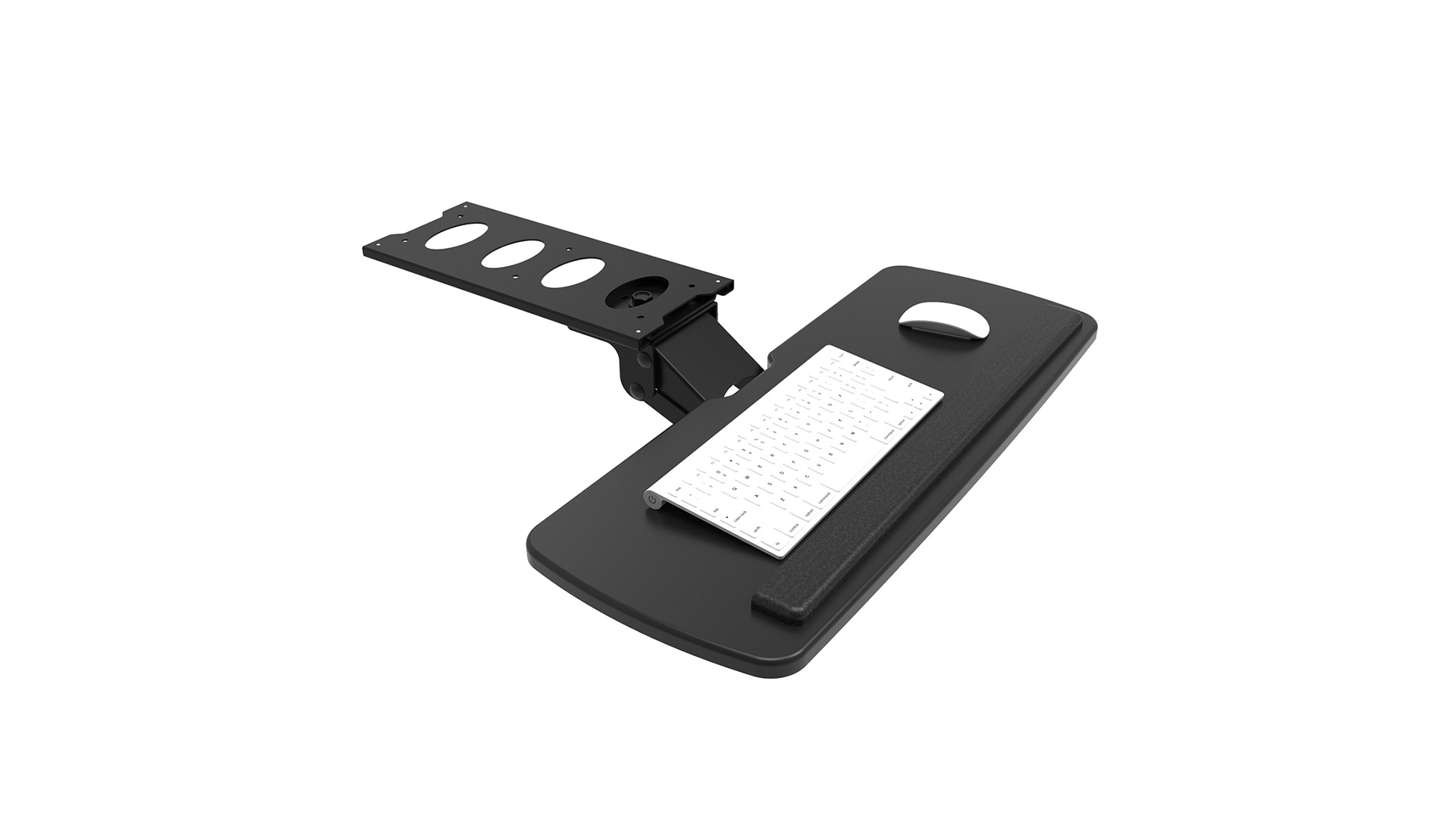
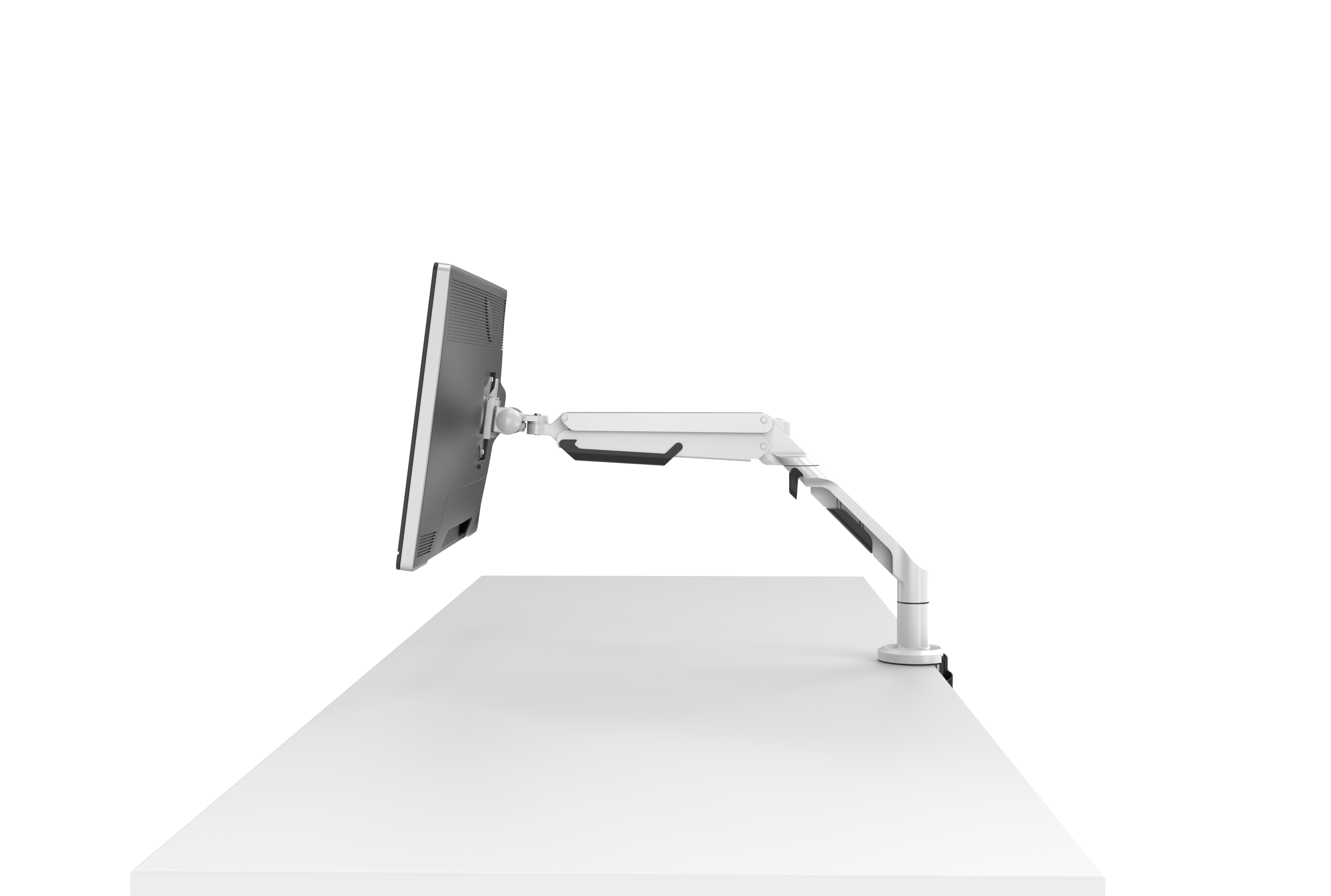
Monitor Arm and Cable-Management Kit Minimalist desk upgrade supporting dual-screen layouts, ergonomic positioning, and cleaner shared workstations. 100–300 units 7–15 days 25–45 days ISO 9001 ISO 7170 where applicable
Verify VESA compatibility, clamp range, maximum monitor weight, fatigue testing, cable clearance, and surface protection.
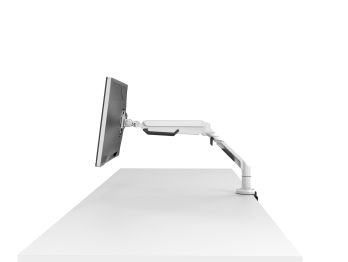
Aluminum or steel arm, gas spring, desk clamp or grommet mount, integrated cable channel, adjustable tension. US$35–150 US$5–35 per unit; consolidated cartons generally offer the best freight efficiency.

Total landed cost checklist: product price + tooling or customization + sample charges + export packaging + inland transport + ocean or air freight + insurance + customs duty and taxes + destination handling + assembly + warranty reserve + compliance testing. ISO 9001 and ISO 14001 refer to management-system certifications, while product safety and performance must be verified against the standards applicable in the destination market.