Tayco Office Furnishings Inc.
400 Norris Glen Rd.
Toronto, ON M9C 1H5
T: (416) 252-8000
T: (800) 675-4092
F: (416) 252-4467
[email protected]
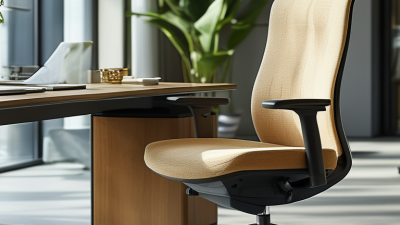
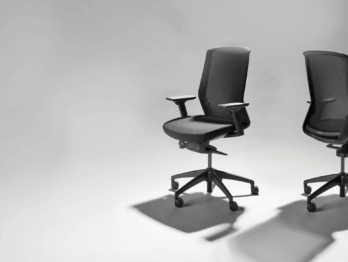
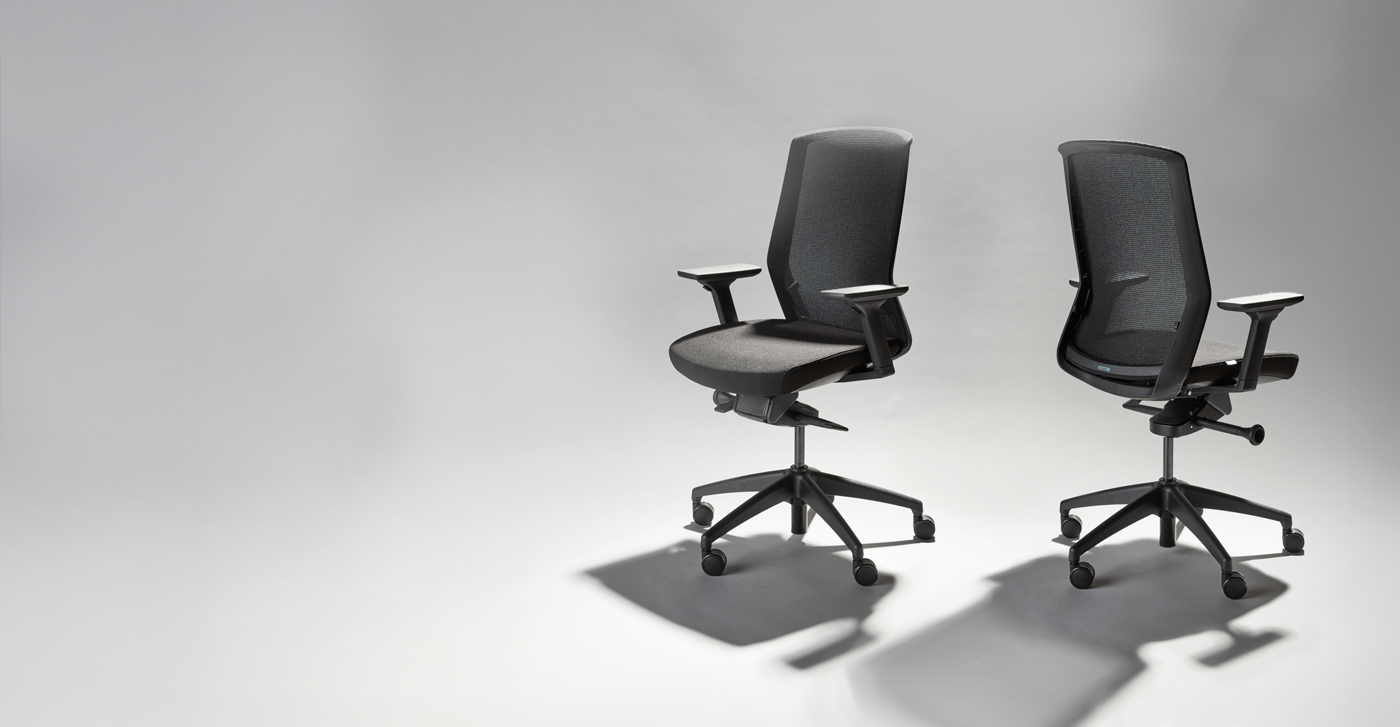
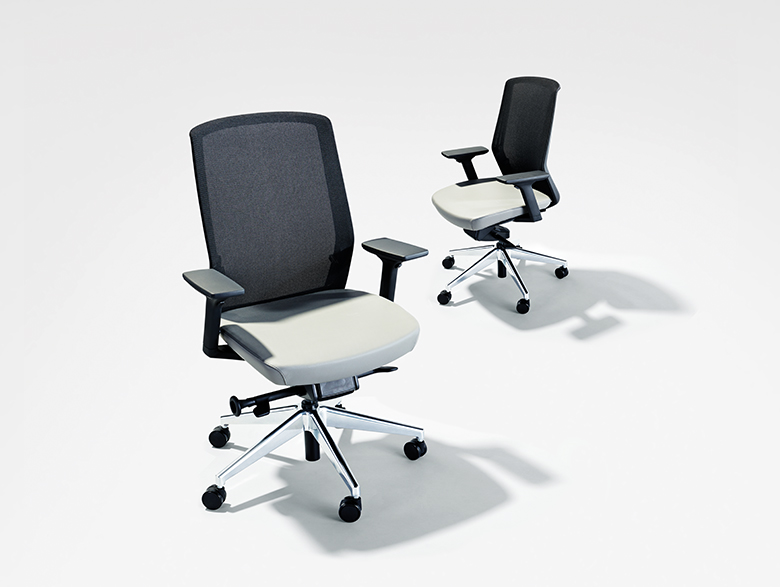
Choosing among China’s top modern office seating manufacturers requires more than comparing glossy catalogs. The strongest suppliers combine ergonomic research, disciplined engineering, stable materials, and dependable after-sales support. Their chairs should show practical details: adjustable lumbar support, synchronized recline, breathable mesh, smooth casters, and bases that remain stable during daily movement.
Niels Diffrient, a respected industrial designer, famously said, “The chair is the most difficult object to design.” That observation still matters. A modern office seating product must support different body shapes, working habits, and sitting durations without becoming complicated. Manufacturers with experienced development teams can explain foam density, mechanism testing, load ratings, and replacement-part availability. They should also provide transparent factory information, quality-control records, and test evidence related to standards such as BIFMA or EN 1335, where applicable. Certifications help, but they are not the whole story.
Look beyond rankings.
A serious comparison should include factory audits, prototype reviews, production consistency, and communication quality. Ask whether the supplier can reproduce the same stitching, mesh tension, and mechanism performance across large orders. Samples may feel excellent, while mass production tells a different story. That uncomfortable possibility deserves attention. Some company websites appear authoritative, yet offer little evidence beyond attractive photographs. Buyers should verify ownership, export experience, warranty terms, and independent test reports before choosing a partner. This guide examines leading Chinese manufacturers through those practical criteria, while recognizing that “top” depends on project size, budget, design expectations, and required compliance. No list is permanently correct. Real performance can change.
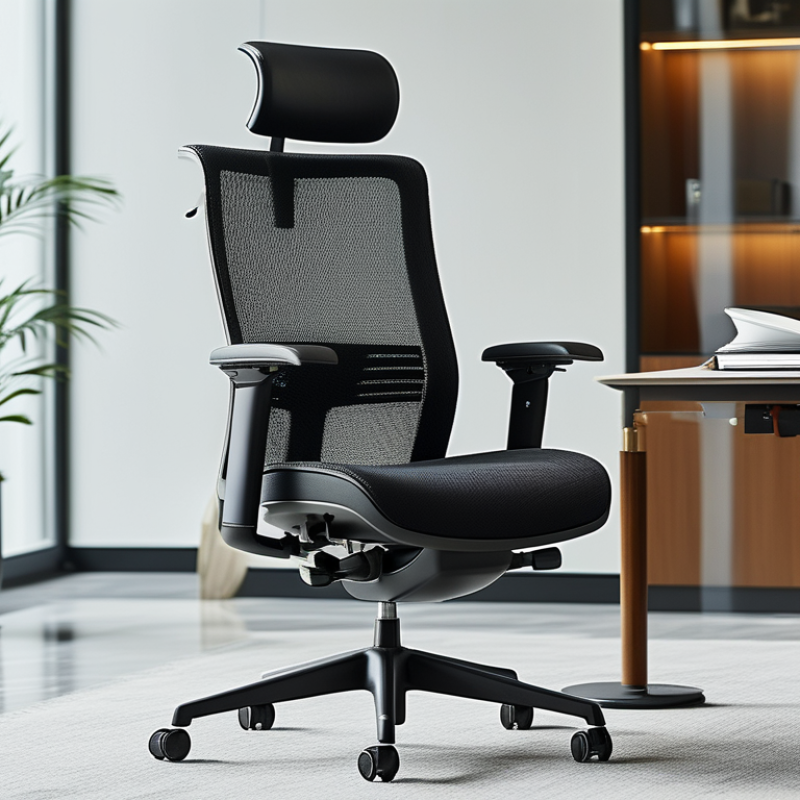
China’s modern office seating manufacturing landscape has become more specialized and export-oriented. Production is concentrated in industrial regions such as Guangdong, Zhejiang, and Jiangsu. These areas offer established supply chains for steel frames, molded foam, mesh, casters, and control mechanisms. A typical factory may combine automated cutting with skilled hand assembly. Small details still matter.
Manufacturers increasingly provide ergonomic task chairs, conference seating, lounge chairs, and adjustable work stools. Many support OEM and ODM projects, allowing buyers to change dimensions, fabrics, finishes, and packaging. Reliable suppliers usually maintain documented quality procedures and conduct load, durability, fire-resistance, and chemical-emission tests where required. Buyers should request current reports, factory records, and sample approvals instead of trusting catalog images.
The market is not perfectly uniform. Some workshops excel at customization but lack stable process control. Others offer strong engineering yet limited design flexibility. Visiting a production line can reveal practical issues, including uneven stitching, loose armrests, or inconsistent powder coating. I have found that pilot orders often provide more useful evidence than polished presentations. However, even a good sample may not represent every batch. Clear specifications, inspection points, and written tolerances help reduce that risk. Seating performance also depends on local standards, user weight ranges, working hours, and climate. A breathable mesh back may suit a humid office, while dense upholstery can feel warmer during long shifts. Pricing alone rarely explains the real value.
| Dimension | Industry Indicator | Verified Data or Industry Fact | Relevance | Public Reference |
|---|---|---|---|---|
| Product Scope | Modern office seating categories | The main product range includes task chairs, ergonomic chairs, visitor chairs, conference chairs, executive chairs, training chairs, laboratory seating, and height-adjustable stools. | Core Scope | China furniture product standards and international office-chair testing frameworks |
| Customs Classification | HS 9401 seating codes | Office seating is generally classified within HS heading 9401. Relevant subheadings include 9401.30 for swivel seats with variable height, 9401.71 for upholstered seats with metal frames, and 9401.80 for other seats. | Export Data | World Customs Organization HS System |
| Major Manufacturing Cluster | Anji, Zhejiang | Anji is widely recognized as a major Chinese seating-production cluster, with strong capabilities in office chairs, swivel mechanisms, upholstered seating, component supply, and furniture export. | High Density | Local industrial-cluster publications from Anji County and Zhejiang Province |
| Major Manufacturing Cluster | Foshan and surrounding Pearl River Delta | Foshan and the wider Pearl River Delta provide an integrated furniture ecosystem covering metal processing, plastics, foam, upholstery, hardware, surface finishing, packaging, and logistics. | Integrated Chain | Guangdong furniture-industry and manufacturing-cluster information |
| Major Manufacturing Cluster | Shengfang and Xianghe, Hebei | Northern Hebei has established furniture and metal-furniture production bases. The region is particularly relevant for metal-frame chairs, visitor seating, conference seating, and cost-sensitive commercial furniture. | Metal Seating | Hebei furniture-industry cluster and local manufacturing-sector publications |
| Chinese Product Standard | Office chair specification | QB/T 2280-2016, “Office Chairs,” provides a China-specific framework for product requirements and testing of office chairs. | Applicable | China light-industry standard QB/T 2280-2016 |
| Mechanical Safety | Chair durability and strength testing | GB/T 10357.3-2013, “Test of mechanical properties of furniture—Part 3: Chairs and stools,” is used for evaluating mechanical performance such as strength, durability, and stability. | Quality Control | Chinese national standard GB/T 10357.3-2013 |
| European Market Access | Office work-chair requirements | EN 1335 establishes dimensional, safety, strength, and durability requirements for office work chairs. It is commonly referenced when supplying European commercial and institutional markets. | EU Reference | European Standard EN 1335 |
| North American Market Access | General-purpose office chairs | ANSI/BIFMA X5.1 is a widely used voluntary performance and safety benchmark for general-purpose office chairs in North America. | US Reference | ANSI/BIFMA X5.1 General-Purpose Office Chairs |
| Material Capability | Typical material combinations | The modern office seating supply chain commonly combines polypropylene or nylon components, steel or aluminum structures, polyurethane foam, mesh fabrics, textiles, leather or synthetic leather, gas-lift systems, casters, and injection-molded parts. | Multi-Material | Common office-furniture bill-of-materials and industry testing practices |
| Production Model | OEM, ODM, and private-label supply | China’s office seating sector commonly supports OEM production, ODM development, private-label manufacturing, modular component sourcing, and project-based commercial furniture supply. | Flexible | Common procurement structures in China’s furniture export industry |
| Customization Capability | Commercial project requirements | Frequently customized parameters include seat height, backrest geometry, lumbar support, armrest functions, base finish, upholstery, color, caster type, packaging, labeling, and assembly method. | High | Standard specifications used in commercial office-furniture procurement |
| Quality Management | Factory management systems | ISO 9001:2015 is the internationally recognized quality-management-system standard commonly used by export-oriented manufacturers. Certification is facility-specific and should be verified directly. | Verify | ISO 9001:2015 |
| Environmental Management | Environmental management systems | ISO 14001:2015 provides a recognized framework for environmental management. It may support buyer qualification, but it does not by itself certify the environmental performance of every product. | Verify | ISO 14001:2015 |
| Testing Infrastructure | In-house and third-party testing | Export-capable seating suppliers typically need access to load, cycle, stability, caster, gas-lift, flammability, chemical, and dimensional testing, either through internal laboratories or accredited third-party facilities. | Key Filter | Applicable requirements under Chinese, European, and North American seating standards |
| Buyer Evaluation | Evidence required before sourcing | A practical supplier review should check legal registration, factory address, production capacity, test reports, certification scope, material traceability, inspection records, sample consistency, warranty terms, packaging standards, and shipment history. | Due Diligence | Standard international furniture-sourcing and supplier-audit practice |