Tayco Office Furnishings Inc.
400 Norris Glen Rd.
Toronto, ON M9C 1H5
T: (416) 252-8000
T: (800) 675-4092
F: (416) 252-4467
[email protected]
Tayco Office Furnishings Inc.
400 Norris Glen Rd.
Toronto, ON M9C 1H5
T: (416) 252-8000
T: (800) 675-4092
F: (416) 252-4467
[email protected]
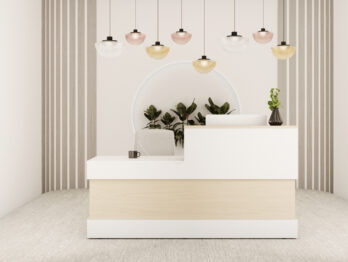
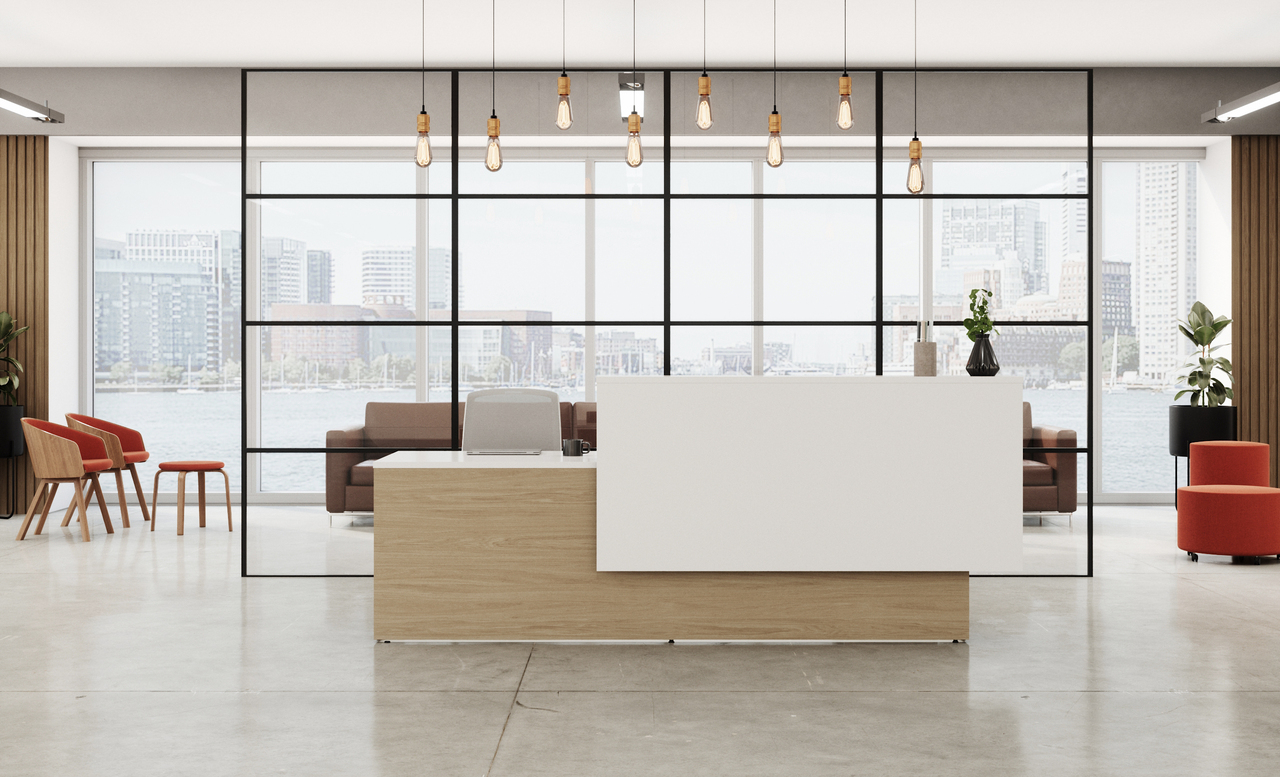
Why choose stylish office furniture for modern offices? The answer reaches beyond appearance. A well-designed desk, ergonomic chair, or quiet lounge can influence how people move, focus, and connect throughout the working day. Steelcase’s Global Report on hybrid work highlights a continuing need for workplaces that support both collaboration and individual concentration. Stylish office furniture helps translate that need into physical experience, using adaptable layouts, comfortable materials, and clear visual identity.
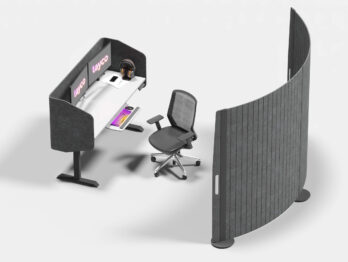
The evidence also points to experience, not decoration. Leesman’s workplace research, based on feedback from millions of employees, consistently connects effective workplaces with stronger support for daily activities. A height-adjustable desk may reduce discomfort during long tasks. A carefully placed acoustic chair can create a calmer corner beside a busy walkway. These details make design measurable. They also make it human.
Looks are not enough.
Modern offices must balance beauty, durability, accessibility, and practical performance. Gensler’s Global Workplace Survey has repeatedly emphasized choice and variety as important features of effective work environments. That does not mean filling every room with fashionable pieces. It means selecting furniture that serves real behavior, from focused laptop work to informal project discussions. A glossy table may photograph well but fail under constant use. That is an easy mistake to make. Therefore, choosing stylish office furniture requires professional judgment, reliable product specifications, and direct observation of how employees actually work. When appearance and performance support each other, the office feels intentional rather than staged.
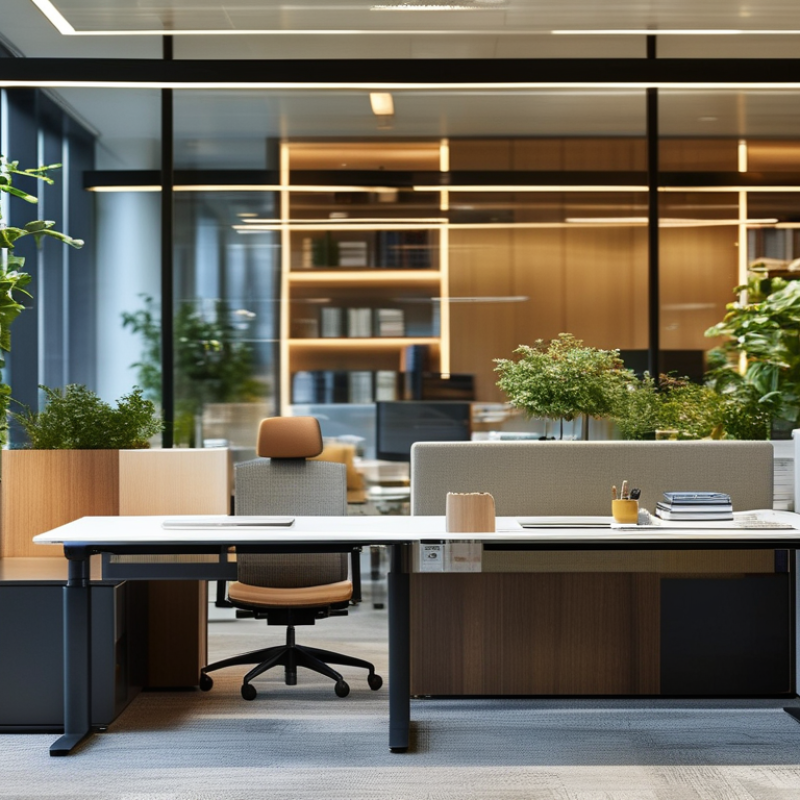
In modern workspaces, stylish office furniture means more than attractive shapes. It combines visual character, ergonomic support, flexibility, and material honesty. A slim desk with rounded edges can soften a room, but its cable access and height range matter more. Style should make daily work feel intentional, not performative. This distinction is often missed.
Gallup’s State of the Global Workplace 2024 reports that only 23% of employees are engaged worldwide. Furniture cannot create engagement alone, yet a comfortable, purposeful setting can remove daily friction.
The U.S. Bureau of Labor Statistics reported that musculoskeletal disorders represented about 27% of nonfatal workplace injuries involving days away from work in 2023. Ergonomics is therefore part of visual design, not an optional upgrade.
A credible specification checks seat depth, lumbar support, desk height, lighting, and reach distance. It also considers how furniture supports quiet focus, teamwork, and quick changes between tasks. No layout is perfect.
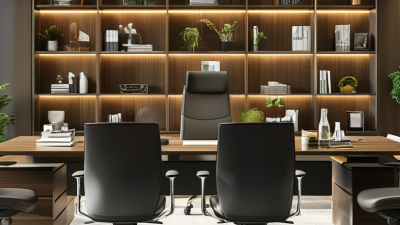
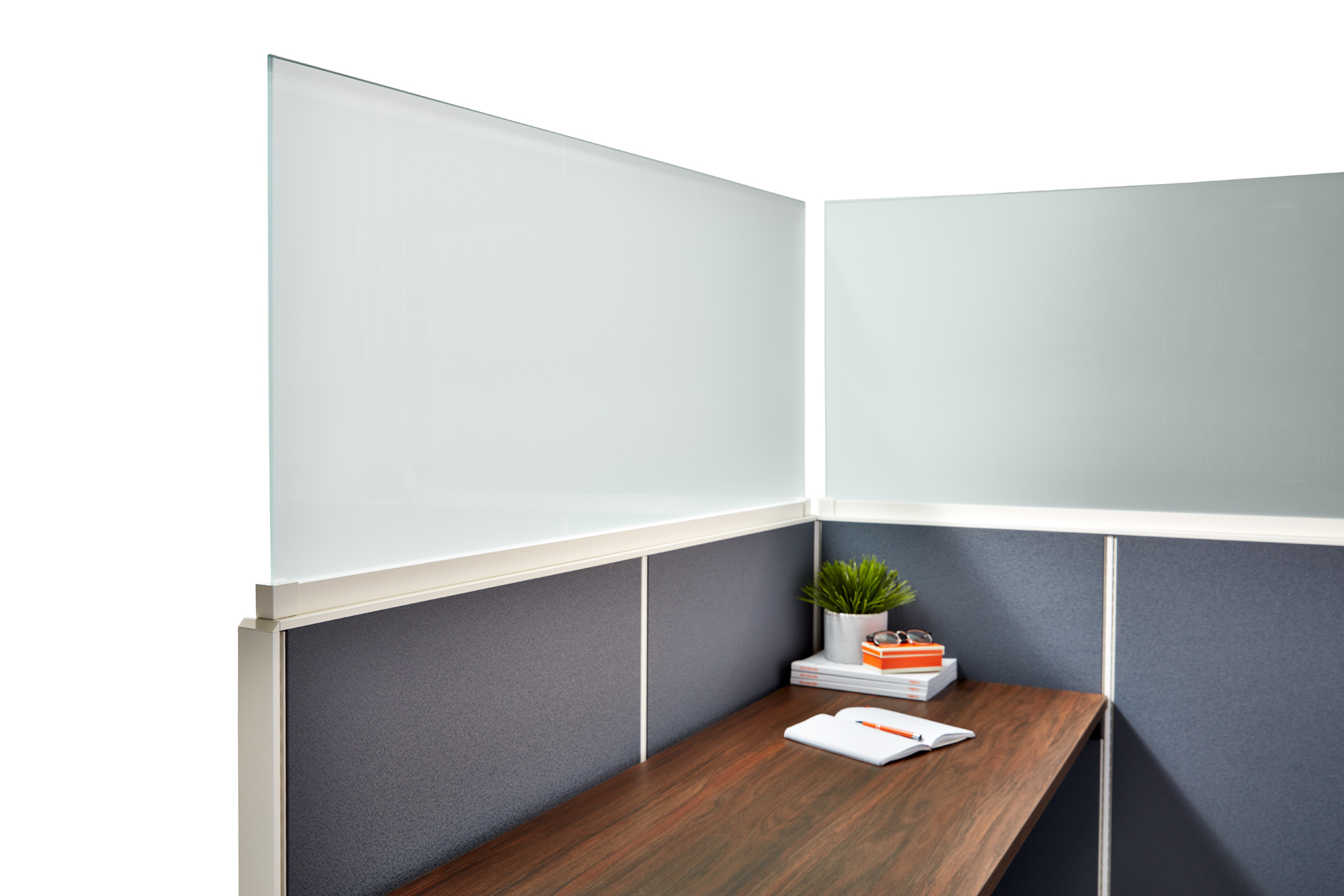
Open shelving may look elegant, but it can create visual noise and collect dust. A glass desk can feel light, yet it may expose clutter and require frequent cleaning. Sustainable materials matter too, but durability should be tested through real use, not assumed from attractive claims.
The best definition of stylish furniture remains practical: it looks considered, feels comfortable, and continues working after the first impression fades.
Why Choose Stylish Office Furniture for Modern Offices?
Key Benefits for Productivity, Comfort, and Employee Well-Being
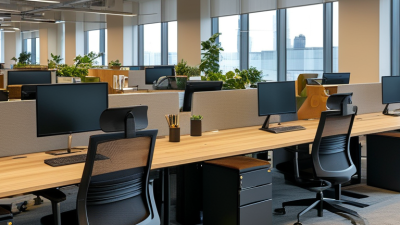
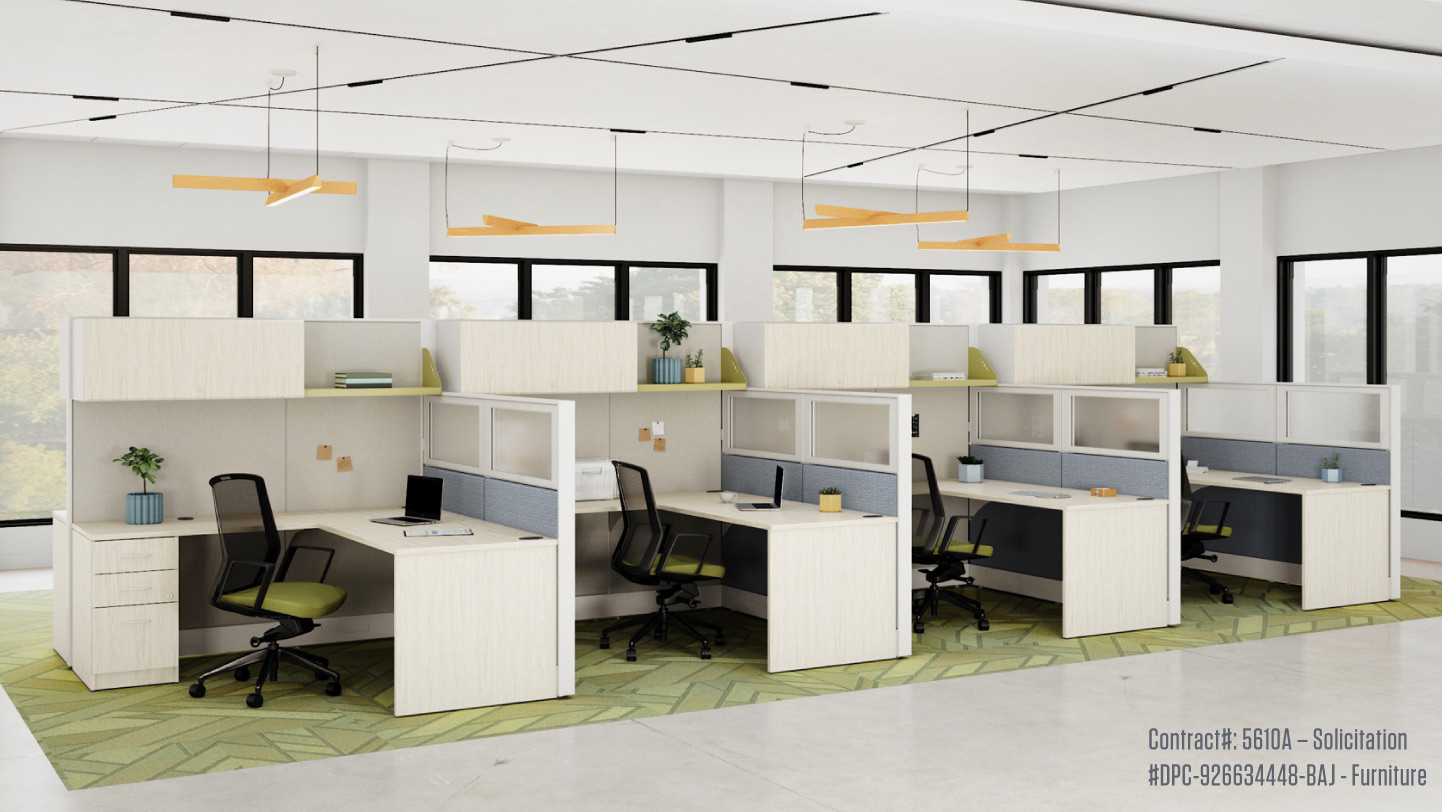
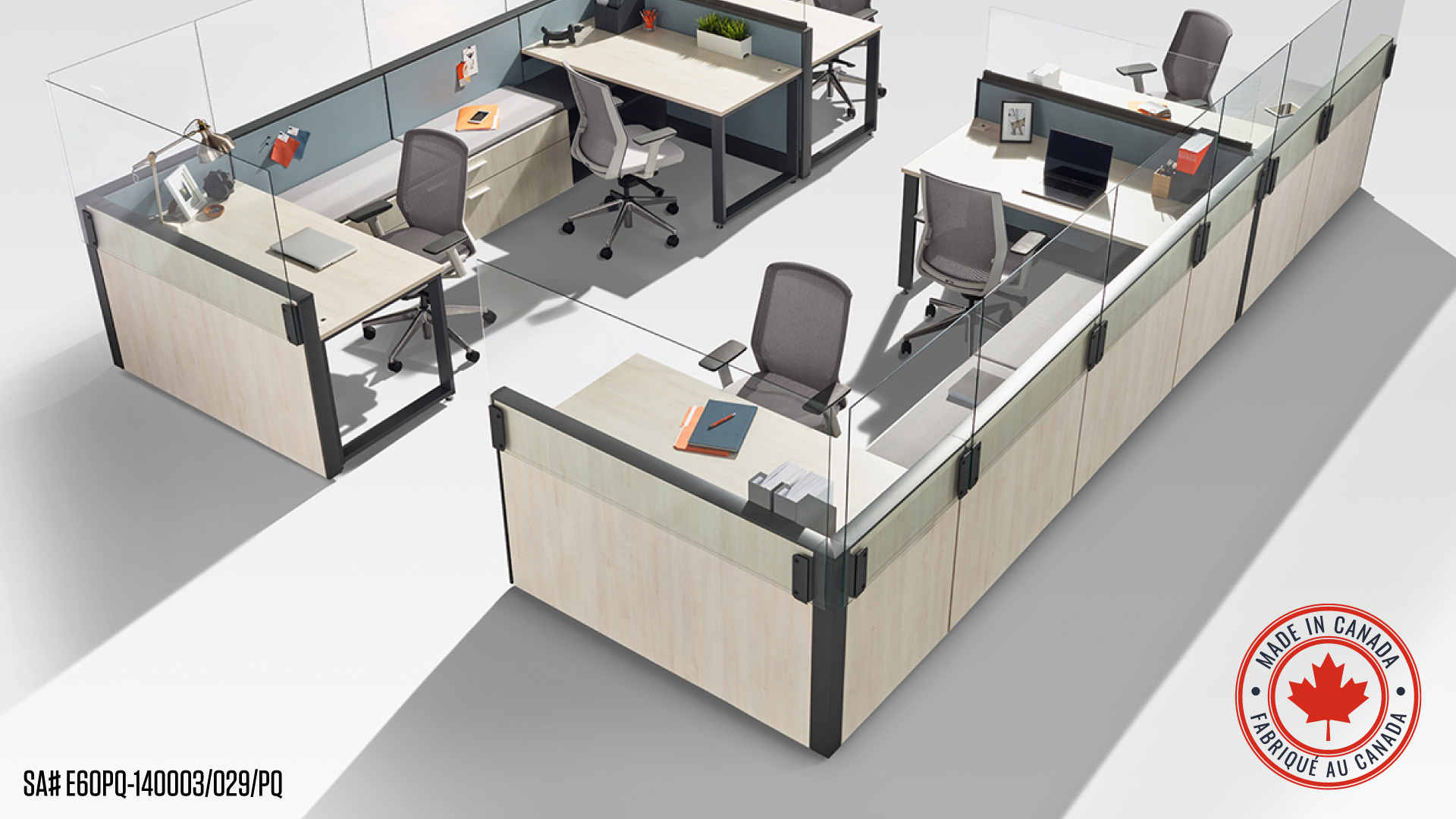
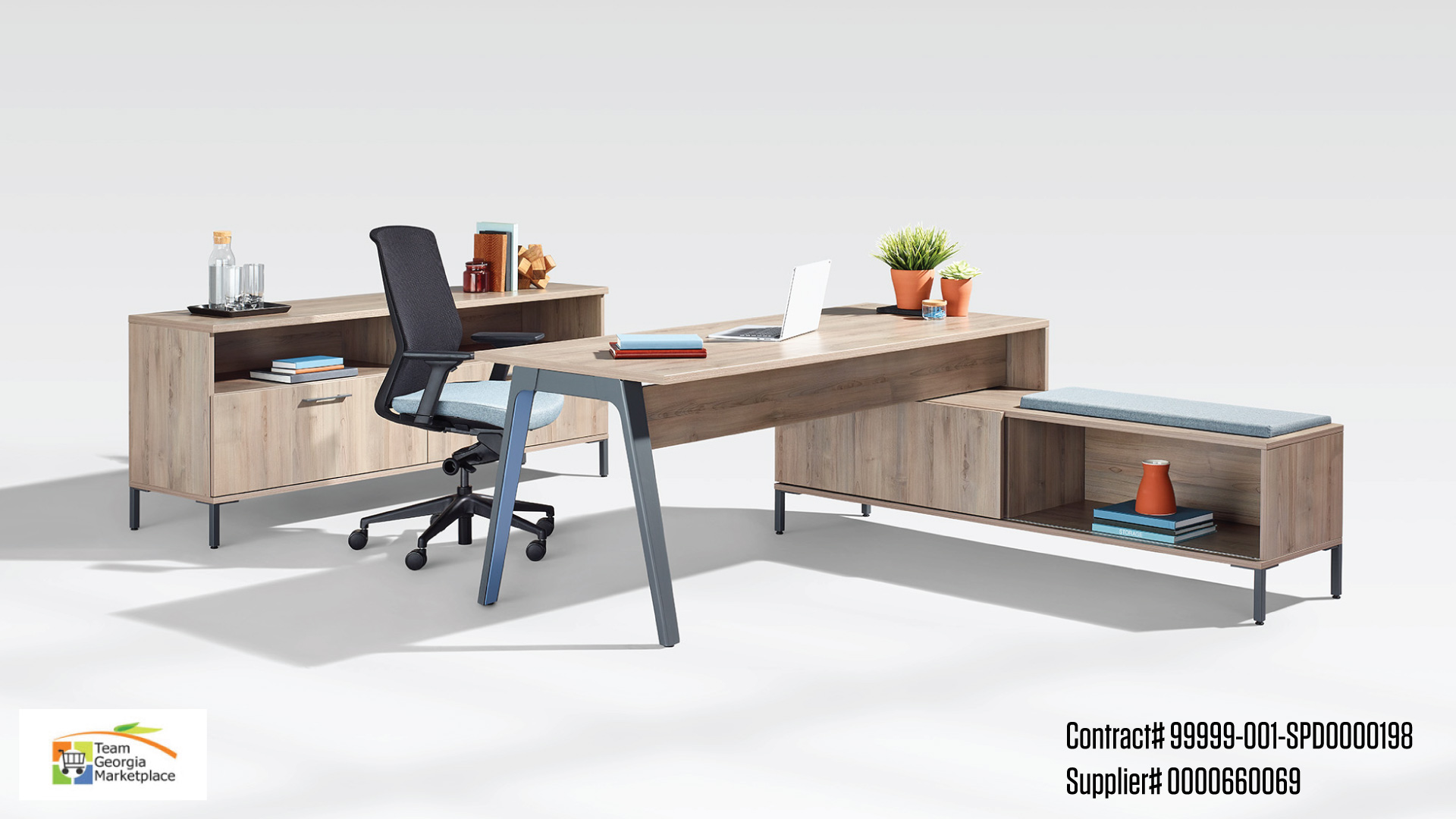
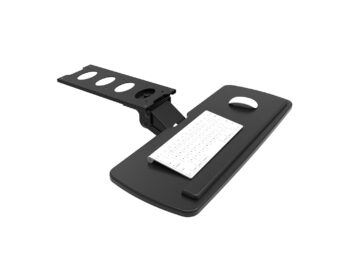
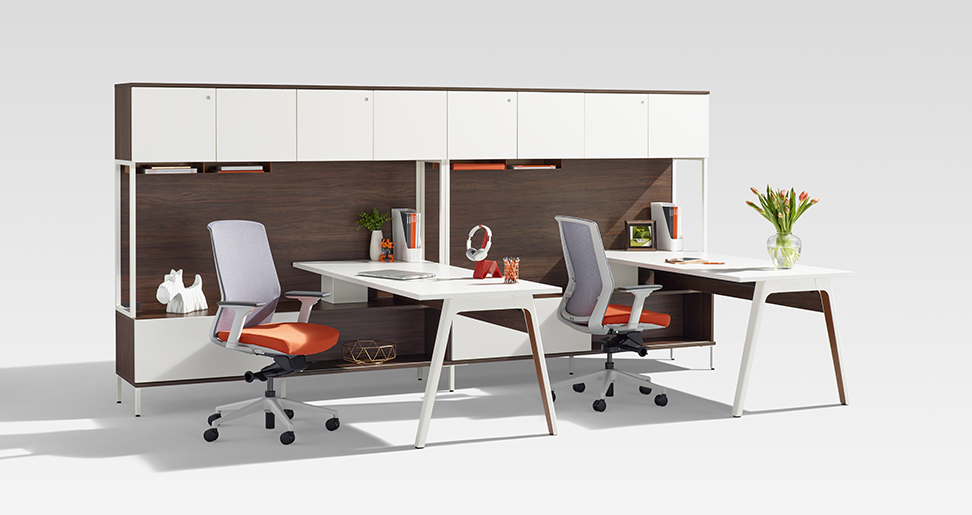
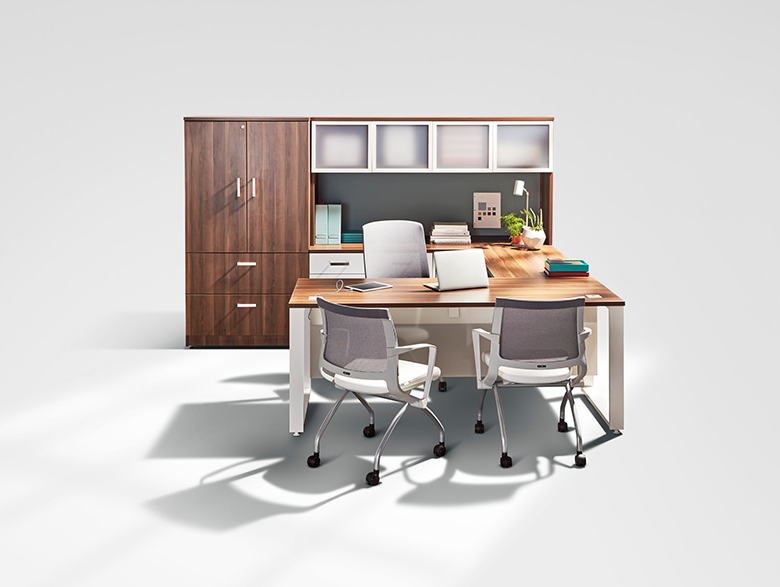
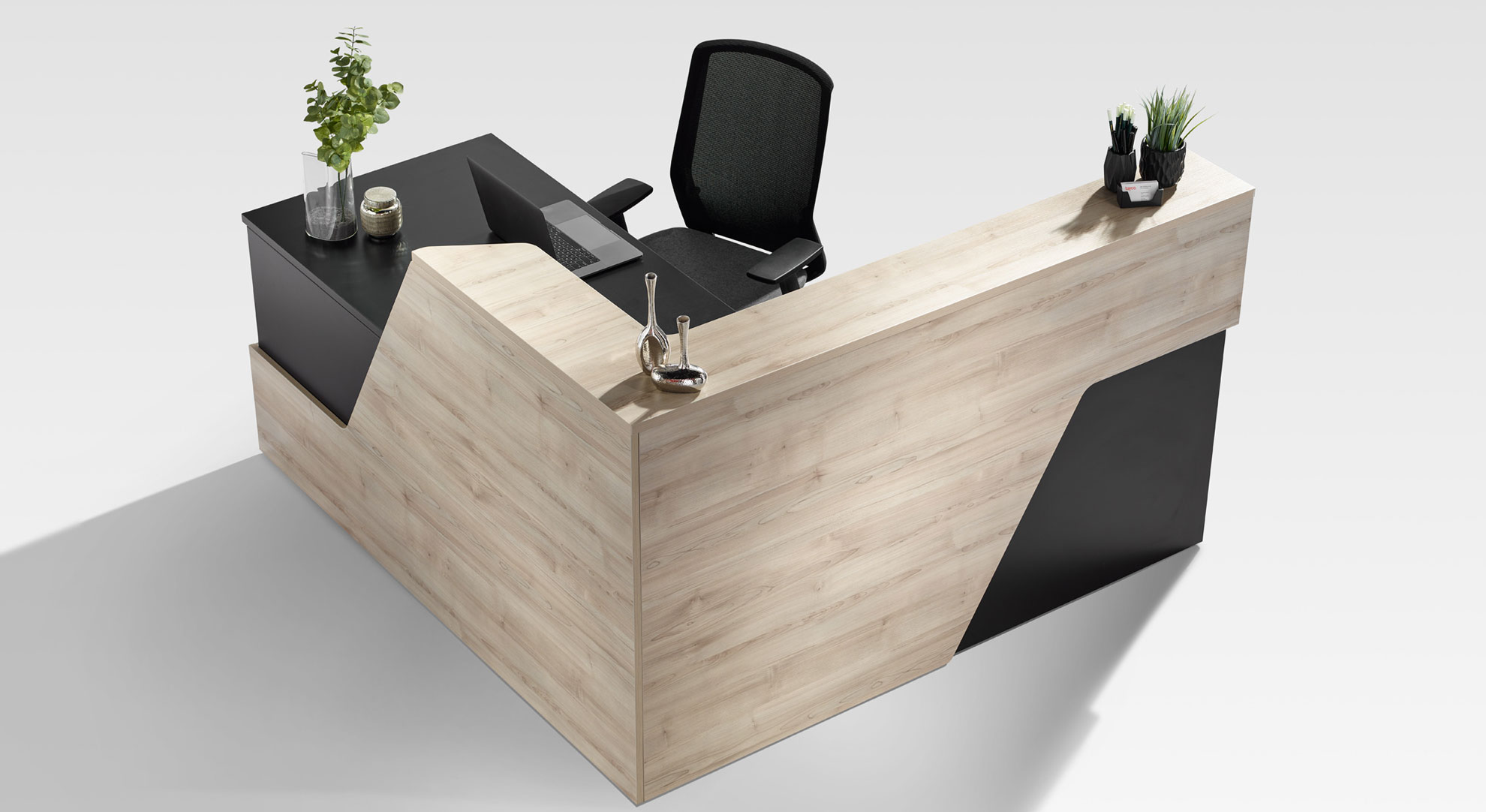
Stylish office furniture can shape how people work throughout the day. A well-designed desk keeps screens at a comfortable height and leaves space for essential tools. Adjustable chairs support different body types and reduce pressure during long tasks. Clean lines also make shared spaces feel calmer and easier to navigate. Small details matter.
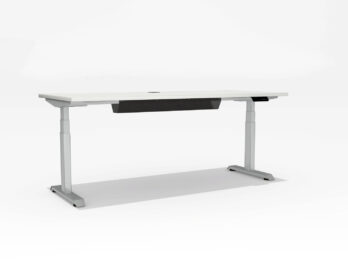
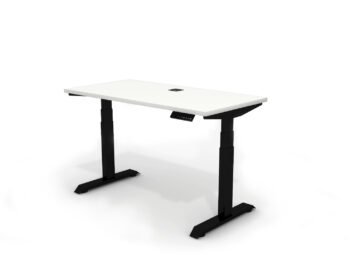
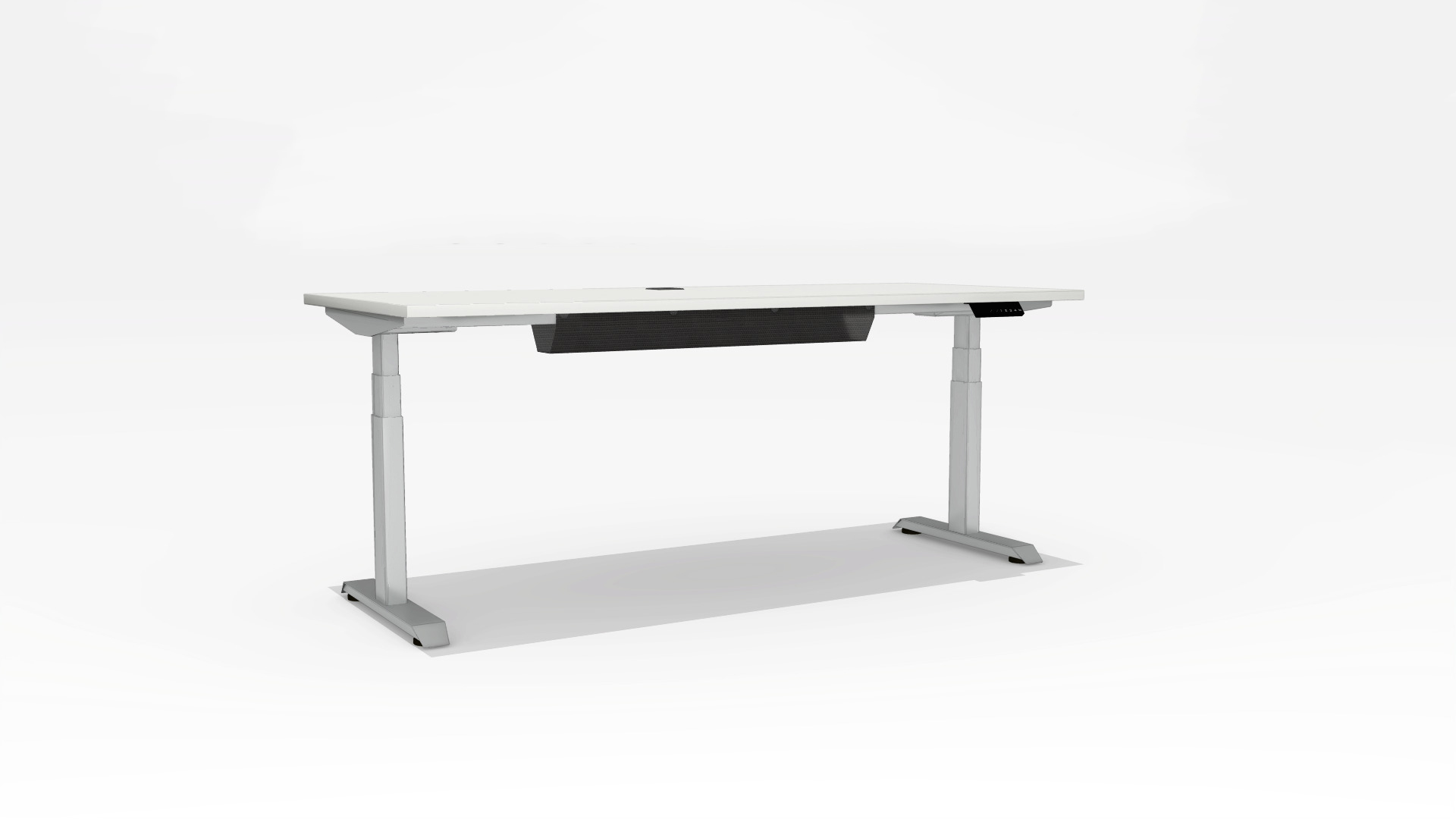
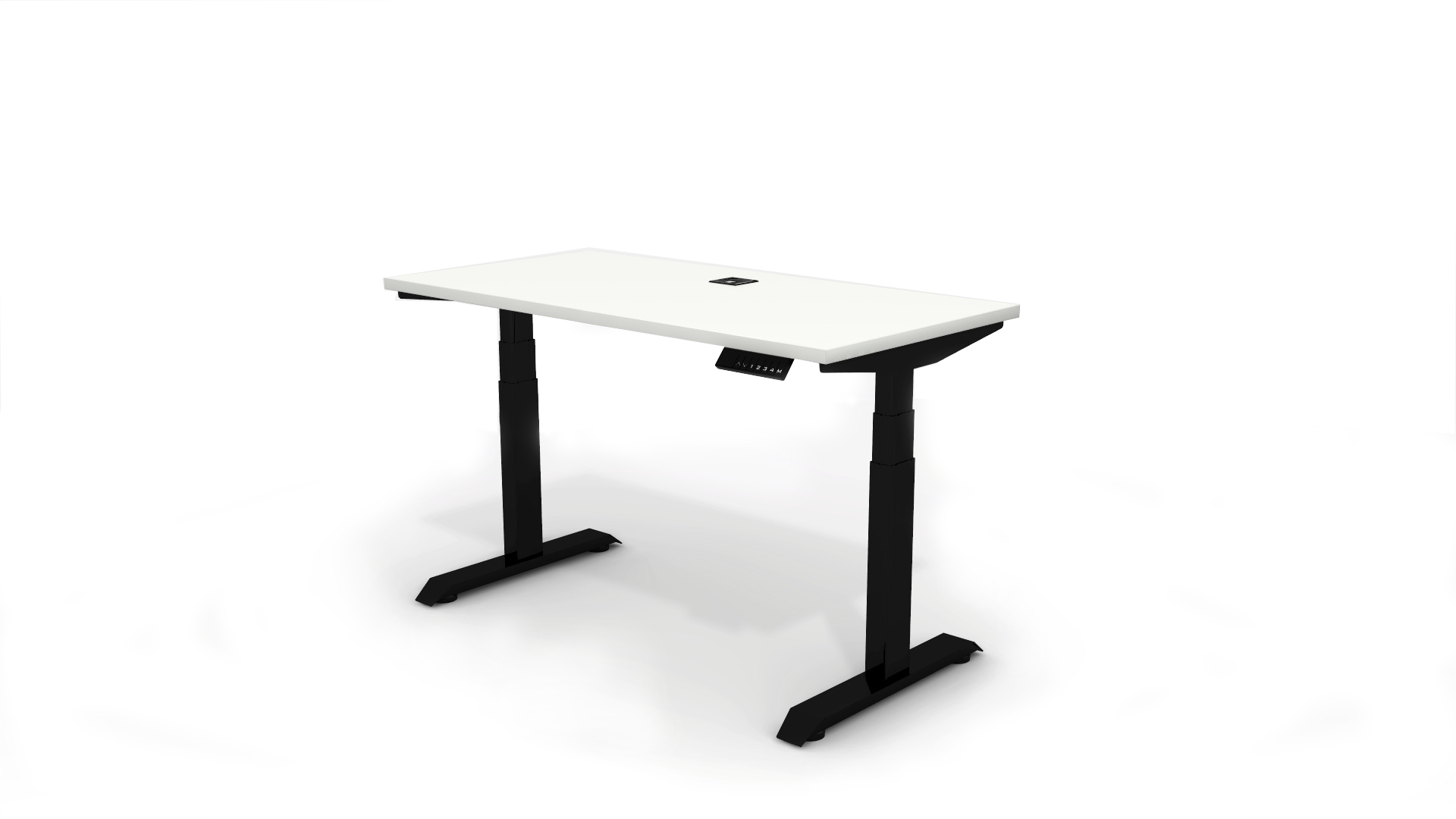
From practical workplace experience, employees often focus better when their surroundings feel organized. Natural finishes, soft lighting, and flexible seating can reduce visual stress. Ergonomic guidance also recommends neutral wrist positions, supported backs, and frequent posture changes. A height-adjustable desk encourages movement between sitting and standing. That simple change may help reduce stiffness during busy afternoons.
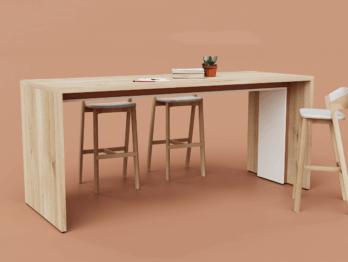
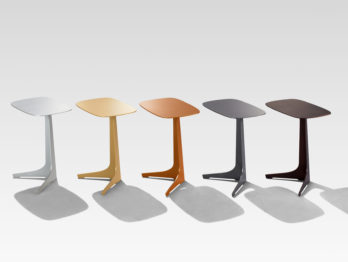
Comfort affects well-being beyond physical health. Quiet corners give employees room for focused work or short mental breaks. Collaborative tables can support discussion without forcing people into cramped arrangements. However, attractive furniture is not automatically effective. I have seen beautiful offices with uncomfortable chairs and poor cable management. That mistake is easy to repeat. Furniture should be tested by real users before large purchases. Staff feedback can reveal problems that photographs hide. A polished space may improve morale, but practical access, durability, and personal comfort must guide every choice.
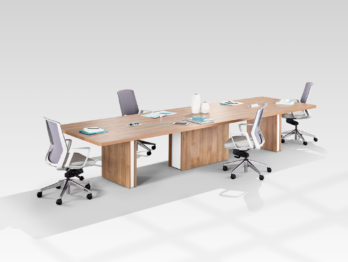
| Design Dimension | Recommended Benchmark | Potential Workplace Benefit | Useful Measurement | Evidence or Guidance |
|---|---|---|---|---|
| Adjustable seating | Seat height, back support, armrests, and seat depth should be adjustable to fit individual users. | Supports neutral posture, reduces pressure points, and improves comfort during prolonged computer work. | Monthly comfort survey; reported neck, shoulder, and lower-back discomfort. | U.S. OSHA, Computer Workstations eTool. |
| Sit-stand workstations | Provide height-adjustable work surfaces that allow users to alternate between sitting and standing. | Encourages movement variety and may reduce discomfort associated with prolonged static sitting. | Average sitting time, standing breaks, and musculoskeletal comfort scores. | Cochrane evidence review on sit-stand desks and sedentary behaviour; OSHA ergonomic guidance. |
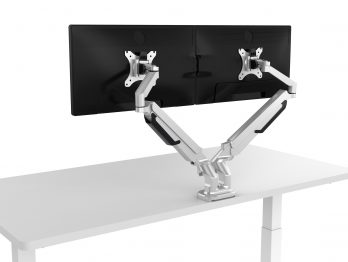
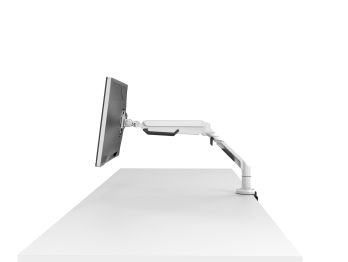
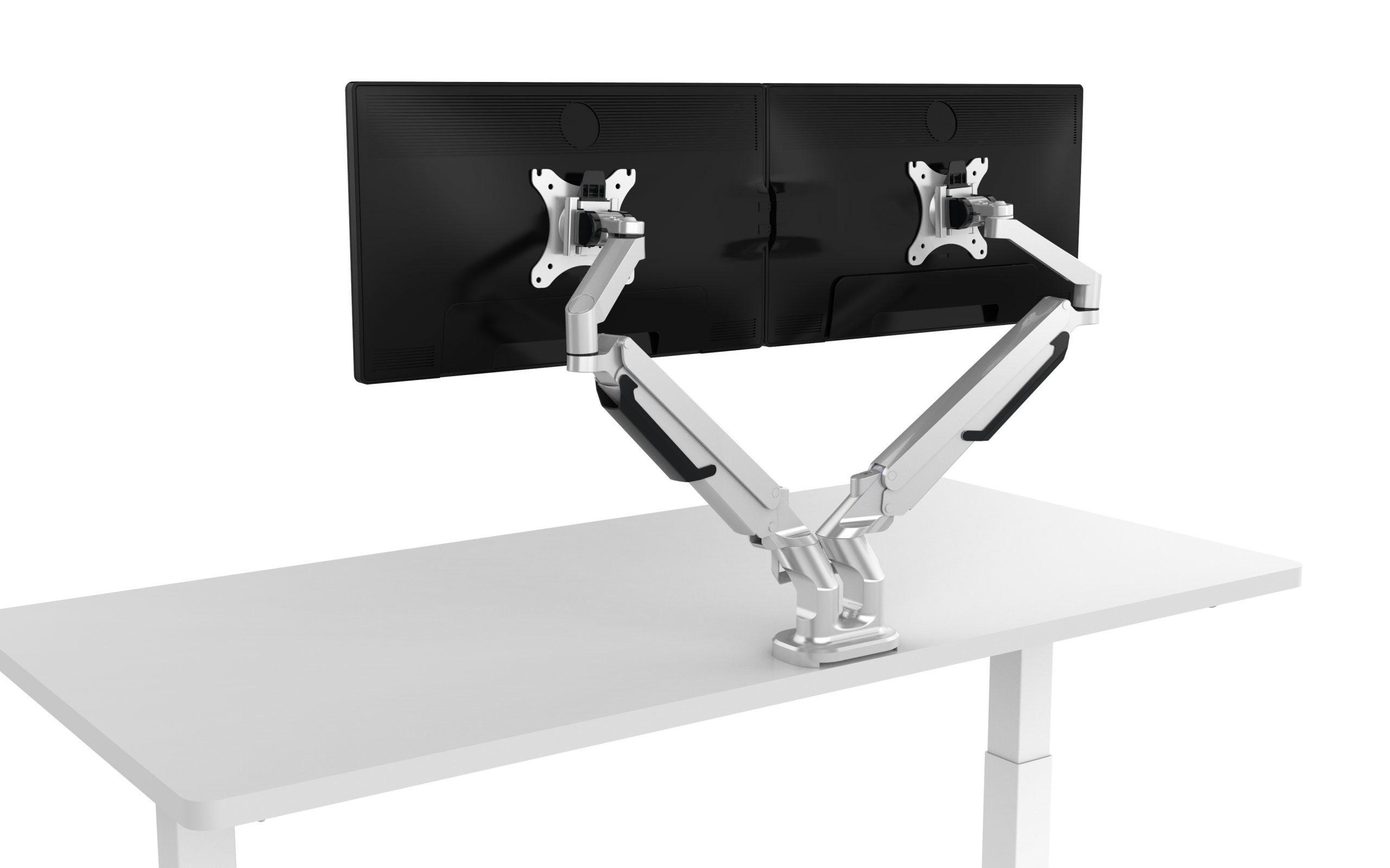
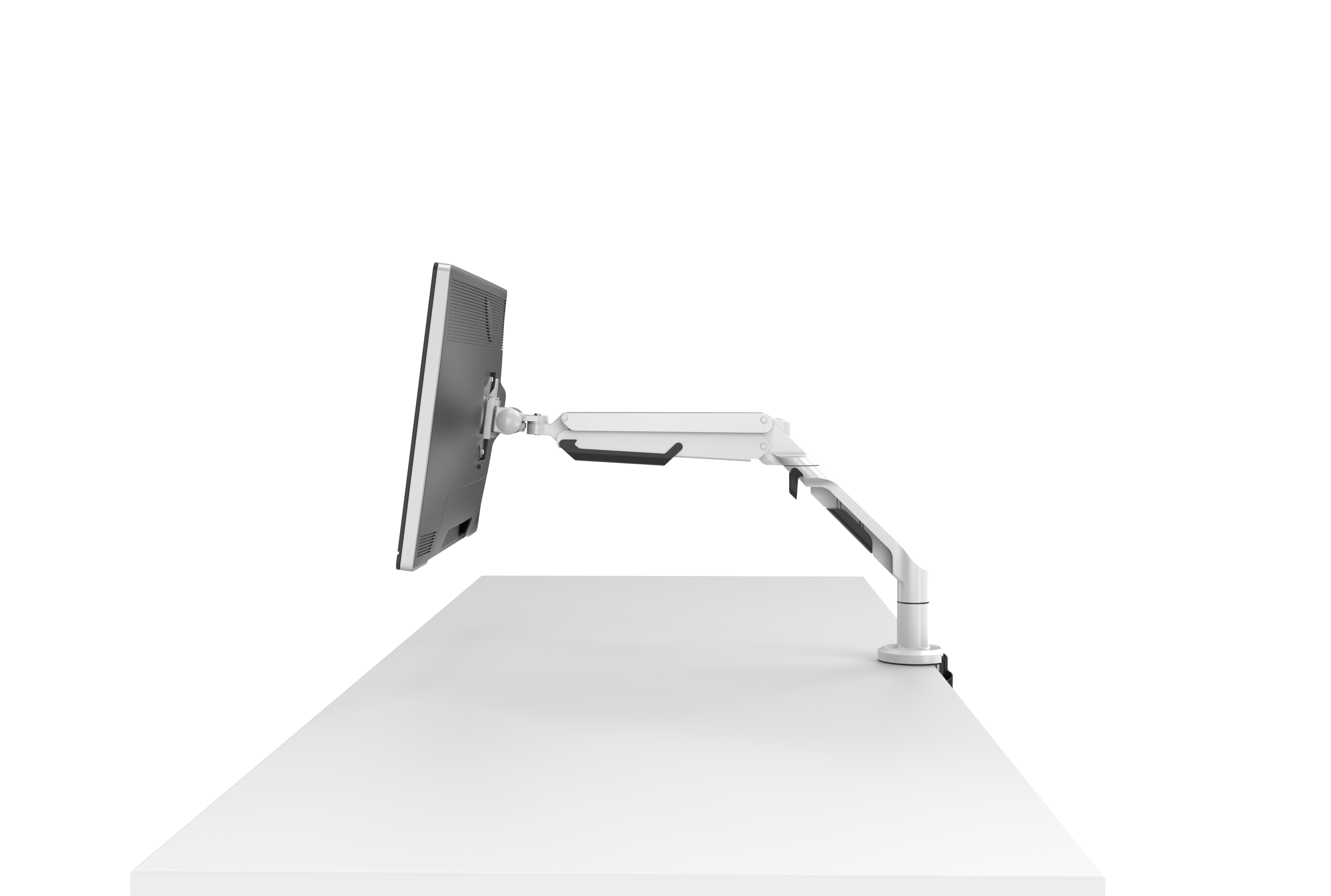
| Monitor positioning | Place the monitor approximately 50–100 cm from the user, with the top of the screen at or slightly below eye level. | Helps limit excessive neck flexion, eye strain, and awkward viewing angles. | Percentage of workstations meeting monitor-position criteria; visual-comfort survey results. | U.S. OSHA, Computer Workstations eTool. |
| Desk clearance and layout | Provide sufficient legroom and keep frequently used items within easy reach without repeated twisting or stretching. | Improves freedom of movement and supports efficient task transitions. | Ergonomic inspection pass rate; employee-reported ease of movement. | U.S. OSHA and Canadian Centre for Occupational Health and Safety workstation guidance. |
| Task lighting | Use adjustable, low-glare lighting; approximately 300–500 lux is commonly specified for general office work. | Supports readability and reduces glare-related visual discomfort. | Desk-level lux readings; glare complaints; visual-fatigue survey scores. | EN 12464-1 lighting guidance for indoor workplaces; national occupational-health guidance. |
| Acoustic zoning | Separate quiet-focus areas from collaboration and social zones; control reverberation with sound-absorbing surfaces. | Reduces avoidable interruptions and gives employees more control over concentration conditions. | Background noise levels; interruption frequency; perceived concentration score. | ISO 3382-3 measurement principles for open-plan offices; WELL acoustic concepts. |
| Biophilic and visual design | Use natural materials, indoor plants, daylight access, and visually calm color combinations where appropriate. | Can improve perceived comfort, workplace satisfaction, and connection to the environment. | Satisfaction rating; perceived stress score; retention or absenteeism trends. | Research reviewed by the World Green Building Council and peer-reviewed environmental psychology studies. |
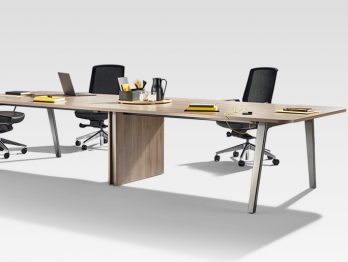
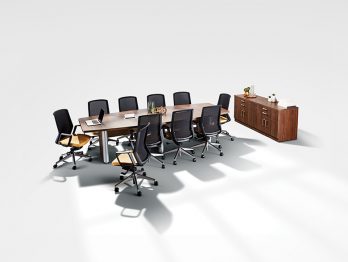
| Collaborative furniture | Provide movable tables, writable surfaces, and seating configurations that can be re-arranged for different tasks. | Supports rapid transitions between individual work, meetings, and group problem-solving. | Room utilization rate; meeting setup time; employee rating of collaboration support. | Activity-based workplace and workplace ergonomics research. |
| Inclusive adjustability | Offer furniture options that accommodate different body sizes, mobility needs, work styles, and accessibility requirements. | Improves usability, participation, and perceived fairness across the workforce. | Accessibility audit results; adjustment-request resolution time; inclusion survey scores. | ISO 9241-5 ergonomic principles and universal-design guidance. |
| Furniture usability and maintenance | Choose durable, easy-to-clean, repairable furniture with simple adjustment controls and organized cable management. | Reduces downtime, visual clutter, and maintenance friction while preserving a professional appearance. | Furniture-related service tickets; repair time; workspace-orderliness survey. | Facilities-management and sustainable procurement best practices. |
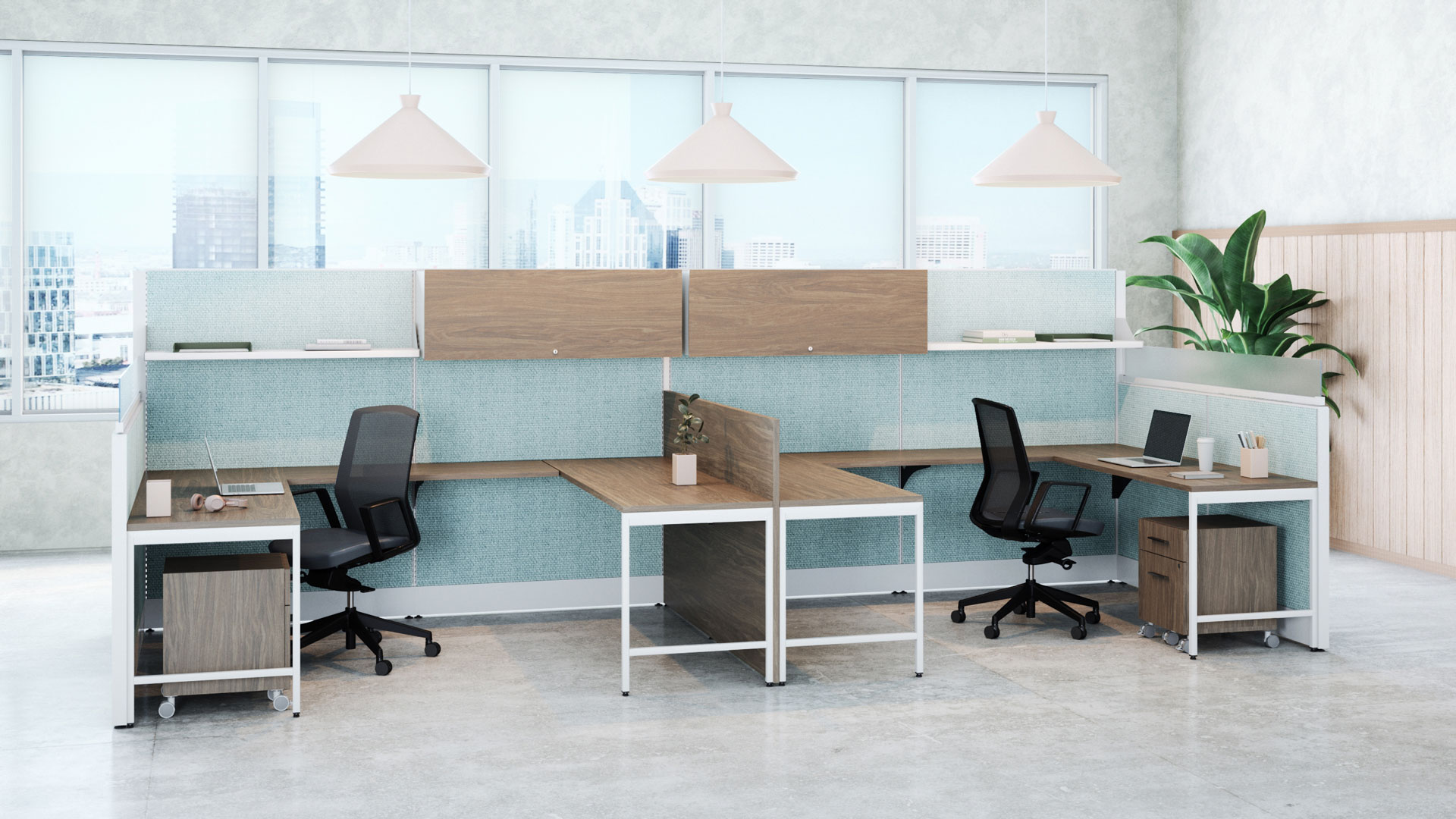
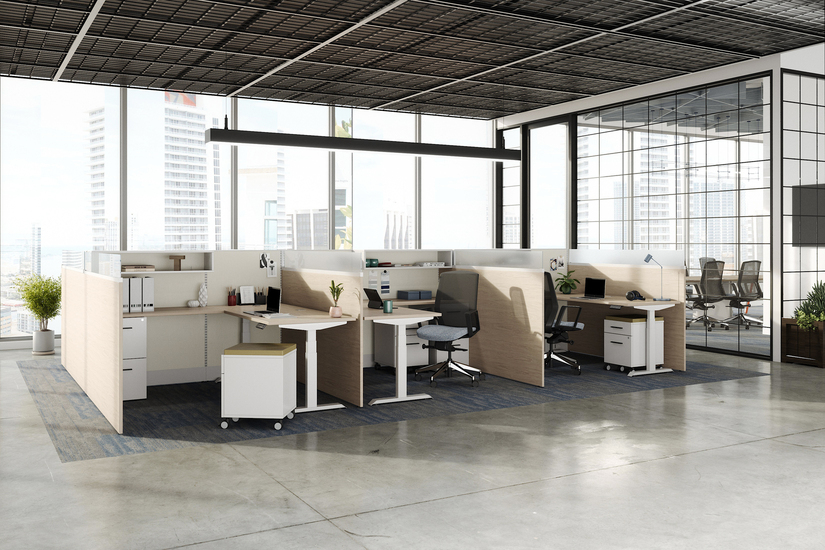
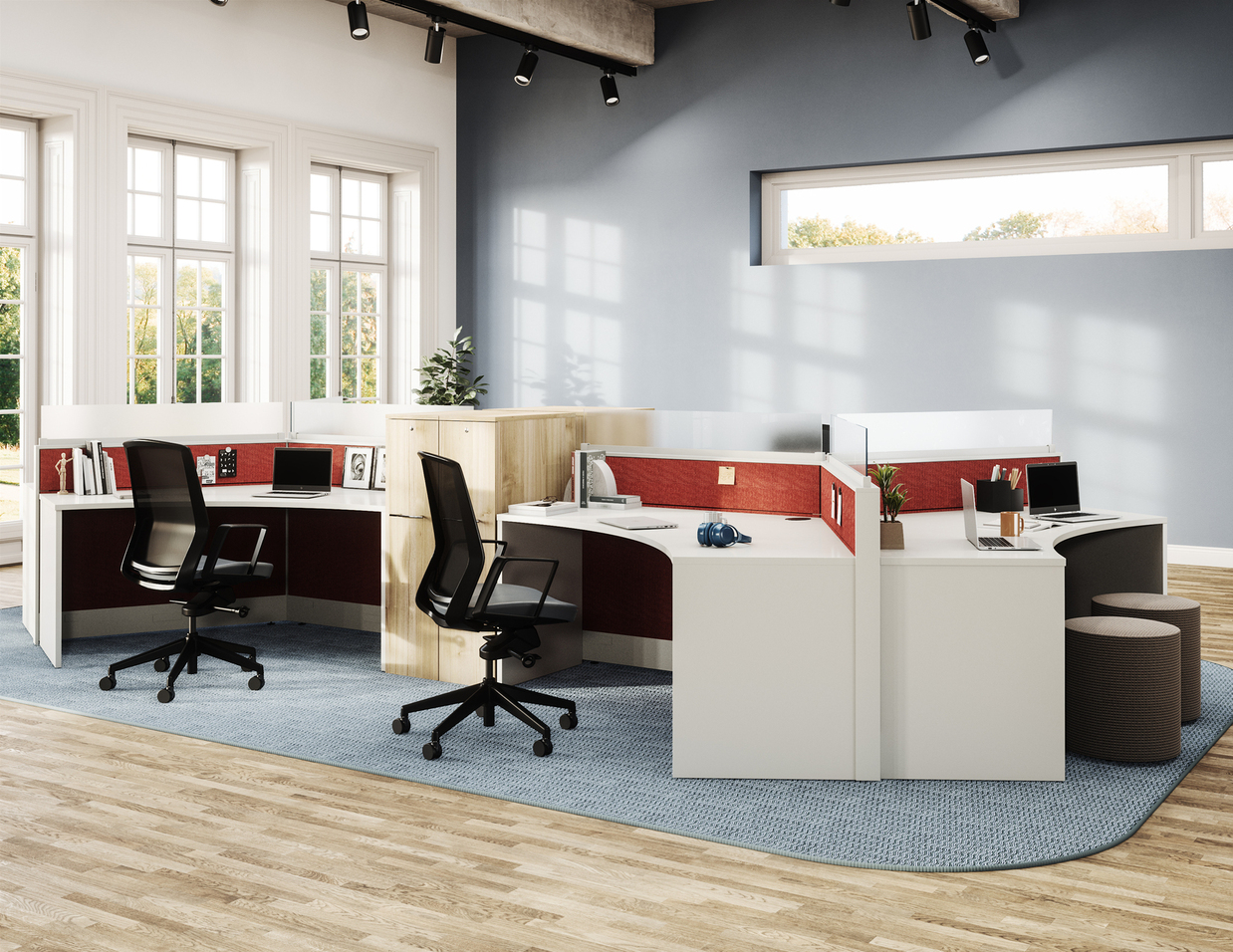
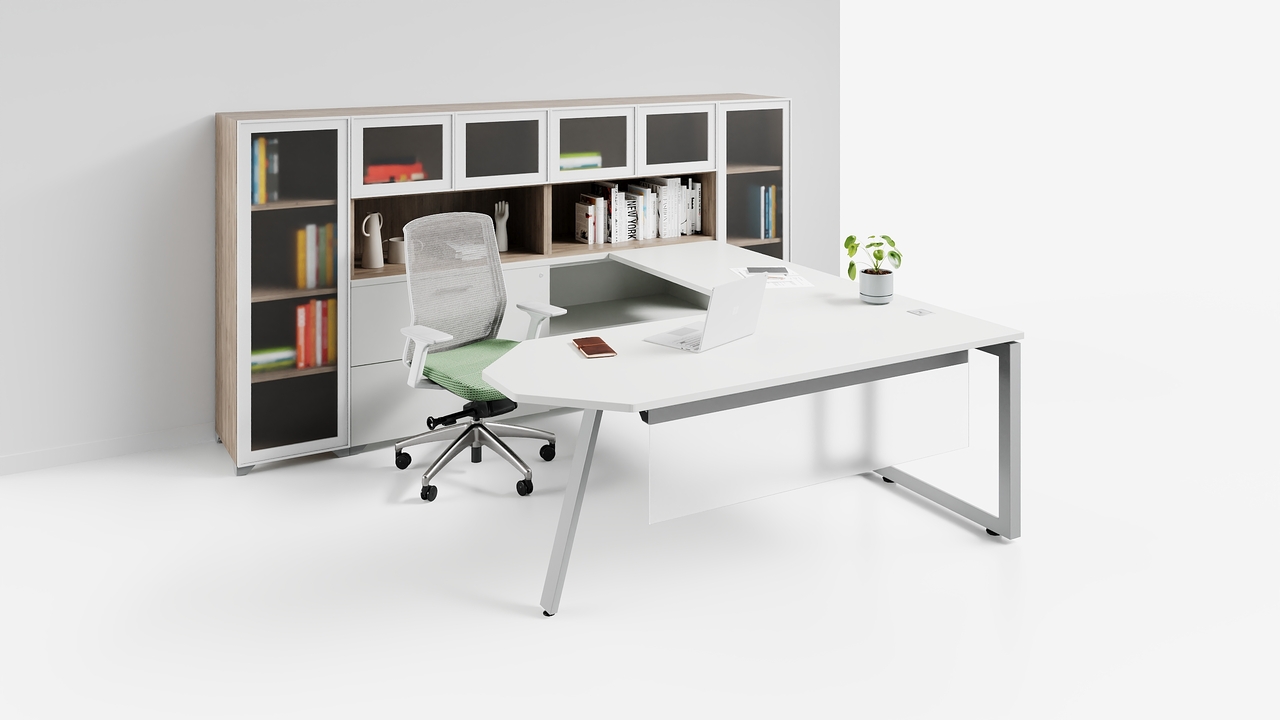
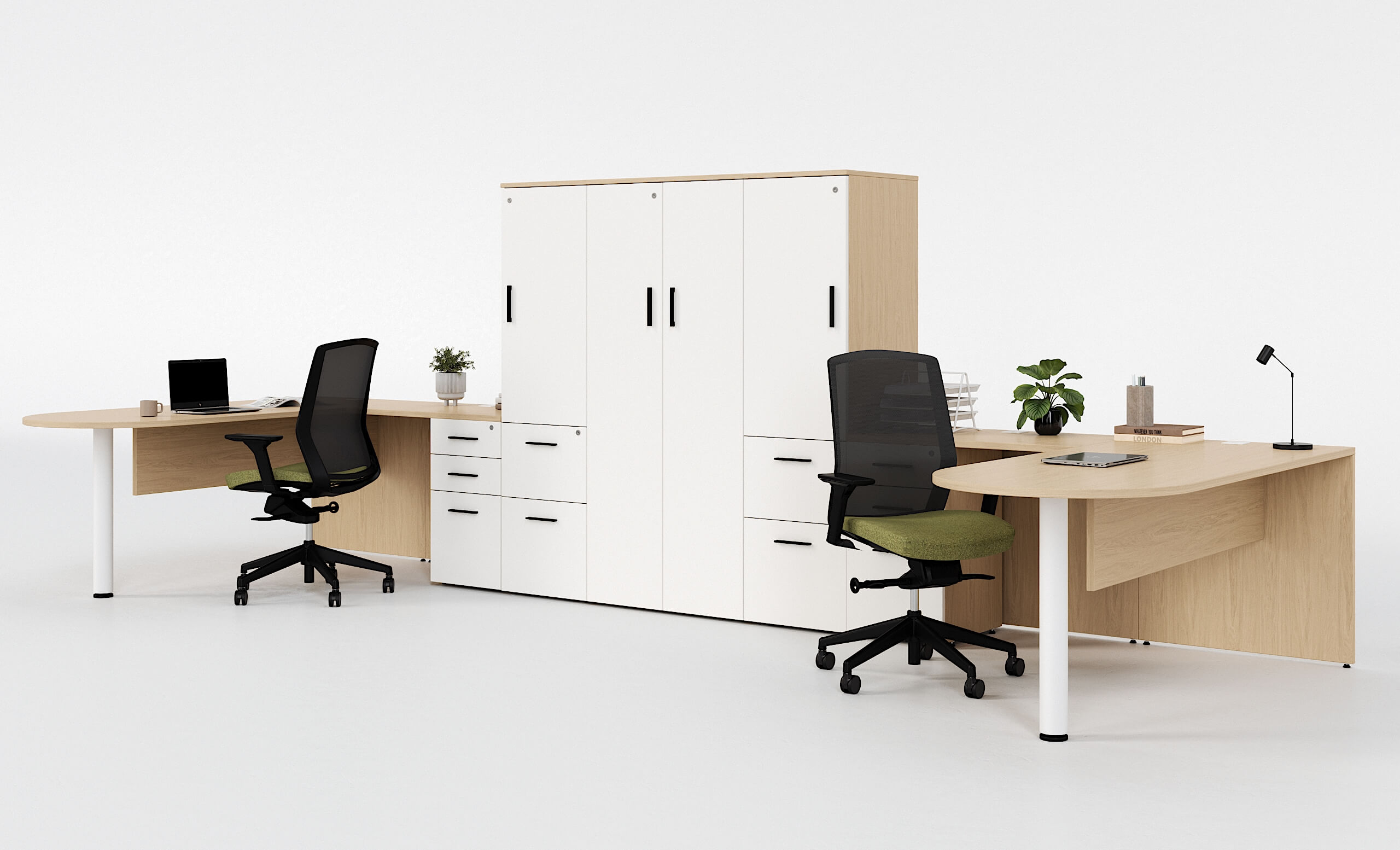
Modern offices need furniture that looks intentional and works hard. Stylish pieces can shape how people move, focus, and communicate throughout the day.
●
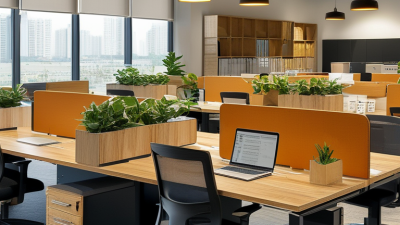
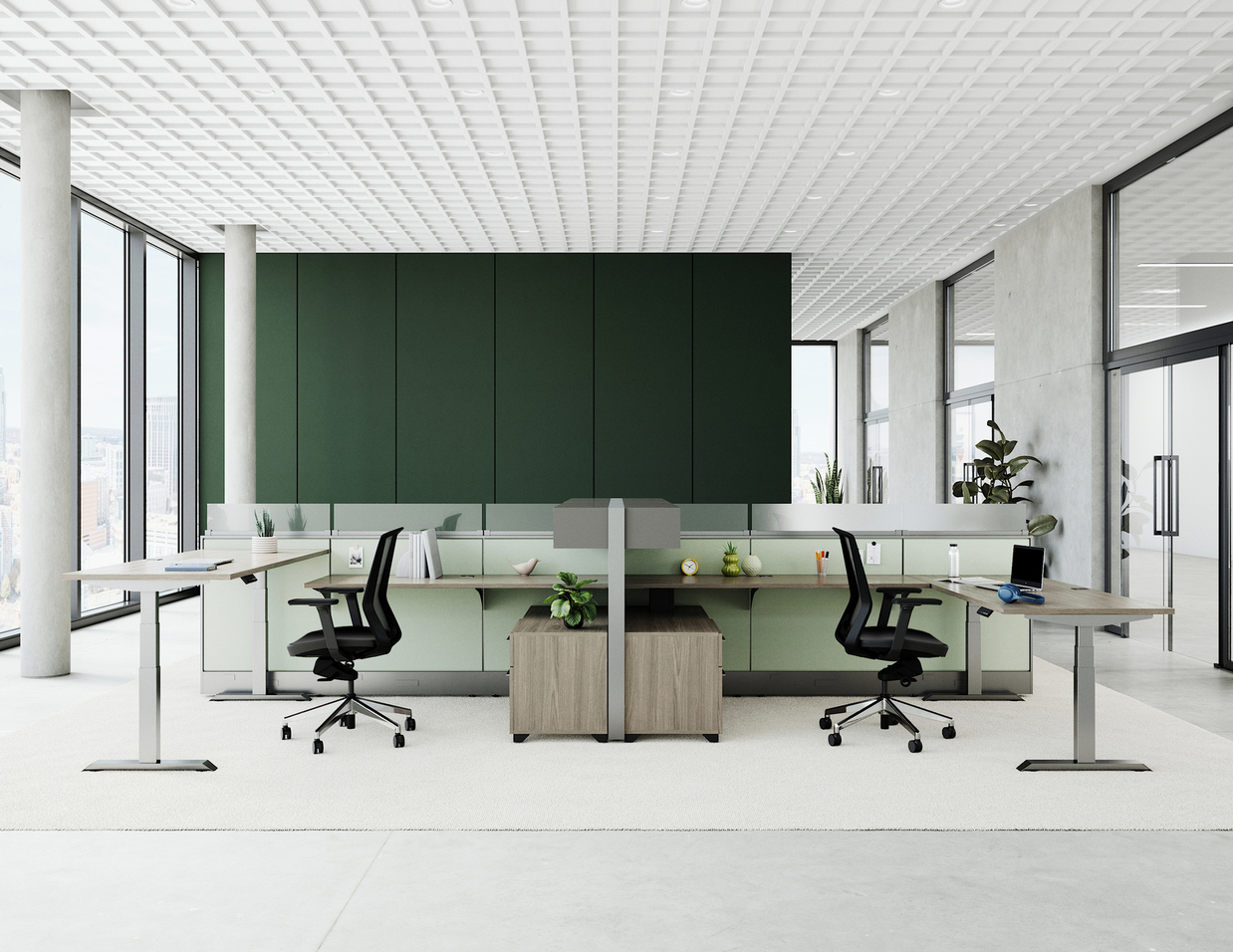
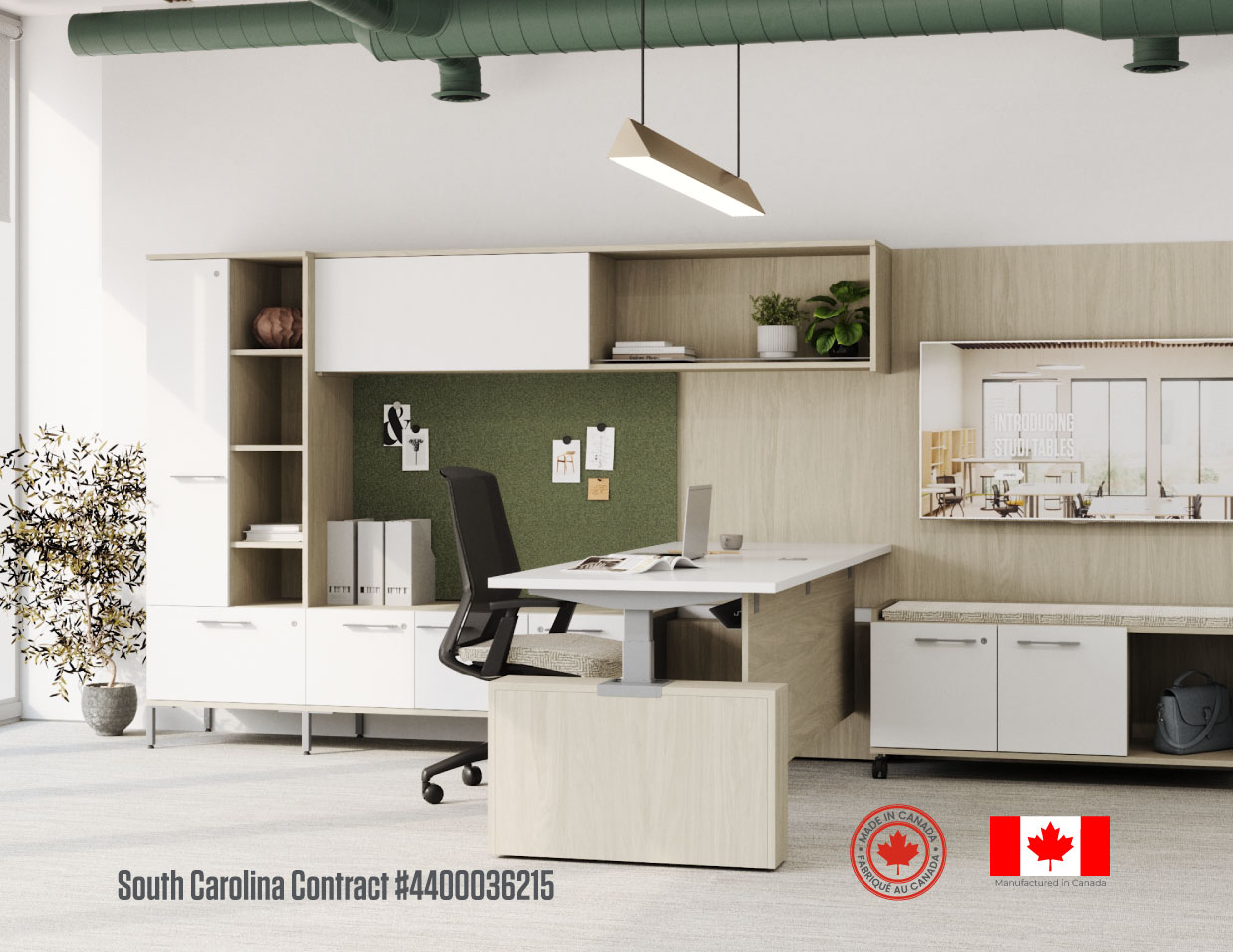
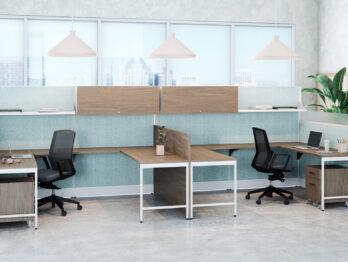
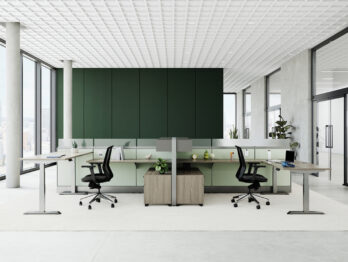
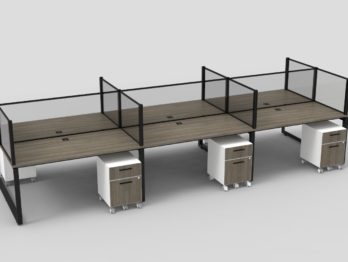
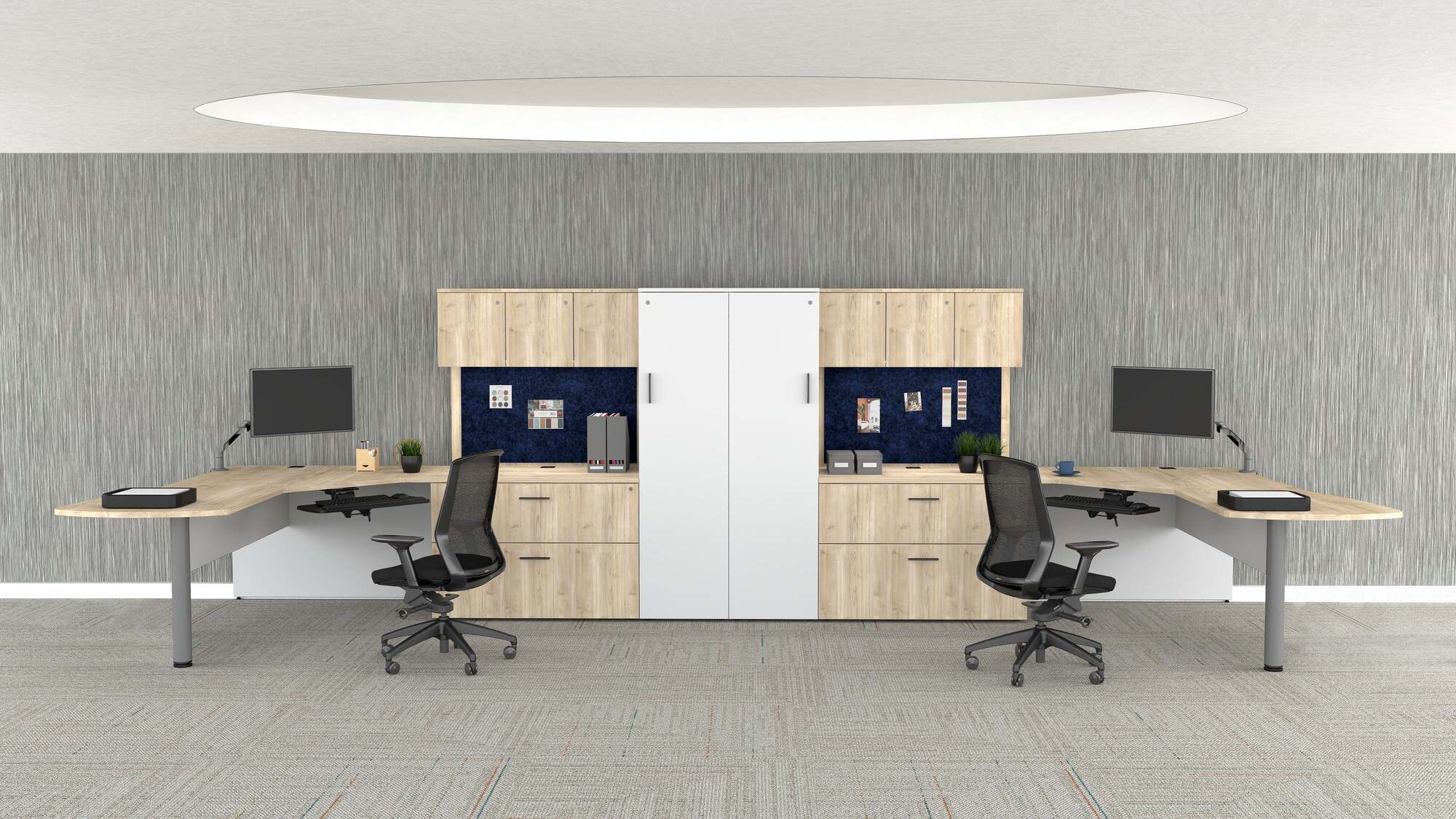
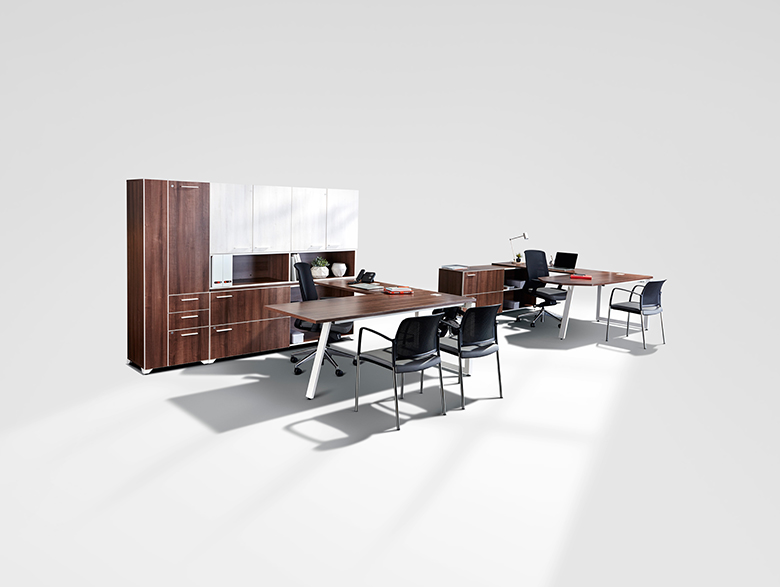
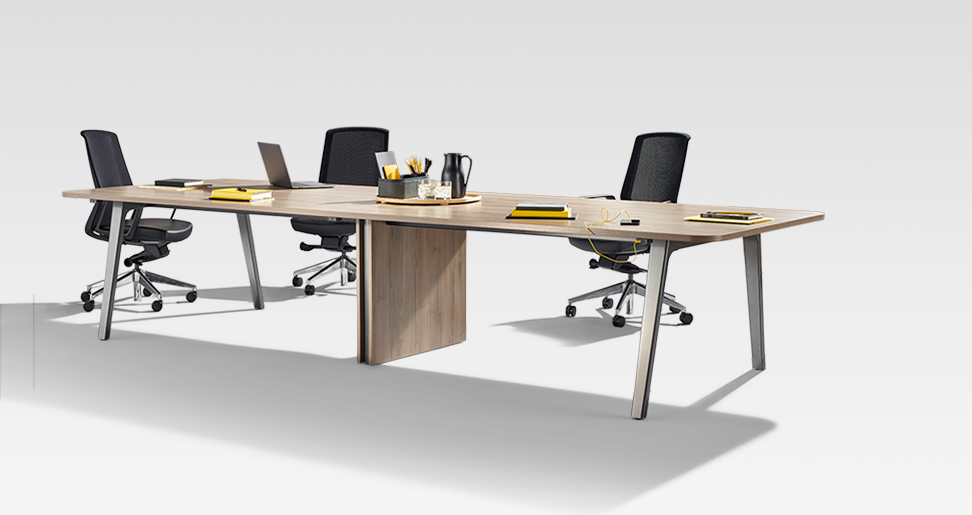
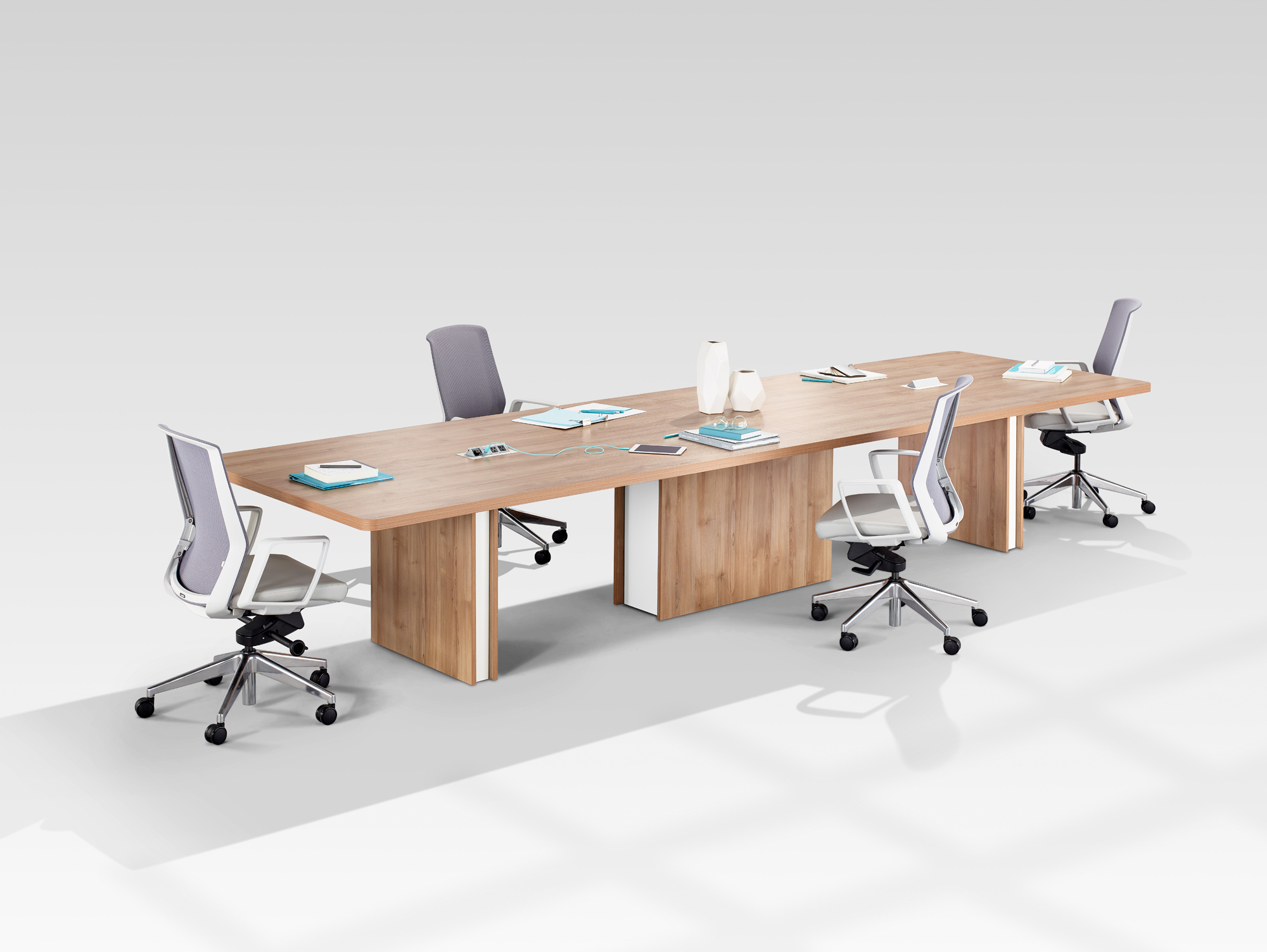
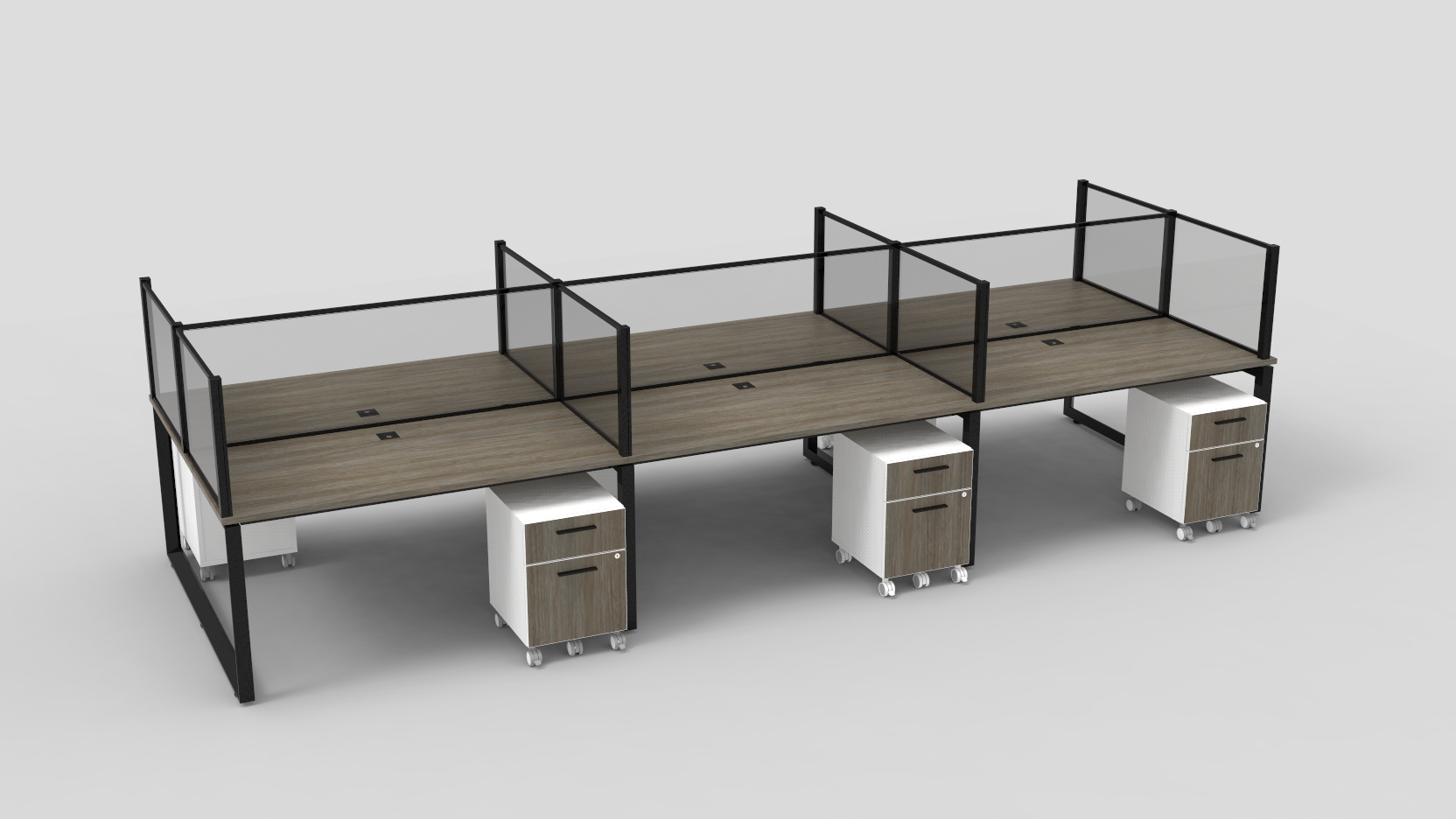
A clean desk with concealed cable channels reduces visual clutter.
●
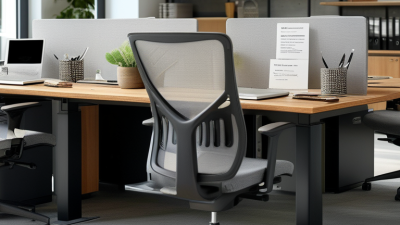
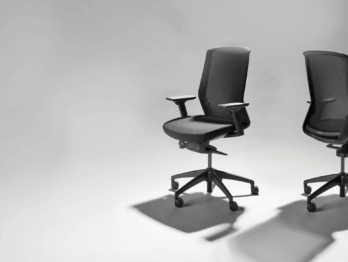
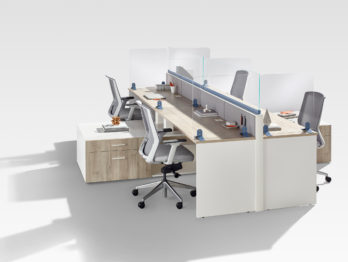
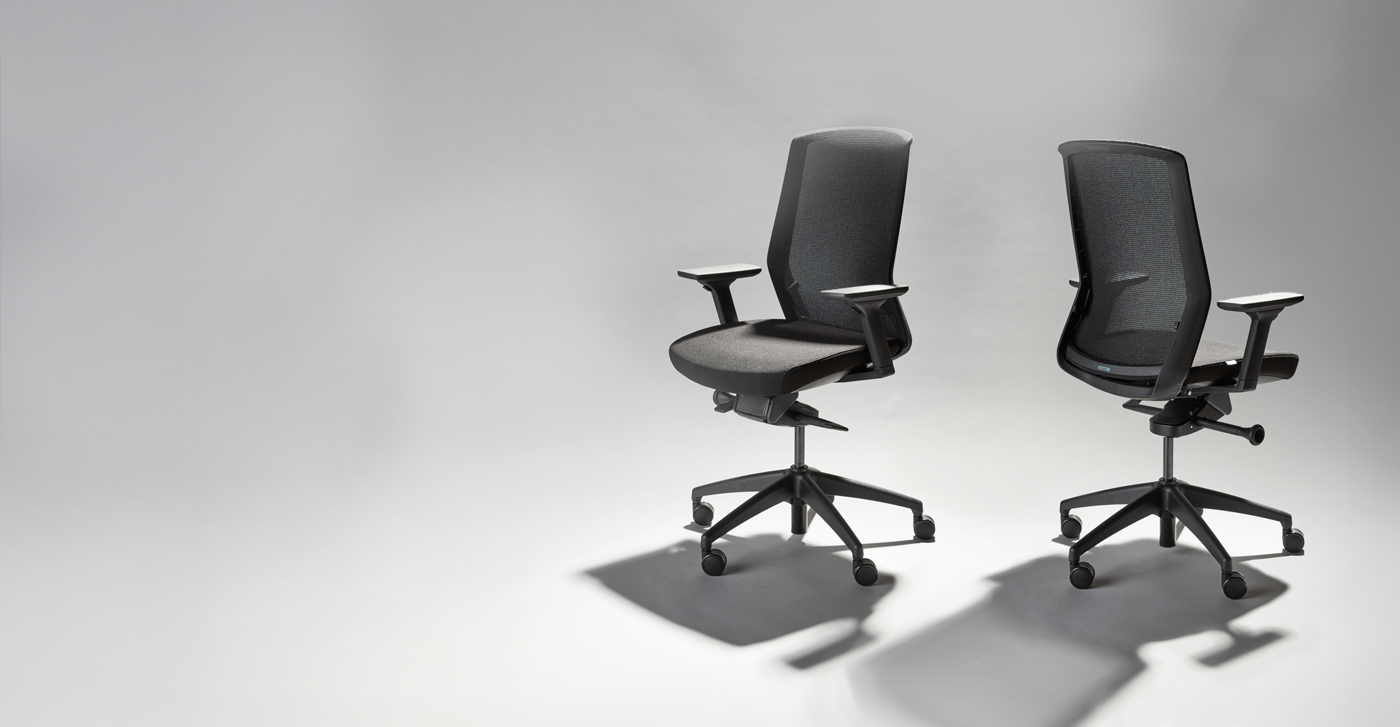
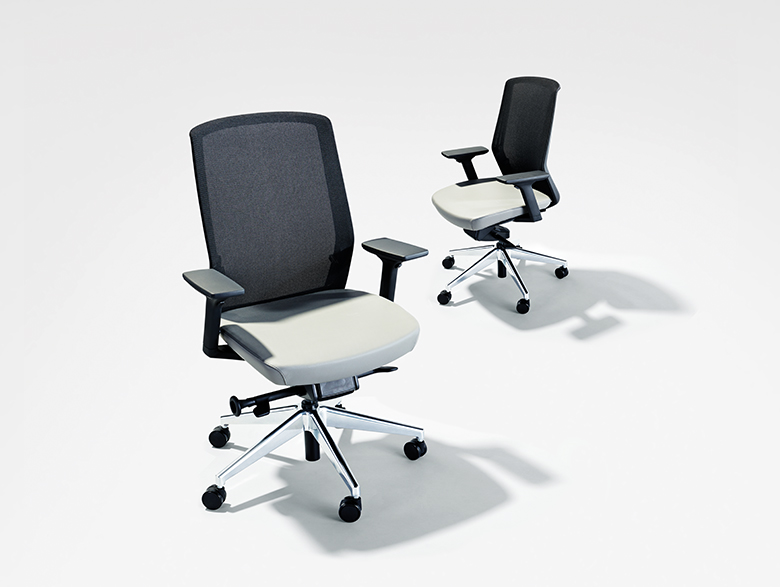
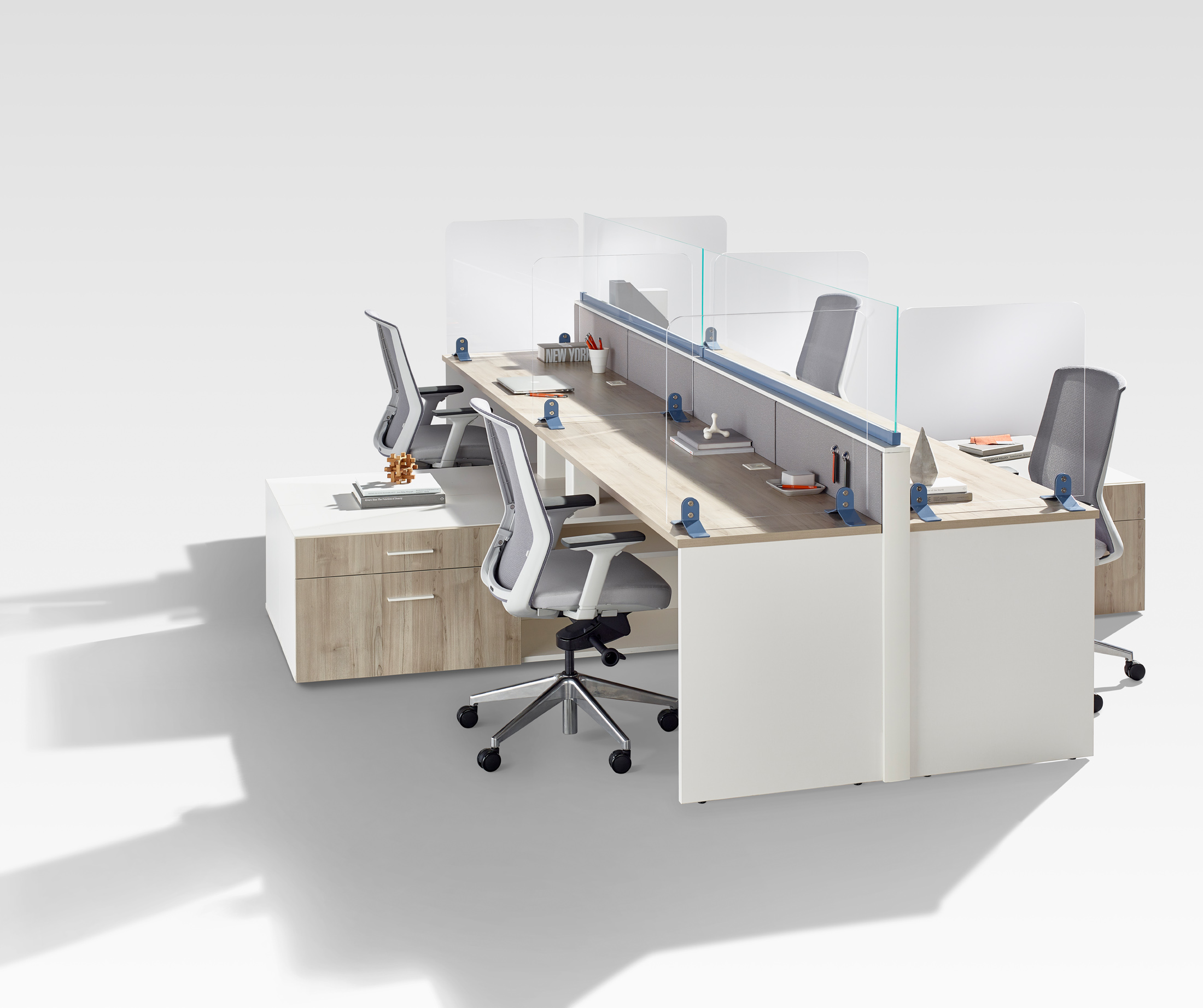
Adjustable chairs support different body types during long working hours.
●
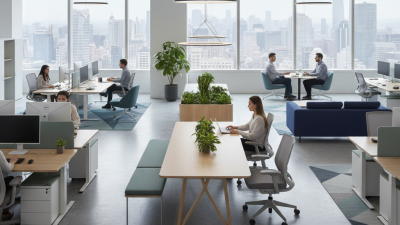
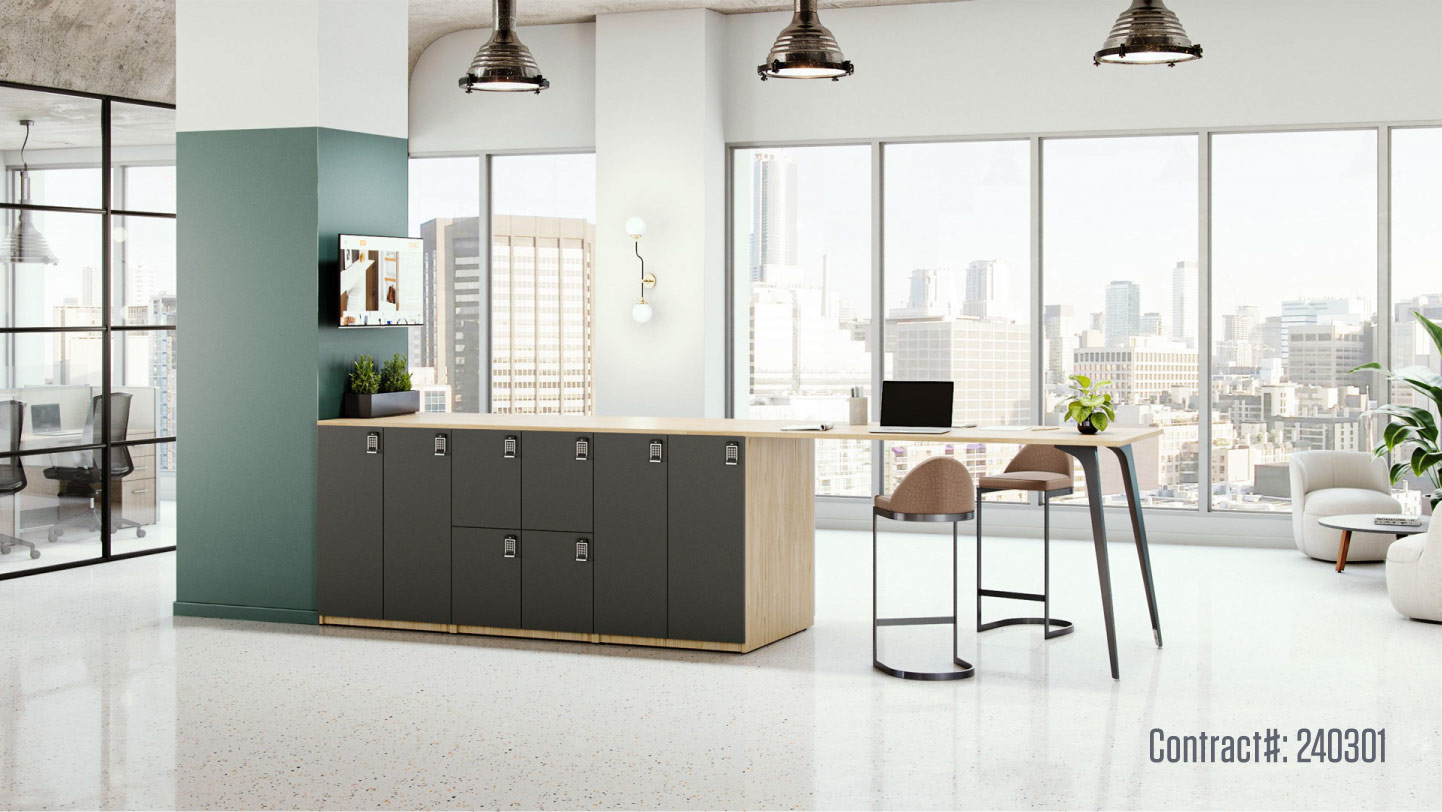
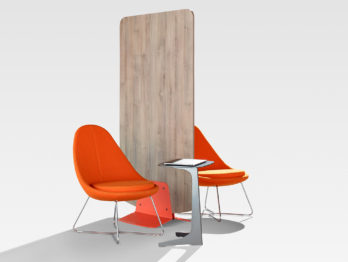
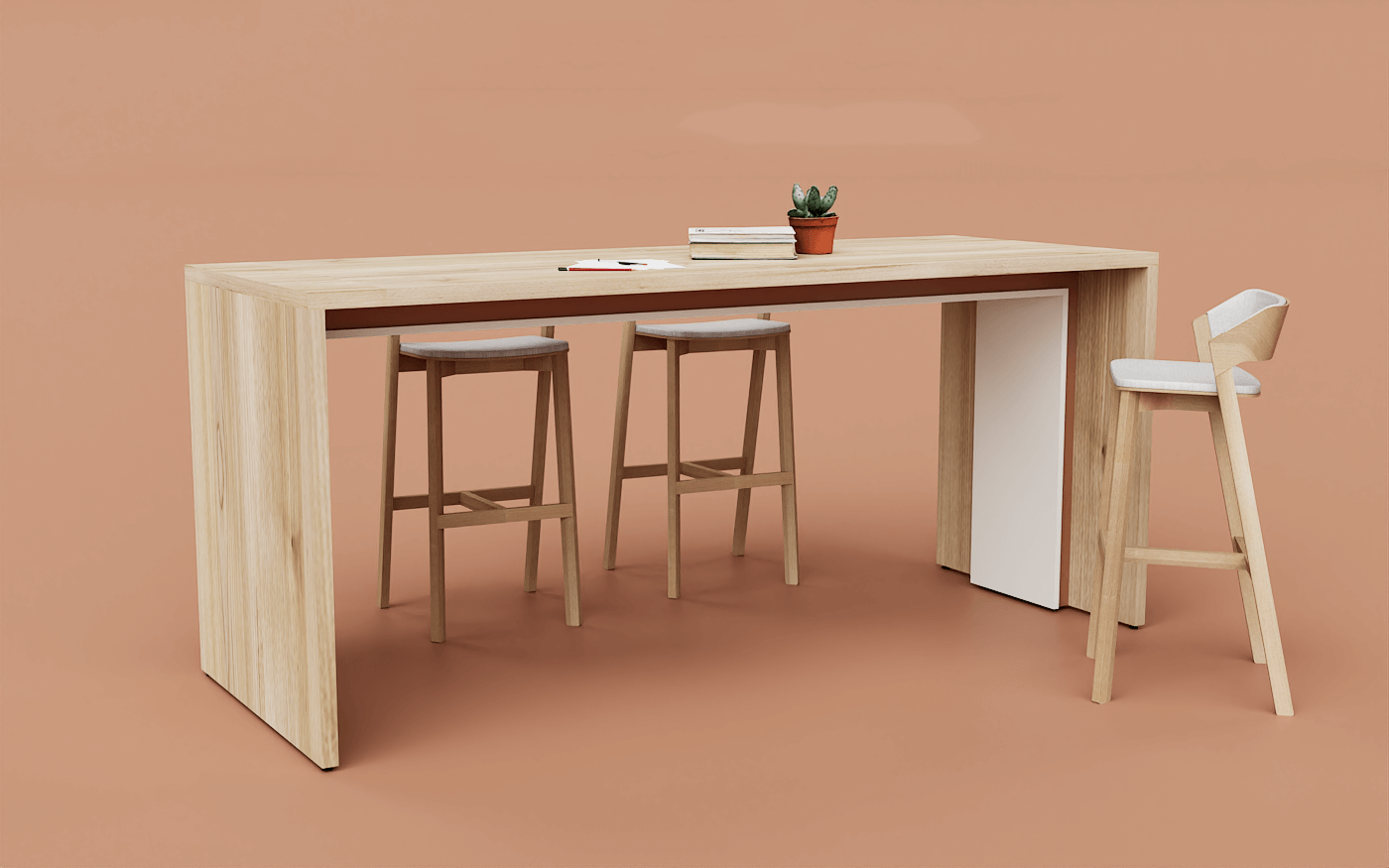
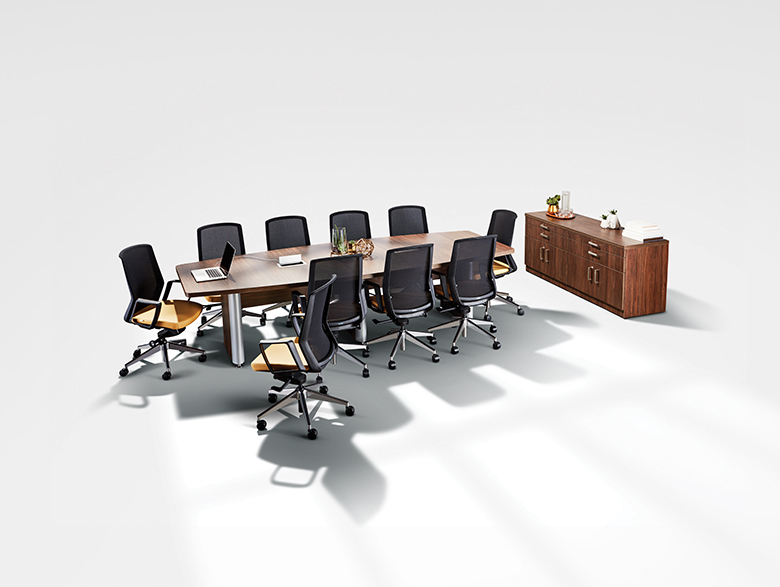
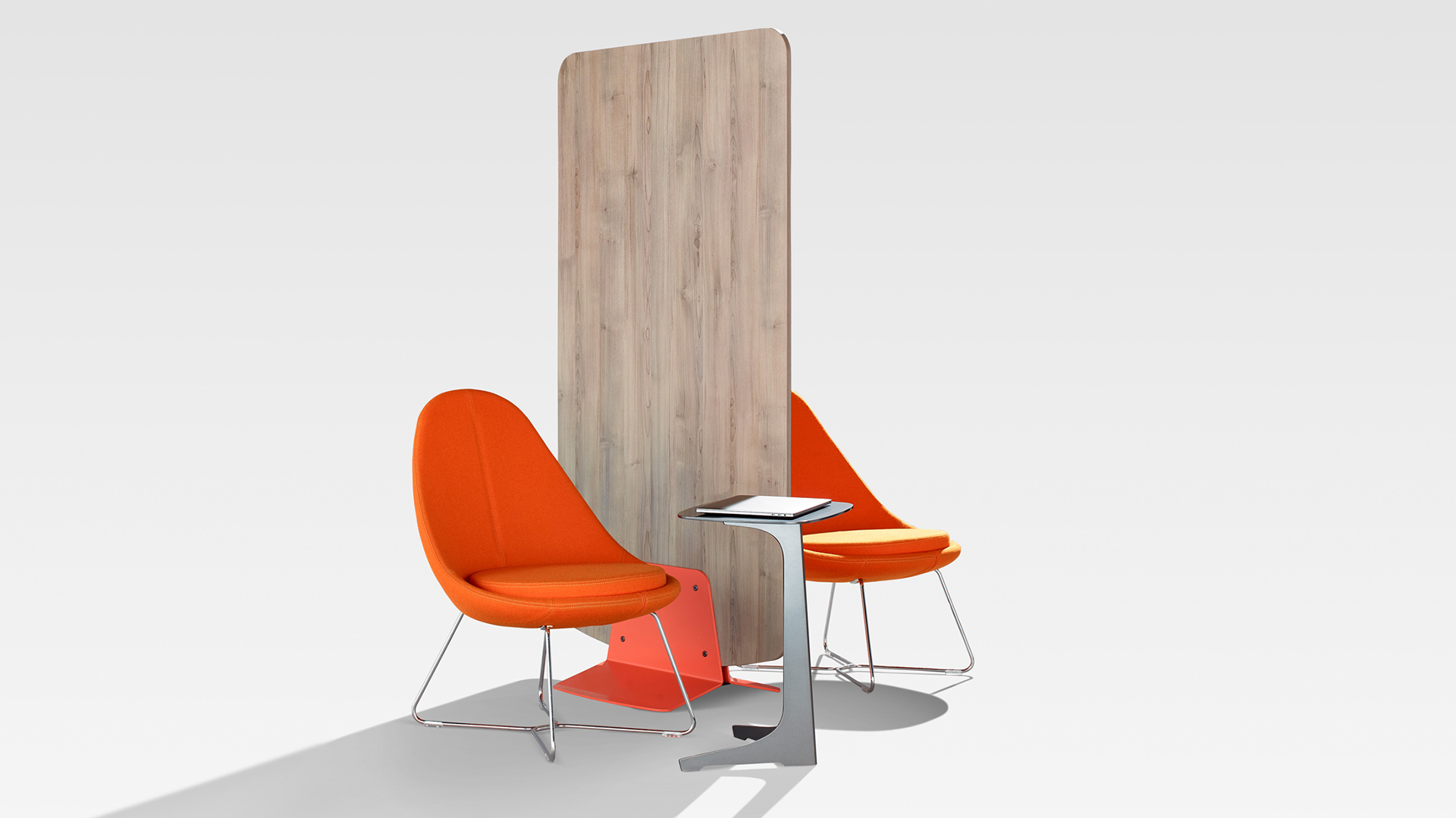
Soft seating near a window can create an informal space for short discussions.
Design also influences workplace behavior. Open tables encourage quick exchanges, while acoustic panels help protect concentration. Natural textures, muted colors, and warm lighting can make a formal room feel less severe.
In office planning projects, I have found that appearance alone is not enough. A beautiful chair becomes a problem if it lacks lumbar support. We sometimes overvalue photographs and underestimate daily comfort. That mistake deserves more attention.
Tips:
Measure walking paths before choosing large furniture. Keep at least one quiet area for focused work. Test chairs for several minutes, not several seconds. Select durable surfaces that can handle coffee marks and frequent cleaning. Leave room for future equipment, because office needs change faster than expected. A flexible layout may look less perfect at first, but it usually performs better.
Choosing stylish office furniture requires more than matching colors or following current design trends. The furniture should support concentration, movement, and daily comfort. A polished desk may look impressive, but poor height adjustment can cause shoulder tension after several hours. Ergonomic chairs, suitable monitor placement, and enough legroom deserve careful attention. Comfort is not a luxury.
Material quality also affects reliability. Solid frames, reinforced joints, and scratch-resistant surfaces usually withstand busy office routines better. Check the furniture personally when possible. Open drawers, test chair adjustments, and inspect edge finishing. Small defects often become expensive problems later. Maintenance matters too. Smooth surfaces are easier to clean, especially in shared work areas.
The room’s layout should guide every purchase. Measure walking paths, door openings, storage needs, and natural light before ordering. Furniture that looks elegant in a showroom may feel crowded in a smaller office. I once underestimated cable management, and loose wires made an otherwise attractive workspace appear careless. That mistake changed my planning process. Now, I consider power access, privacy, accessibility, and future expansion together. A consistent visual style helps, but practical flexibility should remain more important. Adjustable desks, movable storage, and modular seating can support changing teams without constant replacement. Budget planning should include delivery, assembly, repairs, and long-term durability. Fancy finishes are not always sensible.
Why Choose Stylish Office Furniture for Modern Offices?
Practical Ways to Integrate Style with Office Performance
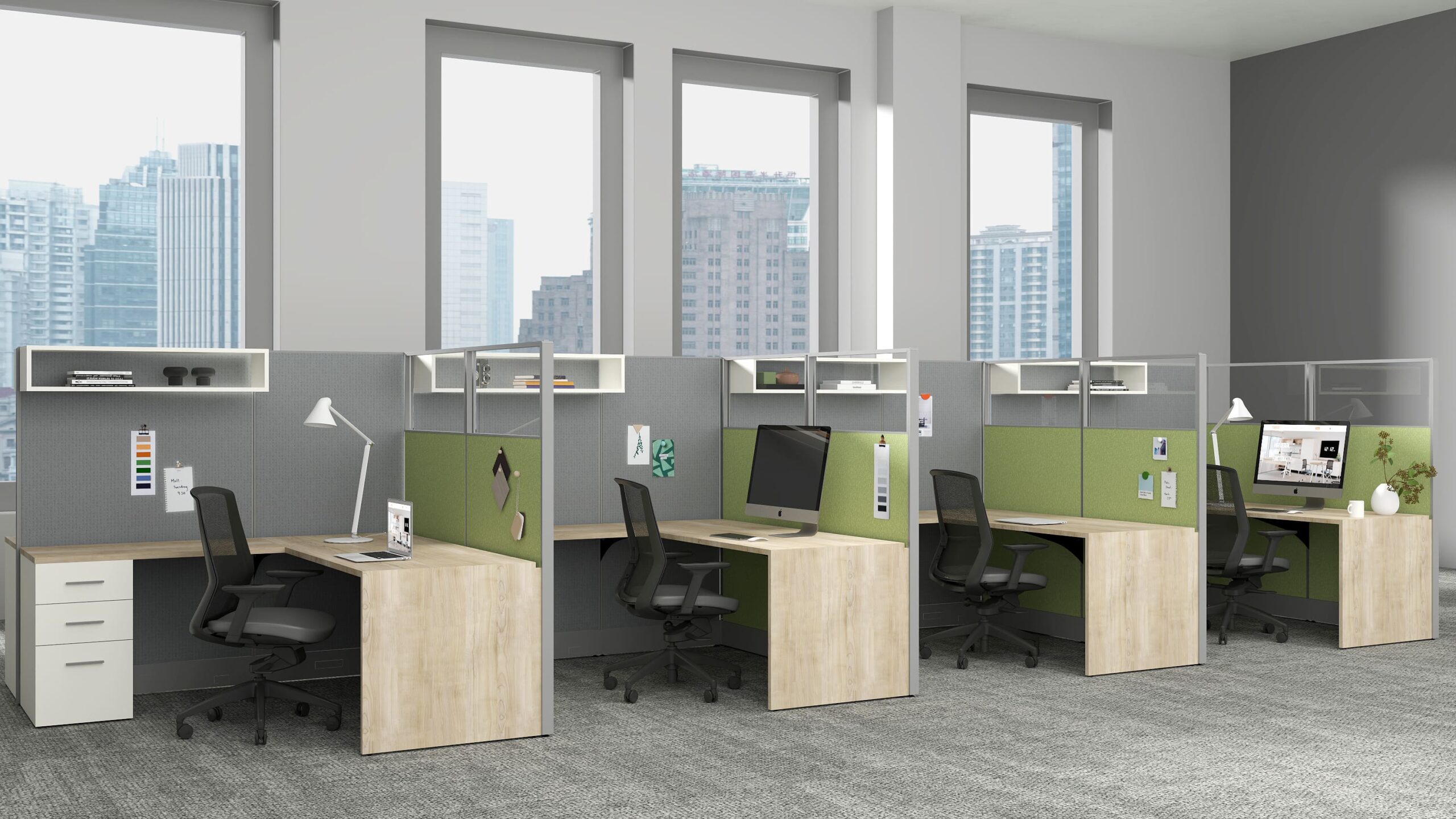
Stylish office furniture should support work, not merely decorate a room. In my experience, employees focus better when desks provide enough depth for a monitor, notebook, and daily tools. A clean silhouette also reduces visual noise. Keep it practical.
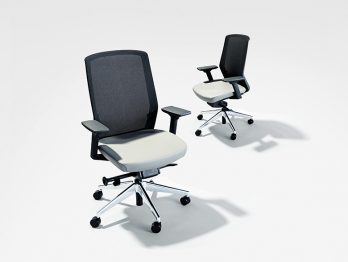
Choose adjustable chairs, stable desks, and storage with easy access. Seat height should let both feet rest firmly on the floor. Desks should leave enough knee space for natural movement. I once selected attractive chairs with limited adjustment. They looked excellent, but employees changed posture frequently. That mistake taught me to test furniture during real working sessions.
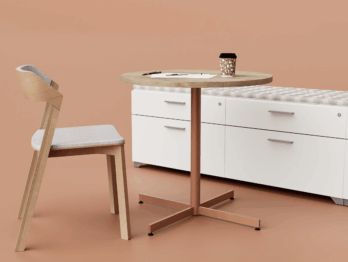
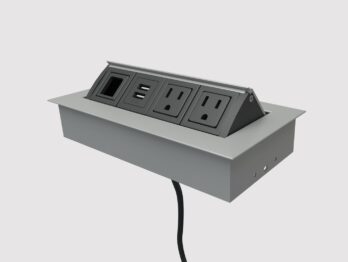
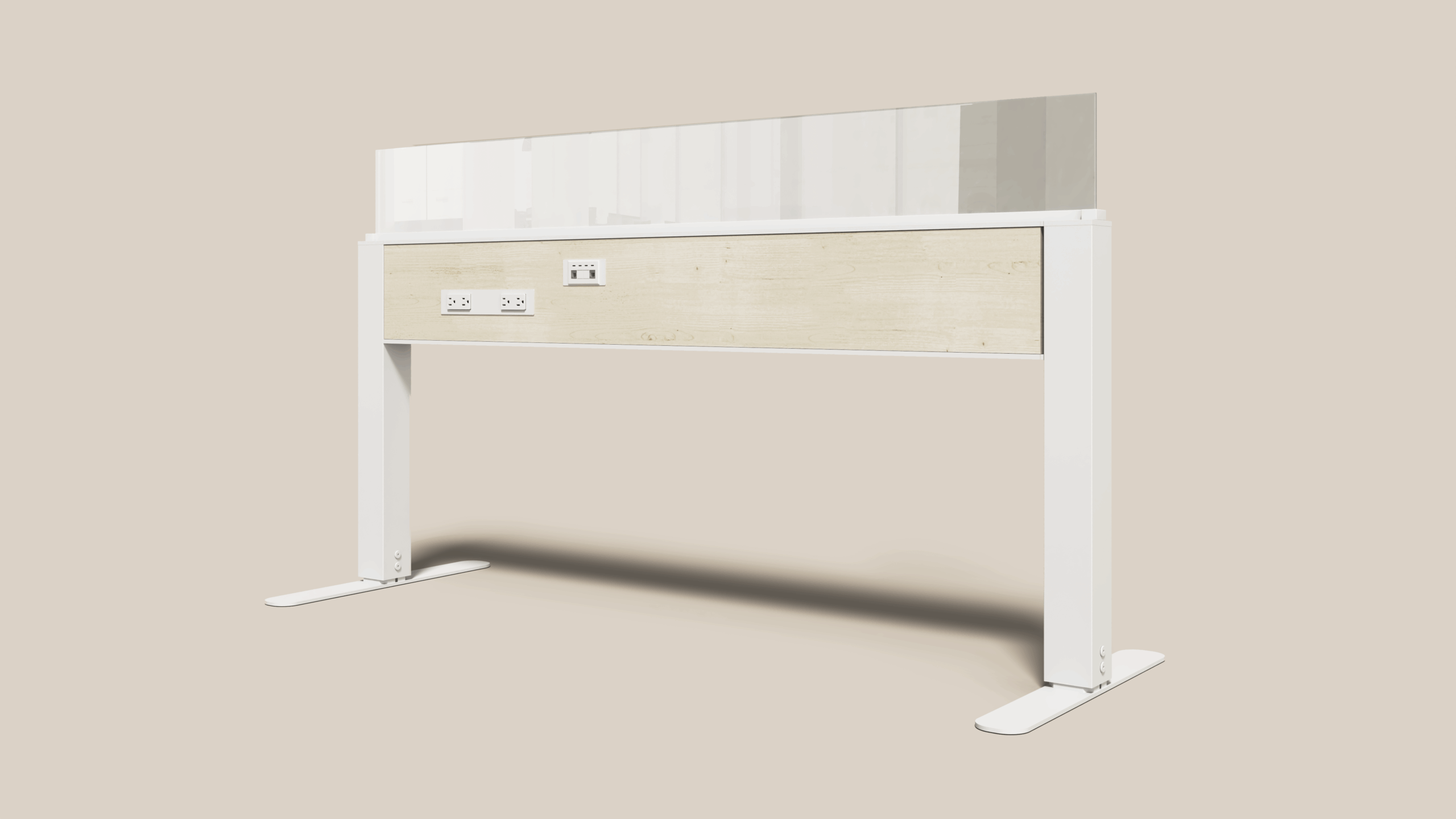
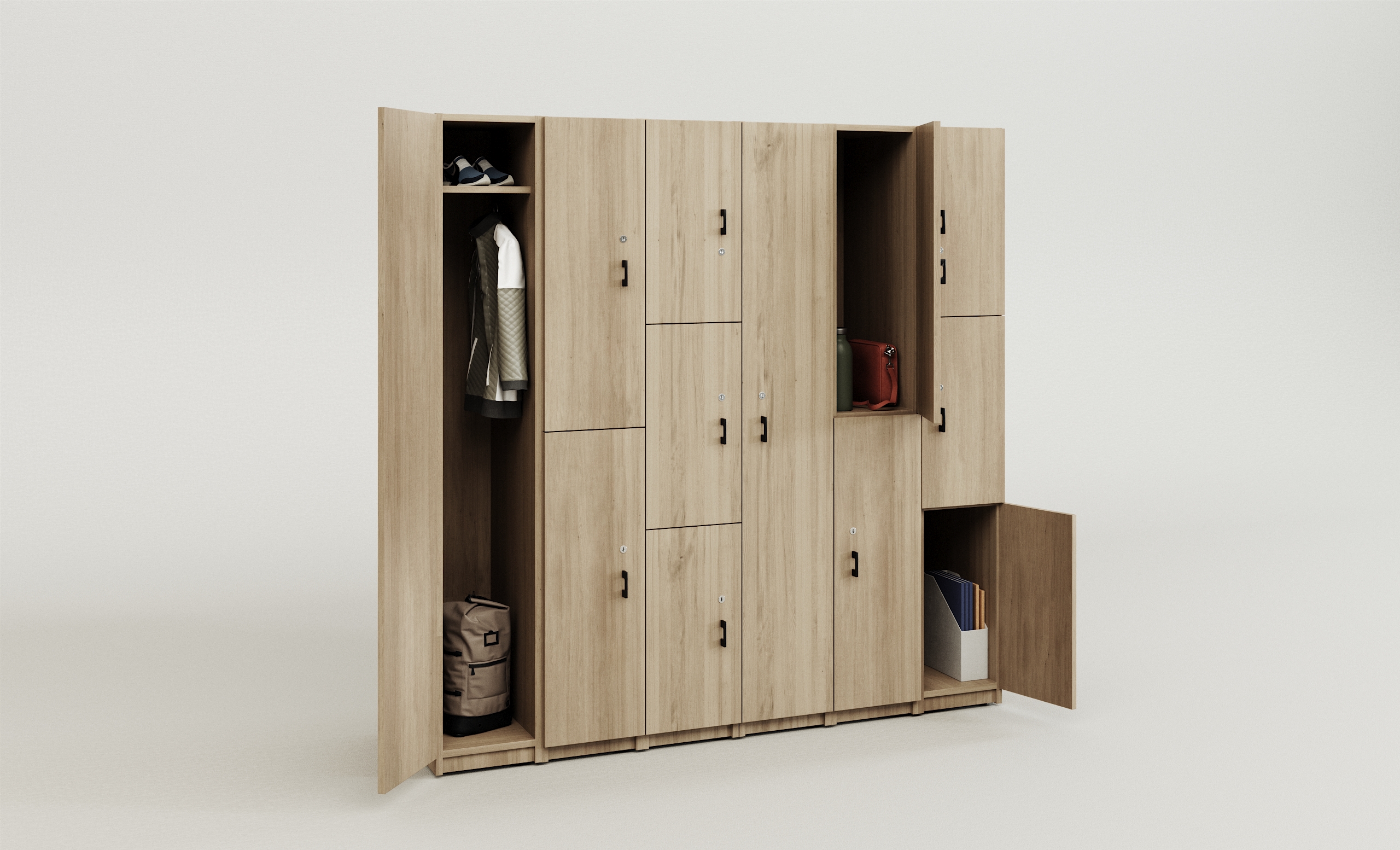
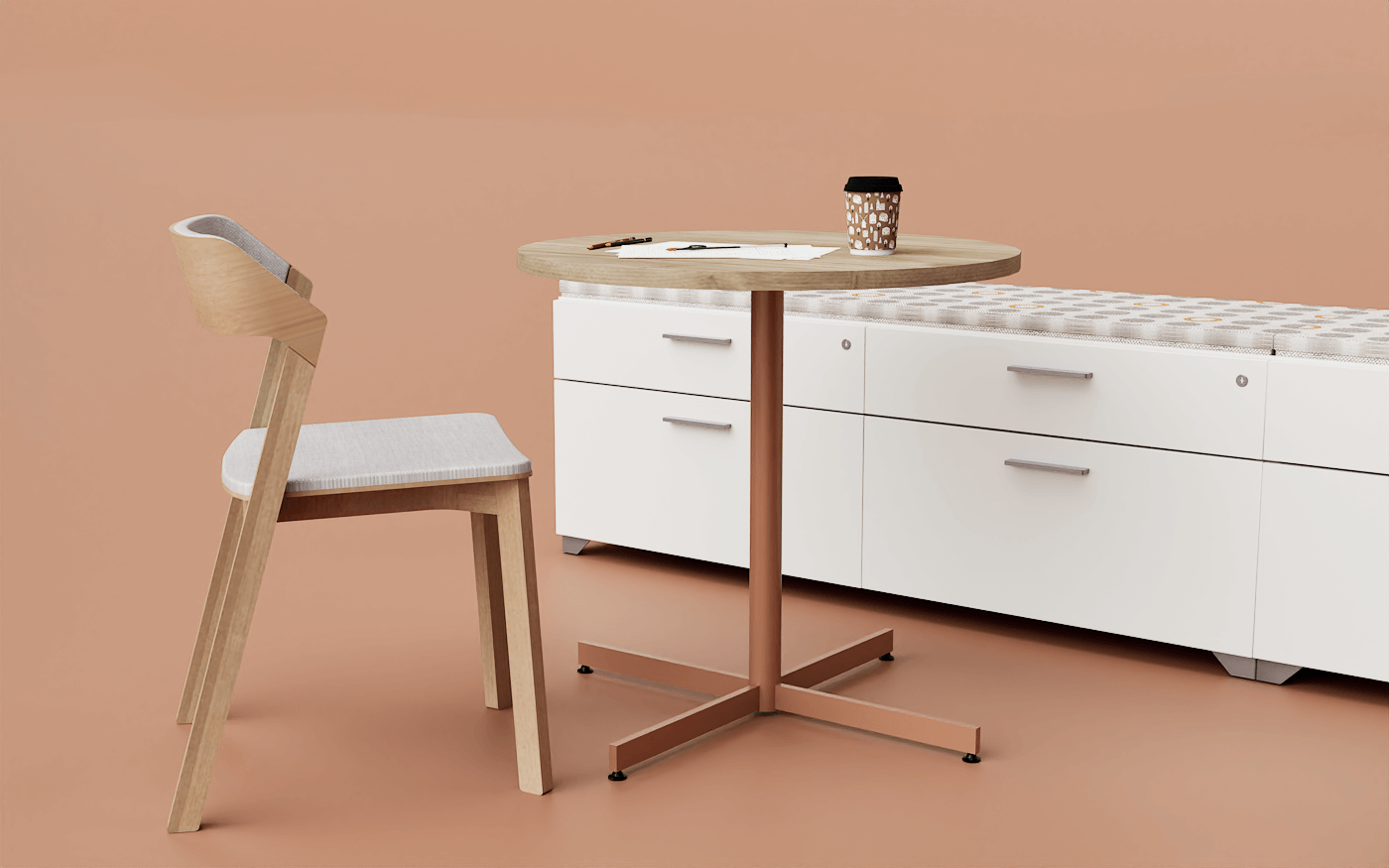
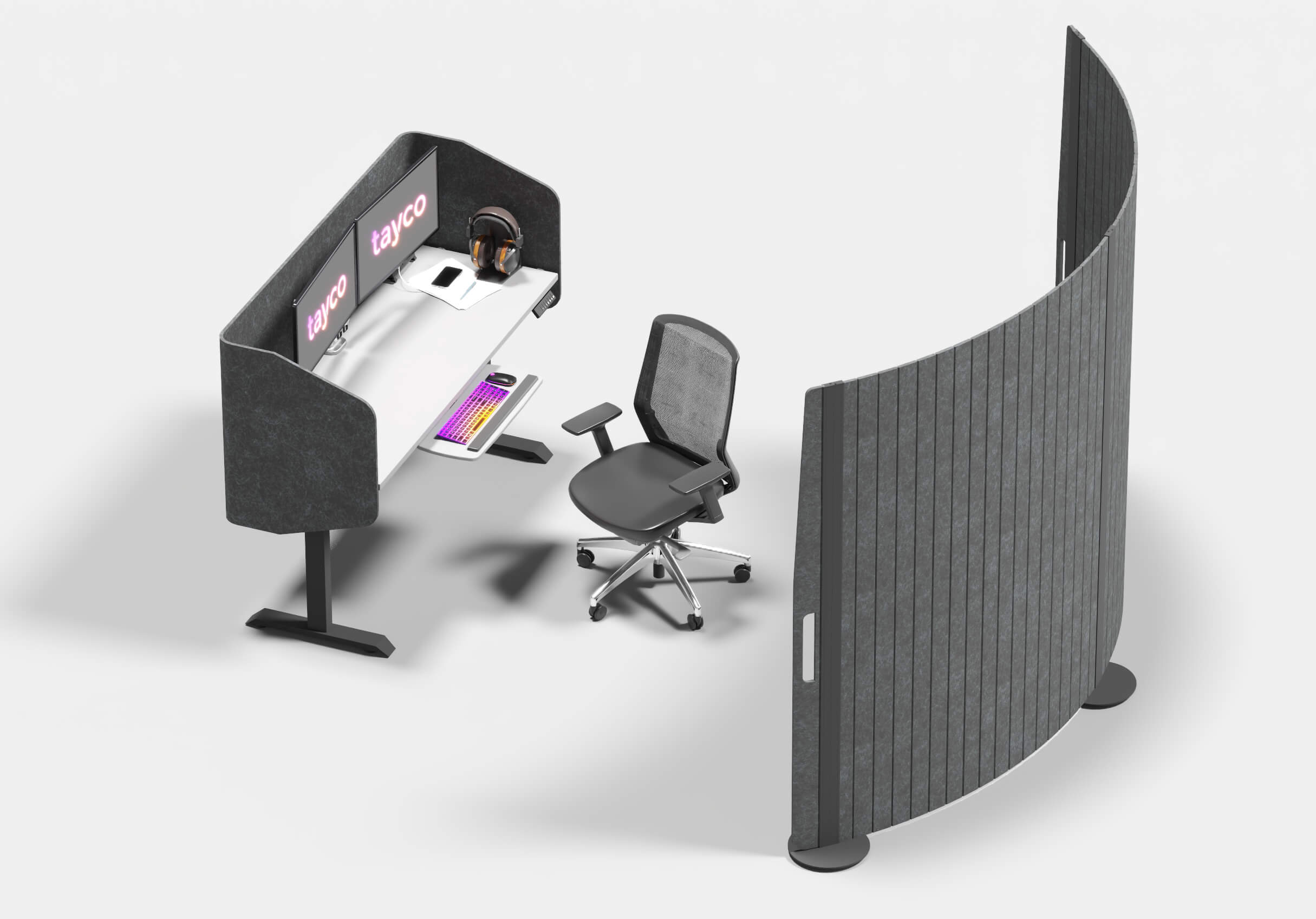
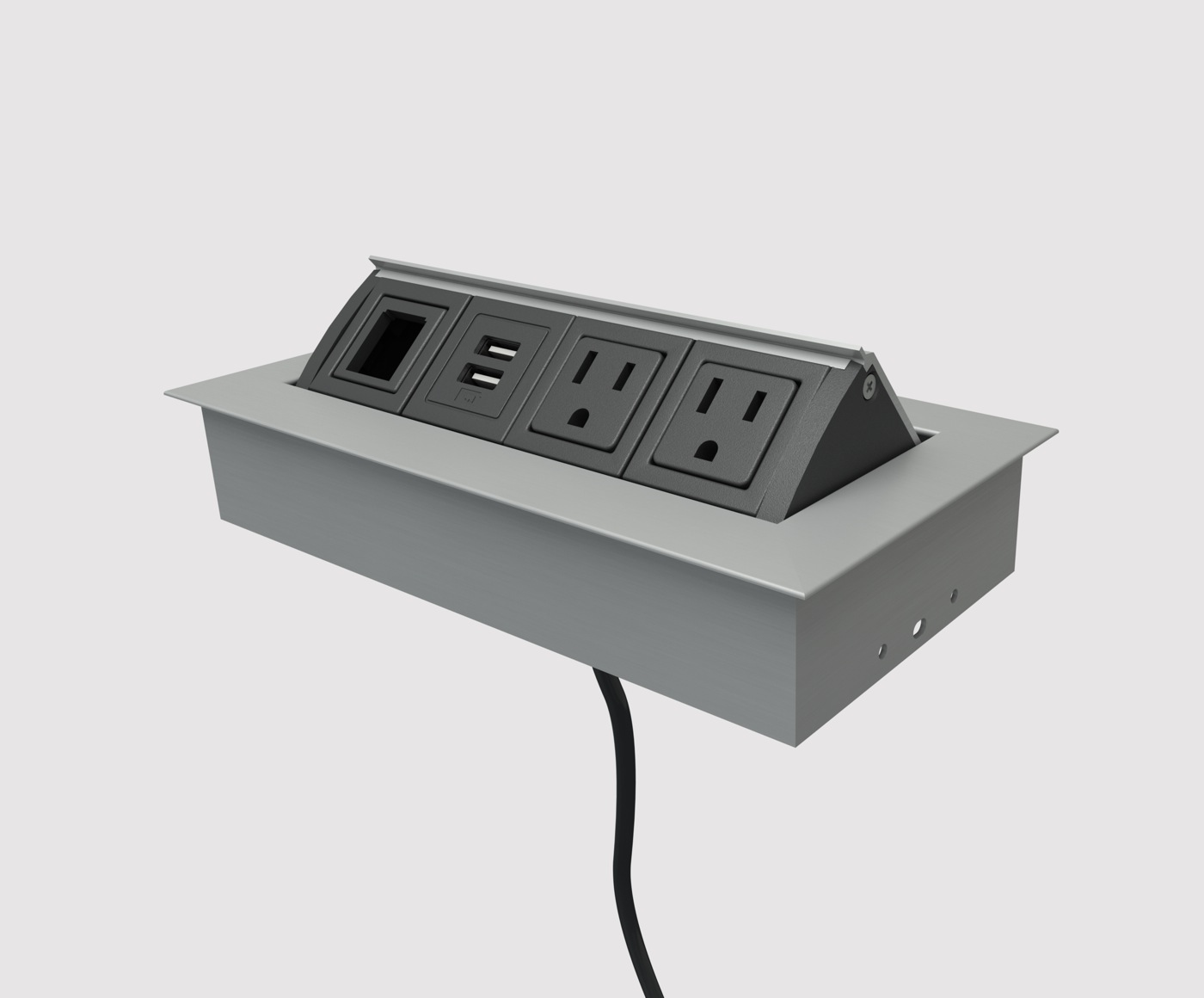
Use color and texture to guide behavior. Soft neutral tones can support concentration, while one stronger accent can define collaboration areas. Place a round table near writable walls for short discussions. Keep quieter desks farther from busy walkways. Cable trays, concealed outlets, and labeled storage protect the visual order. These details often matter more than decorative objects.
Performance also depends on accessibility and maintenance. Choose surfaces that clean easily and edges that resist daily impact. Leave clear routes between desks, especially near entrances and shared equipment. Ask employees to trial the layout before final installation. Feedback may expose problems that a floor plan misses. A stylish office can still feel tiring if lighting, acoustics, or spacing receive little attention.