How to Choose the Best Office Work Table for Your Needs?
Choosing the right office work table is crucial for enhancing productivity and comfort. Sarah Johnson, an office ergonomics expert, emphasizes, "A well-designed work table can significantly impact your efficiency." In today’s fast-paced work environment, the desk serves as the foundation of daily tasks. It is not just a surface; it is where ideas come to life.
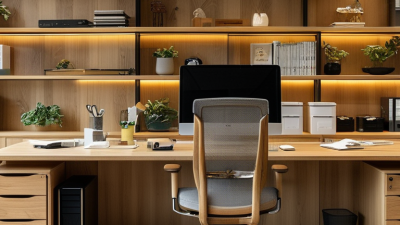
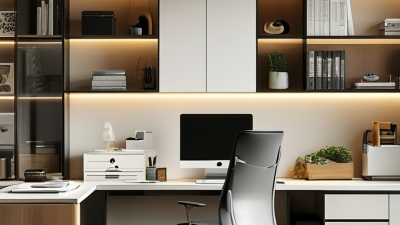
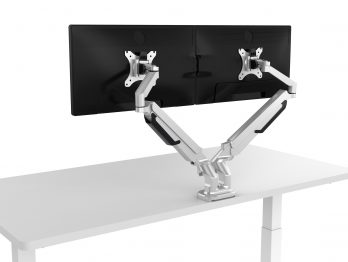
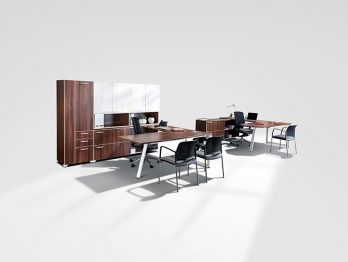
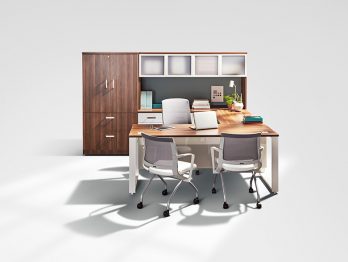
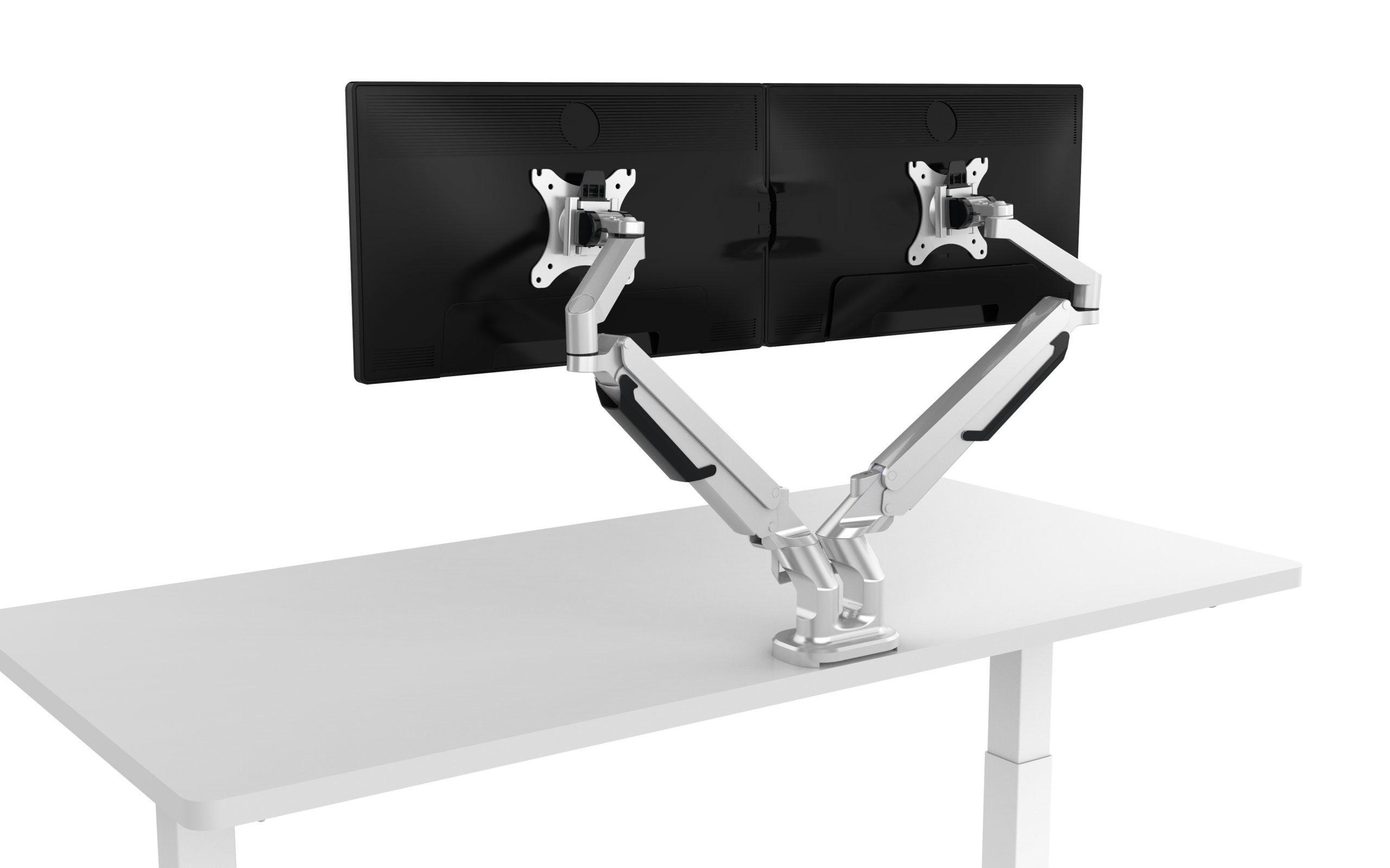
When selecting an office work table, you need to consider size, material, and functionality. A large table may not fit in a small space, while a tiny one may lack essential features. Visualize how you use your workspace daily. Do you require extra storage for files or a larger surface for multiple monitors? These are critical questions to reflect upon.
Noticing how your current workspace affects your posture or focus can lead to important insights. An uncomfortable table could be a source of distraction. A thoughtfully chosen office work table can transform your work experience. It’s not just about aesthetics; it’s about creating an environment that fosters growth and well-being.
Understanding Your Workspace Needs: Key Considerations for Office Tables
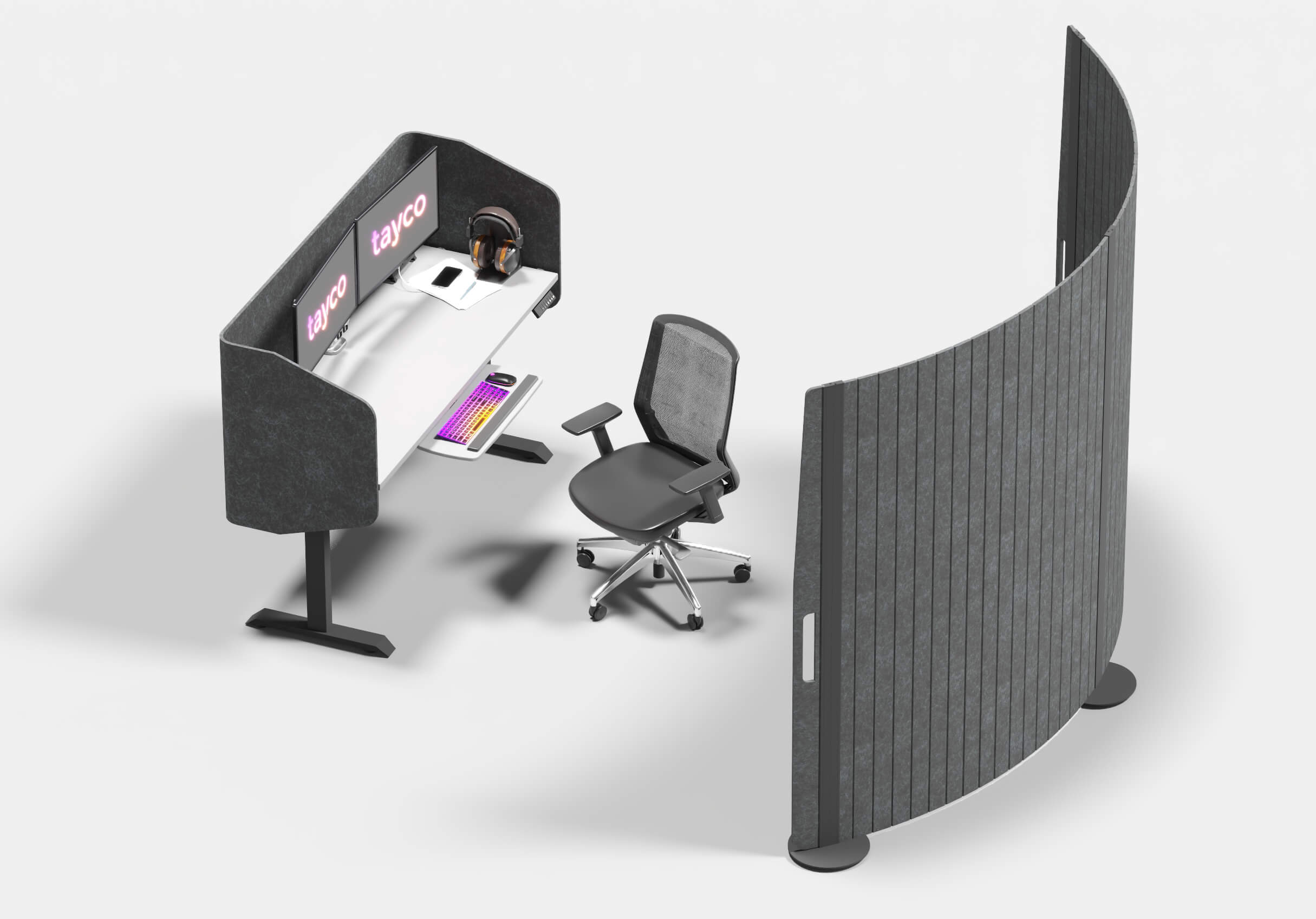
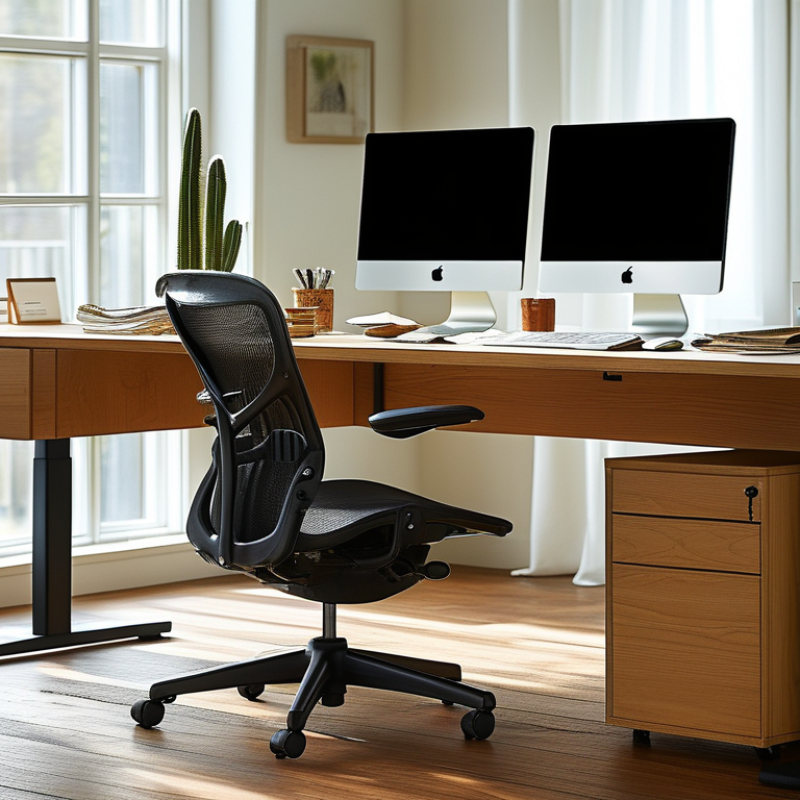
When choosing an office work table, understanding your workspace needs is crucial. Consider your daily tasks. Are you writing, using multiple screens, or creating designs? Each activity demands a different setup. The size of your workspace also plays a role. A cramped area may not fit a large desk, while a spacious room allows more flexibility.
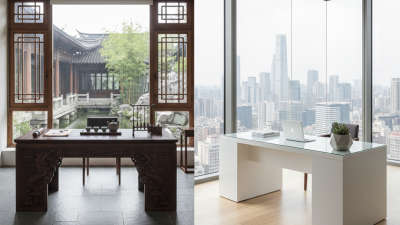
Assess the materials of the table too. Solid wood offers durability, while metal can provide a modern touch. Each material differs in maintenance and longevity. Some tables may scratch easily or show wear over time. Be mindful of this when making a selection.
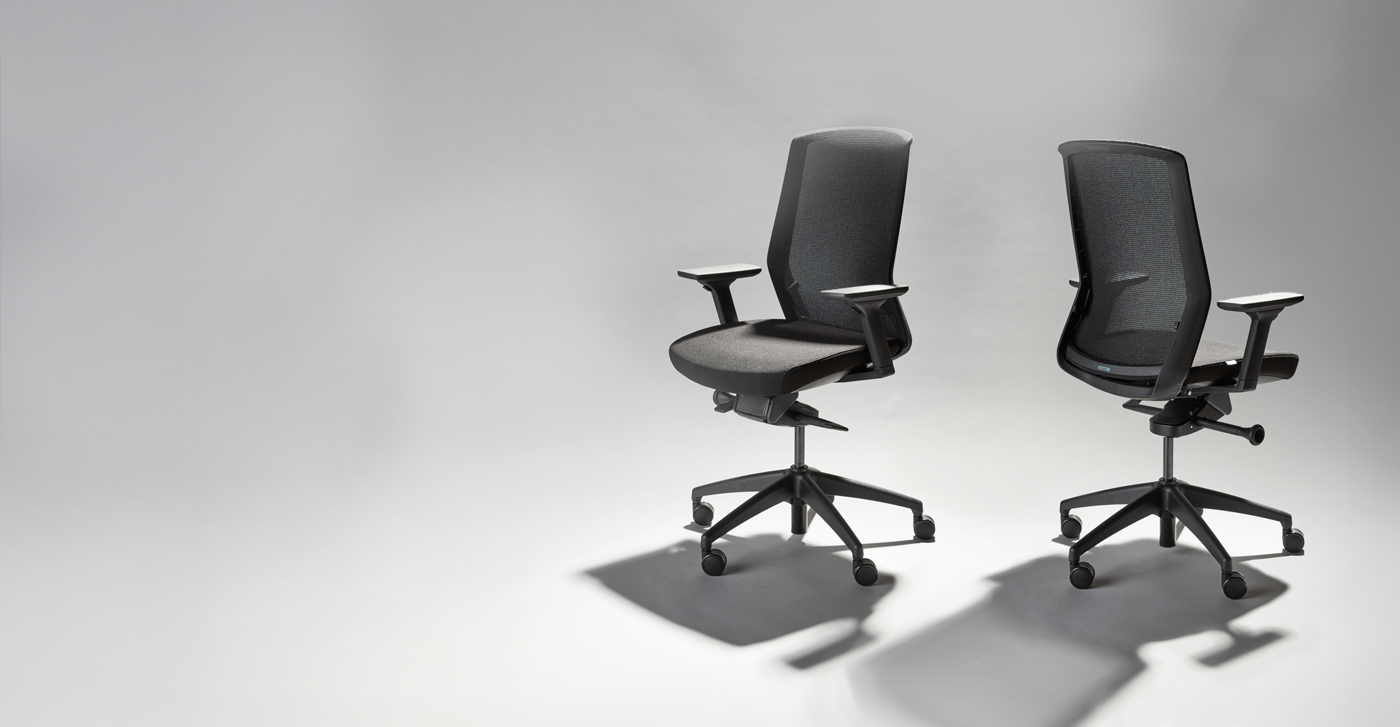
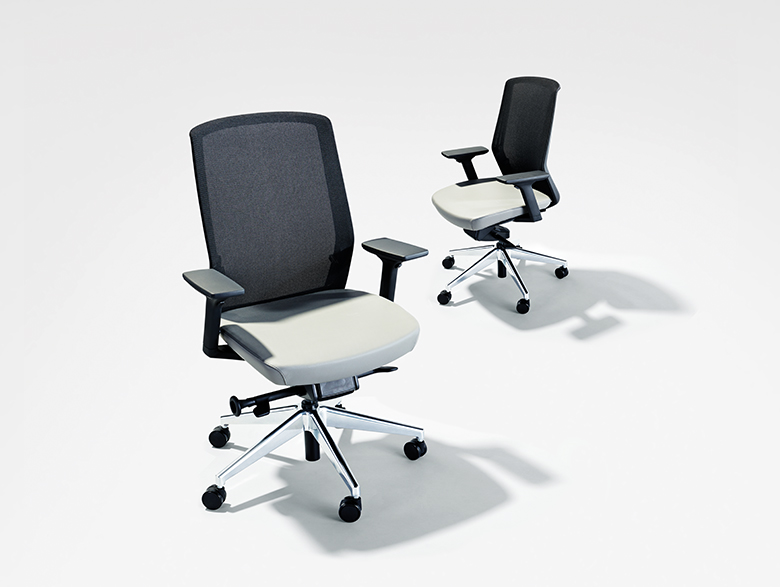
Ensuring comfort is vital as well. Ergonomics should be at the forefront of your decision. A high table might work for some but can strain others. Consider how long you spend at the desk. Think about chair height and posture. A slightly imperfect fit can lead to discomfort and hinder productivity. A mismatch might seem trivial but can evolve into a larger issue.
How to Choose the Best Office Work Table for Your Needs?
| Dimension |
Material |
Style |
Adjustability |
Price Range |
| 60" x 30" |
Laminate |
Modern |
Fixed |
$150 - $250 |
| 72" x 30" |
Wood |
Classic |
Height Adjustable |
$300 - $500 |
| 48" x 24" |
Metal |
Industrial |
Fixed |
$100 - $200 |
| 60" x 30" |
Bamboo |
Eco-Friendly |
Height Adjustable |
$200 - $400 |
| 72" x 36" |
Glass |
Contemporary |
Fixed |
$400 - $600 |
Types of Office Work Tables: Desks, Tables, and Their Specific Uses
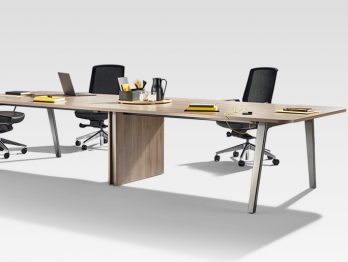
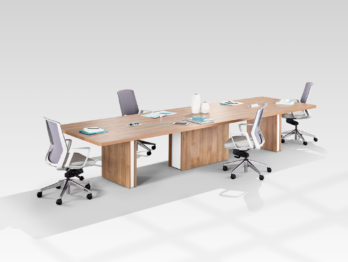
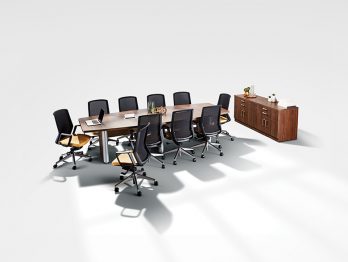
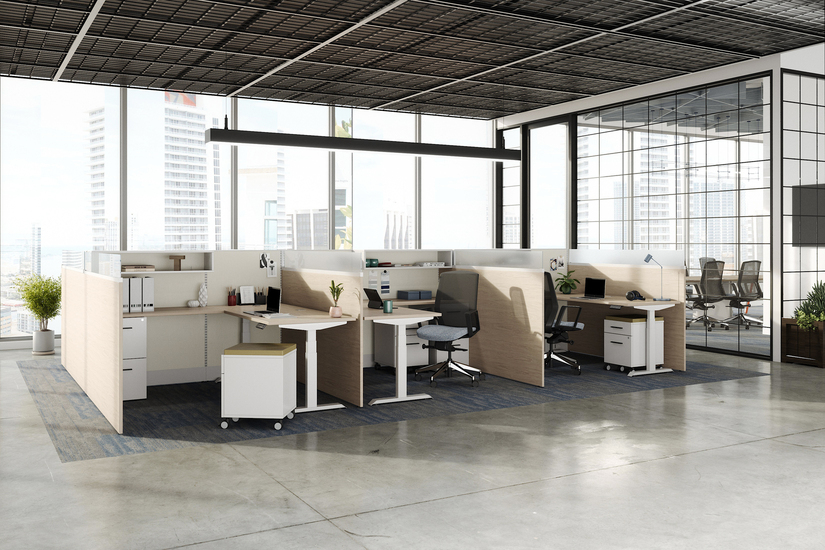
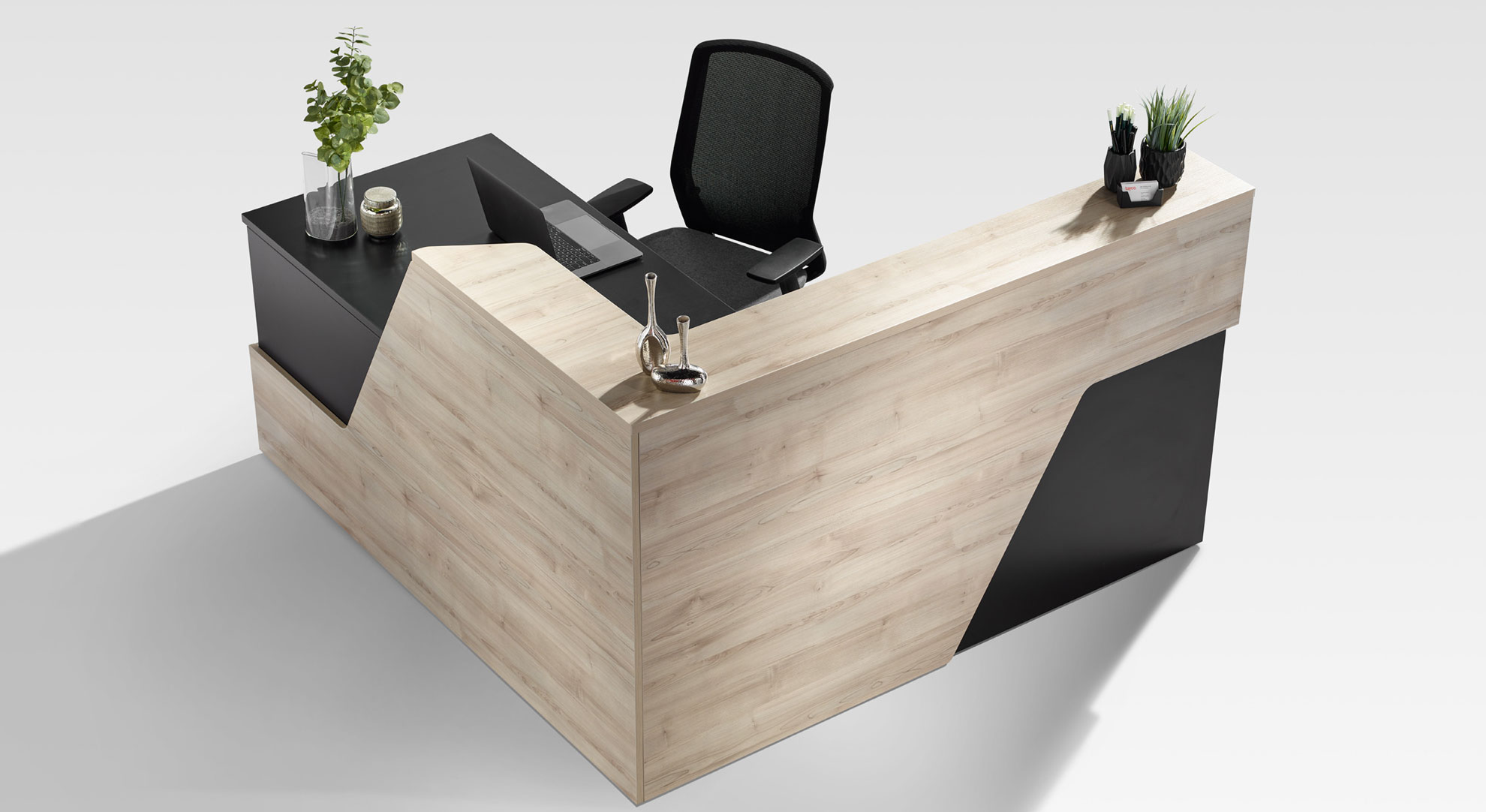
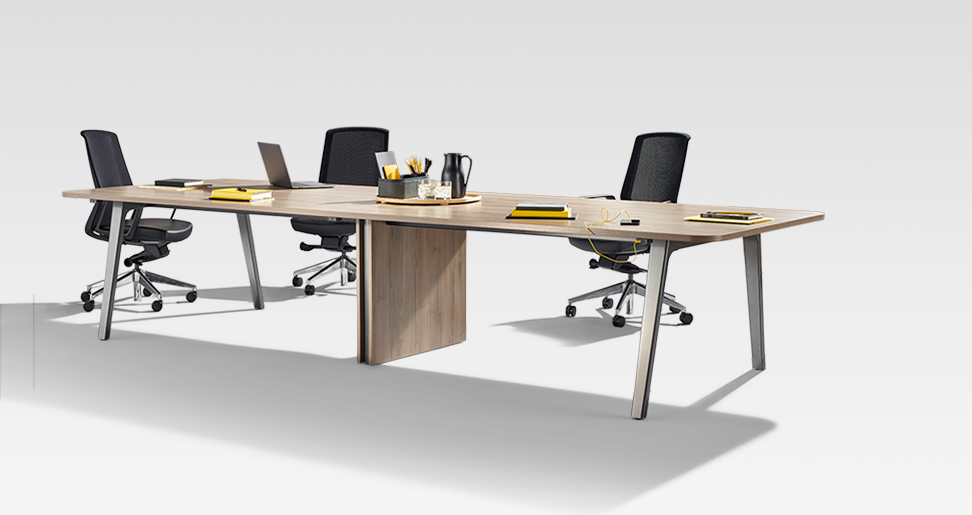
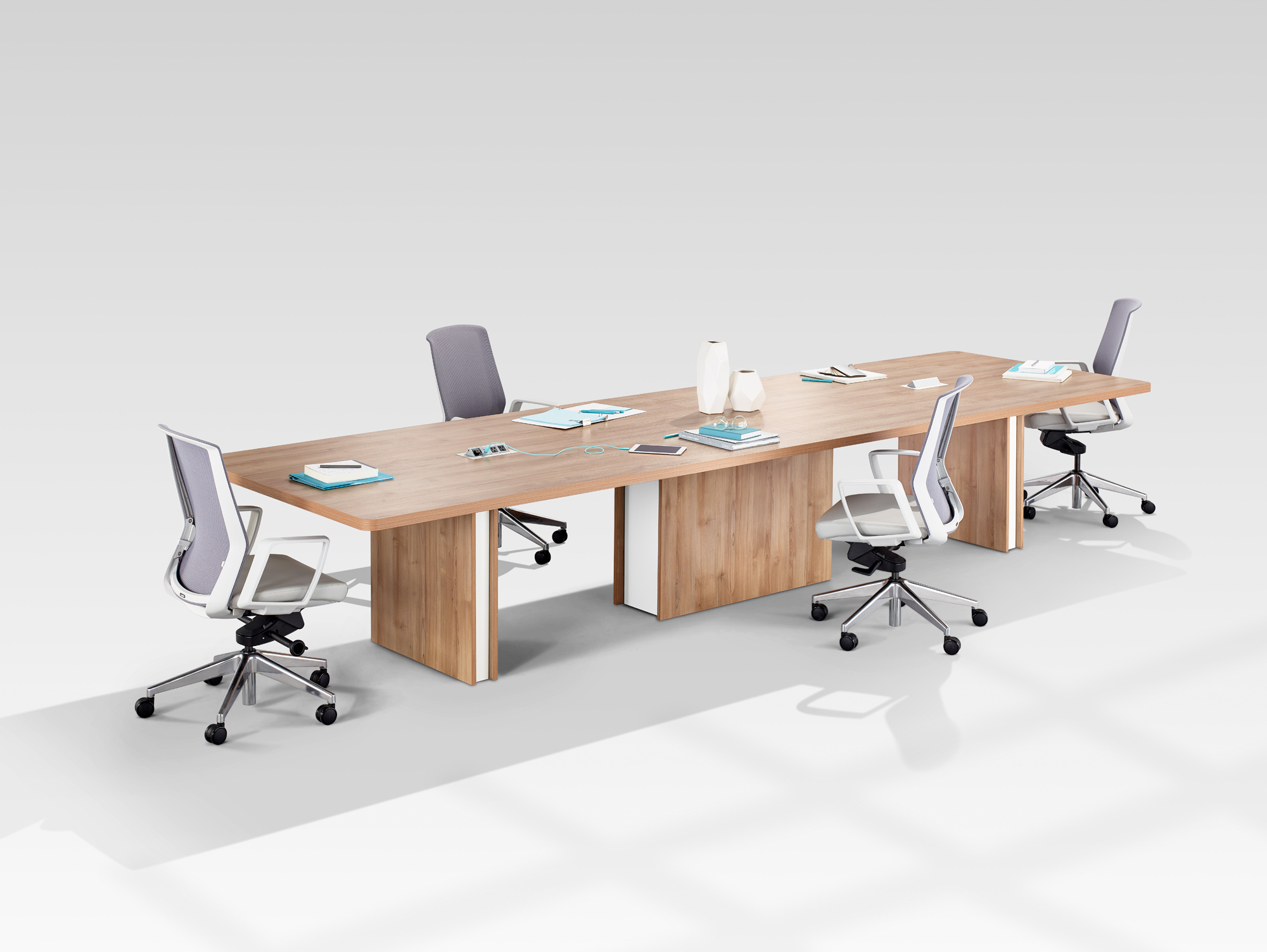
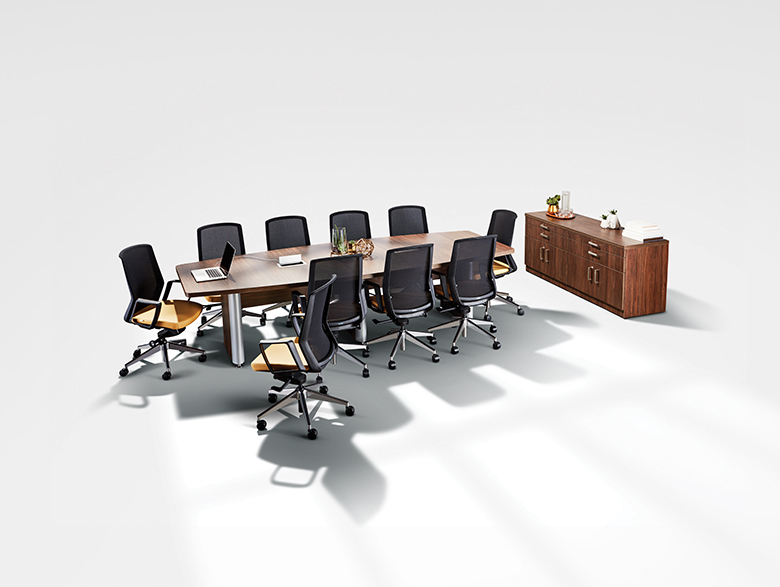
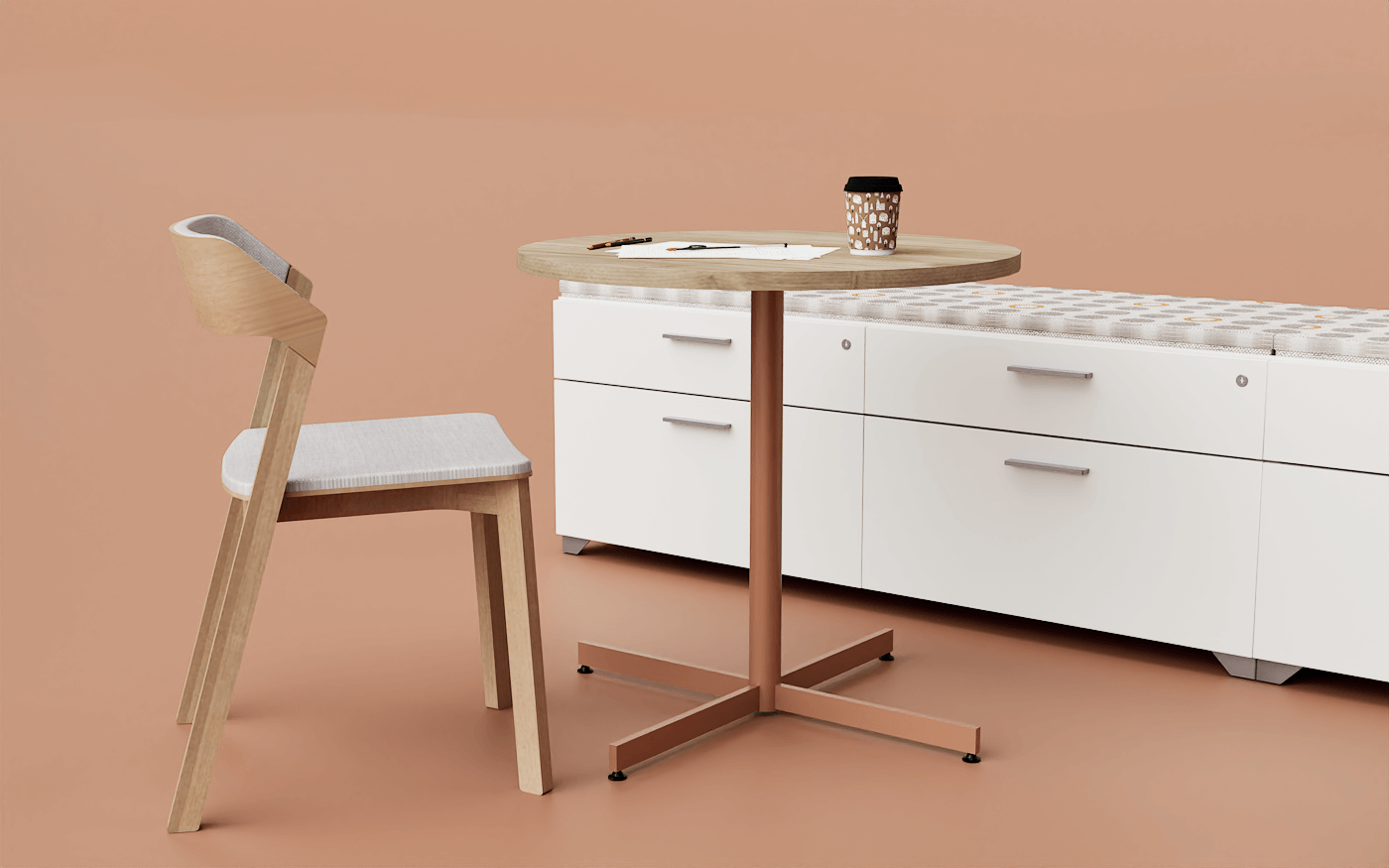
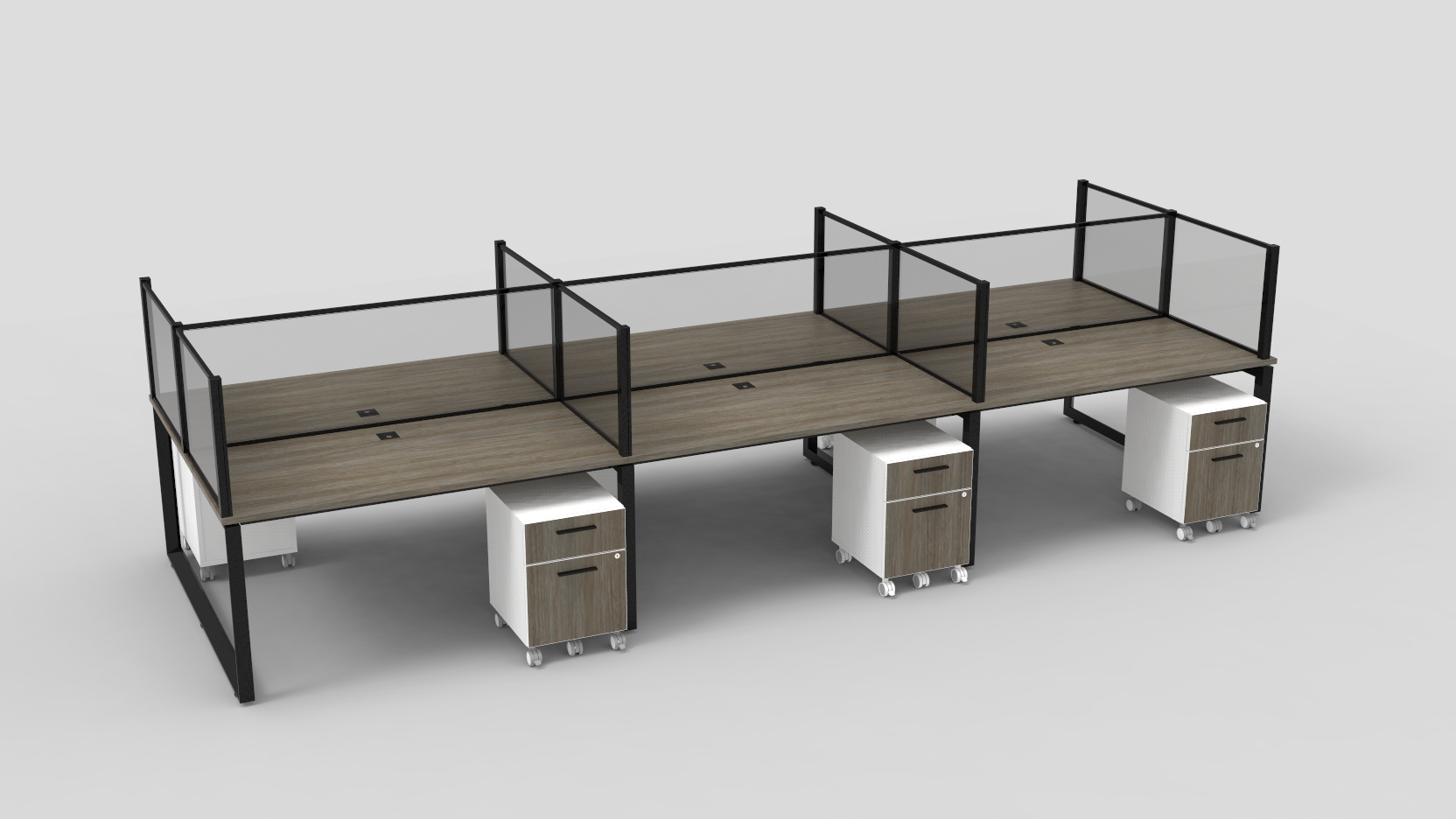
When choosing an office work table, understanding the types available is essential. Desks, tables, and their specific uses cater to various work styles. A traditional desk provides a personal workspace. It is suitable for focused tasks, like writing or computer work. A table, on the other hand, can promote collaboration. Round tables encourage discussion, making them ideal for meetings.
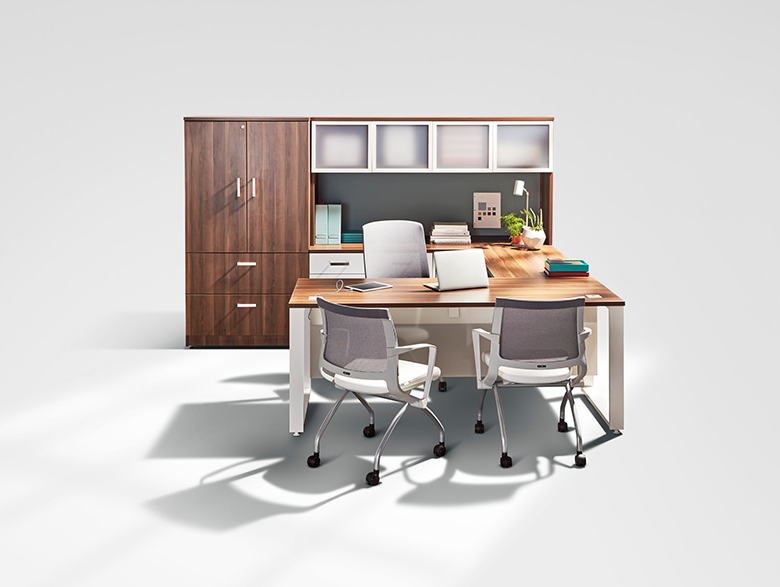
Consider your workflow when selecting a work table. If you frequently collaborate, opt for a larger table. Ensure it has enough space for documents and devices. For solo tasks, a compact desk may be sufficient. Think about your comfort too. Adjustable height options can enhance ergonomics.
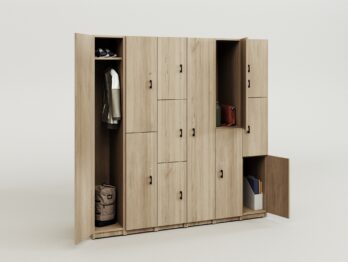
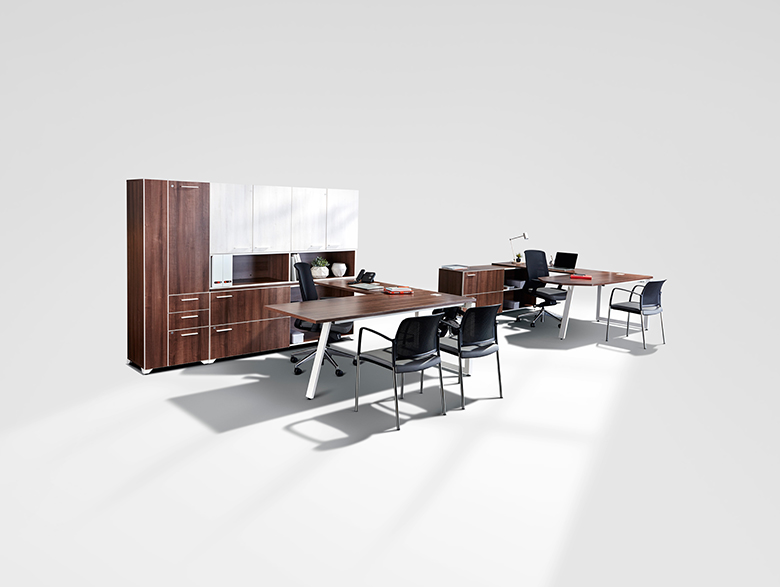
Be aware of the materials used in your table. Wood offers a classic aesthetic, while metal adds a modern touch. Test the stability of the table, as it can affect your productivity. Also, assess storage options. Some desks come with built-in drawers, which can be beneficial. Reflect on how often you might rearrange your workspace. Desks and tables can take up space. Plan accordingly to optimize your office layout.
Office Work Table Types and Their Uses
Ergonomics in Office Work Tables: How Design Affects Productivity
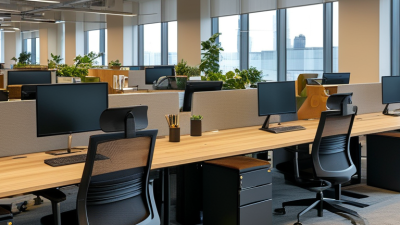
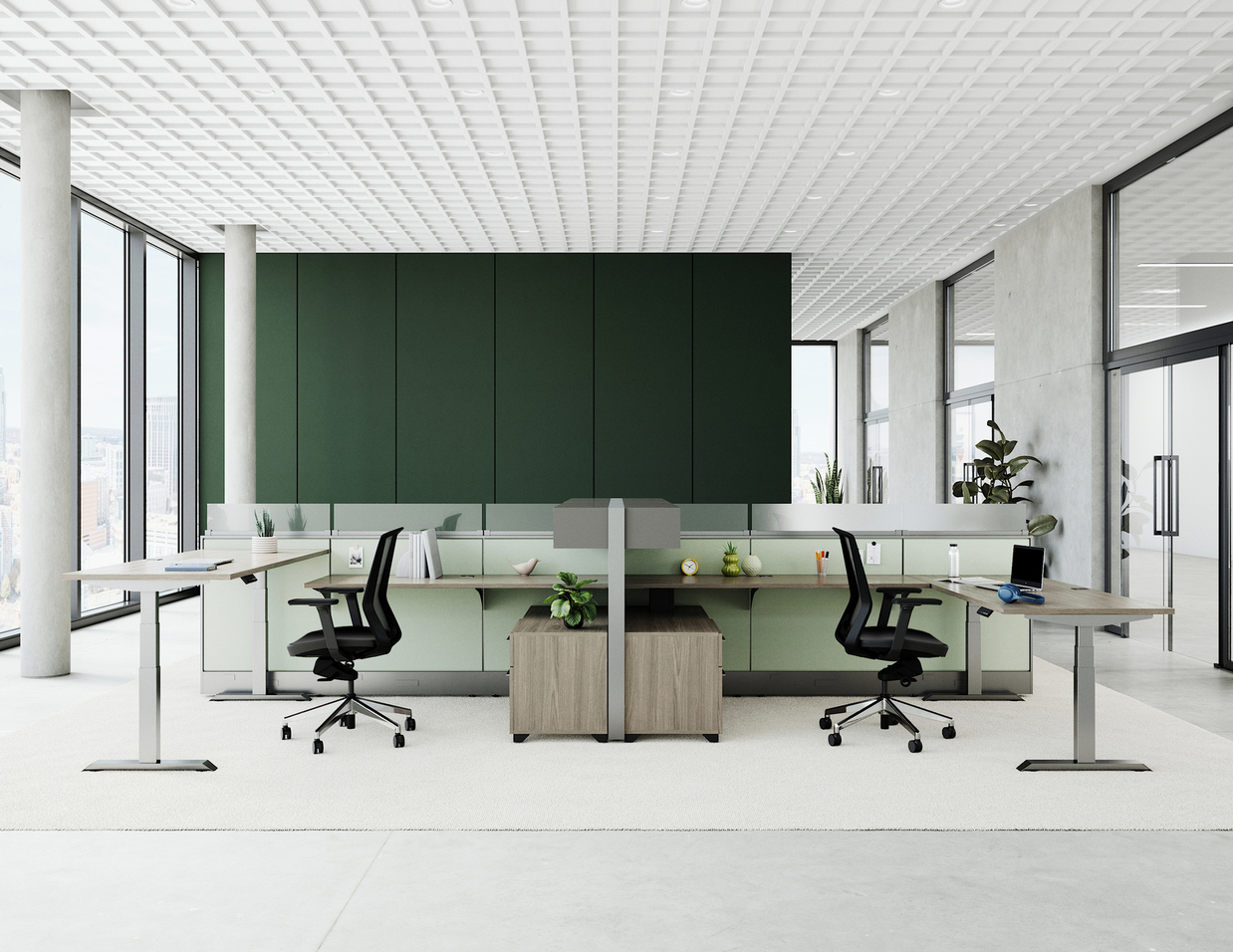
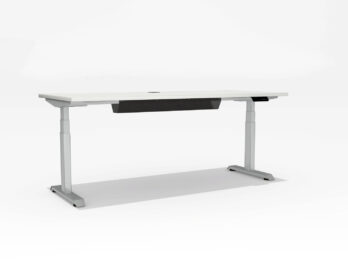
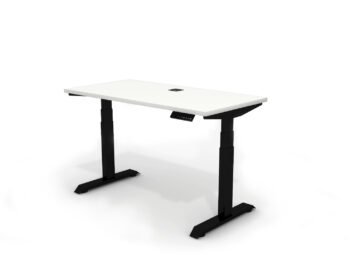
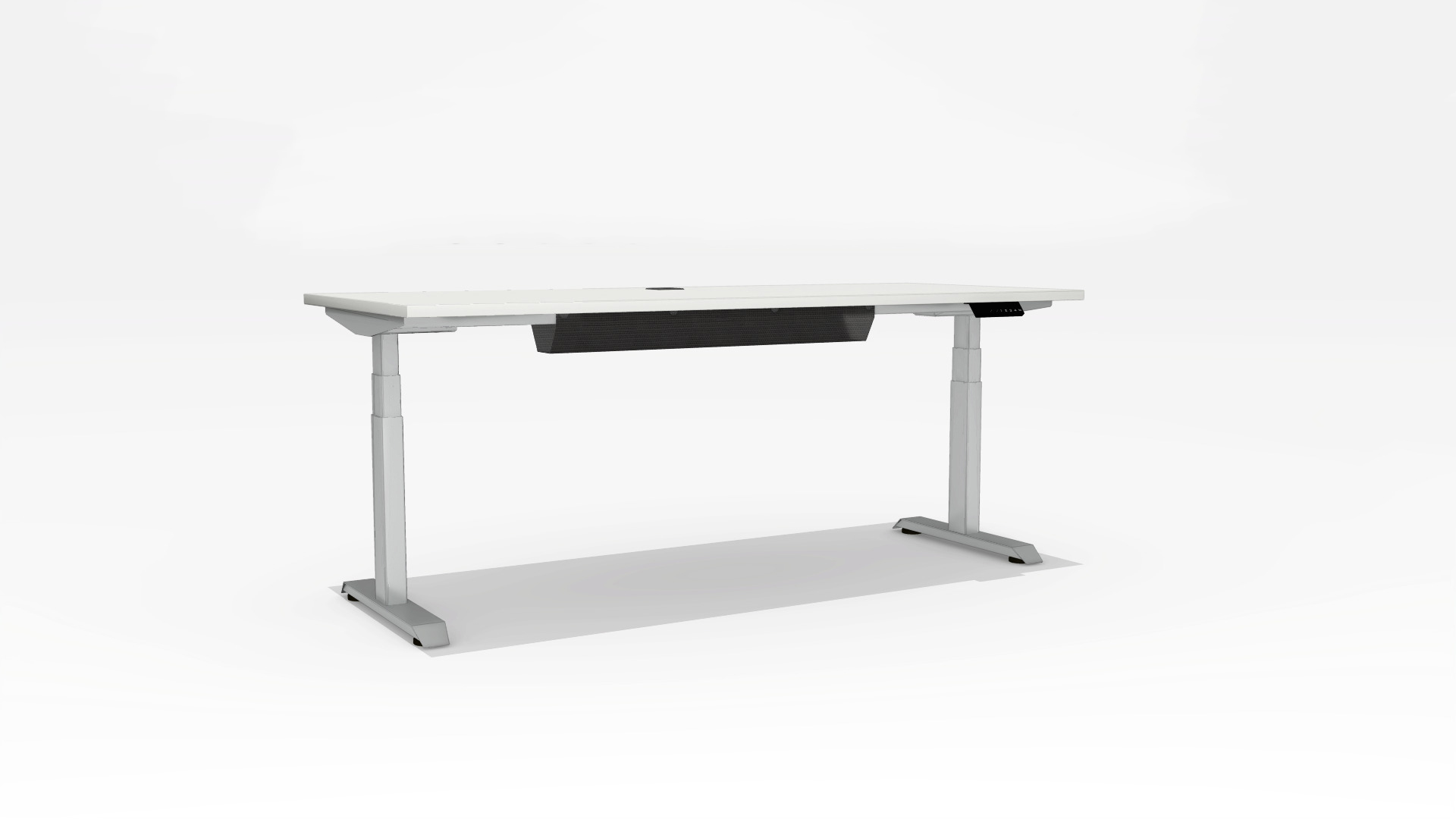
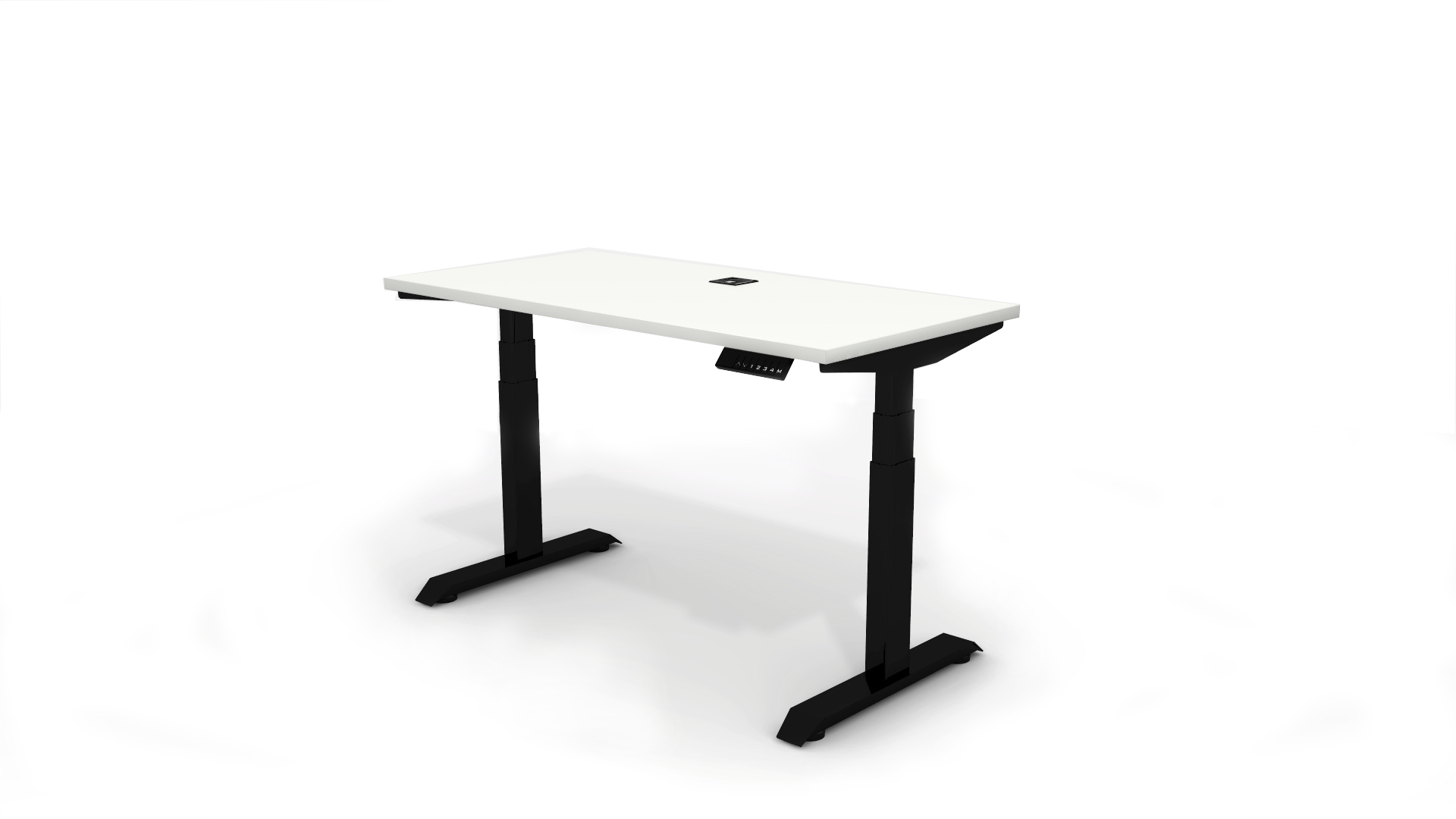
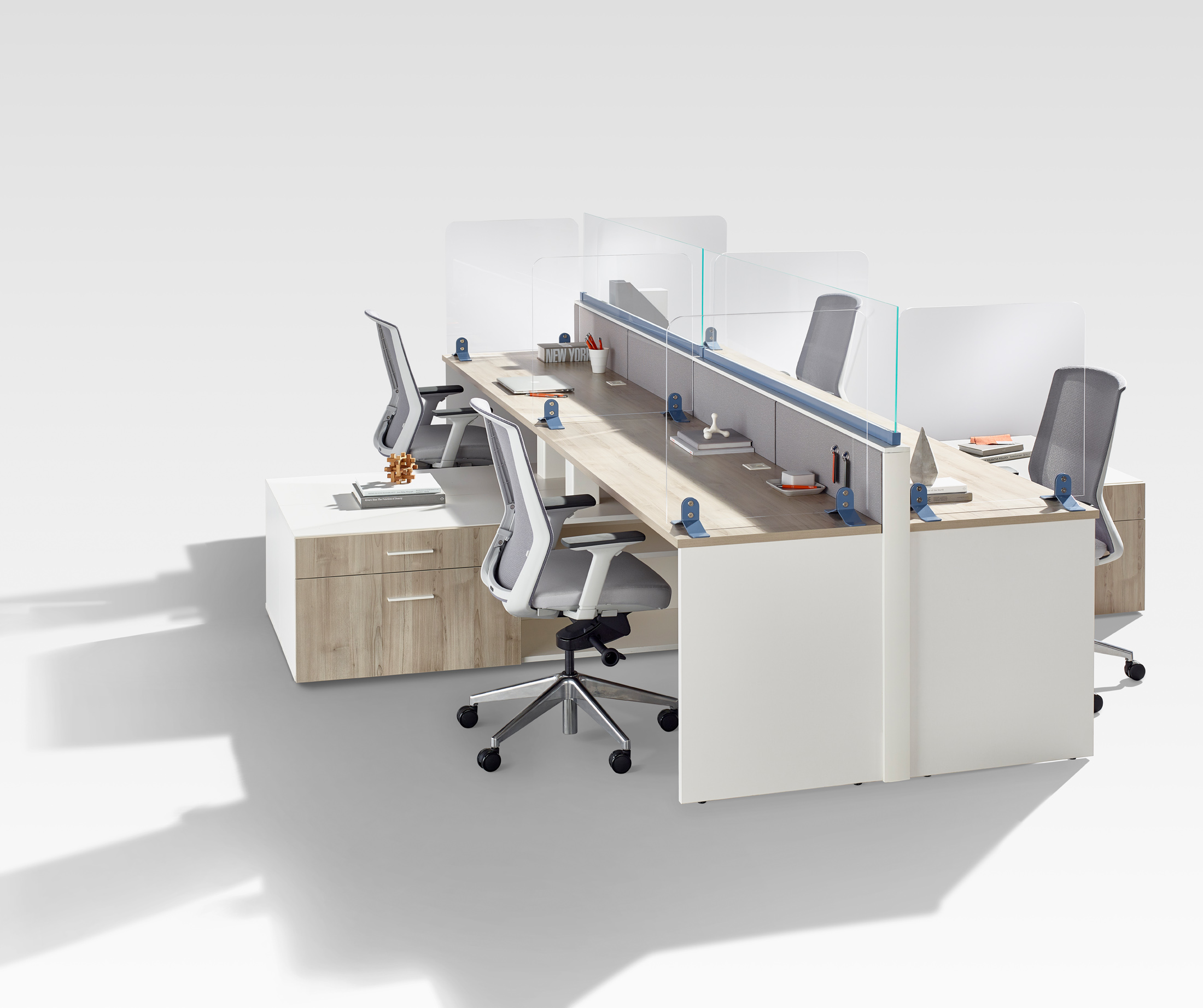
When choosing an office work table, ergonomic design plays a critical role in enhancing productivity. A table that encourages good posture can significantly reduce discomfort during long working hours. For example, adjustable height features allow users to alternate between sitting and standing, promoting better circulation. Additionally, tables with a spacious surface can accommodate essential tools, leading to a more organized workspace.
However, not every ergonomic solution works for everyone. Some might find that a curved table edge feels uncomfortable after several hours. Others may struggle with the placement of their monitor, which can lead to neck strain. It's essential to test various designs before committing. Finding the right work table is a personal journey that may require trial and error.
Lighting is another factor often overlooked in office table design. Natural light can boost mood and focus, while harsh artificial lighting can cause eye fatigue. A table positioned to maximize natural light sources can improve overall well-being. Reflections on the surface may also distract, so finding one with a matte finish could be more beneficial.
Material Selection for Office Tables: Wood, Metal, and Sustainability Factors
Choosing the right material for your office work table is crucial. Wood, metal, and sustainable options each have unique benefits and drawbacks. High-quality wood offers warmth and aesthetics. According to a report from the International Wood Products Association, over 60% of buyers prefer wooden desks for their natural look. However, solid wood can be costly and may need regular maintenance.
Metal tables, on the other hand, provide durability and a modern appeal. Studies indicate that metal can withstand heavy use, making it ideal for busy environments. Yet, metal surfaces can be cold and less inviting, which is a factor to consider in employee comfort.
Sustainability is also a growing concern. Materials from certified sustainable sources are increasingly favored. The Global Sustainability Institute shows that about 75% of office furniture buyers prioritize eco-friendly options. This shift in consumer behavior encourages manufacturers to adopt more environmentally responsible practices. Investing in sustainable office tables can enhance your brand’s image, but it may come with a higher initial cost. Balancing sustainability with function and budget is a challenge faced by many businesses today.
Budgeting for Office Work Tables: Cost vs. Quality in Your Investment
When selecting an office work table, the balance between cost and quality is crucial. A recent survey from the Office Furniture Manufacturers Association revealed that 76% of businesses consider durability as a key factor for their investment. Choosing a less expensive table may seem appealing, but the long-term costs could outweigh the initial savings. Inferior materials may lead to wear and tear more quickly.
Quality office tables often utilize solid wood or metal frames. According to a study by the International Ergonomics Association, ergonomics can directly impact worker productivity by up to 25%. These high-quality tables usually provide better support and comfort, leading to enhanced efficiency. However, it’s essential to assess your budget constraints. A table priced under $200 may lack the built-in ergonomic features necessary for prolonged use.
Some may argue that all office tables serve the same purpose. However, reports show that investing in a higher-quality work table leads to less frequent replacements, aligning with a philosophy of sustainability. This becomes a critical factor for many businesses looking to reduce waste. Reflecting on your needs and budget allows a well-informed decision that aligns with both immediate requirements and long-term goals.