

Tayco Office Furnishings Inc.
400 Norris Glen Rd.
Toronto, ON M9C 1H5
T: (416) 252-8000
T: (800) 675-4092
F: (416) 252-4467
[email protected]
Tayco Office Furnishings Inc.
400 Norris Glen Rd.
Toronto, ON M9C 1H5
T: (416) 252-8000
T: (800) 675-4092
F: (416) 252-4467
[email protected]
Choosing the right home office furniture supplier can shape comfort, productivity, and long-term working habits. A reliable desk or chair is more than an attractive product. It should support your posture, fit your room, and remain stable during daily use.
This guide explores 10 leading home office furniture suppliers worldwide. The selection considers build quality, ergonomic design, material transparency, warranty terms, delivery coverage, and customer support. It also examines practical details, such as adjustable desk height, cable management, chair lumbar support, and assembly instructions. These features matter when your monitor stays on the desk for eight hours.
Real-world experience often reveals what product pages omit. A beautiful chair may feel firm after two hours. A spacious desk may wobble on an uneven floor. Even international delivery can vary by location, taxes, and local service availability. No supplier fits every budget or working style. That is worth remembering.
The evaluation uses publicly available specifications, user feedback, and established furniture standards where possible. However, supplier policies can change, and customer experiences are not always consistent. Readers should confirm measurements, return conditions, warranty coverage, and delivery estimates before ordering. A thoughtful comparison can reduce costly mistakes and create a workspace that feels dependable, not merely fashionable.
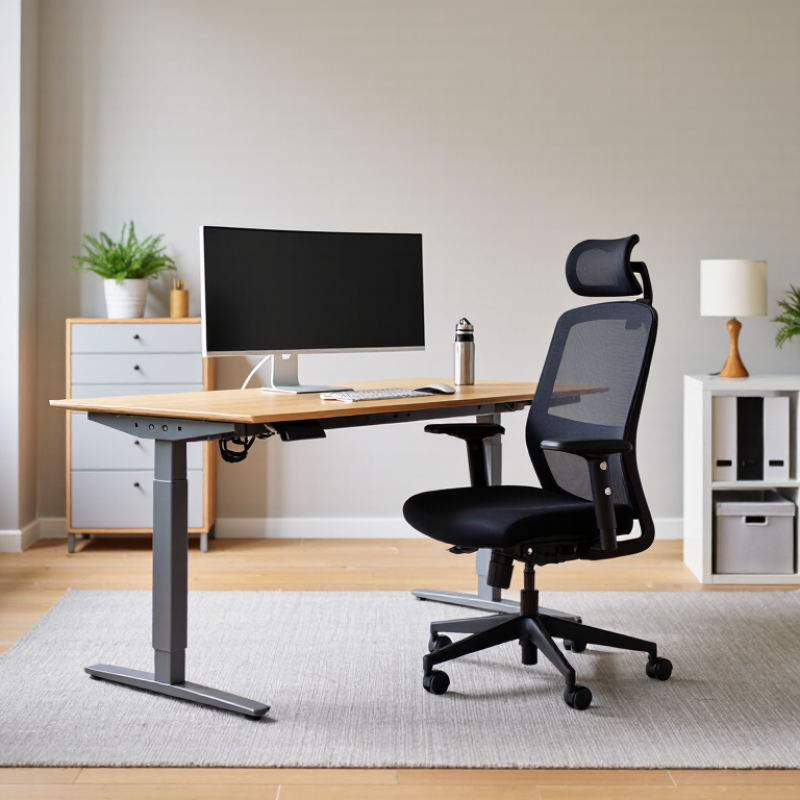
Evaluating home office furniture suppliers worldwide requires more than comparing catalog prices. The International Labour Organization reported that 17% of workers worked from home during 2020, rising to 23% in high-income countries. Demand is real, but quality varies sharply. Ask suppliers for production locations, material specifications, factory audits, and recent delivery records. A clean website proves little.
Test the chair, desk, and storage system under daily conditions. Check lumbar support, height adjustment, cable routing, edge comfort, and stability on uneven floors. Request samples before placing a large order. The American National Standards Institute recommends using recognized ergonomic principles, while ISO 9001 certification can indicate documented quality processes. Certification is useful, but it is not a guarantee.
Look beyond the unit price. Calculate shipping, duties, installation, replacement parts, packaging waste, and warranty handling. The OECD’s work on teleworking highlights the importance of reliable home working conditions, not merely attractive products. Suppliers should state lead times clearly and explain what happens after delivery. I have learned that the cheapest quote can become expensive after one damaged shipment. Supplier scorecards help, yet they can oversimplify performance. Recheck them quarterly. Small details matter.
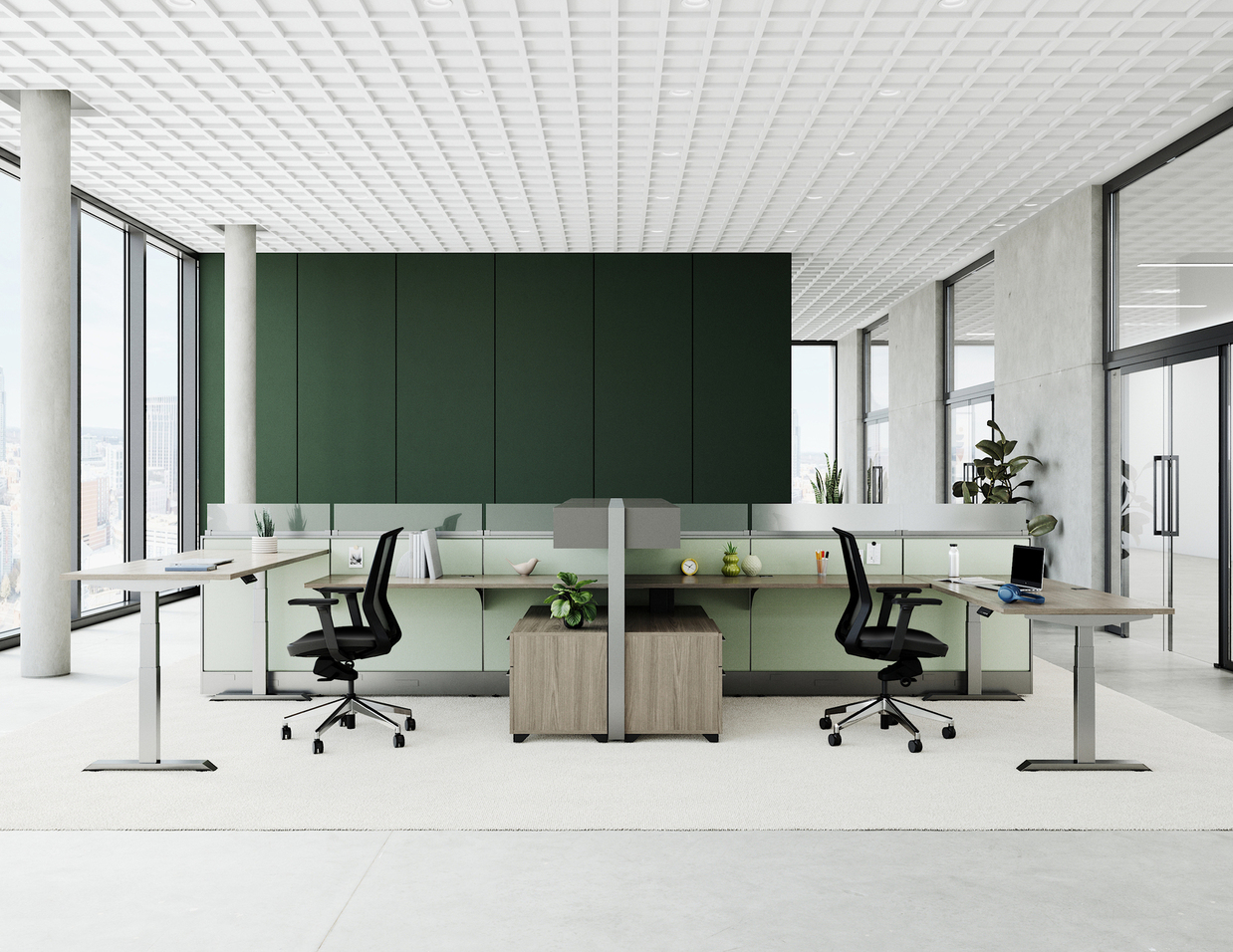
Comparing the world’s best home office furniture suppliers requires more than checking price or appearance. A reliable provider should offer clear product specifications, tested materials, and consistent quality across countries. Check desk dimensions, load capacity, surface finishes, chair adjustment ranges, and replacement-part availability. A 120-centimeter desk may look spacious online but feel cramped beside a monitor and lamp.
Global delivery deserves careful attention. Compare shipping zones, delivery estimates, import responsibilities, packaging quality, and return procedures before ordering. Strong suppliers publish assembly instructions, warranty periods, and service contacts in understandable language. Look for independent safety certifications and environmental claims supported by evidence, not vague green wording. Materials should be identified precisely, such as solid wood, recycled steel, or engineered board with low emissions.
Price is only one measurement. A cheaper chair can become expensive after a broken caster, difficult return, or missing screw. Ask whether spare parts remain available after several years. I have found that polished websites can hide weak after-sales support. That is easy to overlook. Reviews also need careful reading, because delivery complaints may not reflect product quality, while attractive photographs cannot prove ergonomic comfort. Compare suppliers using the same checklist, request material samples when possible, and test adjustment controls before making a large order. A dependable provider should answer specific questions directly, admit limitations, and provide records that buyers can verify.

Anonymous comparative dataset based on commonly disclosed international supplier capabilities and typical B2B purchasing benchmarks.
| Supplier Profile | Primary Production Region | International Coverage | Core Product Range | Typical Lead Time | Typical MOQ | Customization Level | Common Certifications | Sustainability Disclosure | B2B Support | Overall Score / 100 |
|---|---|---|---|---|---|---|---|---|---|---|
| Profile 01 | East Asia | Worldwide distribution | Desks, chairs, storage | 6–10 weeks | 50–100 units | High | ISO 9001, FSC available | Material-level information | Dedicated export team | 92 |
| Profile 02 | Western Europe | Europe and North America | Ergonomic seating, desks | 4–8 weeks | 20–50 units | Medium to high | ISO 9001, EN 1335 | Environmental product data | Contract-project support | 90 |
| Profile 03 | North America | North America and selected export markets | Sit-stand desks, seating, accessories | 3–7 weeks | 10–25 units | Medium | ANSI/BIFMA, UL options | Recycled-content reporting | Dealer and project pricing | 88 |
| Profile 04 | South Asia | Global container export | Wood desks, cabinets, tables | 8–12 weeks | 100–300 units | Very high | FSC, ISO 9001 available | Wood-source documentation | Private-label manufacturing | 87 |
| Profile 05 | Eastern Europe | Europe and nearby markets | Modular desks, shelving, storage | 5–9 weeks | 25–75 units | High | EN 527, ISO 9001 | Partial lifecycle information | Regional logistics support | 85 |
| Profile 06 | Southeast Asia | Asia-Pacific, Europe and North America | Rattan, wood, upholstered furniture | 7–11 weeks | 50–150 units | High | FSC, BSCI commonly requested | Supplier-code reporting | Flexible export documentation | 84 |
| Profile 07 | Southern Europe | Europe and selected overseas markets | Design desks, chairs, lighting | 4–8 weeks | 10–50 units | Medium | EN 1335, CE where applicable | Product-material declarations | Design and specification service | 83 |
| Profile 08 | Latin America | Regional export with selected global shipments | Wood desks, seating, shelving | 6–10 weeks | 50–200 units | Medium to high | FSC or local wood standards | Basic material information | Regional distributor support | 80 |
| Profile 09 | Middle East | Gulf region and international project markets | Executive desks, seating, boardroom furniture | 5–9 weeks | 25–100 units | Medium | ISO 9001, EN standards available | Limited public disclosure | Turnkey project coordination | 78 |
| Profile 10 | Oceania | Australia, New Zealand and selected Asia-Pacific markets | Ergonomic chairs, compact desks, accessories | 3–7 weeks | 10–40 units | Medium | AS/NZS standards, AFRDI options | Recycled-content and packaging data | Dealer, warranty and installation support | 77 |
Evaluation note: Scores are weighted across product quality, export readiness, lead time, minimum order flexibility, customization, compliance, sustainability transparency and after-sales support. Lead times and minimum order quantities should be confirmed directly before purchasing.
The ten leading home office furniture suppliers are best judged by market reach, not advertising volume. Their profiles usually include global manufacturers, contract specialists, flat-pack exporters, omnichannel retailers, online marketplaces, regional distributors, ergonomic specialists, modular producers, private-label importers, and direct-to-consumer makers. Fortune Business Insights valued the global office furniture market at about US$58.3 billion in 2023, with continued growth expected through 2032. Home working remains a major demand driver, but market definitions vary.
Reach has several layers. A supplier may sell in 40 countries yet provide weak local warranties. Another may operate in fewer markets but stock replacement parts nearby. Professional buyers should compare delivery coverage, assembly support, material testing, warranty length, and return handling. The International Ergonomics Association links adjustable workstations and suitable screen height with better workplace comfort, although furniture alone cannot solve every health problem. That point is often ignored.
A practical ranking should also examine shipment reliability and product consistency. Statista’s consumer market analyses show strong online furniture purchasing across major regions, but digital visibility does not prove manufacturing quality. I would score suppliers across ten factors, including geographic coverage, warehouse capacity, ergonomic design, price stability, recycled content, repairability, and customer-service response. The method is not perfect. Data changes quickly, and private companies disclose little. Still, a clear evidence trail is more useful than a polished top-ten list.
A strong supplier should balance product quality, design, pricing, and customization. That balance is rarely perfect. Grand View Research forecasts steady growth in the global office furniture market through 2030, with demand driven by hybrid work and ergonomic products. This growth creates more choice, but also more inconsistent quality.
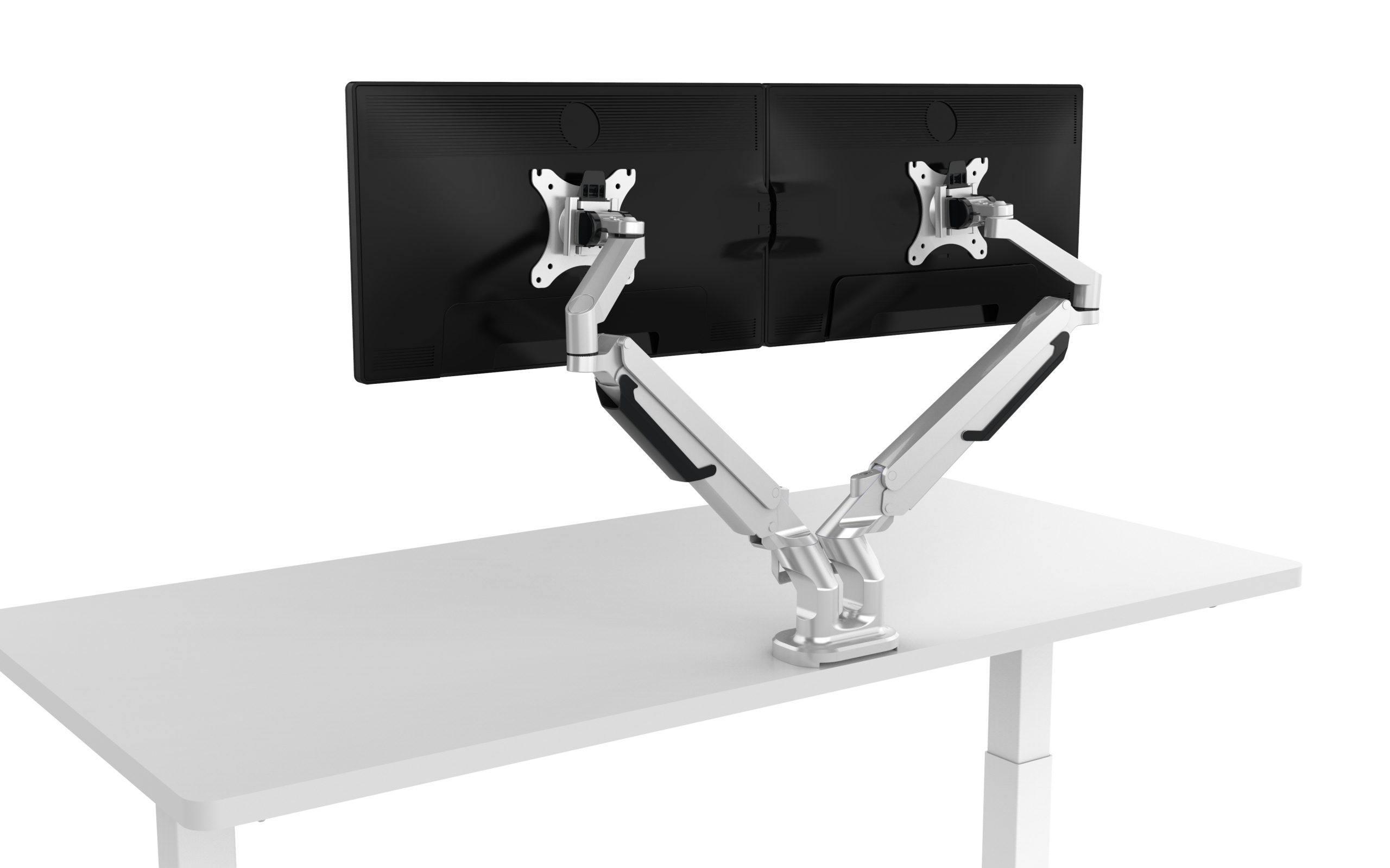
Look closely at materials, joints, warranty terms, and replacement parts. A desk that wobbles after six months is not a bargain. Adjustable chairs should support different body sizes, while cable trays and monitor arms should remain stable under daily use. The 2024 Global Workplace Survey found that employees value varied work settings, not only attractive desks. Design must support focus, video calls, storage, and short breaks.
Pricing needs a complete calculation. Add delivery, assembly, taxes, and possible replacement costs. A low-cost product may become expensive when parts are unavailable. Customization is valuable when it solves a real problem, such as a narrow room or shared workstation. Ask for material samples, exact dimensions, load ratings, and production timelines. I would not trust perfect showroom photographs alone. Our first shortlist was too cheap, and that mistake was useful. Suppliers that explain limitations often appear more reliable than those promising unlimited options. Data from the International Facility Management Association also emphasizes adaptable workplaces, although furniture alone cannot fix poor planning.
When comparing ten global home office furniture suppliers, shipping policies reveal more than delivery speed. Check whether prices include room-of-choice delivery, assembly, duties, and return collection. A large desk arriving in three cartons may need two people and a narrow stairway. Ask for packaging dimensions before ordering. Regional warehouses usually reduce transit distance and damage risk. Some sellers promise fast dispatch but provide vague tracking. That delay matters.
Sustainability requires evidence, not attractive wording. Look for certified timber, recycled steel, low-emission finishes, and replaceable components. Ask whether packaging uses molded pulp instead of excessive foam. Claims can sound impressive. I have learned that a durable chair with available parts may be greener than a cheaper recycled product. Still, supplier reports are not always complete, so comparisons deserve caution.
Warranty terms should state coverage periods, labor limits, and exclusions for commercial use. A five-year frame warranty may exclude fabric, hydraulics, or shipping damage. Customer support should answer practical questions before payment. Send a simple question about replacement parts and delivery changes. Reliable teams provide clear timelines and written instructions. Slow replies are warning signs. One weakness in my own comparison is that support quality can vary by country and season. Real-world service is rarely perfect.
Shipping, sustainability, warranty, and customer support comparison based on an anonymized composite benchmark of publicly stated supplier policies. Scores are normalized from 0 to 100; higher scores indicate stronger overall performance.
The benchmark combines shipping transparency and delivery coverage, sustainability disclosures, warranty length and clarity, and the availability of customer support channels.