skip to content
Morepages
Toggle more

Head Office


Tayco Office Furnishings Inc.
400 Norris Glen Rd.
Toronto, ON M9C 1H5
T: (416) 252-8000
T: (800) 675-4092
F: (416) 252-4467
[email protected]

10 Tips for Buying Funky Office Furniture

Choosing funky office furniture is not just about finding a bright chair or a desk with an unusual shape. The right pieces can express a company’s character while supporting everyday work. The wrong ones can wobble, crowd a walkway, or look tired after a few months. Small choices matter.

There is useful context in industry research. Gensler’s 2024 Global Workplace Survey gathered responses from more than 16,000 workers across 15 countries, offering a broad view of how people experience their workplaces. The report does not prove that bold furniture improves performance. That distinction matters. Furniture should be judged for comfort, durability, flexibility, and fit—not color alone. Charles Eames, the influential furniture designer, put the role of detail plainly: “The details are not the details. They make the design.”

This guide turns those ideas into practical buying questions. Does the chair support long stretches at a screen? Can a sculptural side table survive daily use? Will a vivid sofa still work beside existing lighting and flooring? Measure the room, check materials, and ask about cleaning and warranties before ordering. Looks are not enough. And honestly, a piece that photographs beautifully may feel awkward in a busy office. The ten tips ahead help balance personality with function, so funky office furniture feels intentional rather than simply loud.

10 Tips for Buying Funky Office Furniture

Understanding Funky Office Furniture and Its Key Features

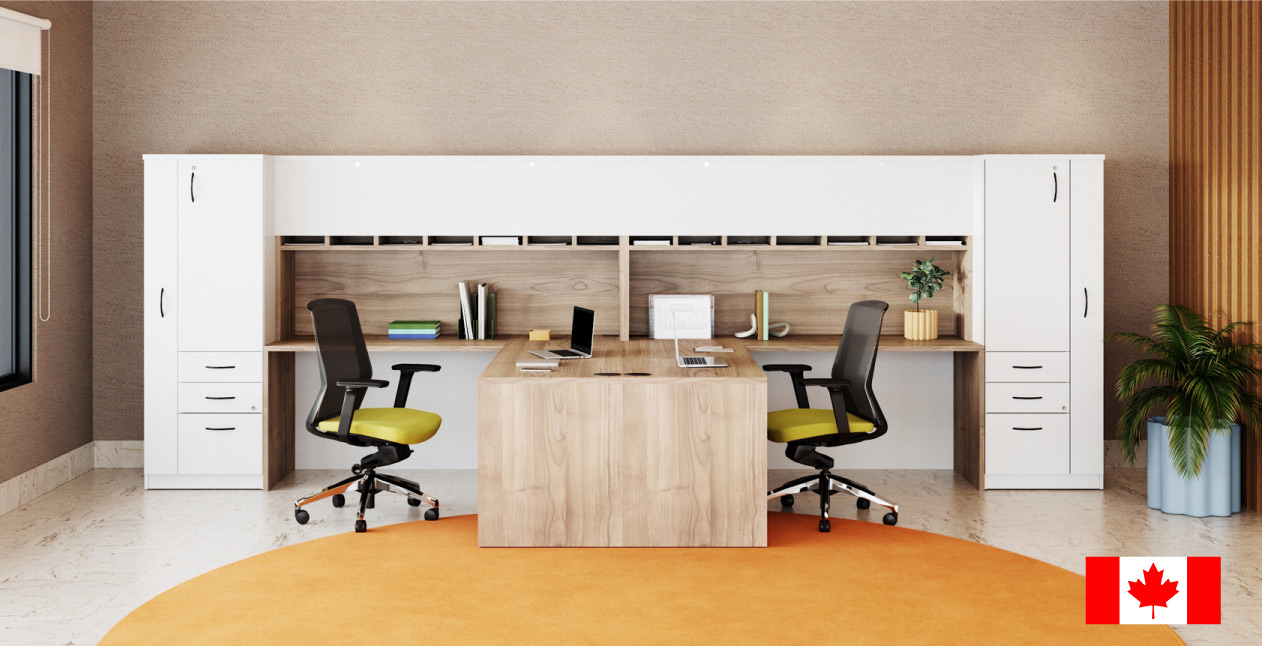
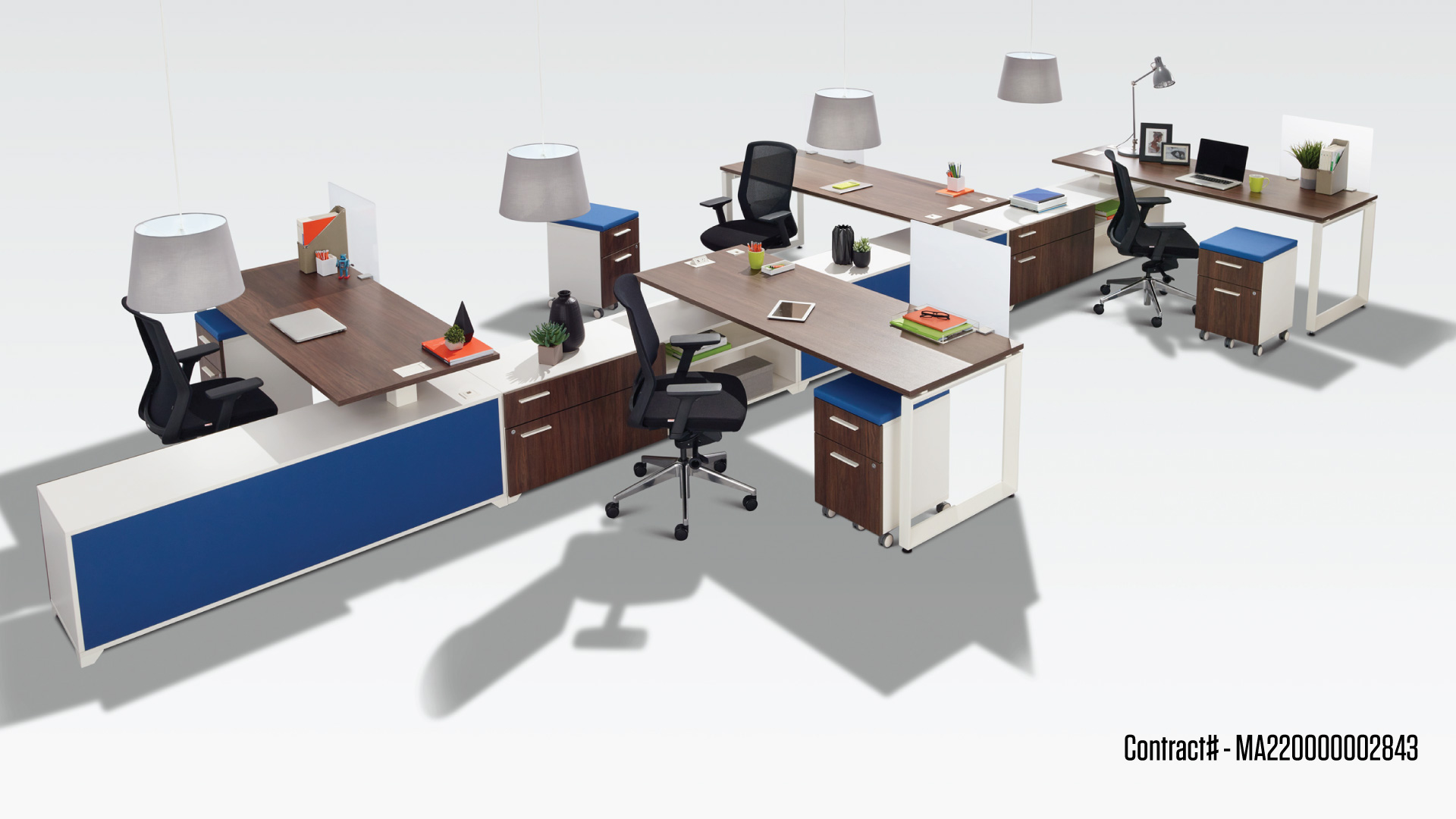
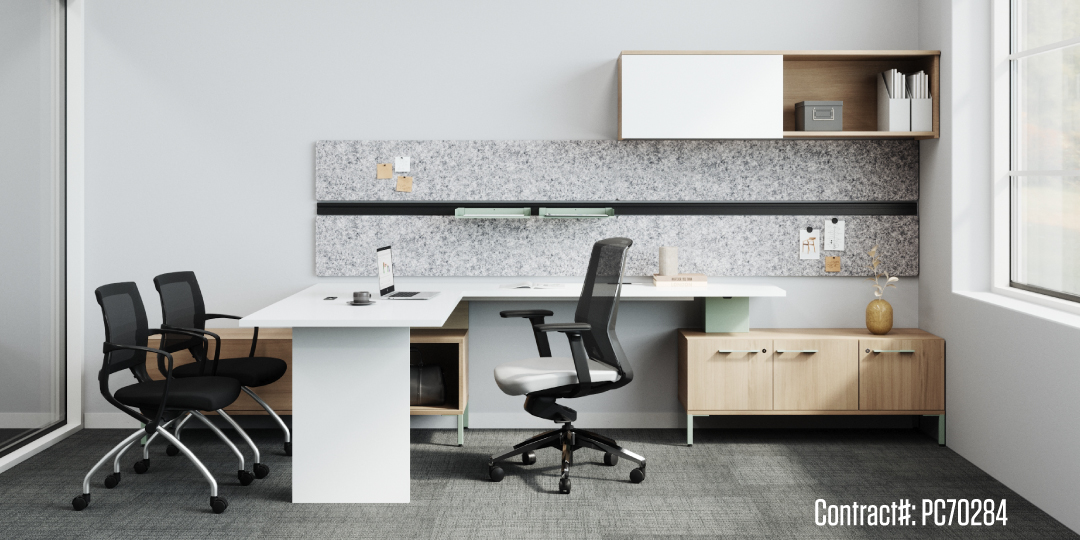
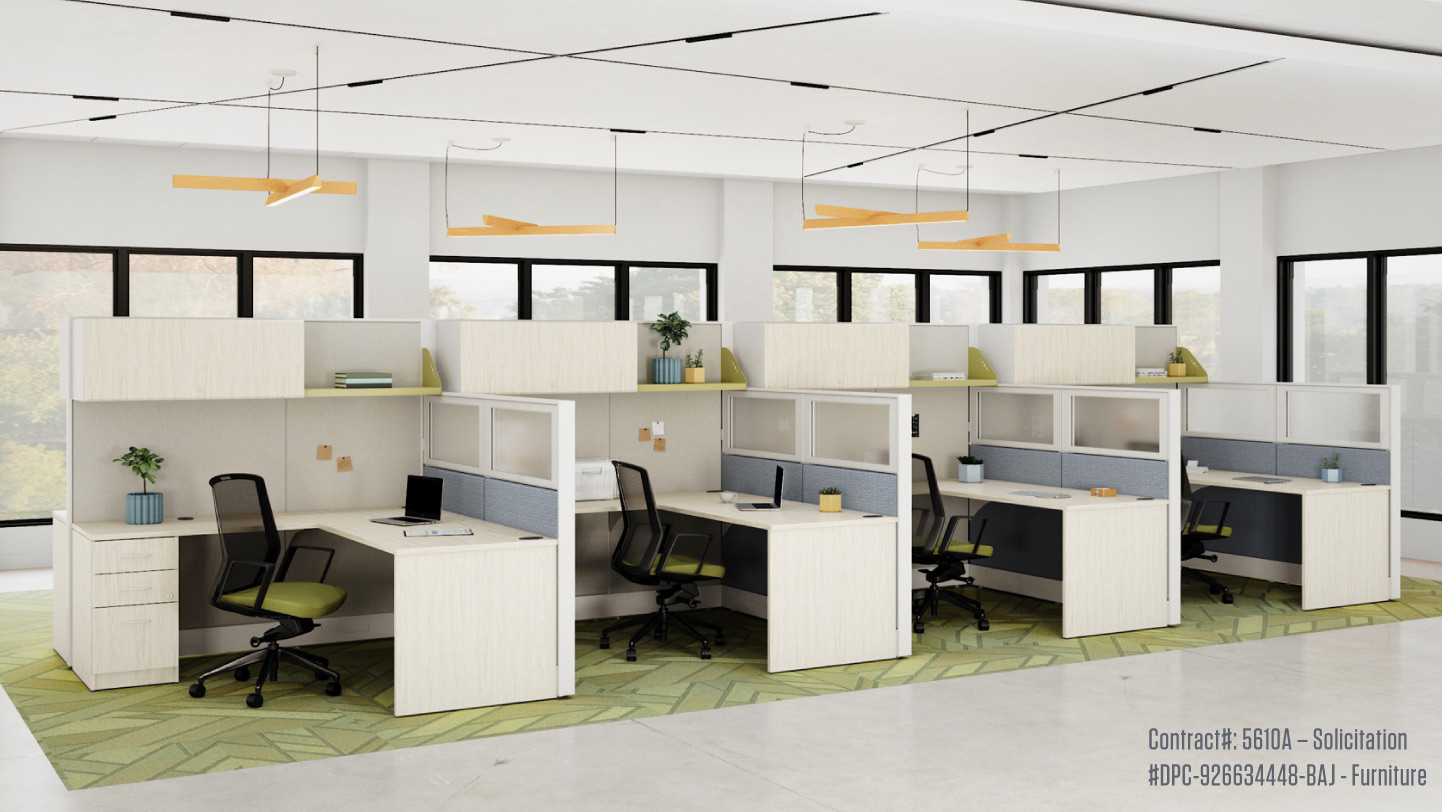
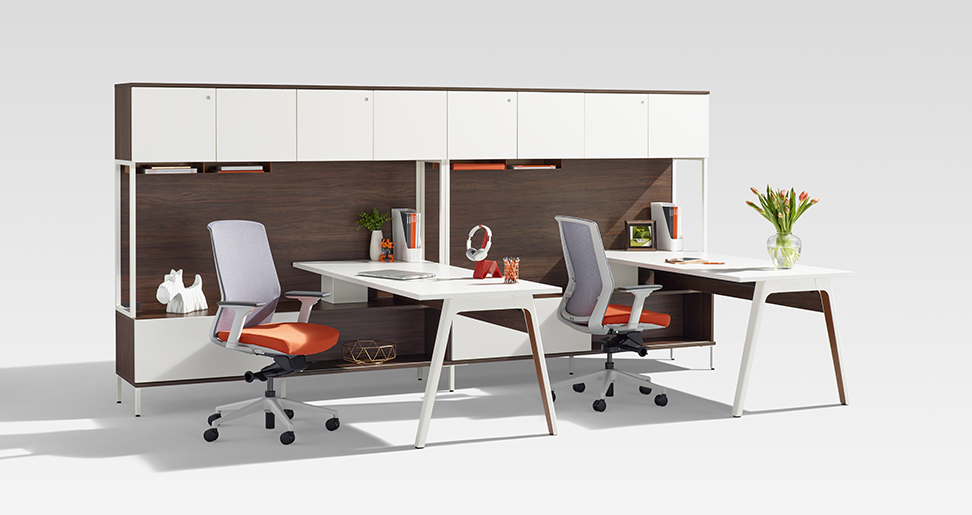
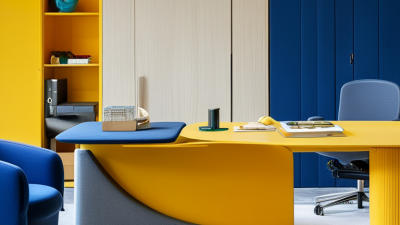
Funky office furniture pairs practical use with expressive shapes, vivid colors, or unexpected materials. A curved desk, a mustard-yellow chair, or a lamp with an angular shade can change a room’s mood. The style is not simply loud. Its strongest pieces still support daily tasks and fit the people using them. Looks matter. So does comfort.

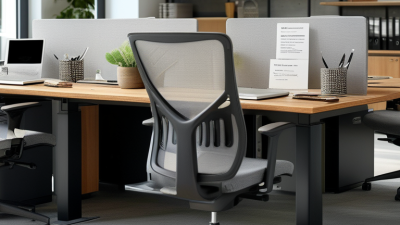
Notice how a chair supports your back during a full work session, not just during a quick sit. Check whether its height works with your desk and whether its arms slide underneath. For desks, look at surface depth, cable access, and legroom. A sculptural base may look striking but leave little space for storage. Measure the room, including doorways and walking paths, before choosing an oversized piece.

Materials and construction shape how well distinctive furniture holds up. Run a hand along edges and seams; inspect joints for wobble, and ask how upholstery handles routine cleaning. Strong color can be memorable, but it may be harder to coordinate after a room changes. I would avoid choosing every item as a statement piece. That can make a workspace feel busy, even when each object looks appealing on its own. A single unusual chair or bright cabinet often gives the room character while keeping it usable.

Assessing Workspace Needs, Layout, and Practical Requirements

When buying funky office furniture, map the work before choosing the look. Gensler Research Institute’s 2024 Global Workplace Survey included more than 16,000 office workers across 15 countries. That scale is a useful reminder: a reception area, a design team, and a call-heavy desk zone have different needs. List daily tasks, users, storage, and equipment. Start with measurements.

Mark door swings, accessible routes, outlets, and chair pull-back space with floor tape. Check that a sculptural desk does not block a filing cabinet or turn a walkway into a squeeze point. Test a chair for a full work session, not just a quick sit. Odd shapes can create dead corners. Style can mislead; recheck the layout after a week of real use.

Match materials and finishes to actual maintenance demands. A pale fabric seat may show marks quickly near a coffee station, while a glossy tabletop can reflect task lighting. Note cleaning routines, cable access, delivery dimensions, and assembly needs before ordering. Keep a little flexibility, too: teams change, and a fixed built-in nook may not. I would rather leave one useful corner plain than fill every gap with furniture.

Choosing Colors, Shapes, and Styles That Suit the Office

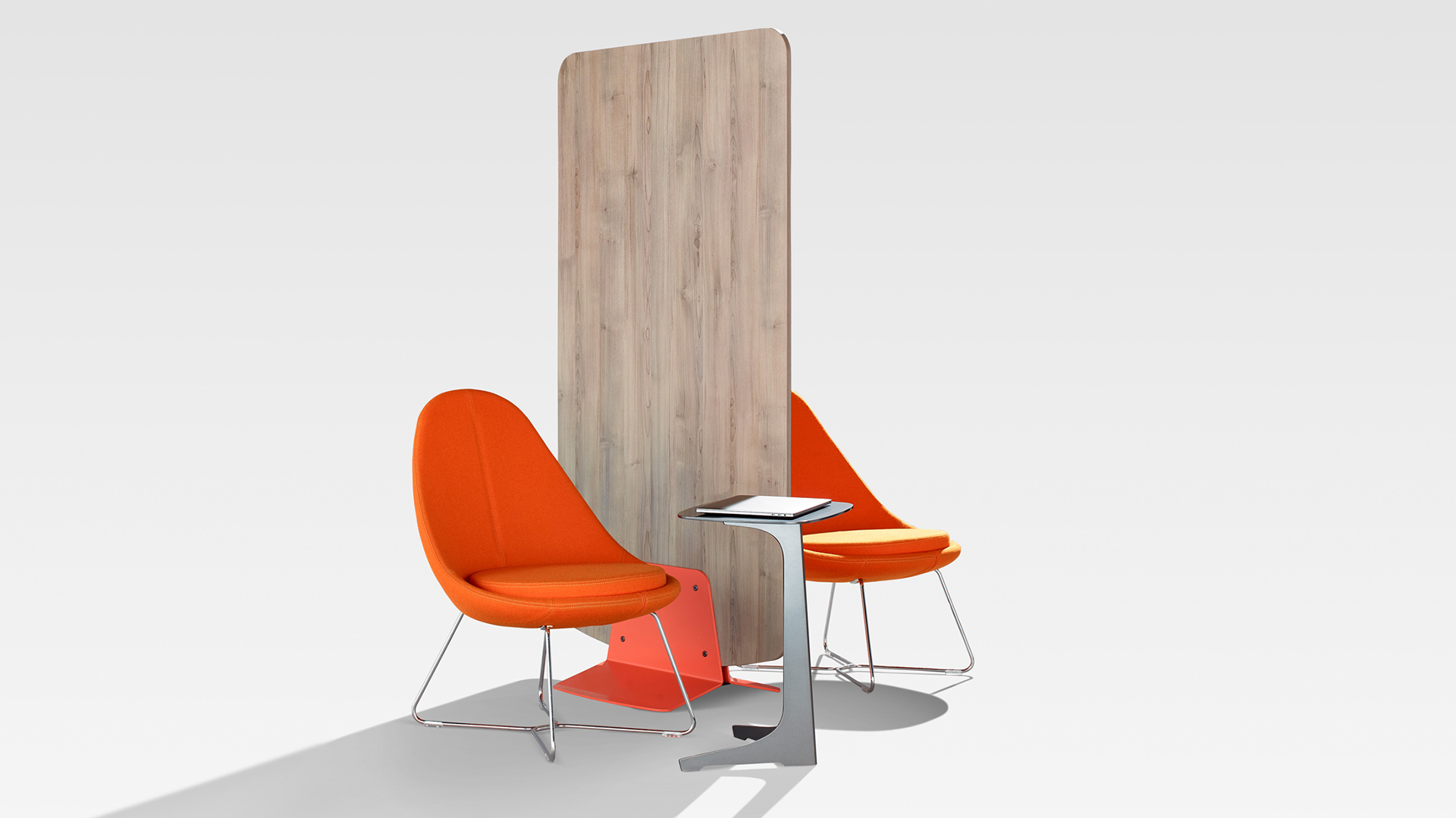
Funky office furniture should add energy without making the room tiring to use. Start with the colors already present, such as pale walls, wood floors, or a bright window frame. Then choose one strong accent, like a cobalt chair or a mustard side table. Keep larger pieces quieter if the office is small. Less can be louder.

Shapes change how a workspace feels. A rounded lounge chair can soften a room filled with straight desks, while an angular shelf adds structure to an open corner. Check the walking space before buying unusual forms; sculptural legs can look striking but snag bags or block chair movement. Measure doorways, too. It is an easy detail to miss.

Mix styles with a simple thread connecting them: similar wood tones, repeated colors, or a shared metal finish. A playful chair beside a plain desk often feels intentional, while several competing patterns may feel restless. Test fabric samples in the actual room, since daylight can shift their appearance. I once thought a vivid green would brighten a dim corner; against the wall, it looked muddy. Test it first. Choose materials that tolerate daily cleaning, and make sure the seat supports comfortable posture through a full work session.

Evaluating Comfort, Materials, Durability, and Maintenance

A bold chair can brighten a plain office, but comfort matters after the novelty fades. Sit in it for at least fifteen minutes, if possible. Check that your feet rest flat and the seat edge does not press behind your knees. Adjustable arms can help during long typing sessions, though they may make a compact desk feel cramped. Looks are persuasive.

Materials affect both feel and upkeep. Upholstery samples reveal more than a screen can: rub a corner gently and check whether the texture snags. Tight weaves often handle everyday friction better than delicate, looped fabrics. For wood or metal frames, inspect joints, welds, and fasteners. A slight wobble in a showroom may become irritating at home. Ask for weight limits and care instructions rather than guessing from appearance.

Durability is not always obvious. A chair can feel sturdy but still have parts that are difficult to replace. Check whether wheels, glides, or cushions can be serviced separately. Then consider maintenance honestly: pale fabric may show coffee quickly, while textured surfaces can trap dust. I once chose a striking finish without thinking about cleaning; it looked less clever by week two. Choose a material you can maintain with ordinary tools and products. Leave room for your habits to change.

Comparing Prices, Suppliers, Delivery, and Return Policies

Funky office furniture should delight you after the invoice arrives, too. Compare the full landed cost, not just the listed price: include assembly, freight, stairs, and disposal of packaging. Request itemized quotes with matching dimensions and materials. A lower price can hide a longer lead time or a costly return. Get it in writing. The 2024 Gensler Global Workplace Survey gathered responses from more than 16,000 workers across 15 countries, a reminder that workplace needs vary widely. For a small office, measure doorways and lift interiors before ordering that sculptural desk. A tape measure is less exciting than a neon chair, but it saves headaches.

Ask suppliers for current stock status, dispatch dates, and delivery-day requirements. “Ships in two weeks” may mean dispatch, not arrival. Confirm whether the crew brings items inside, assembles them, and removes cartons. Check return windows, restocking fees, and who pays return freight before opening everything. Photograph damage as soon as it arrives. Funky finishes can also look different under cool office lighting, so request a sample when possible. I would not choose color from a tiny screen image alone; it is an easy detail to underestimate. If a supplier cannot explain its policy plainly, pause before paying. A bargain with vague terms is not much of a bargain.

10 Tips for Buying Funky Office Furniture — Comparing Prices, Suppliers, Delivery, and Return Policies

Planning guide: the USD price bands and delivery estimates below are indicative ranges for common U.S. retail purchases, not live quotes or guarantees. Costs, shipping times, and return terms vary by item, location, and seller; confirm them before ordering.

Tip Furniture to Compare Indicative Price Range (USD) Supplier Type to Consider Typical Delivery Considerations Return Policy Checks
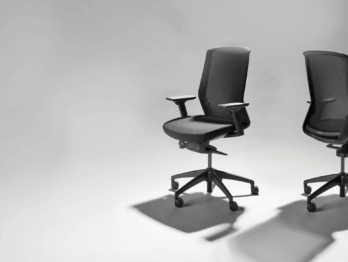
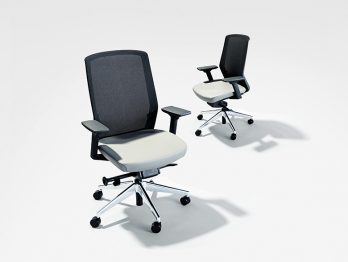
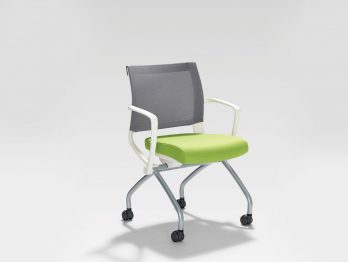
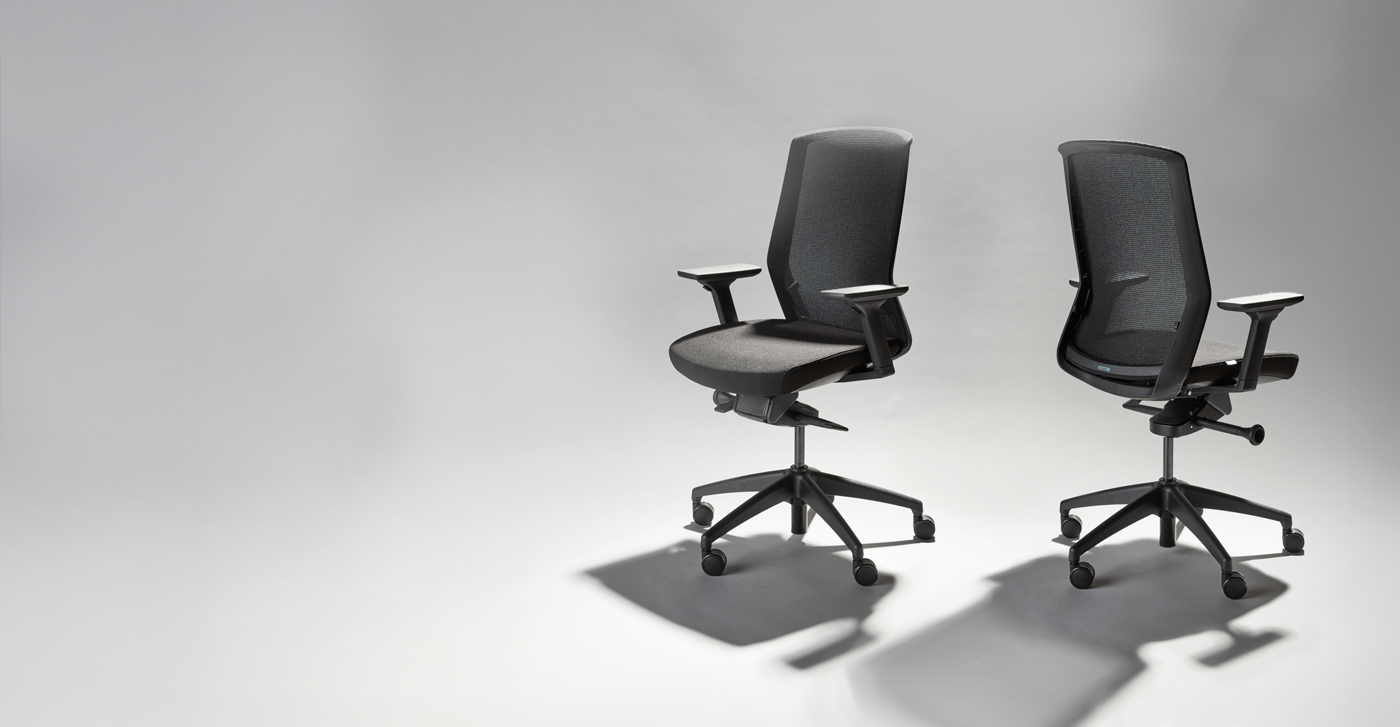
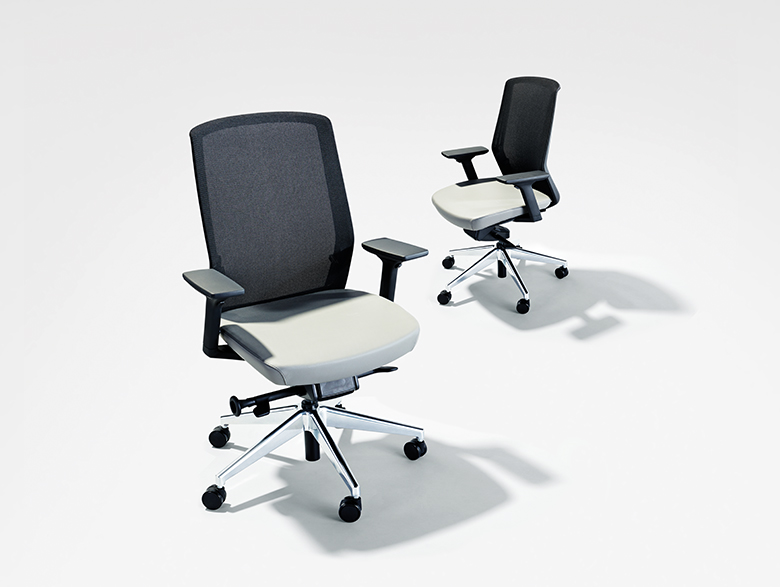
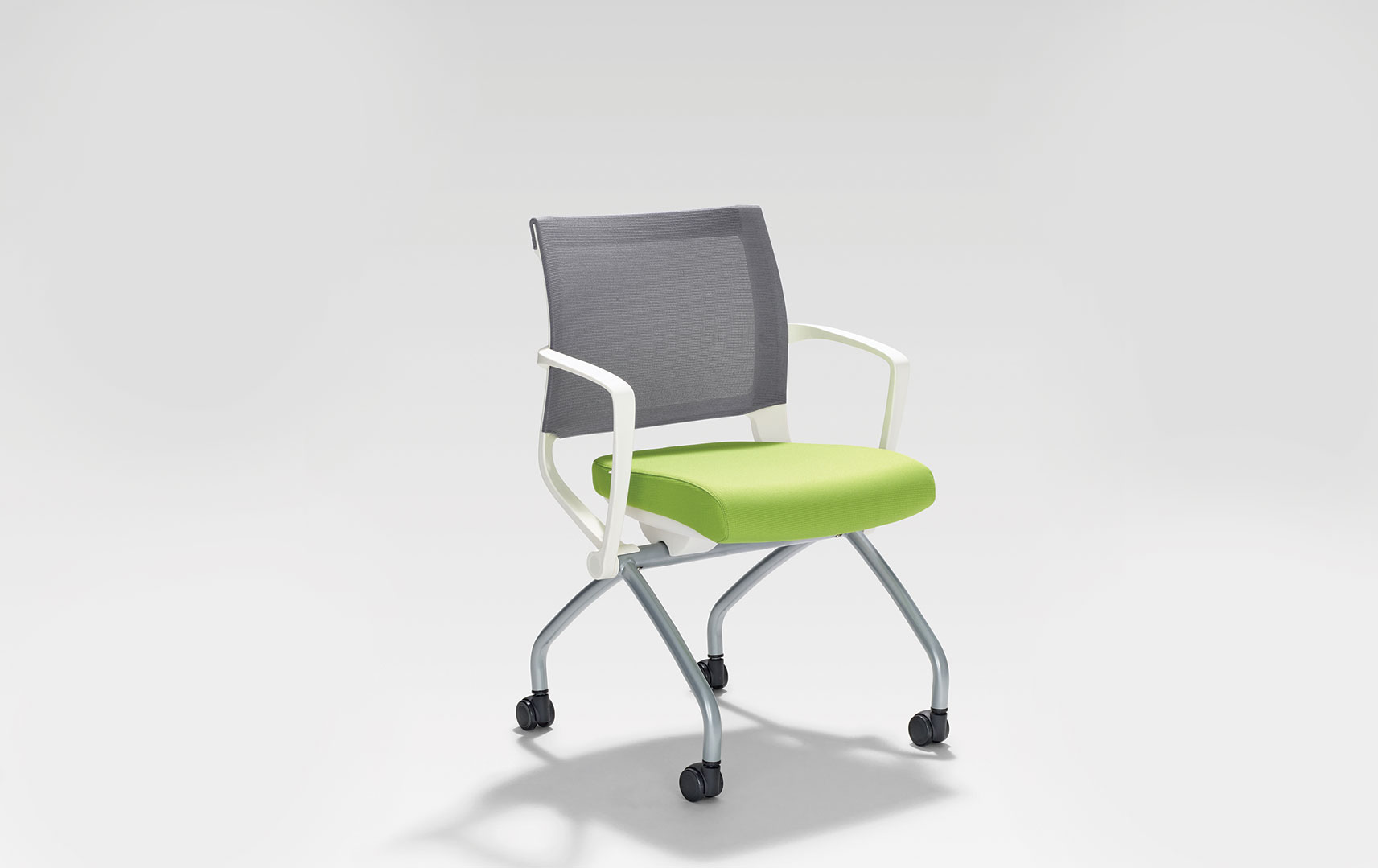
1 Colorful task chair $150–$600 Office-furniture retailer or online furniture seller Check whether the chair arrives assembled or requires assembly; parcel delivery commonly takes several business days to a few weeks. Confirm the return window, return-shipping cost, and whether used or assembled chairs can be returned.
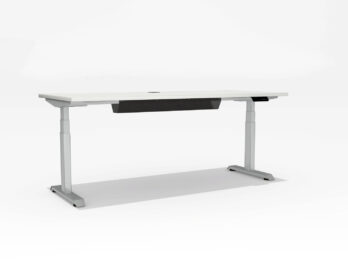
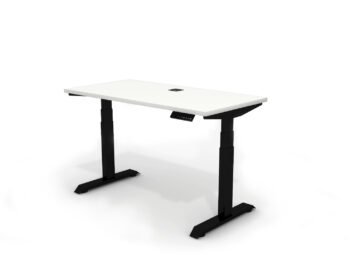
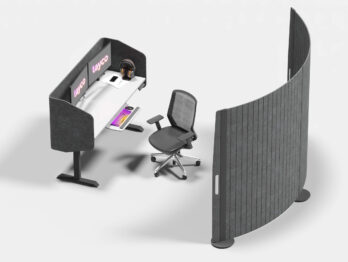
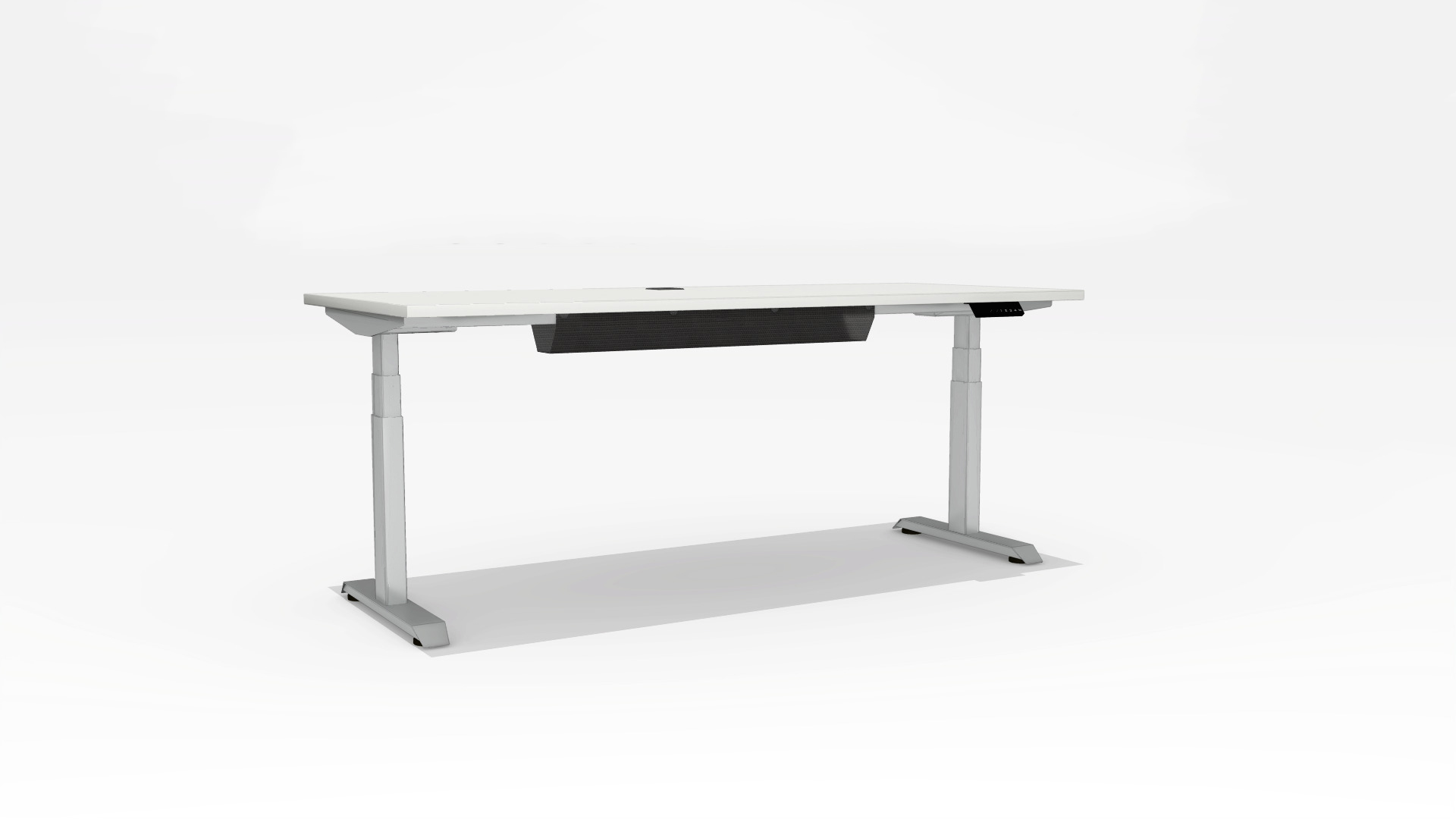
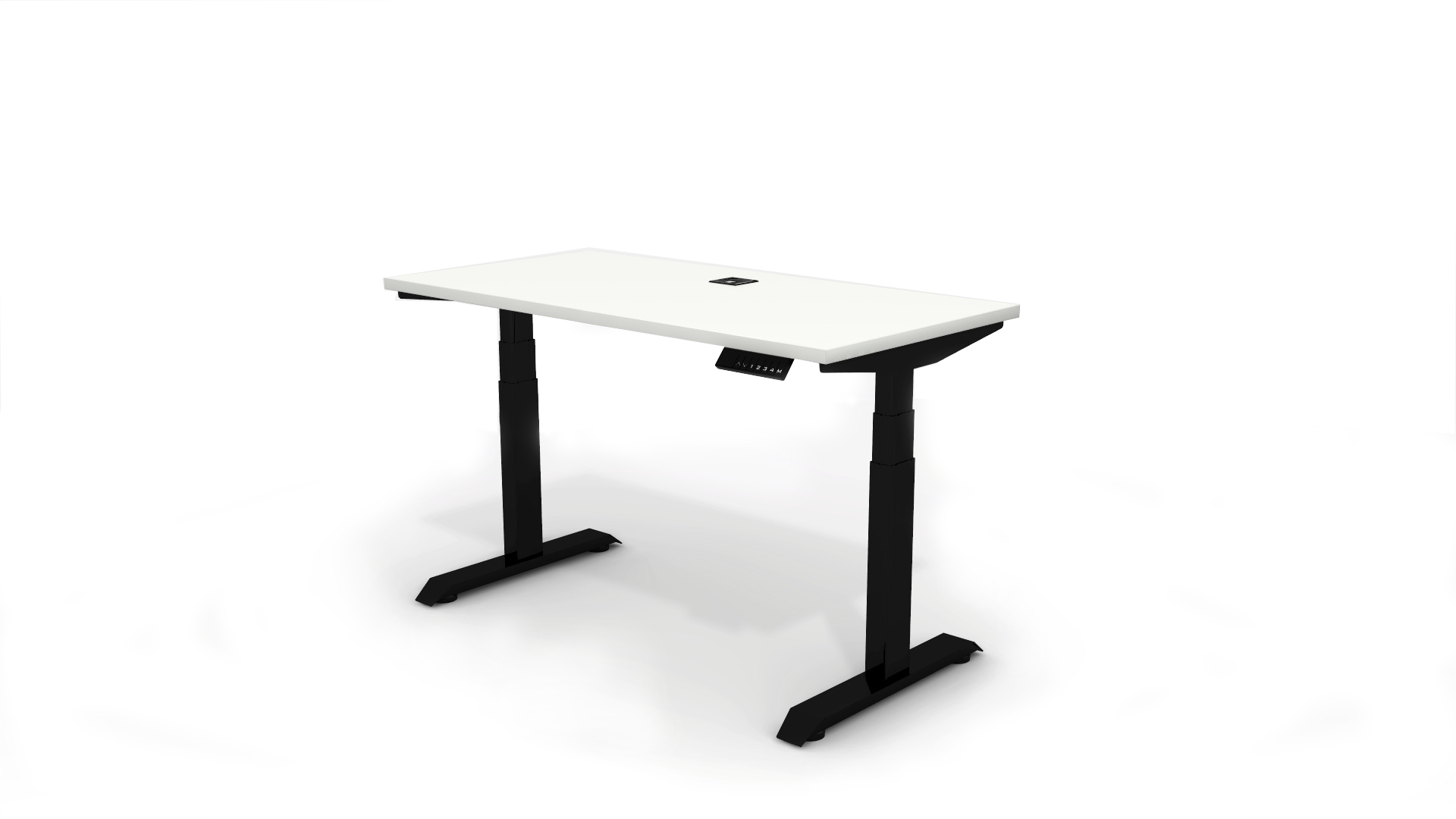
2 Height-adjustable desk $300–$1,200 Office specialist or furniture retailer with a clear warranty and service policy Heavy cartons may arrive separately; ask about room-of-choice delivery, assembly, and stair access. Check restocking fees, pickup arrangements for large items, and whether the desk must be returned in its original packaging.
3 Modular lounge seating $500–$2,500 per section Commercial furniture dealer or retailer offering modular components Made-to-order upholstery may take several weeks; confirm the full delivery estimate before buying matching pieces. Ask whether custom colors or fabrics are final sale and whether individual modules can be returned separately.
4 Statement bookcase or display shelf $150–$900 Furniture retailer, local maker, or secondhand furniture seller Compare flat-pack parcel delivery with assembled-item freight; check package dimensions and doorway clearance. For used items, inspect the item in person or request current photos; clarify how damage or missing hardware is handled.
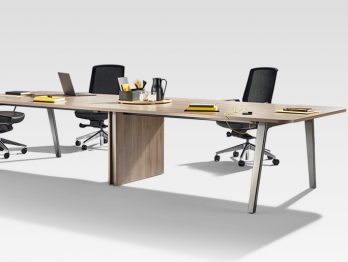
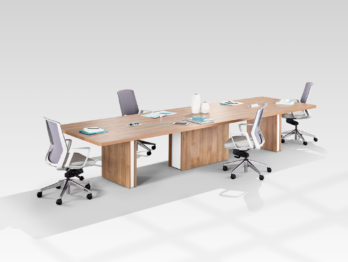
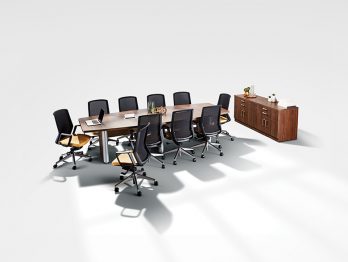
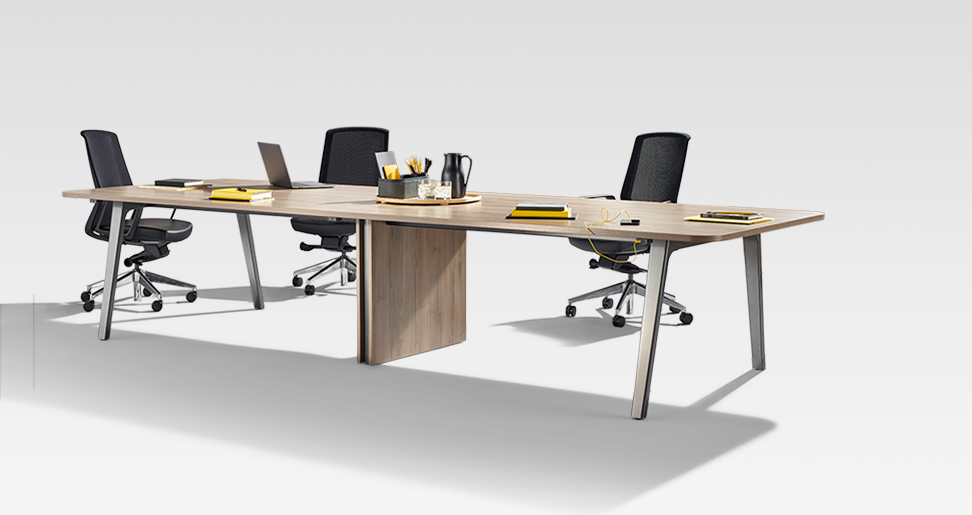
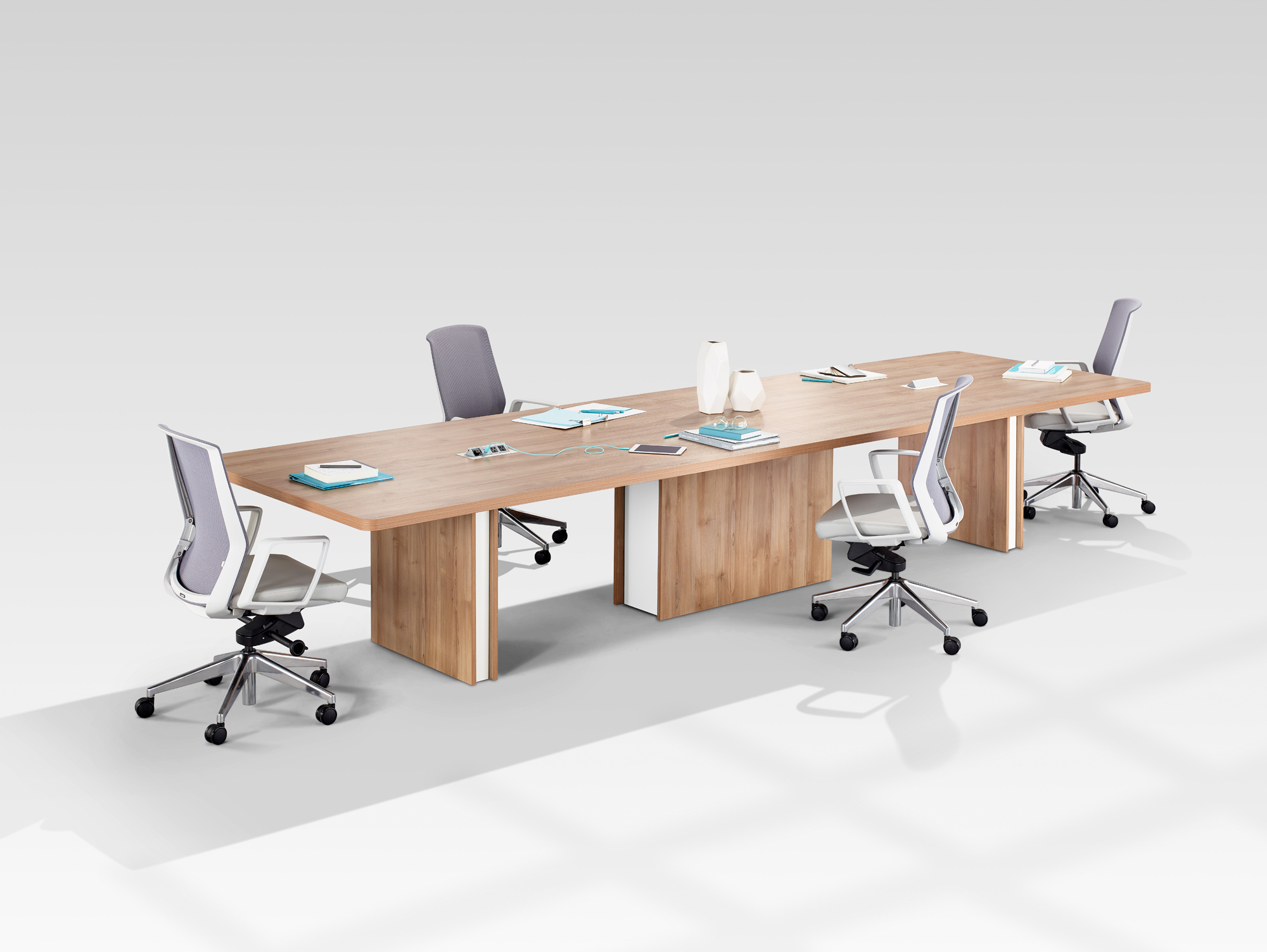
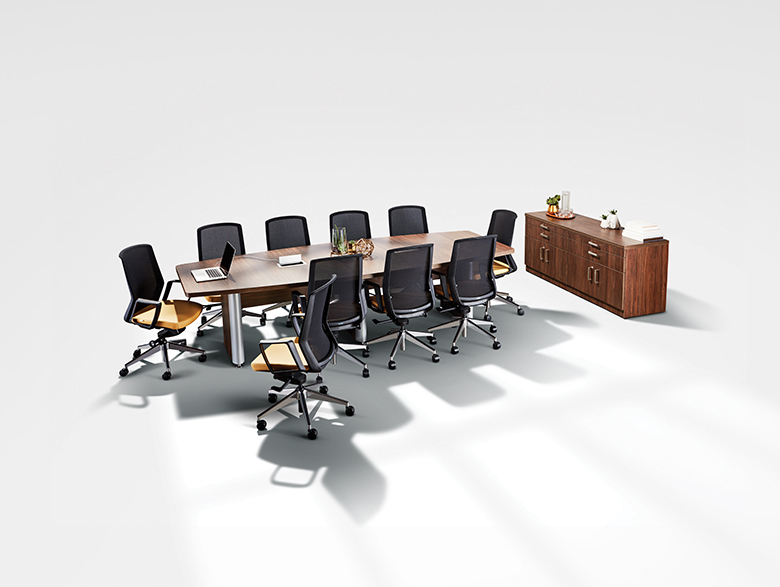
5 Unusual conference table $700–$3,500 Commercial furniture dealer or local workshop Freight delivery may require a scheduled appointment; ask whether unloading and installation are included. Confirm cancellation deadlines for made-to-order tables and document the condition at delivery.
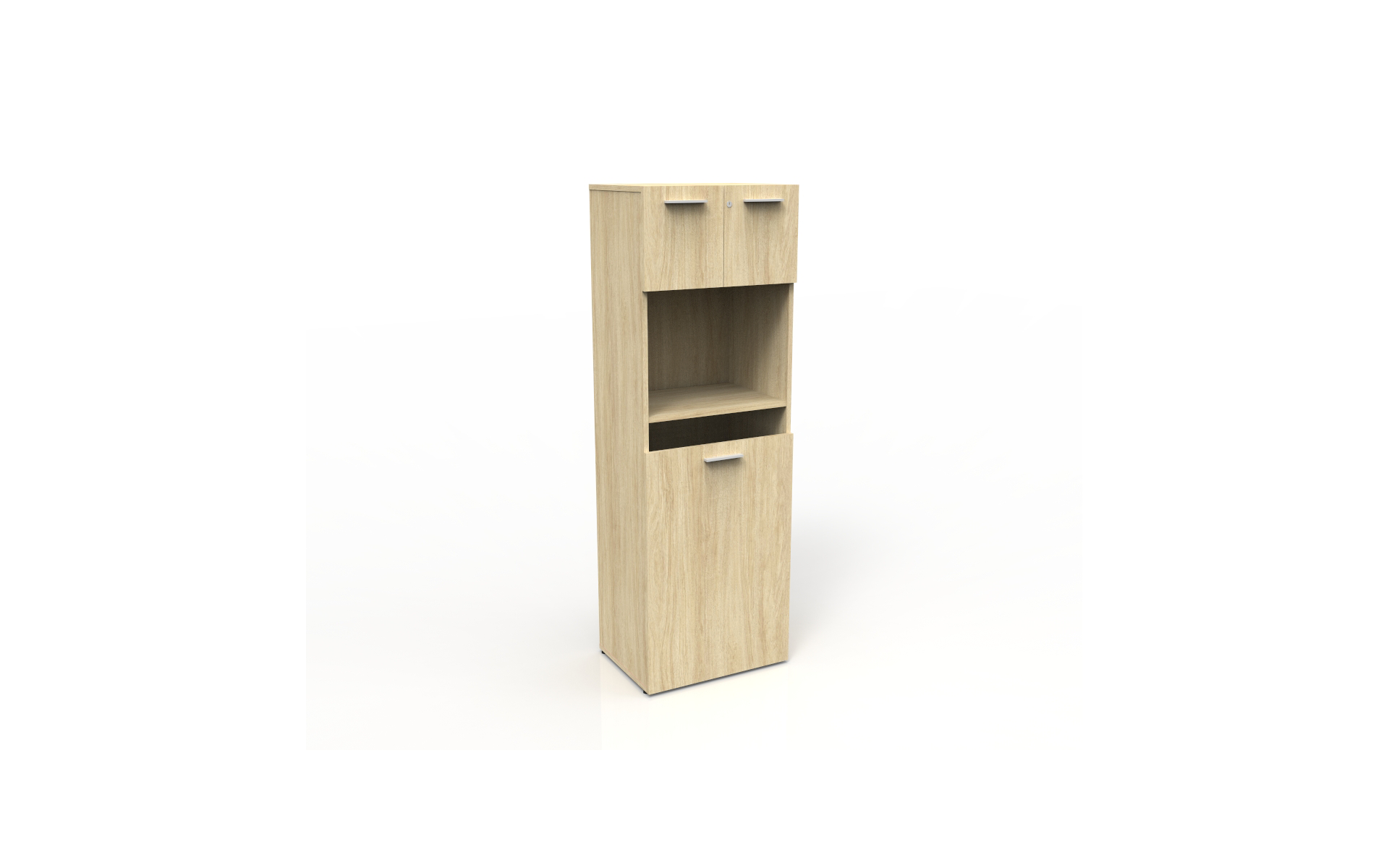
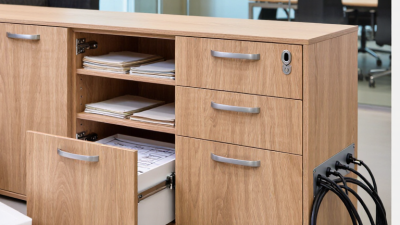
6 Colorful storage cabinet $120–$700 Office-supply retailer or general furniture seller Check assembled dimensions, weight, and whether delivery includes carrying the cabinet inside. Verify the return period, packaging requirements, and process for reporting dents or shipping damage.
7 Accent lamp or desk light $30–$250 Lighting retailer or furniture seller with product specifications Small-item parcel shipping is common; check bulb compatibility, plug type, and whether a bulb is included. Check whether opened lighting products are returnable and how defective electrical components are covered.
8 Patterned area rug $100–$800 Rug retailer or home-furnishing seller offering material and size details Confirm the rolled package dimensions, delivery method, and whether the rug may need time to flatten after unpacking. Ask about return shipping for bulky rugs and whether a trial period has conditions such as keeping the rug clean.
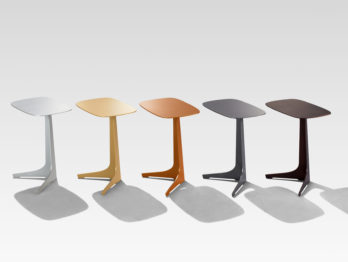
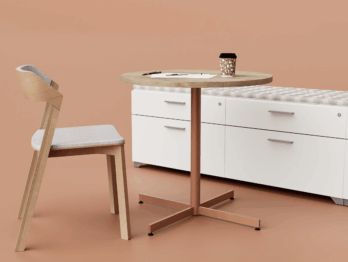
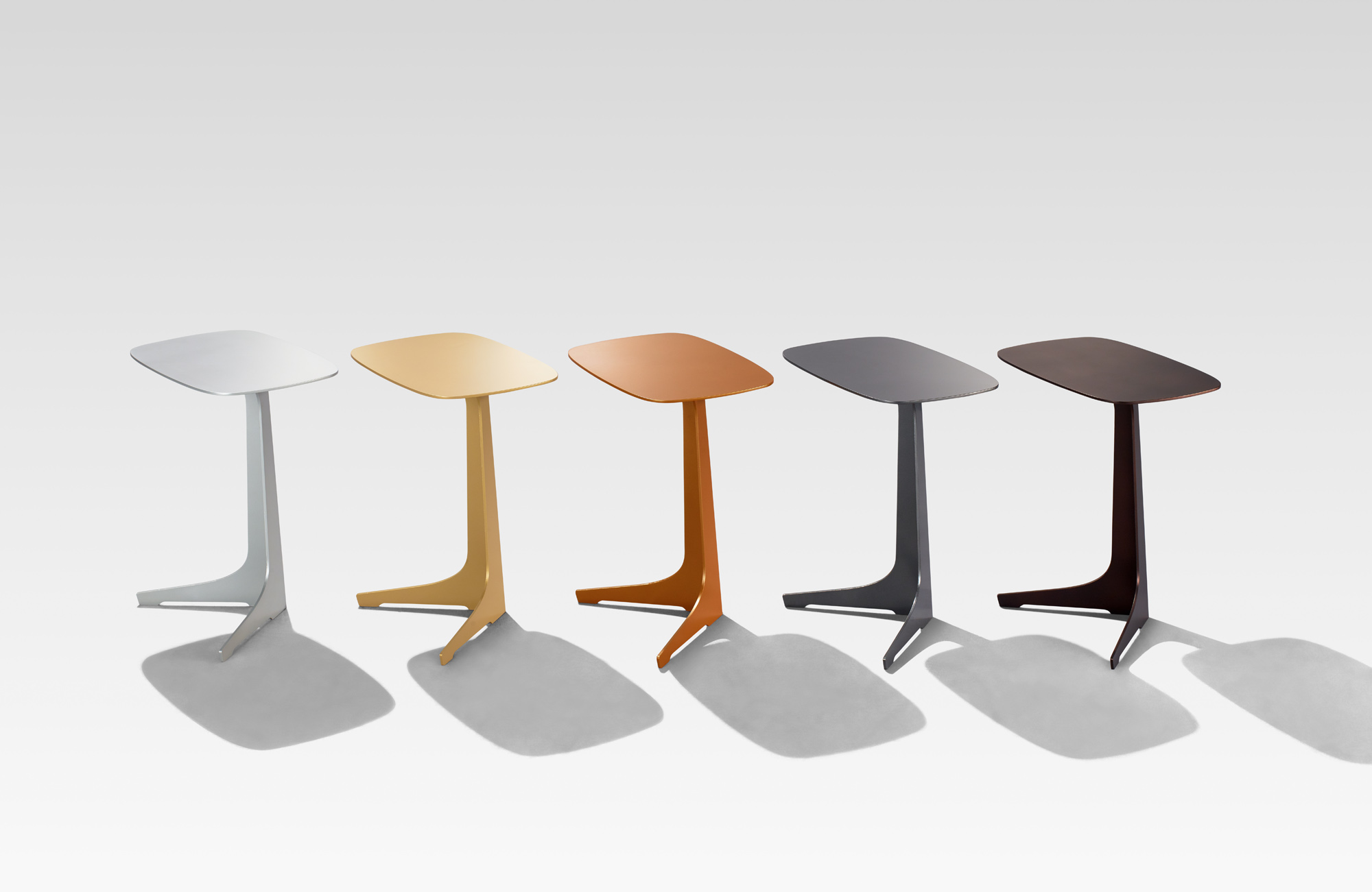
9 Small occasional table $80–$500 Furniture retailer, local maker, or secondhand seller Compare parcel delivery with local pickup; check the assembled height and tabletop dimensions. For handmade or vintage pieces, confirm whether natural variations, scratches, or custom finishes affect return eligibility.
10 Coordinated mix of chairs, storage, and accessories $250–$2,000+ for a small office refresh One-stop furniture retailer or multiple suppliers with compatible delivery schedules Compare total delivery charges and arrival dates; staggered shipments can delay a complete room setup. Review the policy for every seller separately, keep receipts and packaging, and compare refund terms with exchange or store-credit options.