skip to content
Morepages
Toggle more

Head Office


Tayco Office Furnishings Inc.
400 Norris Glen Rd.
Toronto, ON M9C 1H5
T: (416) 252-8000
T: (800) 675-4092
F: (416) 252-4467
[email protected]

Why Modern Office Sideboards Matter to Global Buyers?

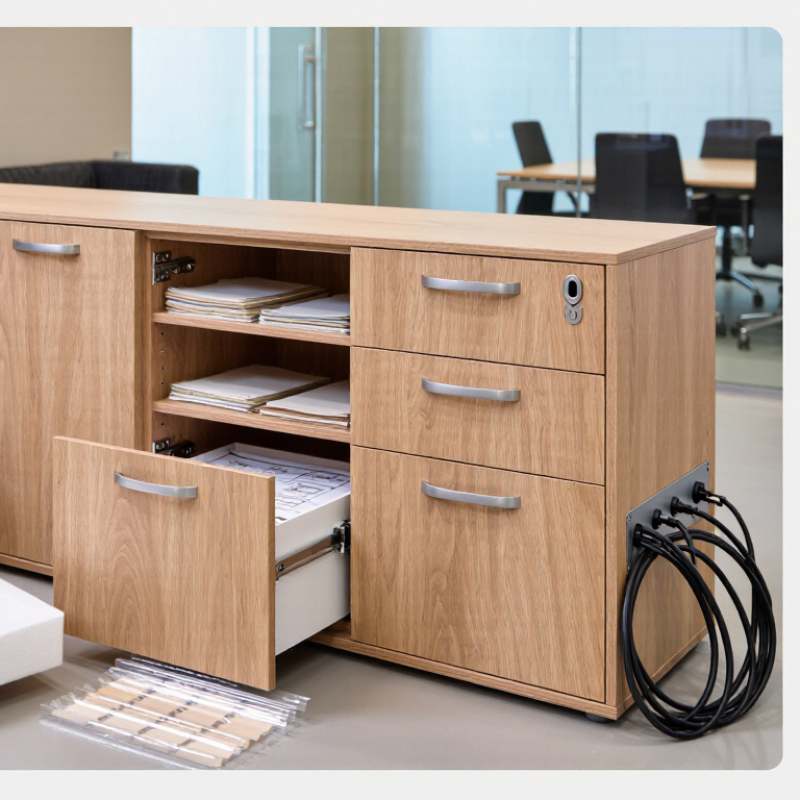
For global buyers, an office sideboard is no longer simple storage furniture. It supports organization, privacy, technology, and workplace presentation. A well-designed modern office sideboard can hide cables, protect documents, and keep shared areas visually calm. These details matter in reception spaces, meeting rooms, executive offices, and flexible work zones.

Professional buyers usually examine more than appearance. They compare board density, surface durability, hardware quality, load capacity, and assembly requirements. They also review supplier experience, production consistency, packaging methods, and replacement-part support. A reliable manufacturer should provide clear specifications, finish samples, product drawings, and realistic delivery information. Certifications may also matter, depending on the destination market and project requirements.

Small details often reveal quality.

For example, soft-close hinges should operate quietly after repeated use. Adjustable shelves should remain stable under everyday files and equipment. A cable opening should look neat, not like an afterthought. Buyers must also consider different office layouts, electrical systems, import procedures, and installation skills across countries. One design may perform well in a showroom but feel inconvenient in a smaller office. That is an important limitation. No product is perfect, and responsible sourcing requires honest comparison. By examining function, materials, supplier evidence, and long-term service, global buyers can choose sideboards with greater confidence. The best decision balances visual appeal, practical performance, budget control, and dependable delivery.
Why Modern Office Sideboards Matter to Global Buyers?

Definition and Core Functions of Modern Office Sideboards

Why Modern Office Sideboards Matter to Global Buyers?

Definition and Core Functions of Modern Office Sideboards

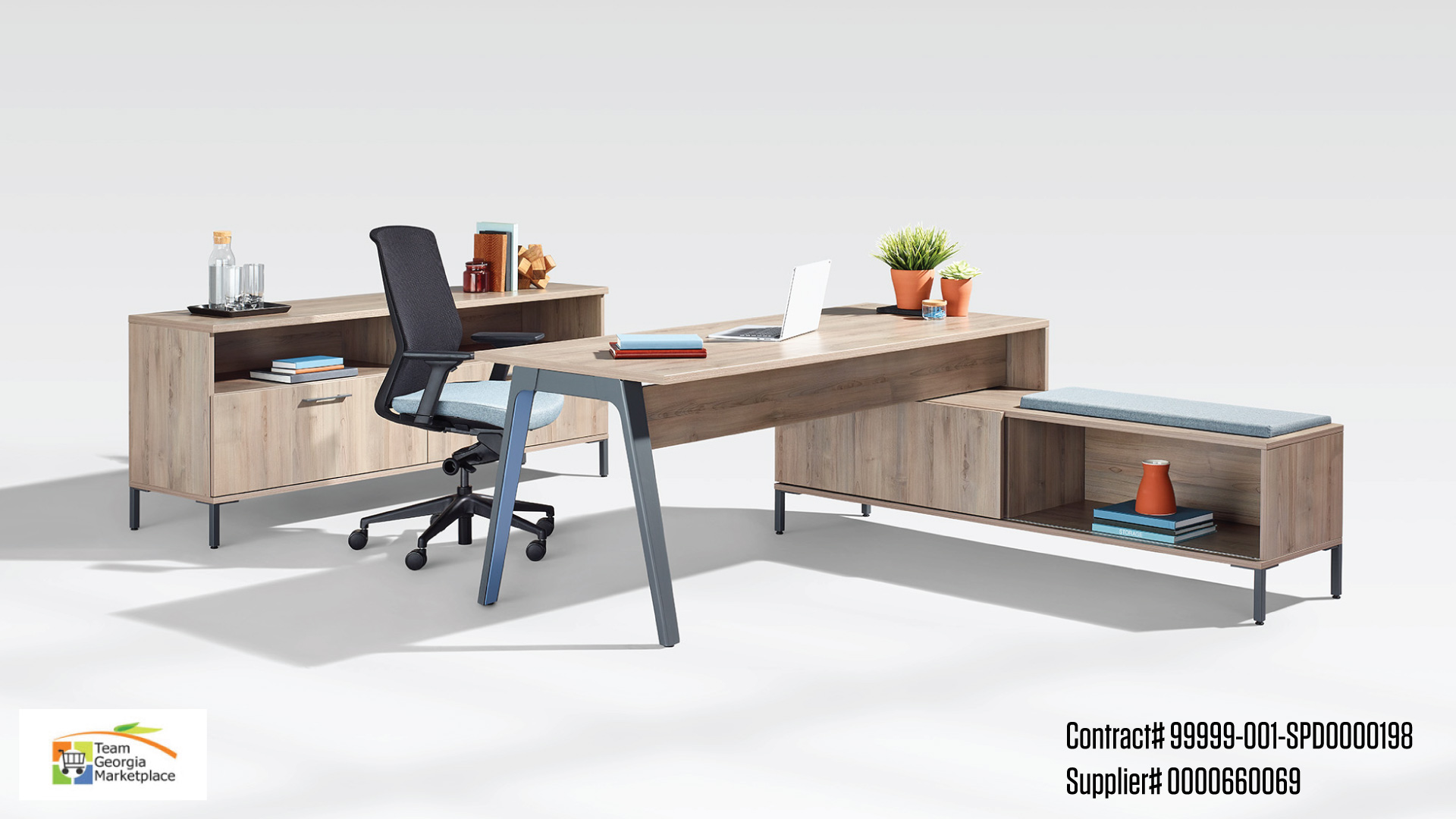
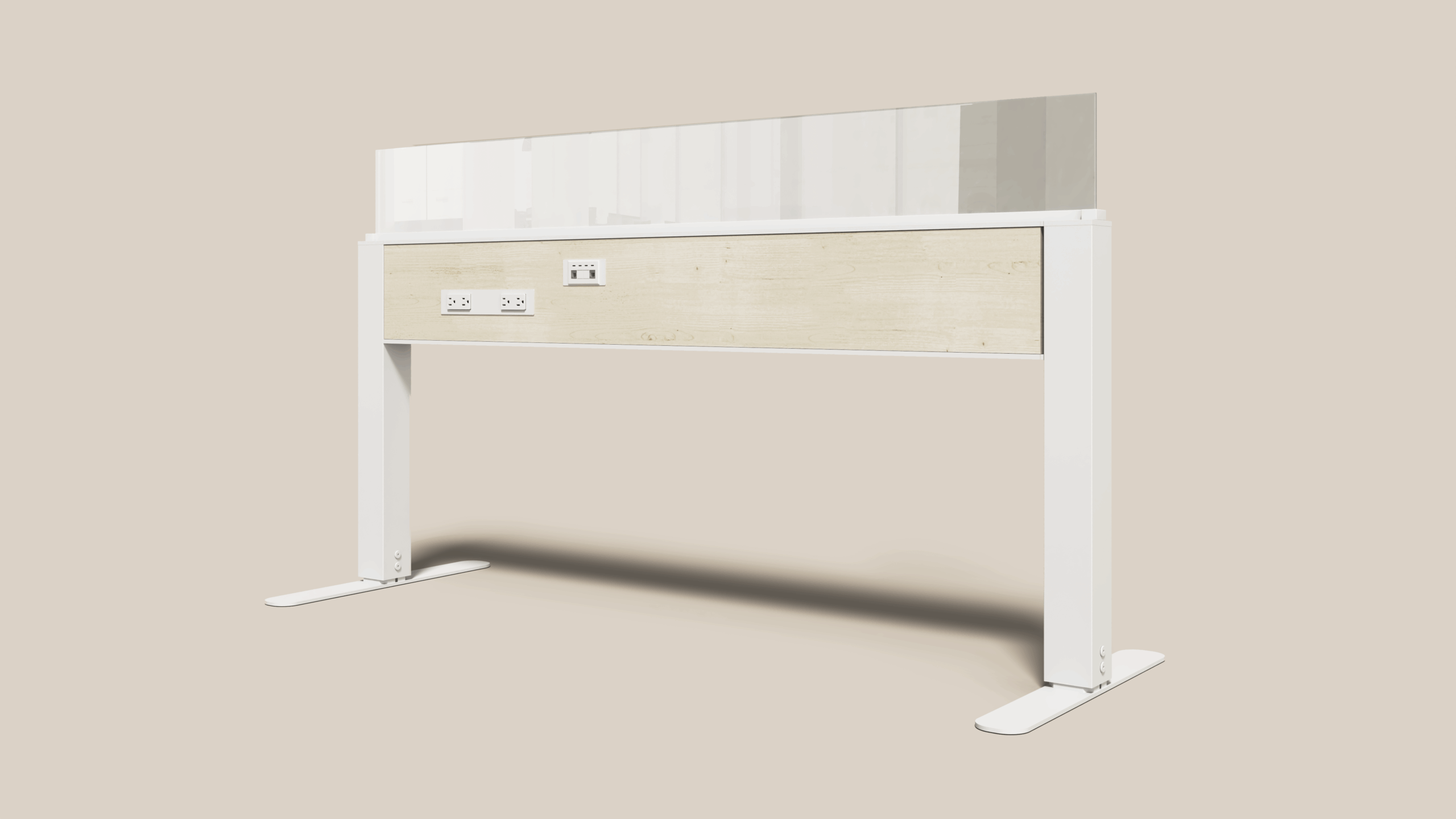
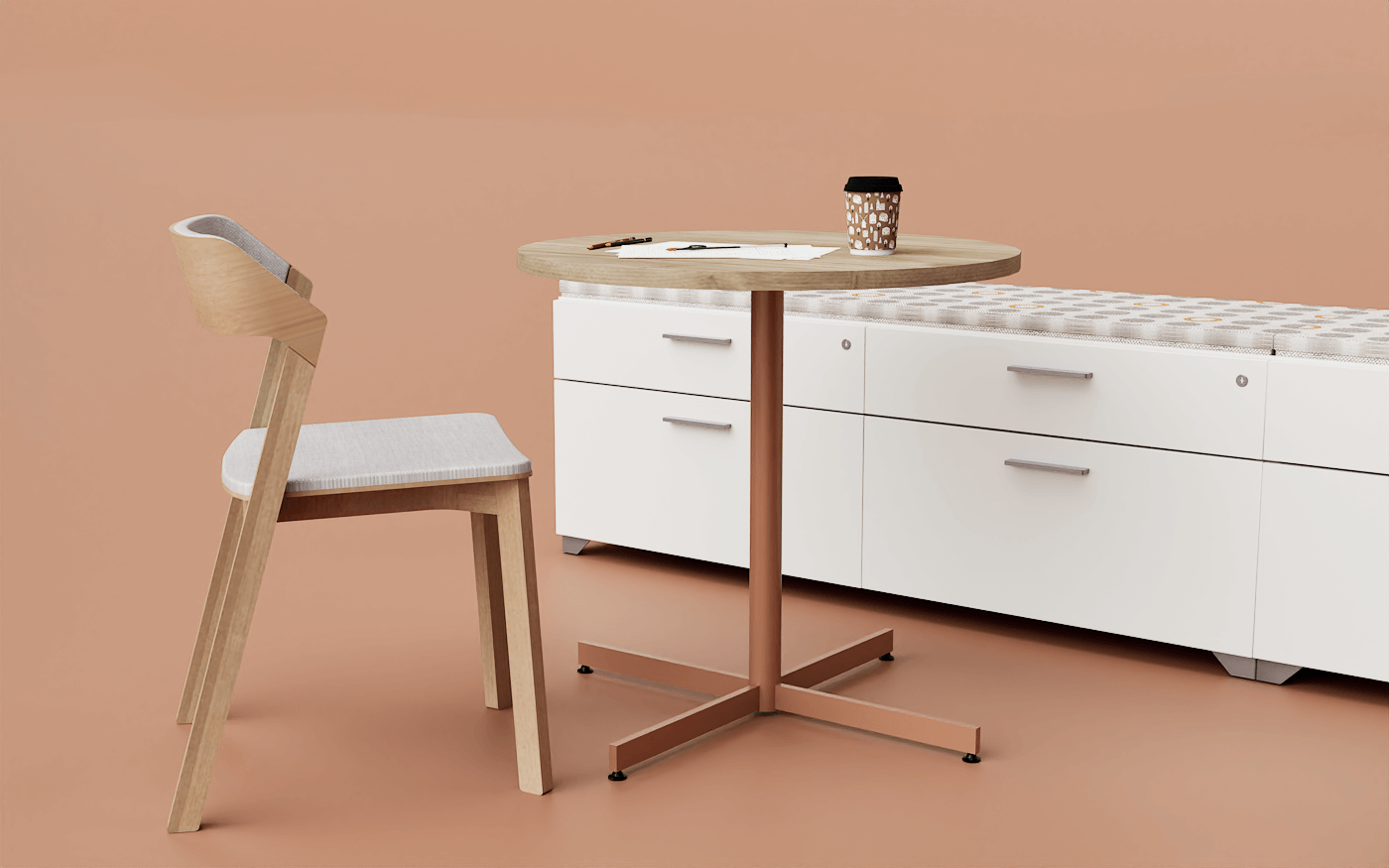
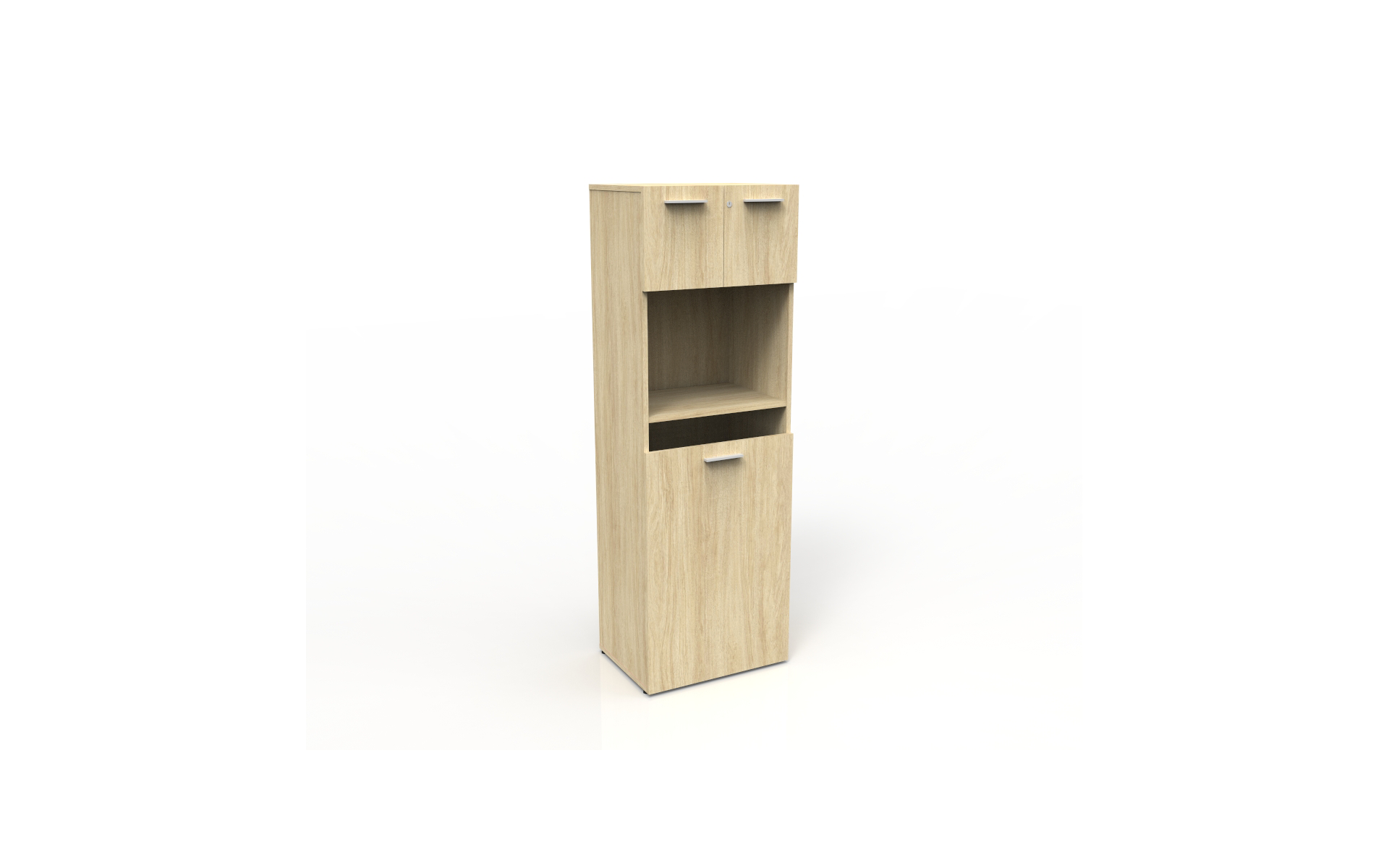
A modern office sideboard is a freestanding storage unit designed for professional workspaces. It usually combines cabinets, drawers, open shelving, or a concealed cable compartment. Unlike a simple cupboard, it supports daily office organization and workplace presentation. Its height often allows people to place printers, files, plants, or meeting materials above the storage area. That surface becomes useful during busy workdays.

The core function is controlled storage. Adjustable shelves can hold archive boxes, stationery, and shared equipment. Lockable sections help protect sensitive documents from casual access. Cable openings also reduce loose wires around printers and charging devices. Some sideboards include ventilation spaces for electronic equipment. This detail matters in warmer offices or compact rooms. A stable base is equally important, especially on uneven flooring.

A sideboard can also divide space without creating a heavy visual barrier. In open-plan offices, it may separate a meeting corner from individual desks. I have found that a 160-centimeter unit often balances capacity and movement space, but every floor plan differs. My first layout choice was too deep, and people kept brushing against it. That mistake changed how I assess clearance, door swings, and walking routes. Material quality, edge finishing, and hardware should be checked before large-scale purchasing. A beautiful unit may still fail if its drawers open poorly or its shelves sag.

How Office Sideboards Support Organization and Workplace Efficiency

Why Modern Office Sideboards Matter to Global Buyers?

How Office Sideboards Support Organization and Workplace Efficiency

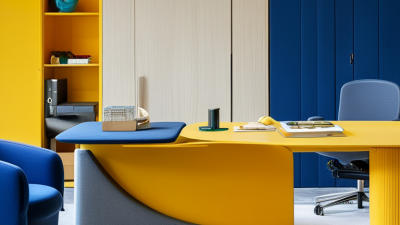
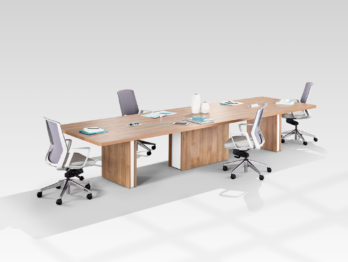
Modern office sideboards do more than fill an empty wall. They create a controlled place for files, meeting supplies, devices, and shared stationery. In a busy office, clear storage reduces repeated searching and protects working time. A cabinet near the meeting table can hold notebooks, cables, and presentation materials. Staff can reach them without leaving the room.

Good sideboards also support cleaner workflows. Adjustable shelves accommodate different items, while drawers separate confidential documents from everyday supplies. Lockable compartments add practical control when several teams share one space. Durable surfaces are important too. Offices often experience spills, moving equipment, and frequent cleaning. A reliable sideboard should handle these details without looking temporary.
From my experience reviewing workplace layouts, storage works best when its position matches daily movement. A sideboard beside a printer may reduce unnecessary walking, but it can also create noise during meetings. That detail is easy to miss. Ventilation gaps may protect electronic equipment, although some designs provide too little space. Global buyers should check dimensions, material performance, fire-safety expectations, and local delivery requirements before ordering. Visual appeal matters, but efficiency depends on usability. A beautiful cabinet with awkward doors can slow people down. That is not a small flaw.

Key Design, Material, and Storage Features for Global Buyers

Modern office sideboards matter because global buyers now expect furniture to balance appearance, durability, and daily performance. A 2024 office furniture report by Fortune Business Insights valued the global market at over 57 billion dollars in 2023. That growth increases pressure on manufacturers to deliver practical, adaptable products.

Design should support both focused work and informal collaboration. Sideboards with clean lines, rounded corners, and neutral finishes fit different office cultures. Adjustable shelves can hold files, presentation tools, and small equipment. Cable channels also prevent tangled wires behind shared workstations. Storage needs vary across regions, so fixed internal layouts may become a costly mistake. Modular compartments are usually more reliable. In workplace planning, small details often influence long-term satisfaction.

Material selection affects safety, maintenance, and environmental reporting. The GlobalABC 2024 report states that buildings create about 34% of global energy-related emissions. Buyers may therefore request recycled steel, certified timber, low-emission panels, and replaceable hardware. A durable powder-coated frame can resist scratches in busy corridors. However, “green” claims need documentation, not attractive wording. Suppliers should provide test results, material origins, and maintenance instructions. Honest limitations also build trust.

Tips: Check door clearances before ordering. Confirm load capacity for printers and binders. Ask for moisture resistance in humid climates. Review local electrical requirements. Compare repair access, not only the purchase price. A beautiful sideboard can still fail when hinges, locks, or cable ports are difficult to replace.

Why Modern Office Sideboards Matter to Global Buyers

Modern office sideboards combine practical storage with space-efficient planning. The reference ranges show the dimensional priorities most relevant to global buyers: sufficient width for shared storage, moderate depth for circulation, ergonomic standing height, and standardized shelf adjustability for flexible workplace layouts.

Reference benchmarks are expressed in millimetres and represent commonly specified commercial office-furniture dimensions rather than company or brand data.

Standards, Sustainability, and Quality Factors in International Purchasing

Why Modern Office Sideboards Matter to Global Buyers?

For global buyers, a modern office sideboard is more than concealed storage. It affects workflow, material safety, and long-term replacement costs. UNEP’s 2022 Global Status Report states that buildings create about 37% of global energy and process-related carbon emissions. This makes material selection relevant, even for a single cabinet. Buyers should request recycled-content declarations, responsible timber evidence, and an ISO 14025 environmental product declaration where available. FSC Chain of Custody documentation can also support traceability, but paperwork alone does not prove durability.

International purchasing requires measurable standards. Storage units should be tested against applicable safety and strength requirements, such as EN 16121 and EN 16122, or comparable national standards. Check load capacity, anti-tip protection, hinge cycles, surface resistance, and formaldehyde emissions. ISO 14001 certification may indicate an environmental management system, not necessarily a greener product. That distinction is easy to miss.

On site, quality appears in small details. Doors should align after repeated opening. Edges should resist lifting near coffee areas. Cable openings need smooth finishes, not sharp cuts. A practical buyer can inspect a sample, review test reports, and compare declared service life. Yet sustainability claims remain imperfect. Recycled panels may increase transport weight, while local timber may lack transparent certification. The best decision is rarely the cheapest quote. It is the option with credible evidence, repairable parts, stable performance, and clear end-of-life instructions. CBRE’s 2024 Global Workplace Occupancy and Sentiment Survey also shows continuing pressure to make offices more useful, making adaptable storage increasingly valuable.

Why Modern Office Sideboards Matter to Global Buyers? - Standards, Sustainability, and Quality Factors in International Purchasing

A practical international purchasing reference for evaluating office sideboards without relying on company or brand data.

Evaluation Category Key Metric or Requirement Reference Data / Standard Why It Matters to Global Buyers Recommended Verification
Product Planning Typical overall dimensions Width: 1,200–2,400 mm
Depth: 400–500 mm
Height: 700–900 mm
These are common planning ranges rather than mandatory international dimensions.
Standardized dimensional information helps buyers coordinate the sideboard with desks, circulation routes, meeting rooms, and container loading plans. Check approved technical drawings, dimensional tolerances, packed dimensions, and installation clearances.
Structural Safety Stability and strength EN 16122 provides test methods and requirements for the strength, durability, and stability of storage furniture for domestic and non-domestic use, where applicable. Sideboards may tip or deform when heavily loaded or when drawers and doors are operated. Safety testing reduces workplace and liability risks. Request a test report identifying the exact model, configuration, test method, and production material specification.
Load Performance Shelf and top load capacity A practical screening benchmark is approximately 20–40 kg per adjustable shelf and 40–80 kg for the top, subject to design, span, material, and support structure. Declared load limits prevent overloading of shelves, tops, drawer boxes, and fittings during daily office use. Require uniformly distributed load data, concentrated-load data where relevant, deflection limits, and test conditions.
Material Quality Panel construction and thickness Common office furniture panels include particleboard, MDF, plywood, or combinations. Frequently used panel thicknesses are 16–25 mm, depending on the component. Panel type and thickness affect screw retention, dimensional stability, impact resistance, weight, and long-term durability. Review material declarations, density or grade information, edge-banding specifications, and incoming inspection records.
Indoor Air Quality Formaldehyde and VOC emissions For wood-based panels, the European E1 classification is commonly associated with a formaldehyde emission limit of 0.1 ppm under EN 717-1. Finished-product VOC testing may use EN 16516 or ISO 16000 methods. Low-emission materials support healthier offices and may be required by green-building or public procurement programs. Request current laboratory reports for the actual panel and finished product, including test method, sample description, and test date.
Responsible Wood Sourcing Traceability of wood and paper materials FSC or PEFC chain-of-custody certification can provide third-party evidence of material traceability when the certified claim covers the relevant product and supply chain. Verified sourcing supports deforestation-risk management, sustainability reporting, and customer requirements in international markets. Check certificate validity, product-scope wording, claim type, and whether the supplied invoice and product documents carry the appropriate claim.
Recycled Content Post-consumer and pre-consumer content Recycled-content claims should identify the percentage by mass and distinguish post-consumer from pre-consumer material. ISO 14021 provides principles for self-declared environmental claims. Clear content declarations allow buyers to compare products accurately and avoid vague or unsupported sustainability claims. Request a bill of materials, supplier declarations, calculation basis, and supporting evidence for recycled input materials.
Environmental Documentation Product carbon and life-cycle data An Environmental Product Declaration may be prepared under ISO 14025. Construction-product life-cycle rules commonly reference EN 15804 where applicable to the product category. Product-specific life-cycle data improves carbon accounting, building assessments, and transparent international tender comparisons. Confirm that the declaration is independently verified, valid, product-specific, and based on a stated functional unit and system boundary.
Durability and Maintenance Surface resistance and hardware life Evaluation should cover abrasion, scratch, staining, moisture resistance, door and drawer cycling, hinge performance, and adjustable-foot durability. Durable finishes and replaceable hardware reduce maintenance frequency, downtime, and total cost of ownership across multiple office locations. Request finish test results, cycle-test data, spare-parts availability, cleaning instructions, and repair procedures.
Circularity and Repair Disassembly and component replacement Preferred designs use accessible fasteners, replaceable hinges and runners, separable materials, and clearly identified components. Repairable furniture extends service life and can reduce waste, transport emissions, and replacement costs. Review assembly instructions, component lists, repair manuals, material markings, and expected spare-parts support period.
Packaging and Logistics Packaging efficiency and export compliance Packaging should protect corners, edges, surfaces, and hardware while minimizing empty volume. Solid-wood pallets and crates used in international shipping may need ISPM 15 treatment and marking. Efficient packaging reduces freight volume, damage rates, disposal costs, and customs delays. Check packed dimensions, gross weight, carton drop-test results, pallet specifications, moisture protection, and ISPM 15 documentation where required.
Fire and Electrical Safety Application-specific compliance Storage furniture requirements vary by destination, building type, and project specification. Fire-performance or cable-management requirements should not be assumed to apply universally. Public buildings, healthcare facilities, education projects, and technology offices may impose additional fire, safety, or cable-routing requirements. Confirm destination-country regulations, project specifications, material fire-test requirements, and cable-management details before ordering.
Quality Control Dimensional and visual tolerances A documented inspection plan should define limits for panel dimensions, squareness, edge alignment, color consistency, surface defects, door gaps, drawer alignment, and hardware operation. Defined acceptance criteria create consistent quality across batches and reduce disputes in international purchasing. Approve a golden sample, inspection checklist, acceptable-quality limits, packaging standard, and pre-shipment inspection procedure.
Total Cost of Ownership Purchase, delivery, service, and end-of-life cost Total cost should include product price, tooling, packaging, freight, duties, installation, maintenance, replacement parts, and disposal or recycling. A lower initial price may result in higher lifetime costs if the product has weak hardware, difficult repairs, poor packaging, or limited documentation. Compare landed cost, expected service life, warranty terms, repairability, spare-parts pricing, and end-of-life options.

How to Evaluate Suppliers, Costs, and Customization Options

Why Modern Office Sideboards Matter to Global Buyers?

Global buyers often judge a modern office sideboard by appearance first. That is understandable, but incomplete. A reliable supplier should provide material details, load ratings, finish samples, and production photos. Ask whether the board uses veneer, laminate, or solid wood. These choices affect durability, moisture resistance, and cost. A polished catalog proves little.

Supplier evaluation should include more than a low quotation. Check factory capacity, quality-control steps, export experience, and response time. Request a sample before placing a large order. Inspect drawer alignment, edge finishing, cable openings, and packaging strength. Small defects become expensive across a full container. Payment terms, lead time, shipping responsibility, and replacement procedures should be written clearly. Vague promises create risk.

Customization can improve fit, but it changes the budget quickly. Dimensions, colors, handles, locks, internal shelving, and cable management may require separate tooling. Confirm minimum order quantities and sample charges early. Ask for a detailed cost breakdown, including packing and delivery estimates. One common mistake is comparing unit prices without comparing specifications. That comparison can mislead. I would also question unusually short lead times. They may reflect efficiency, or rushed inspection. Good suppliers welcome practical questions and provide consistent answers. Still, no evaluation method is perfect. A final pre-shipment inspection remains worthwhile.