Tayco Office Furnishings Inc.
400 Norris Glen Rd.
Toronto, ON M9C 1H5
T: (416) 252-8000
T: (800) 675-4092
F: (416) 252-4467
[email protected]
Choosing the right office furniture tables has become a global sourcing decision, not merely a styling exercise. Buyers now compare durability, ergonomics, sustainability, delivery reliability, and total cost. According to Grand View Research, the global office furniture market was valued at approximately USD 54 billion in 2023 and is expected to expand steadily through 2030. That growth reflects changing workplaces, including hybrid offices, shared desks, and smaller urban spaces.
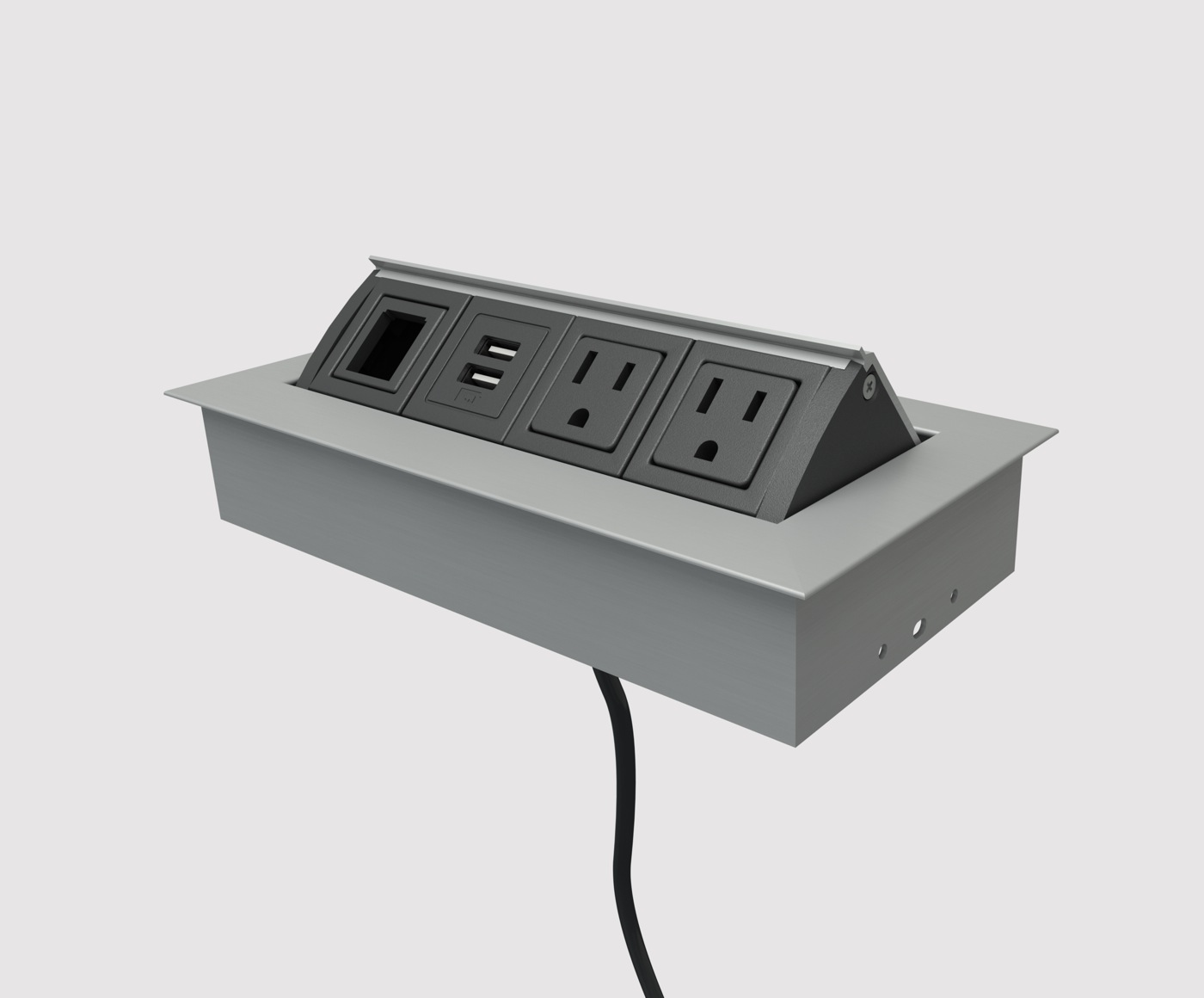
This article examines the top office furniture tables for global buyers, from height-adjustable workstations to modular conference tables. A practical buyer should inspect more than attractive photographs. Check the tabletop thickness, edge treatment, cable management, frame stability, and replacement-part availability. A 25-millimeter desktop may feel solid, while weak connectors can still create movement during daily use. Small details matter.
Industry guidance also supports a wider evaluation. The International WELL Building Institute emphasizes workplace comfort, movement, and user wellbeing. Meanwhile, the U.S. Green Building Council encourages responsible material selection and resource efficiency through LEED principles. These references do not make every product automatically suitable. Regional standards, shipping conditions, and installation skills still influence performance.
No table wins everywhere. A premium model may be excessive for a temporary project, while a cheap table may cost more after repeated repairs. Buyers should request samples, test height mechanisms, and verify certifications directly. My comparison may remain imperfect because office needs differ across countries. Still, careful evidence, supplier experience, and realistic workplace testing can produce a more reliable purchasing decision.
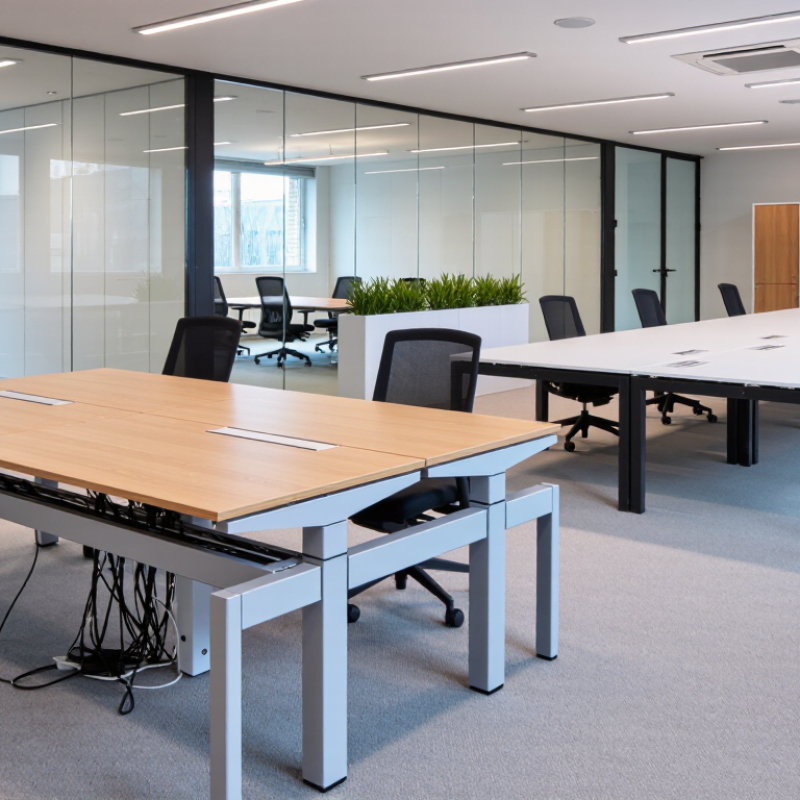
Global buyers need more than attractive office furniture tables. They need the right table type for work style, space, and local shipping conditions. Grand View Research estimated the global office furniture market at about USD 58 billion in 2023, with continued growth through 2030. That expansion reflects demand for flexible workplaces, not only larger executive desks.
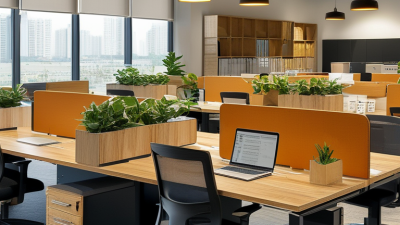
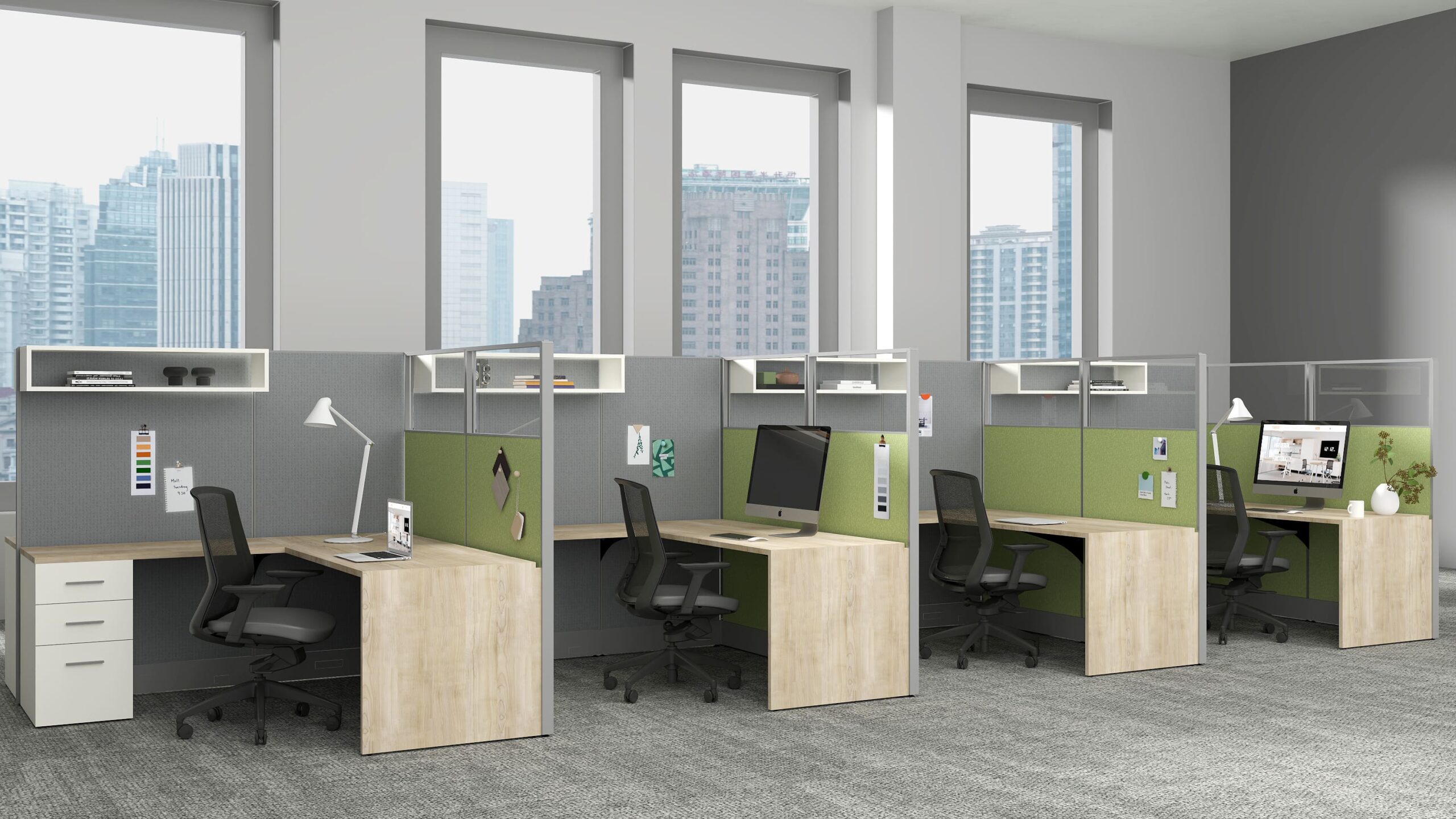
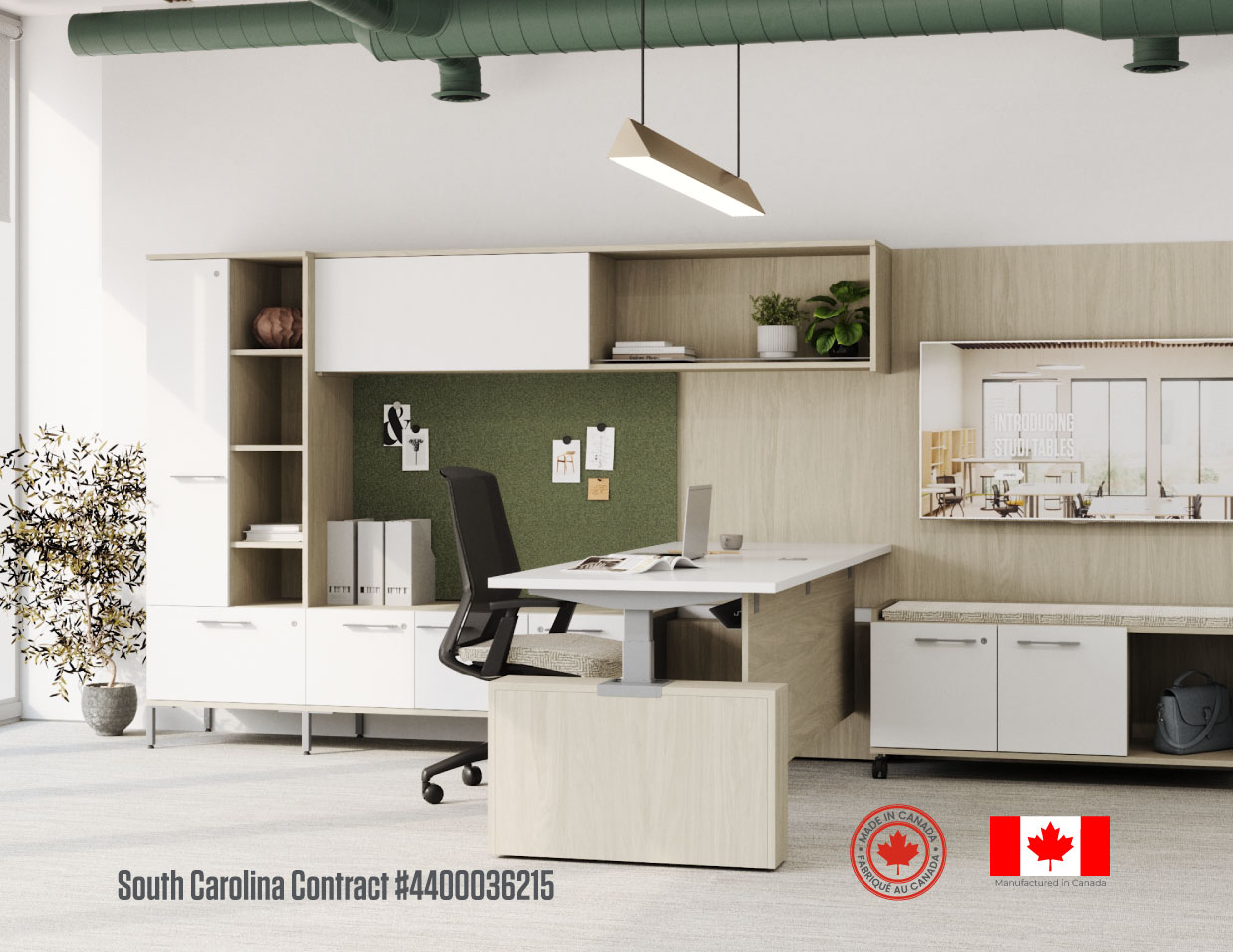
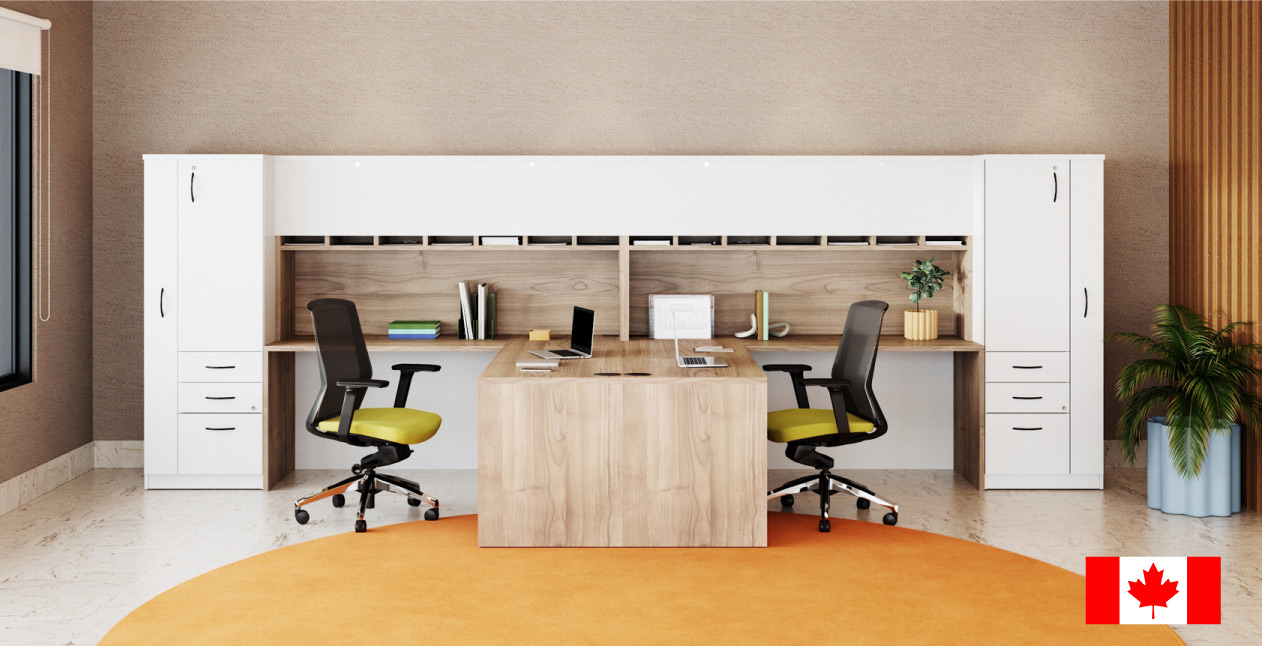
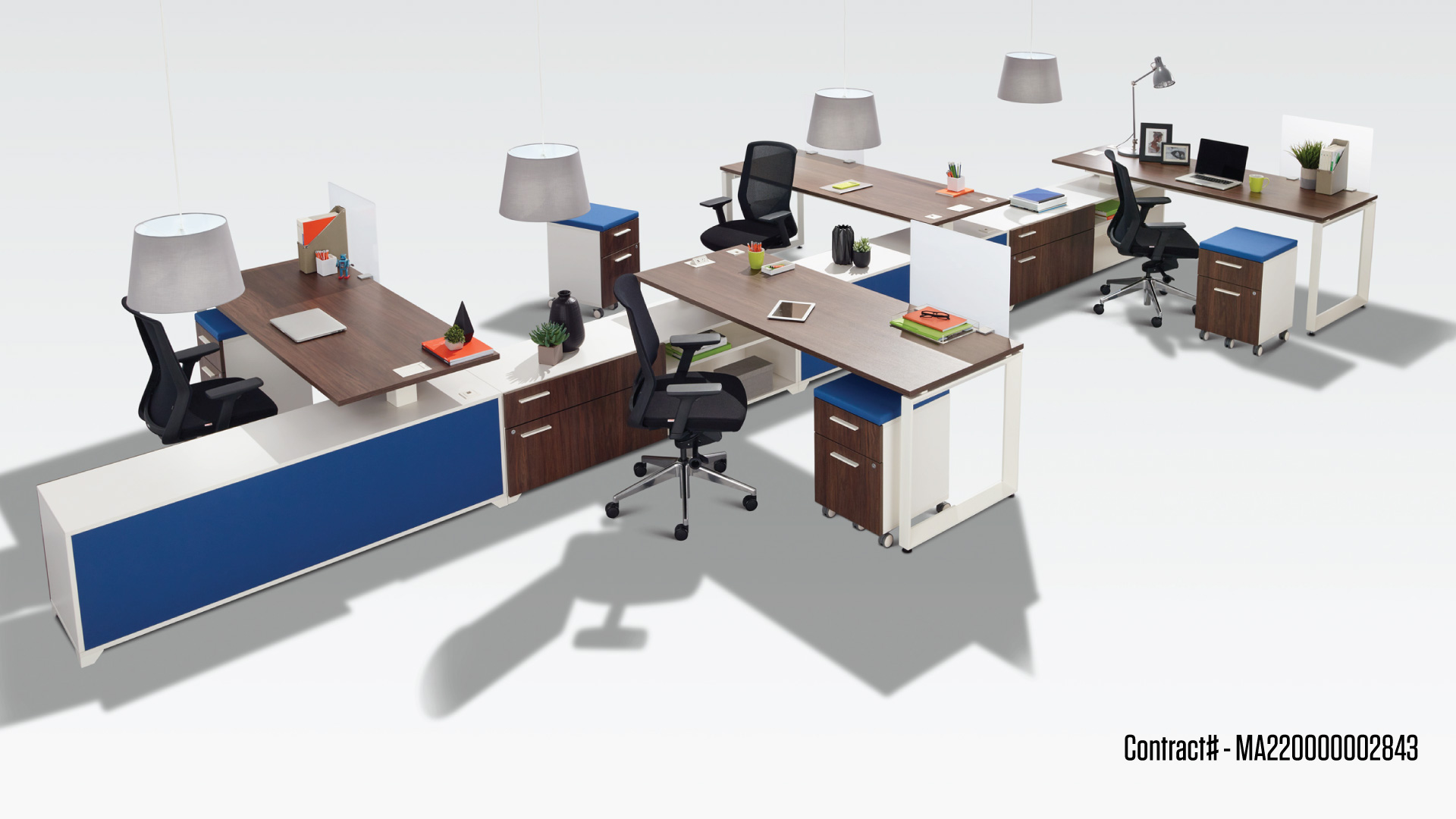
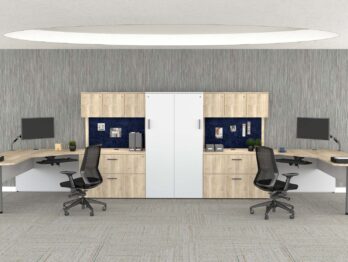
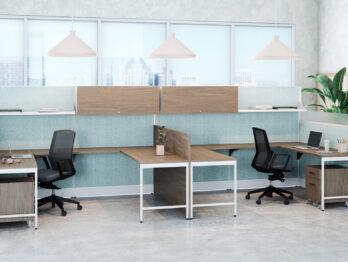
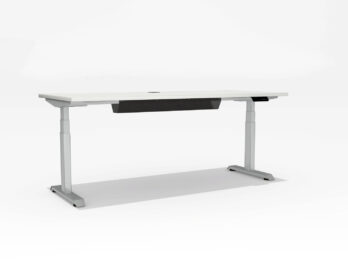
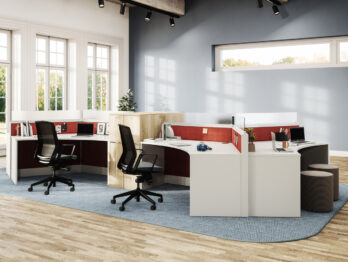
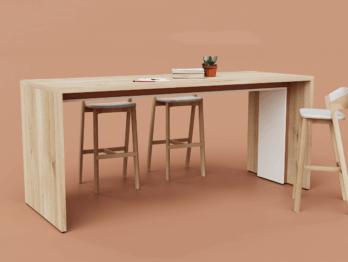
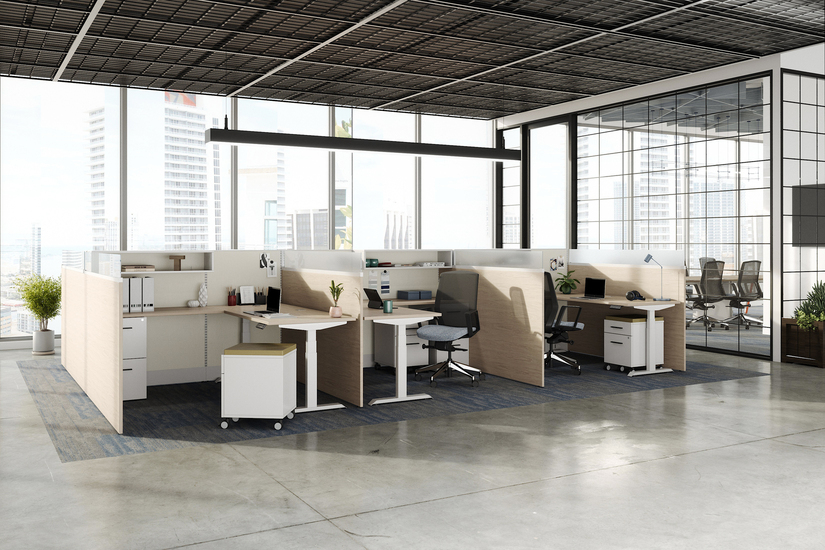
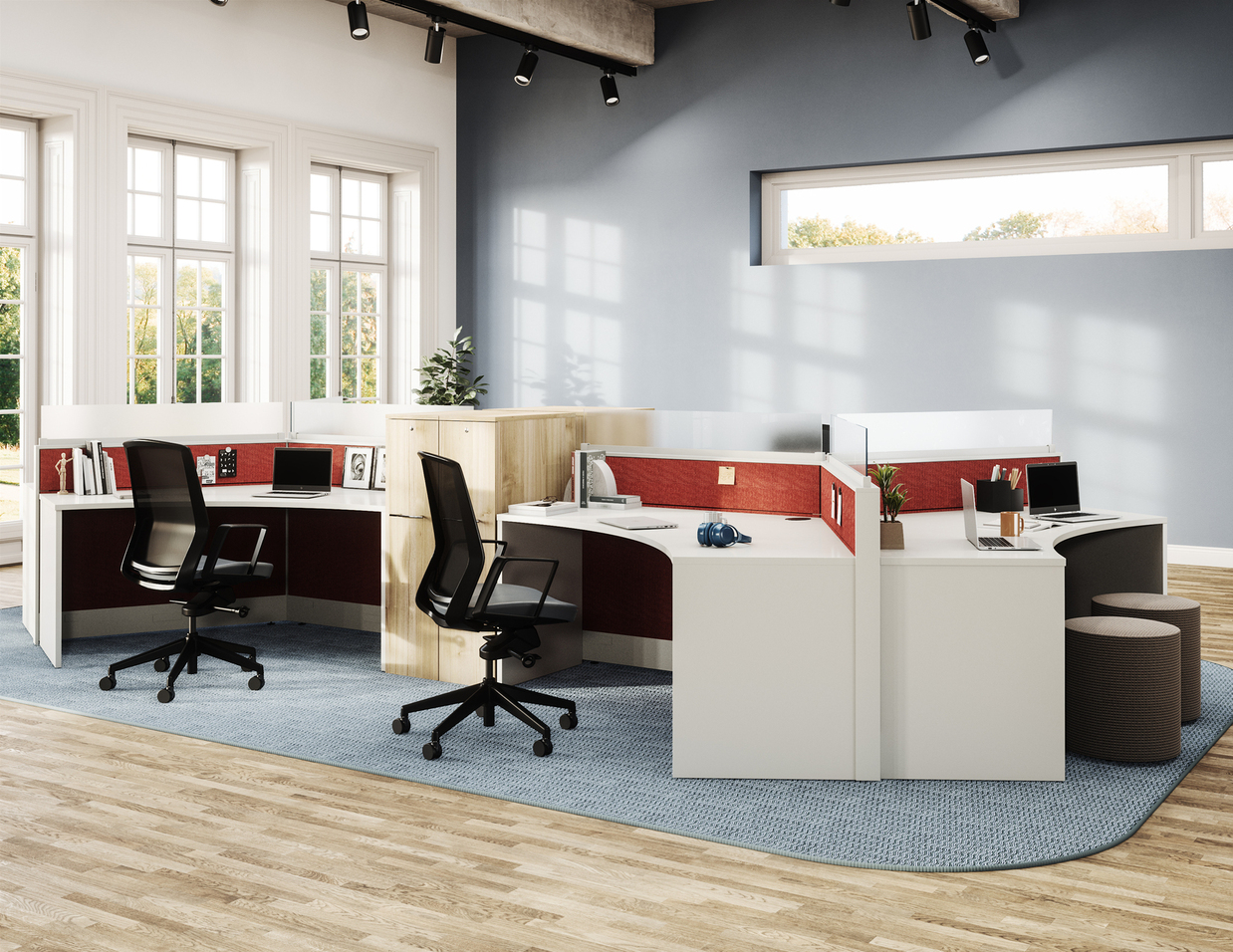
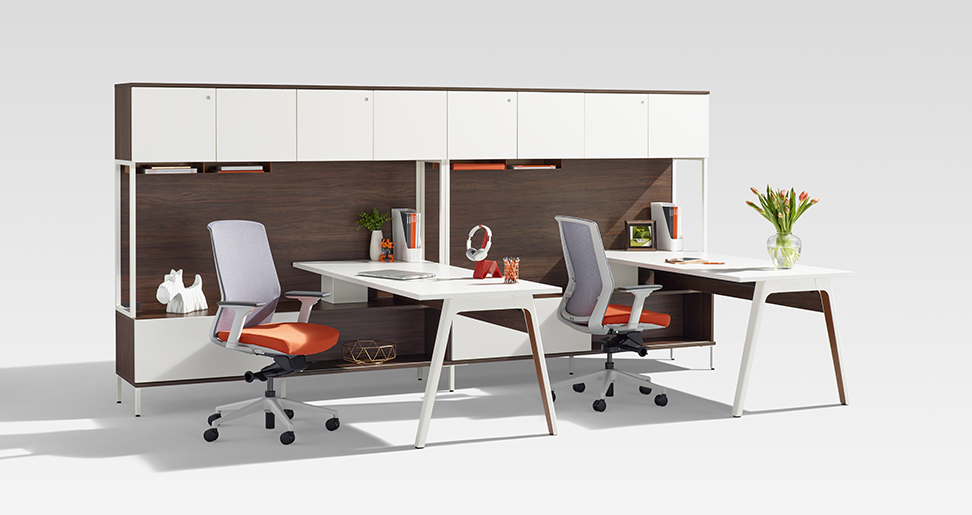
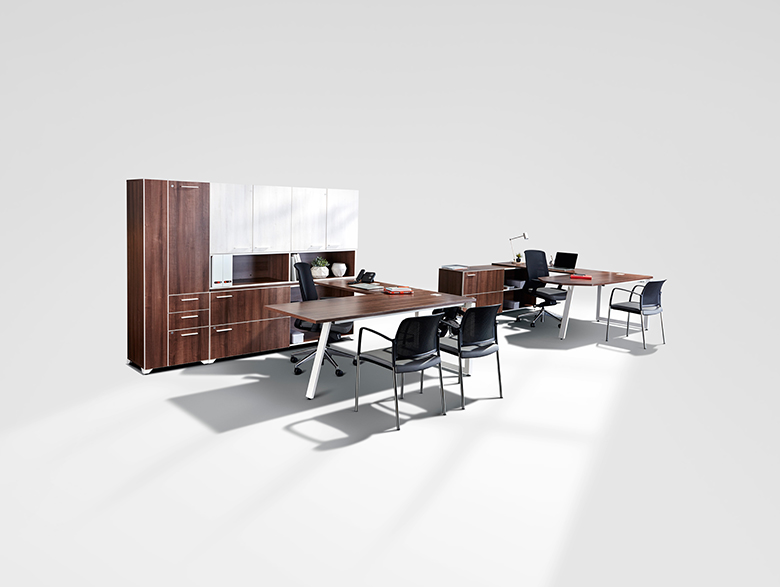
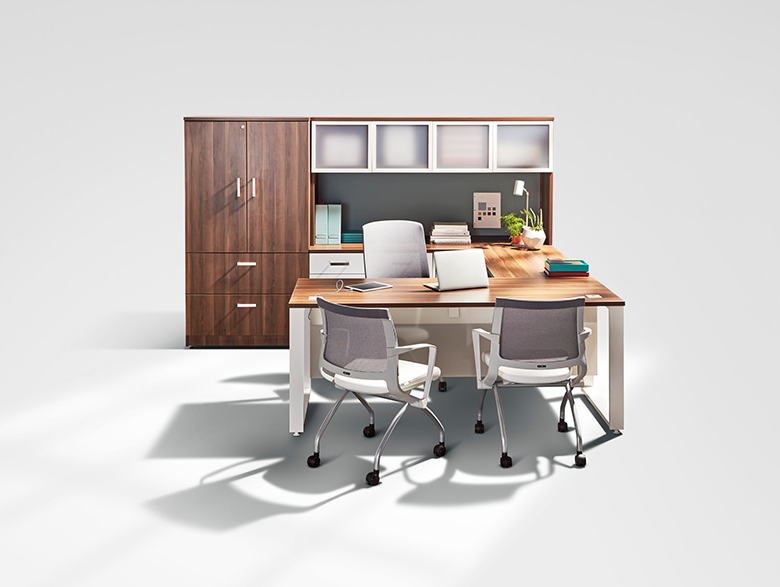
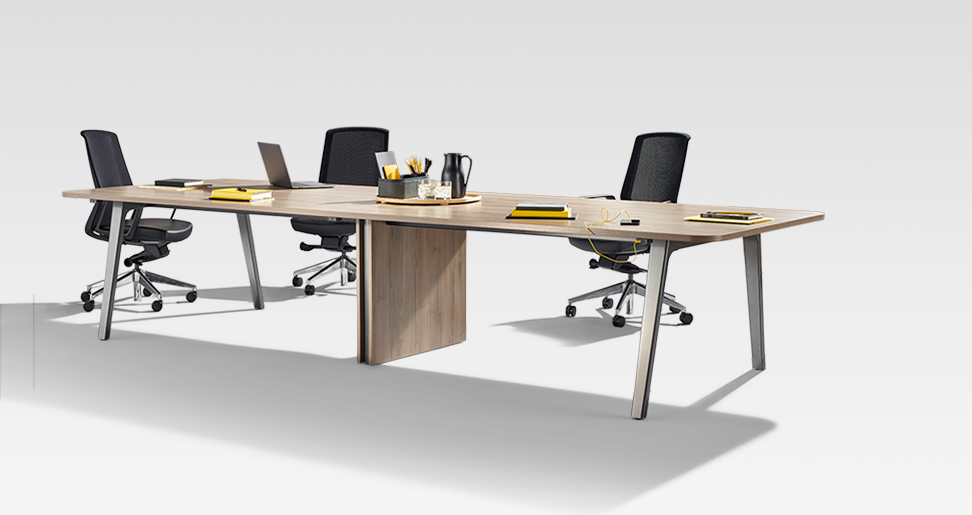
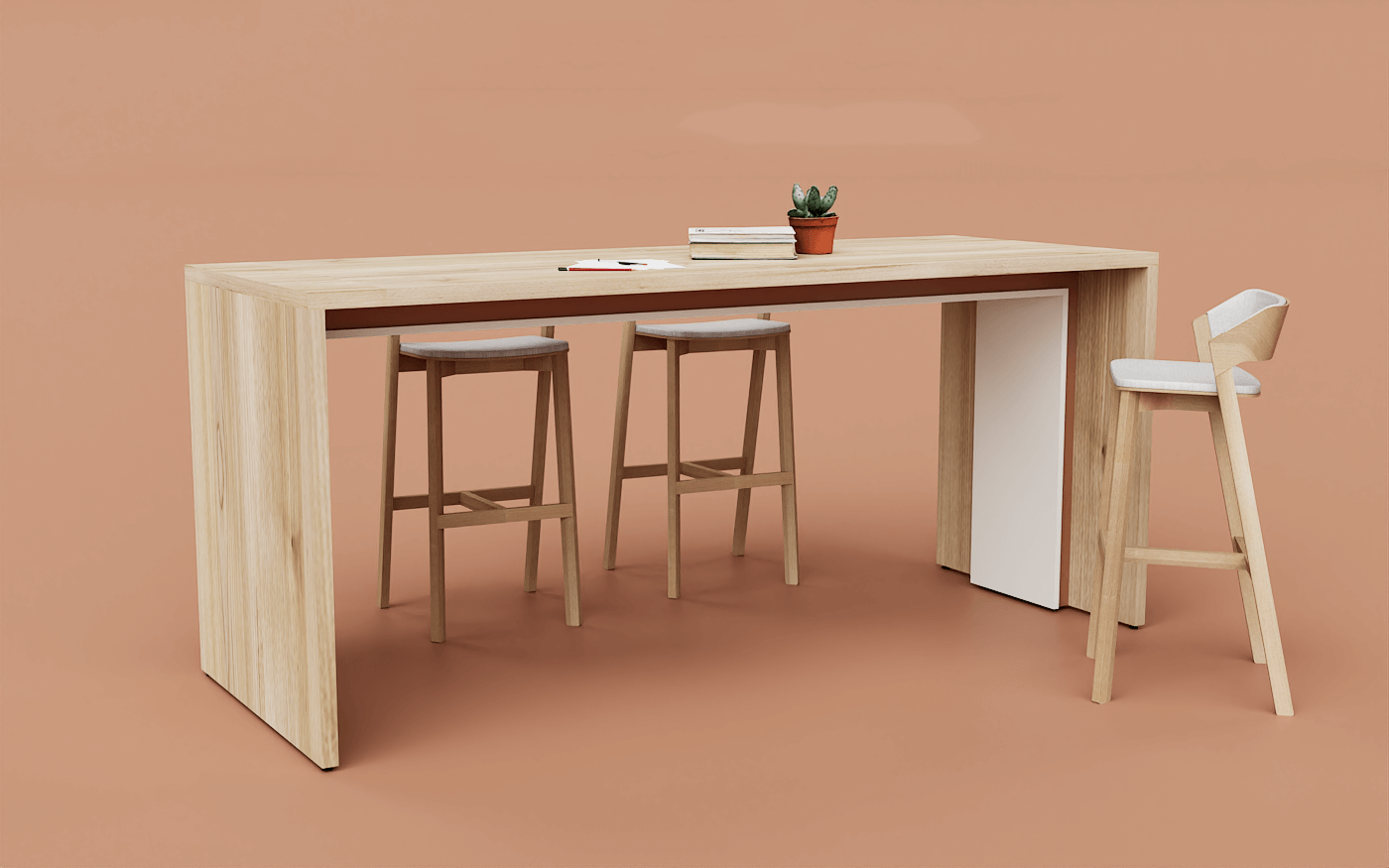
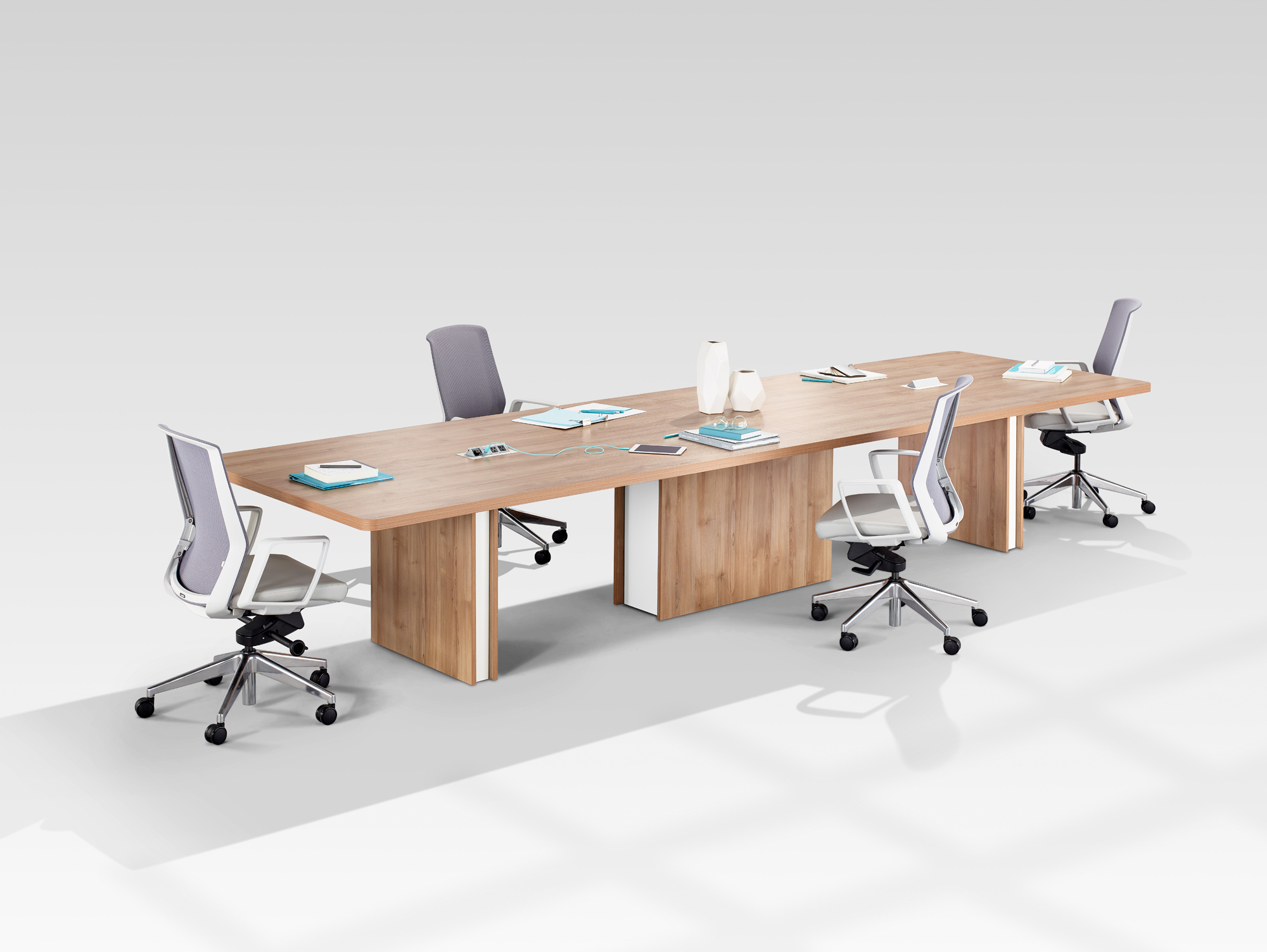
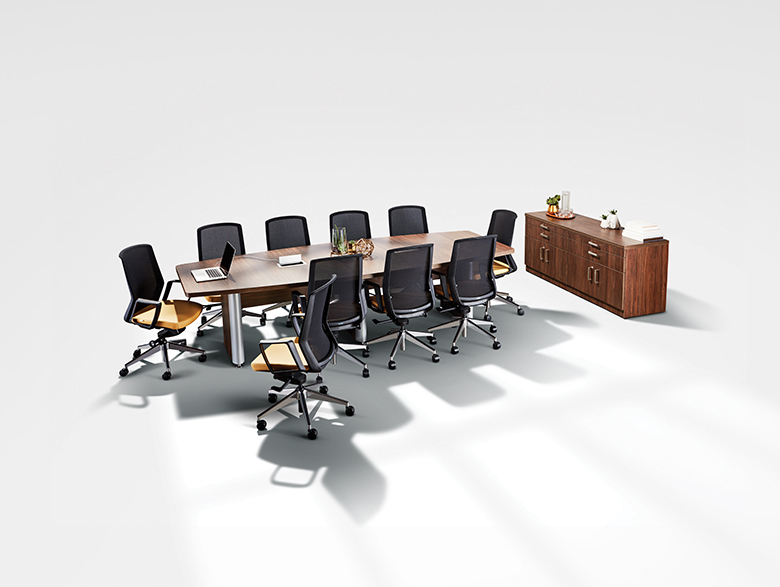
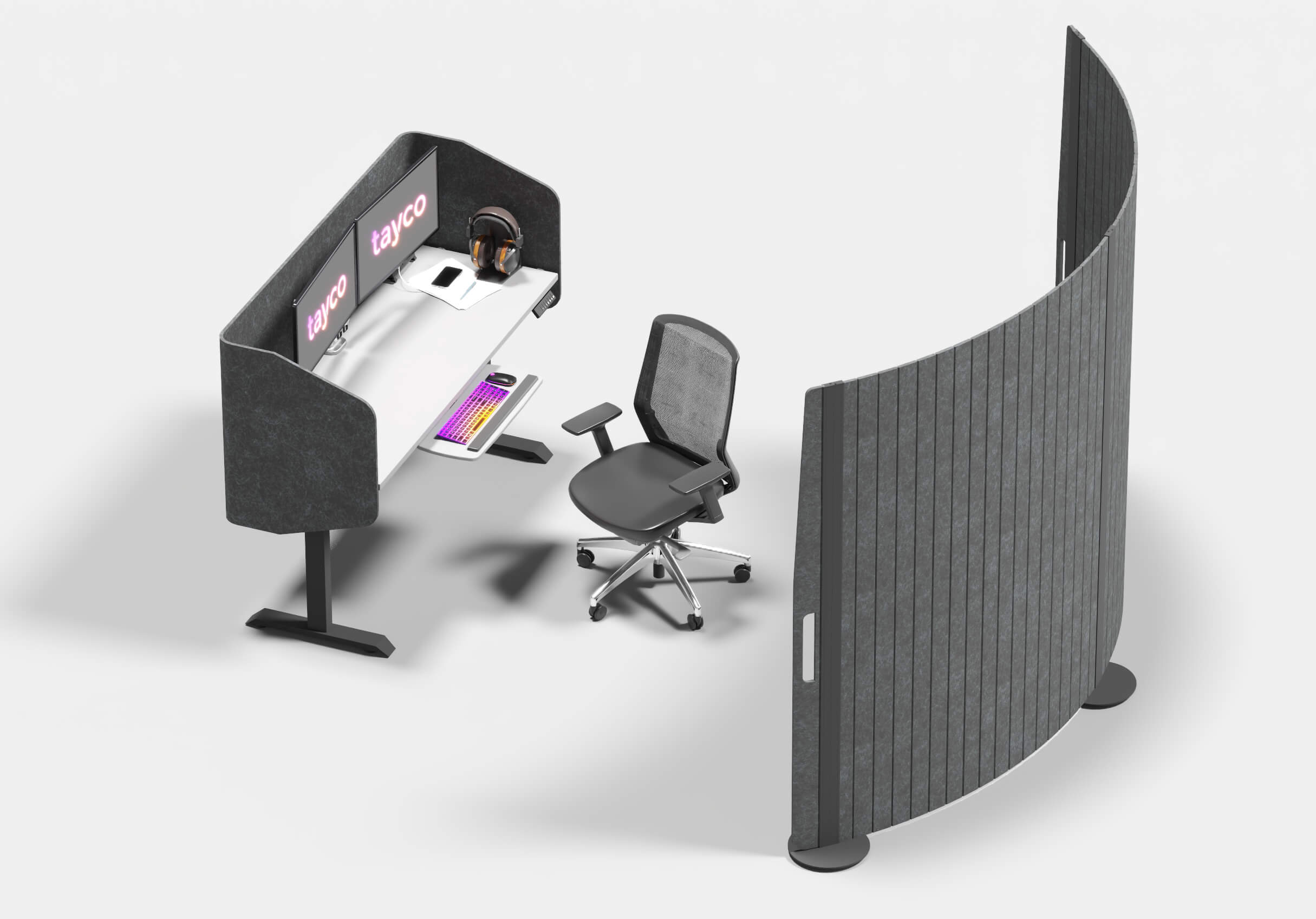
Height-adjustable tables support short meetings, laptop work, and healthier posture changes. Bench-style tables suit collaborative teams and improve floor efficiency, but cable control becomes essential. Meeting tables should leave clear knee space and allow screens to remain visible from every seat. Training tables with folding legs can be stored quickly. Reception tables need durable edges, because bags, paperwork, and daily contact create visible wear. For smaller offices, nesting tables may be more practical than fixed conference furniture. I have seen buyers choose oversized tables, then lose valuable walking space.
Tips: Measure doorways, lifts, and packaging routes before ordering. Check tabletop thickness, edge protection, load capacity, and cable access. ISO 9241-5 provides useful ergonomic guidance for workstation layout, while BIFMA performance standards help buyers assess commercial durability. Ask suppliers for test methods, material details, replacement-part policies, and realistic delivery times. Sustainability claims deserve careful checking. A recycled-content label alone does not explain repairability or product life. Small details matter.
| Office Table Type | Typical Dimensions | Common Materials | Best Applications | Key Advantages | Important Buying Considerations | Global Buyer Fit |
|---|---|---|---|---|---|---|
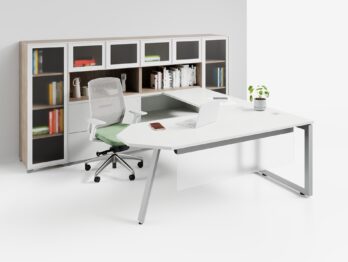
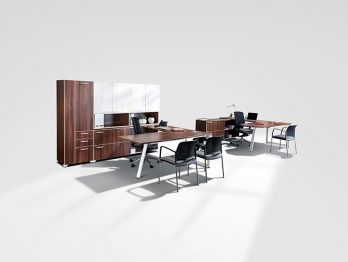
| Executive Desk | 1600–2400 mm wide 750–900 mm deep |
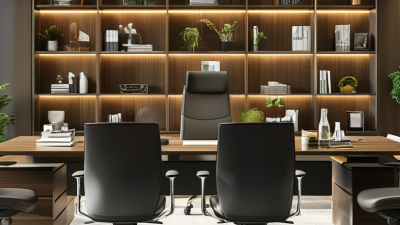
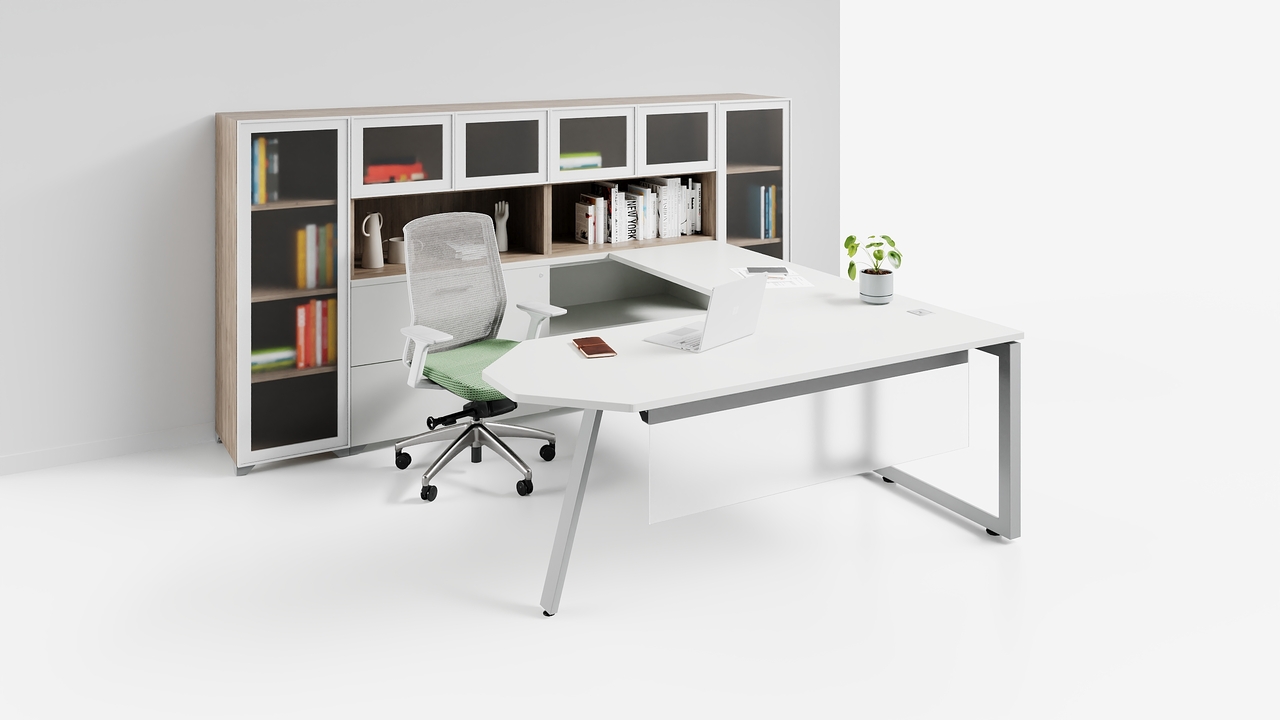
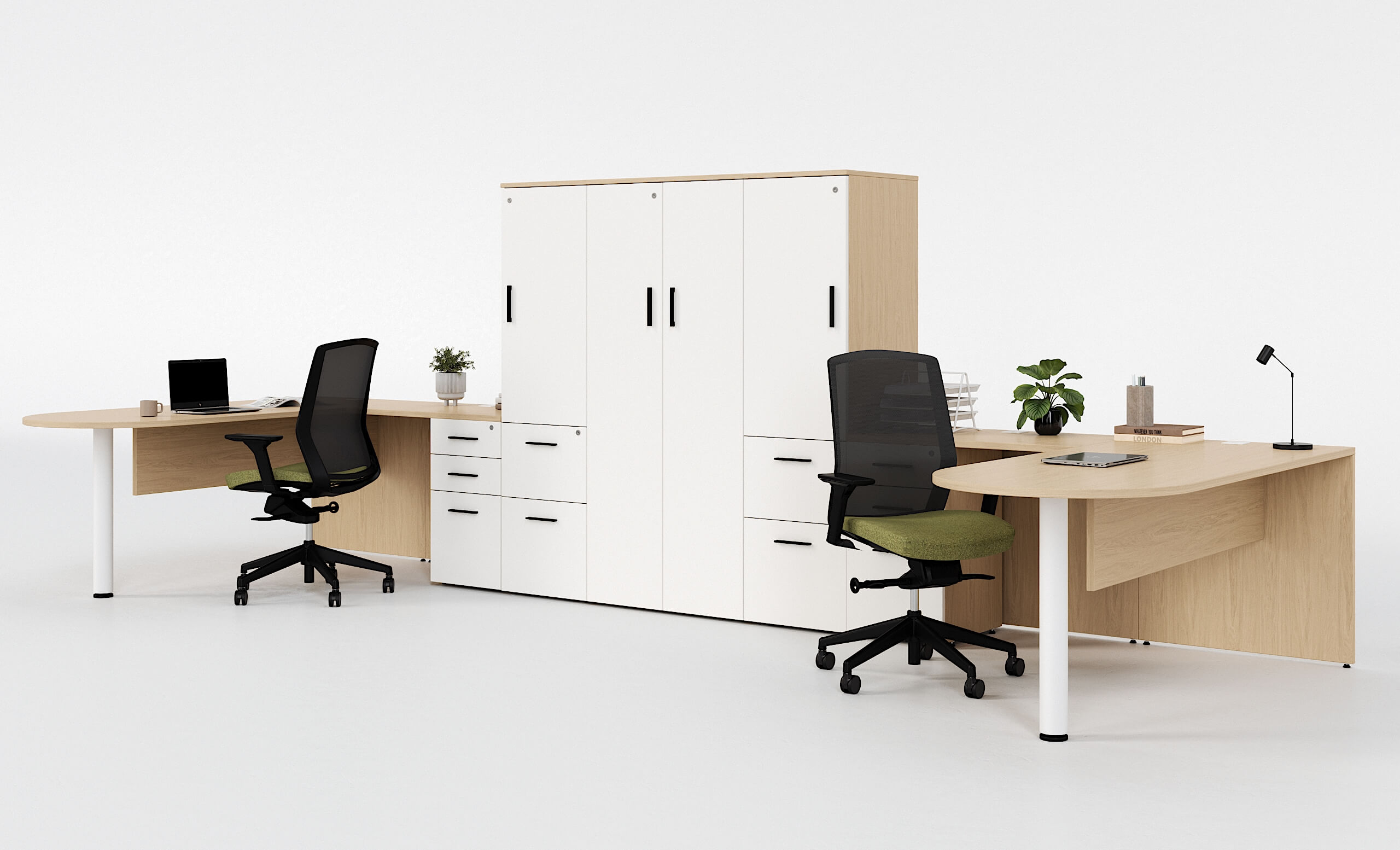
Wood veneer, engineered wood, laminate, metal, glass | Private offices, management offices, leadership workspaces | Large work surface, formal appearance, space for documents and computer equipment | Check load capacity, cable management, assembly requirements, packaging protection, and available office space. | High for premium offices |
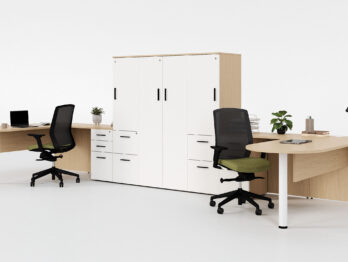
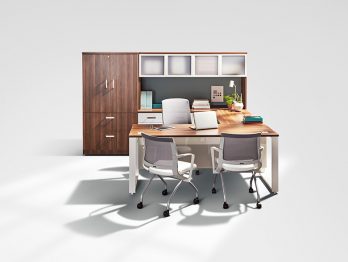
| Computer Desk | 1000–1600 mm wide 600–800 mm deep |
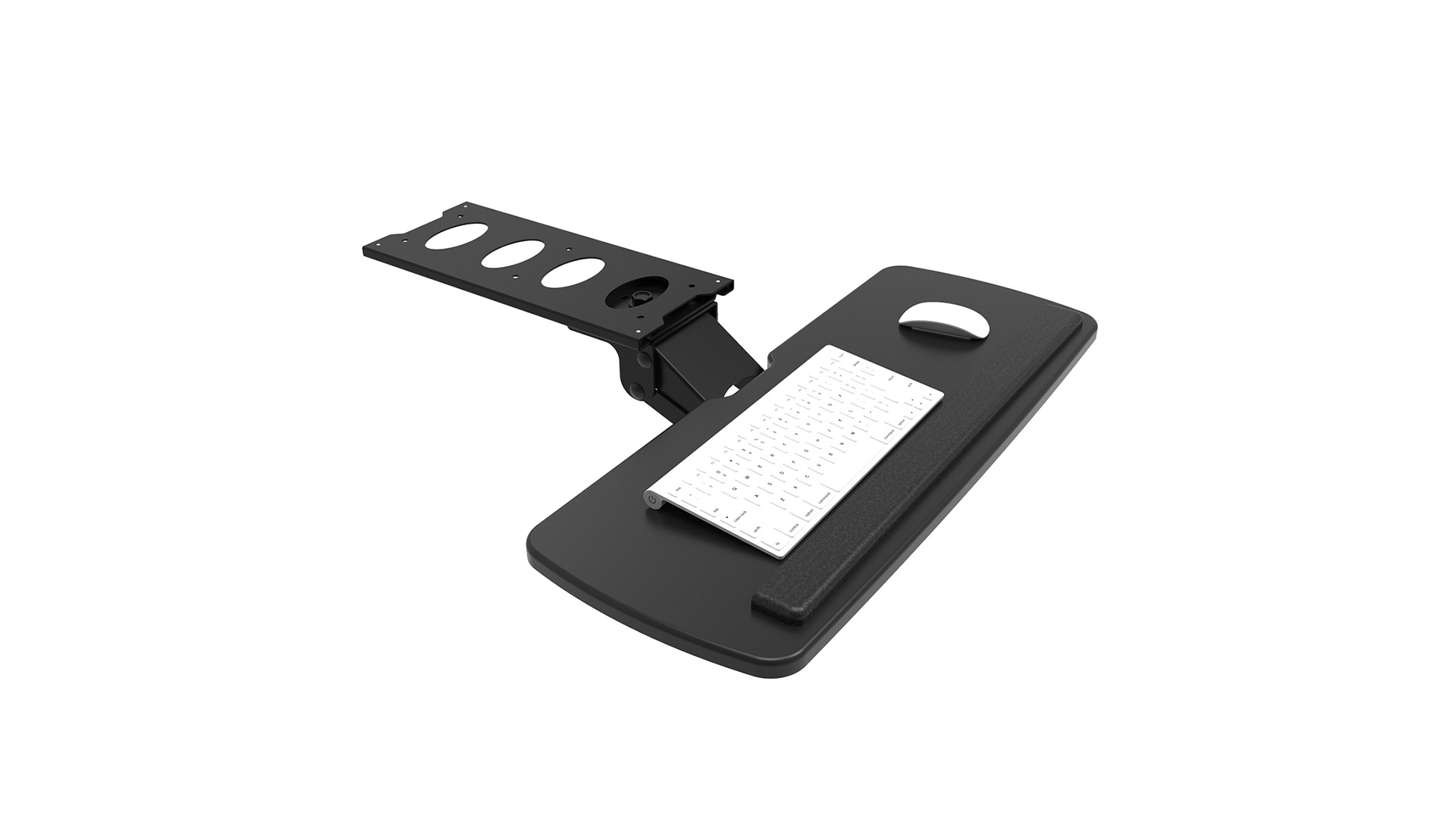
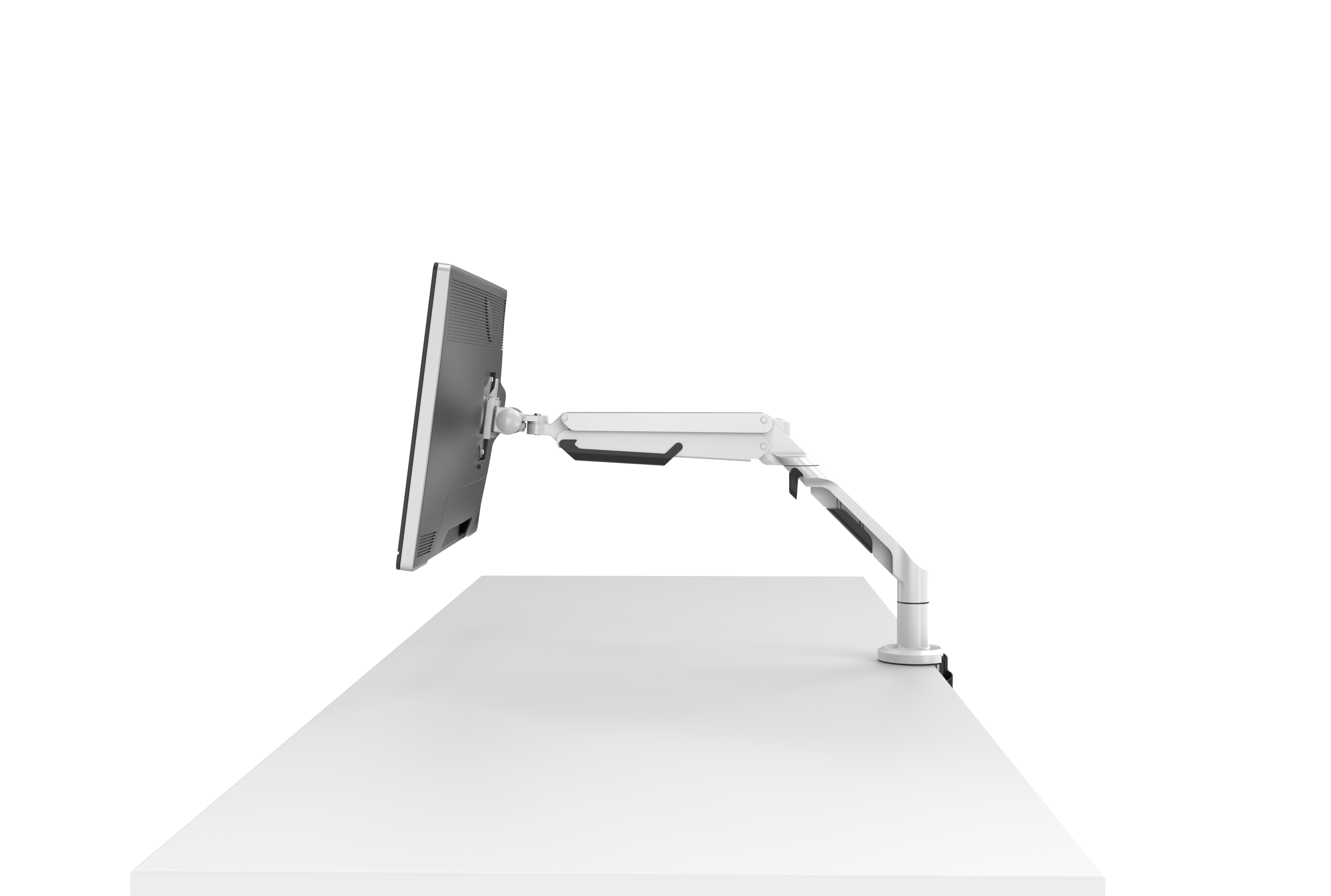
Laminate, engineered wood, steel, powder-coated metal | Administrative workstations, home offices, training rooms | Efficient footprint, practical layout, easy integration with monitors and storage accessories | Confirm monitor clearance, keyboard space, cable ports, surface scratch resistance, and carton dimensions. | High for everyday use |
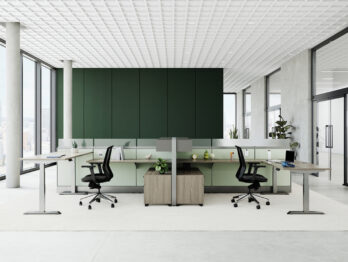
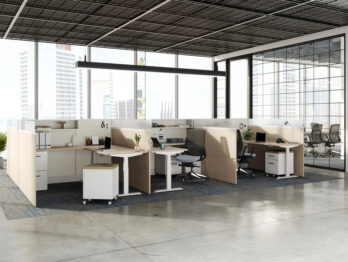
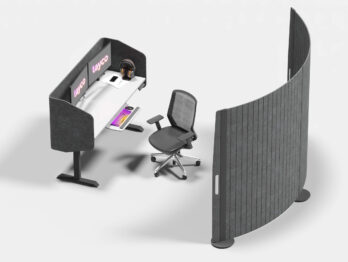
| Bench Workstation Table | 1200–1800 mm per user 600–800 mm deep per side |
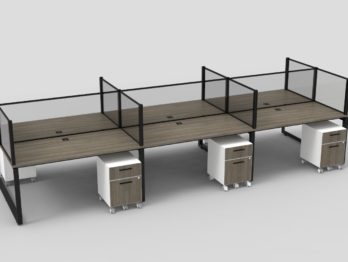
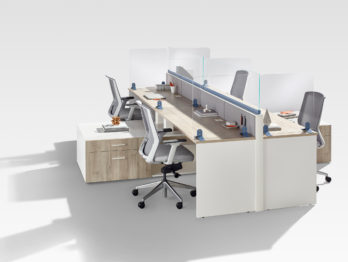
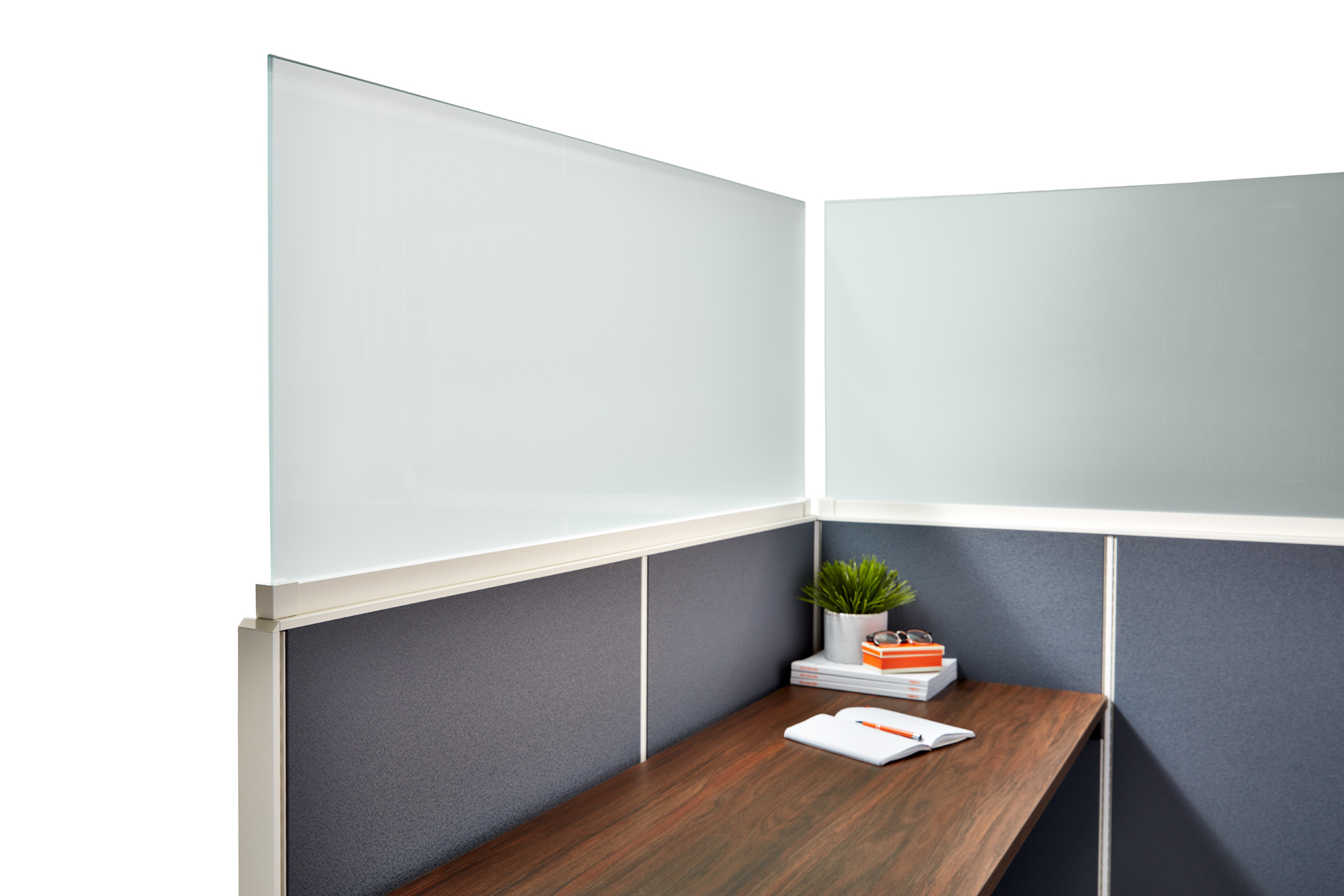
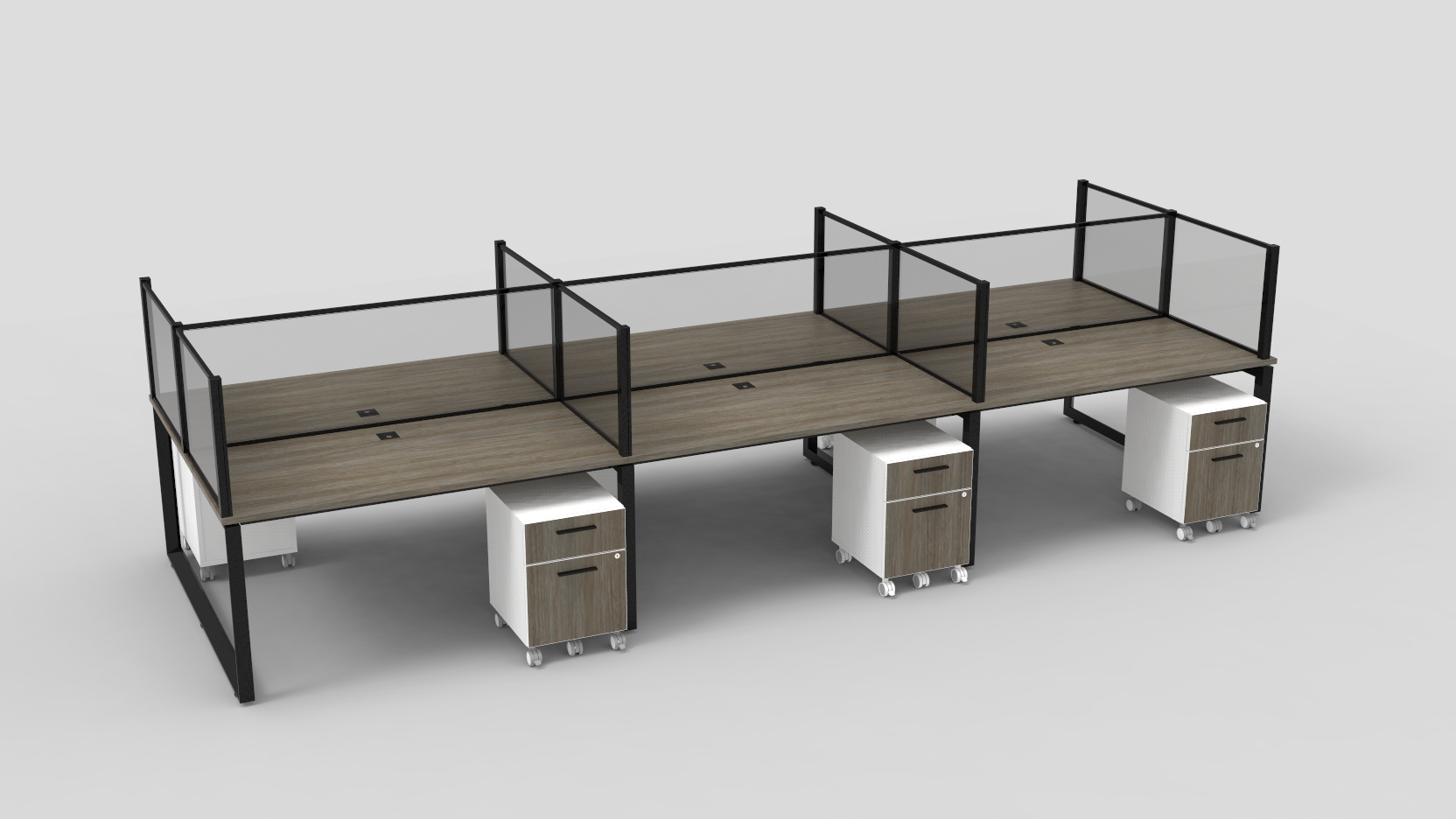
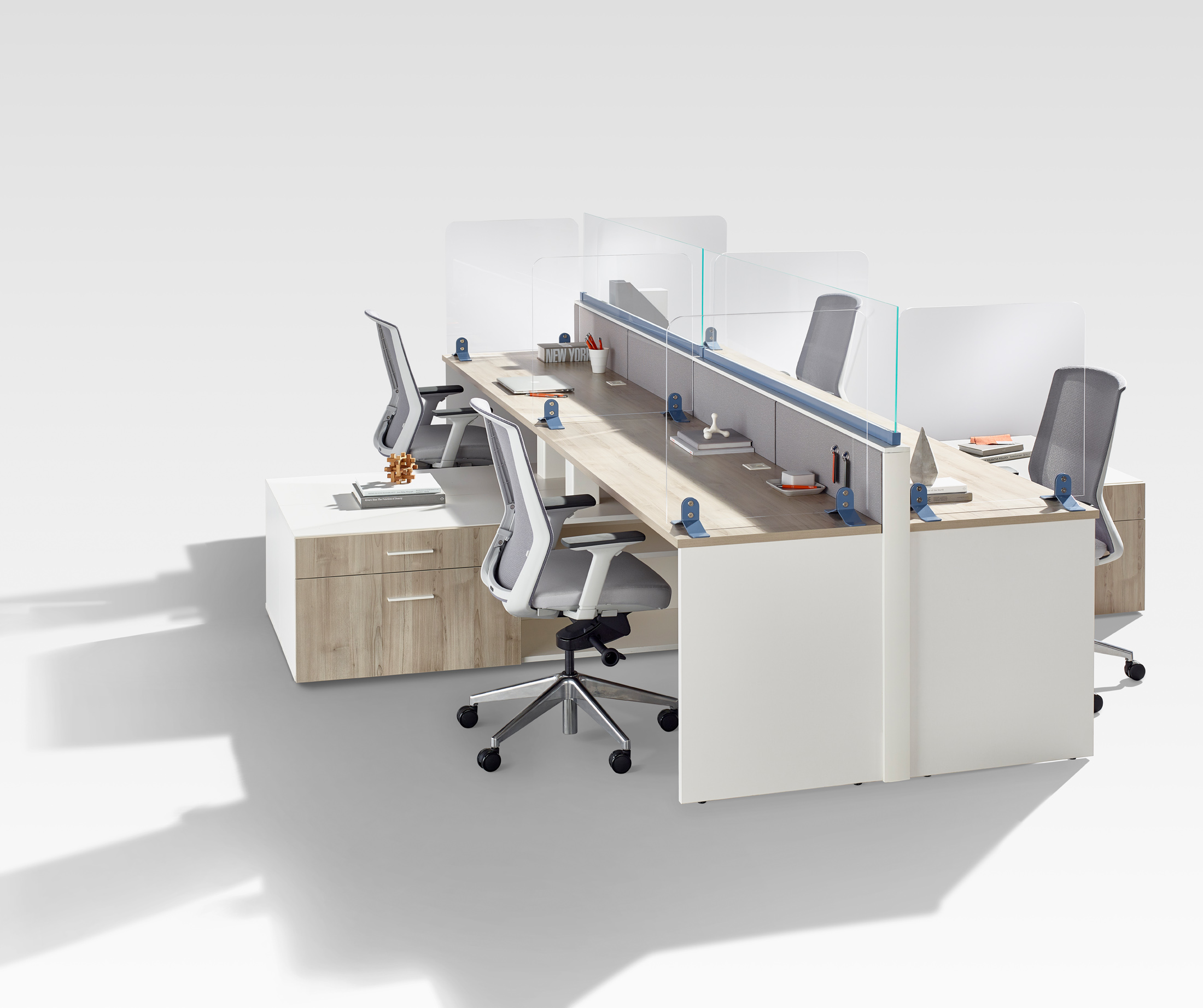
Melamine board, laminate, steel frames, acoustic panels | Open-plan offices, shared teams, project departments | Efficient use of floor space, consistent layout, shared infrastructure, scalable configuration | Evaluate privacy screens, power distribution, desk stability, expansion options, and local installation capability. | High for large offices |
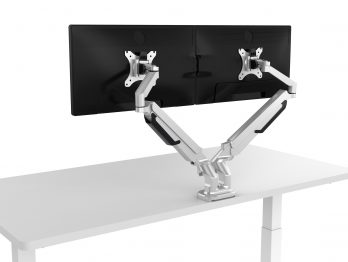
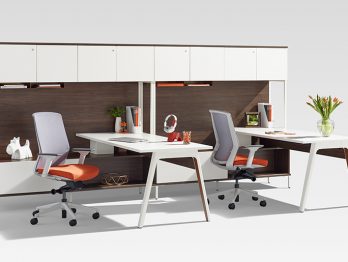
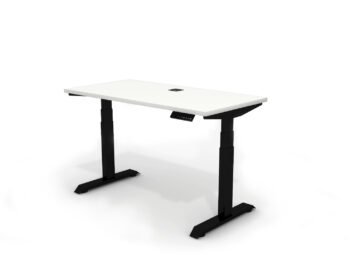
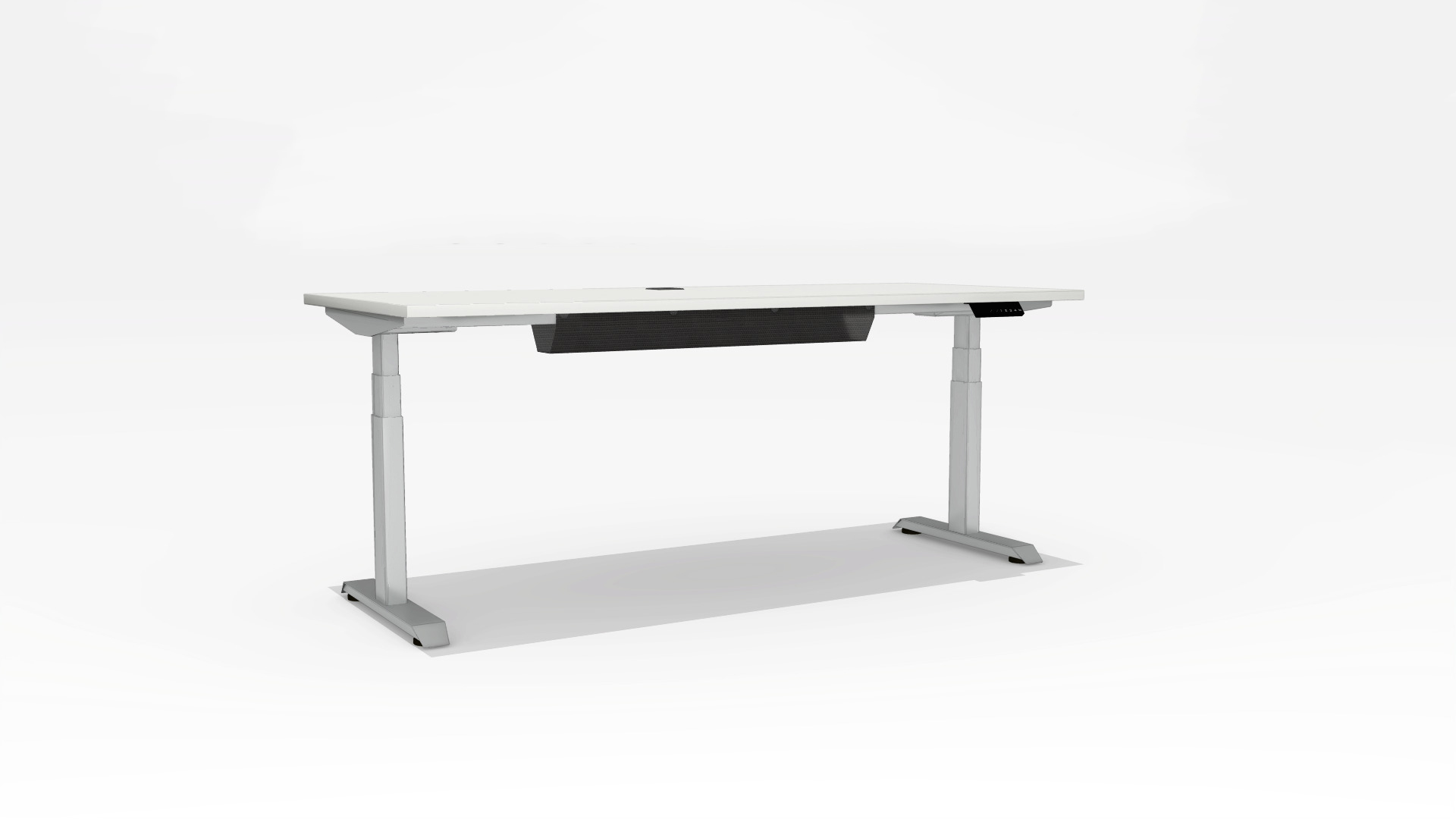
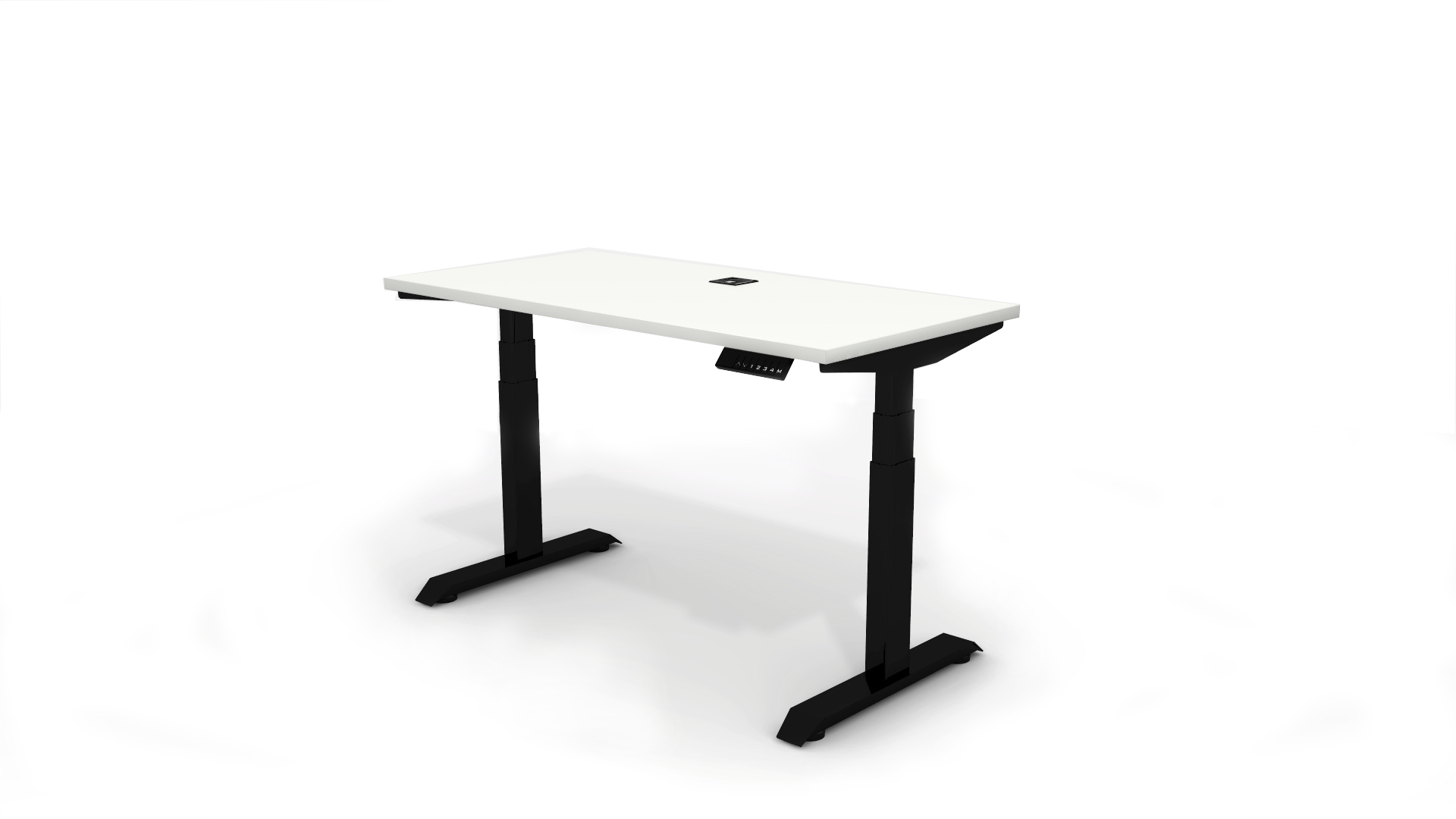
| Height-Adjustable Desk | 1100–1800 mm wide 600–800 mm deep Approximately 650–1250 mm height range |
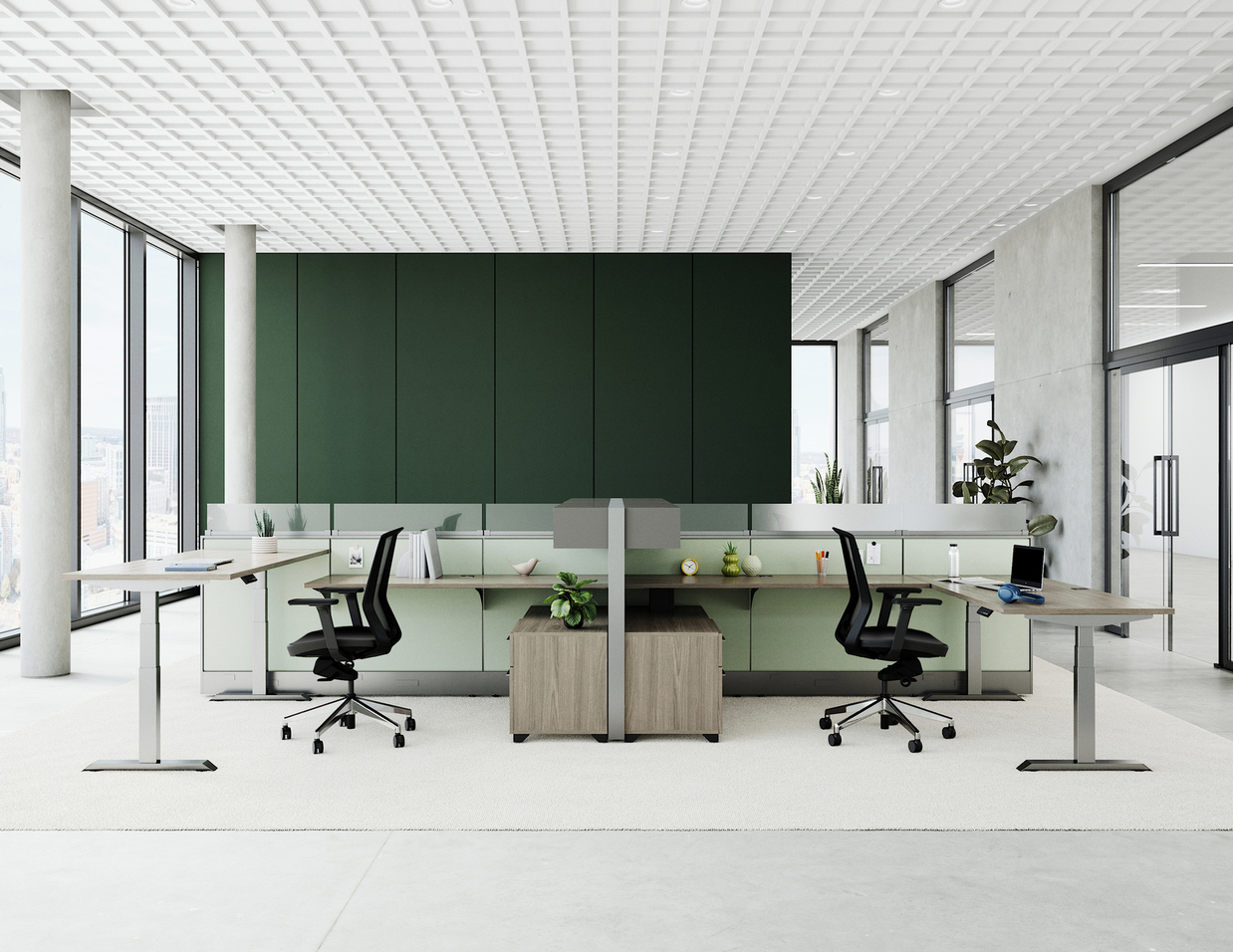
Laminate or veneer tops, steel columns, aluminum or steel bases | Flexible workspaces, ergonomic offices, hybrid work areas | Supports sitting and standing positions, adaptable to different users, modern ergonomic design | Compare lifting capacity, motor noise, control systems, voltage compatibility, warranty terms, and replacement-part access. | High for ergonomic projects |
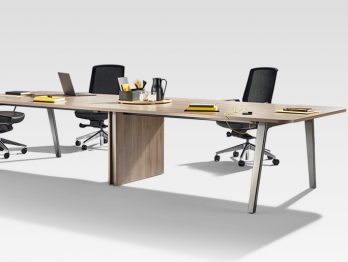
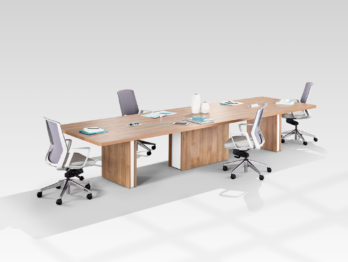
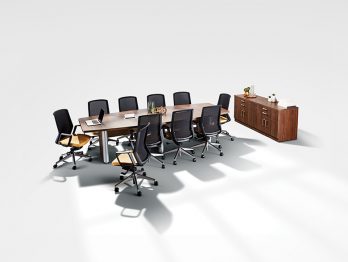
| Conference Table | 1800–3600+ mm long 900–1400 mm deep |
Veneer, laminate, solid wood, tempered glass, steel or aluminum | Meeting rooms, boardrooms, client presentation areas | Supports group collaboration, formal meetings, video conferencing, and document sharing | Measure doorways and elevators, verify table sections, plan power and data access, and check seating capacity. | High for meeting spaces |
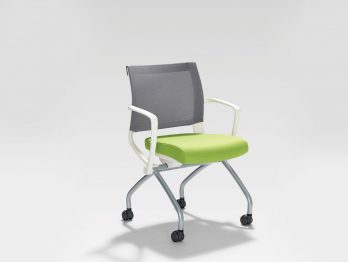
| Folding Training Table | 1200–1800 mm wide 450–750 mm deep |
Laminate tops, steel frames, aluminum components, polypropylene details | Training rooms, classrooms, multipurpose halls, event spaces | Easy storage, quick room reconfiguration, efficient transport, flexible seating arrangements | Check folding mechanism durability, caster quality, nesting efficiency, locking safety, and storage capacity. | High for multipurpose facilities |
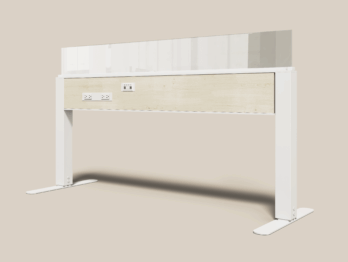
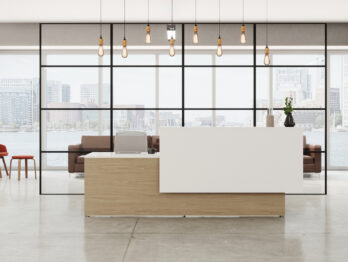
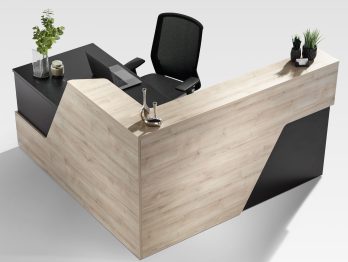
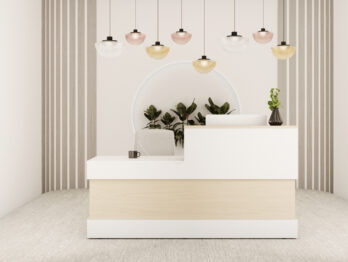
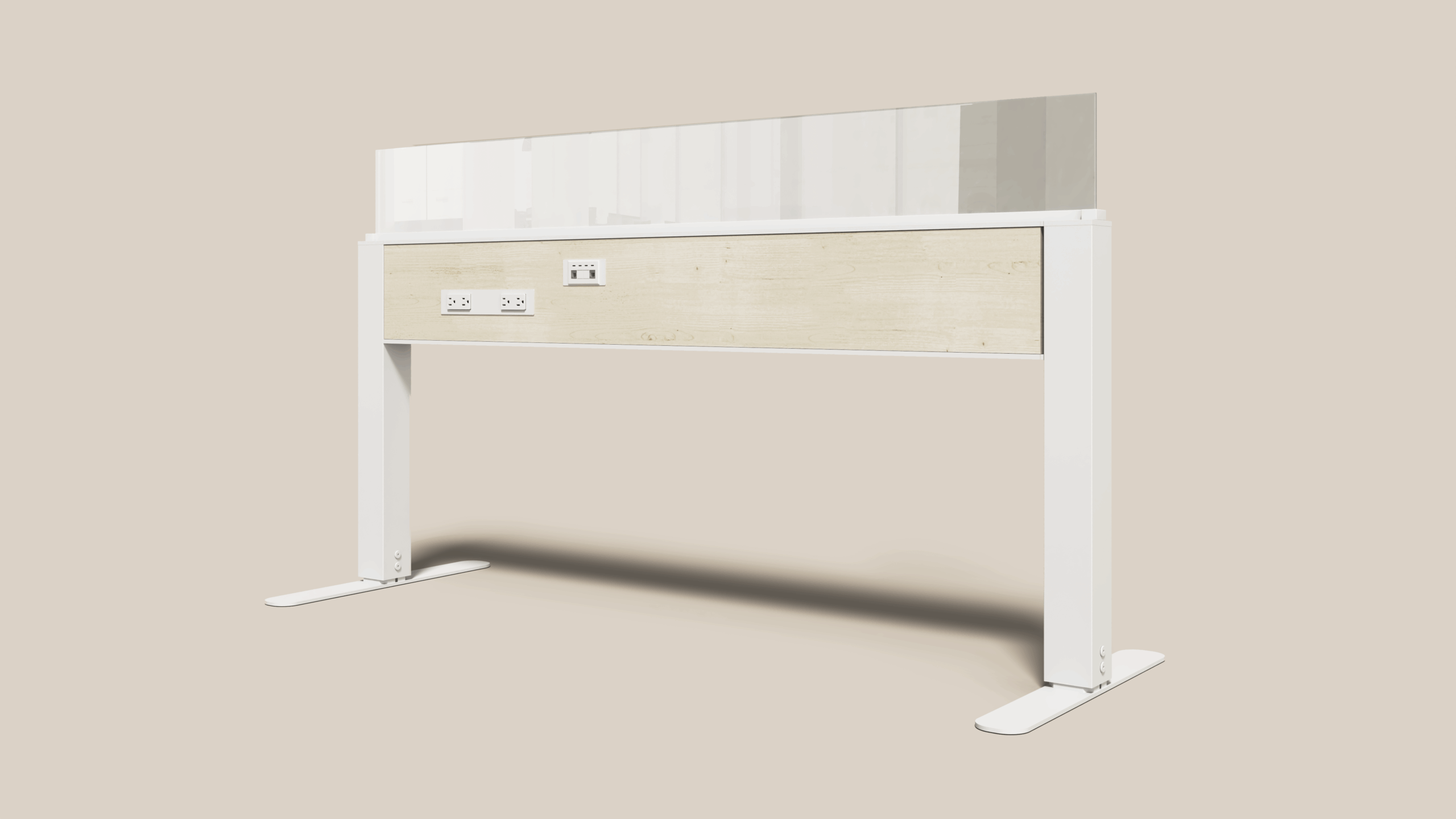
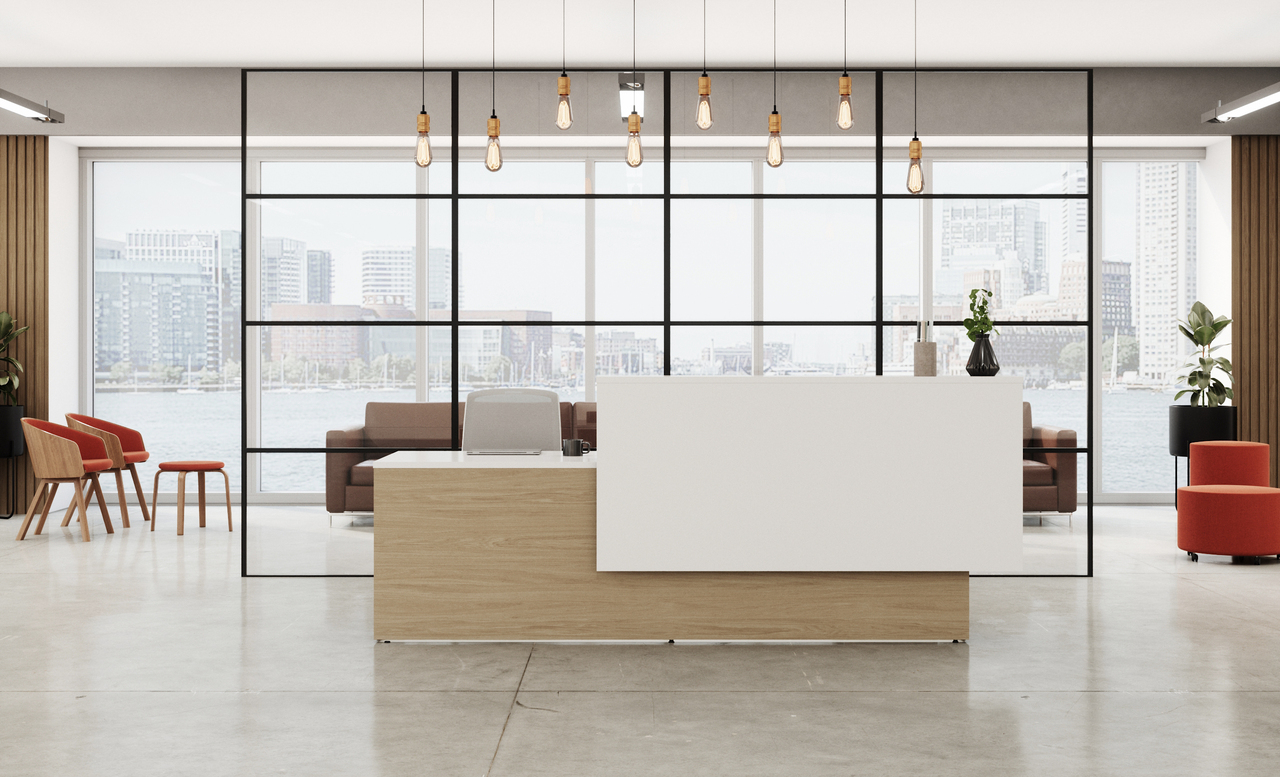
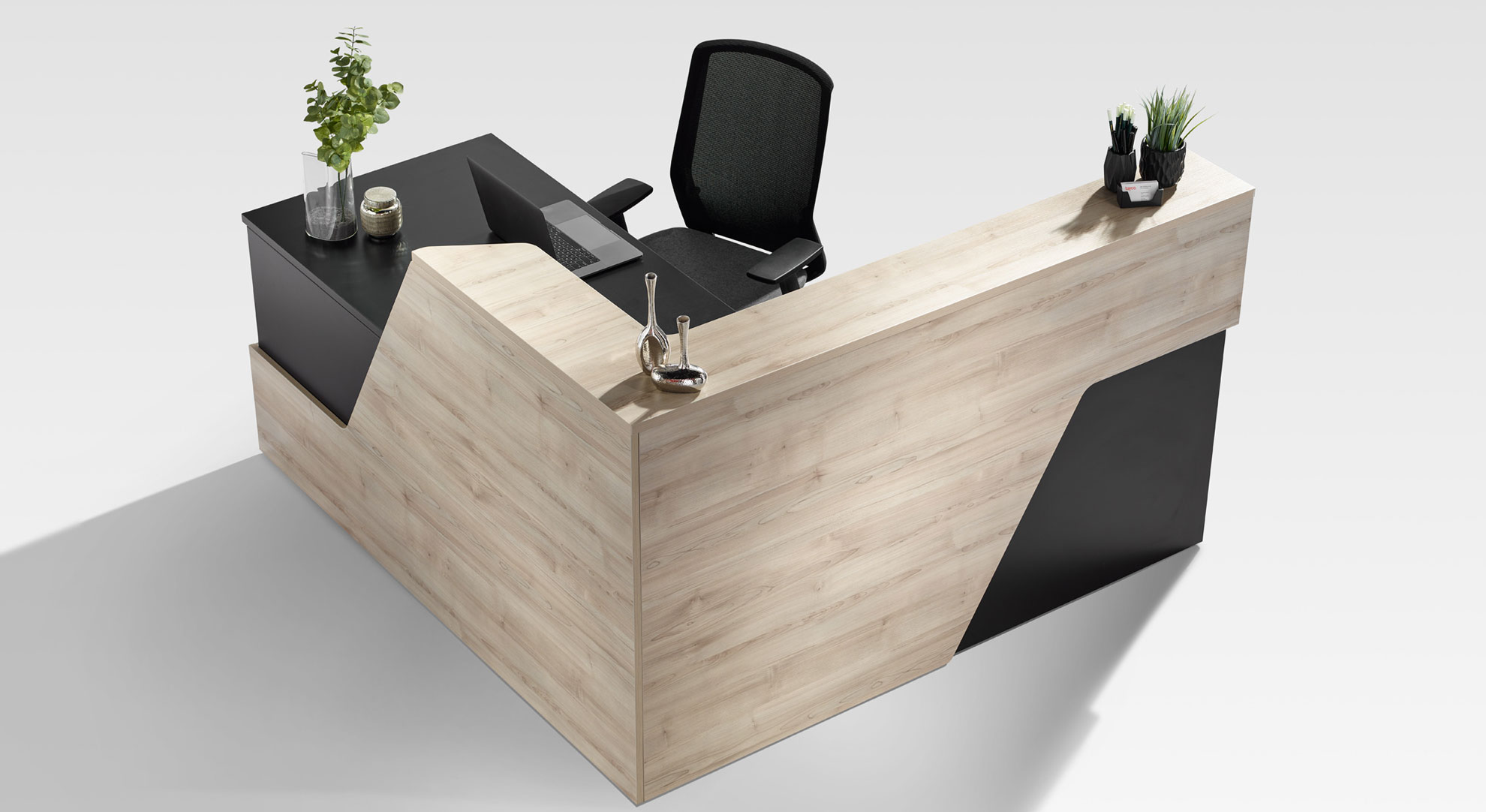
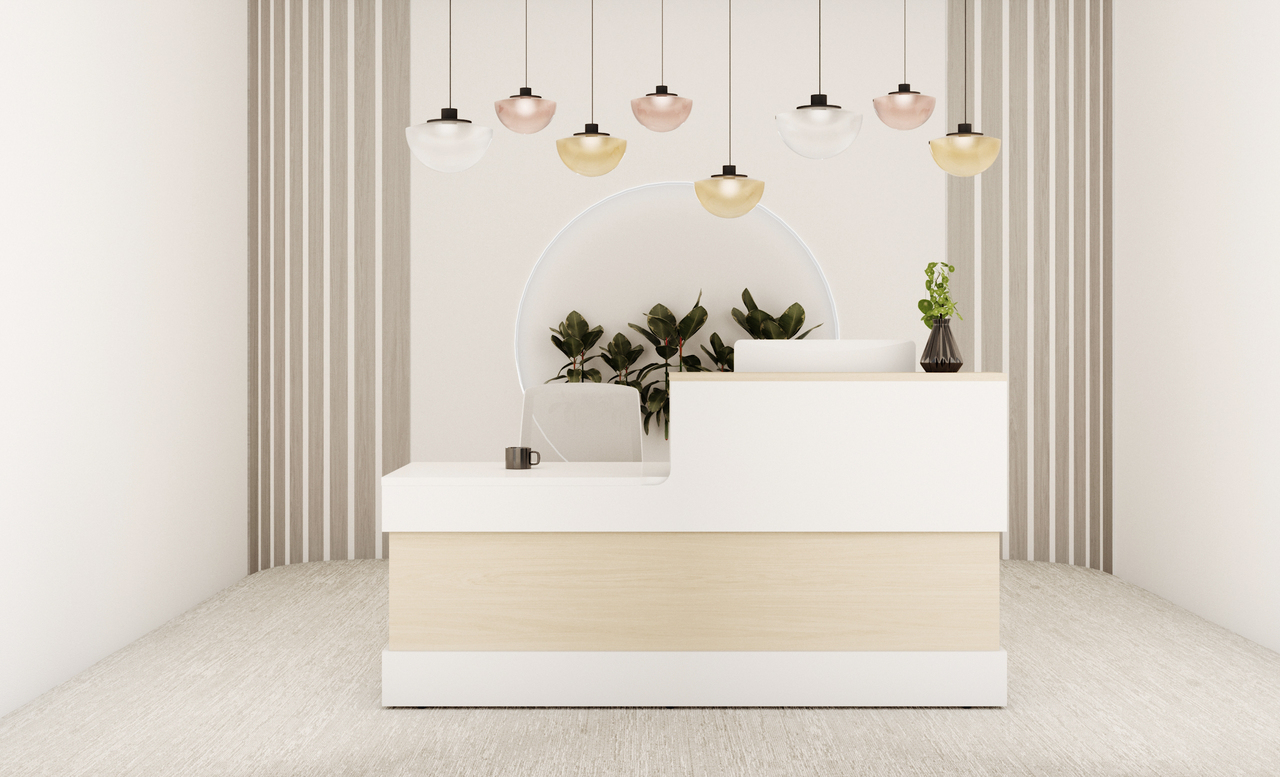
| Reception Desk | 1400–2400 mm wide 700–900 mm deep Often 1050–1200 mm front height |
Laminate, engineered wood, veneer, glass, metal trim | Reception areas, clinics, hotels, corporate entrances | Creates a clear arrival point, provides privacy, and combines visitor-facing and staff work areas | Consider accessibility, transaction height, privacy panels, storage, signage space, and installation complexity. | High for public-facing areas |
| Collaborative Table | 1200–2400 mm wide 750–1200 mm deep |
Laminate, solid wood, engineered wood, steel, aluminum | Creative studios, agile teams, breakout zones, informal meeting areas | Encourages teamwork, supports flexible seating, and can combine individual and group activities | Assess mobility, edge durability, cable access, rounded corners, cleaning requirements, and floor protection. | High for collaborative offices |
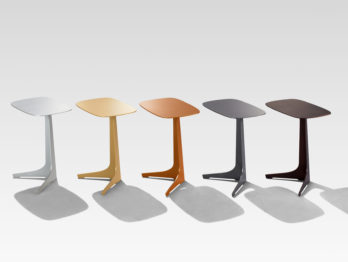
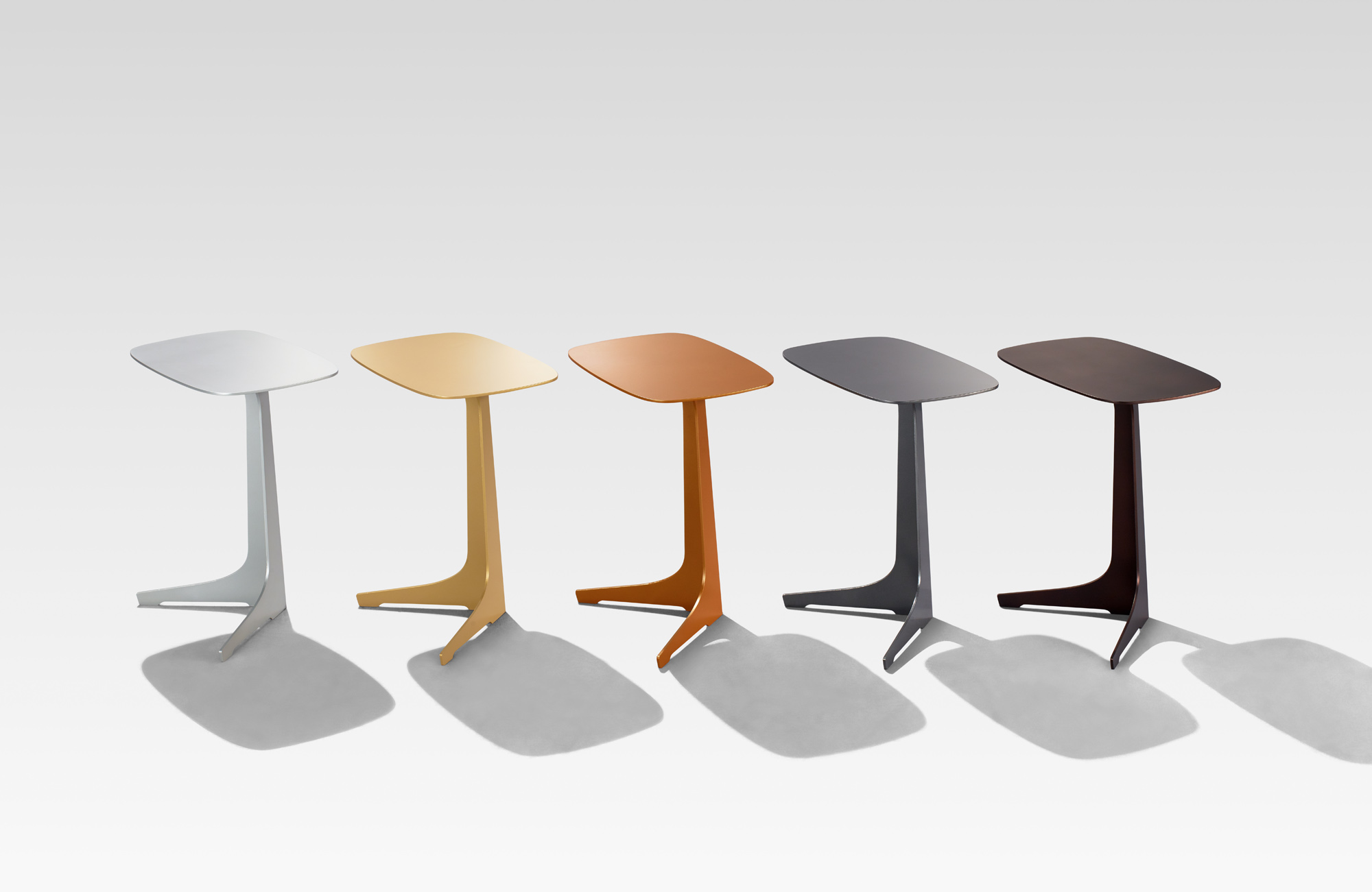
| Side Table or Occasional Table | 400–800 mm wide 400–800 mm deep 400–750 mm high |
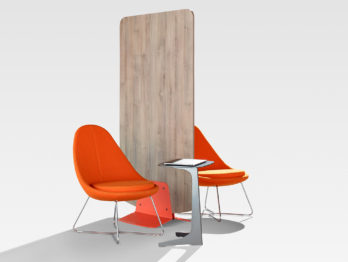
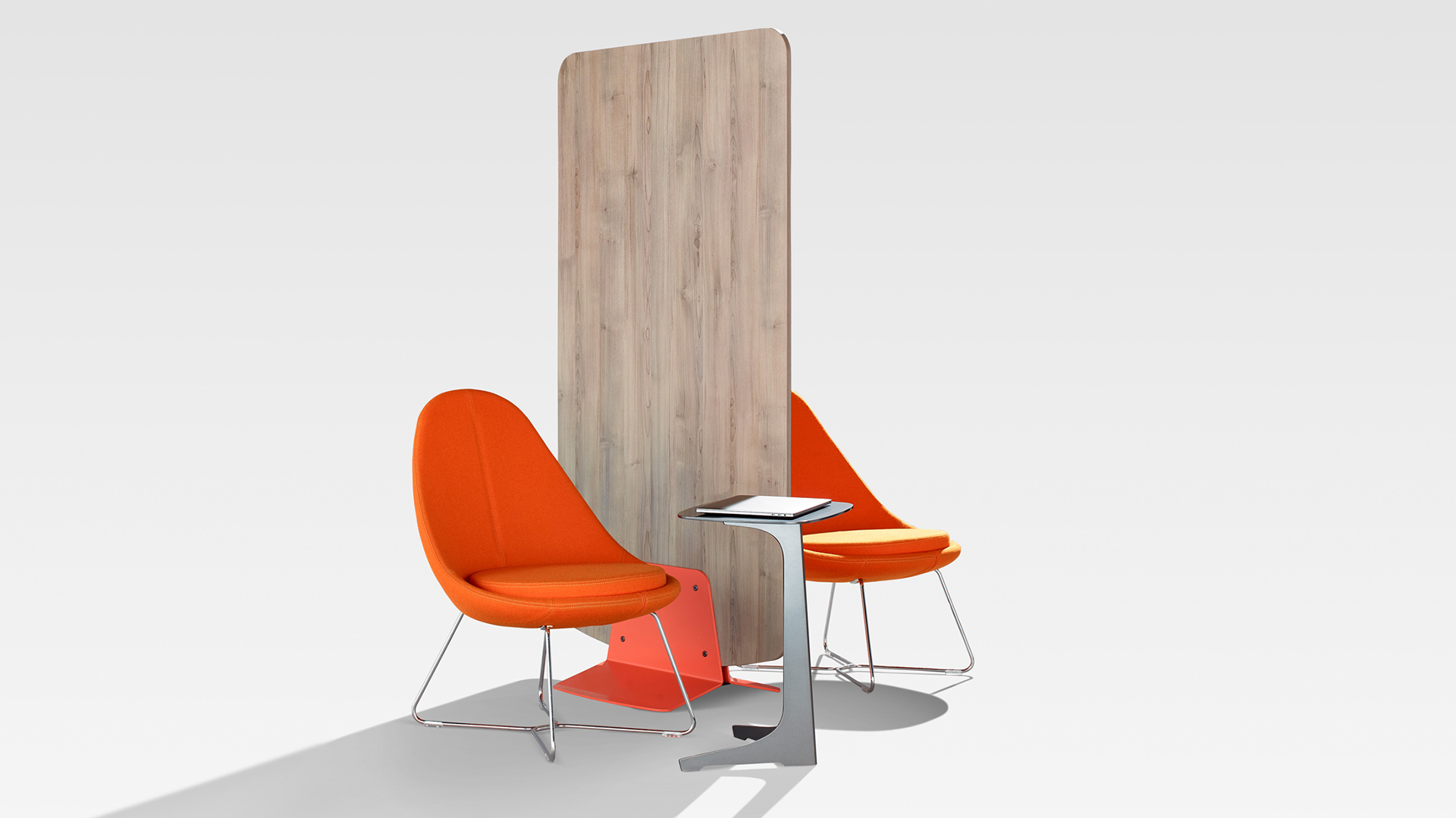
Wood, laminate, metal, glass, engineered stone | Lounges, waiting areas, executive seating, breakout spaces | Compact footprint, easy relocation, useful for laptops, refreshments, and small office accessories | Review stability, rounded edges, surface heat resistance, cleaning compatibility, and nesting or stacking options. | High for supplementary use |
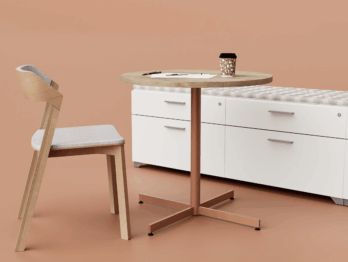
| Café-Style Office Table | 600–900 mm diameter 700–750 mm high |
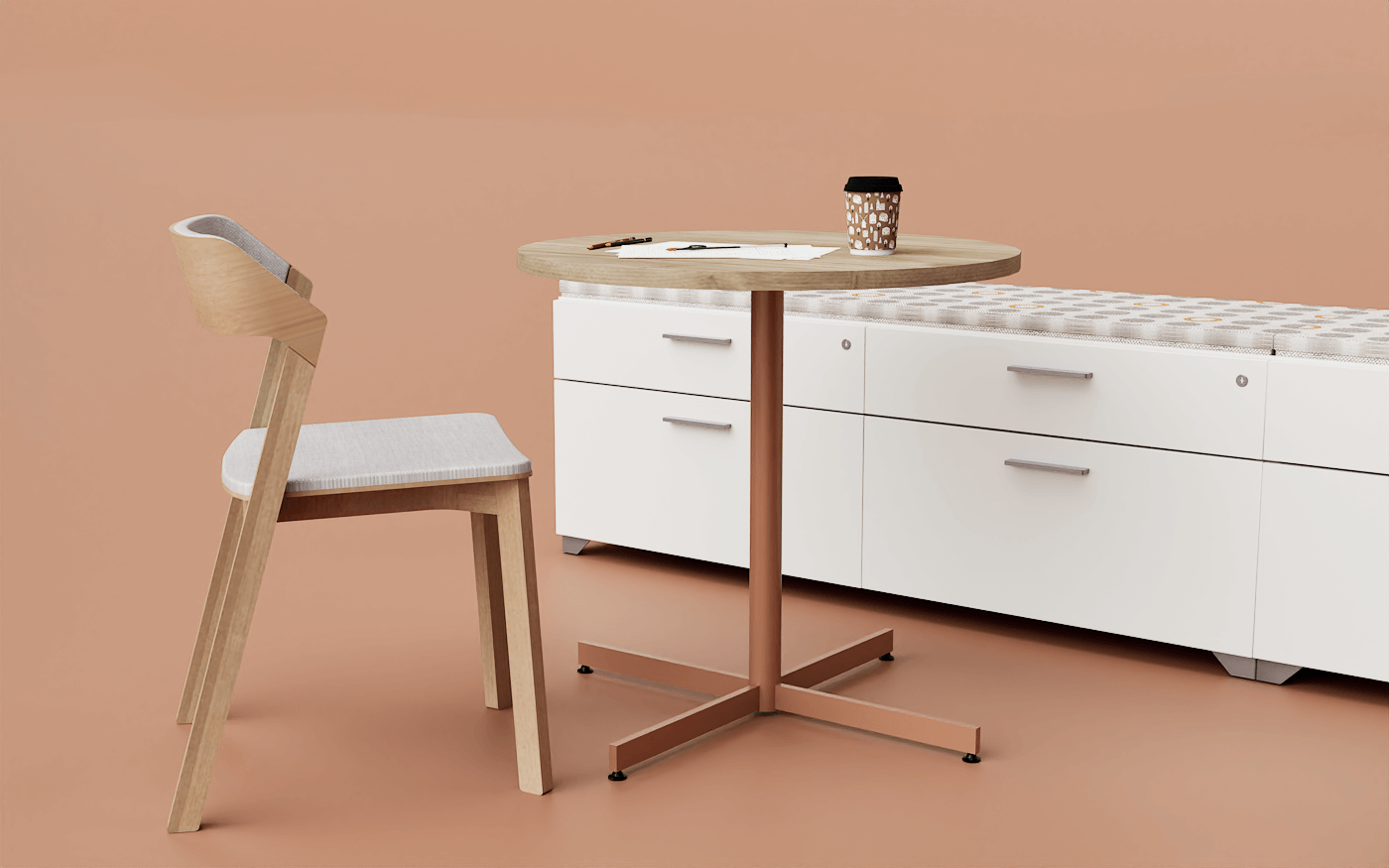
Laminate, solid wood, steel, aluminum, compact laminate | Break rooms, informal meeting areas, staff cafés, hospitality-style offices | Supports short meetings and casual interaction while using limited floor space | Check base stability, cleaning resistance, chair clearance, fire-safety requirements, and shipping volume. | High for informal areas |